

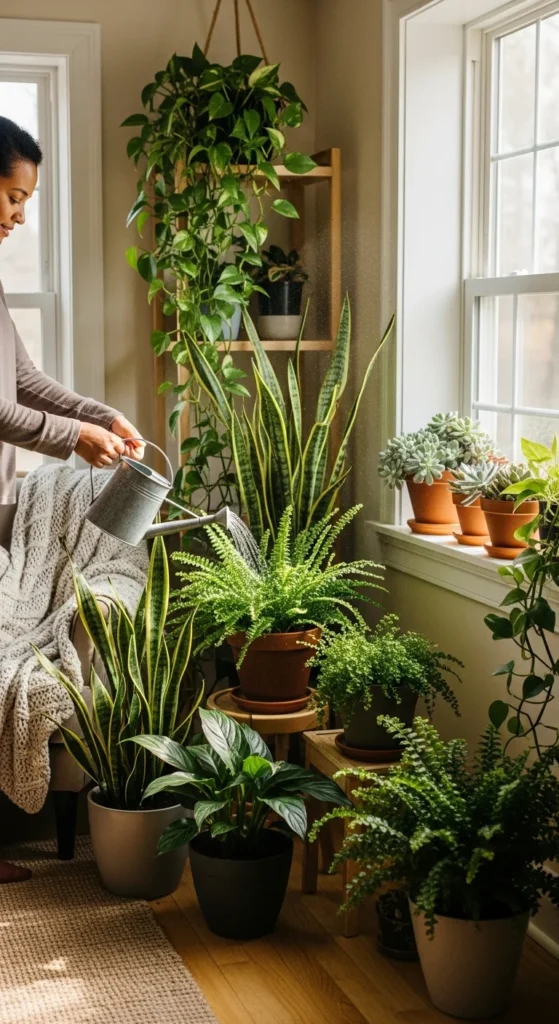
Starting your plant journey doesn’t have to feel complicated. Whether you’re growing herbs on a windowsill or keeping a few tropical houseplants alive, these simple plant care hacks will make the process easier. You’ll learn how to water properly, use common household items for plant health, and create low-cost DIY systems that help your greenery thrive—all without fancy tools or products.
1. Learn Your Plant’s Light Preference
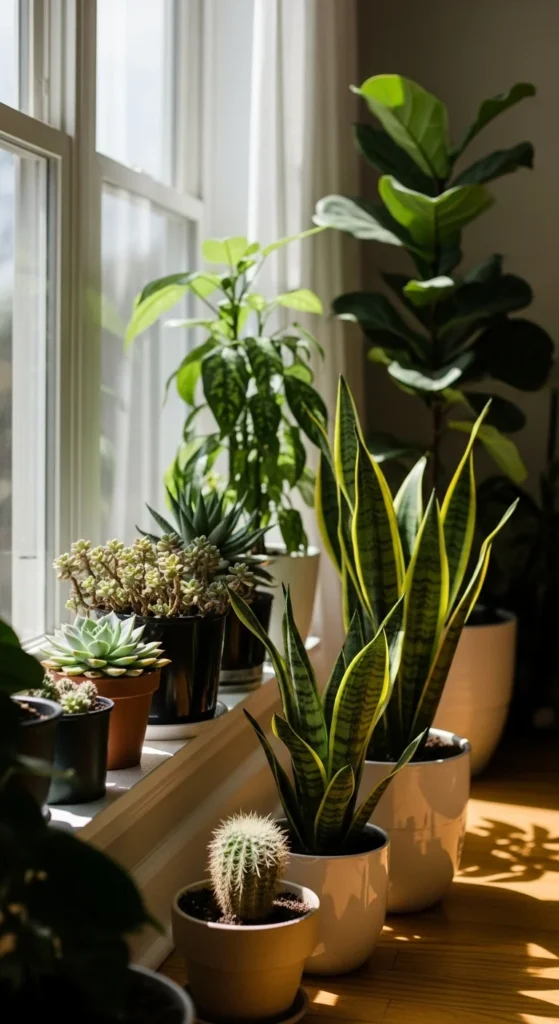
Every plant has a light “comfort zone.” Some love direct sun, others prefer gentle, filtered light. A simple trick is to observe leaf color and growth. Pale or leggy leaves often mean too little light, while scorched patches signal too much. Rotate pots weekly for even exposure. If your room is dark, use an affordable LED grow bulb. They use minimal power and keep plants happy through shorter winter days.
2. Use Chopsticks for Soil Aeration
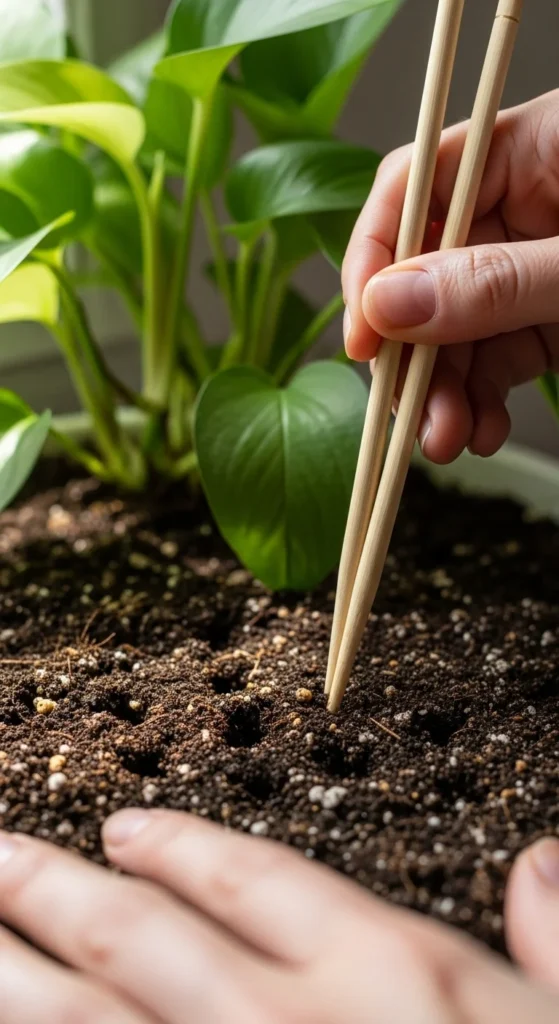
Compacted soil suffocates roots. A quick fix? Use a clean chopstick or skewer to poke small holes in the soil. This lets oxygen and water reach the roots easily. Repeat every few weeks, especially after watering. It’s free, quick, and helps prevent root rot from soggy conditions.
3. Reuse Cooking Water for Nutrients
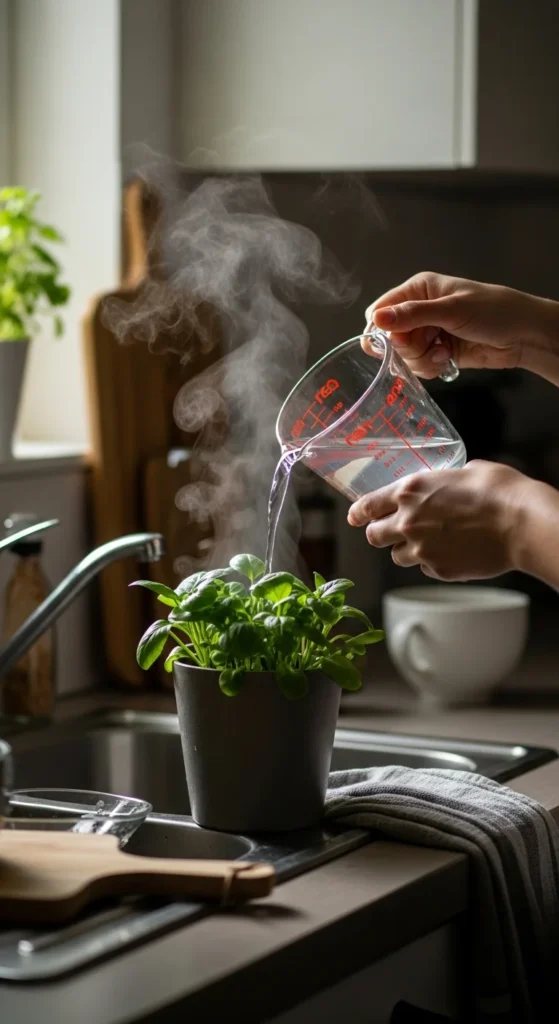
Don’t pour that pasta or veggie water down the sink. Once cooled, it’s filled with gentle minerals and nutrients your plants love. Skip salted water, though. This trick works great for leafy greens and herbs. It’s a sustainable way to reuse kitchen waste and feed your plants naturally.
4. Bottom Water for Healthier Roots
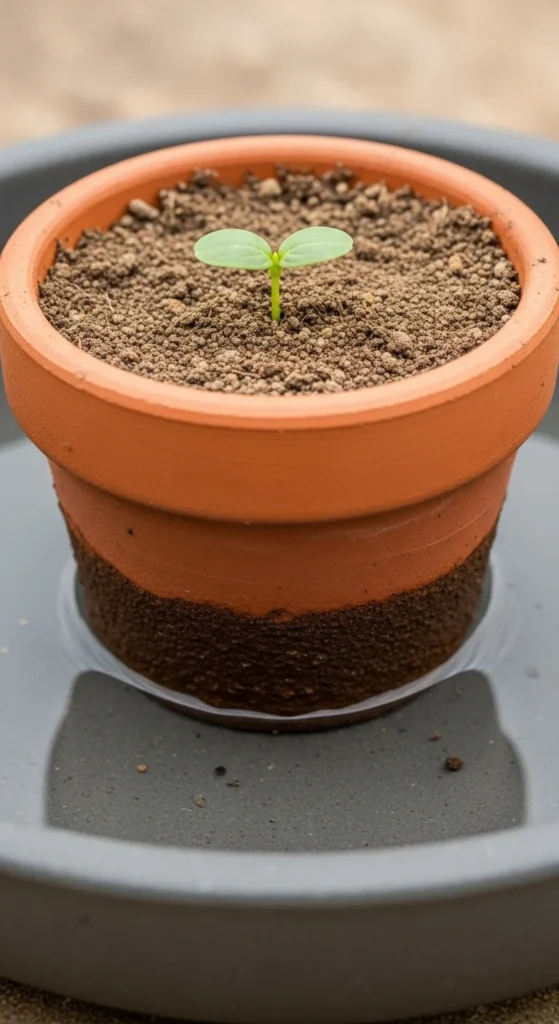
Instead of watering from the top, place your pot in a shallow tray of water. Let it absorb moisture through the drainage holes for about 15 minutes. This encourages strong root growth and prevents overwatering. It’s especially useful for plants like African violets and snake plants.
5. Group Plants for Humidity
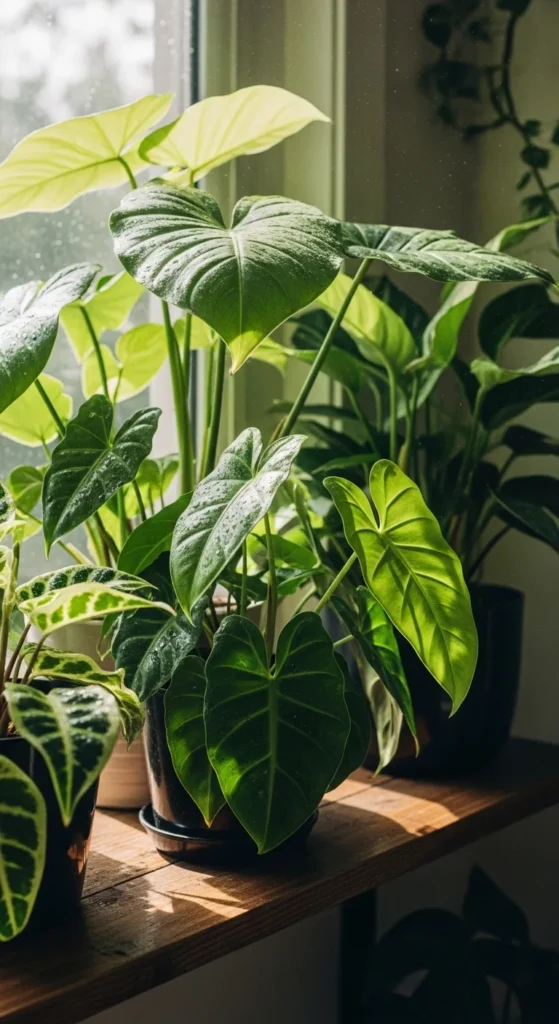
Indoor air can be dry, especially with heaters on. Grouping plants helps create a mini humidity zone, as they release moisture through their leaves. Place them close—but not touching—and mist lightly a few times a week. A shallow bowl of water nearby also helps.
6. Use Ice Cubes for Measured Watering
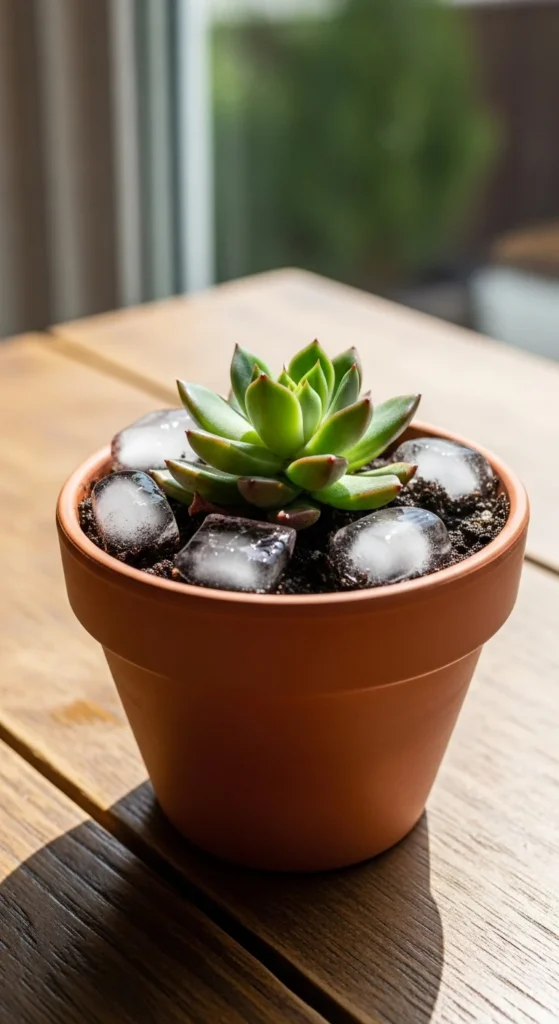
If you tend to overwater, this hack is foolproof. Place a few ice cubes on the soil and let them melt slowly. It keeps watering even and prevents soggy roots. Ideal for orchids and succulents that dislike too much moisture at once.
7. Clean Leaves with a Soft Cloth
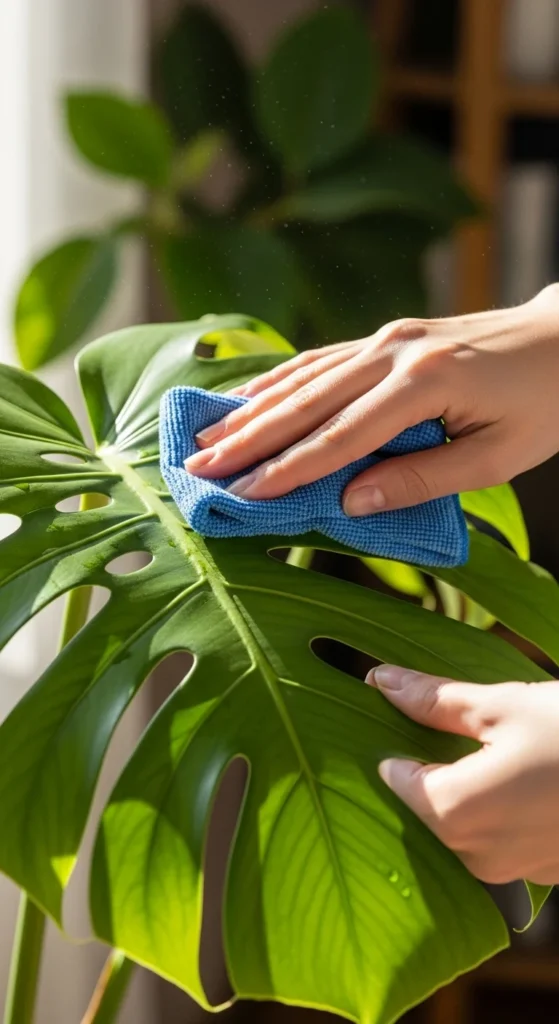
Dust blocks sunlight and slows growth. Gently wipe leaves with a damp cloth or sponge every two weeks. Avoid chemical sprays—just plain water works fine. This helps your plants breathe better and keeps them looking vibrant.
8. Rotate Plants for Even Growth
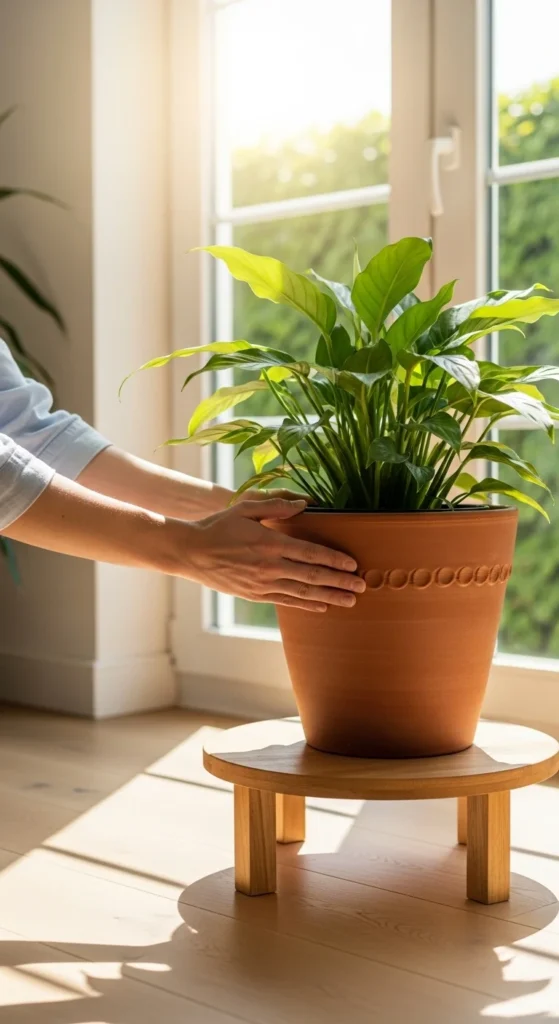
Plants naturally stretch toward light. To keep them symmetrical, give each a quarter turn every week. This promotes even growth and prevents leaning. Mark your pots with small dots so you remember which way they faced last time.
9. Use Coffee Grounds Sparingly
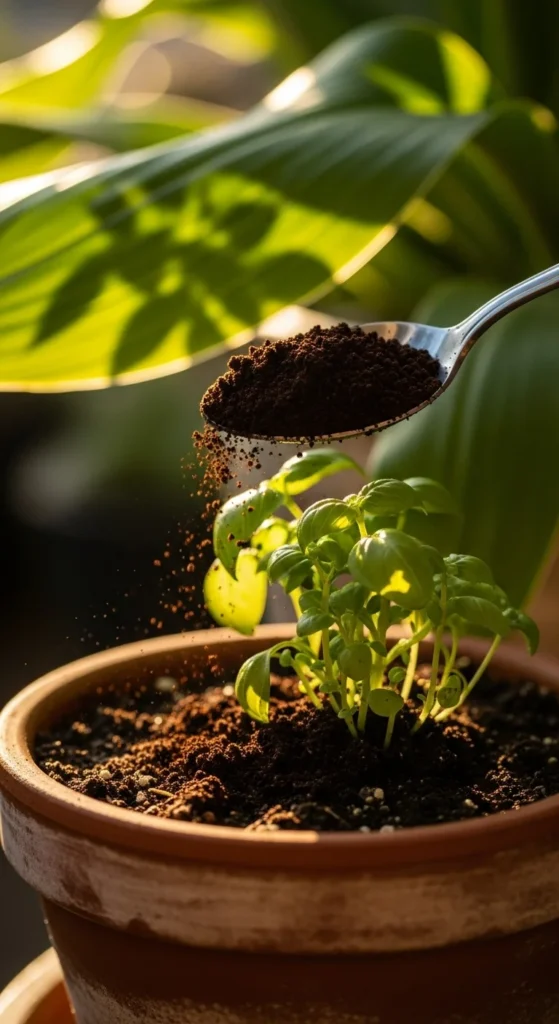
Used coffee grounds add organic matter and a mild acid boost. Mix a small spoonful into potting soil once a month. Too much can compact the soil, so use lightly. This trick works best for acid-loving plants like ferns or azaleas.
10. Check Soil with Your Finger
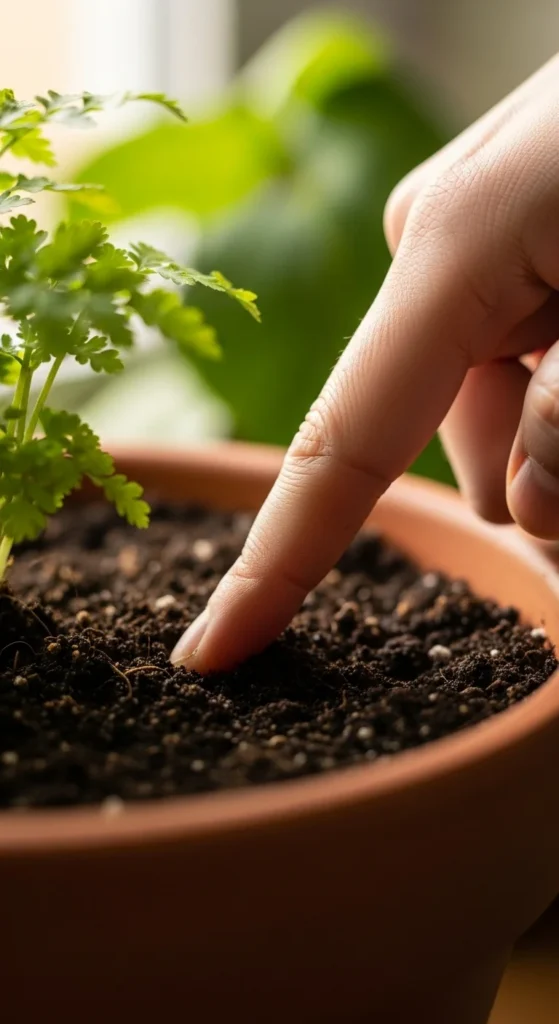
Before watering, test the top inch of soil. If it feels dry, water; if damp, wait. This simple finger test prevents root rot and saves water. Use it for every indoor plant—it’s free and accurate.
11. Add Pebbles for Better Drainage
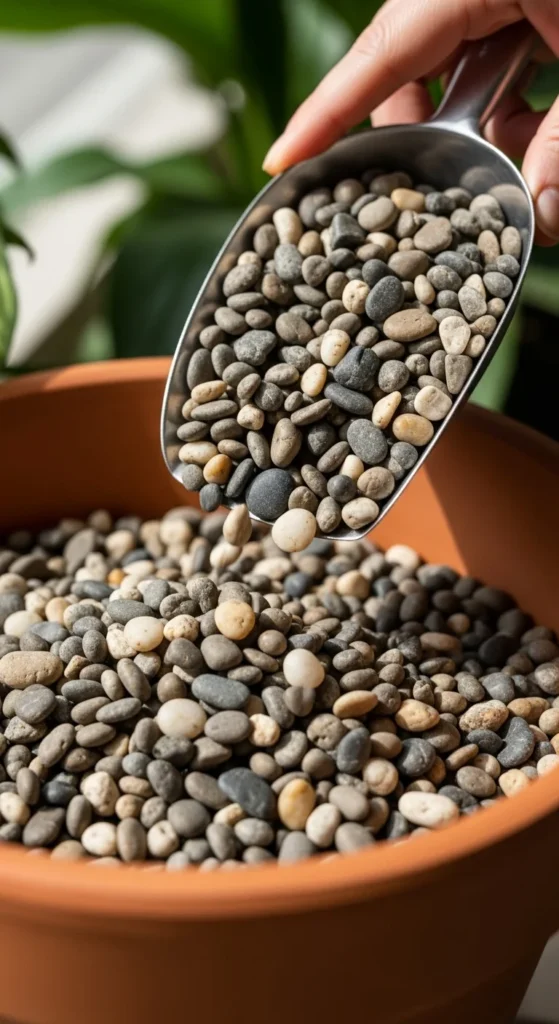
A layer of small stones or gravel under the soil helps excess water drain. It’s a budget-friendly trick to avoid soggy roots. You can even reuse aquarium pebbles or broken clay pot bits.
12. Propagate with Glass Jars
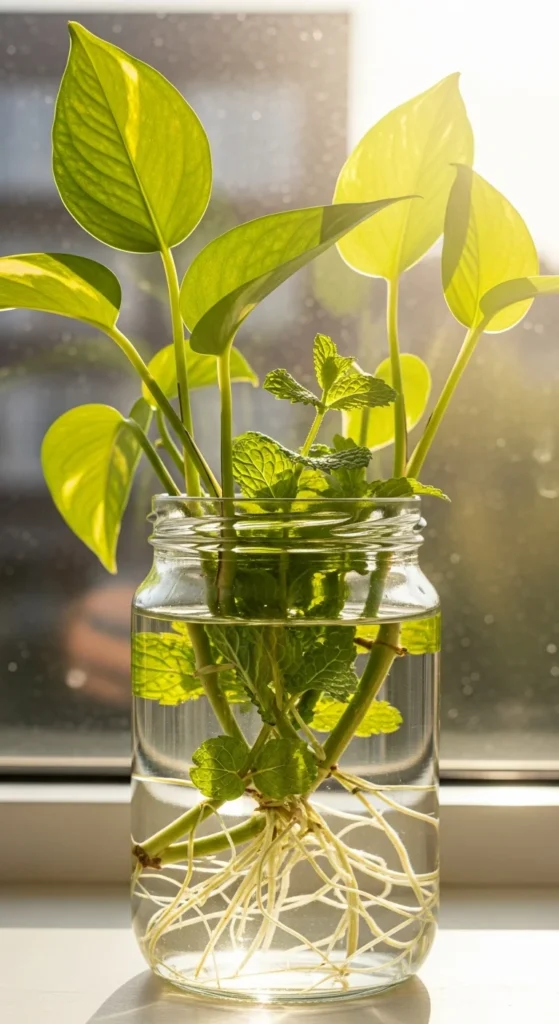
Many houseplants grow easily from cuttings. Place trimmed stems in jars of water near sunlight. Change the water weekly until roots appear, then pot them up. It’s a free way to multiply plants and create thoughtful gifts.
13. Recycle Old Containers as Planters
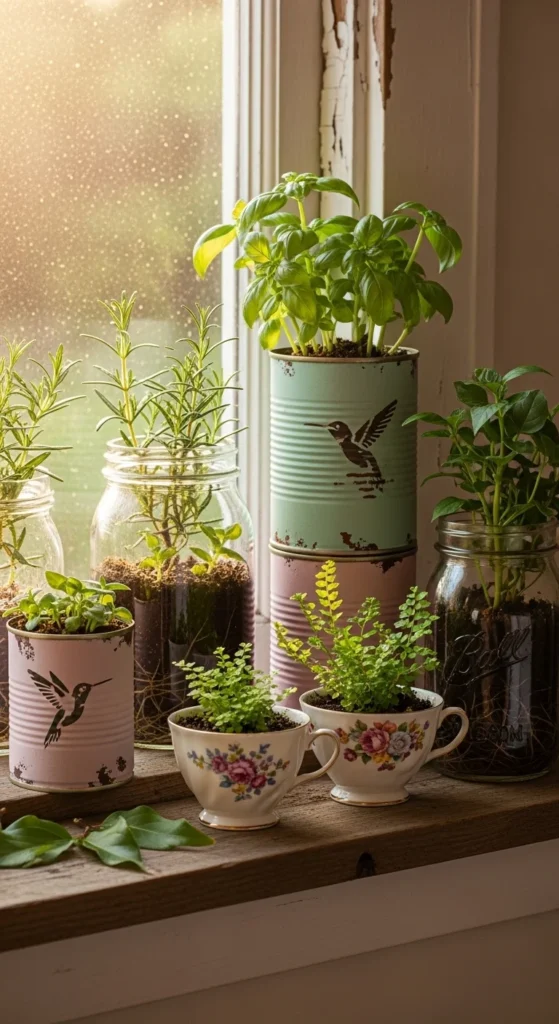
Don’t buy new pots right away. Reuse old mugs, tins, or jars as planters. Add small drainage holes if possible. It’s budget-friendly and gives your space a personal touch.
14. Feed with Banana Peels
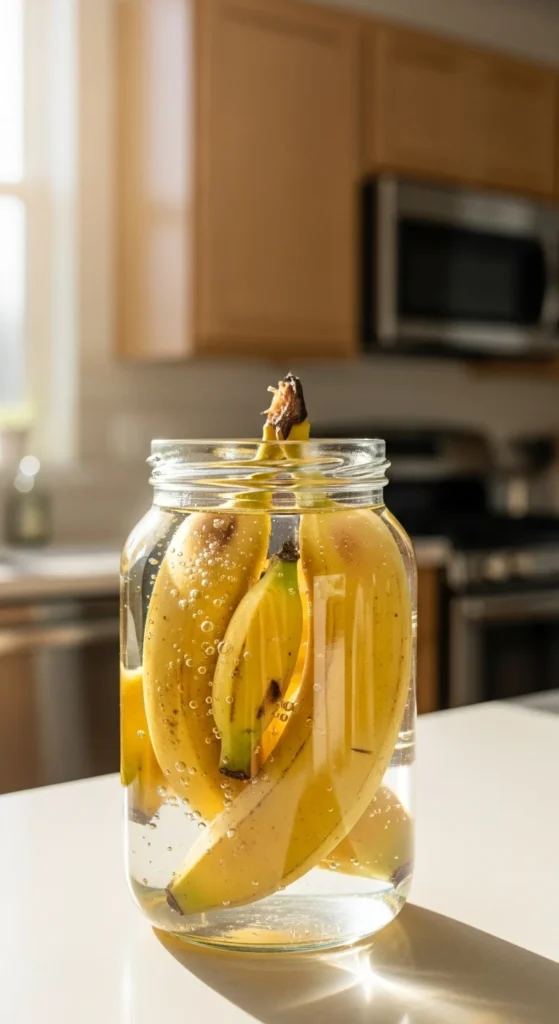
Banana peels are rich in potassium—perfect for flowering plants. Soak them in water for two days, then use the banana tea to water your plants. It’s gentle, natural, and completely free.
15. Use Toothpicks for Mini Support
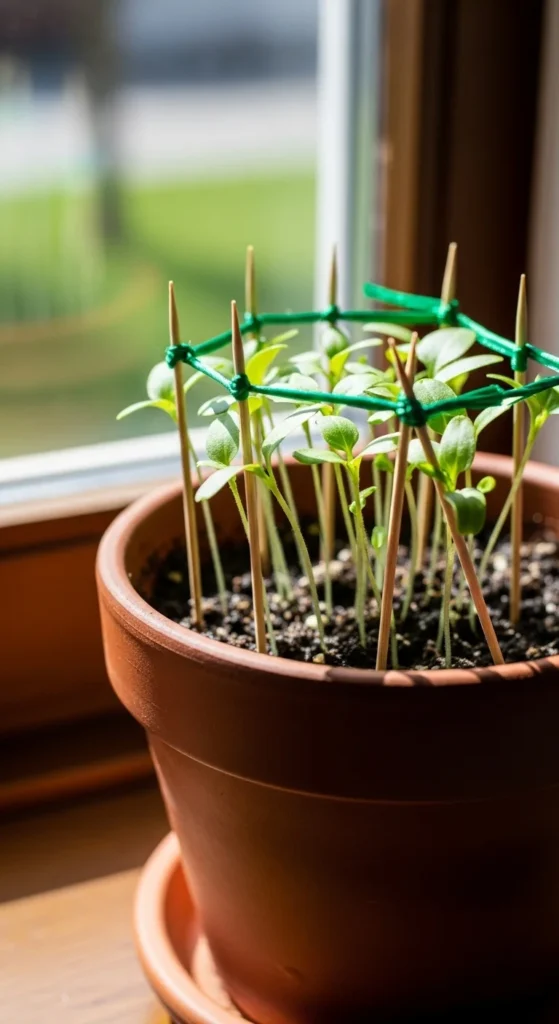
When seedlings lean or fall over, a few toothpicks can act as mini stakes. Tie gently with thread or soft twine. This helps young plants stay upright until their stems strengthen.
16. Keep Pests Away with Soap Spray
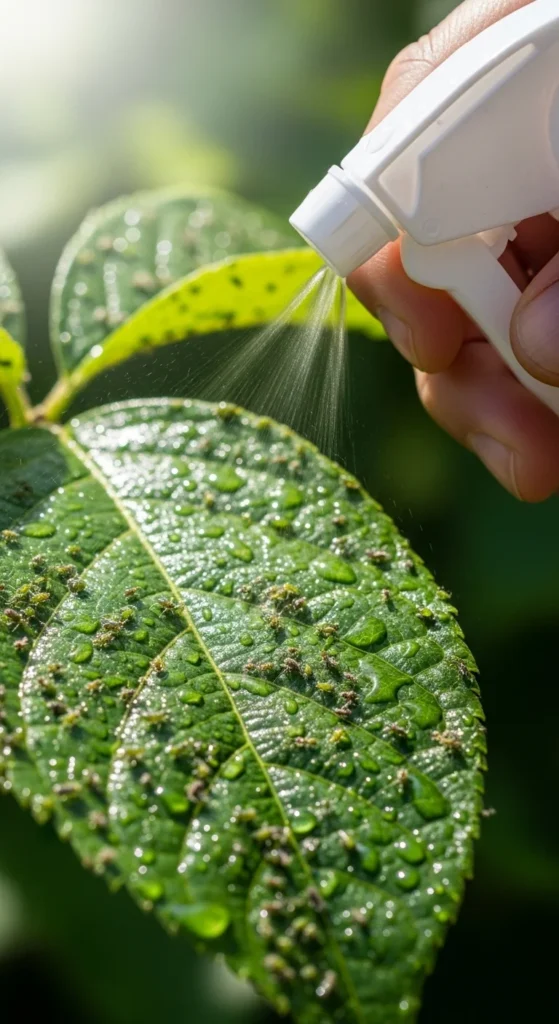
Mix one teaspoon of mild dish soap with a quart of water. Spray affected leaves once a week to stop aphids and mites. It’s a natural, inexpensive solution that won’t harm your plants.
17. Refresh Old Soil with Compost
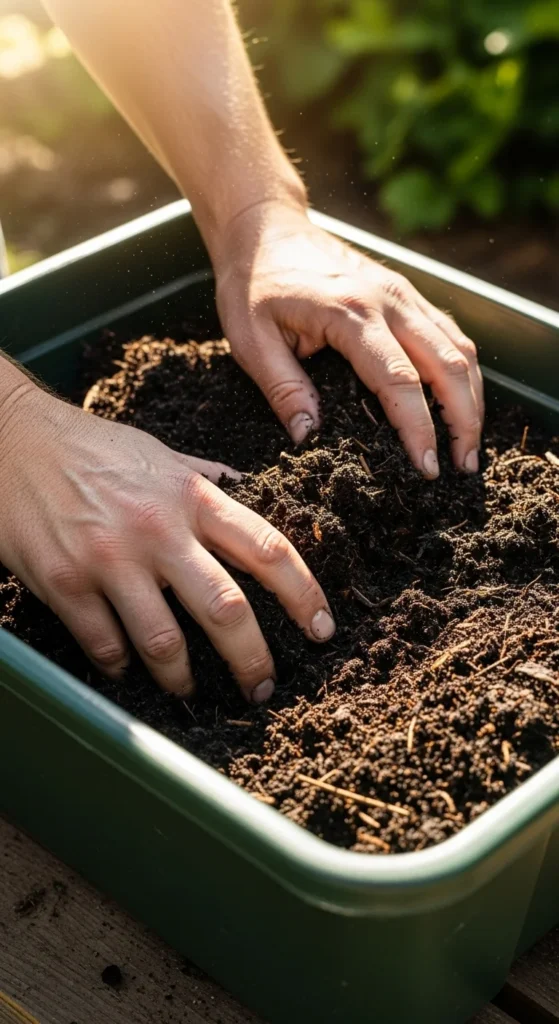
After months, soil loses nutrients. Mix in a handful of compost or fresh potting mix to revive it. It’s cheaper than repotting entirely and helps roots grow stronger again.
18. Repot Gently When Roots Show
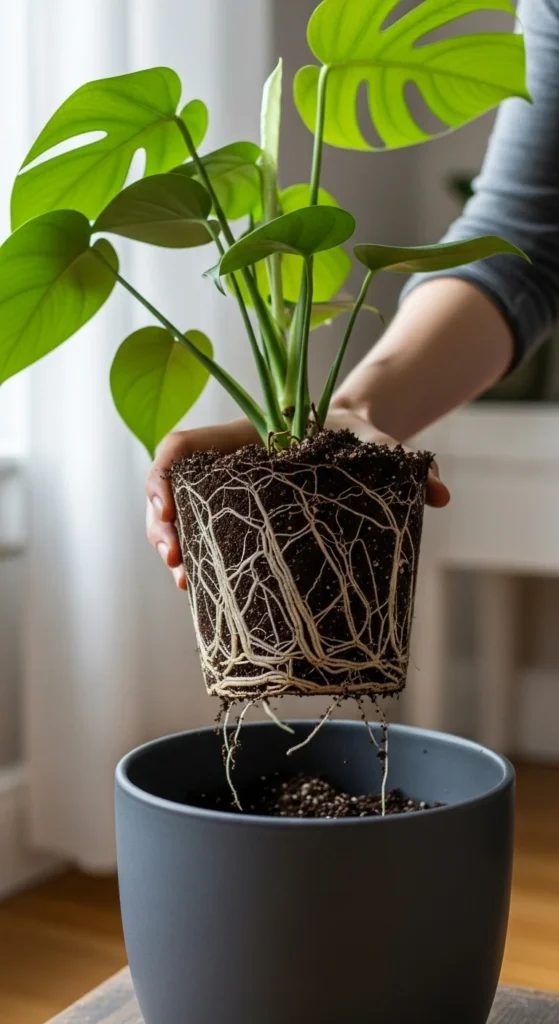
When roots start poking out from the bottom, it’s time for a bigger pot. Handle gently and loosen compacted soil. Repot in slightly larger containers to reduce shock.
19. Create a DIY Watering Reminder
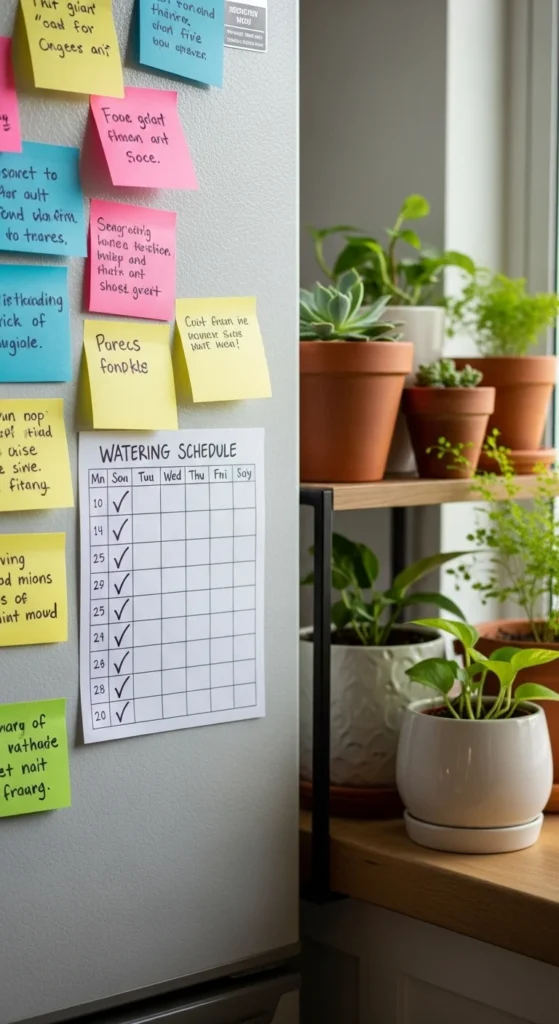
Use sticky notes, alarms, or a simple calendar to remind yourself when to water. Each plant has its own rhythm. A consistent schedule keeps them thriving without guessing.
20. Celebrate New Growth
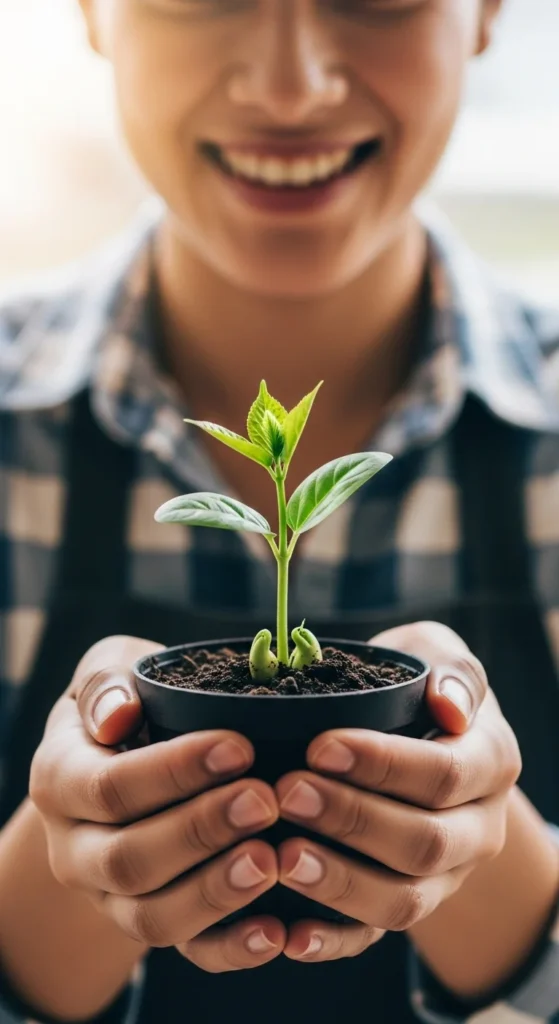
Noticing new leaves or tiny buds is exciting. Take photos or mark the date—it helps track growth. Small progress means your care routine is working. Keep nurturing, and your plants will reward you.
Conclusion
Caring for plants doesn’t have to feel like work. With these 20 easy hacks, you can grow a healthy indoor jungle using everyday materials and simple habits. The key is consistency—observe, adjust, and enjoy the process. Every sprout and leaf is a sign of life you helped nurture. Start small today, and soon you’ll have a thriving collection you can be proud of.

Leave a Reply