

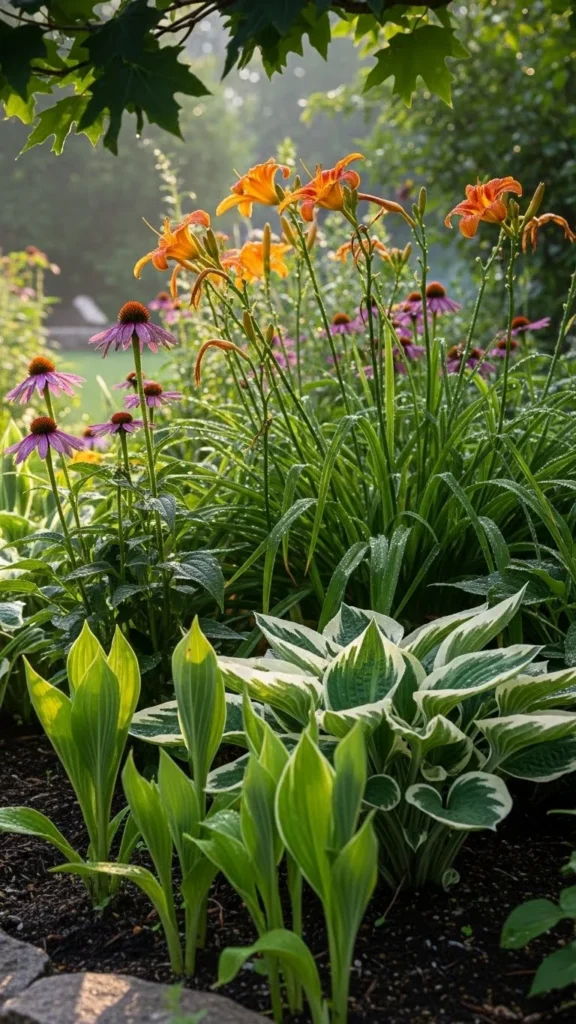
Perennial plants are the gift that keeps on giving. Unlike annuals, which fade after a single season, these long-living beauties return year after year with minimal effort. Whether you’re planting for color, texture, or pollinator appeal, perennials save time, money, and energy in the long run. Let’s explore 20 easy-care perennials that can transform your garden into a lasting landscape of blooms and greenery.
1. Daylilies
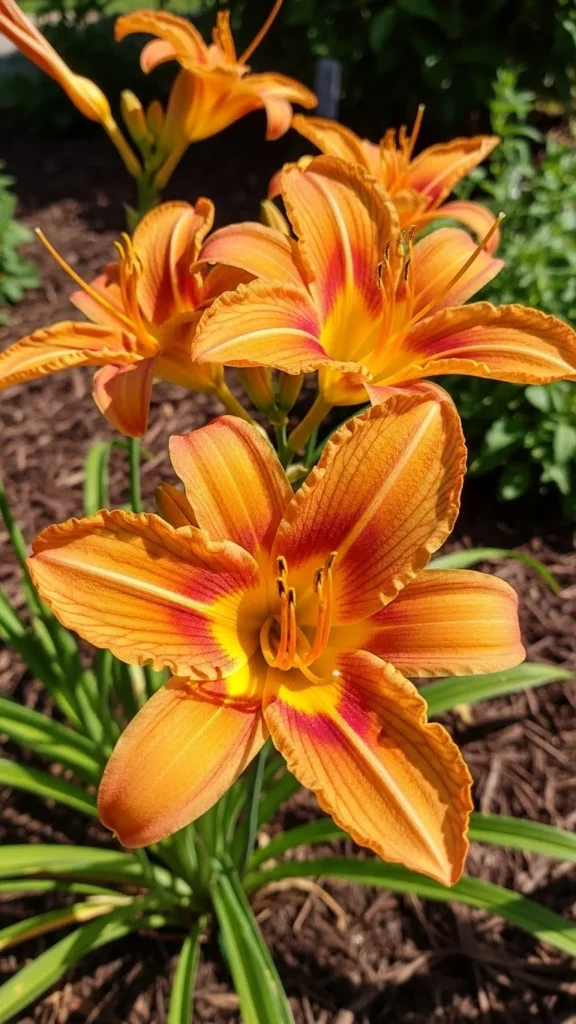
Daylilies are among the easiest perennials to grow. They adapt to nearly any soil type and bloom for weeks in summer. Once planted, they spread steadily, filling garden borders with color. Choose varieties in yellow, red, or purple for a dynamic display.
For budget-friendly planting, divide existing clumps every few years and replant the sections elsewhere. Daylilies thrive in full sun but can handle light shade too. Regular deadheading keeps the garden tidy and encourages repeat blooms.
2. Black-Eyed Susan
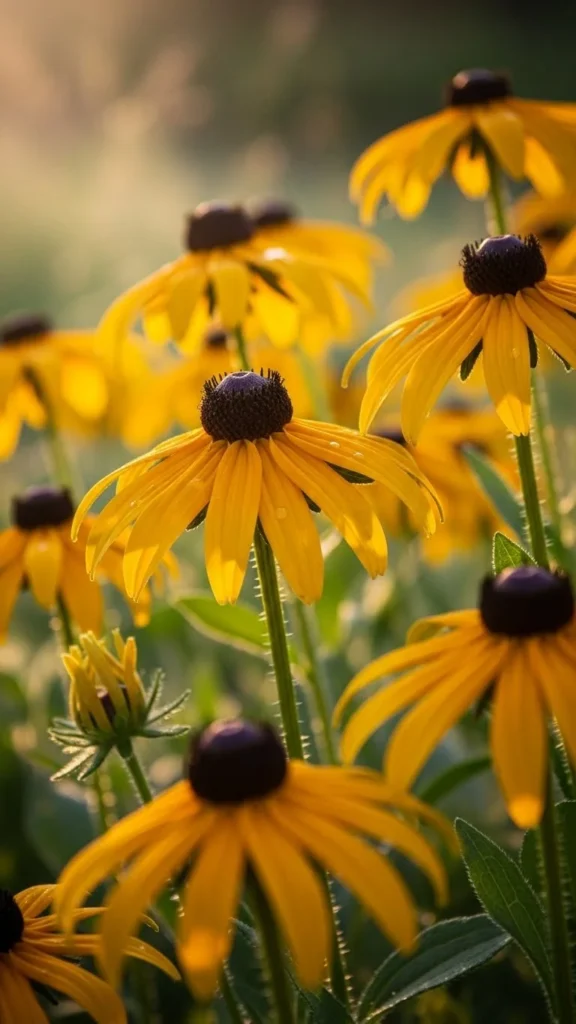
Black-eyed susans are a cheerful addition to any yard. They attract butterflies and bees while offering weeks of golden color. These hardy perennials tolerate heat, drought, and poor soil—perfect for low-maintenance landscapes.
Plant them in clusters for a natural meadow effect. Leave seed heads in fall to feed birds and add winter texture. They’ll reseed themselves lightly, spreading joy with minimal work each year.
3. Coneflower (Echinacea)
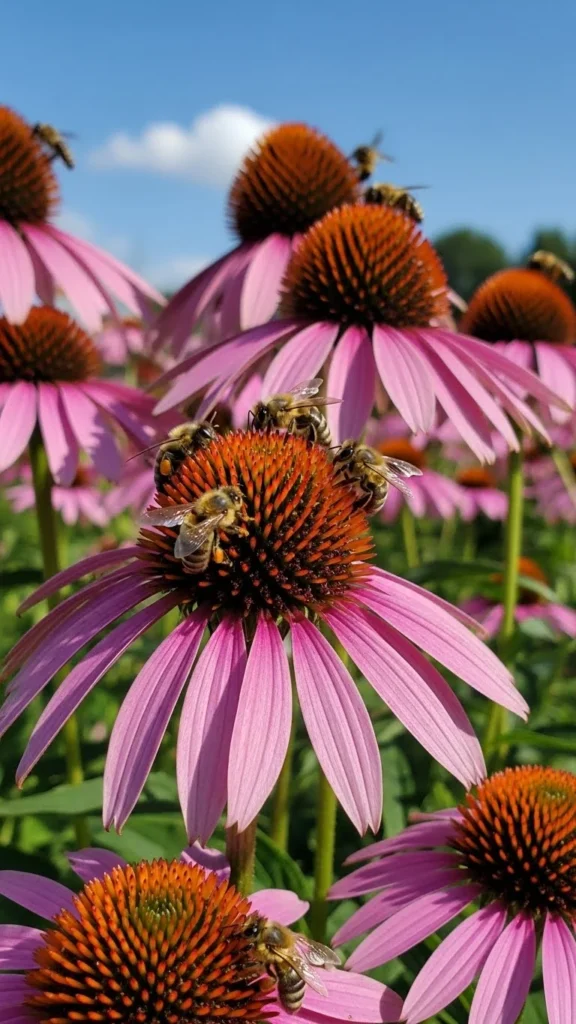
Coneflowers are pollinator magnets. Their strong stems and daisy-like blooms make them garden favorites. They return year after year with little fuss and tolerate both drought and poor soil.
Water young plants regularly until established, then let nature take over. The dried seed heads look lovely in winter and provide food for finches. Try different colors like pink, white, and orange to mix things up.
4. Hostas
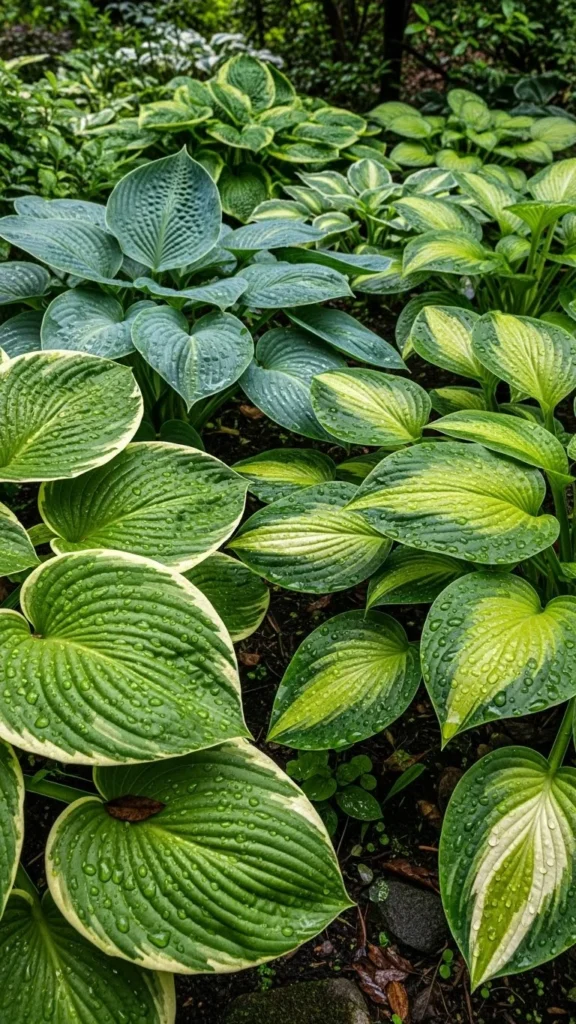
If your yard has shade, hostas are your best friends. Their broad leaves create a calming, layered look. They come in countless sizes and shades of green, blue, and cream.
Divide hostas every few years to prevent overcrowding and expand your collection for free. Water during dry spells, and they’ll thrive for decades. Pair them with ferns or astilbes for a peaceful woodland vibe.
5. Peonies
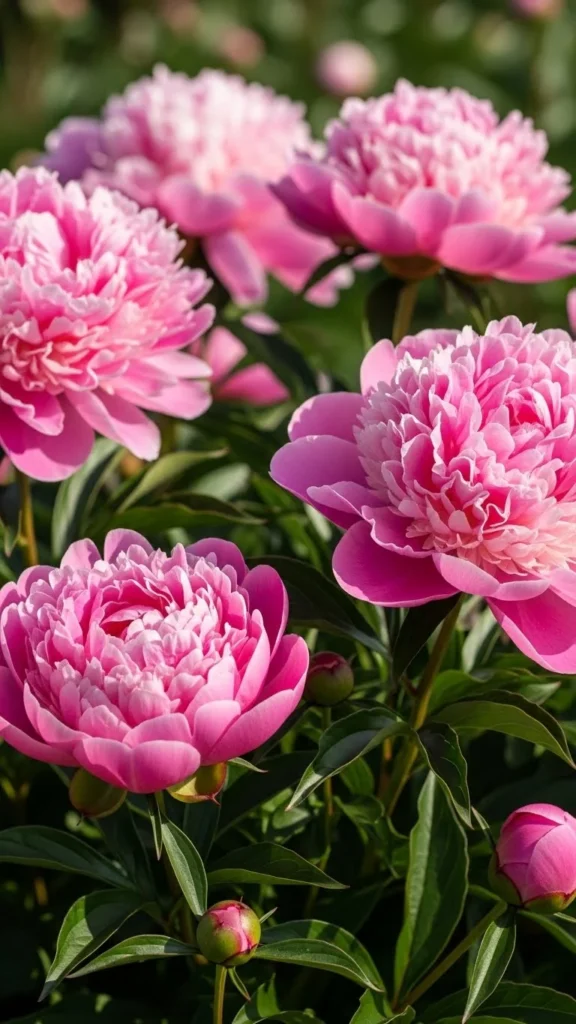
Peonies are garden classics that bloom reliably each spring. Once established, they can live for generations with almost no attention. Their lush flowers and fragrance make them a centerpiece plant.
Plant peonies in full sun with well-draining soil. Avoid moving them once settled—they dislike disturbance. Support tall varieties with simple rings to prevent drooping blossoms.
6. Lavender
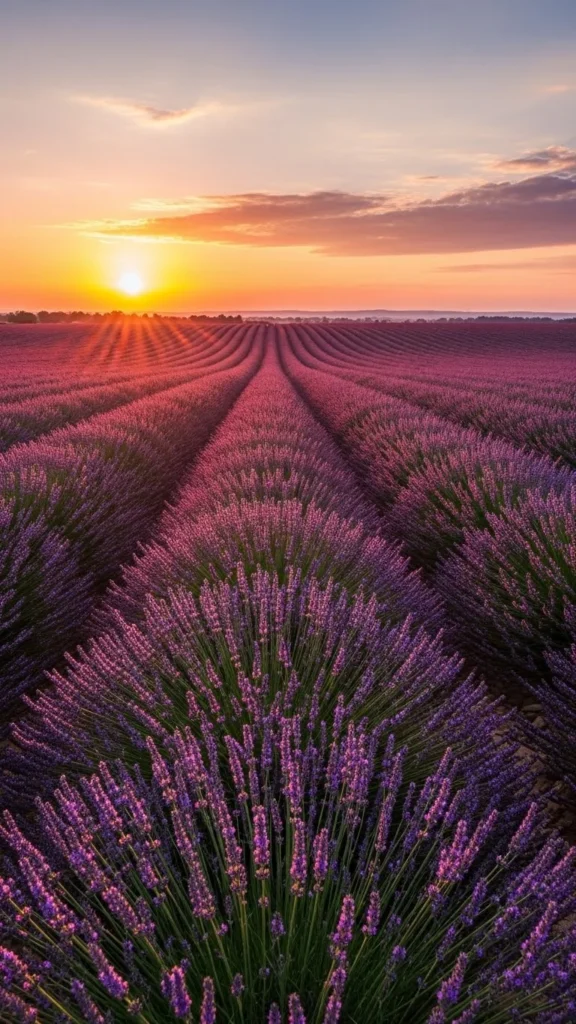
Lavender offers beauty and fragrance in one. Its silvery foliage and purple blooms make it ideal for sunny, dry spots. Once rooted, it resists drought and thrives for years.
Use lavender along walkways where brushing against it releases scent. Trim lightly after flowering to keep it neat and prevent woody growth. You can dry the blooms for homemade sachets or crafts.
7. Sedum (Stonecrop)
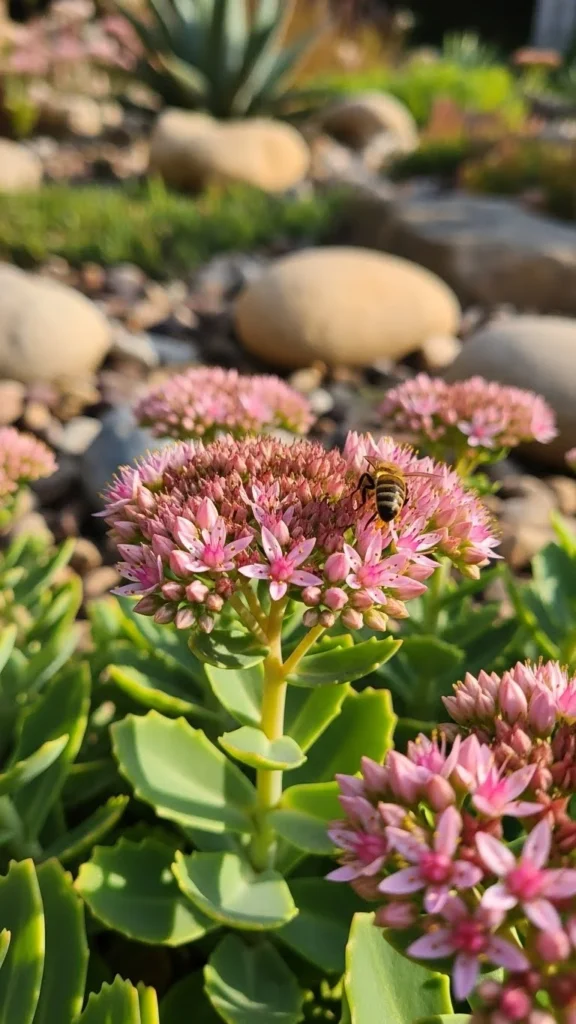
Sedum is a powerhouse for hot, dry areas. Its thick, water-storing leaves and star-shaped flowers attract pollinators while asking for almost nothing in return.
Try the taller ‘Autumn Joy’ for late-season color or low-growing varieties for ground cover. Plant in sunny, well-drained soil for best results. Sedum pairs beautifully with ornamental grasses.
8. Shasta Daisy
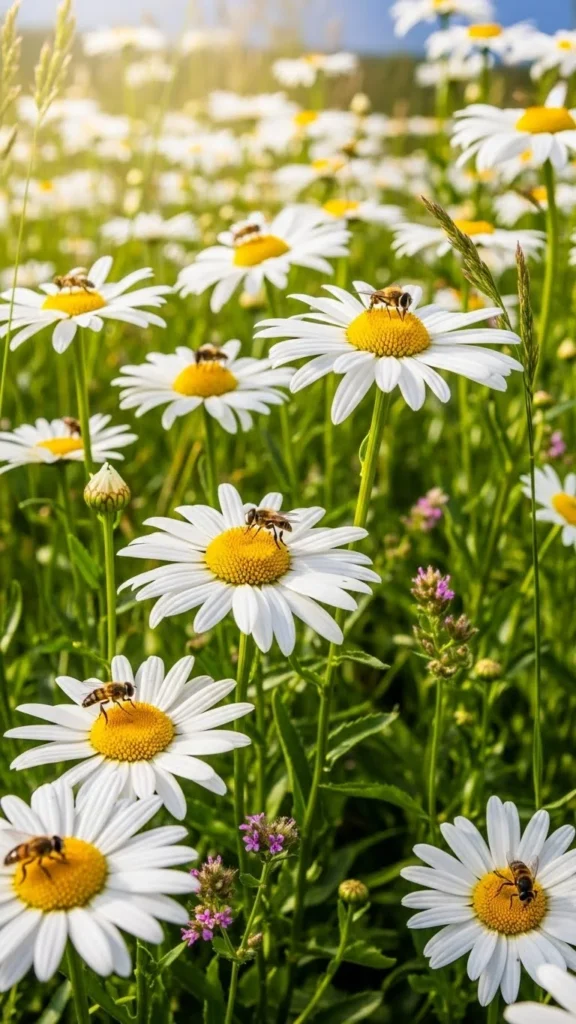
Few flowers feel as cheerful as Shasta daisies. Their white petals and sunny centers brighten any garden space. Once planted, they return reliably each year.
Deadhead spent blooms to encourage more flowers. They prefer full sun and moderate watering. Divide every two to three years to keep plants vigorous and share extras with friends.
9. Coreopsis
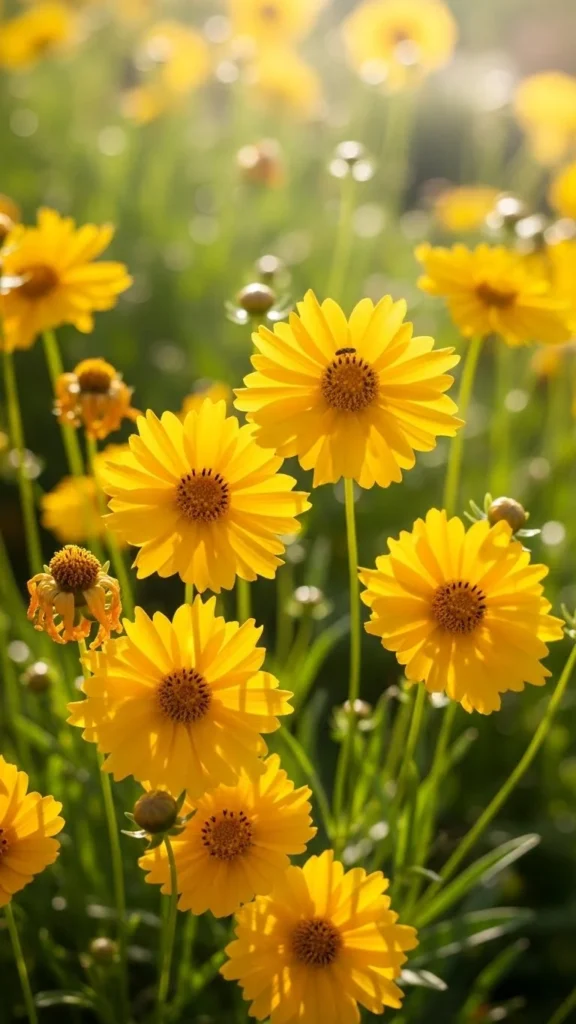
Coreopsis brings months of golden color to gardens. This hardy perennial thrives in poor soil and full sun. It’s perfect for borders, cottage gardens, and containers.
Water sparingly and enjoy continuous blooms all summer long. Trim lightly in midsummer to encourage new growth. Coreopsis mixes beautifully with lavender and coneflowers for a sunny palette.
10. Russian Sage
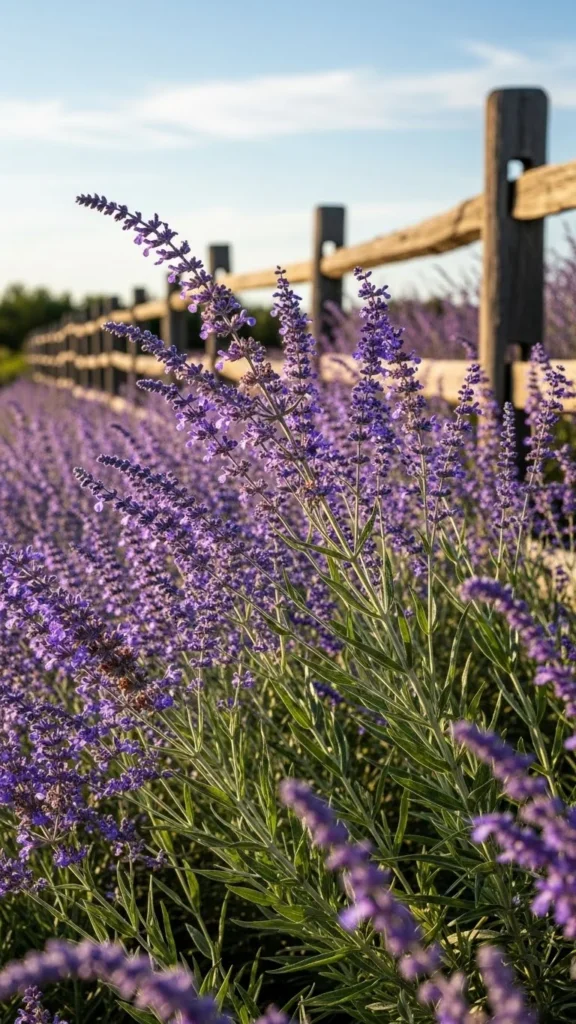
Russian sage is perfect for adding airy texture to your garden. Its silvery foliage and lavender-blue flowers last from midsummer to fall.
Once established, it’s drought-resistant and carefree. Prune in early spring to promote healthy growth. It pairs beautifully with ornamental grasses and stone pathways.
11. Catmint
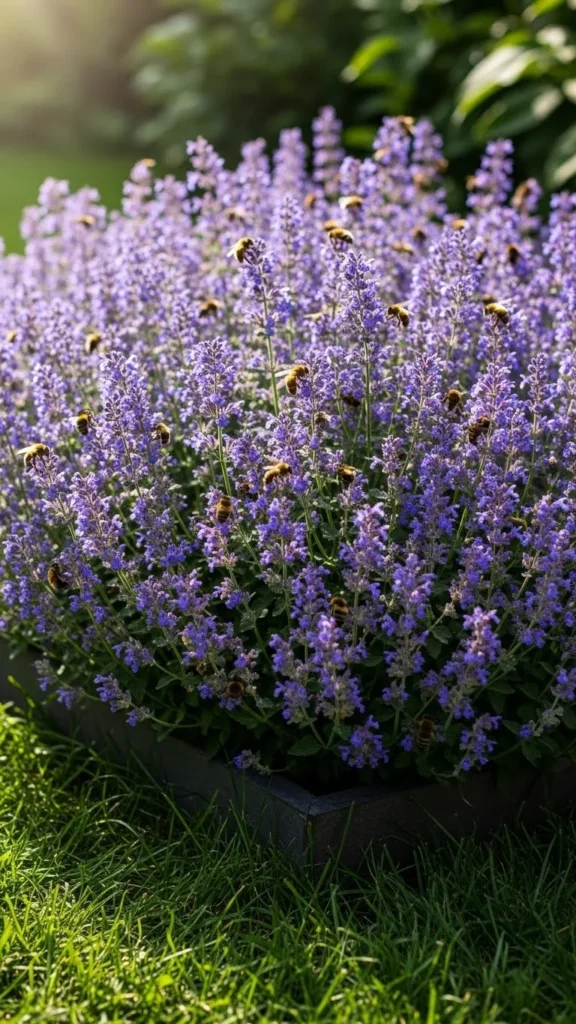
Catmint forms soft, fragrant mounds of purple-blue blooms that last for months. It’s durable, deer-resistant, and thrives even in poor soil.
Cut back after the first bloom to encourage another flush. Catmint looks great edging borders or walkways. Bonus—cats adore it, so you may find furry visitors rolling nearby!
12. Hellebores (Lenten Roses)
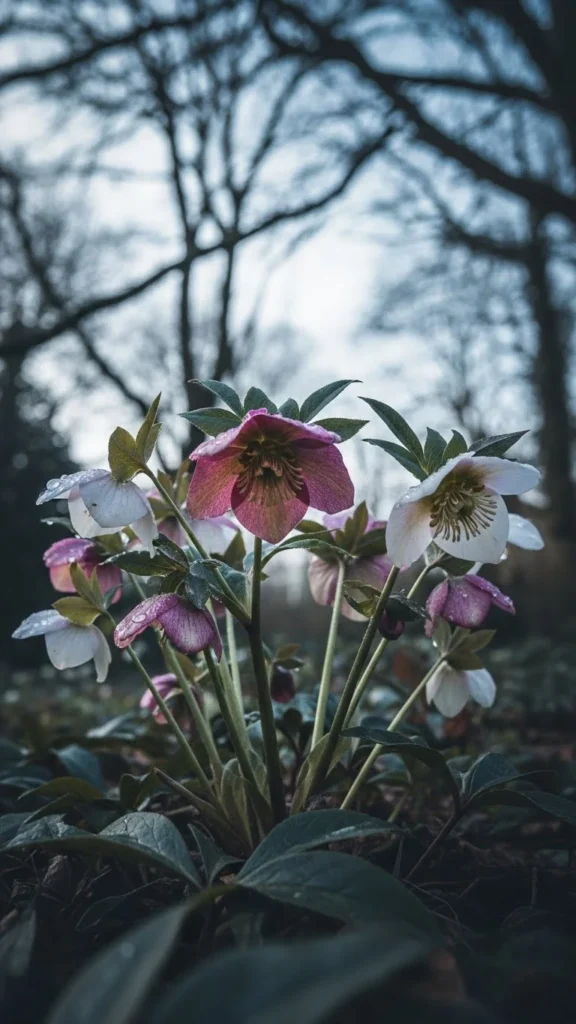
Hellebores bloom when little else does—late winter to early spring. Their elegant, downward-facing flowers bring life to shady corners.
Plant them under trees or along paths for subtle color. They prefer moist, well-drained soil and can live for decades. Leave the leaves intact during winter for protection.
13. Bee Balm
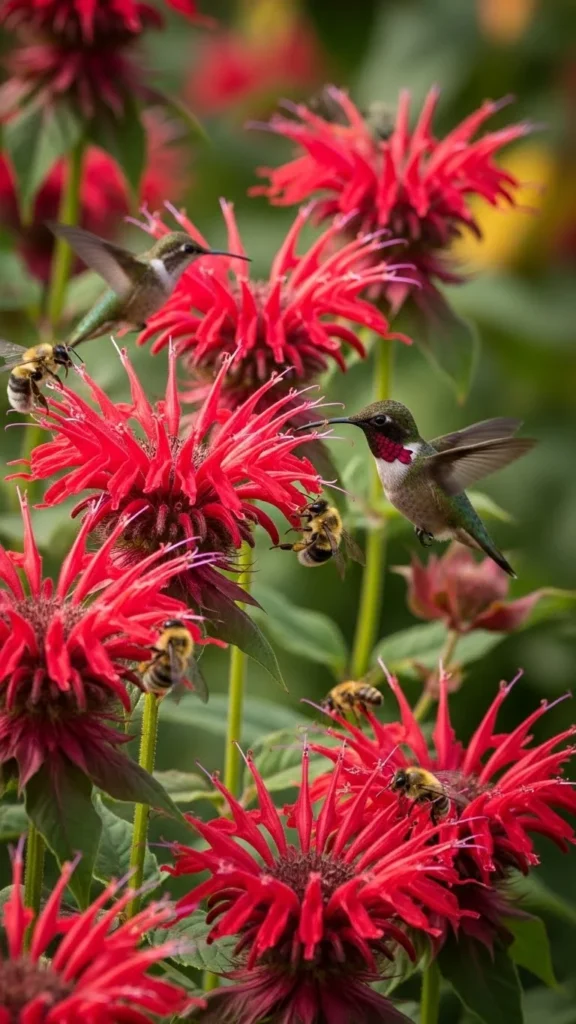
Bee balm adds bright bursts of color while attracting pollinators. Its bold red, pink, or purple blooms stand tall in summer gardens.
Plant in moist soil with good sunlight. Divide every few years to control spread. The leaves also have a pleasant minty aroma that deters some pests naturally.
14. Yarrow
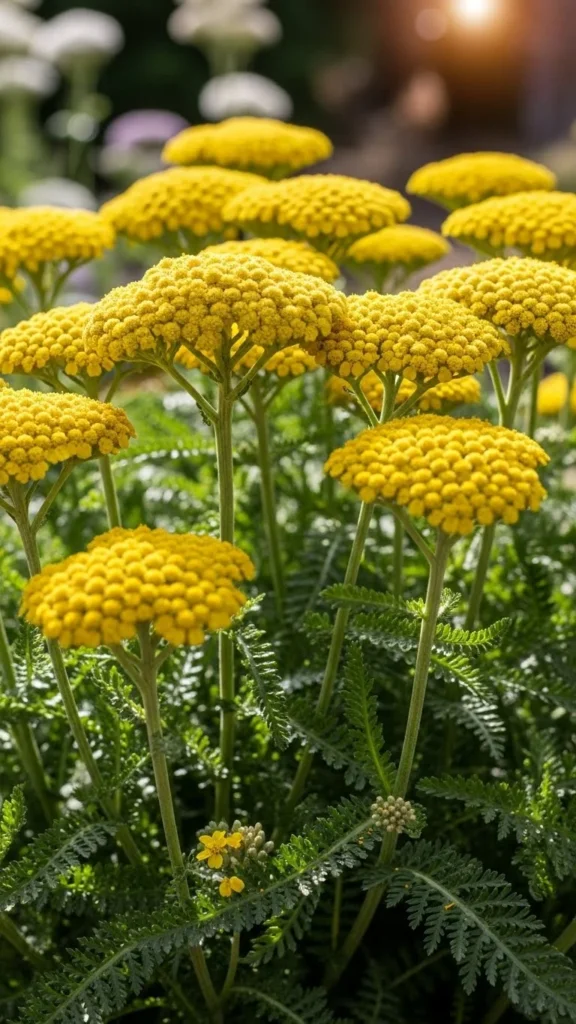
Yarrow is a tough perennial that loves heat and dry conditions. It’s ideal for gardeners seeking low-maintenance plants with lasting blooms.
Deadhead old flowers to extend the season. The fern-like foliage adds fine texture, and the plant tolerates neglect gracefully. Perfect for rock gardens and wildflower meadows.
15. Phlox
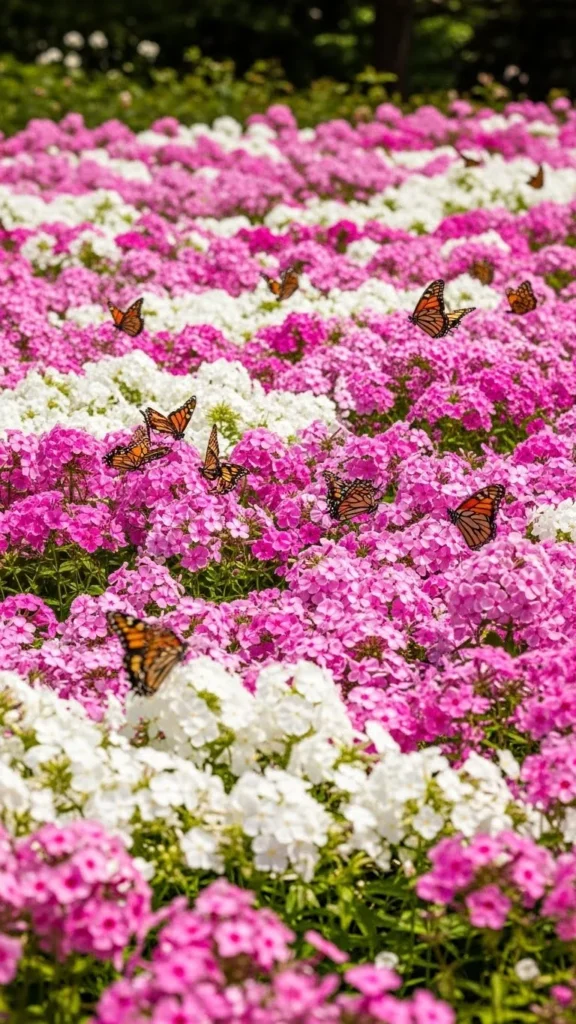
Phlox provides a splash of color from spring through summer. It’s available in both tall and creeping varieties, making it versatile for borders and ground covers.
Keep the soil moist but not soggy, and plant where air can circulate to prevent mildew. Phlox rewards you with fragrant blooms year after year.
16. Astilbe
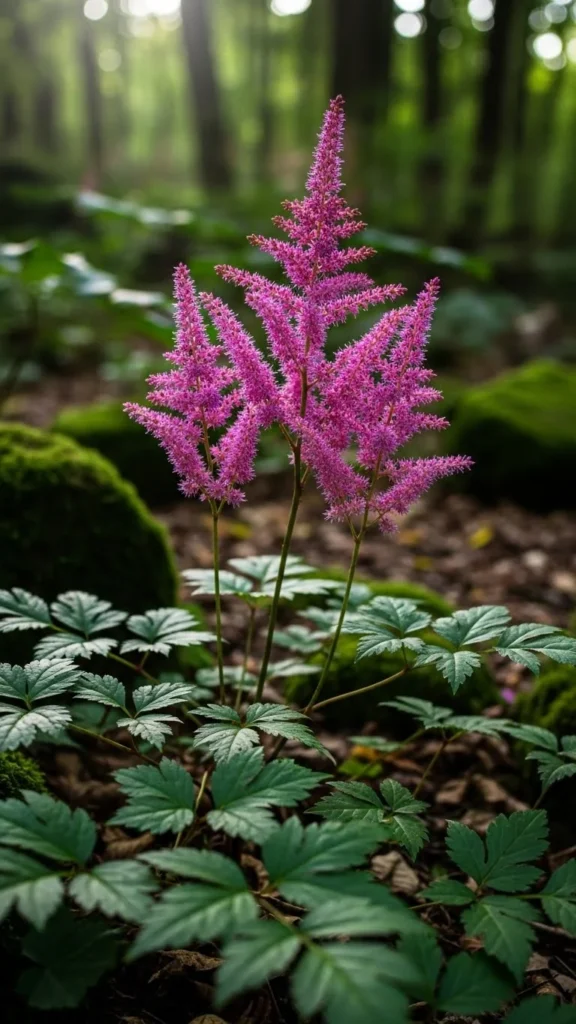
Astilbe thrives in partial shade and moist soil. Its feathery plumes brighten shadowy spaces and last beautifully as cut flowers.
Add compost yearly to enrich the soil. Pair astilbe with hostas or ferns for lush texture contrast. Even after blooms fade, the dried seed heads look decorative.
17. Coral Bells (Heuchera)
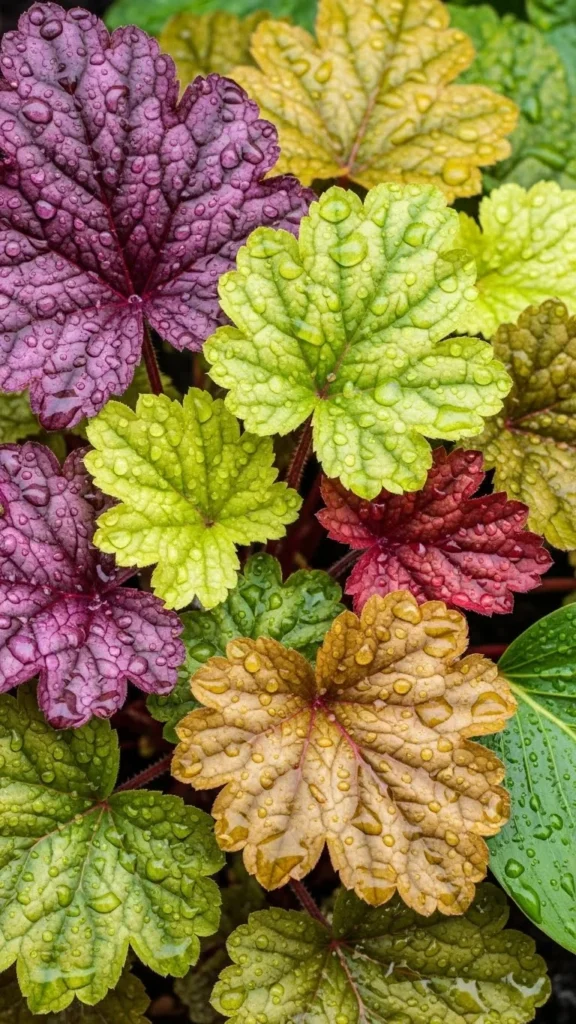
Coral bells are prized for their stunning foliage. The leaves come in rich tones of burgundy, lime, and caramel. Small flower spikes rise above in late spring.
They thrive in partial shade and prefer well-drained soil. Mix different varieties for a striking ground cover that lasts through all seasons.
18. Hosta ‘Sum and Substance’
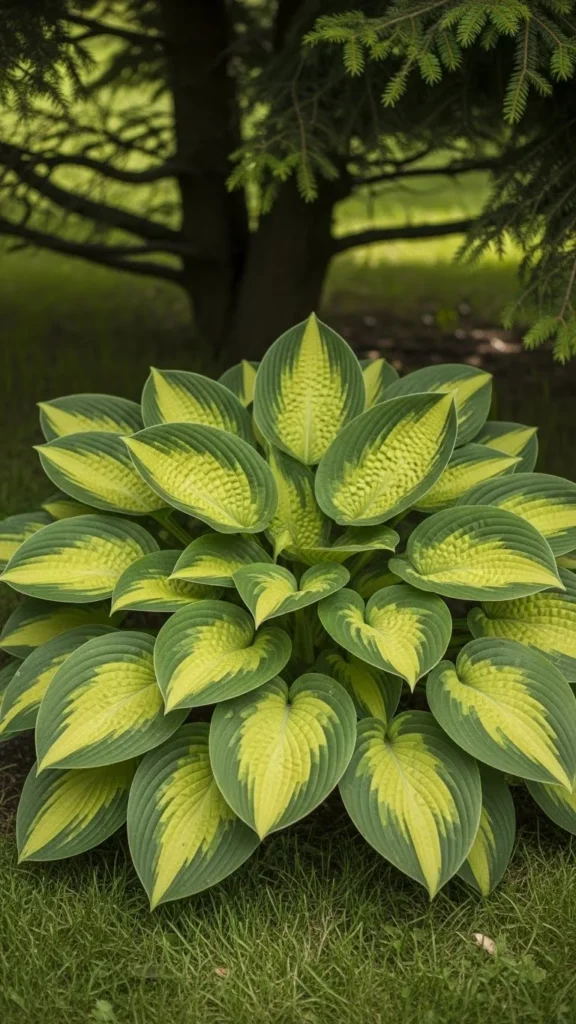
This giant hosta makes a bold statement in shady areas. The huge, bright leaves light up dark corners beautifully.
Give it space to spread and enjoy low maintenance care. A little compost each spring helps keep foliage lush. Combine with smaller shade plants for layered interest.
19. Salvia
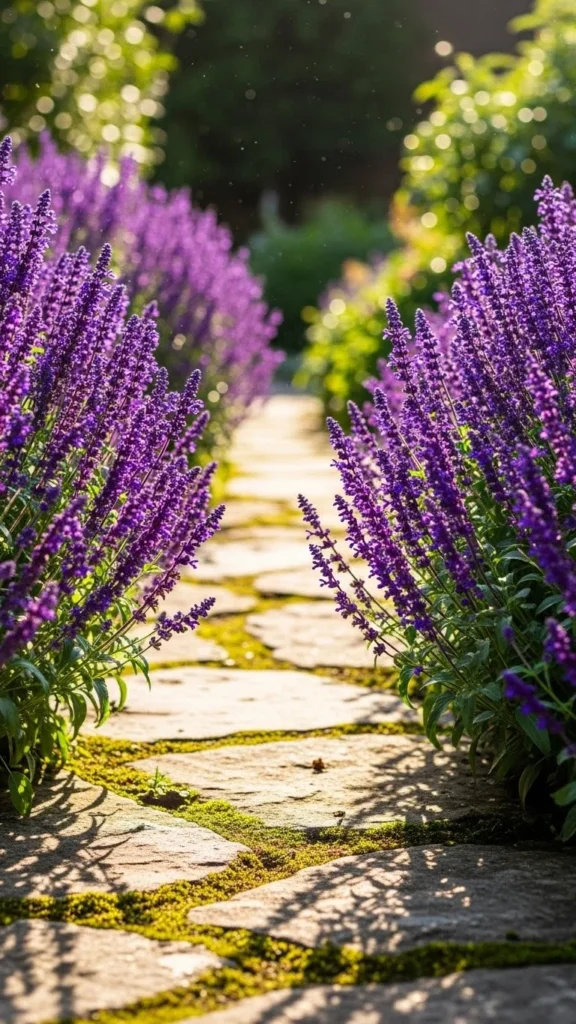
Salvia blooms for months and draws in bees and hummingbirds. It’s drought-tolerant and works well in sunny borders or pots.
Cut back spent blooms for repeat flowering. Salvia adds both structure and movement to gardens, especially when planted en masse.
20. Blanket Flower (Gaillardia)
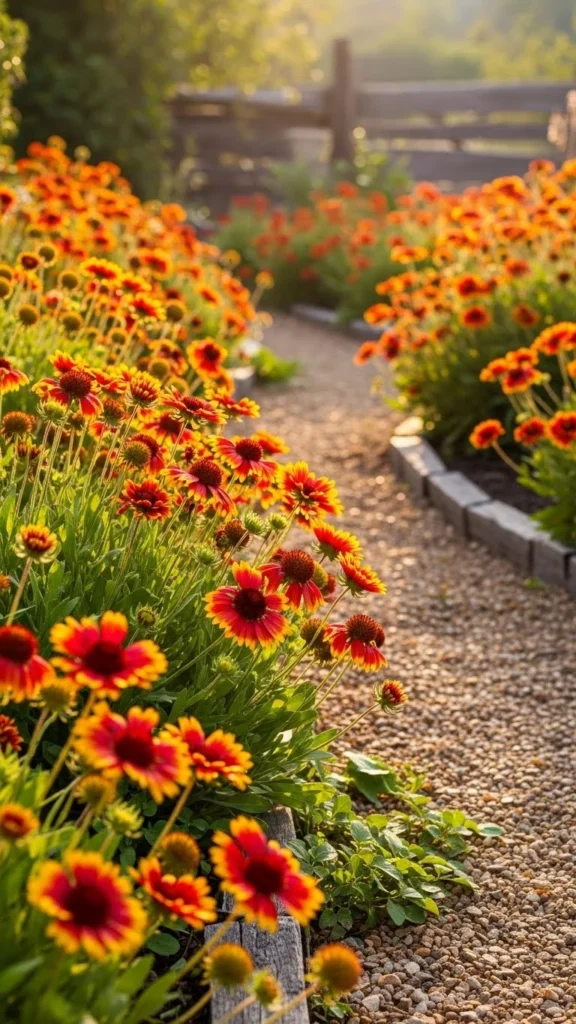
Blanket flowers deliver bold color and toughness. Their daisy-like blooms keep shining from early summer to frost.
They love dry, sunny spots and poor soil. Avoid overwatering—these plants thrive on neglect. Deadhead regularly to extend their blooming period.
Conclusion
Perennials are the foundation of a thriving garden. Once planted, they reward you with years of dependable color and growth. Mix sunny bloomers like coneflowers and coreopsis with shade lovers like hostas and astilbe to create balance. With a little planning and care, your garden will return stronger each season—offering beauty, habitat, and joy year after year.

Leave a Reply