

There’s something incredibly rewarding about walking outside, plucking a sun-warmed tomato off the vine, and tasting the fruits of your own hard work. Starting a vegetable garden may seem intimidating at first, but with a little planning and patience, you can create a thriving space full of fresh, flavorful produce. Whether you have a sprawling backyard or a small patio, this guide will help you grow your own little oasis of green goodness.
Choose the Perfect Spot
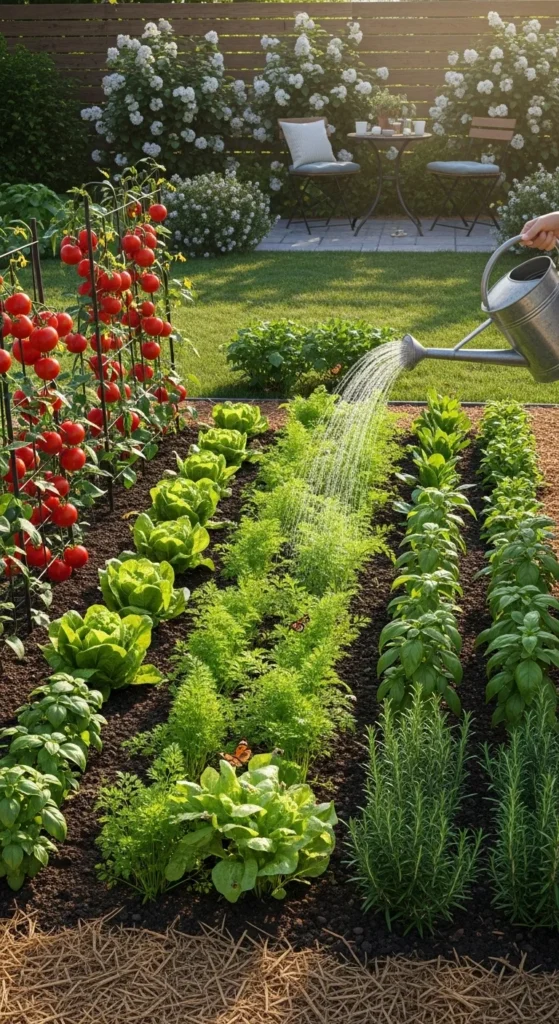
Sunlight is your garden’s best friend. Most vegetables need at least six to eight hours of full sun each day to grow healthy and strong. When choosing a location, watch how sunlight moves across your yard during the day.
Look for:
- Flat, well-drained soil to prevent waterlogging.
- Easy access to water—you’ll need to water often, especially during hot months.
- Protection from strong winds, which can damage delicate plants.
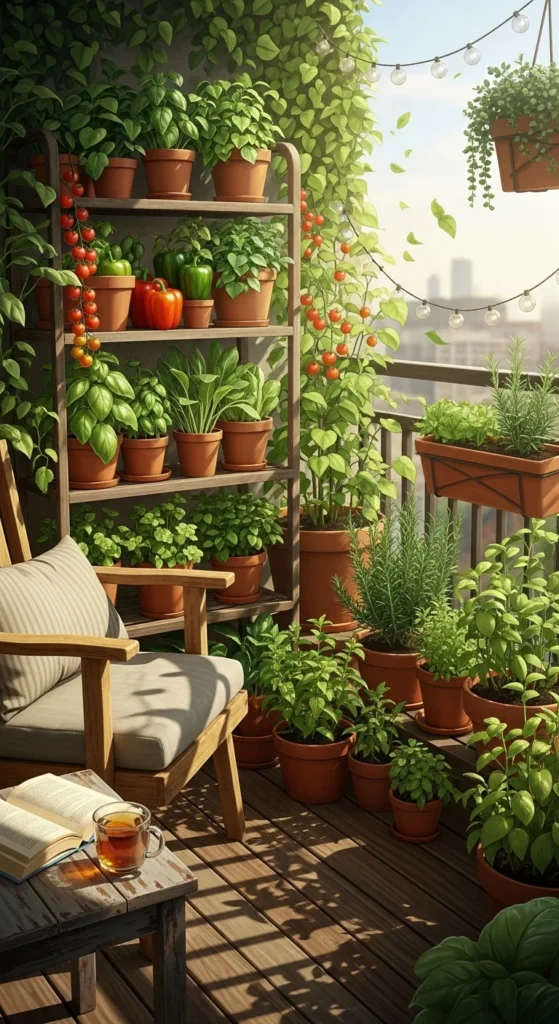
If you only have a small space or live in an apartment, don’t worry—container gardening is an excellent alternative. You can grow herbs, lettuce, and even cherry tomatoes on a sunny balcony or windowsill.
Plan What to Grow
Before you dig in, think about what vegetables you and your family actually enjoy eating. There’s no point growing rows of kale if no one wants to eat it! Start with easy, beginner-friendly plants like:
- Tomatoes
- Lettuce and spinach
- Green beans
- Cucumbers
- Peppers
- Zucchini
Try to mix fast-growing veggies (like radishes and greens) with longer growers (like carrots and tomatoes) for a steady harvest all season long. You can also plan for succession planting, meaning you sow new seeds every few weeks for continuous crops.
Prepare the Soil
Healthy soil equals healthy plants. Most vegetables prefer loose, nutrient-rich soil that drains well. If you’re working with poor soil, don’t worry—you can improve it over time.
Here’s how:
- Remove weeds and debris. Clear the area before planting.
- Loosen the soil. Use a garden fork or tiller to break up clumps.
- Add compost or organic matter. Mix in kitchen compost, aged manure, or leaf mold.
- Check soil pH. Most veggies thrive in a pH between 6.0 and 7.0.
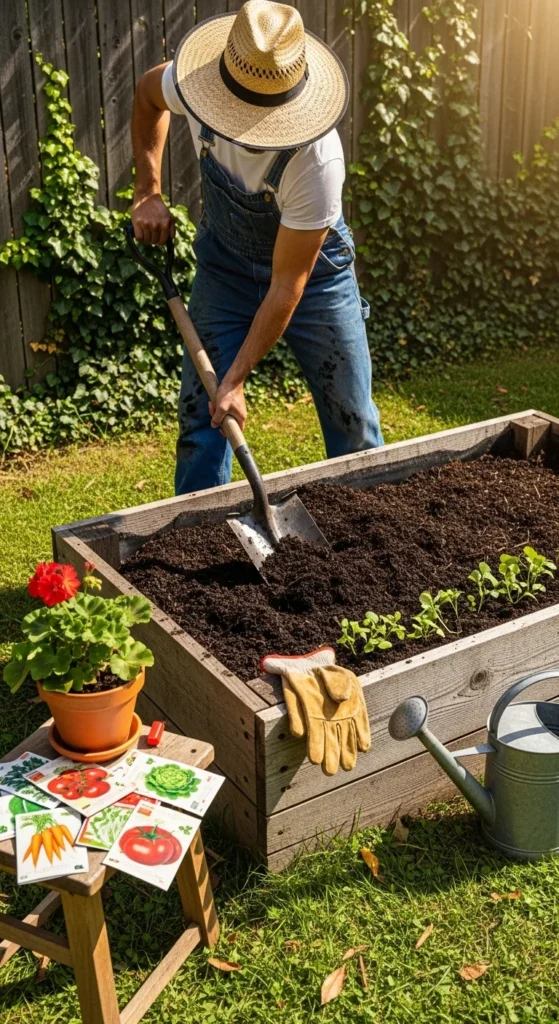
If your yard soil is rocky or clay-heavy, consider using raised garden beds. They look beautiful, drain better, and make maintenance easier.
Plant and Water with Care
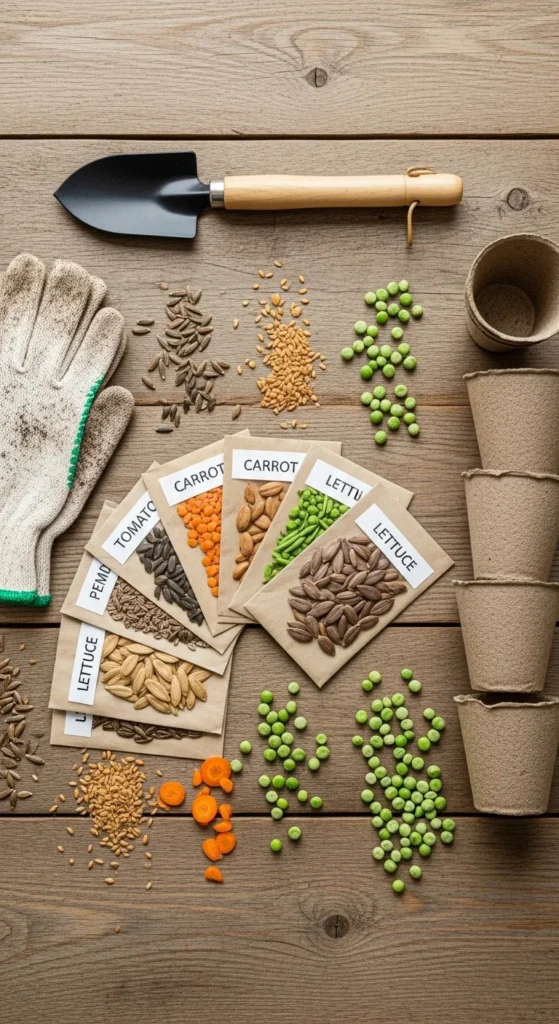
Once your soil is ready, it’s time to plant! Read each seed packet or seedling tag carefully for spacing and depth instructions. Crowded plants compete for nutrients, so give them room to breathe.
Tips for success:
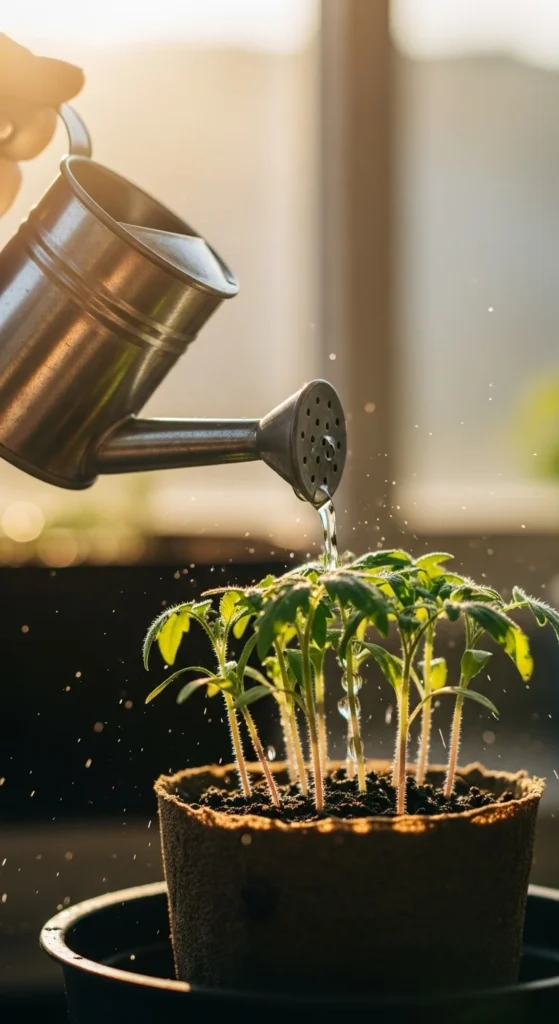
- Water deeply and consistently. Shallow watering leads to weak roots.
- Mulch around plants to keep soil moist and prevent weeds.
- Water early in the morning so leaves dry quickly, reducing disease risk.
Avoid overwatering—roots need oxygen, too. Stick your finger in the soil; if it feels dry about an inch deep, it’s time to water again.
Keep Pests and Problems Away
Even the healthiest gardens attract a few unwanted guests. Instead of reaching for harsh chemicals, try natural pest control methods.
Here’s what works:
- Hand-pick insects like caterpillars or beetles early in the morning.
- Encourage beneficial insects—ladybugs, lacewings, and bees.
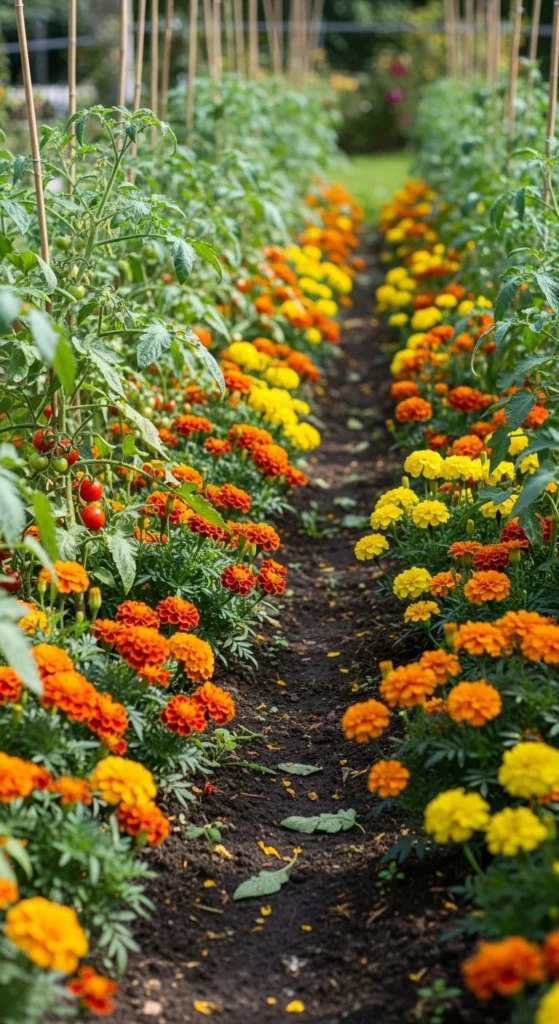
- Use companion planting: Marigolds deter aphids; basil helps repel mosquitoes and improves tomato flavor.
- Keep your garden tidy. Dead leaves attract pests and mold.
Rotate crops each year to prevent soil-borne diseases and nutrient depletion.
Harvest and Enjoy Your Produce
This is the moment you’ve been waiting for! Harvest your vegetables when they’re ripe, but don’t wait too long—many taste best when young and tender. Regular harvesting also encourages plants to produce more.
Try these quick tips:
- Pick leafy greens often to promote new growth.
- Use sharp scissors or pruners to avoid damaging stems.
- Rinse freshly picked veggies gently before eating or storing.
There’s nothing quite like the flavor of homegrown produce—crisp, colorful, and bursting with nutrients.
Final Takeaway
Starting a vegetable garden is more than just planting seeds—it’s about cultivating patience, care, and connection to nature. Each day in the garden offers something new to learn and enjoy. Begin small, experiment freely, and don’t be afraid to make mistakes.
Soon, you’ll find yourself surrounded by lush greenery, proud of every tomato, pepper, and cucumber you’ve nurtured.
Save this guide for later and start planning your garden today—your future self (and your dinner plate) will thank you!

Leave a Reply