

Pollinators like bees, butterflies, and hummingbirds are essential for a thriving garden and a healthy planet. They help plants reproduce, boost food production, and add beauty to any outdoor space. But with shrinking habitats and pesticide use, these tiny heroes need our help more than ever. The good news? You can create a pollinator-friendly garden right in your backyard, balcony, or patio that buzzes with life and color!
Choose the Right Location
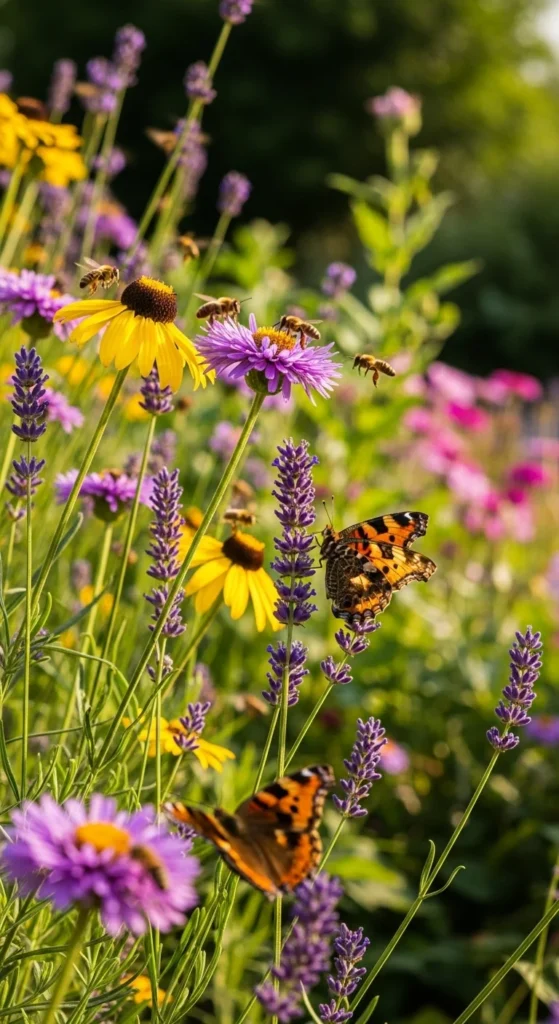
The first step in creating a pollinator garden is finding the perfect spot. Bees and butterflies love sunny, sheltered areas that stay warm and calm throughout the day.
- Pick a location that gets at least 6 hours of sunlight daily.
- Avoid areas with strong winds that can damage delicate wings.
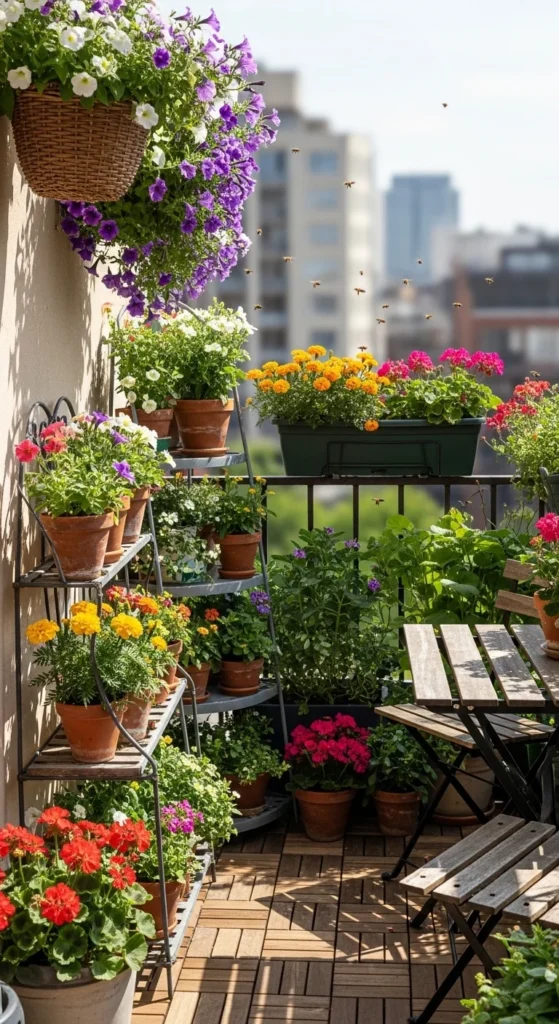
- If space is limited, even a balcony or raised bed can host a mini pollinator paradise.
Pick Native, Nectar-Rich Plants
Native plants are the heart of any pollinator garden. They’re adapted to your local climate and provide the exact nectar and pollen that local pollinators rely on.
Here are a few favorites to consider:
- Milkweed – A must-have for monarch butterflies.
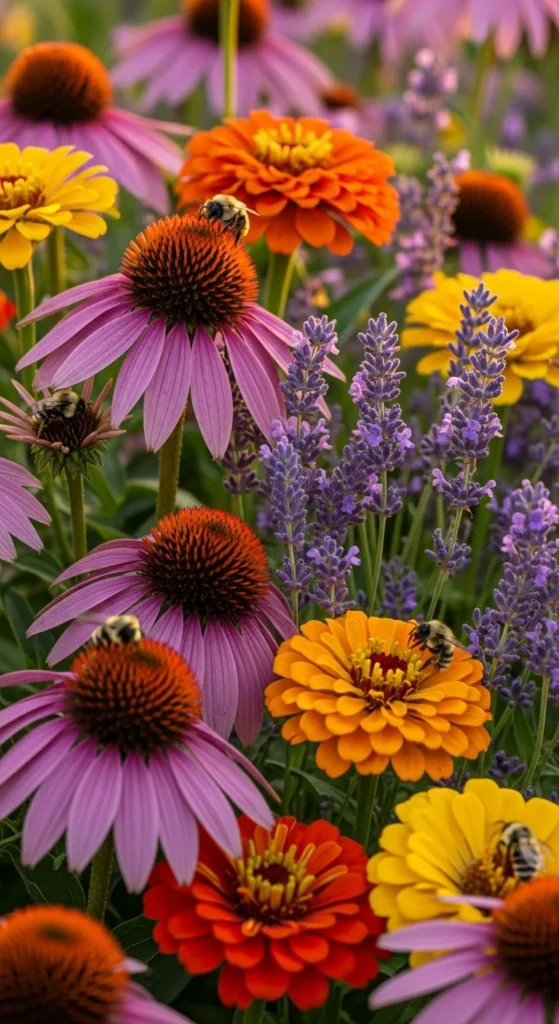
- Coneflowers (Echinacea) – Loved by bees and butterflies alike.
- Lavender and Salvia – Fragrant and rich in nectar.
- Black-eyed Susans and Zinnias – Bright, long-blooming flowers that draw attention.
When planting, aim for a mix of shapes, sizes, and colors. Bees are drawn to blue, purple, and yellow, while butterflies prefer red, orange, and pink.
Add Host Plants for Butterfly Caterpillars
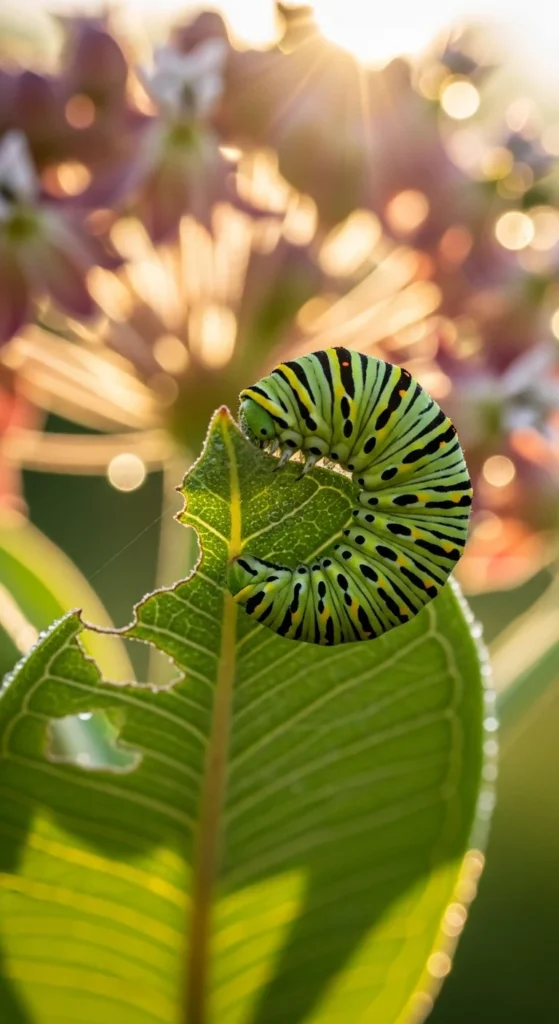
While nectar flowers feed adult butterflies, host plants are where they lay their eggs and where caterpillars grow. Including these plants ensures you’re supporting the entire butterfly life cycle.
Try these:
- Milkweed for monarchs
- Parsley, dill, and fennel for swallowtails
- Violets for fritillaries
Don’t be alarmed if you see chewed leaves—it’s a sign your garden is doing its job!
Provide Water and Shelter
Pollinators need more than flowers—they need a place to rest, drink, and hide from predators.
Create mini “pollinator stations”:
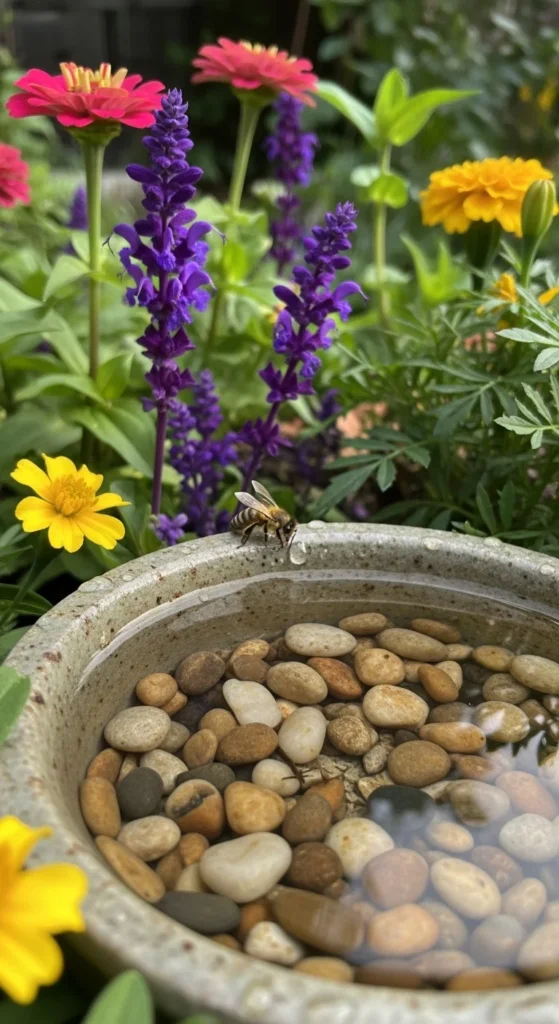
- A shallow dish with pebbles and water makes a perfect bee bath.
- Place flat stones where butterflies can sun themselves.
- Add small brush piles or hollow stems for nesting bees.
Avoid using pesticides, even organic ones, since they can harm delicate pollinator populations.
Plant in Clusters for Maximum Attraction
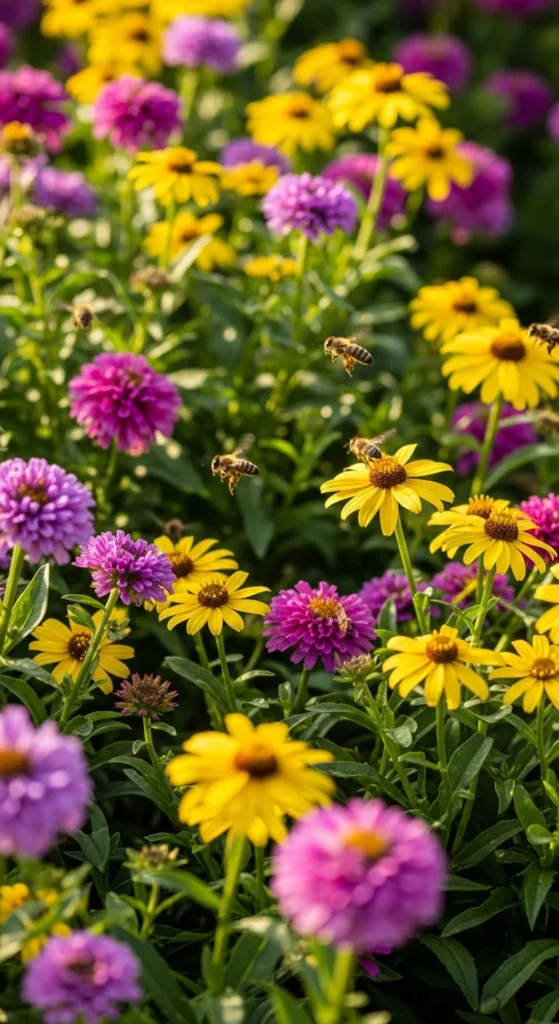
Instead of scattering single plants, group flowers in clusters of three or more. This makes it easier for pollinators to spot them and move efficiently from one flower to the next.
You can organize plants by bloom season:
- Spring: Crocus, phlox, and lupine
- Summer: Bee balm, black-eyed Susan, and coreopsis
- Fall: Asters and goldenrod
This ensures your garden offers continuous food throughout the year.
Keep It Organic and Sustainable
Pollinators thrive in chemical-free environments. Instead of synthetic fertilizers or pesticides:
- Use compost to nourish your soil.
- Attract ladybugs and lacewings to naturally control pests.
- Let parts of your garden grow a little wild—pollinators love the untamed look!
By avoiding chemicals, you’re keeping your garden safe for pollinators, pets, and people.
Watch, Enjoy, and Learn
Once your garden starts blooming, you’ll notice bees buzzing and butterflies fluttering in no time. Take the opportunity to:
- Snap photos of visiting species.
- Track which plants attract the most visitors.
- Share your garden with friends to inspire them to do the same.
Each bloom you grow contributes to restoring pollinator habitats and supporting biodiversity right in your community.
Final Takeaway
Creating a pollinator garden is more than a weekend project—it’s a gift to nature and your senses. The gentle hum of bees and the colorful dance of butterflies bring life and beauty to your space all season long.
So grab your gloves, plant some native flowers, and start your pollinator-friendly garden today—you’ll be amazed by how quickly nature responds.
Save this guide for later and share it with a friend who loves gardening!
Leave a Reply