

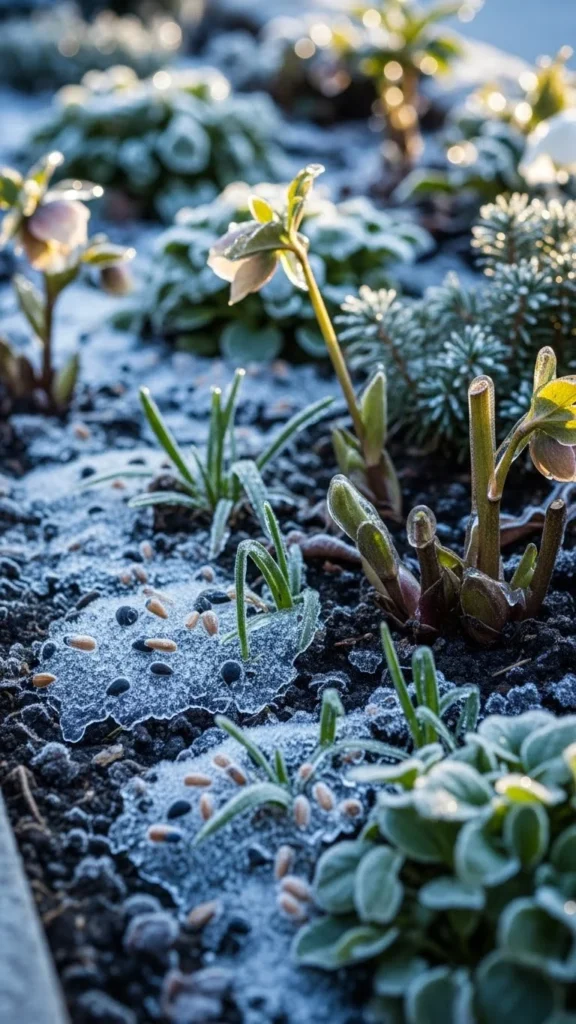
Growing a winter garden can feel easier when you choose seeds that can handle freezing nights. Many cold-hardy plants sprout early, stay strong through icy weather, and keep your garden alive when everything else slows down. This list shares simple, practical seed options that grow well in chilly temperatures and help you enjoy steady color, flavor, and growth all season long.
1. Kale
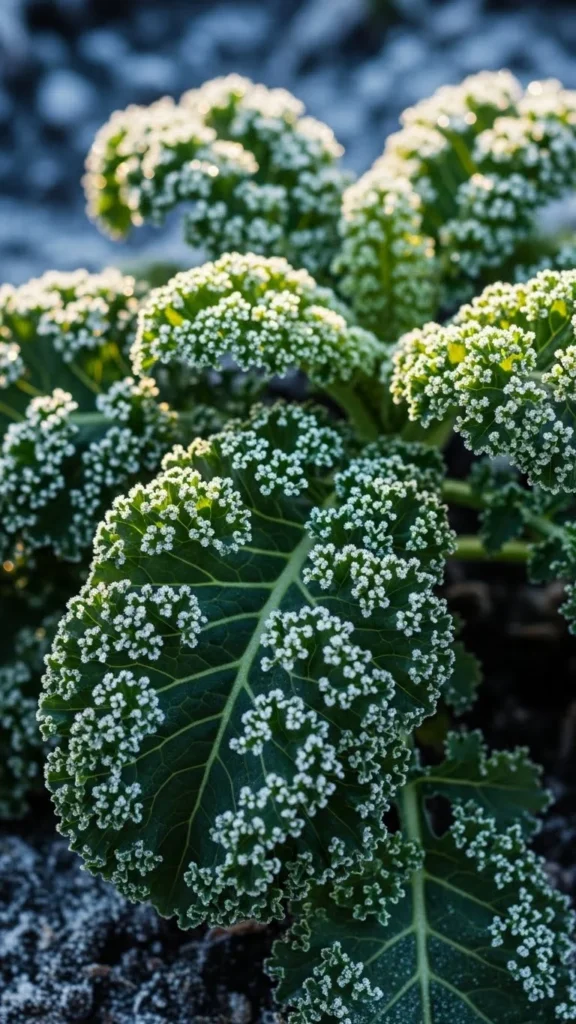
Kale handles cold nights with almost no trouble. It grows well in raised beds, small backyard plots, and even simple containers. Many gardeners plant kale in late fall because the cold makes the leaves softer and easier to use in everyday meals. You can start seeds in soil that feels slightly cool to the touch. Just keep them lightly watered and give them a sunny corner.
If you want a budget-friendly tip, save a few seeds for staggered planting every two weeks. This keeps your harvest steady. You can also place a basic plastic row cover over young plants on extra chilly nights. It helps hold warmth without extra cost. If you enjoy simple tasks, try cutting just the outer leaves so the center keeps producing. One plant can last for weeks in winter conditions.
2. Spinach
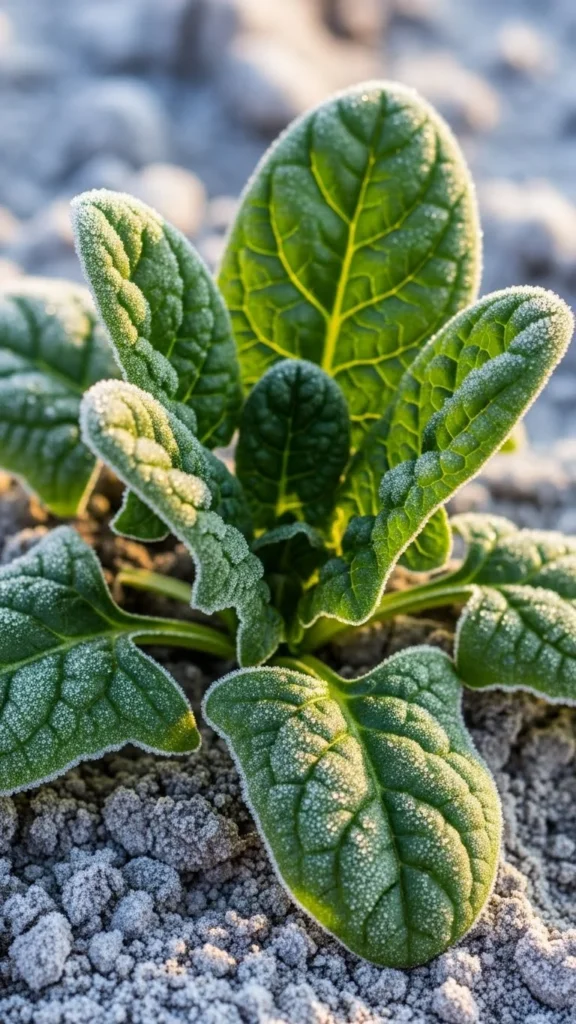
Spinach seeds sprout even when the air feels cold. The plants stay low and compact, which makes them perfect for small spaces or balcony boxes. Spinach grows best when the soil is cool but not frozen solid. You can scatter seeds in shallow rows and keep them covered with a thin layer of loose soil.
A helpful tip is to water early in the day so leaves dry before night. This helps avoid ice buildup. If you want a simple DIY idea, cut the bottom off a clear plastic bottle and place it over seedlings like a mini greenhouse. This traps warmth and protects from frost. Harvest outer leaves often to keep new growth coming.
3. Carrots
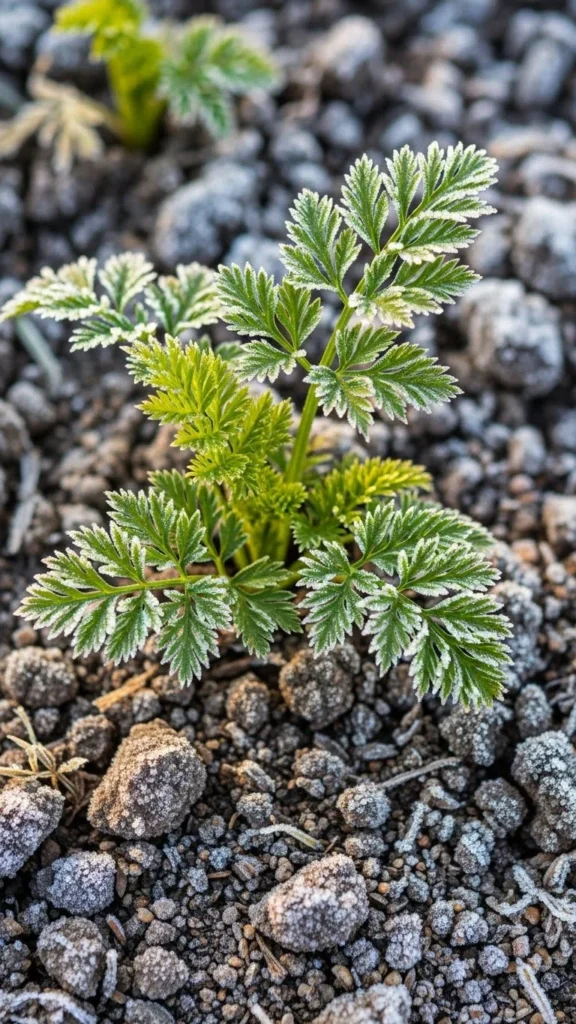
Carrot seeds grow slowly in winter but stay steady once they take hold. They also get sweeter in cold temperatures. If you have loose soil, carrots grow straight and long. If your soil is tough, choose shorter varieties that can push through easily. Spread seeds thinly so roots have room to grow without tangling.
To stay low-cost, cover the bed with straw mulch. It holds warmth and keeps the soil workable. Water lightly so the soil doesn’t freeze into hard clumps. When it’s time to harvest, gently pull carrots after a sunny afternoon. The roots loosen easier when the ground warms slightly.
4. Beets
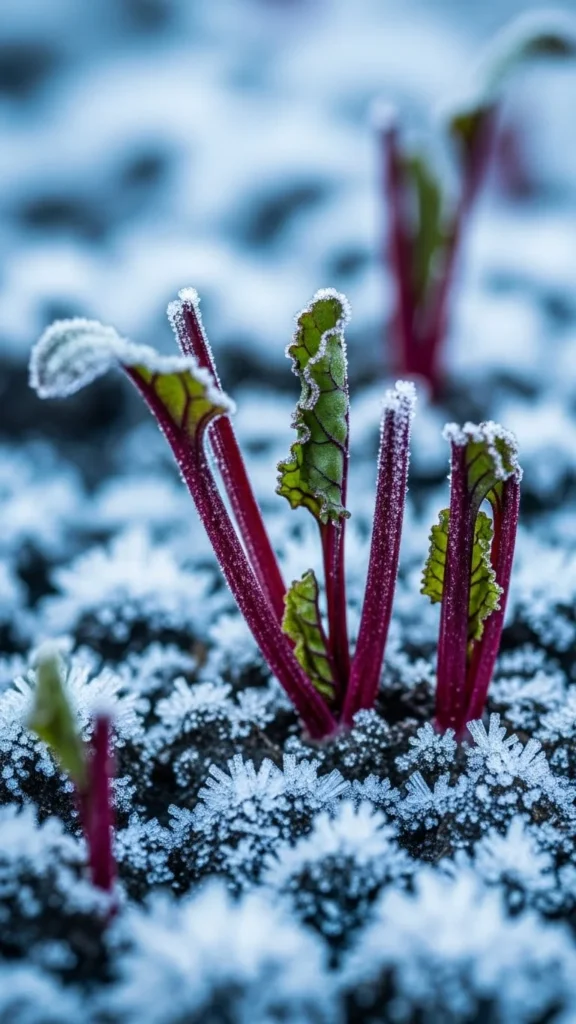
Beet seeds handle cold soil and sprout well even when temperatures drop. These plants give you both edible roots and leafy greens. You can sow seeds in rows or scatter them across a small bed. Keep spacing loose so the bulbs form evenly.
A simple budget trick is to thin extra seedlings and use them as baby greens. Nothing goes to waste. Add a layer of dry leaves or straw around the base to protect the soil from deep freezing. Harvesting smaller beets gives you tender roots while leaving bigger ones to mature in colder weather.
5. Swiss Chard
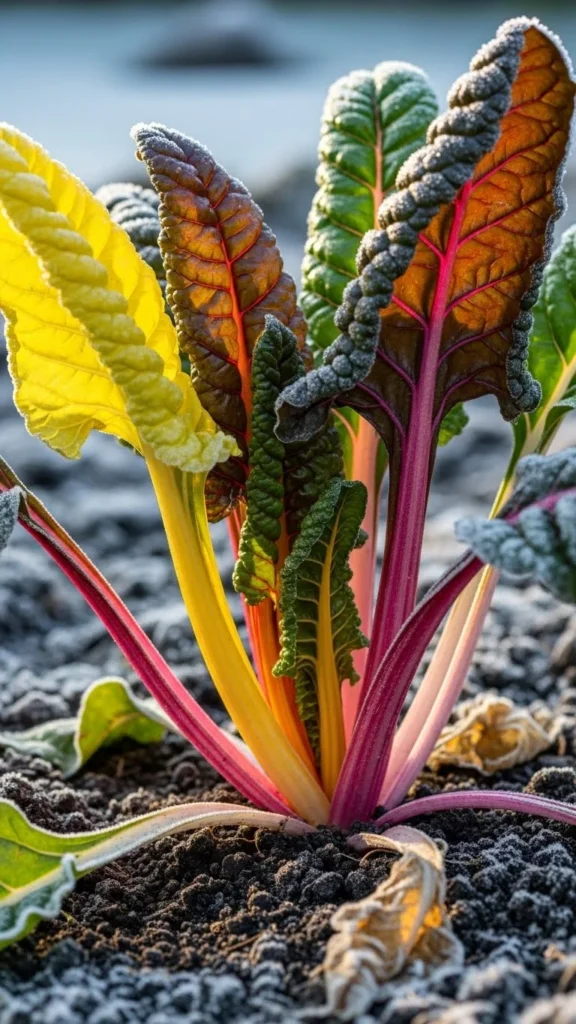
Swiss chard grows beautifully in cold weather and holds its color all season. The plant stays upright even after a frosty night. You can plant seeds directly into the ground or containers. The leaves grow wide, so give them space to spread.
Try trimming outer leaves weekly. This keeps new growth steady and lets you enjoy constant harvests. For a simple DIY idea, add a basic hoop cover made from flexible tubing and clear plastic. It helps protect chard on freezing nights without expensive gear. Water gently at soil level to avoid icing on leaves.
6. Winter Lettuce
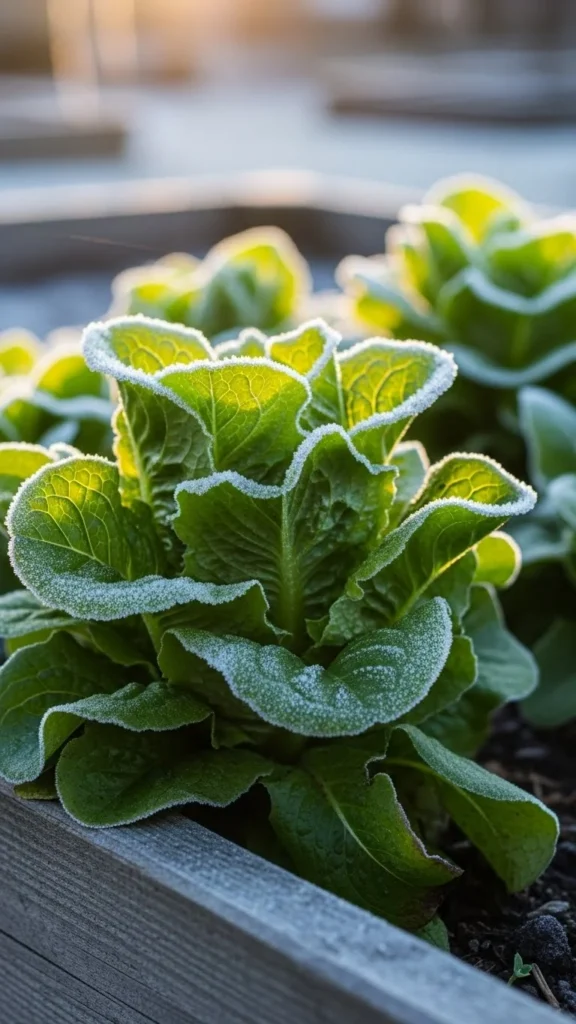
Winter lettuce varieties stay crisp even in cold weather. These seeds sprout quickly in cool soil and grow well in sheltered beds. You can plant them close together for a full, lush look. Harvesting young leaves keeps the plants productive.
If you enjoy simple DIY steps, try laying a thin fleece cover over the bed at night. It traps just enough warmth. Water lightly and avoid soaking the soil, which can freeze. With regular picking, you can enjoy lettuce throughout the season.
7. Radishes
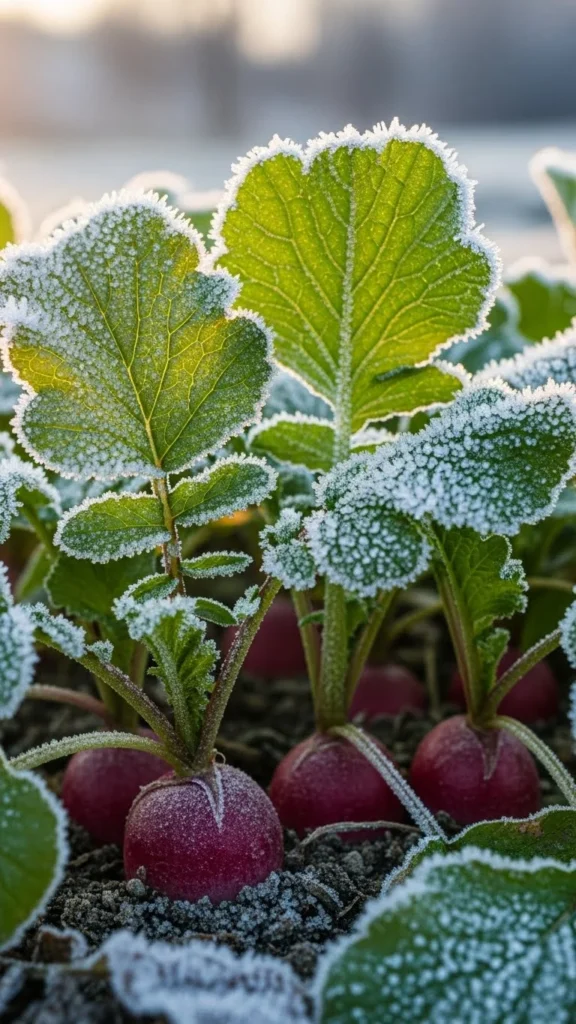
Radish seeds grow fast in cold weather, making them perfect for winter gardening. You can plant them in small spaces or between larger crops. They don’t require deep soil, so even a shallow bed works well.
Try sowing a new row every week for steady harvests. Use a thin layer of mulch to keep the soil from freezing too hard. Radishes grow quickly, so check them often. Pull them as soon as they look round and firm. This also creates space for new seeds.
8. Arugula
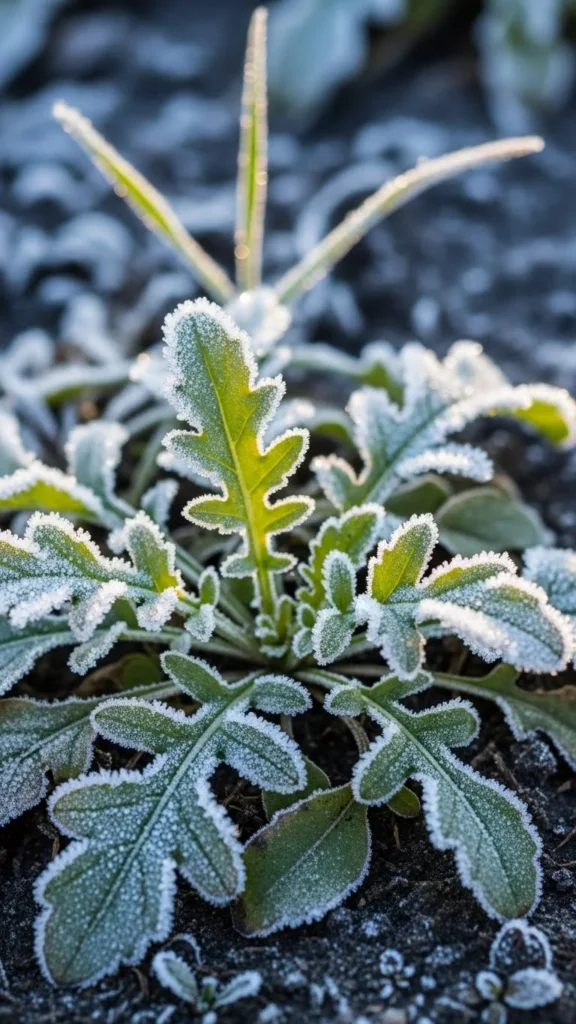
Arugula grows well in cool weather and brings sharp flavor to winter dishes. The plant grows low and spreads fast. You can plant seeds directly into the ground or containers. Arugula loves sunlight but handles cold nights with ease.
For budget-friendly care, water only when the soil feels dry. Too much water freezes and harms roots. Try cutting leaves often to keep new ones coming. You can also mix arugula with other greens for a fuller bed.
9. Turnips
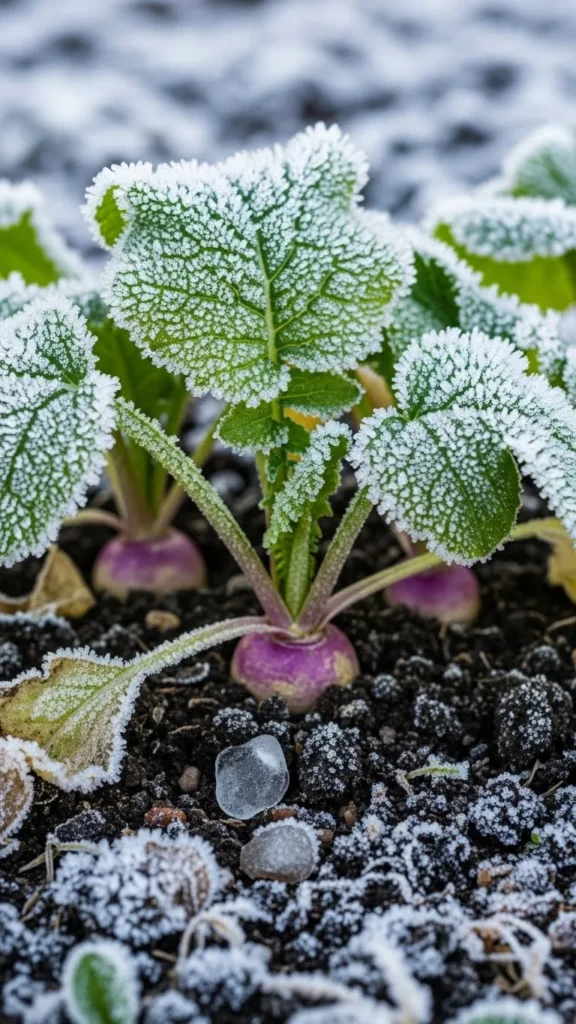
Turnips grow well in frost and give you edible roots and greens. They grow quickly, so seeds planted in late fall still mature in winter. You can plant them in rows or spread them across a bed. Turnip seeds sprout easily in cold soil.
Place mulch around the plants to stop the ground from freezing hard. This makes pulling turnips easier. Harvest the greens regularly for tender leaves while roots continue to grow deeper.
10. Mustard Greens
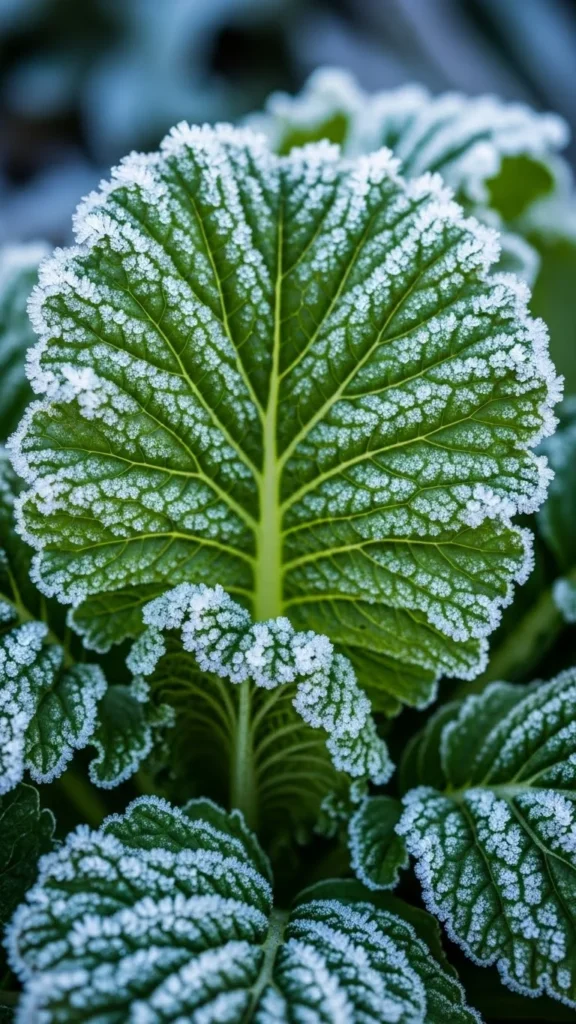
Mustard greens stay strong in frosty temperatures. They grow quickly and fill garden gaps with leafy color. You can sow seeds close together for fuller growth. The plants stay crisp and upright in winter conditions.
A simple DIY trick is to water early in the day to prevent overnight icing. You can also protect the bed with lightweight cloth on nights when temperatures fall sharply. Harvest small leaves often for mild flavor. Larger leaves grow back quickly.
11. Cabbage
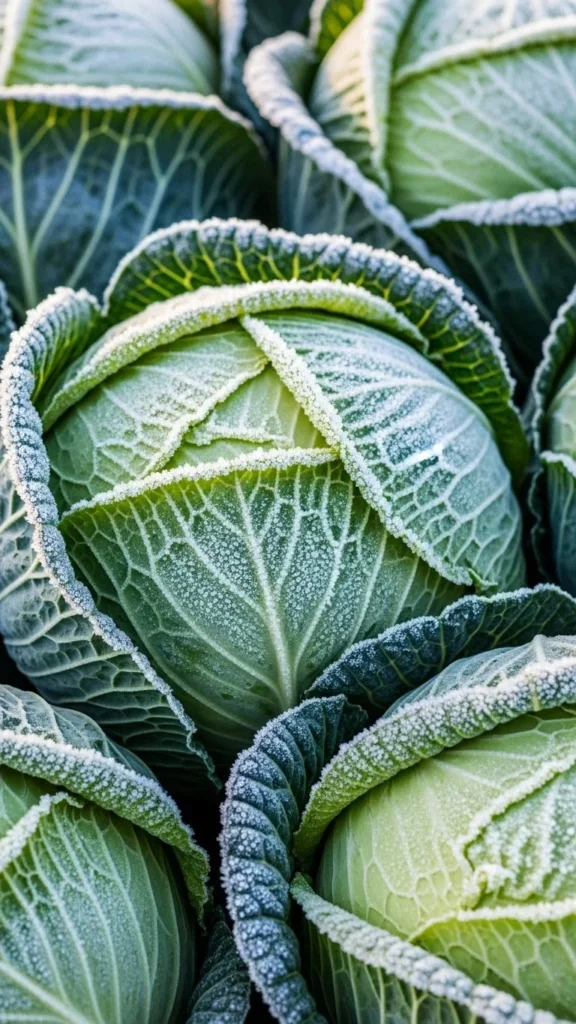
Cabbage thrives in cold weather and forms tight heads over time. Winter varieties hold up well against frost. You can start seeds indoors or sow them directly into the soil if temperatures aren’t too low.
Use mulch around the plant base to trap warmth. Water slowly so the soil absorbs moisture without freezing. Remove outer leaves if they wilt. This helps inner heads grow tightly. Patience pays off with cabbage, especially in winter.
12. Collard Greens
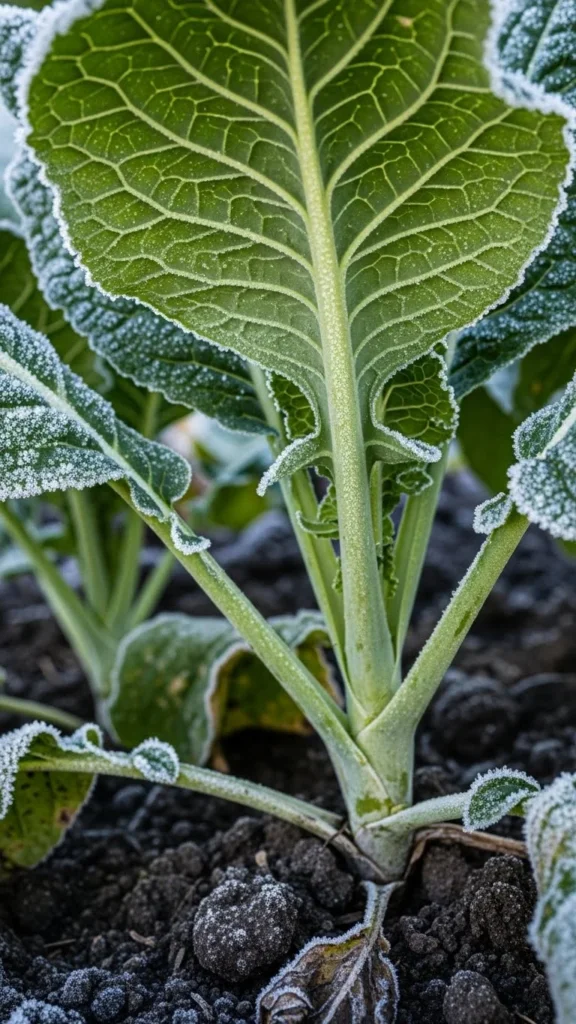
Collard greens handle winter conditions better than many leafy plants. Their broad leaves grow slowly but stay steady through cold nights. You can plant seeds in rows or scatter them lightly.
If you enjoy simple care, feed the soil with compost before planting. Collards love nutrient-rich ground. Keep watering gentle during winter so soil doesn’t freeze. Cut leaves from the bottom as the plant grows upward. This helps the center stay productive.
13. Peas
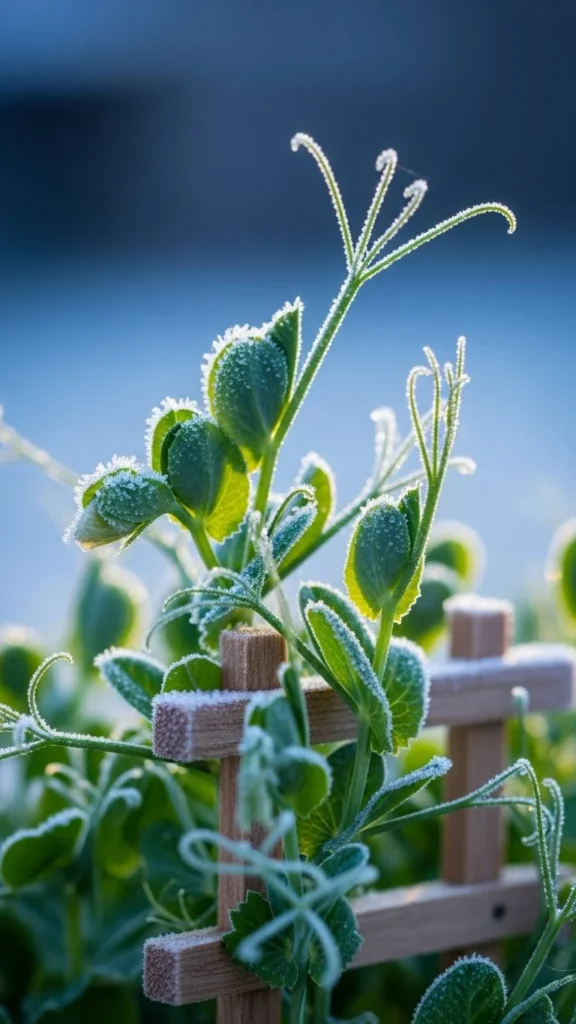
Peas tolerate cold weather and grow well in winter gardens with a bit of support. Plant seeds near a simple trellis or sticks. They climb quickly once sprouted, even in chilly air.
To keep things low-budget, build a trellis from branches or leftover stakes. Water lightly to avoid frozen roots. Pick pea pods often to keep the vines producing. If snow falls, gently brush it off the vines so they don’t bend.
14. Parsley
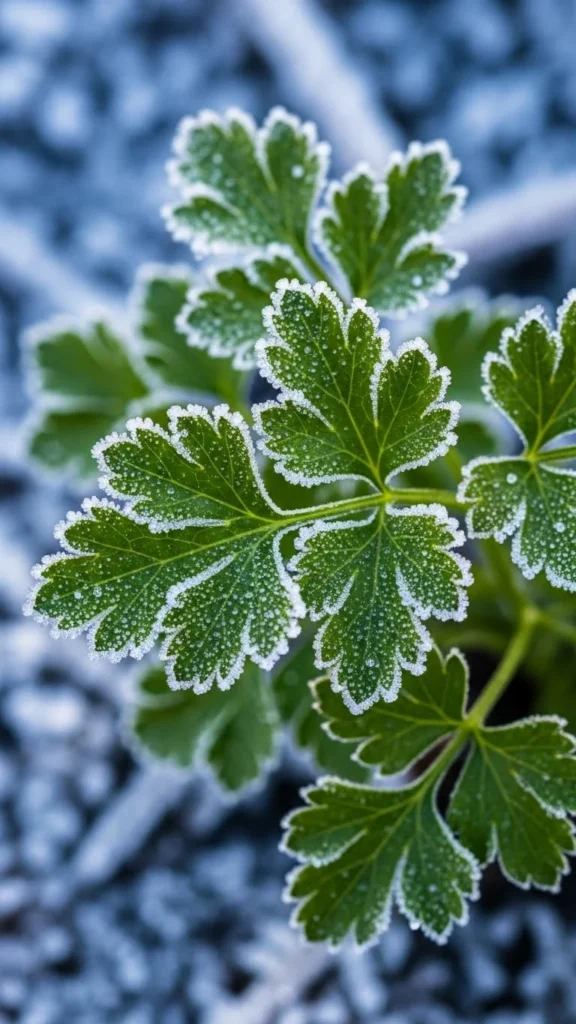
Parsley grows slowly in winter but stays vibrant. You can plant seeds in pots or ground beds. The plant stays low and dense, making it perfect for tight spaces. Parsley handles frost well and keeps its color even after icy nights.
Try placing pots near a sunny wall to catch extra warmth. Water only when the soil feels dry. Trim small bunches often to keep growth steady. Parsley stays productive all season with minimal care.
15. Cilantro
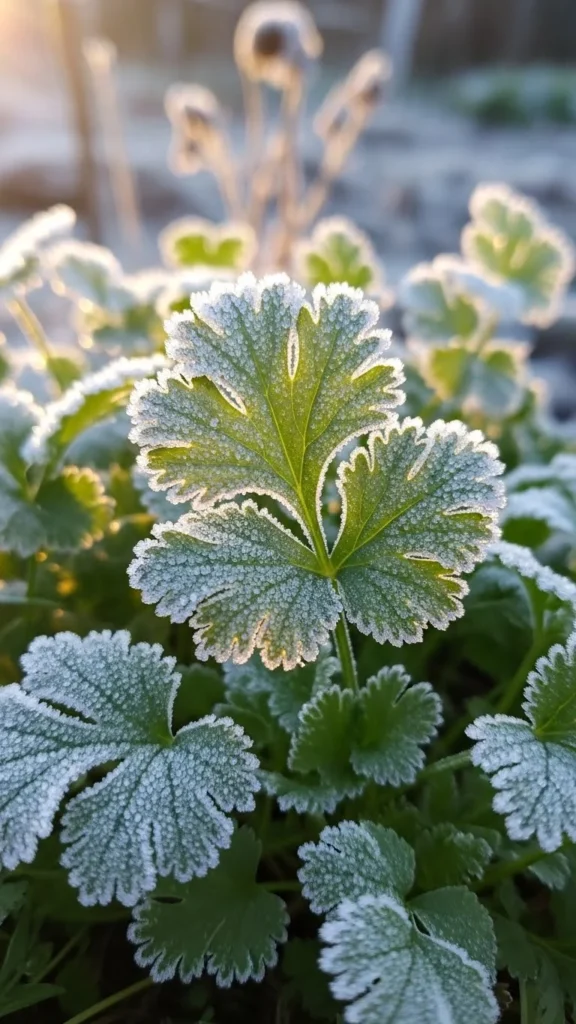
Cilantro grows best in cool seasons and holds up well in cold weather. Seeds sprout quickly when the soil is cool. The plant produces fresh leaves early and keeps growing through winter.
You can scatter seeds across a bed and thin them later. Keep soil slightly moist but not soaked. Harvest leaves often to encourage new growth. Cilantro grows well even in small containers placed near sunlight.
16. Garlic
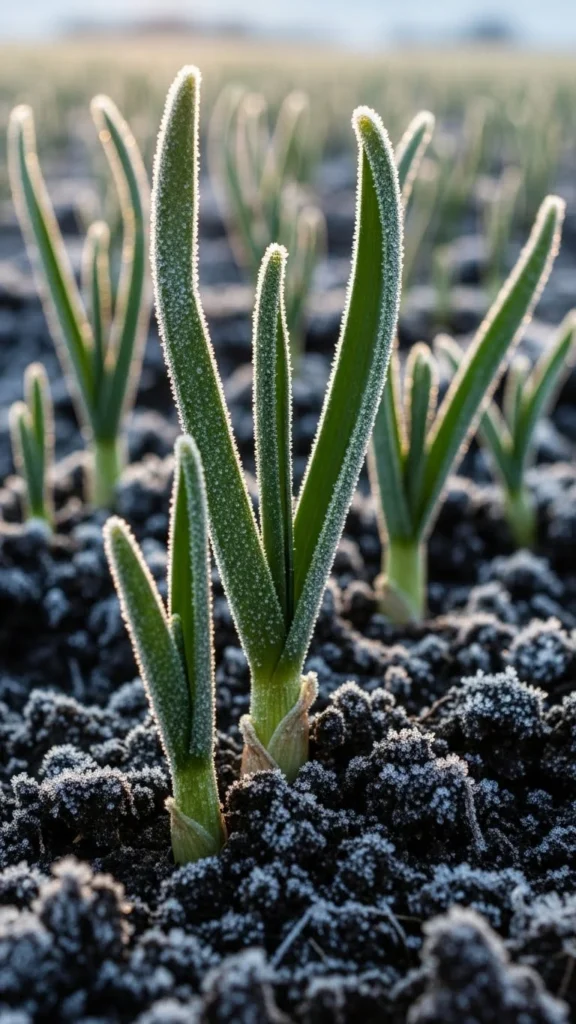
Garlic is one of the easiest winter crops. Plant cloves instead of seeds, but gardeners count this as a seed-start crop due to similar planting habits. Garlic sprouts in cold soil and grows slowly through winter.
Plant cloves in loose soil and cover them with mulch. This protects the ground from freezing too hard. Water lightly when the soil feels dry. Garlic stays strong throughout winter and grows fuller in spring.
17. Onions
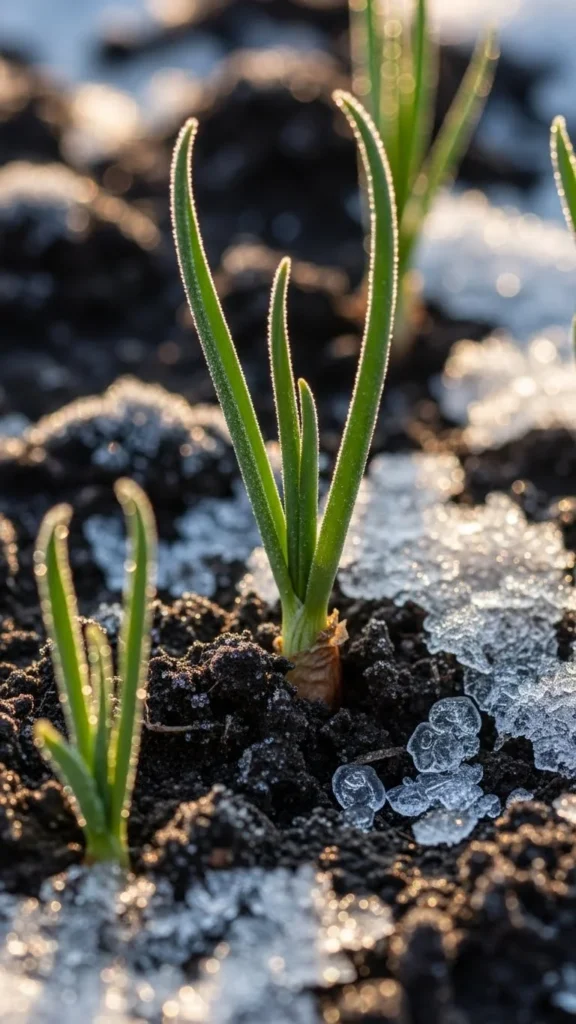
Onion seeds grow well in cool temperatures. You can plant them in rows with plenty of space for bulbs to form. Onions stay sturdy in frost and handle cold nights easily.
To save money, use simple mulch like leaves or straw. It keeps soil workable and warm. Water lightly and avoid soaking the ground. Pull young onions early as scallions while leaving others to mature.
18. Leeks
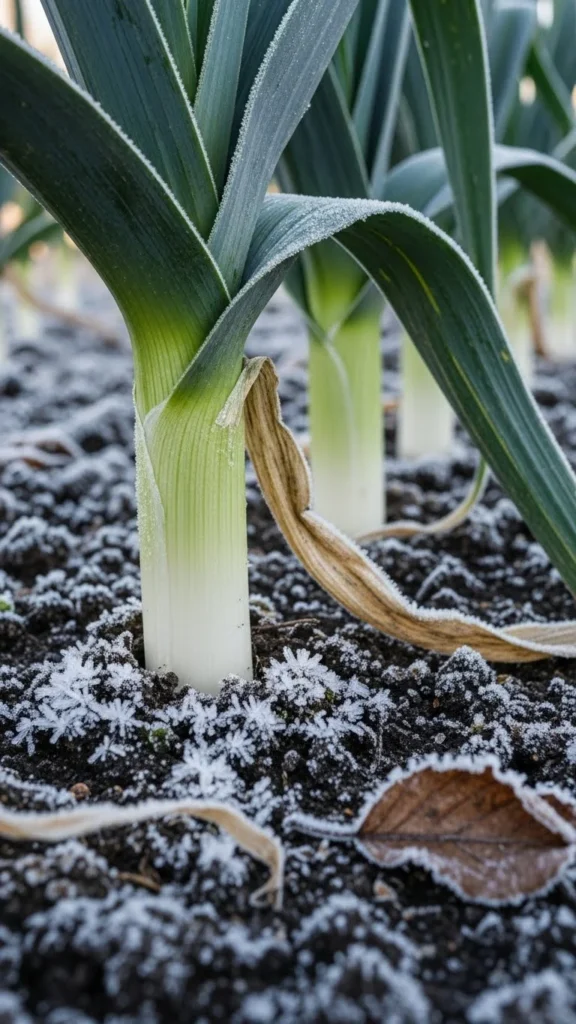
Leeks stay strong in freezing conditions and keep their flavor all winter. They grow tall and need loose soil. Plant seeds in trenches or simple raised beds. Leeks grow slowly but remain steady.
Add mulch around the base to protect the stalks. If you want thicker white stems, gently mound soil around them as they grow. Water sparingly and harvest when the stalk feels firm. Leeks stay healthy through long winters.
19. Mache (Corn Salad)
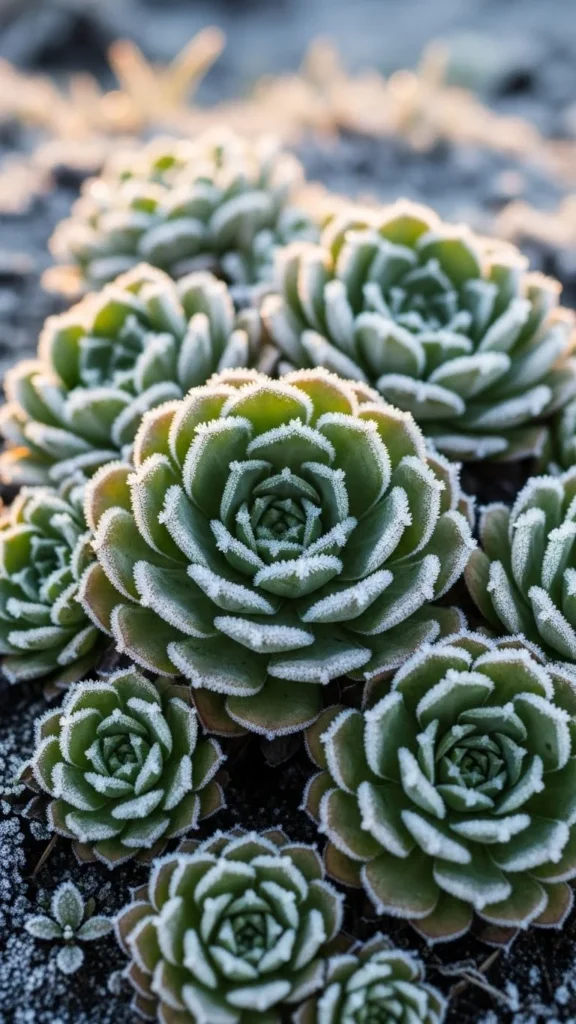
Mache is one of the strongest frost-tolerant greens. The seeds sprout quickly and form small rosettes close to the soil. You can plant them in tight clusters for a full bed. Mache handles freezing nights without trouble.
Water lightly and avoid overwatering. Use straw to keep soil from freezing hard. Harvest whole rosettes or pick leaves gently for continued growth. It’s perfect for small gardens and containers.
20. Pak Choi
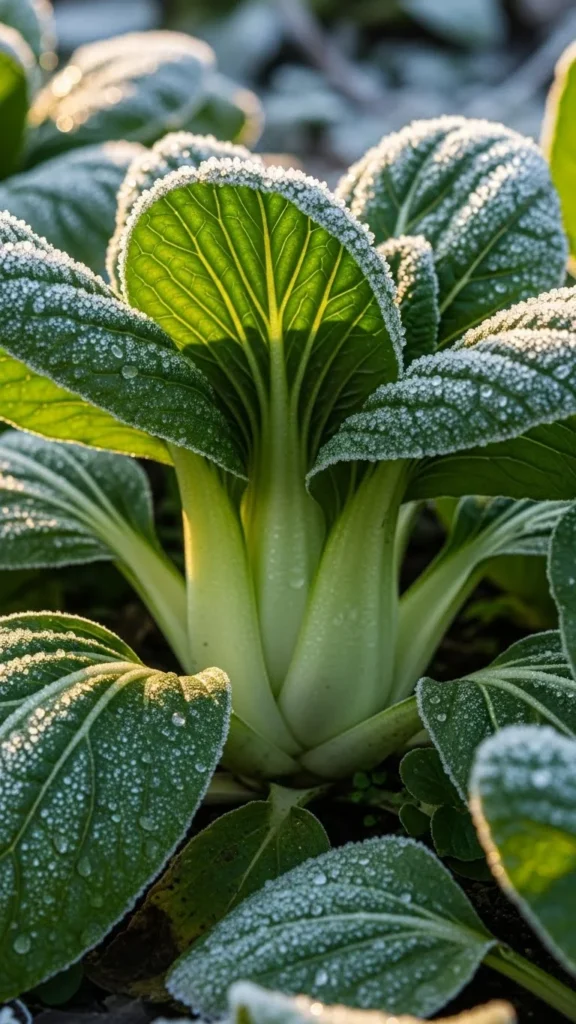
Pak choi grows well in cold conditions and stays crisp all season. Seeds sprout easily in cool soil. The plant grows in tight clusters and works well in small spaces.
Try planting in staggered rows for constant harvest. Add mulch to protect the roots from cold. Harvest outer leaves first or pull whole heads once mature. Pak choi stays productive with simple care.
21. Endive
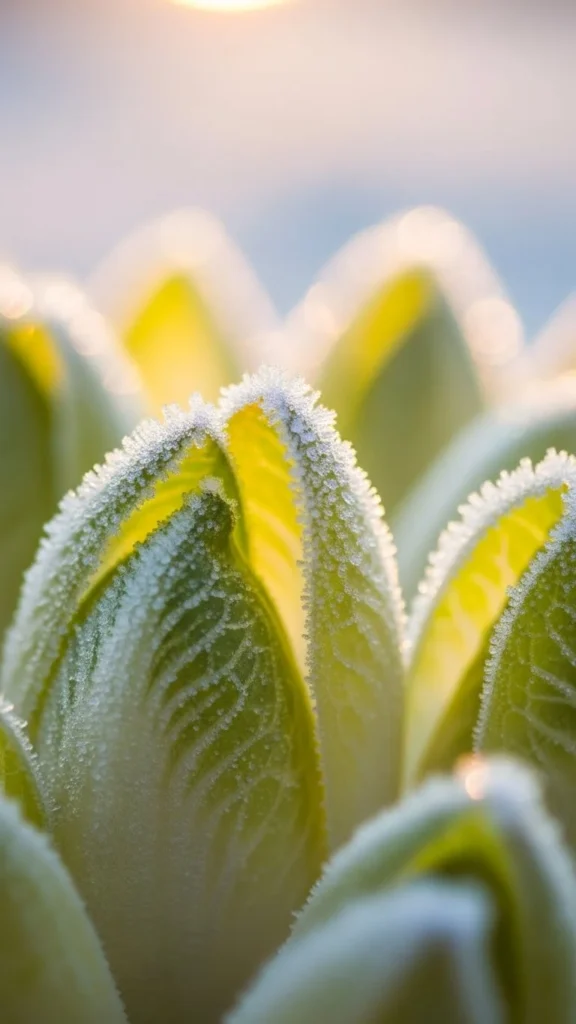
Endive grows neatly in winter and forms crisp rosettes. The seeds sprout in cool soil and grow well in raised beds or containers. The leaves stay firm after frosty nights.
Water in the morning and keep the soil lightly moist. If you want a fuller head, plant seeds close but not too crowded. Trim outer leaves often to help the center grow well.
22. Sorrel
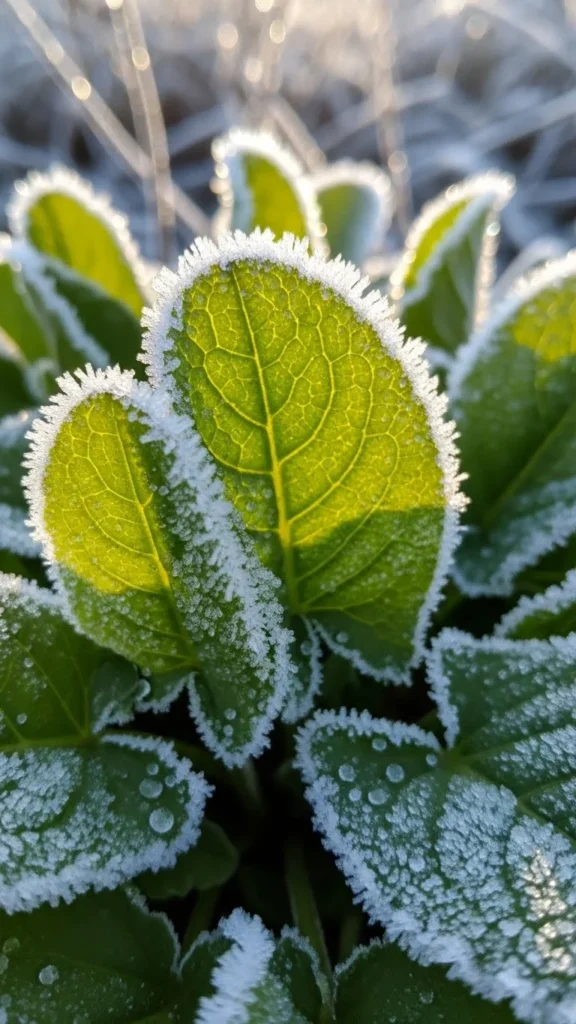
Sorrel loves cold weather and grows quickly in winter gardens. The plant forms bright leaves that sit close to the soil. You can plant seeds in small patches or lines.
Water sparingly and trim leaves often. Sorrel grows back fast even after regular picking. Add a thin mulch layer to keep the soil soft and easy to work with.
23. Rutabaga
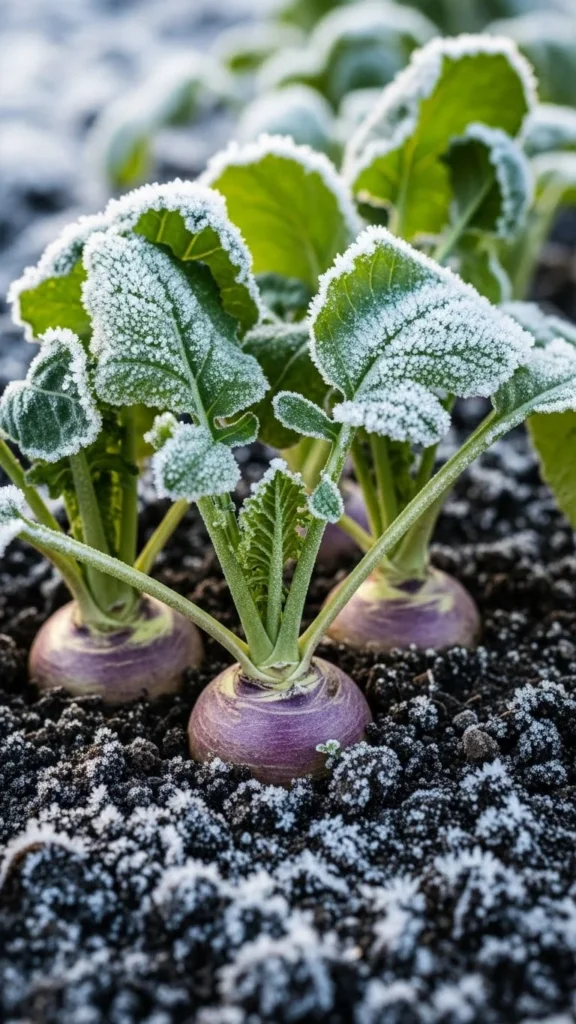
Rutabaga grows well in cold soil and forms large roots over time. Seeds sprout slowly but stay dependable once they take hold. The greens are also edible and taste best when young.
Keep the soil loose and add mulch to guard against deep freezing. Pull roots when they reach a comfortable size. Rutabaga stays strong even after several frosty nights.
24. Mizuna
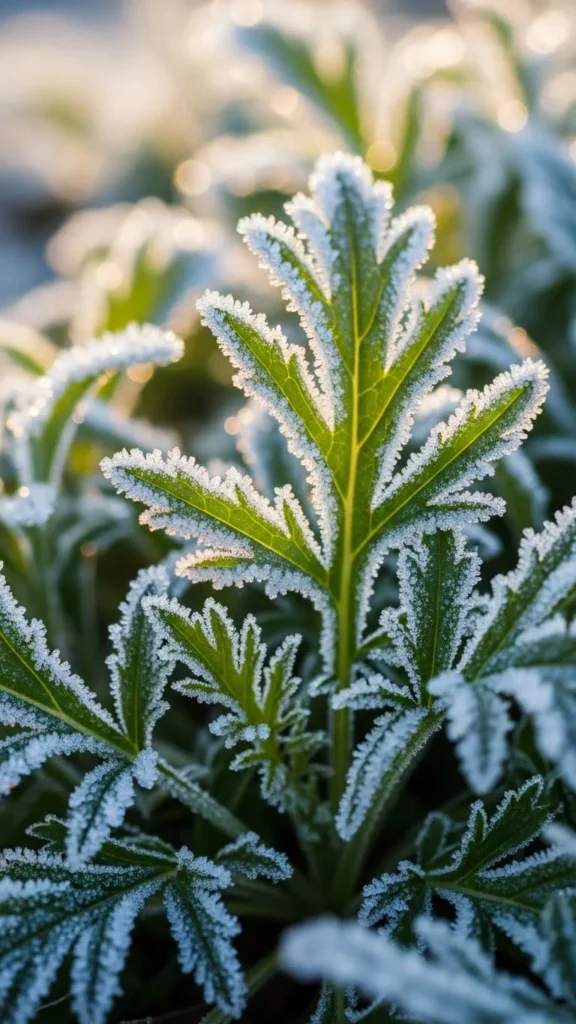
Mizuna grows fast in cool soil and handles frost without trouble. Seeds sprout easily and form leafy clusters that fill garden beds. The plant stays low and spreads steadily.
Water only when dry. Too much water freezes and slows growth. Trim leaves often to keep new ones forming. Mizuna is a great choice for quick winter harvests with very little work.
Conclusion
Winter gardening feels simpler when you start with seeds that enjoy cold weather. These hardy choices stay strong through frosty nights, grow well with light care, and keep your garden productive even in the coldest months. Try a few varieties this season and enjoy steady growth, color, and harvests all winter long.

Leave a Reply