

Keeping your garden lush and thriving doesn’t mean spending hours with a hose or wasting gallons of water. With the right techniques, you can water smarter—not harder—and give your plants exactly what they need while saving time, effort, and precious resources.
Understand Your Garden’s Water Needs
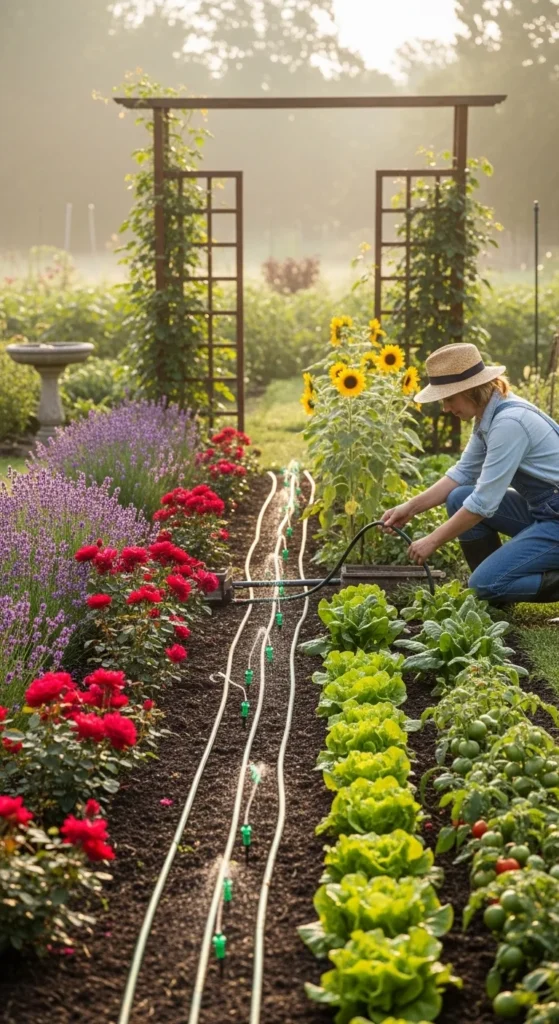
Every plant has unique water preferences. Some love consistently moist soil, while others thrive with occasional drying between watering.
- Know your soil type: Sandy soil drains quickly, requiring more frequent watering. Clay soil retains moisture longer, so you can water less often.
- Group plants by water needs: Place drought-tolerant plants together and thirstier ones in another section. This keeps watering efficient and avoids over- or under-watering.
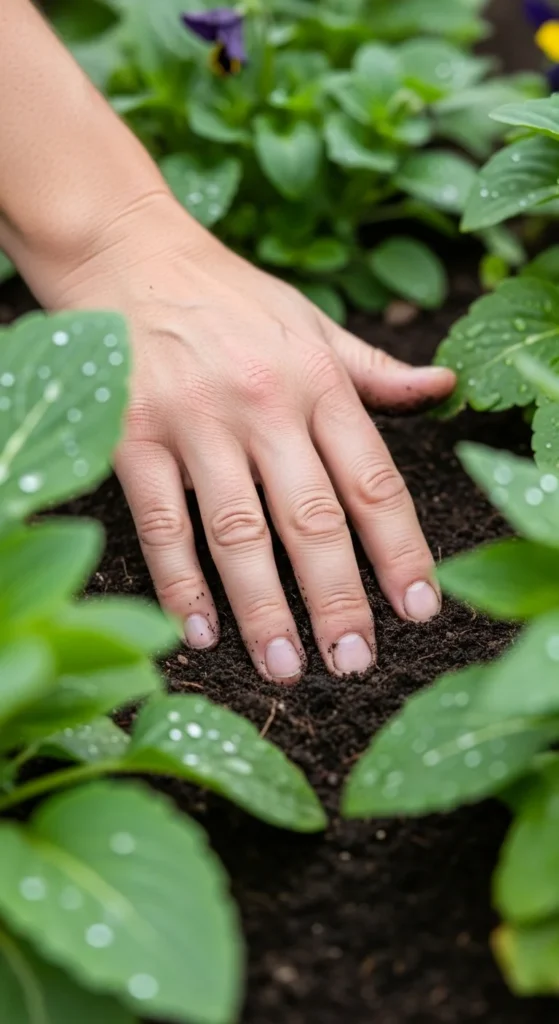
- Check moisture before watering: Stick your finger about two inches into the soil—if it feels dry, it’s time to water.
Water Early and Wisely
Timing is everything when it comes to watering efficiently.
- Water in the morning. Early watering helps plants absorb moisture before the sun gets too strong, reducing evaporation loss.
- Avoid evening watering. Damp overnight conditions can invite mold, fungus, and pests.
- Use gentle watering methods. A soft spray or soaker hose delivers moisture directly to the roots without disturbing the soil or damaging delicate plants.
Bonus tip: If you can’t water early, late afternoon—about 2–3 hours before sunset—is the next best time.

Choose Smart Watering Tools
Not all watering tools are created equal! The right equipment can make your routine faster and more eco-friendly.
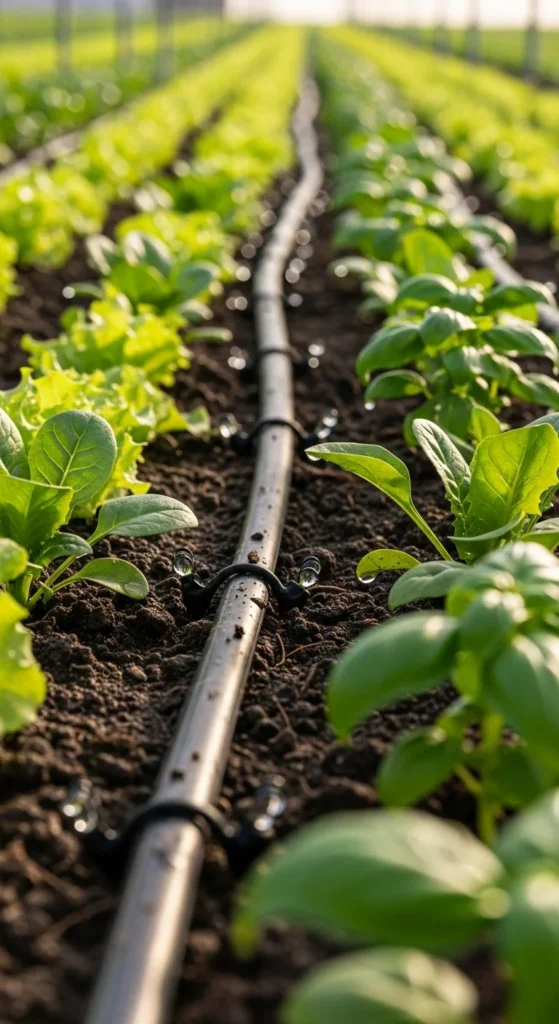
- Soaker hoses: Great for garden beds—these release water slowly and evenly along the soil line.
- Drip irrigation systems: Ideal for precision watering. You can even connect them to timers to automate the process.
- Rain barrels: Collect rainwater from your roof to use later. It’s free, sustainable, and your plants will love it.
Automation doesn’t just save time—it also ensures your plants get consistent hydration even when you’re away.
Water Deeply, Not Frequently
One of the biggest mistakes new gardeners make is watering too often. Shallow watering encourages weak, surface-level roots. Deep watering trains plants to grow strong root systems that reach down for moisture.
- Aim for longer, less frequent watering sessions.
- Soak the soil 6–8 inches deep.
- Let the top layer dry slightly between watering.
This approach builds drought resistance and reduces water waste.
To test depth, dig a small hole after watering—if the soil is moist several inches down, you’re doing it right.
Mulch for Moisture Retention
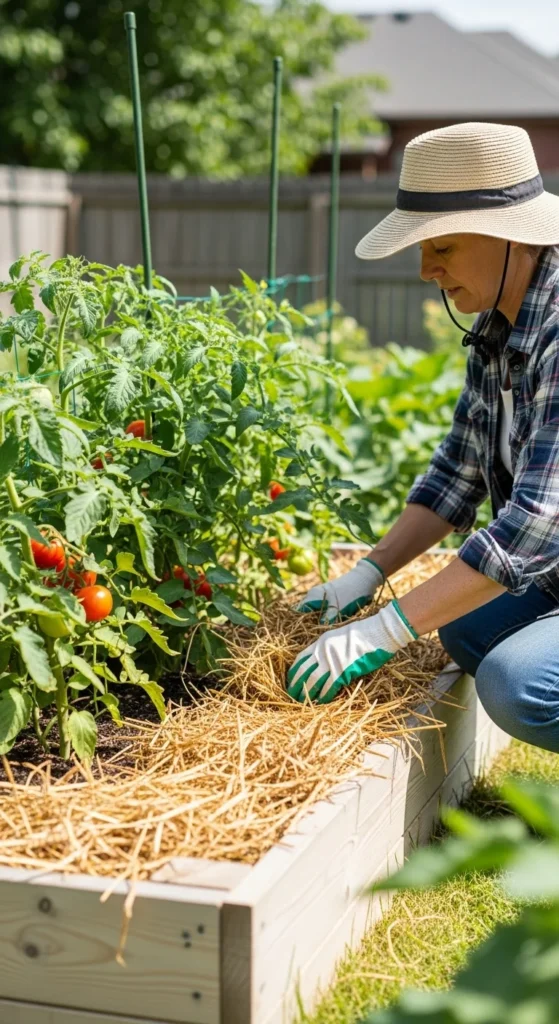
Mulch is your secret weapon for conserving water. A 2–3 inch layer of organic mulch (like wood chips, straw, or leaves) helps:
- Lock in soil moisture
- Keep roots cool during hot days
- Reduce weed growth (which competes for water)
Spread mulch evenly but leave a small gap around plant stems to prevent rot.
Capture and Reuse Water
Why let good water go to waste? Simple DIY methods can help you reuse what nature provides.
- Install a rain barrel: Connect it to your downspout for an easy water source.
- Reuse kitchen water: Water from rinsing fruits or veggies can nourish your garden (just skip soapy or salty water).
- Redirect greywater: With proper filtration, you can reuse household water safely.
It’s not only eco-conscious—it can significantly reduce your water bill over time.
Keep an Eye on Weather Patterns
Don’t water blindly—let nature help. Check the forecast before turning on your hose. If rain is expected, skip your routine for a few days. Overwatering can harm roots as much as neglect.
During dry spells or heatwaves, adjust by watering more deeply but not necessarily more often. This ensures the roots stay hydrated while minimizing waste.
Conclusion: Be Smart, Not Soaked
Mastering efficient watering is all about timing, technique, and tools. Once you understand your plants’ needs and tailor your routine, you’ll save both time and resources—while keeping your garden healthy and radiant.
So next time you reach for that hose, think strategically. A few mindful tweaks can make you a true garden-watering pro.
Save this guide for later to keep your garden thriving year-round!

Leave a Reply