

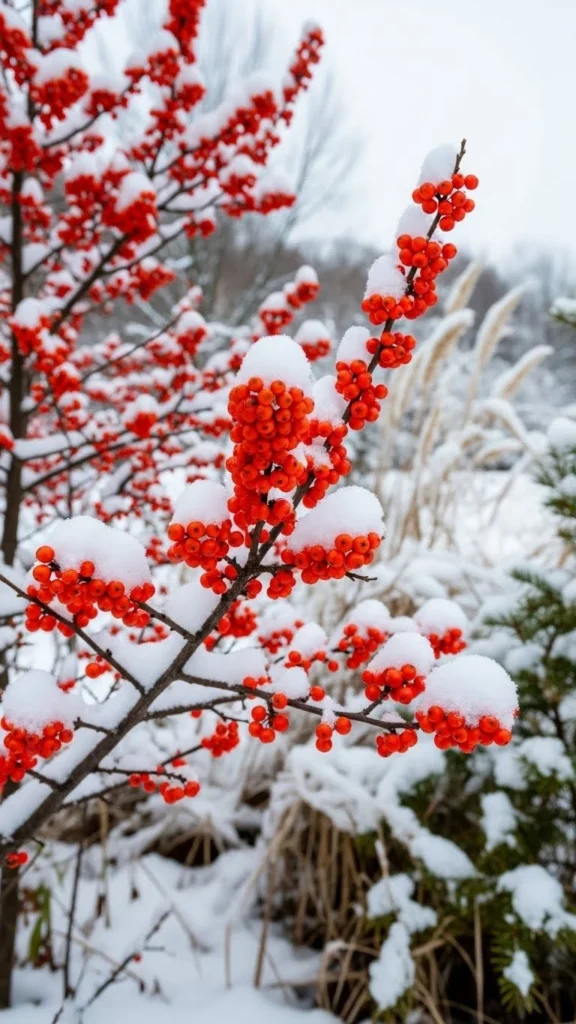
Winter gardens often feel quiet and muted—but berry shrubs change everything. Their bold clusters of color stand out against snow, bare branches, and gray skies. Many varieties keep their berries well into late winter, giving you months of visual charm with very little work. This guide shares 28 winter berry shrubs that bring instant color to your yard, along with simple tips to grow each one without extra effort or cost.
1. Winterberry Holly
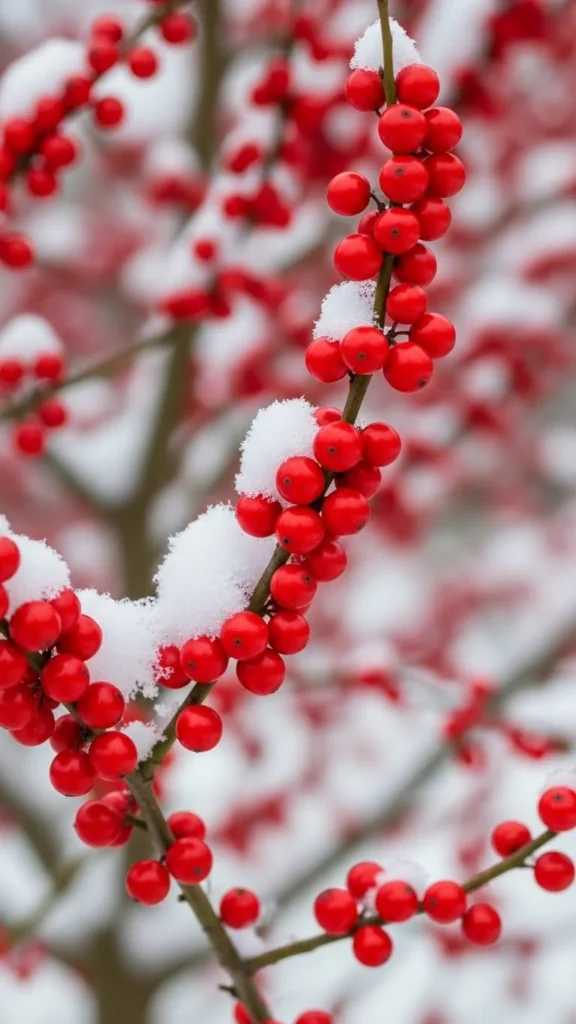
Winterberry Holly is one of the most common color-makers in cold months. The berries stay bold even after heavy frost. Plant one male shrub near several females for good berry production. Choose a sunny corner or a spot with morning light to help the berries hold their color longer. Use mulch to help the soil stay moist. If you want to save money, buy smaller nursery pots—they fill out quickly by the second year. Add them near walkways where the red clusters stand out against evergreens and snow. They also pair well with low shrubs like boxwood for balance.
2. Red Chokeberry
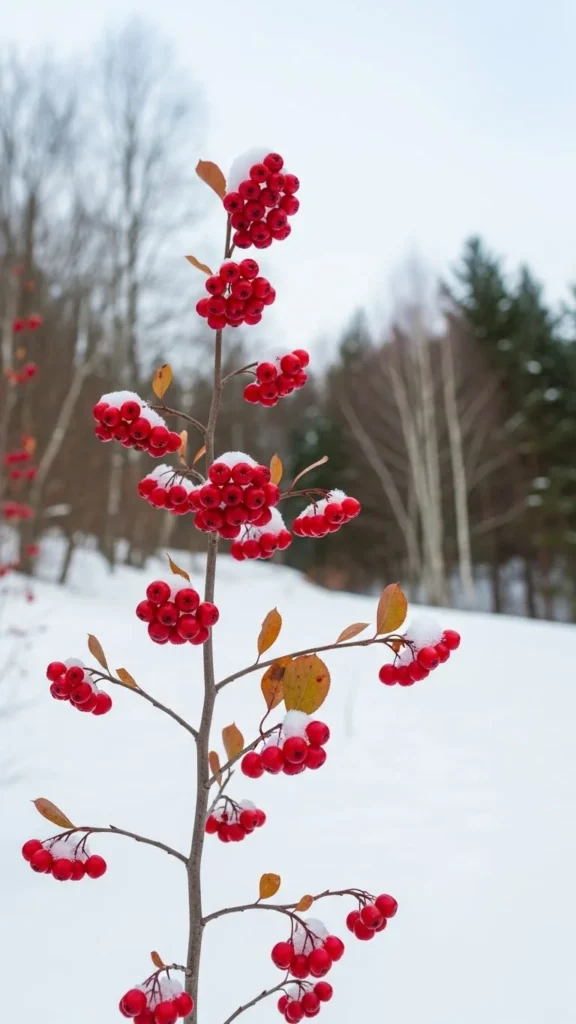
Red Chokeberry gives you a full season of interest. In winter, the berries shine against bare woodlands or garden beds. This shrub grows well in tough spots like damp soil or partial shade. Keep the shape tidy by cutting a few older branches in early spring. For a budget option, look for bare-root plants during early winter sales—they’re inexpensive and easy to plant. The berries stay bright through late winter, attracting birds. Add Red Chokeberry near fences or mix it with tall grasses for texture.
3. Firethorn (Pyracantha)
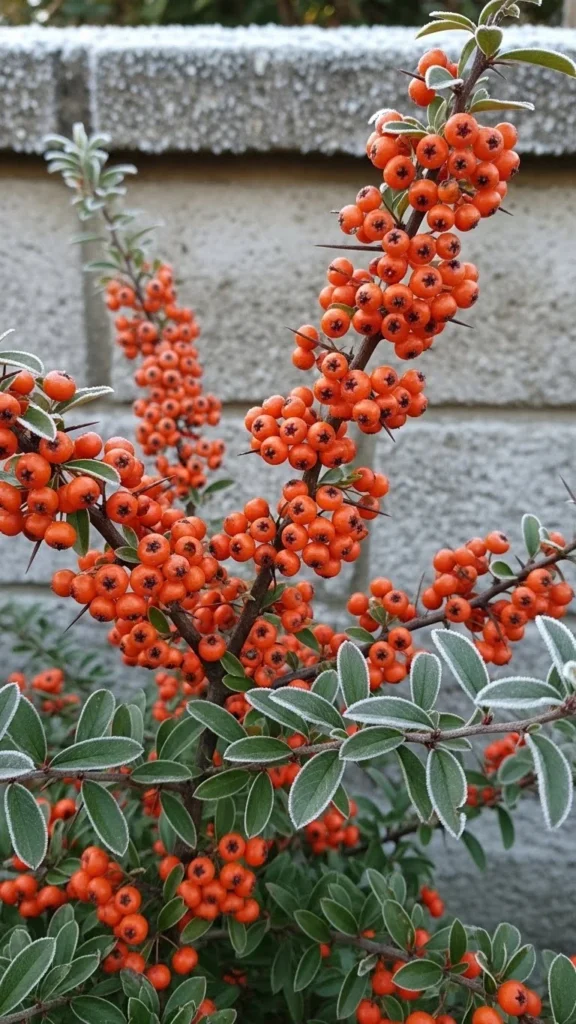
Firethorn is known for its fiery berries and dense growth. It works nicely along walls or as a living screen. Because of its upright form, you can train it to grow flat against brick or wood to save space. It handles cold weather well and keeps a rich color throughout winter. Water deeply during long dry spells. If you’re planting on a budget, choose one shrub and train it to spread horizontally across your fence using simple twine. This gives you wide coverage without buying multiple shrubs.
4. American Beautyberry
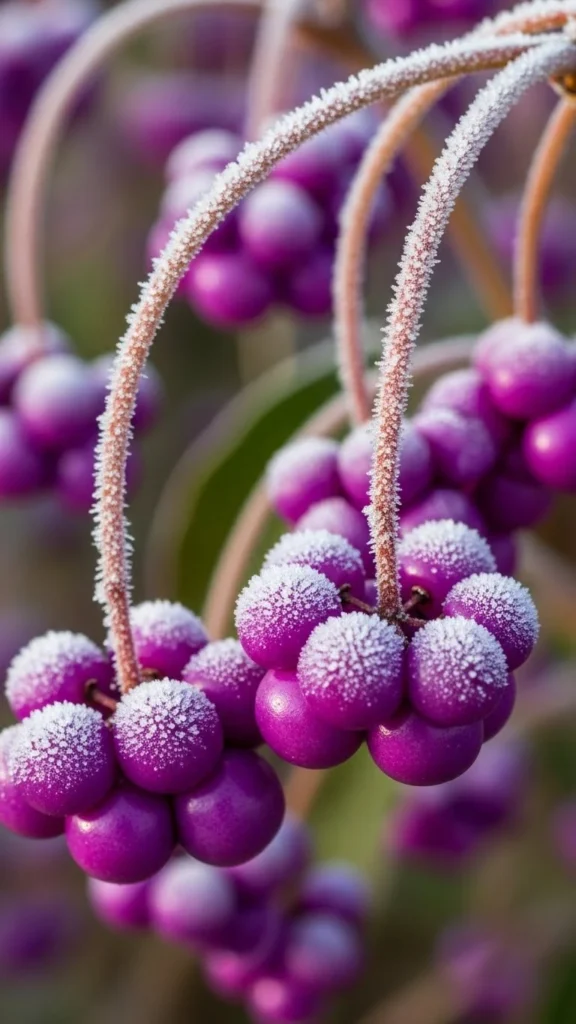
American Beautyberry stands out with its deep purple berries that brighten any cold garden. The clusters circle the stems, giving a strong visual effect even after the leaves fall. Plant Beautyberry near walkways or patio edges so the color stays visible at eye level. It grows quickly, so buying a small plant is enough. Add compost once a year to help with berry production. Beautyberry mixes beautifully with silver-leaf plants or white-barked trees for contrast.
5. Coralberry
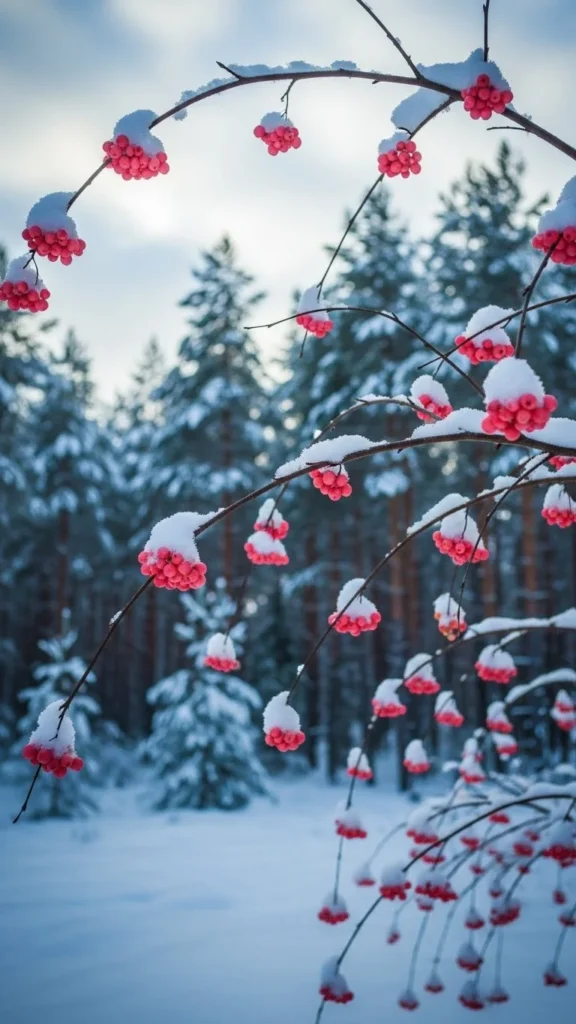
Coralberry brings soft pink berries that stay bright through winter. The berries form in tight groups, making the shrub look full even during cold months. It grows well in lightly shaded areas and handles poor soil. If you want to fill a large bed without overspending, plant a few small Coralberry shrubs—they spread nicely with time. Trim lightly in spring to keep a rounded shape. Add them near stone paths or under taller trees for a natural woodland look.
6. Snowberry
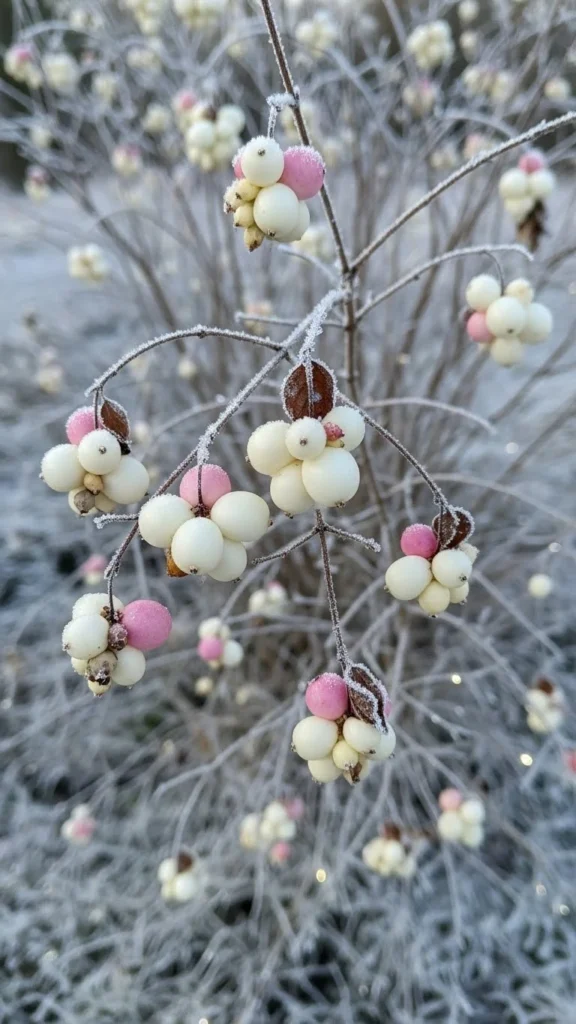
Snowberry shows off bright white berries that pop against darker winter plants. These berries often remain long after leaf drop. It grows well in partial shade and tolerates cold winds. Plant several together for a fuller display. Mulch the base to help retain soil moisture. If you want a low-cost hedge, Snowberry spreads easily, creating a natural border without much maintenance.
7. Nandina (Heavenly Bamboo)
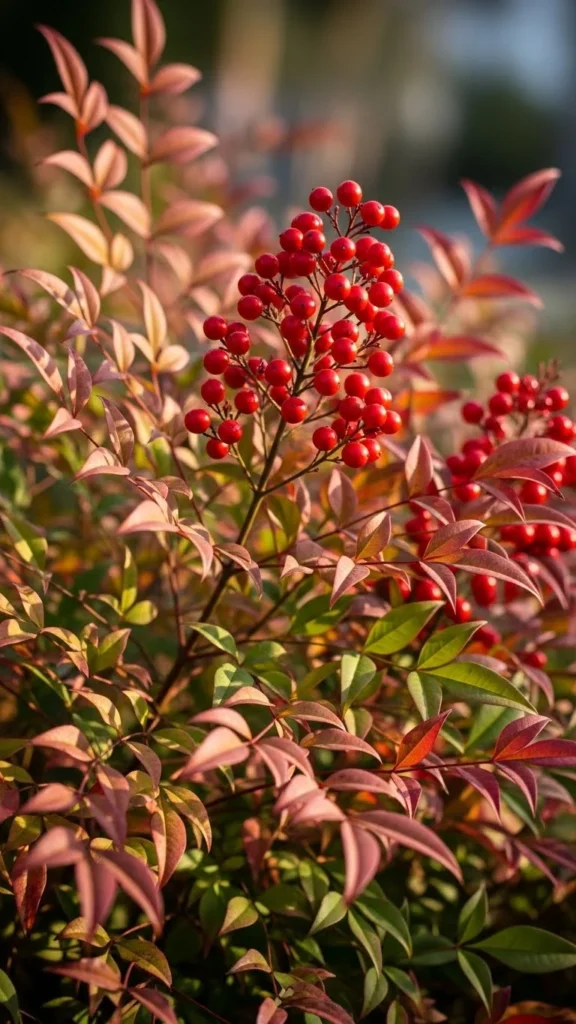
Nandina offers red berries along with colorful winter foliage. The leaves shift to hints of copper and red in colder weather. This shrub stays compact, making it perfect for small yards or containers. Use well-drained soil, and place it where it gets morning sun. To save money, buy one mature plant and divide it after a year when new shoots appear. Add Nandina near entryways for a warm winter welcome.
8. Cotoneaster
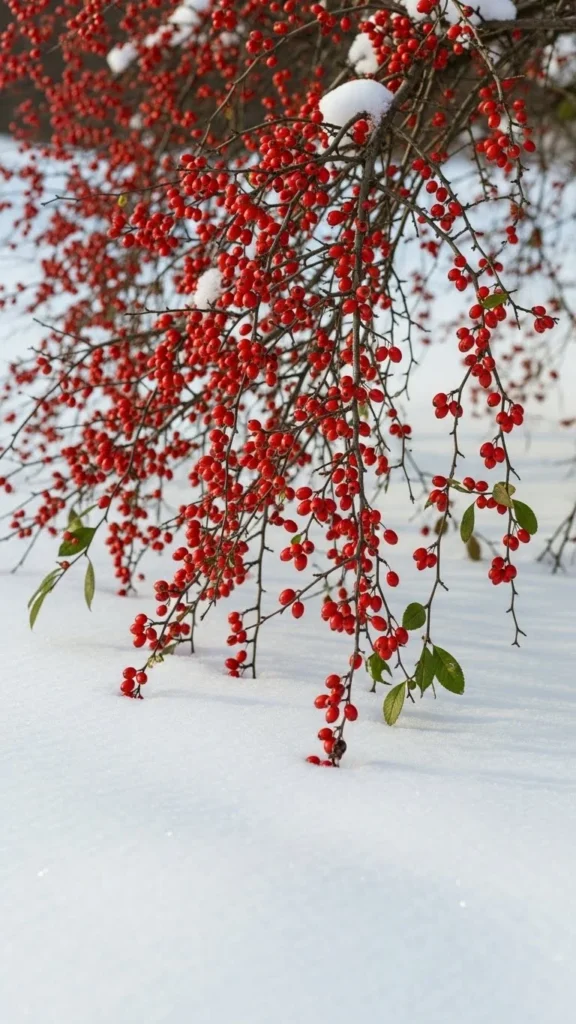
Cotoneaster is a trailing shrub with berry clusters that hang like ornaments. It works beautifully on slopes, rock gardens, or along borders. It handles cold mornings and frost without trouble. Water sparingly, as it prefers slightly dry soil. For a budget solution, try planting it in long rows—each plant spreads widely, covering gaps on its own. The berries glow most in low winter sunlight.
9. Hawthorn
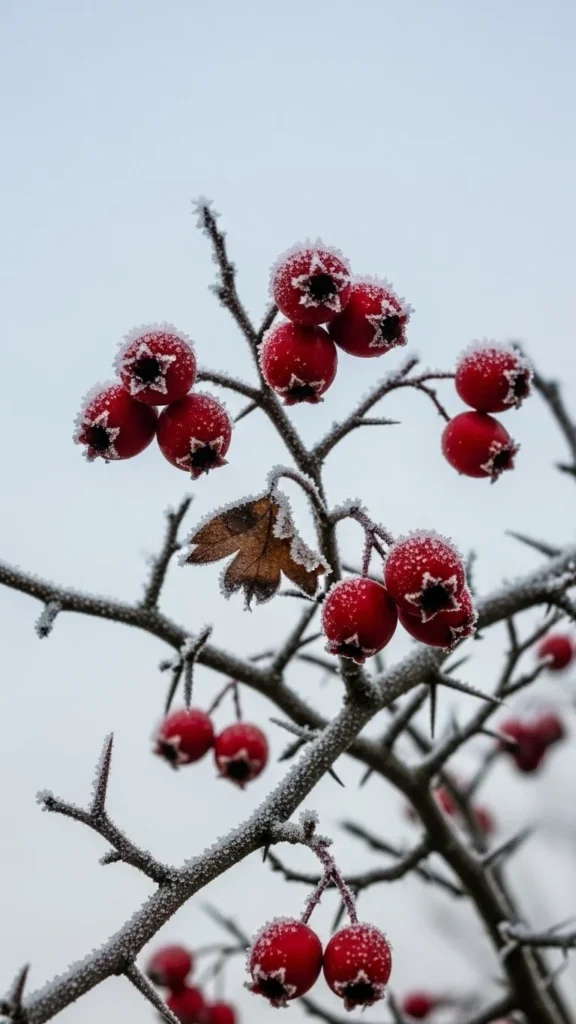
Hawthorn trees and shrubs offer clusters of red winter berries. They work well as privacy plants since they grow dense and tall. Choose a sunny spot for the best berry color. Trim lightly in early winter to keep branches open. You can start Hawthorn from small, low-cost saplings. Add them near property lines where the berries can shine without needing frequent grooming.
10. Red Osier Dogwood
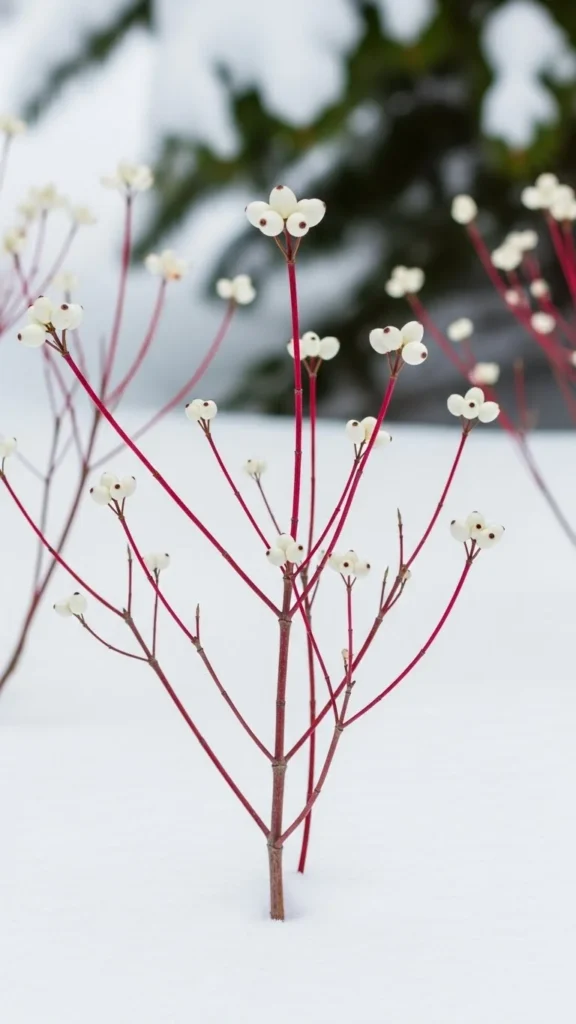
Red Osier Dogwood stands out for both its red stems and winter berries. The color intensifies in cold weather. Plant it in moist soil or near drainage areas. The berries attract birds throughout winter. If your budget is tight, buy smaller shrubs and let them grow into their shape. Mix Red Osier Dogwood with evergreens for a bold color contrast.
11. Barberry
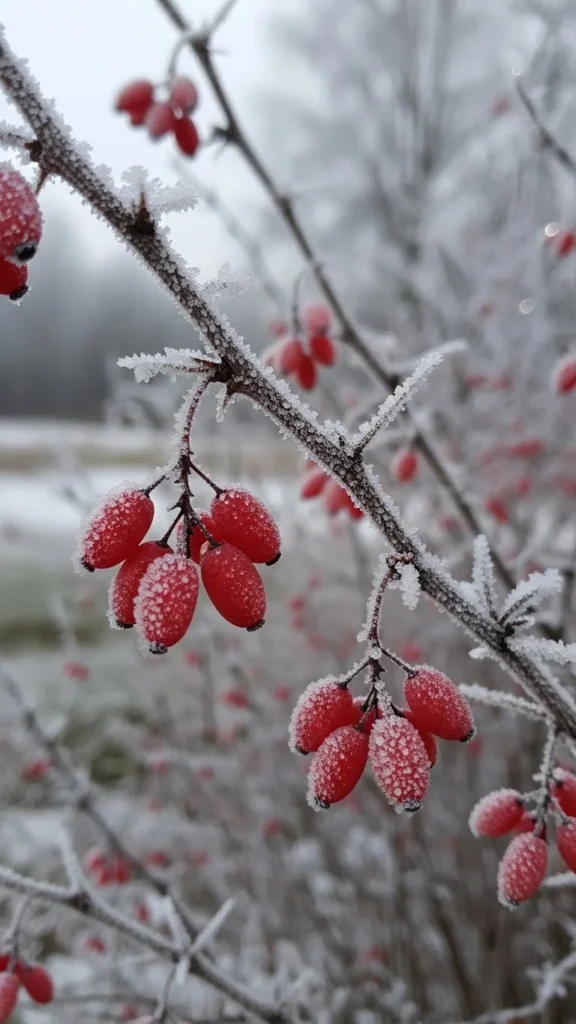
Barberry shrubs hold their berries tightly through winter, offering bright spots of color. They work well as borders or low hedges. This shrub tolerates cold well and grows in poor soil. Trim once a year to maintain shape. If you want an affordable way to fill space, choose dwarf Barberry varieties—they spread slowly and stay compact without heavy pruning.
12. Juniper
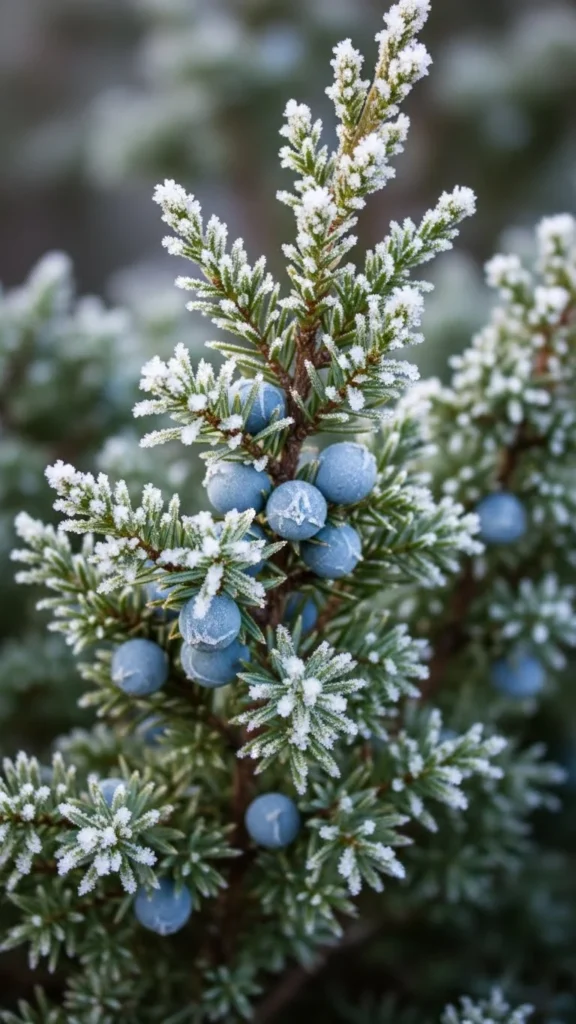
Juniper shrubs produce dusty-blue berries that pair beautifully with winter greenery. They stay full year-round and require very little attention. Plant them in well-drained soil and give them plenty of light. Save money by starting with smaller pots—they grow steadily without heavy care. Juniper looks great along paths or paired with stone elements.
13. Black Chokeberry
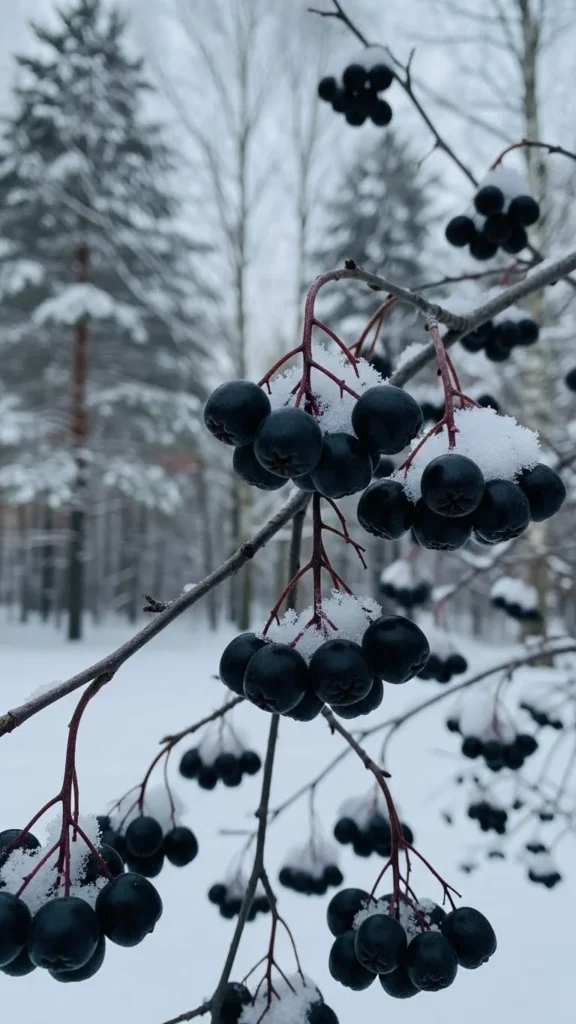
Black Chokeberry offers deep purple-black berries that show well in winter. Plant in full sun or partial shade. It handles clay soil and cold days with ease. Use mulch to help keep the soil hydrated. If your yard needs a bold splash of darker color, add this shrub near lighter evergreens. Choose bare-root plants for a budget-friendly option.
14. Elderberry
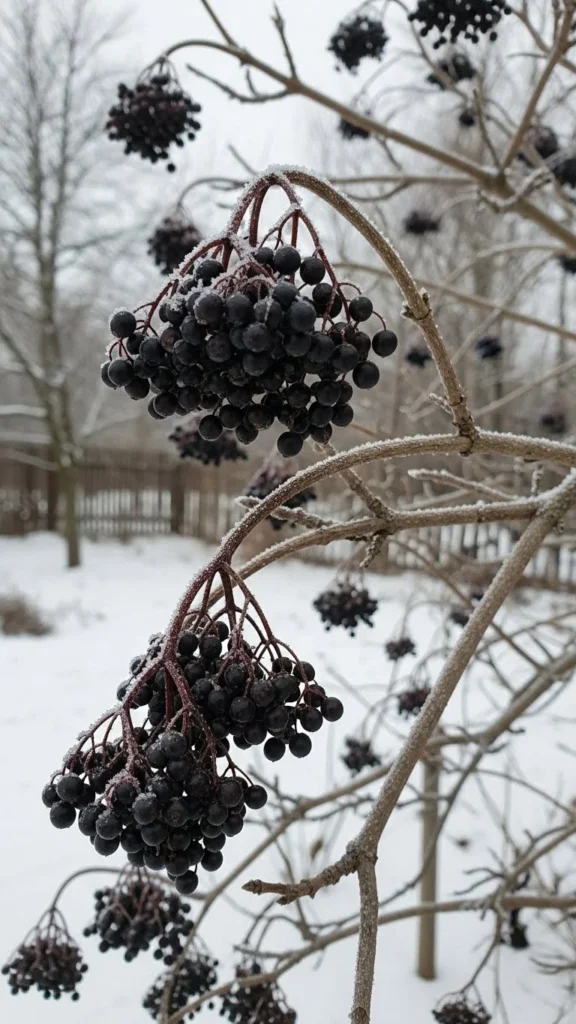
Elderberry shrubs carry dark berry clusters into early winter. They grow quickly, making them great for filling large spaces. Plant them in full sun for best berry color. Trim lightly in early spring. For a low-cost start, buy small cuttings from local nurseries—they root easily. Add Elderberry near fences where their height provides structure.
15. Mountain Ash
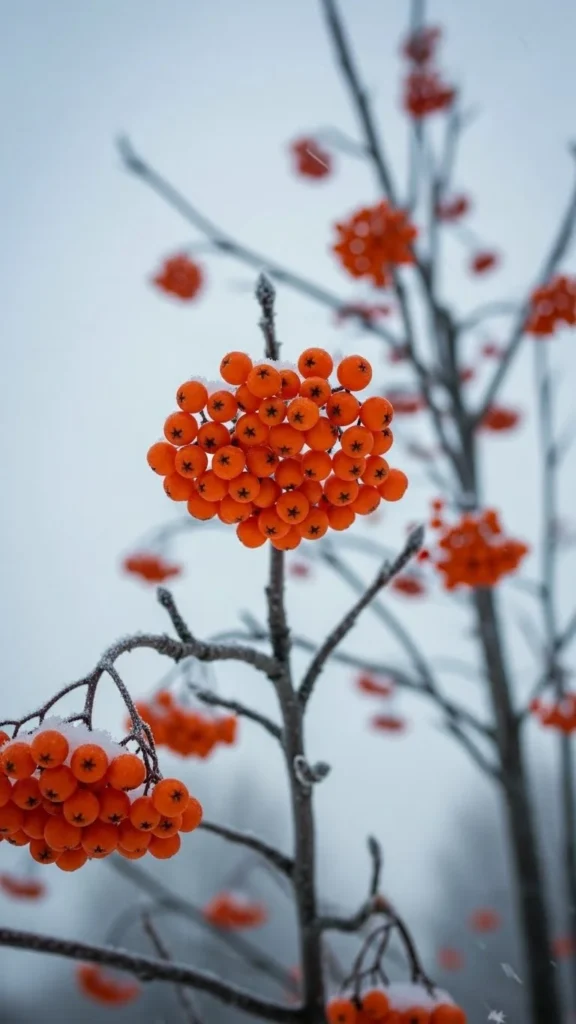
Mountain Ash trees bring bright orange berries that hold their color deep into winter. They grow well in cold climates and enjoy full sun. Plant a young sapling to save money—it will grow tall over time. These trees fit nicely in open yards or near property edges. The berries stay visible even during heavy snowfalls.
16. Beauty Bush
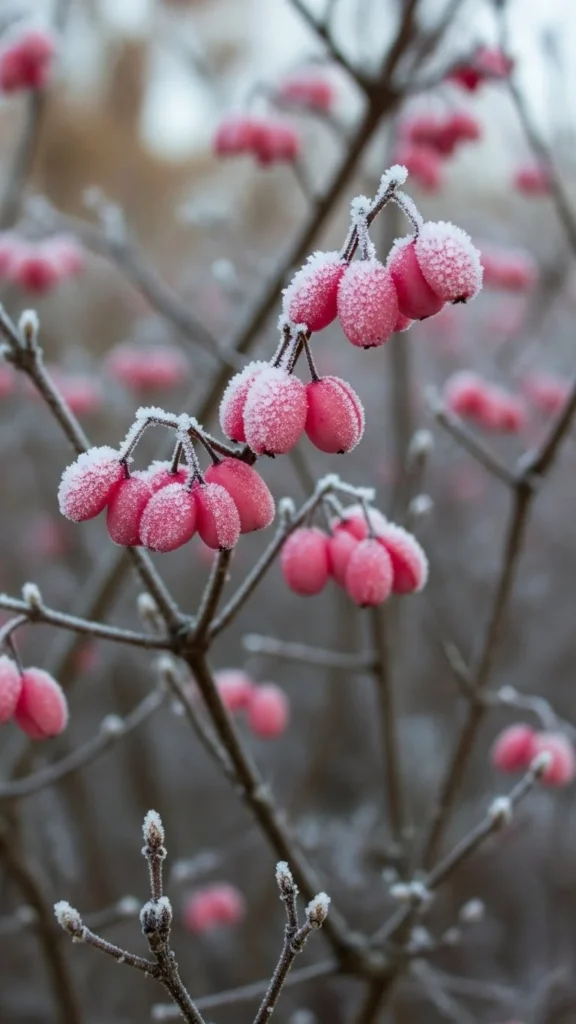
Beauty Bush adds soft pink berries that stay bright well into winter. The arching branches create a graceful look in cold landscapes. Plant it in sunny or lightly shaded areas. It tolerates most soils. If you want a soft winter color scheme, pair it with silver plants. Choose smaller nursery pots to keep costs down.
17. Serviceberry
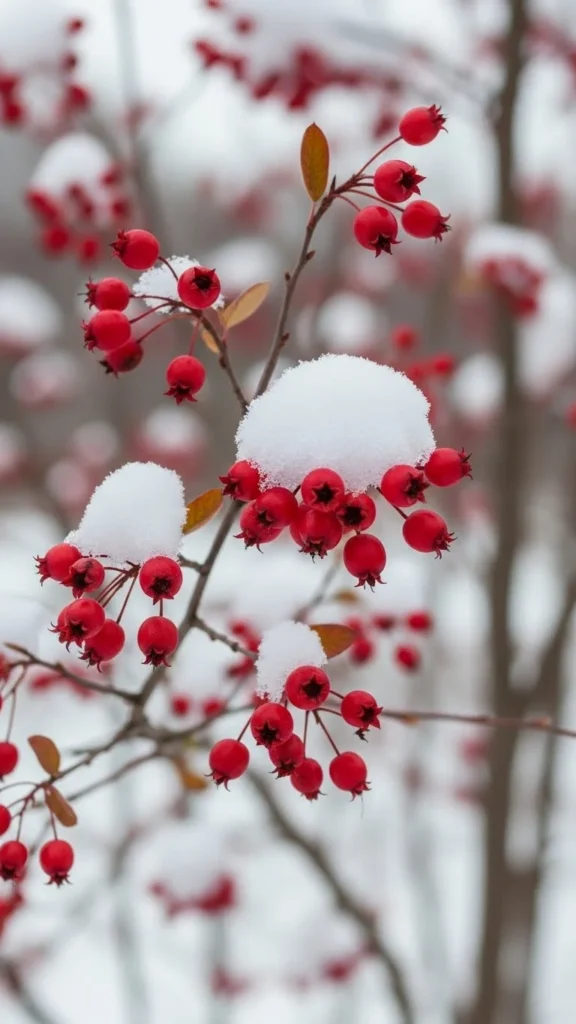
Serviceberry shrubs and small trees carry bright berries that persist into early winter. They grow well in full sun and tolerate cold climates. Add mulch to retain moisture and help young plants settle. For a low-budget option, start with young plants—they grow quickly without much effort. Serviceberry looks lovely alongside stone borders or patios.
18. Viburnum
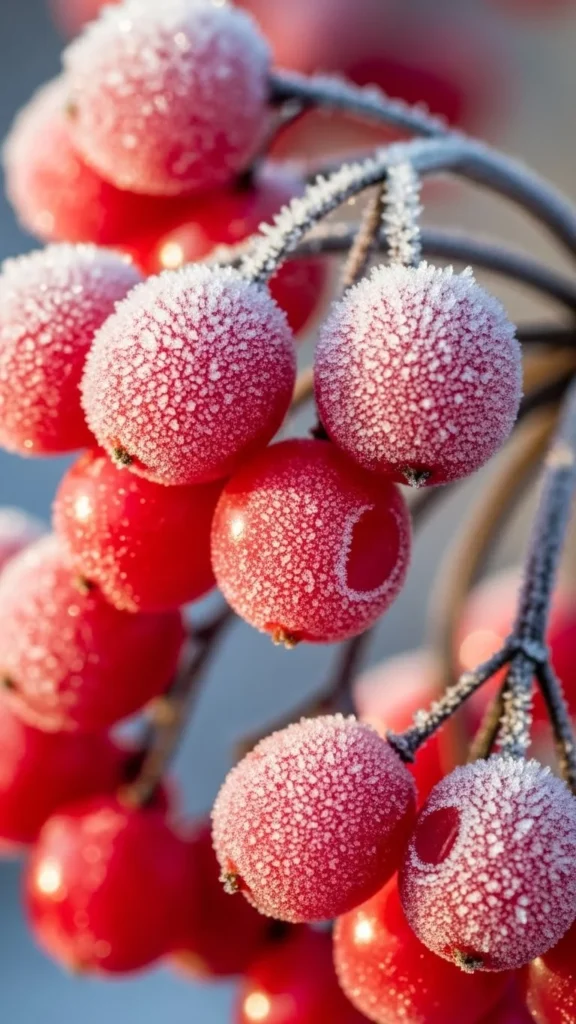
Viburnum offers berry clusters that range from red to deep blue depending on the variety. Many keep their berries through winter. Plant in a sunny or partly shaded area. Water during long dry spells. For affordable planting, choose a single large shrub and divide it after a year. Viburnum mixes well with evergreens and ornamental grasses.
19. Heavenly Bamboo Dwarf Variety
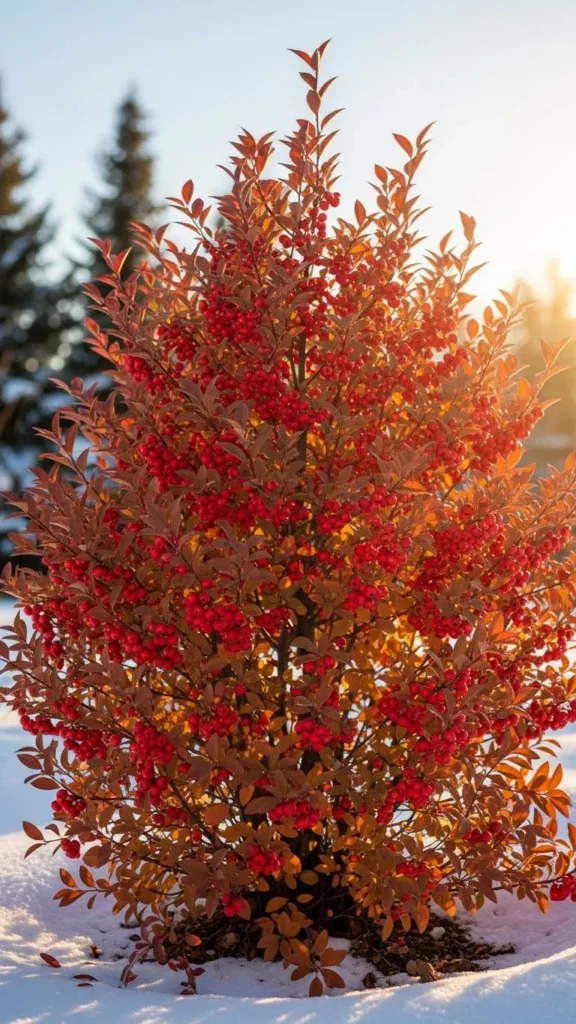
This compact version of Nandina is ideal for small gardens. The berries stand out against bronze winter leaves. It grows well in containers or narrow spaces. Use well-drained soil and light morning sun. To save money, buy one plant and let it form multiple stems over time. The berries stay bright all season.
20. Shrubby Cinquefoil
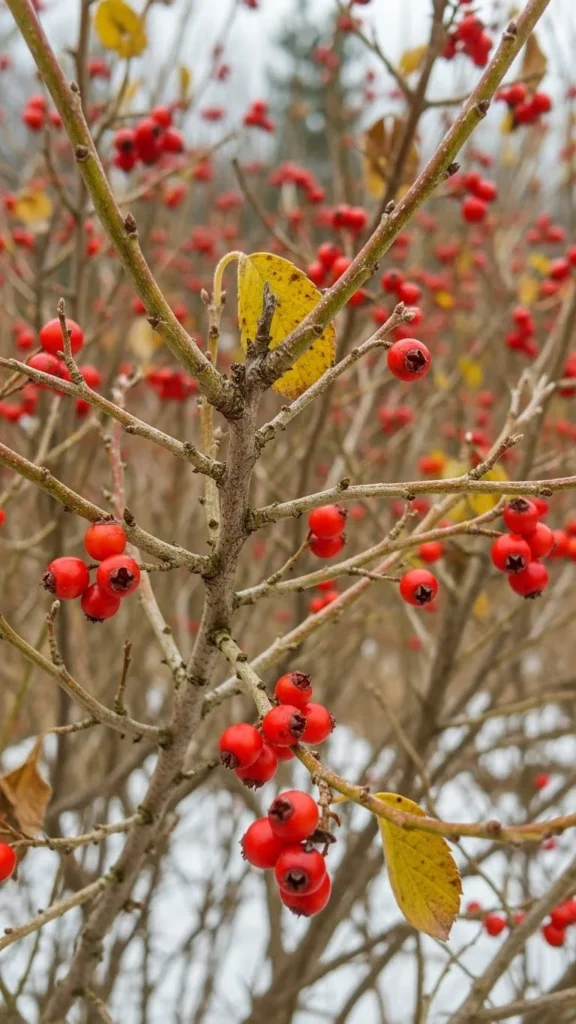
Shrubby Cinquefoil gives you small winter berries and a soft natural shape. It handles cold weather easily and grows in most soils. Plant in full sun for best display. This shrub stays compact, making it ideal for borders. You can buy smaller sizes to save money—Cinquefoil grows steadily through the year.
21. Dogwood ‘Cardinal’
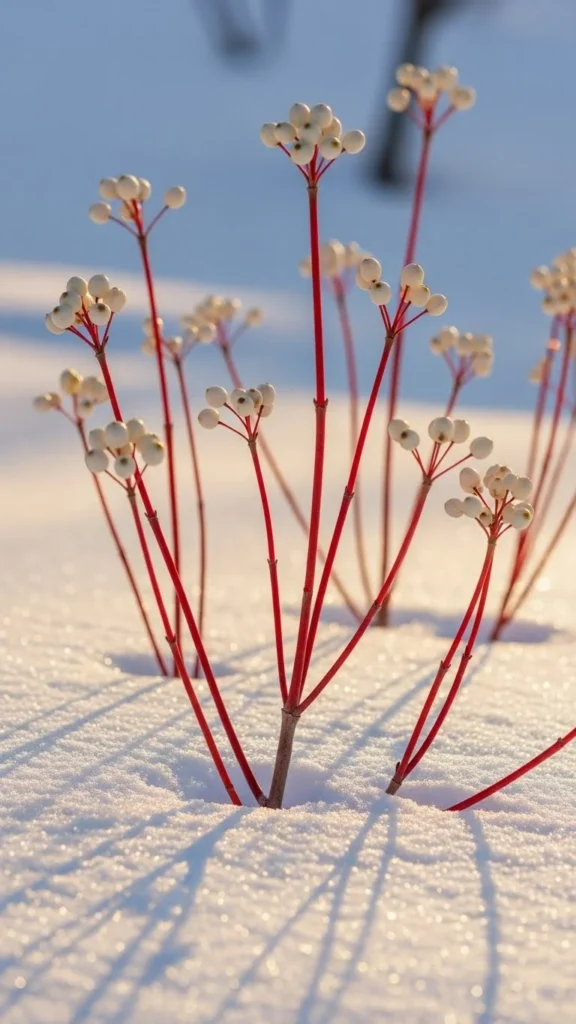
This Dogwood variety offers glowing red stems along with winter berries. The color deepens in cold weather. It grows well in damp soil. Place it where the stems can catch morning light. Buy young shrubs for a low-cost start—they grow to full size quickly. Pair them with evergreen ground covers for contrast.
22. Buckthorn
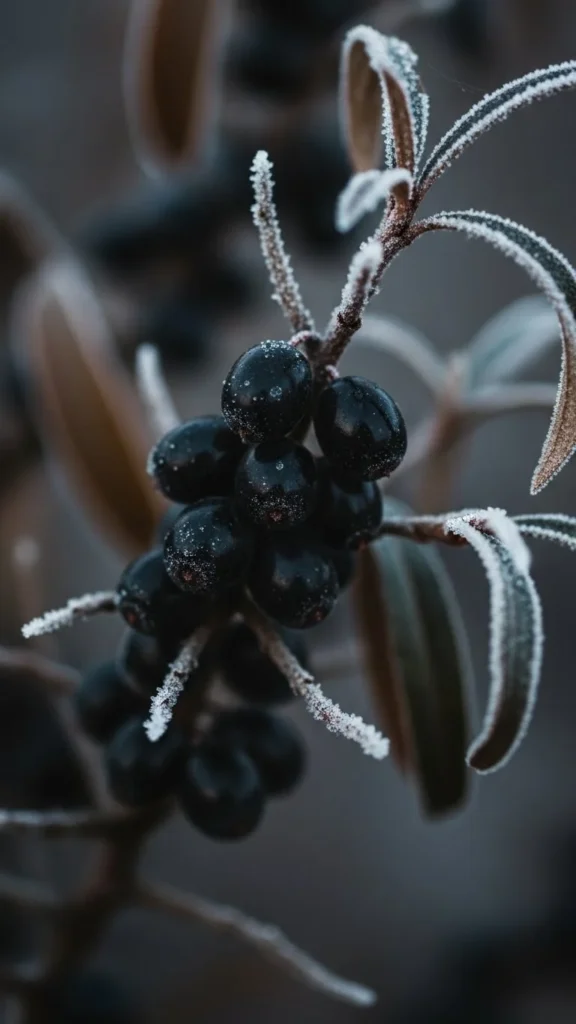
Buckthorn shrubs keep their berries well into winter. They grow dense and provide structure to winter beds. Plant in full sun or partial shade. Trim in early spring to shape it. If you need coverage on a budget, buy small plants—Buckthorn spreads steadily without heavy care.
23. Holly ‘Blue Princess’
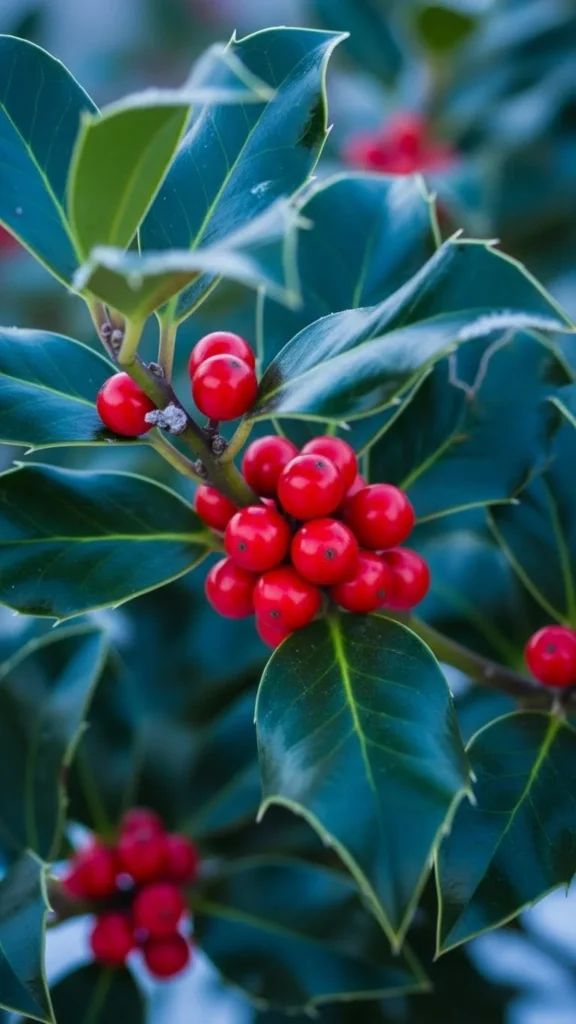
This holly variety gives you classic winter color with shiny red berries. Pair one female plant with a male for berry production. Plant in well-drained soil and give it partial sun. Young plants are affordable and grow into full shrubs quickly. The berries stay bold through late winter.
24. Japanese Skimmia
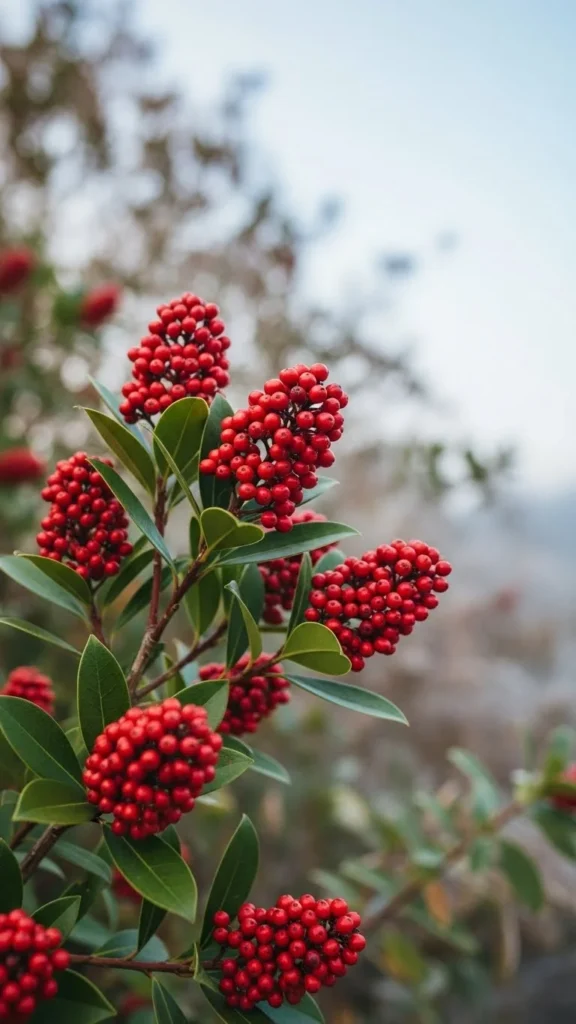
Japanese Skimmia offers rich berry clusters that brighten shady areas. Plant a male and female close together for a good display. It grows well in partial shade and prefers cool weather. Containers work nicely if your soil is heavy. Young plants are usually inexpensive and fill out quickly.
25. Purple Beautyberry ‘Profusion’
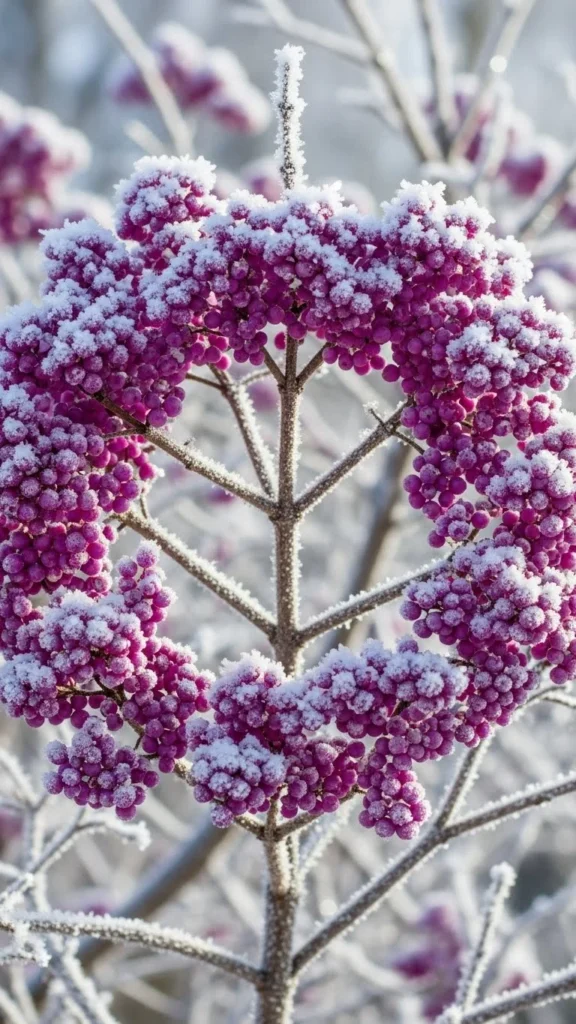
This Beautyberry variety produces extra-full clusters of purple berries. Plant it in full sun for best color. Water during long dry periods. If you’re planting on a budget, buy smaller shrubs—they grow fast. Add them in rows for a strong winter display.
26. Evergreen Huckleberry
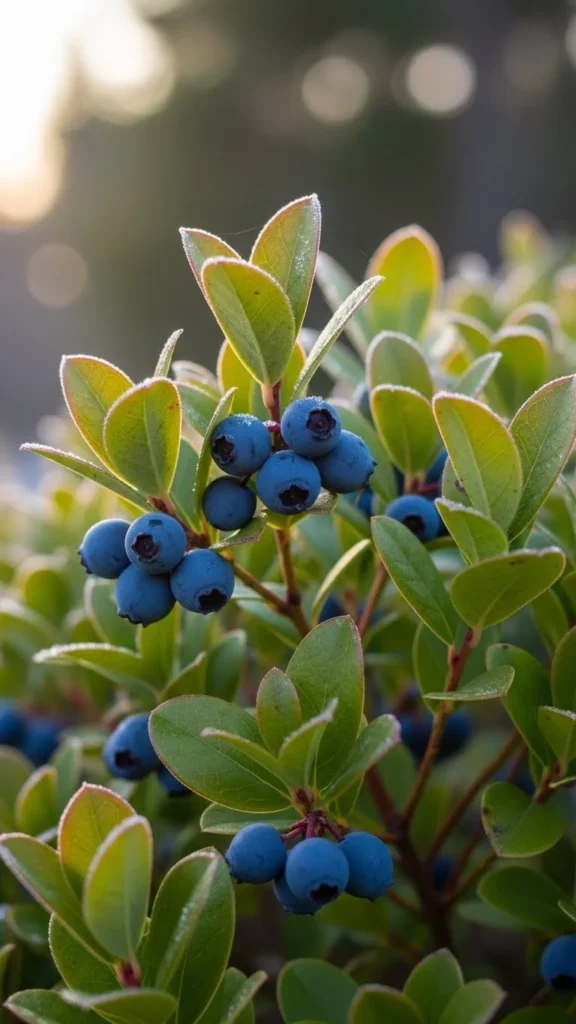
Evergreen Huckleberry gives you dark berries and shiny leaves all winter. It grows slowly but stays full year-round. Plant it in partial shade and use acidic soil for best growth. Young plants are affordable and fill in over time. This shrub pairs nicely with ferns and woodland plants.
27. Toyon
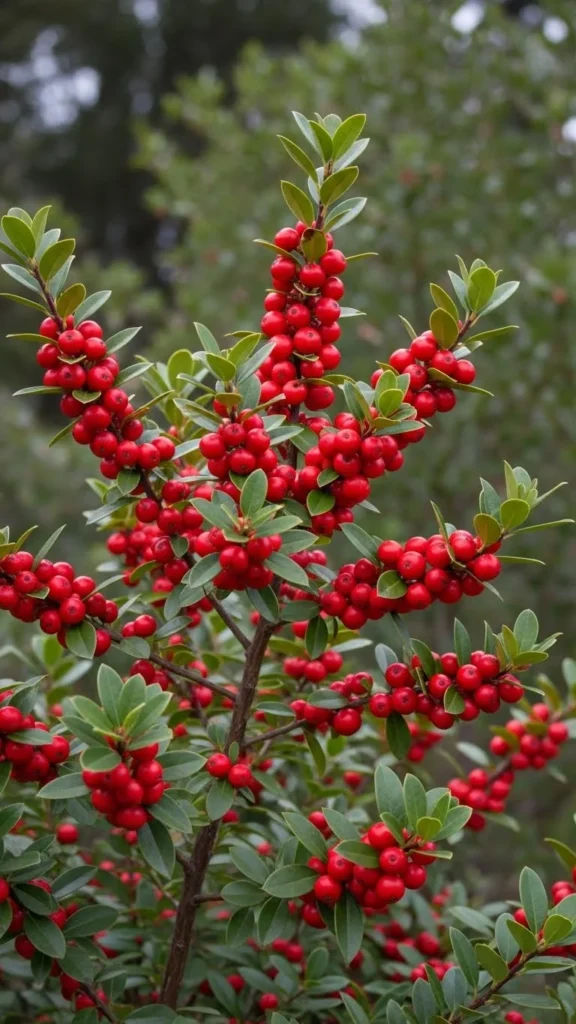
Toyon brings large berry clusters that brighten any cold garden. It grows well in full sun and tolerates dry conditions once established. Water regularly during the first year. If you’re saving money, buy young shrubs—they grow quickly into full size. The berries stay vivid through winter.
28. Highbush Cranberry
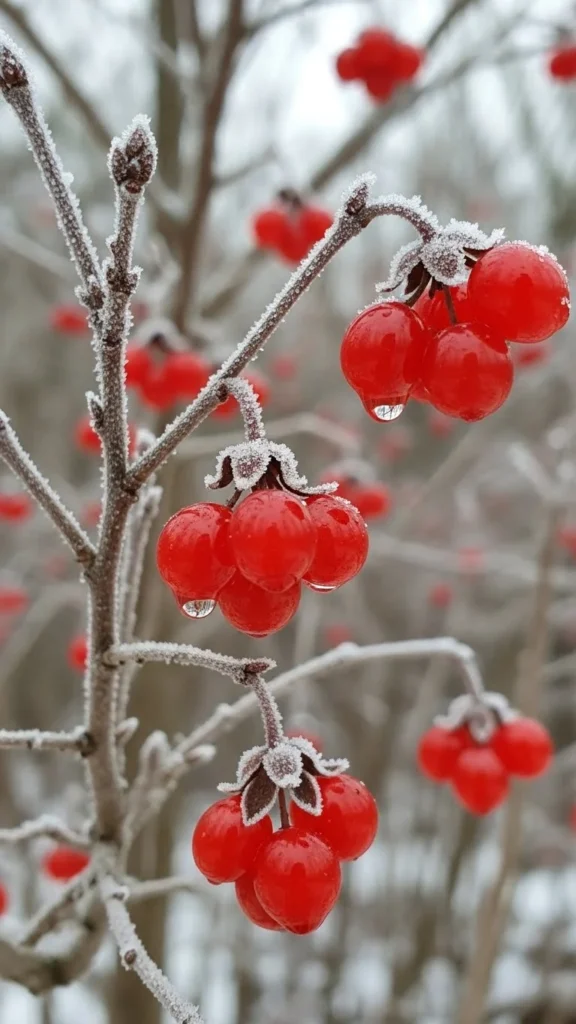
Highbush Cranberry offers glossy red berries that glow in winter light. Plant it in full sun or partial shade. Water during long dry spells. The shrubs grow large, so starting with a small plant saves money. Add them near fences or open beds where the berries can stand out.
Conclusion
Winter berry shrubs bring bold color when everything else feels quiet. With so many low-maintenance choices, it’s easy to add life to garden beds, walkways, or borders. Whether you choose bright reds, deep purples, or snowy whites, these shrubs create a colorful landscape that lasts through the coldest months. Start with one or two affordable varieties, plant them in simple spots, and enjoy months of bright winter charm.

Leave a Reply