

Winter doesn’t have to drain the life and color from your yard. With the right frost-proof shrubs, you can keep your landscape looking vibrant—even when temperatures drop below freezing. These hardy plants don’t just survive the cold… they thrive in it.
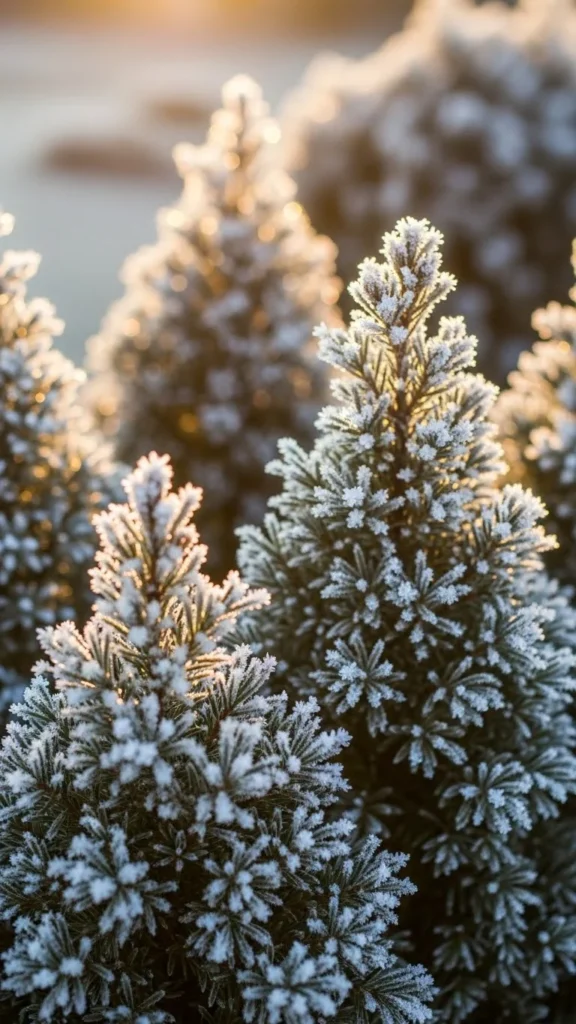
If you’ve ever watched a plant wither after the first freeze, this guide will help you avoid that heartbreak. Let’s walk through simple, beginner-friendly steps to grow shrubs that stay strong through winter’s toughest months.
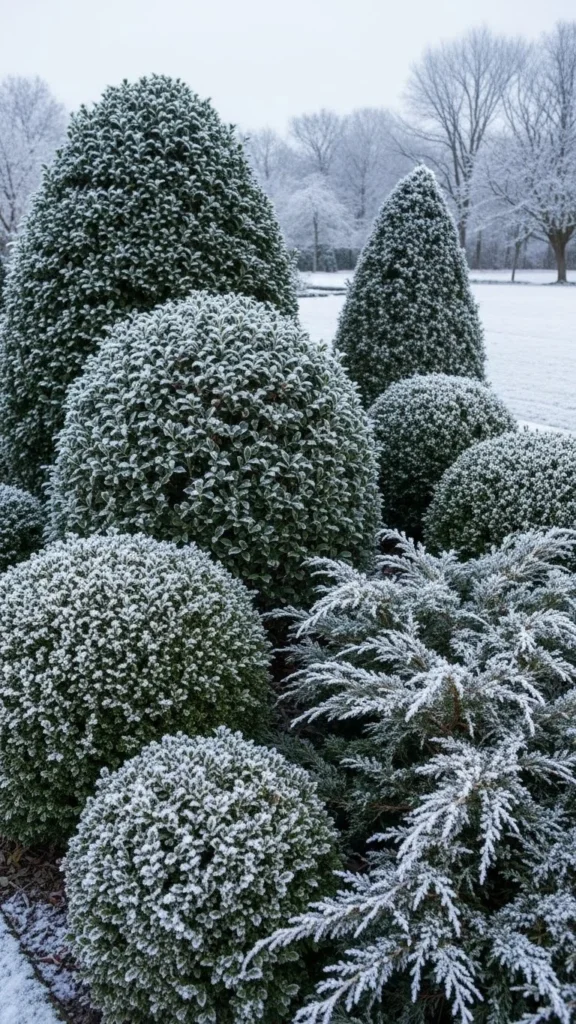
1. Choose Shrubs Naturally Built for Freezing Temperatures
Some shrubs simply handle cold better than others. Picking the right varieties is half the work.
Here are some of the best frost-proof shrubs for long, icy winters:
- Boxwood – Classic shape, dense foliage, strong cold tolerance
- Winterberry Holly – Bright red berries that last through snow
- Juniper – Low-maintenance and extremely hardy
- Arborvitae – Tall, evergreen, and great for privacy
- Red Twig Dogwood – Vivid red stems that pop against snow
These shrubs don’t require complicated care. They’re naturally prepared for frost, making them perfect for beginners.
2. Plant at the Right Time So the Roots Establish Early
Timing is everything. Frost-proof shrubs still need strong roots before the frost arrives.
Best planting windows:
- Early fall: Ideal, gives roots months to settle
- Late spring: Works well if you missed fall
Avoid planting during late fall or deep winter. Roots need time to grow before the freeze.
Simple planting steps
- Dig a hole twice as wide as the root ball
- Mix compost into the soil
- Place the shrub at the same depth it was growing in the pot
- Water well to settle the soil
- Add mulch to protect the base
This early preparation helps your shrubs ride out harsh temperatures with confidence.
3. Pick the Perfect Location for Maximum Winter Protection
Even frost-proof shrubs appreciate a little shelter.
Look for areas that offer:
- Morning sun to melt frost quickly
- Wind protection from fences, walls, or other plants
- Good drainage so roots don’t freeze in soggy soil
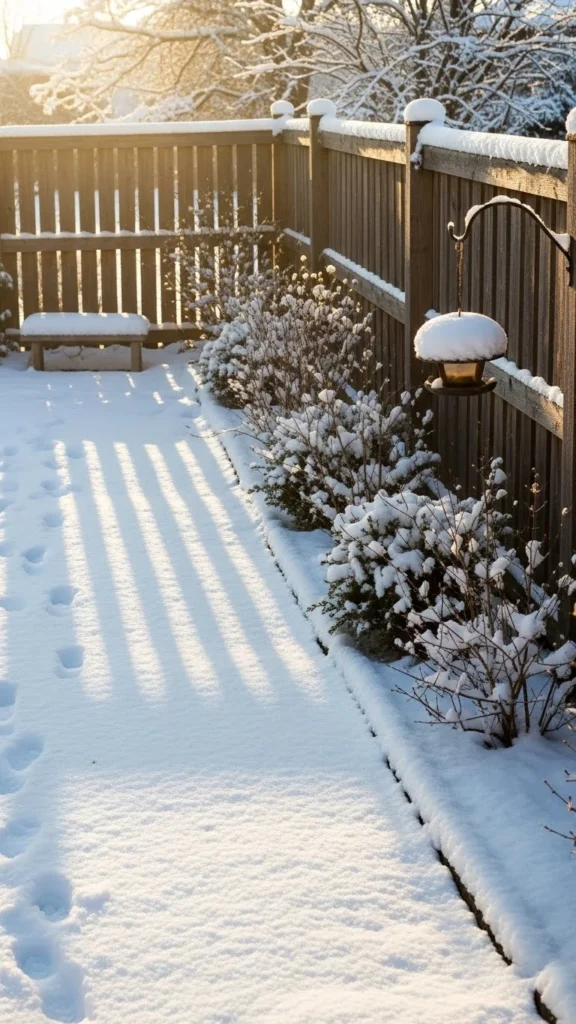
Shrubs grown near fences or walls get the added benefit of slightly warmer microclimates—small pockets of heat created by structures.
4. Mulch Deeply to Lock In Warmth and Protect Roots
Mulch is like a winter coat for your shrubs.
Adding a thick layer helps regulate soil temperature and prevents roots from freezing.
Mulch tips:
- Use 2–4 inches of bark, wood chips, or shredded leaves
- Leave a small gap around the base to prevent rot
- Reapply mulch every fall
This simple step dramatically improves winter survival rates.
5. Water Properly Before Winter Sets In
Shrubs don’t need tons of water during winter, but they must be hydrated before the freeze.
Follow this easy rule:
Water deeply during fall until the ground is consistently cold.
This helps roots stay moist and healthy. Dry roots are more likely to freeze and crack in winter.
6. Prune Wisely—But Not Too Late
Pruning at the wrong time can stress shrubs right before frost hits.
Prune in:
- Late winter (before spring growth)
- Early spring
Avoid pruning in:
- Late fall — it encourages soft new growth that freezes easily
Focus on removing:
- Dead branches
- Damaged stems
- Crossing limbs
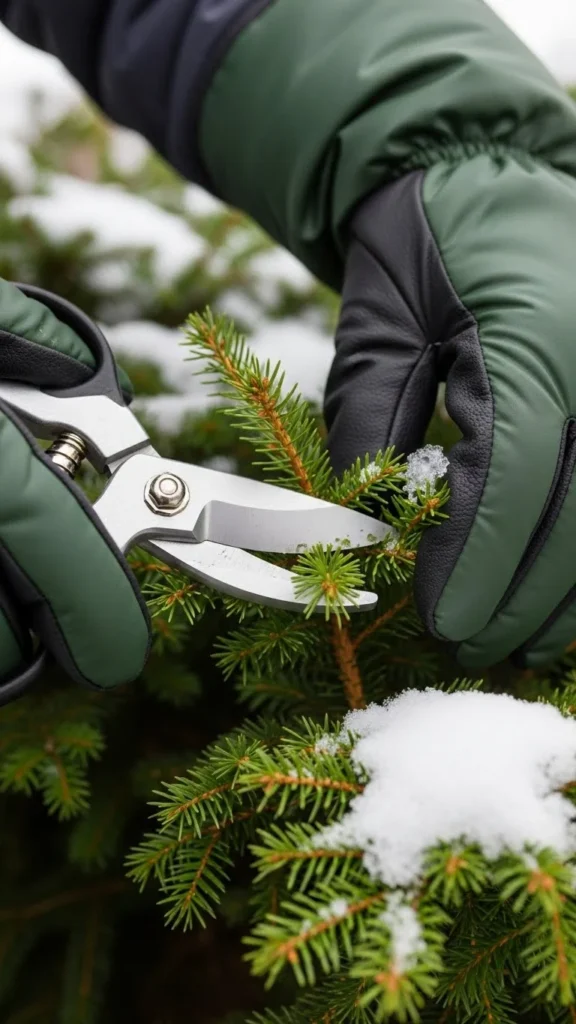
Pruning at the correct time keeps your shrub healthy without weakening it before winter arrives.
7. Add Winter Barriers for Extra Protection in Extreme Cold
If you live in a place where winter storms are intense, your frost-proof shrubs may still benefit from added protection.
DIY barrier ideas:
- Burlap screens
- Windbreaks made with stakes and twine
- Temporary garden fabric covers
These methods block harsh winds and reduce the risk of winter burn on foliage.
When to use them:
- During sudden cold snaps
- When strong winds accompany freezing temps
- For newly planted shrubs
Think of barriers as insurance—they aren’t always needed, but they help with unpredictable winter weather.
8. Feed Shrubs in Spring, Not Fall
Feeding at the wrong time can trigger late-season growth that won’t survive frost.
Best feeding schedule:
- Early spring: Apply a slow-release fertilizer
- Mid-summer: Add compost or organic feed if needed
Avoid fertilizing in fall. Late feeding encourages new shoots that are too tender to handle winter.
9. Monitor Your Shrubs Through Winter (Just a Quick Check!)
You don’t need to hover, but quick monthly inspections help catch issues early.
What to look for:
- Branches damaged by ice
- Signs of animal nibbling
- Soil erosion or exposed roots
Gently brush off heavy snow, but leave ice alone—it can cause breakage if forced.
These small checks help your shrubs stay strong until spring.
Final Takeaway
Growing frost-proof shrubs is easier than most people think. With the right plants, good timing, and simple care, you can enjoy a landscape that stays lively even in the coldest months.
Save this guide for later—and keep your yard looking beautiful all winter long!

Leave a Reply