

Winter can turn a peaceful backyard into a heavy, icy challenge for your plants. Thick snow, freezing winds, and surprise storms can bend stems, break branches, and stress even hardy favorites. The good news? You don’t need fancy equipment or expensive supplies to help your plants survive. With a few simple tricks and everyday household items, you can shield your garden from winter’s harsh side.
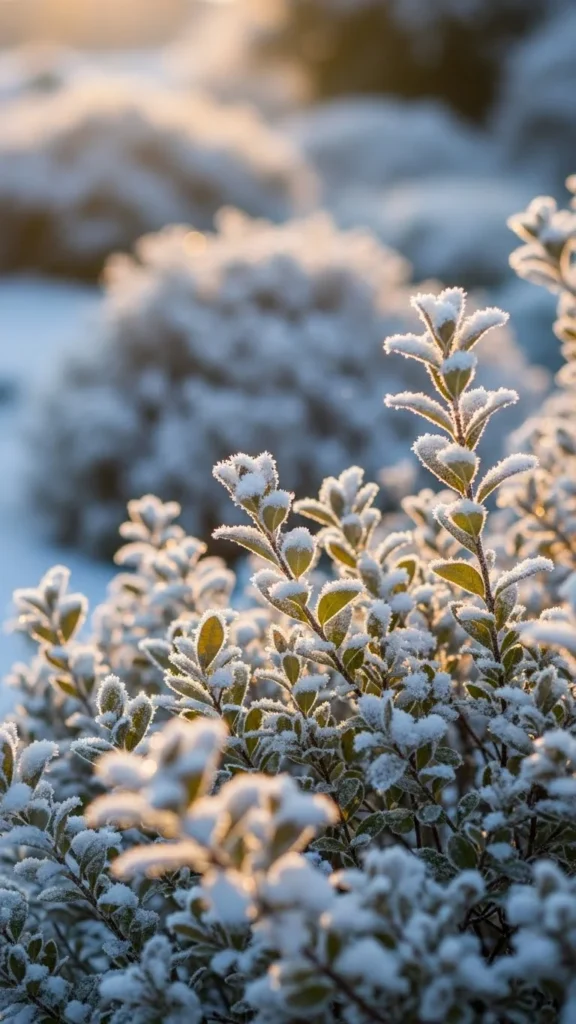
Why Snow Can Hurt Plants More Than You Think
Snow looks soft, but it’s surprisingly heavy—especially when wet. When it gathers on branches or covers low-growing plants, it can:
- Crack branches
- Flatten delicate shrubs
- Lead to fungal problems when moisture lingers
- Stress evergreen plants holding weight all winter
Understanding the risks helps you react quickly and prevent long-term damage.
Gently Remove Heavy Snow by Hand
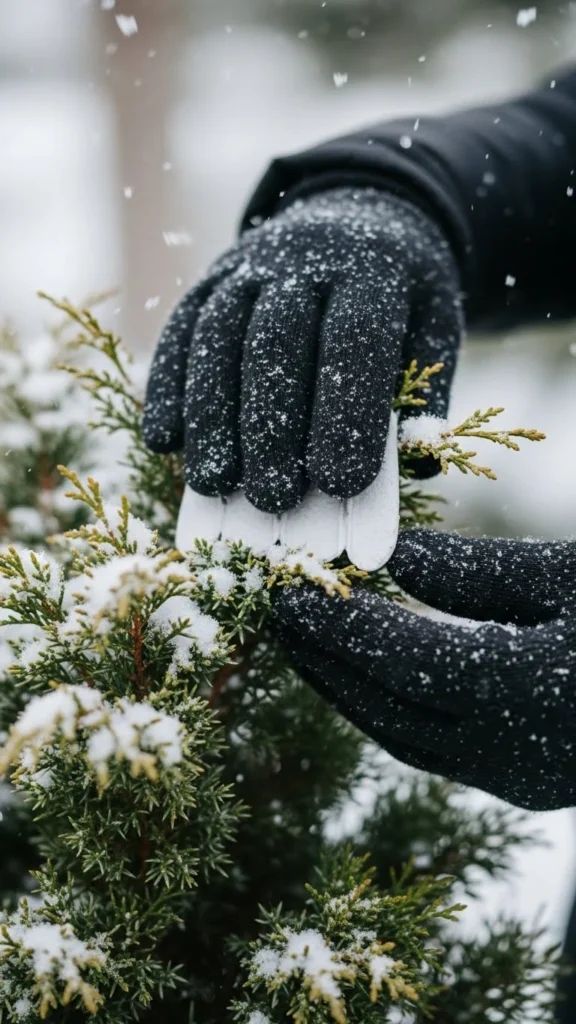
Before you reach for tools, remember: your hands are often the safest option. A gentle shake or brush-off can prevent branches from snapping.
How to do it:
- Wear warm gloves so your hands don’t get numb.
- Lightly tap or lift the branches from beneath.
- Work slowly to avoid breaking frozen wood.
Never knock branches hard—cold wood can be extra brittle.
Use Simple Household Items as Temporary Covers
You don’t need garden cloches or store-bought frames. Chances are, you already have the perfect protection at home.
Great no-tool options:
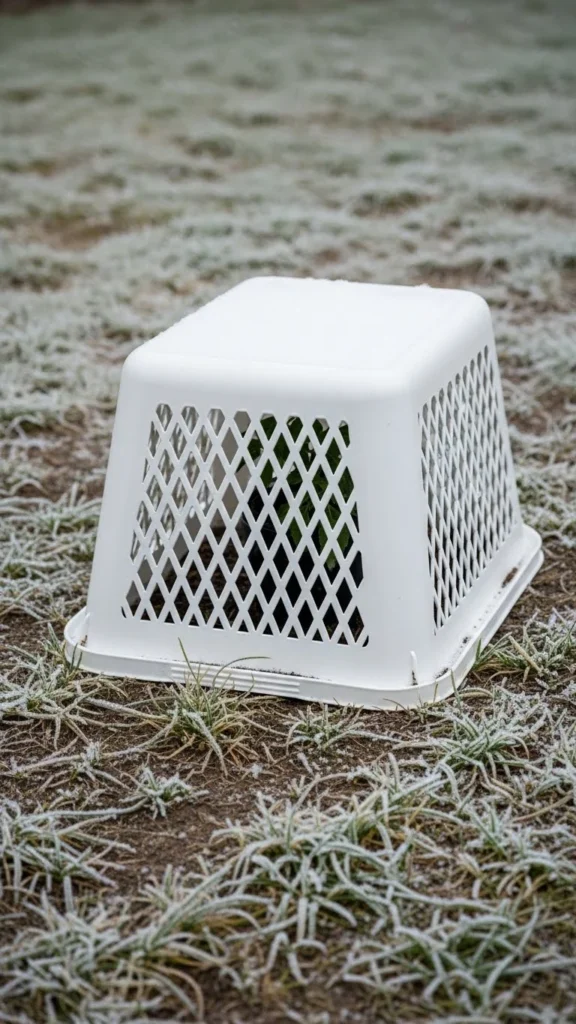
- Buckets or laundry baskets – Flip them over young plants before a heavy storm.
- Cardboard boxes – A quick way to block harsh snow and wind.
- Old bedsheets or pillowcases – Lightweight and easy to drape over shrubs.
These make great last-minute shields when the weather changes suddenly.
Mulch for Warmth and Stability
Mulch is one of the easiest ways to protect roots, and you can create effective mulch with things you already have.
What you can use:
- Fallen leaves
- Pine needles
- Straw
- Shredded paper in a pinch
Spread a 2–4 inch layer around the base of your plants. It traps warmth in the soil and prevents roots from freezing.
Extra tip: Keep mulch a couple of inches away from the stem to avoid moisture buildup.
Tie Up Vulnerable Branches Before a Storm
Some plants—like arborvitae, rosemary, and tall shrubs—are prone to splitting under weight. A simple tie-up can save them.
How to support them:
- Use soft ties, yarn, twine, or even strips from old T-shirts.
- Wrap loosely, pulling branches inward just enough to reduce spread.
- Avoid tight knots that cut into bark.
This method is especially useful right before a major snowfall.
Build Quick Snow Guards With Sticks
If you have sticks, stakes, or even leftover bamboo pieces, you can make a quick protective structure.
Try this simple trick:
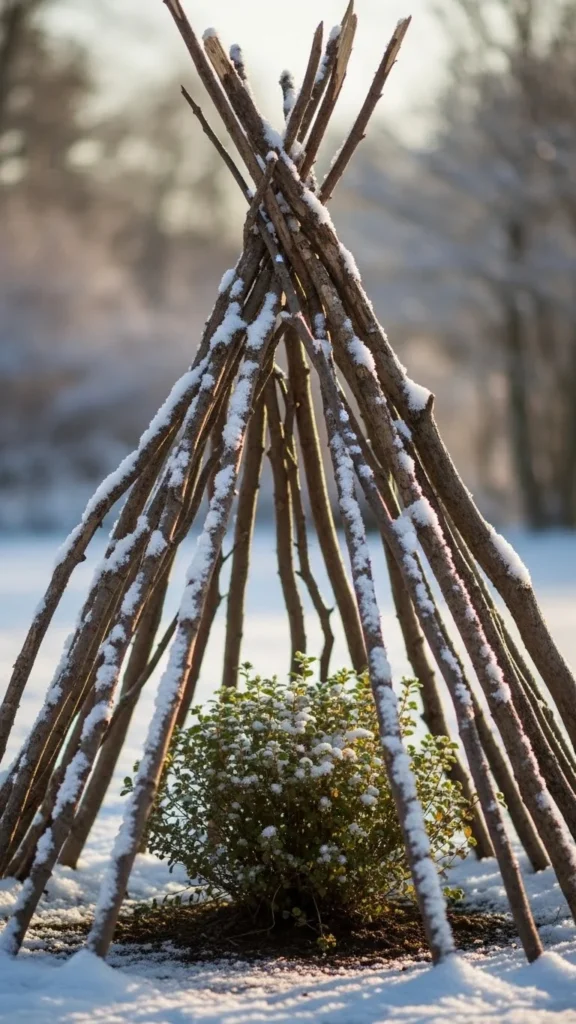
- Push sticks into the ground around your plant.
- Lean them toward each other to form a loose teepee.
- Drape a light cover (sheet, towel, burlap) over the top if needed.
This prevents heavy snow from settling directly on leaves.
Let Snow Work For You When It Helps
Not all snow is the enemy. In fact, snow can act like insulation and keep soil warmer through deep freezes.
Good kinds of snow:
- Light and powdery
- Snow that falls gently without compacting
If the snow isn’t too heavy, it can actually help your plants stay cozy. Only remove it when it looks thick, wet, or piling unevenly.
Check Plants After Every Storm
A quick walk around the yard helps you spot damage early.
Look for:
- Bent stems
- Split branches
- Plants buried too deeply
- Snow packed tightly against trunks
Fixing issues right away prevents long-term stress and spring setbacks.
Build Quick Snow Guards With Sticks
This may surprise you: watering the soil before a freeze or snowfall helps protect plants.
Moist soil holds heat better than dry soil. Give your plants a moderate drink a day before a cold snap so the ground stays slightly warmer. Just avoid overwatering—frozen wet soil can cause rot.
Raise Potted Plants Off the Ground
Potted plants are extra vulnerable because their roots aren’t insulated.
A few no-tool ideas:
- Place pots on bricks or stones.
- Move them against a wall for warmth.
- Group several pots together to share heat.
- Wrap the pot with old towels or clothing.
Even small adjustments help keep roots safe.
Brush Off Snow Early in the Morning
The best time to remove snow is early, before the sun warms the top layer and causes refreezing. Fresh snow lifts off easily and keeps stems from drooping all day.
Early-day care makes a big difference in how plants bounce back.
Final Tips for Stress-Free Winter Plant Care
- Avoid using salt near plants—salt runoff can dry and damage roots.
- Don’t prune during deep cold unless a branch is already broken.
- Keep walkways clear of pileups that may fall onto nearby shrubs.
Conclusion: Protect Your Plants With Simple, Everyday Tricks
You don’t need special tools or expensive gear to help your plants survive winter. With gentle hands, everyday items from around the house, and quick protective steps, your garden can stay strong through snow and storms.
Save this guide for later and keep your winter garden safe all season long!

Leave a Reply