

Winter doesn’t have to mean the end of your gardening fun. With a simple cold frame, you can keep harvesting fresh greens and hardy veggies long after the first frost hits. These mini-greenhouses trap warmth, protect tender plants, and let you enjoy homegrown food even when temperatures dip low.
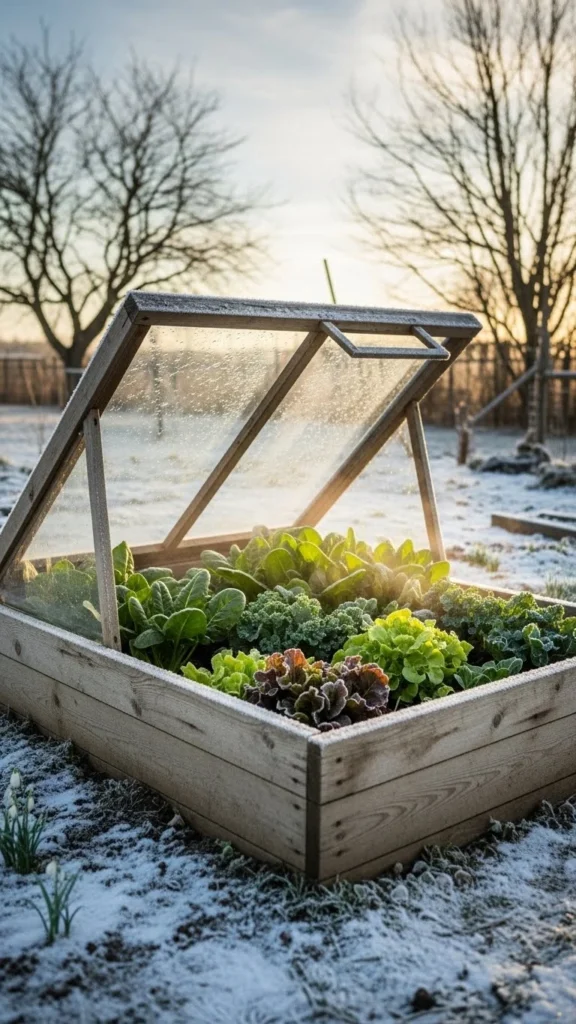
Whether you’re a beginner or a seasoned gardener, cold frames are one of the easiest tools to master—and they deliver big results.
What Exactly Is a Cold Frame?
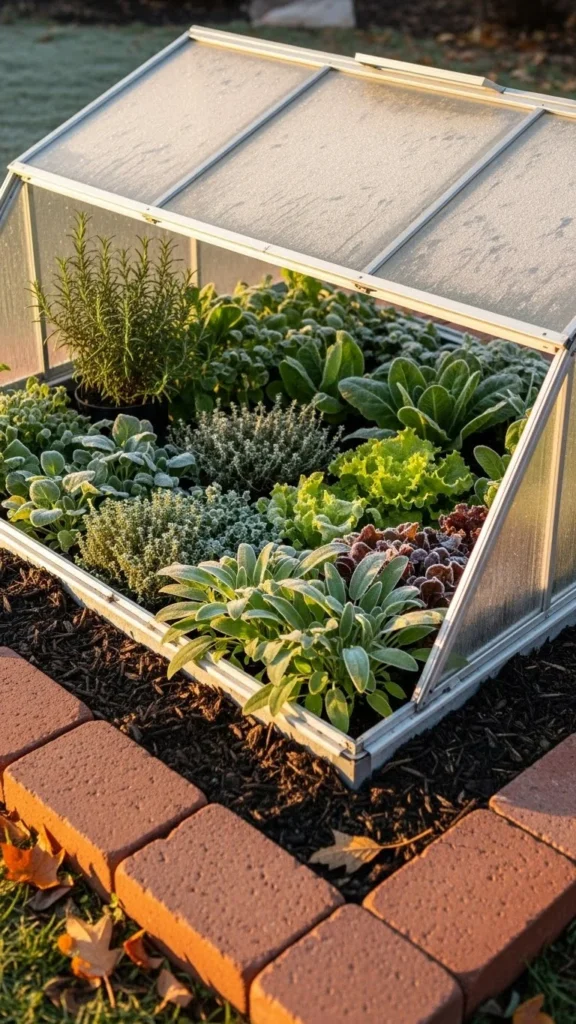
A cold frame is a low, box-like structure with a clear top that captures sunlight and traps heat. Think of it as a tiny greenhouse that warms your plants naturally.
- Keeps frost away
- Shields plants from harsh wind
- Extends your growing season into winter
- Perfect for greens, herbs, root vegetables, and seedlings
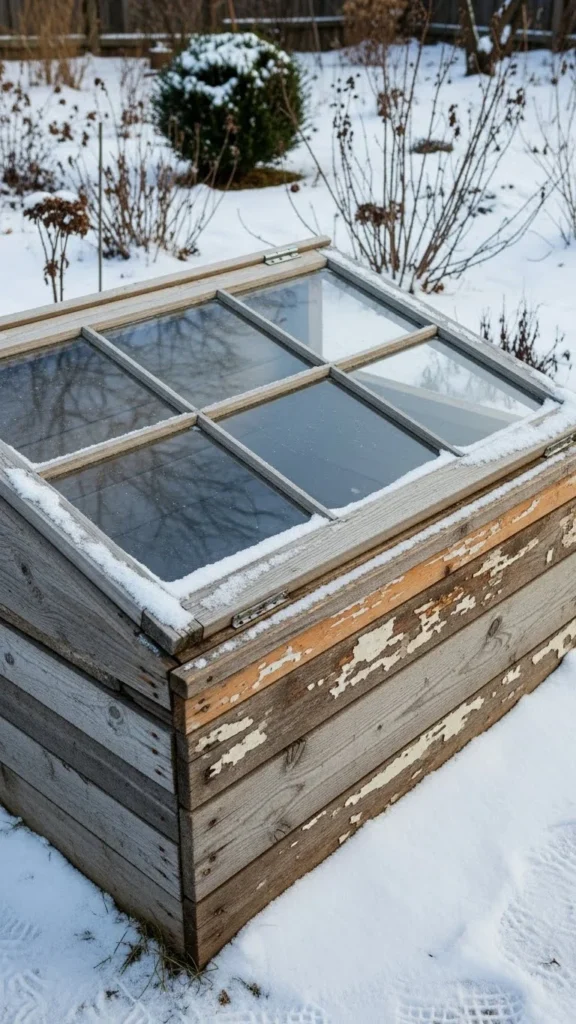
Cold frames come in many styles—wooden bases, brick borders, plastic lids, or even repurposed windows.
Choosing the Best Location
Picking the right spot makes a big difference in how well your cold frame performs.
Look for Full Winter Sun
Cold frames rely on sunlight to warm the inside. Aim for:
- A south-facing area
- A space with 6–8 hours of direct light
- A spot away from large trees or buildings
Slight Slope Helps
If possible, place your cold frame on a slight slope for better drainage and more sun exposure.
What You Can Grow Inside a Cold Frame
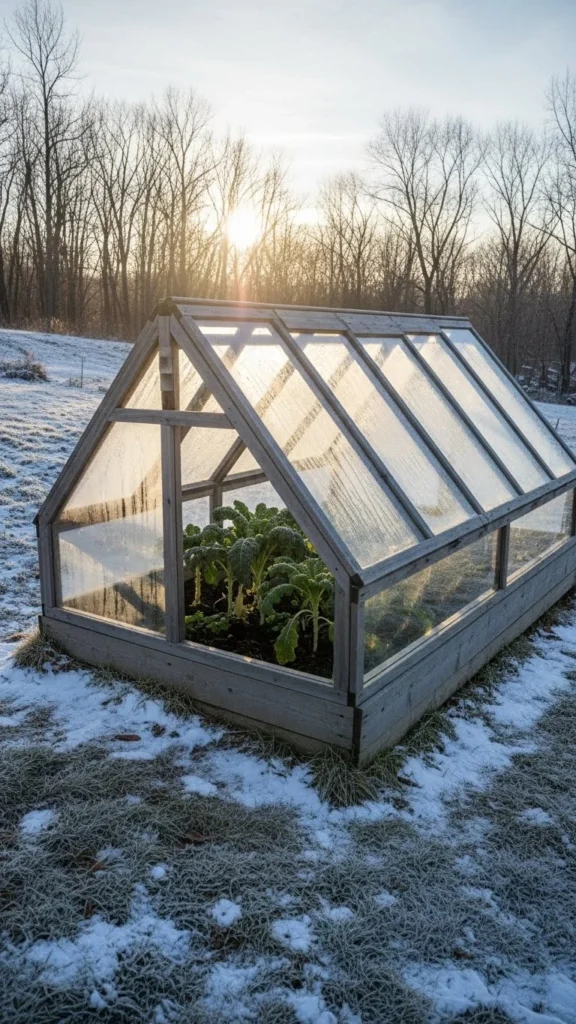
Some plants thrive in chilly conditions. Cold frames simply give them a little boost to grow longer and stronger.
Best Crops for Winter Cold Frames
- Lettuce
- Spinach
- Kale
- Arugula
- Radishes
- Carrots
- Parsley
- Cilantro
- Green onions
These crops don’t mind the cold and even grow sweeter in cool temperatures.
Start Early
Plant your seeds or seedlings in early fall so they’re established before the deep cold arrives.
How to Control Temperature Inside the Cold Frame
This is where the magic happens. Even in winter, the inside of a cold frame can get surprisingly warm.
Venting Is Essential
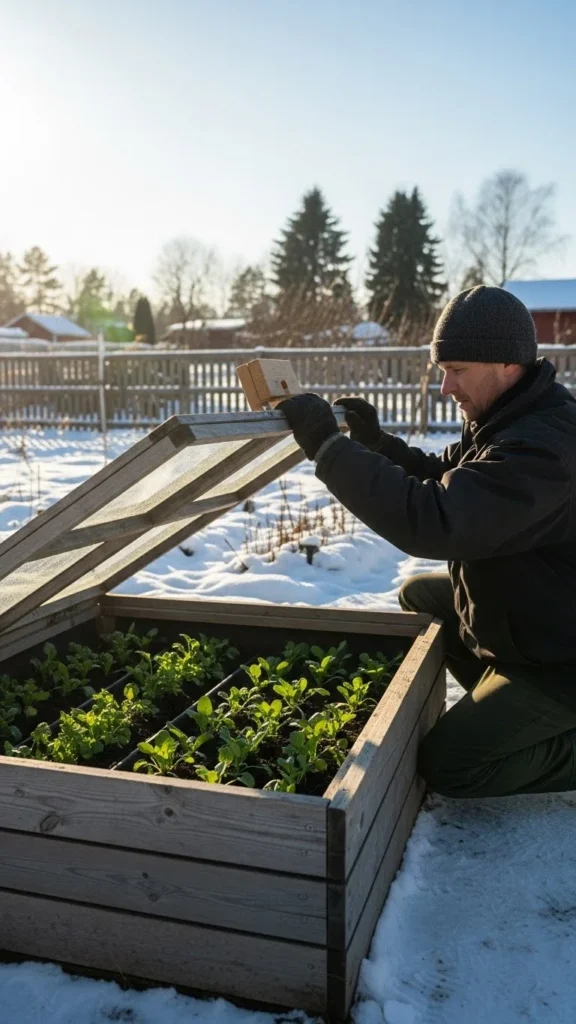
On sunny days, temperatures can spike quickly. Open the lid slightly to release heat.
- Prop the lid open with a small block of wood
- Vent during midday
- Close the lid again before evening
Closing Up at Night
Cold snaps happen suddenly. Make sure you:
- Lower the lid fully
- Add an extra layer like a blanket or straw around the sides during freezing nights
Avoid Too Much Moisture
Humidity leads to mold and rot. Crack the lid for light airflow when needed.
Using Cold Frames to Harden Off Seedlings
Cold frames also help transition indoor seedlings to outdoor weather without stress.
Start with Short Sessions
Place seedlings inside the cold frame for a few hours a day.
Increase Exposure
Slowly extend the time over a week or two.
Plant When Ready
Once seedlings handle cool air and daylight changes, they’re ready for the garden.
Simple DIY Tips for Better Results
You don’t need fancy materials to succeed with cold frames. Small tweaks make a big difference.
Add Thermal Mass
Materials like bricks or water jugs absorb heat during the day and release it at night. Place them inside the cold frame for extra warmth.
Use Mulch
A layer of straw, shredded leaves, or wood chips helps insulate plant roots.
Check Daily
Cold frames need quick daily attention—venting, watering, or closing up for the night.
Common Mistakes to Avoid
Overheating
It’s easy to overlook warm days. A cold frame can reach summer-like temperatures even in winter.
Underwatering
Plants still need moisture. Check soil regularly but avoid soggy conditions.
Planting Too Late
Seeds need time to grow before temperatures drop too low.
Ignoring Weather Changes
Stay alert to sudden shifts—nighttime freezes, snow buildup on the lid, or heavy winds.
Extra Winter Boosts You Can Add
If you live in very cold regions, try these add-ons:
- Row covers inside the cold frame for double insulation
- Bubble wrap along the sides to reduce heat loss
- Reflective back panels to increase light exposure
These simple upgrades help plants stay cozy and productive in deeper cold.
Final Thoughts
Cold frames are one of the easiest ways to enjoy a longer growing season without expensive equipment. With just a bit of daily care, you can protect fragile crops, harvest crisp greens all winter, and start your spring garden early.
If you’re serious about winter gardening, a cold frame is a must-have tool.
Save this guide for later and keep your garden growing year-round!

Leave a Reply