

Winter doesn’t have to mean saying goodbye to your garden’s beauty. With the right insulation techniques, your outdoor plants can stay healthy, vibrant, and protected—even when temperatures drop unexpectedly. If you’ve ever woken up to frost-covered leaves and felt that sinking feeling of garden loss, you’re not alone. Thankfully, simple insulation tricks can make a huge difference.

In this guide, you’ll learn how to shield your plants from harsh cold, keep soil warm, and help your garden bounce back stronger each season.
Why Frost Protection Matters
Frost forms when temperatures dip near freezing, coating leaves and stems with tiny ice crystals. These crystals can damage plant cells, stop nutrient flow, and cause leaves or stems to collapse.
A little planning goes a long way. By insulating your plants early, you reduce stress, prevent unexpected die-back, and help your garden thrive even in chilly weather.
Choose the Right Materials for Insulation
Before you start wrapping or covering your plants, gather the materials that offer the best natural insulation.
- Burlap sheets
- Frost cloths
- Straw or dried leaves
- Mulch
- Old bedsheets or cotton sheets
- Mini hoop tunnels or frames
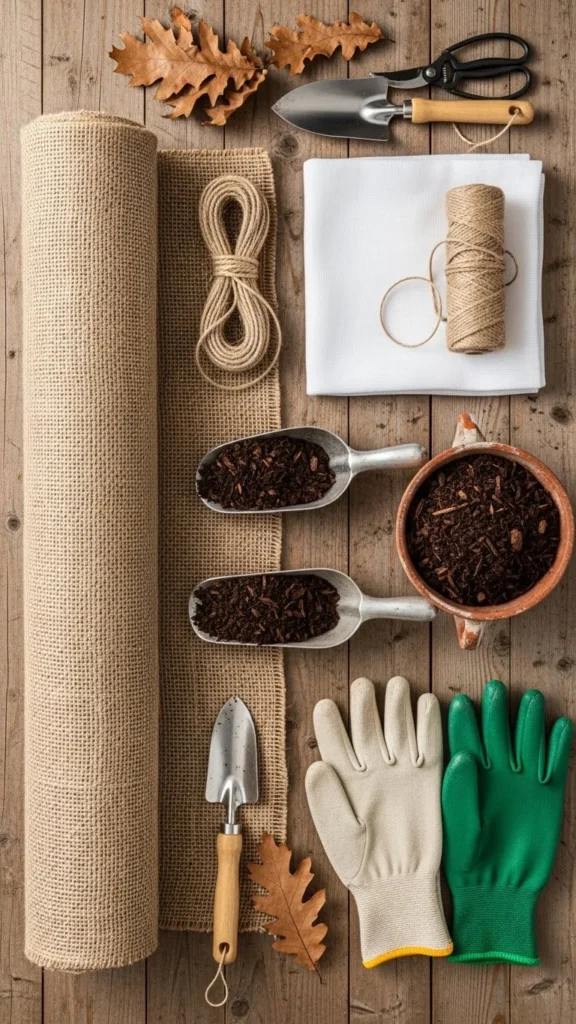
These materials help trap warmth around your plants while still allowing airflow, which is essential for preventing moisture buildup.
Use Mulch to Keep Roots Warm
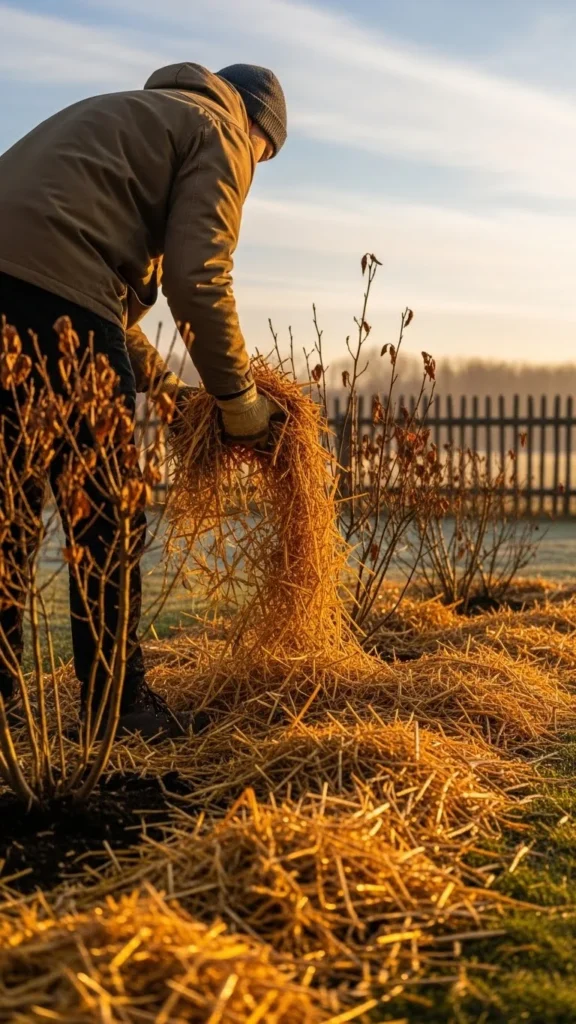
Mulching is one of the easiest and most effective ways to insulate plants. It acts like a warm blanket for the soil and helps maintain stable temperatures.
Spread 2–4 inches of mulch around the base of your plants using materials like:
- Wood chips
- Straw
- Shredded leaves
This prevents the soil from freezing too quickly and helps the plant’s root system stay alive even in deep winter.
Wrap Plants for Extra Protection
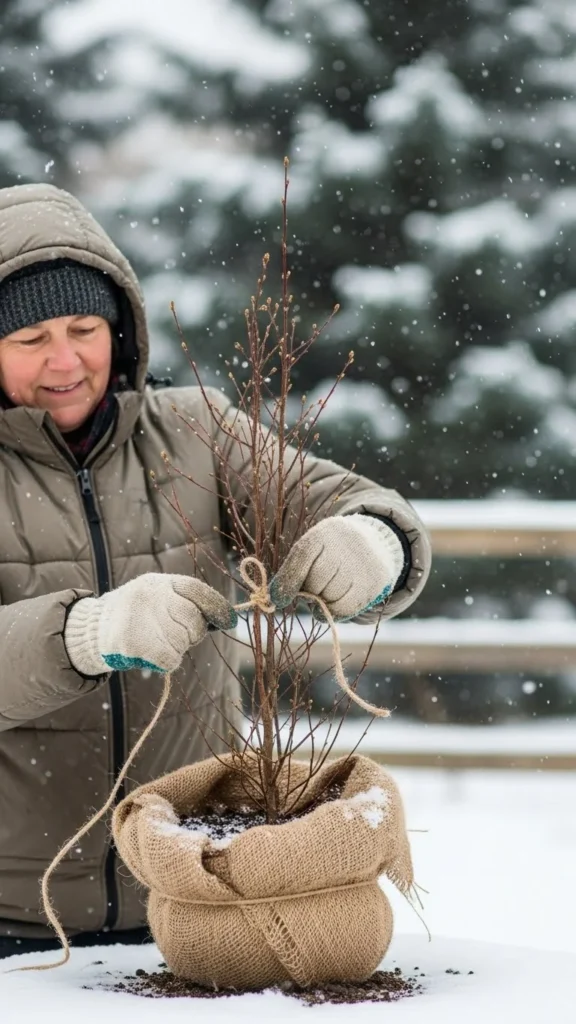
Some plants need more than mulch—especially tender shrubs, young trees, and tropical varieties that dislike the cold.
To wrap your plants correctly:
- Surround the plant with stakes to create a loose frame.
- Wrap burlap or frost cloth around the frame (not tightly against the plant).
- Secure with twine.
- Cover the top but leave space for airflow.
This method prevents the cold from settling directly on branches and leaves.
Use Covers on Cold Nights
If frost is expected, having covers ready can save your plants overnight.
Good cover options include:
- Frost cloth
- Bedsheets
- Lightweight blankets
- Plastic sheets (used only if elevated off the plant)
Tips for covering successfully:
- Drape covers all the way to the ground to trap warm air.
- Use rocks or bricks to secure edges.
- Remove coverings in the morning to avoid moisture buildup.
This quick method can protect delicate plants from sudden temperature drops.
Create DIY Mini Greenhouses
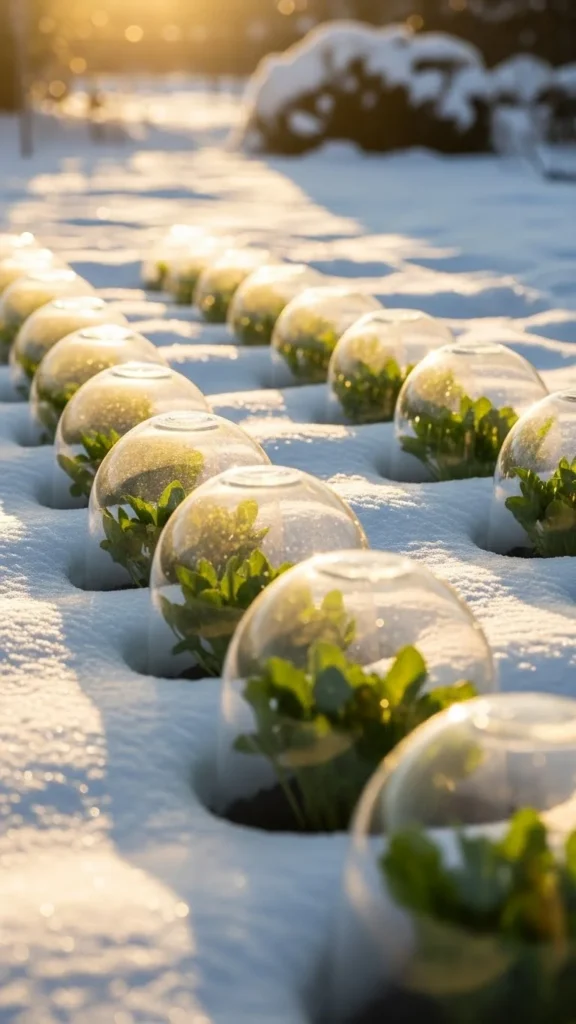
If you want reliable insulation throughout the season, mini greenhouses or cloches are game-changers.
You can use:
- Clear storage bins
- Plastic jugs with the bottoms cut off
- Glass jars for seedlings
- PVC hoop tunnels covered with frost cloth
These create a pocket of warm air around your plant, reducing frost exposure while still letting sunlight in.
Insulate Containers and Potted Plants
Potted plants are more vulnerable because their roots sit above ground, where cold air hits harder.
Try these tips:
- Wrap pots with bubble wrap, burlap, or blankets.
- Group pots together for shared warmth.
- Move containers against a wall or under a porch.
- Raise pots onto wood or bricks to prevent direct contact with frozen ground.
A little repositioning can dramatically increase a pot’s chances of surviving frost.
Water Plants Before a Frost Event
Believe it or not, slightly moist soil stays warmer than dry soil.
Watering your garden a day before a frost:
- Helps stabilize soil temperature
- Protects roots
- Reduces stress on plants
Just avoid overwatering—soggy soil can harm root health.
Know Which Plants Need the Most Protection
Some plants are naturally hardy, while others need extra help. Keep an eye on:
- Citrus trees
- Tender perennials
- Young shrubs
- Tropical plants
- Flowering plants like hydrangeas or camellias
Make a checklist before winter starts so you’re ready for sudden cold snap warnings.
Final Takeaway
With the right insulation strategies, you don’t have to worry every time the forecast announces a frost alert. By using mulch, covers, wraps, and smart watering techniques, your outdoor plants can survive the cold and look even better in spring.
Want to keep this guide handy for winter?
Save this for later and share it with another gardener who needs it!

Leave a Reply