

Creating a sustainable garden isn’t just a trend — it’s a meaningful way to give back to the planet while cultivating beauty in your backyard. Whether you have a small patio garden or a sprawling lawn, every little eco-conscious choice can make a big impact. From conserving water to welcoming pollinators, going green in your garden is easier than you think.
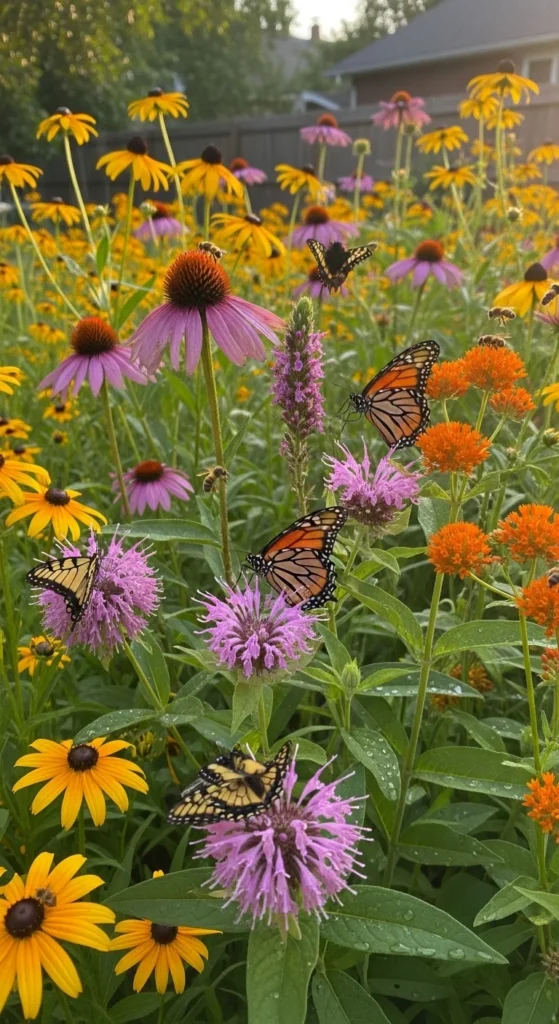
Choose Native Plants That Thrive Naturally
One of the simplest ways to make your garden more sustainable is by choosing native plants. These are species that naturally grow in your local area and climate, meaning they require less water, fertilizer, and maintenance.
Benefits of native plants:
- They’re naturally resistant to local pests and diseases.
- They attract pollinators like bees, butterflies, and hummingbirds.
- They help maintain your region’s biodiversity.
Before you plant, research which flowers, shrubs, or trees are native to your area. You’ll be amazed how effortlessly they adapt — and how vibrant your garden becomes.
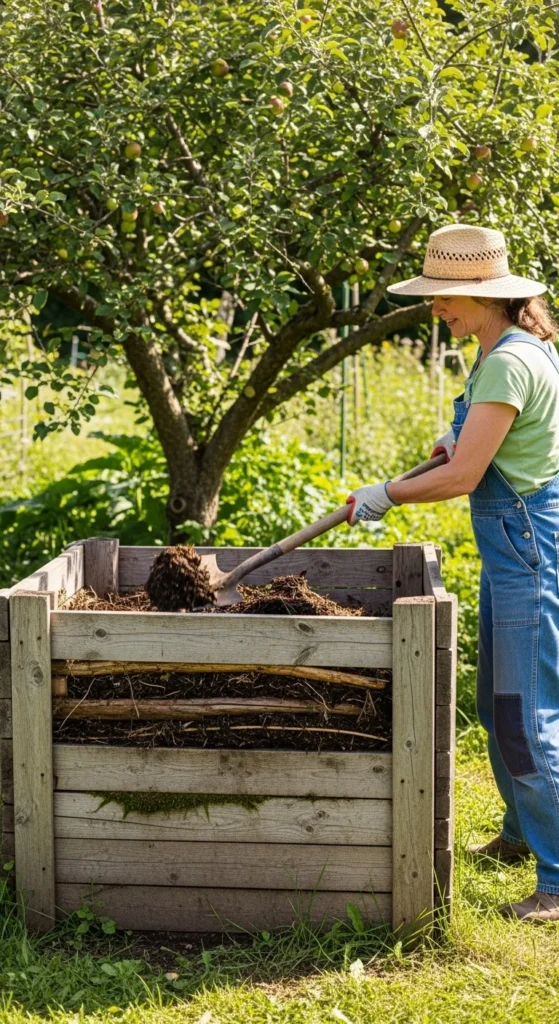
Reduce Waste Through Composting
Composting is a cornerstone of eco-friendly gardening. Instead of sending your kitchen scraps to a landfill, turn them into nutrient-rich soil for your plants.
What you can compost:
- Fruit and vegetable peels
- Coffee grounds and tea leaves
- Grass clippings and dried leaves
- Eggshells
Composting tips:
- Avoid adding meat, dairy, or oily foods.
- Turn the compost regularly to aerate it.
- Keep a good balance of “greens” (fresh waste) and “browns” (dry materials).
Within a few months, you’ll have dark, crumbly compost that will help your soil retain moisture and boost plant health.
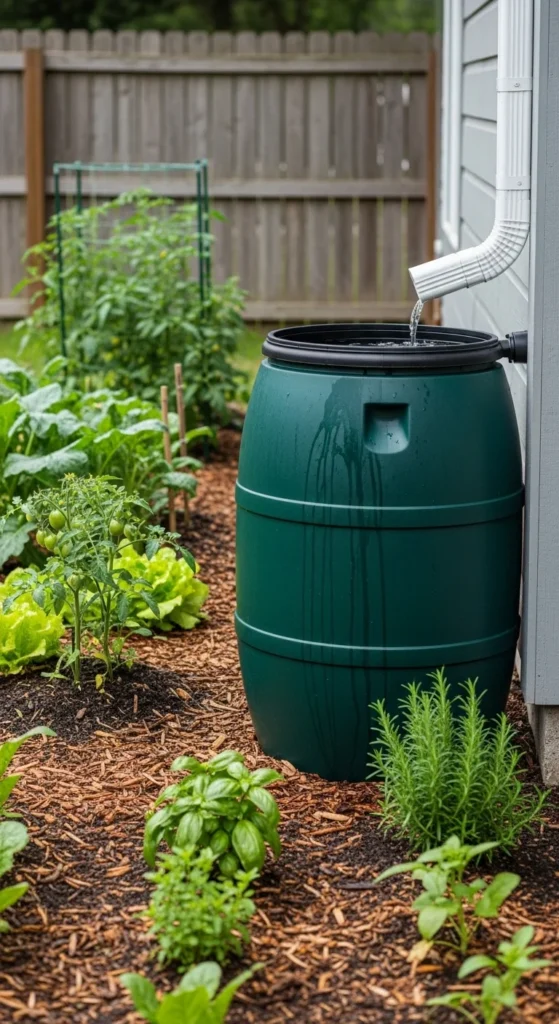
Save Water with Smart Gardening Techniques
Water is precious — and in sustainable gardening, every drop counts. Using efficient watering methods helps your plants thrive without wasting resources.
Try these water-saving ideas:
- Install a rain barrel to collect and reuse rainwater.
- Water early in the morning to reduce evaporation.
- Use drip irrigation instead of sprinklers for deep, targeted watering.
- Add a layer of mulch to keep soil moist and reduce the need for frequent watering.
Mulch also keeps weeds at bay and helps maintain soil temperature — an eco-win from every angle.
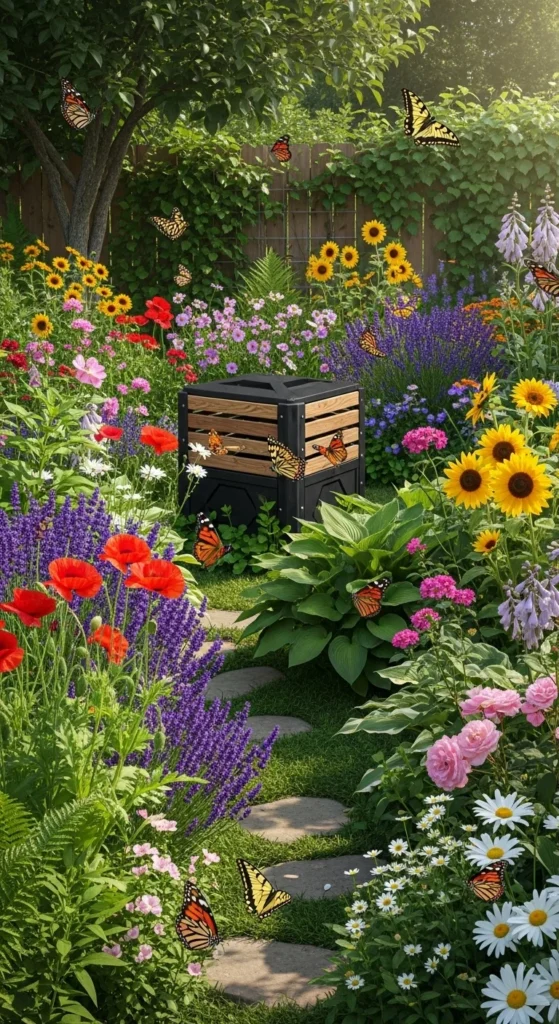
Attract Helpful Wildlife
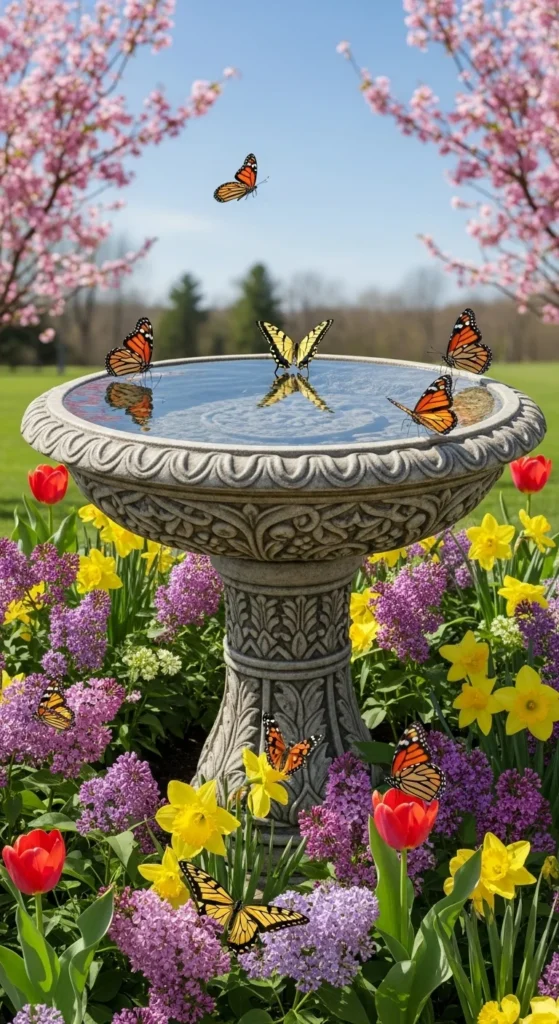
A sustainable garden isn’t just for plants — it’s a mini ecosystem that supports birds, bees, butterflies, and even friendly insects like ladybugs. These creatures help with pollination and natural pest control.
Ways to attract wildlife:
- Add a birdbath or small water feature.
- Plant nectar-rich flowers such as lavender, coneflowers, and sunflowers.
- Leave a small pile of twigs or leaves for beneficial insects to nest in.
When your garden buzzes with life, it becomes more balanced and self-sustaining — and a joy to watch.
Use Natural Pest Control Methods
Skip the chemical sprays and go for eco-friendly pest control. Harsh chemicals can harm pollinators, soil microbes, and even pets.
Safer alternatives include:
- Neem oil or insecticidal soap for pests like aphids.
- Companion planting — for example, growing marigolds near tomatoes to deter bugs.
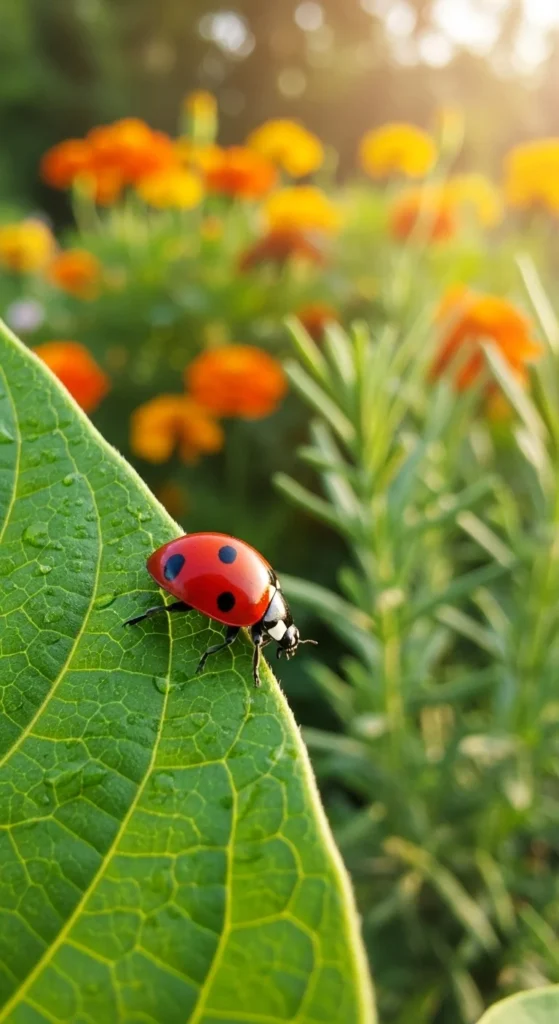
- Releasing ladybugs or lacewings, which naturally control pests.
These natural solutions keep your garden healthy without harming the environment.
Reuse and Recycle in Creative Ways
Before buying new pots or garden décor, look around for what you already have. Repurposing items reduces waste and adds personality to your garden.
Fun reuse ideas:
- Turn old buckets or tins into planters.
- Use wooden crates as vertical herb gardens.
- Reuse glass jars for starting seedlings.
With a little imagination, your garden can be both stylish and sustainable.
Final Thoughts
Building a sustainable garden isn’t about perfection — it’s about progress. Every eco-friendly choice, no matter how small, contributes to a greener planet and a healthier outdoor space for you to enjoy. Start with one or two of these ideas and grow from there.
Save this guide for later and take one small step toward a more sustainable garden today!

Leave a Reply