

Gardening isn’t just a spring or summer hobby—it’s a year-round relationship with nature. Each season brings its own rhythm, challenges, and opportunities to keep your garden thriving. With a bit of preparation and care, you can enjoy beautiful blooms, healthy soil, and abundant harvests no matter the time of year.
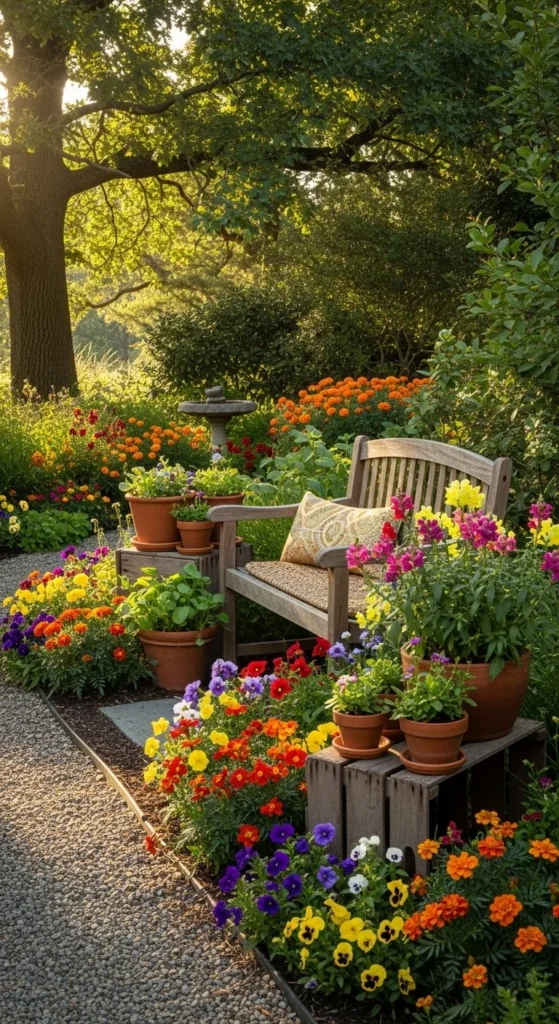
Spring: Wake Your Garden Up
Spring is the season of renewal, when your garden comes back to life after a long winter’s rest. This is your chance to refresh the soil, prune, and plan your plantings for the year ahead.
Tasks for Spring
- Clean up debris: Remove fallen leaves, dead plants, and branches left from winter.
- Revive the soil: Loosen compacted soil with a fork and mix in compost to boost nutrients.
- Plan your layout: Decide where to plant vegetables, herbs, and flowers based on sunlight and spacing.
- Start seeds: Begin with early crops like lettuce, peas, and radishes. Indoors, start seedlings like tomatoes or peppers.
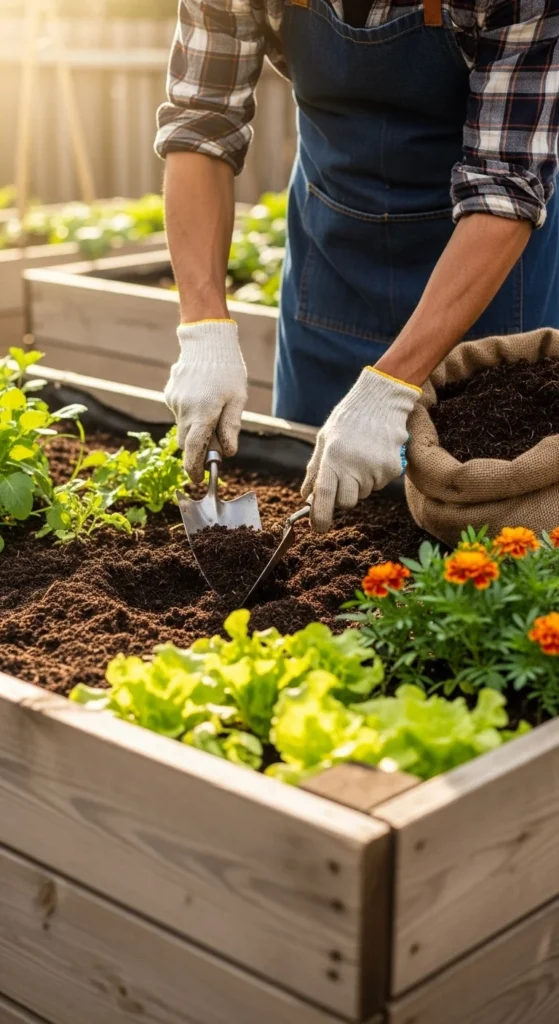
Pro Tip
Test your soil’s pH and nutrient balance. A little adjustment early on—like adding lime or organic fertilizer—can make a big difference for summer growth.
Summer: Keep It Thriving
Summer is when your garden bursts with life—and when it needs the most attention. Long days mean more sun, but also more evaporation and pests.
Tasks for Summer
- Water smartly: Deeply water in the early morning to reduce evaporation.
- Mulch generously: Add 2–3 inches of mulch around plants to retain moisture and suppress weeds.
- Monitor pests: Check leaves for holes or discoloration and use natural deterrents like neem oil or insecticidal soap.
- Harvest regularly: Picking ripe produce encourages more growth and prevents plants from going to seed too early.
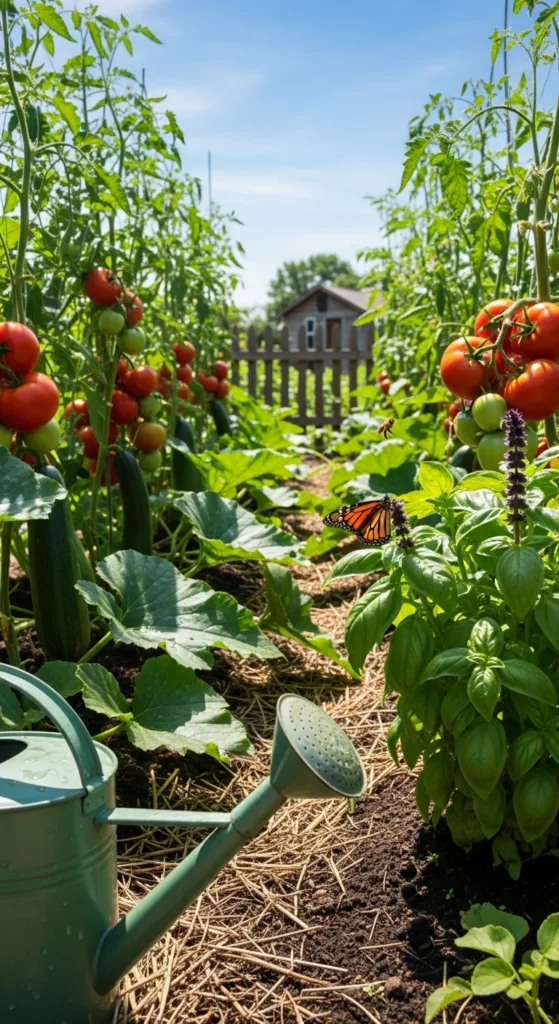
Quick Tip
Avoid watering in the evening—it can invite fungal growth overnight. Instead, stick to early mornings for optimal hydration.
Fall: Prepare and Preserve
As temperatures cool, your garden begins to wind down—but your work isn’t over. Fall is the time to clean, compost, and prepare for the colder months ahead.
Tasks for Fall
- Harvest the last crops: Collect any remaining fruits and vegetables before frost hits.
- Add compost: Spread a layer of compost over your beds to feed the soil through winter.
- Plant bulbs: Tulips, daffodils, and garlic thrive when planted before the ground freezes.
- Rake leaves: Use shredded leaves as mulch or add them to your compost bin.
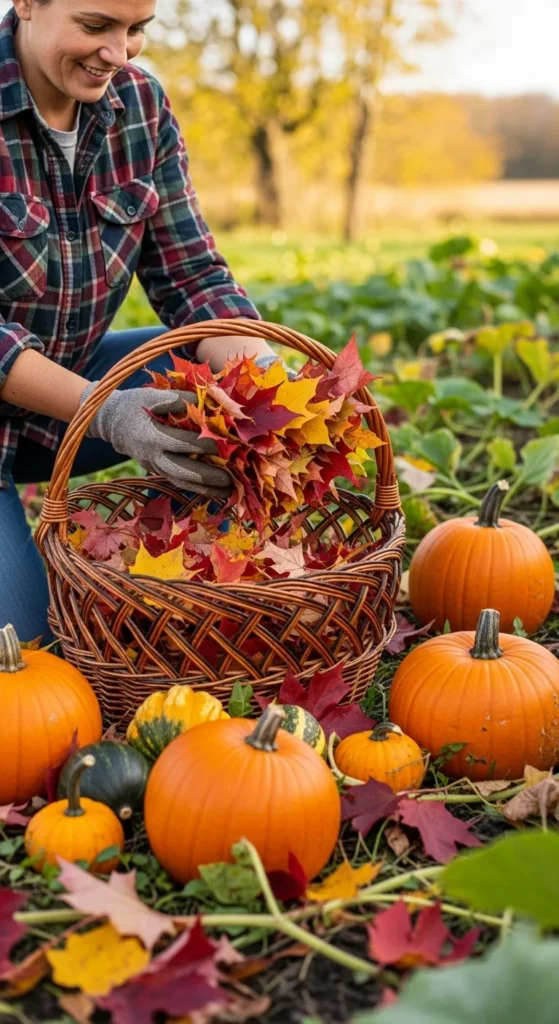
Pro Tip
Cover sensitive plants with garden fabric or cloches if an early frost is expected. It’s an easy way to extend your growing season.
Winter: Rest and Reflect
Winter may seem quiet, but it’s the perfect time to plan, protect, and dream of next year’s garden. While your plants rest, your preparation ensures a stronger start in spring.
Tasks for Winter
- Protect perennials: Mulch around perennials to insulate their roots.
- Store tools properly: Clean, sharpen, and oil garden tools to prevent rust.
- Plan for next season: Sketch your new garden layout and order seeds early.
- Feed the soil: Add manure or compost before snow falls—it will break down over winter.
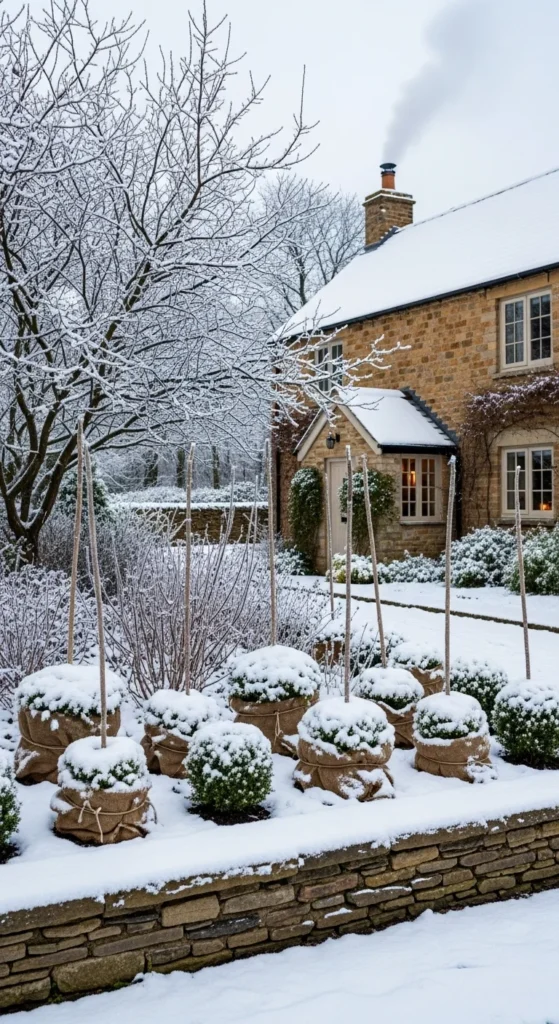
Pro Tip
Don’t forget your feathered friends! Hang bird feeders to attract winter birds that help keep insect populations in check come spring.
Year-Round Garden Maintenance
No matter the season, a few habits will keep your garden consistently healthy:
- Regular weeding: Prevents competition for nutrients.
- Composting: Turns organic waste into natural fertilizer.
- Tool care: Keeps your equipment lasting longer.
- Observation: Walk your garden weekly—plants “talk” through their leaves, colors, and growth patterns.
Final Takeaway
Your garden is an ever-changing canvas, and each season adds new colors and textures. By giving it the right attention year-round, you’ll build a thriving ecosystem that rewards you with beauty and bounty every month.
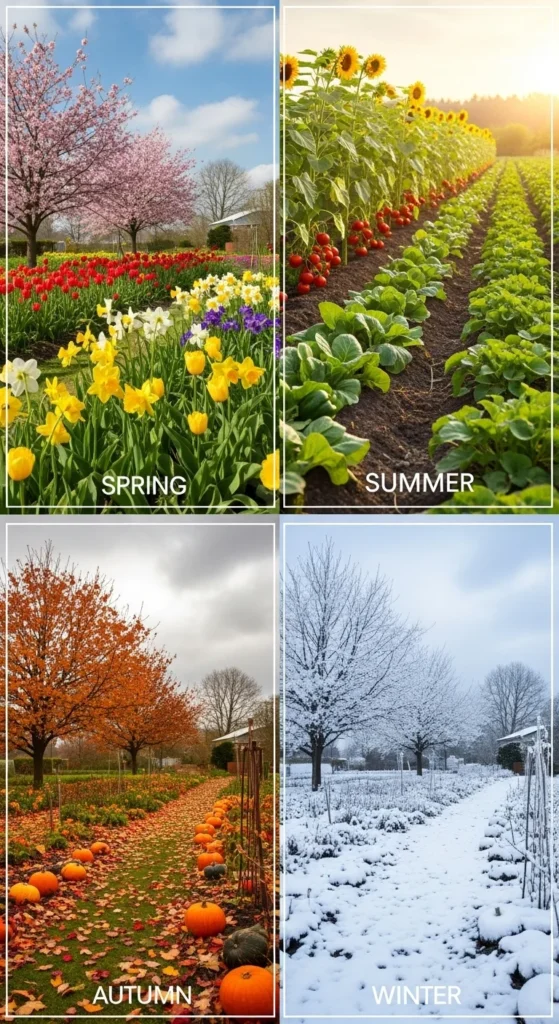
Save this gardening guide for later and come back each season to keep your outdoor space blooming, growing, and thriving all year long!

Leave a Reply