

Nothing can ruin a beautiful garden faster than an invasion of pesky bugs chewing through your leaves or nibbling on your vegetables. While chemical pesticides may seem like the quick fix, they can harm beneficial insects, pollinators, and even your soil’s natural balance. Luckily, there are plenty of natural, eco-friendly ways to keep your garden pest-free—without harming your plants or the planet.
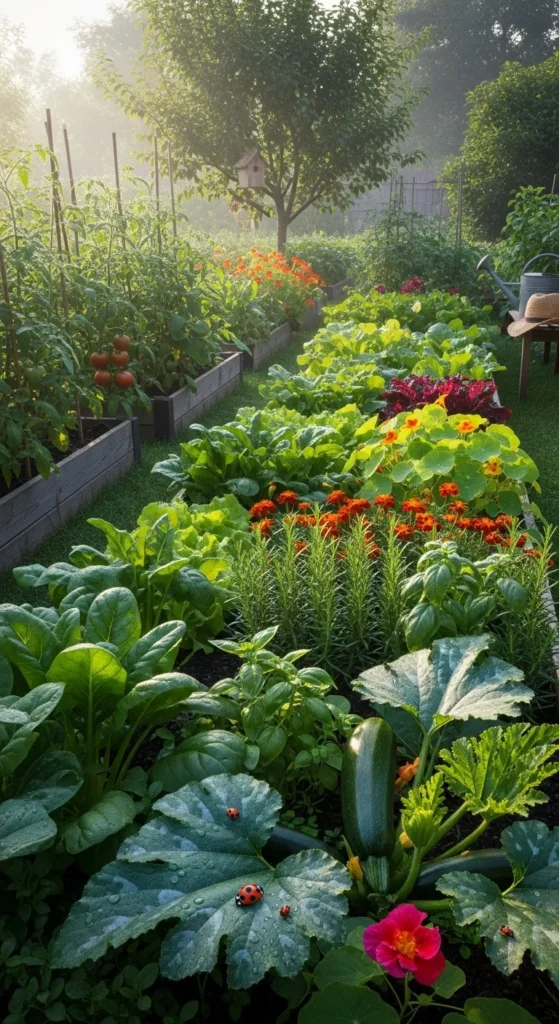
Start by Inviting the “Good Bugs”
Not all insects are your enemies! Some are your garden’s best allies. These beneficial insects feed on destructive pests, keeping their populations under control.
Helpful insects include:
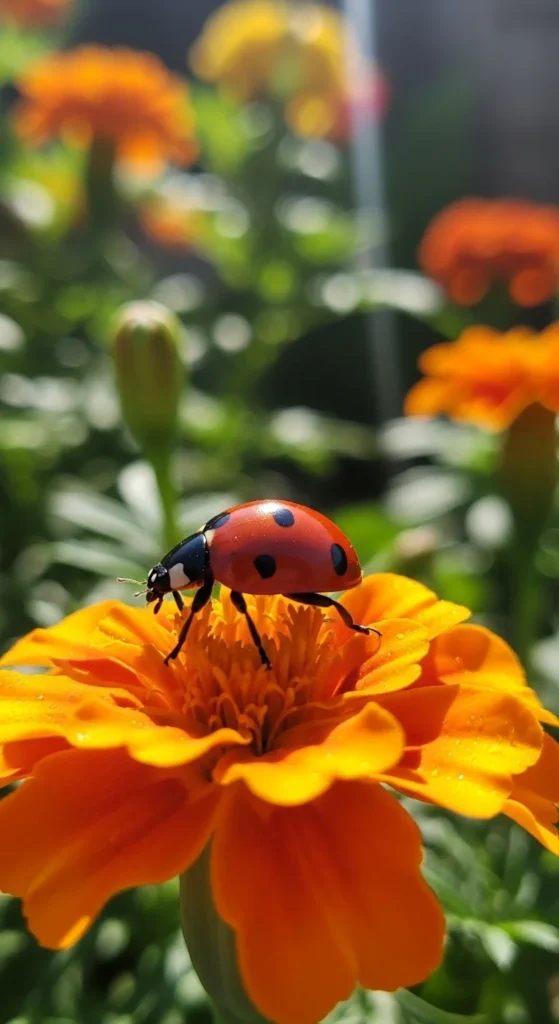
- Ladybugs – They love munching on aphids.
- Lacewings – Their larvae eat mealybugs and mites.
- Bees and hoverflies – Excellent pollinators that help your plants thrive.
To attract them:
- Plant flowers like marigolds, daisies, and lavender.
- Add herbs such as dill, fennel, and cilantro, which provide nectar for these beneficial insects.
- Avoid using pesticides—even natural ones—near these plants.
Use Companion Planting for Natural Defense
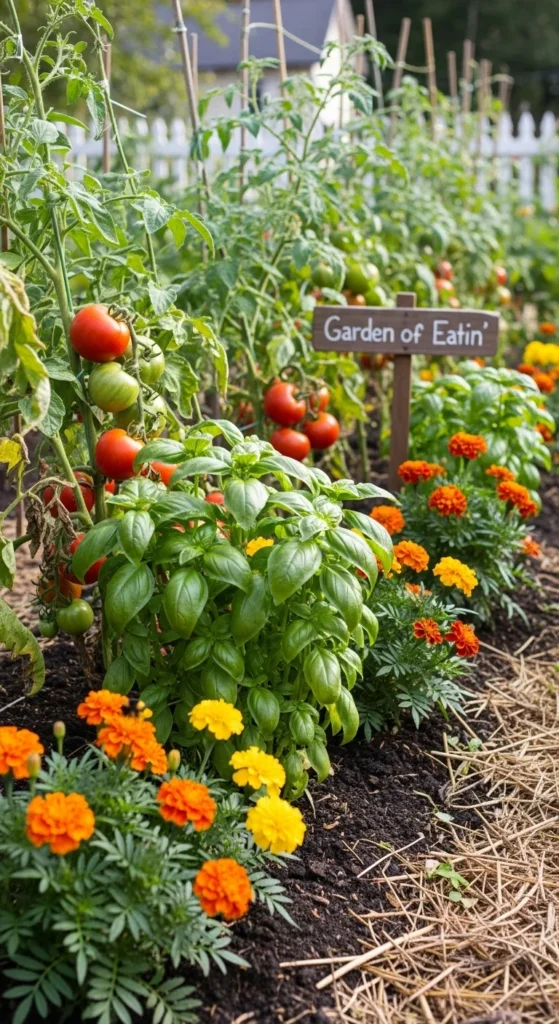
Companion planting is a smart way to mix and match plants so that some naturally repel pests or attract beneficial bugs.
Here are some powerful pairs:
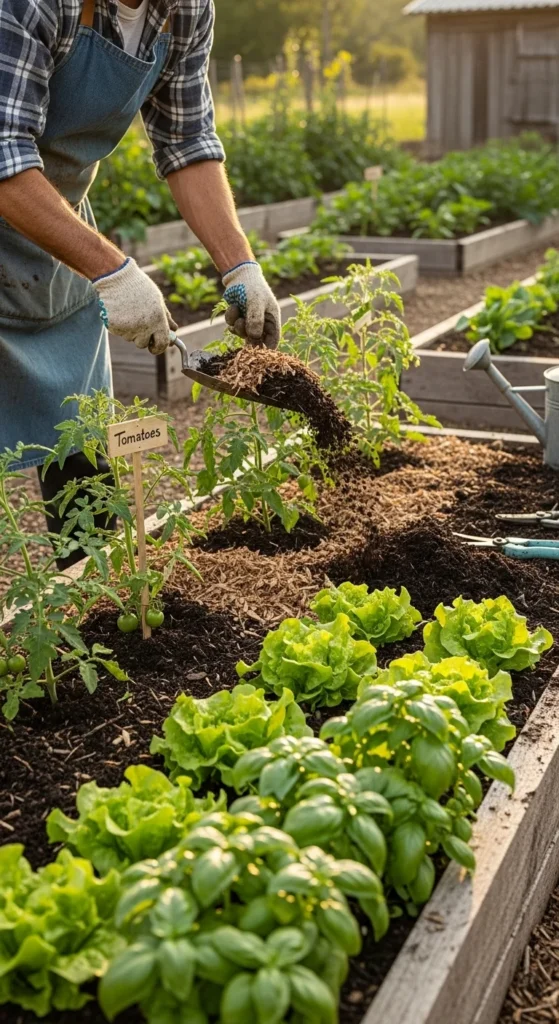
- Tomatoes + Basil: Basil deters tomato hornworms and adds great flavor to your harvest.
- Cabbage + Dill: Dill draws wasps that prey on cabbage worms.
- Carrots + Onions: Onions repel carrot flies, and carrots confuse onion pests.
Extra tip:
Mixing scents and textures in your garden bed confuses pests—they won’t know where to land!
Create Natural Pest Sprays at Home
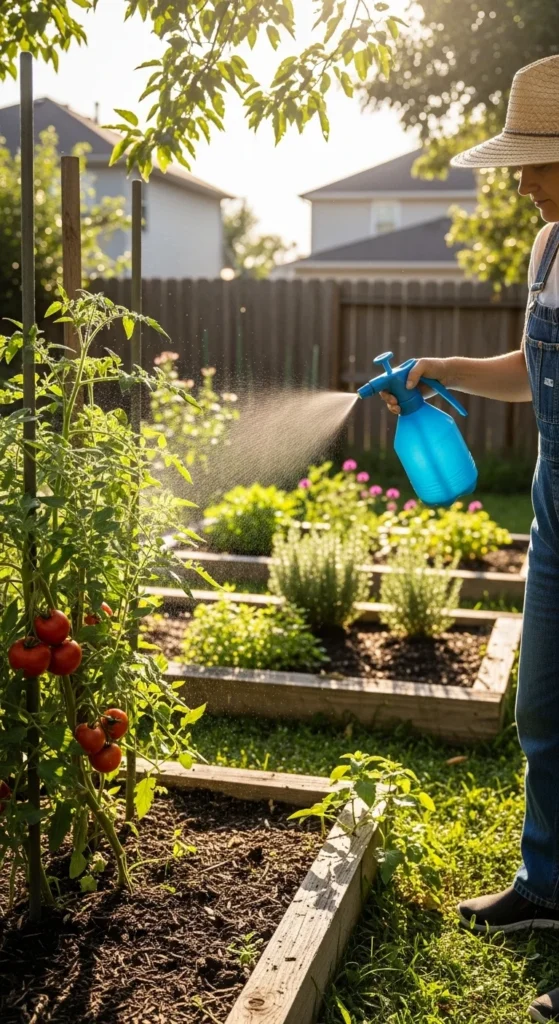
You don’t need store-bought chemicals when your kitchen already holds the ingredients for effective pest sprays.
Try these simple recipes:
- Garlic Spray:
Blend 2 bulbs of garlic with 1 liter of water, let it sit overnight, strain, and spray on affected plants. Great for aphids and beetles. - Neem Oil Spray:
Mix 2 teaspoons of neem oil, 1 teaspoon of mild soap, and 1 liter of water. Shake well before spraying. Works against mites, aphids, and whiteflies. - Chili Pepper Spray:
Blend a few hot peppers with water and a drop of dish soap. It keeps away caterpillars and leaf-eating bugs.
Use these sprays early in the morning or evening to avoid sunburning your plants.
Keep the Soil Healthy and Balanced
Healthy plants are naturally more resistant to pests. A thriving soil ecosystem promotes strong roots and nutrient-rich growth.
Here’s how to boost your soil health:
- Add compost regularly for nutrients and beneficial microbes.
- Rotate crops each season to prevent pest buildup in the soil.
- Use mulch to retain moisture and deter soil-borne pests.
Also, avoid overwatering, as it can attract slugs, fungus gnats, and other unwanted visitors.
Try Physical Barriers and Traps
If pests persist, you can outsmart them with simple non-toxic barriers and traps.
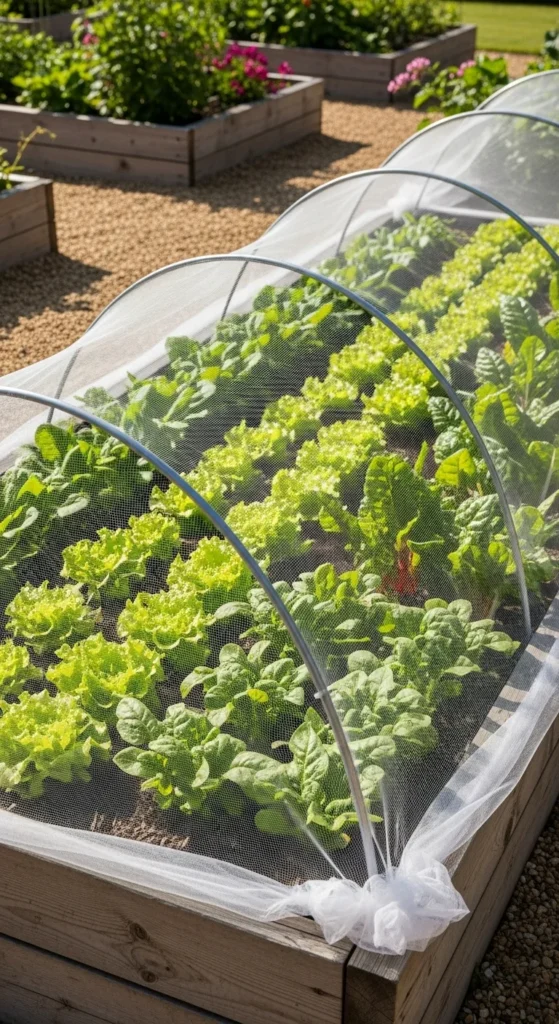
- Row covers: Lightweight fabrics that protect plants from flying insects.
- Copper tape: Works wonders against slugs and snails around garden beds.
- Beer traps replaced with yeast-water traps: Mix yeast and sugar water in shallow bowls to lure slugs harmlessly.
- Sticky traps: Great for catching whiteflies and fungus gnats.
These methods stop pests before they even reach your plants.
Practice Consistent Garden Care
Regular maintenance goes a long way. Pests often attack weak or neglected plants, so give your garden some weekly attention.
- Inspect leaves (top and bottom) for eggs or chew marks.
- Prune dead or infested areas before they spread.
- Encourage airflow between plants to reduce humidity-loving pests like aphids and mildew.
A little prevention each week can save you from major infestations later on.
Final Takeaway
Keeping your garden pest-free doesn’t mean waging war with chemicals—it’s about working with nature, not against it. By inviting good insects, planting smartly, and using natural sprays and barriers, you’ll create a balanced ecosystem that keeps pests in check and your plants thriving.
So go ahead—start small, stay consistent, and enjoy watching your garden flourish naturally.
Save this gardening guide for later and share it with a fellow plant lover!
Leave a Reply