

A lively garden filled with the buzz of bees, the flutter of butterflies, and the songs of birds isn’t just beautiful—it’s a thriving ecosystem. Encouraging wildlife to visit your outdoor space creates balance, improves plant health, and makes your garden feel alive. Whether you have a small balcony or a sprawling yard, you can transform it into a natural haven for all sorts of creatures.
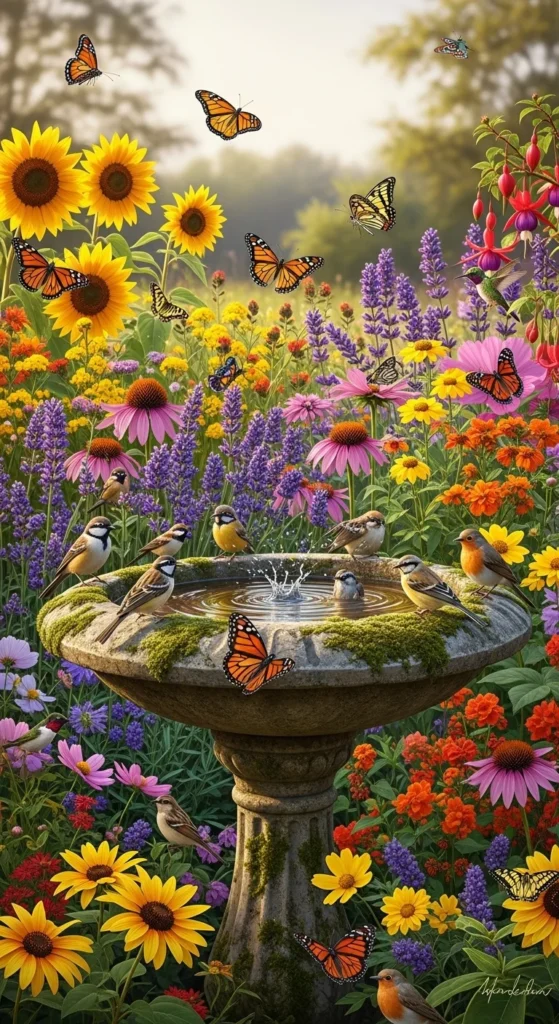
1. Grow Native Plants That Support Local Species
The best way to attract wildlife is by planting native flowers, shrubs, and trees. These plants have evolved alongside local species, providing the perfect food and shelter they need.
- Choose native wildflowers like coneflowers, black-eyed Susans, or milkweed to attract pollinators such as bees and butterflies.
- Add berry-producing shrubs like elderberry, serviceberry, or holly to feed birds throughout the year.
- Include a mix of flowering times so something is blooming from spring to fall.
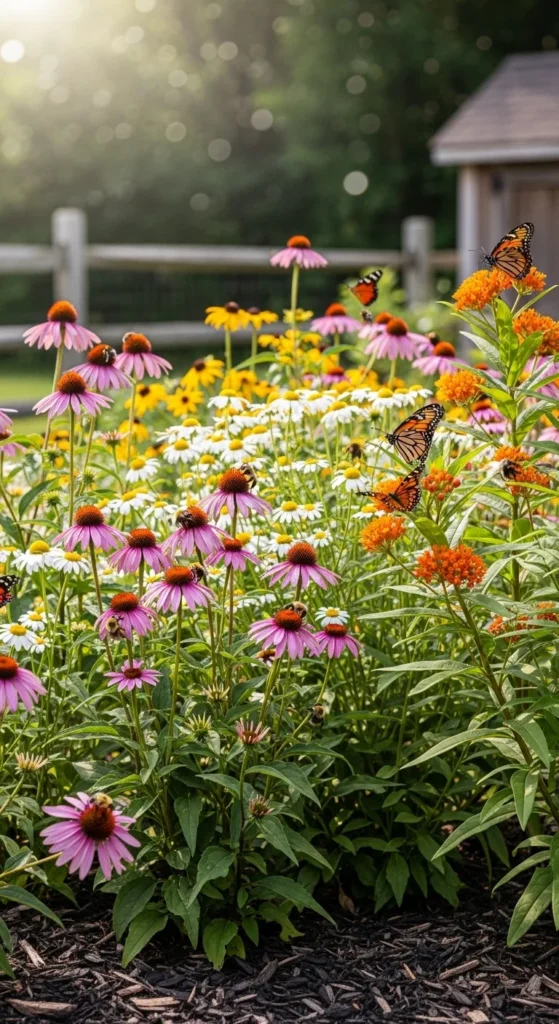
Native plants not only require less maintenance but also support pollinators that keep your garden blooming all season long.
2. Provide Fresh Water Sources
Every living creature needs water. A simple birdbath or small pond can attract an entire community of animals—from dragonflies to songbirds.
- Install a shallow birdbath with gently sloped edges so small creatures can safely drink.
- Add stones or floating leaves for butterflies and bees to rest on while sipping water.
- Keep the water clean and change it every few days to prevent mosquitoes.
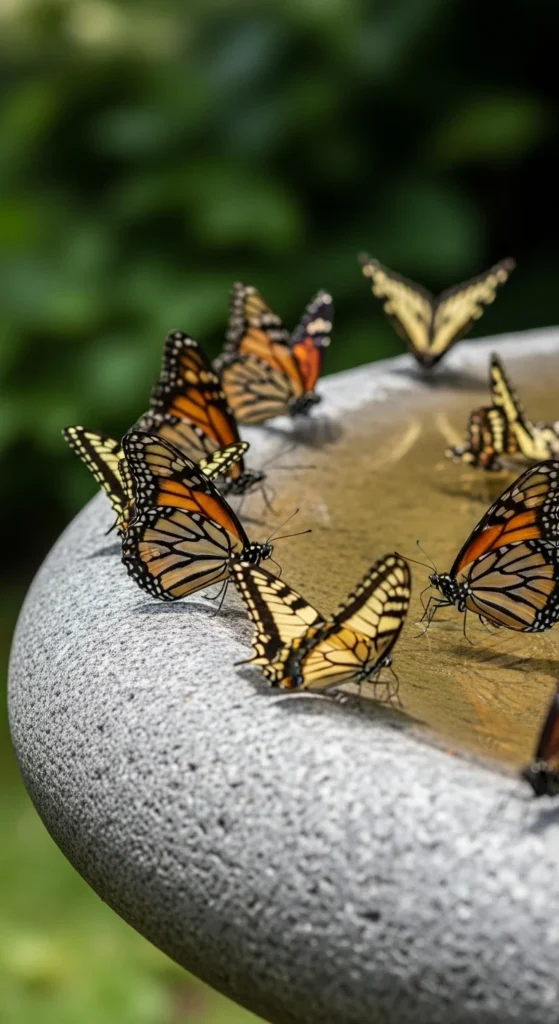
For a more natural feel, consider adding a small pond or mini water feature. Moving water—like a dripping fountain—can draw in even more birds and frogs.
3. Create Shelter and Nesting Spaces
Wildlife needs a safe place to hide, rest, and raise their young. Instead of a perfectly manicured lawn, think of your garden as a welcoming neighborhood for nature.
- Leave a corner wild with tall grasses, logs, or leaf piles to shelter insects and hedgehogs.
- Hang birdhouses or nesting boxes for chickadees, wrens, and bluebirds.
- Add rock piles or hollow logs to create hiding spots for frogs and toads.
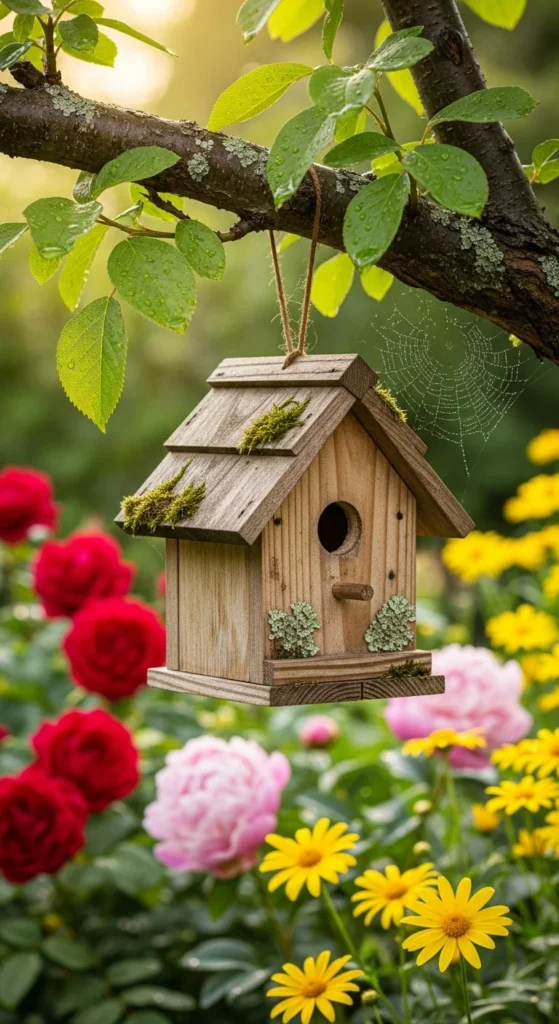
You don’t have to give up neatness entirely—just designate a small, natural corner of your garden for wildlife to make their home.
4. Say No to Chemicals and Pesticides
Chemical pesticides might keep unwanted bugs away, but they also harm the good ones—like bees, ladybugs, and butterflies. These helpful insects are essential for pollination and natural pest control.
- Use companion planting: Grow marigolds near vegetables to repel pests naturally.
- Encourage beneficial insects: Ladybugs, lacewings, and spiders are your allies.
- Make homemade pest sprays using mild ingredients like neem oil or soapy water.
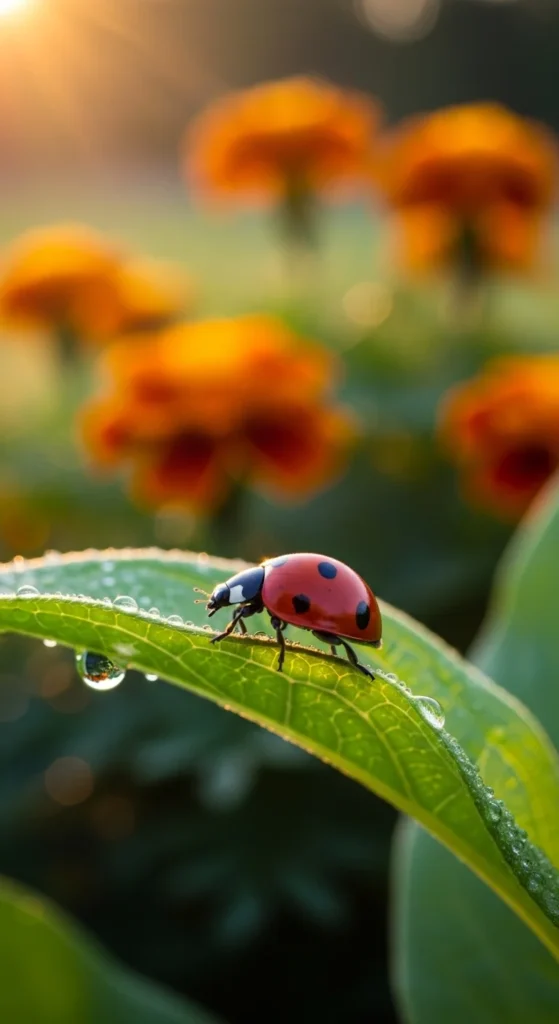
By skipping harsh chemicals, you protect the health of your soil, plants, and every little creature that calls your garden home.
5. Add Variety and Layers to Your Landscape
A flat lawn isn’t as interesting to wildlife as a garden full of layers, textures, and different habitats. Variety invites diversity.
- Mix trees, shrubs, and flowers to offer shade, cover, and nesting spots.
- Plant climbing vines on fences or trellises to give birds extra shelter.
- Leave fallen leaves in autumn—they’re nature’s blanket for overwintering insects.
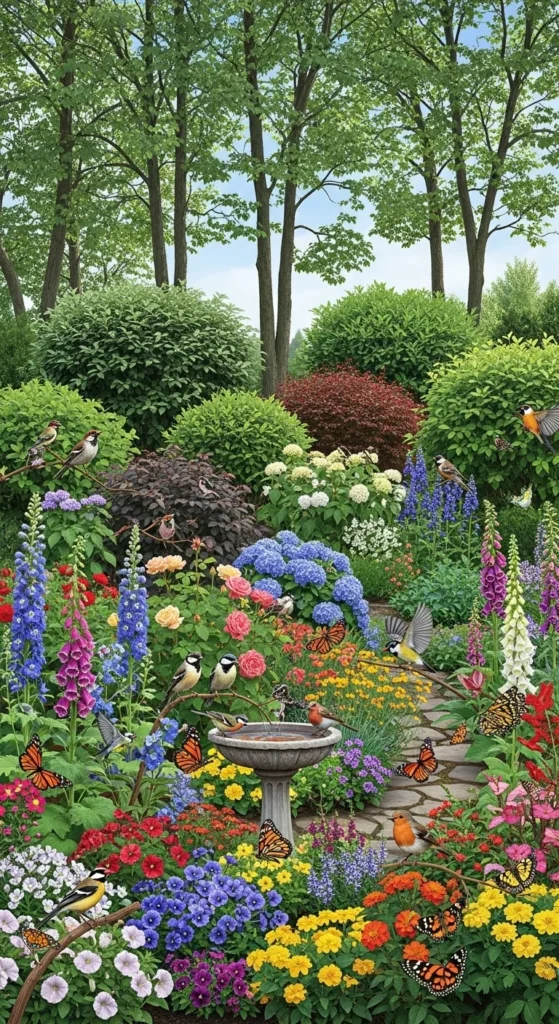
A multi-layered garden mimics nature’s structure and ensures that every animal—from the tiniest bee to the largest bird—finds something it needs.
6. Feed Birds and Pollinators Year-Round
Food is one of the biggest motivators for wildlife to visit your garden regularly.
- Set up bird feeders with a mix of seeds to attract different bird species.
- Plant nectar-rich flowers like lavender, zinnias, and salvia for hummingbirds and butterflies.
- Grow herbs like basil, mint, and oregano—they flower beautifully and attract pollinators too.
If possible, provide food sources in all seasons—berries and seeds for winter, nectar and pollen for spring and summer.
7. Let Nature Take the Lead
A vibrant ecosystem thrives when you let nature do its thing. The more you allow your garden to grow naturally, the more it rewards you.
- Don’t rush to clean every fallen leaf or prune every branch.
- Observe what animals visit and adjust your plantings accordingly.
- Remember, balance is key—every creature has a role to play.
Final Takeaway
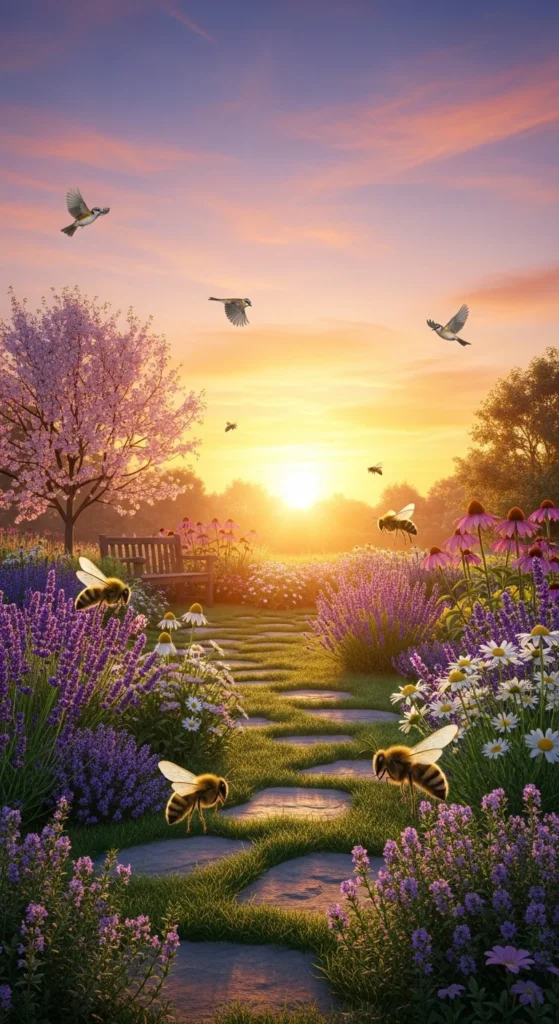
Attracting wildlife isn’t about turning your yard into a jungle—it’s about creating balance, life, and beauty. When you provide food, water, shelter, and safety, your garden becomes a thriving, self-sustaining ecosystem.
So start small—plant a native flower bed, hang a bird feeder, or add a small pond—and watch your garden come alive.
Save this guide for later and start building your backyard sanctuary today!

Leave a Reply