

There’s something magical about watching a tiny sapling grow into a towering, shade-giving tree. Whether you’re planting for beauty, fruit, or the environment, knowing how to plant correctly makes all the difference. The secret lies in understanding what your tree needs from day one — from the roots up.
Choose the Right Tree for the Right Spot
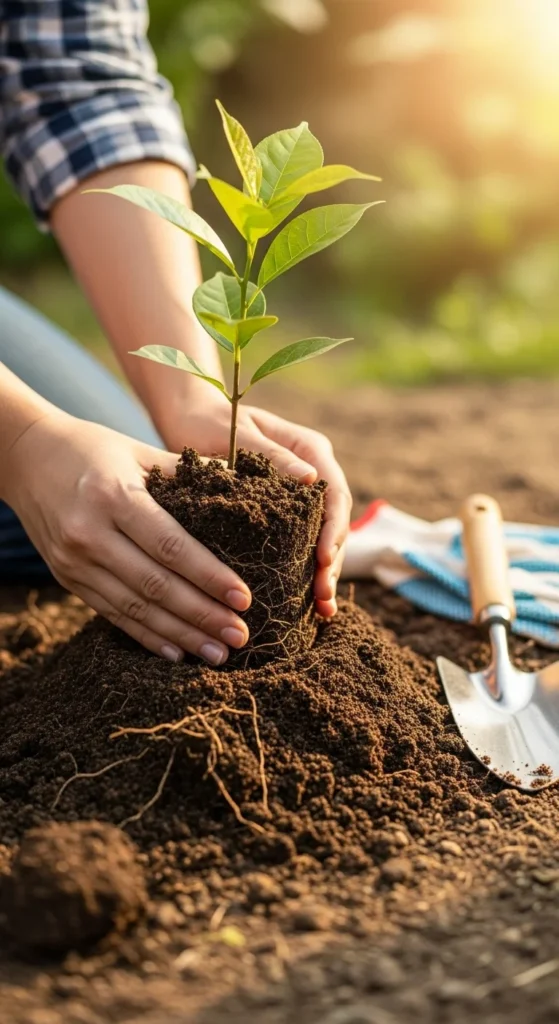
Before you dig a single hole, think about where your tree will live for decades. Different species have different needs — and picking the right one can determine how tall and healthy it grows.
- Sunlight: Most trees love full sun, but some (like dogwoods or redbuds) thrive in partial shade.
- Soil Type: Test your soil’s drainage. Sandy soil drains too fast, while clay holds too much water.
- Climate Compatibility: Choose native or locally adapted species that naturally handle your region’s conditions.
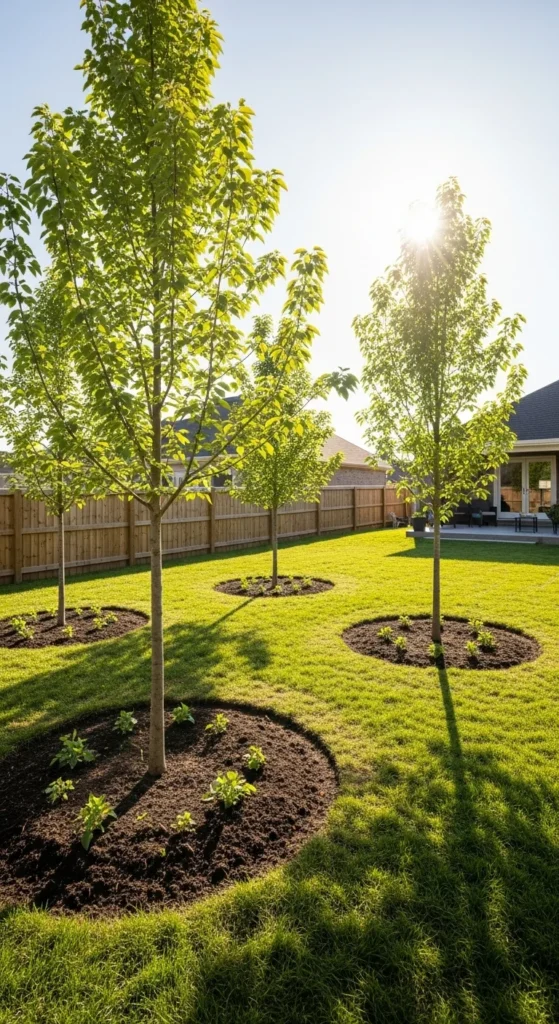
- Space: Make sure your tree won’t bump into power lines, fences, or house walls when mature.
Dig the Perfect Hole
Your planting hole is your tree’s first home — and getting it right is crucial.
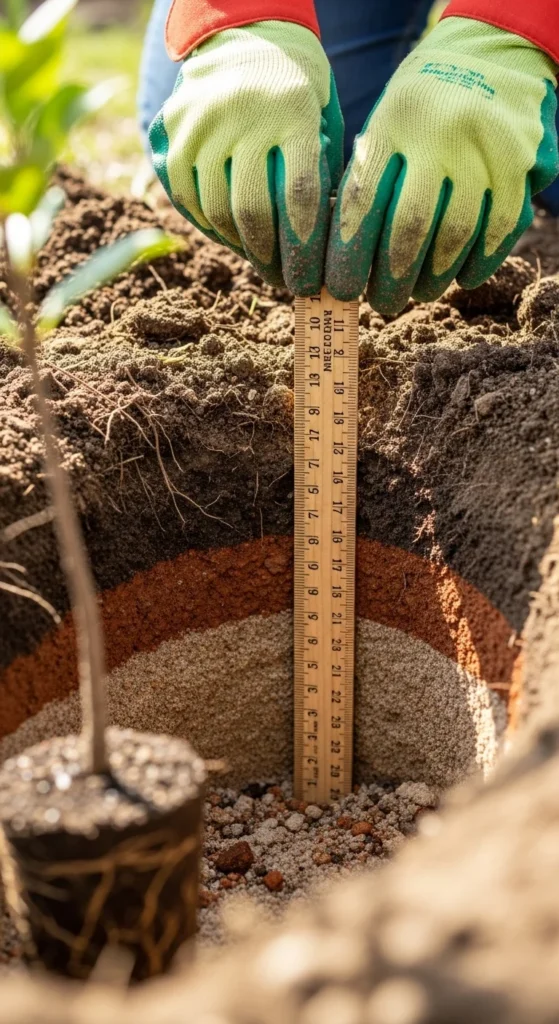
- Depth: Dig a hole that’s just as deep as the root ball but twice as wide. This gives roots room to spread.
- Loosen the Soil: Break up compacted soil around the edges so roots can grow easily.
- Check for Drainage: Fill the hole with water; if it drains within an hour, it’s perfect. If not, improve the drainage or choose another spot.
When placing the tree, make sure the root flare (where the trunk widens near the roots) is slightly above ground level — not buried.
Plant with Care
Now it’s time to give your tree a gentle start.
- Remove the Container or Burlap: If your tree came in a pot, carefully loosen the roots. For balled-and-burlapped trees, cut away as much burlap and twine as possible.
- Position Straight: Hold the tree upright before backfilling; even a small lean now can worsen over time.
- Backfill Gradually: Refill the hole with the original soil, gently firming it around the roots without packing it too tight.
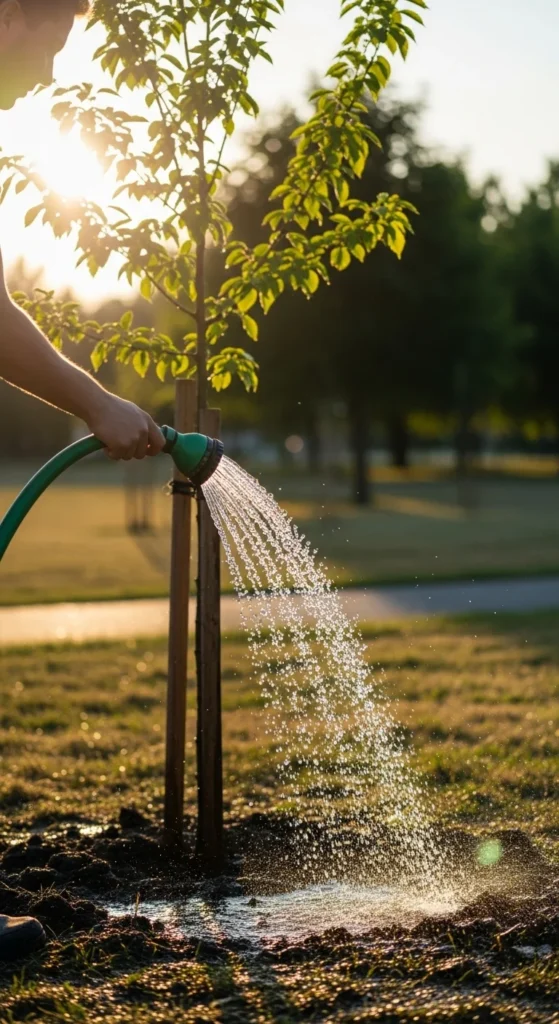
- Water Deeply: Give the tree a slow, deep drink to help settle the soil.
Add Mulch and Support Wisely
Mulch is a tree’s best friend — but only when applied correctly.
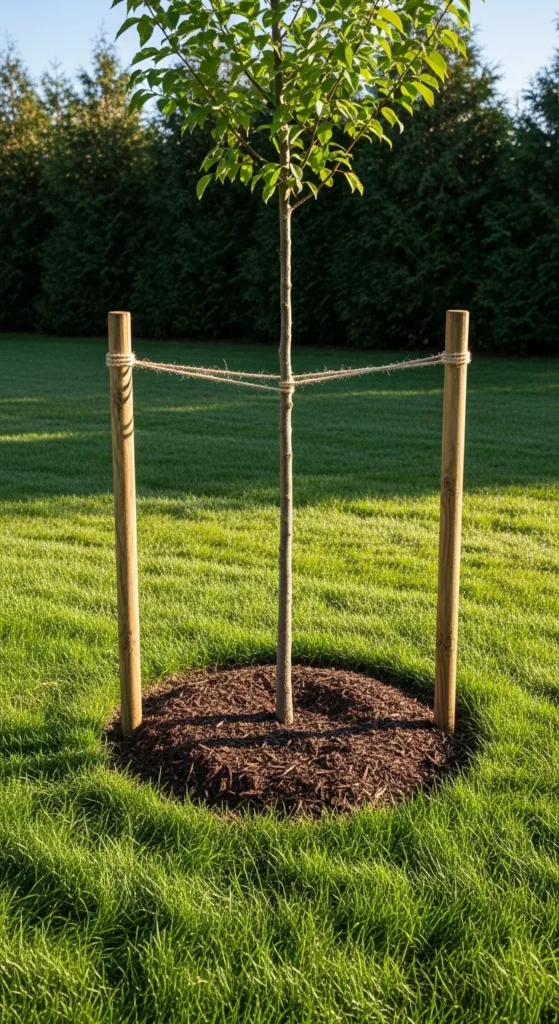
- Spread 2–3 inches of organic mulch (like wood chips or leaves) around the base.
- Keep mulch a few inches away from the trunk to prevent rot.
- Mulch helps retain moisture, regulate temperature, and block weeds.
If your area gets strong winds or your tree has a thin trunk, stake it loosely for the first year. Remove stakes once roots are strong enough to hold on their own.
Water and Feed for Long-Term Growth
Newly planted trees need consistent care, especially in their first few years.
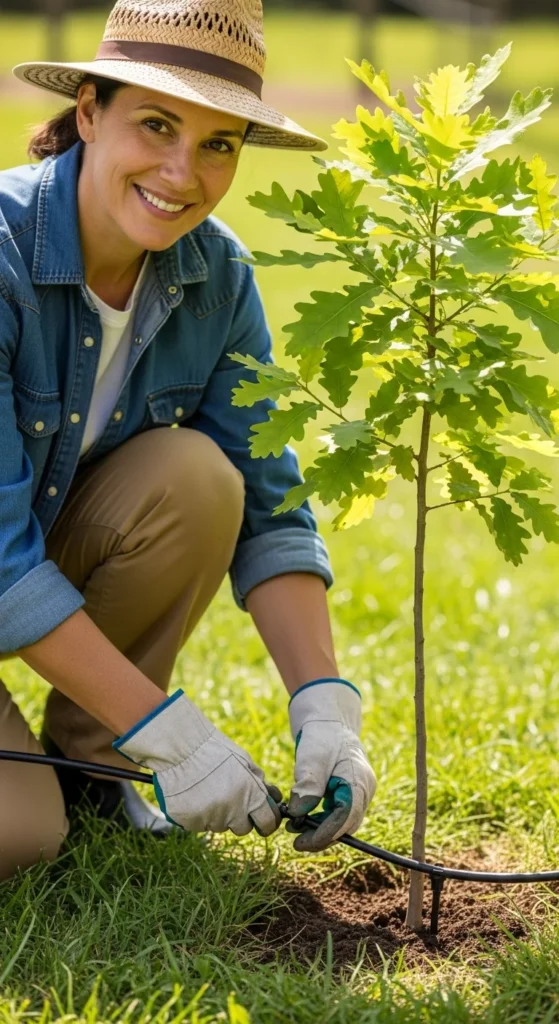
- Water Schedule:
- Week 1–2: Water daily.
- Month 1–3: Water every 2–3 days.
- After that: Once a week during dry spells.
- Feeding: Avoid heavy fertilizer at first. Once the tree is established, use a slow-release formula in early spring.
- Weed Control: Keep the area around the tree base weed-free to avoid competition for nutrients.
Consistency is key. Think deep, infrequent watering rather than frequent shallow sprinkles — it encourages deep root growth.
Prune for Shape and Strength
Proper pruning helps trees grow tall and balanced.
- Prune only dead, damaged, or crossing branches in the first couple of years.
- Avoid heavy pruning early on — it can stunt growth.
- Once mature, prune during dormancy (late winter or early spring).
A well-pruned tree channels energy into strong central growth and maintains a pleasing shape.
Watch, Wait, and Enjoy the Growth
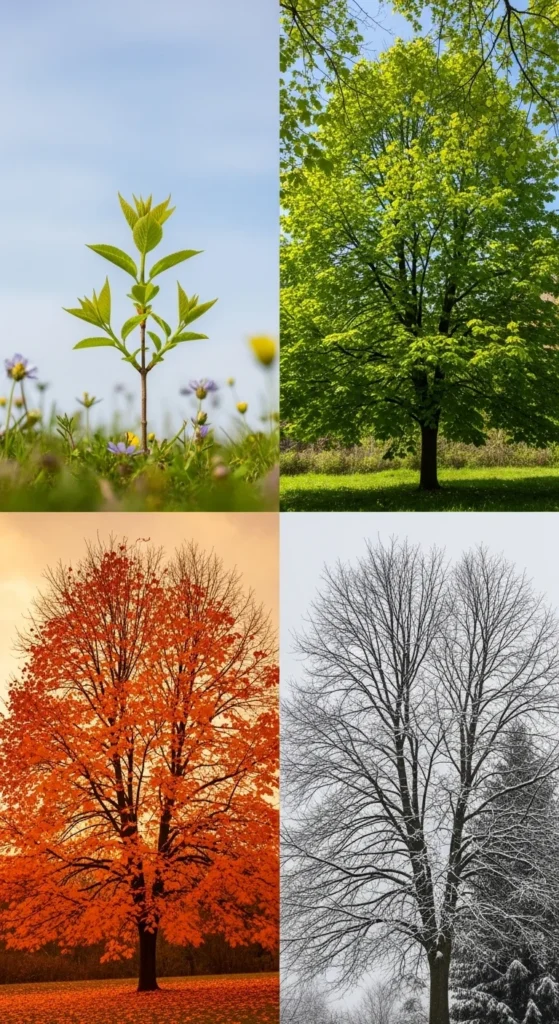
Tree planting is an investment in patience. With each season, you’ll notice stronger branches, greener leaves, and taller growth. The care you give today pays off for decades — with shade, beauty, and cleaner air.
Final Takeaway
Planting trees isn’t just gardening — it’s legacy-building. Follow these steps with love and attention, and your trees will reward you with strength and height that lasts generations.
Save this guide for your next planting day — and watch your trees grow tall and proud!

Leave a Reply