

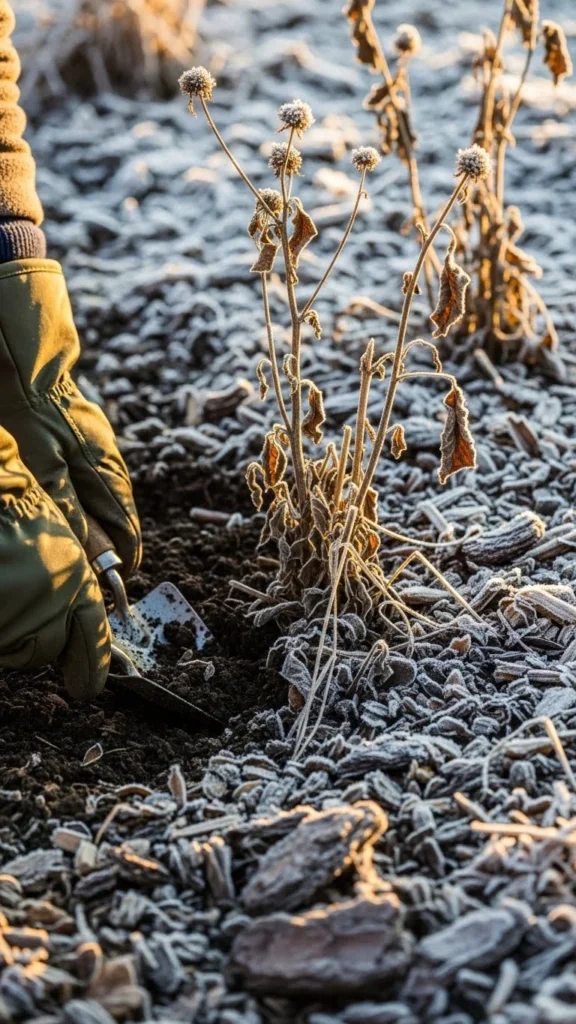
Preparing your soil during the colder months makes spring gardening easier and more rewarding. Many gardeners overlook winter care, but simple actions today create richer earth, better moisture levels, and stronger roots later. The ideas below focus on practical steps you can do on a small budget. Each tip works for backyard gardens, raised beds, or containers, and you can start most of them with basic tools you likely already own.
1. Add a Thick Mulch Blanket
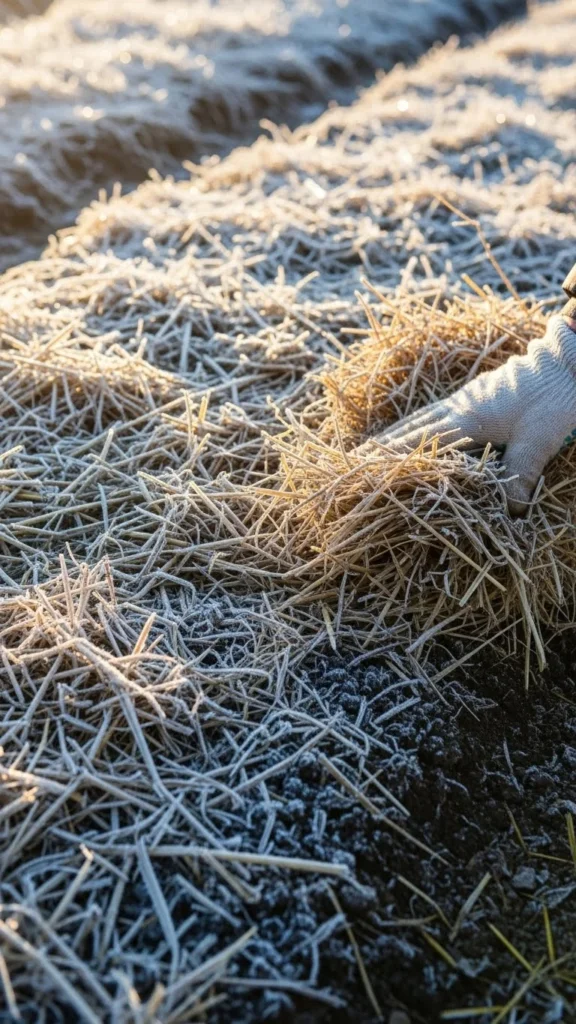
Mulch helps protect your soil during winter by keeping the ground from drying out. It also shields beneficial organisms that work quietly underground. Add a thick layer around shrubs, perennials, and vegetable beds. Use leaves, straw, or wood chips—whatever is cheap and easy to grab locally. If your yard has trees, rake the fallen leaves into a pile and use them instead of buying bags. Spread the material loosely so air can move through it. This keeps soil breathing even during the coldest months. After spreading it, tap the surface gently with your hand to keep it from blowing away. When spring arrives, all this material slowly breaks down, creating a richer layer that supports new roots with ease.
2. Loosen Compacted Soil by Hand
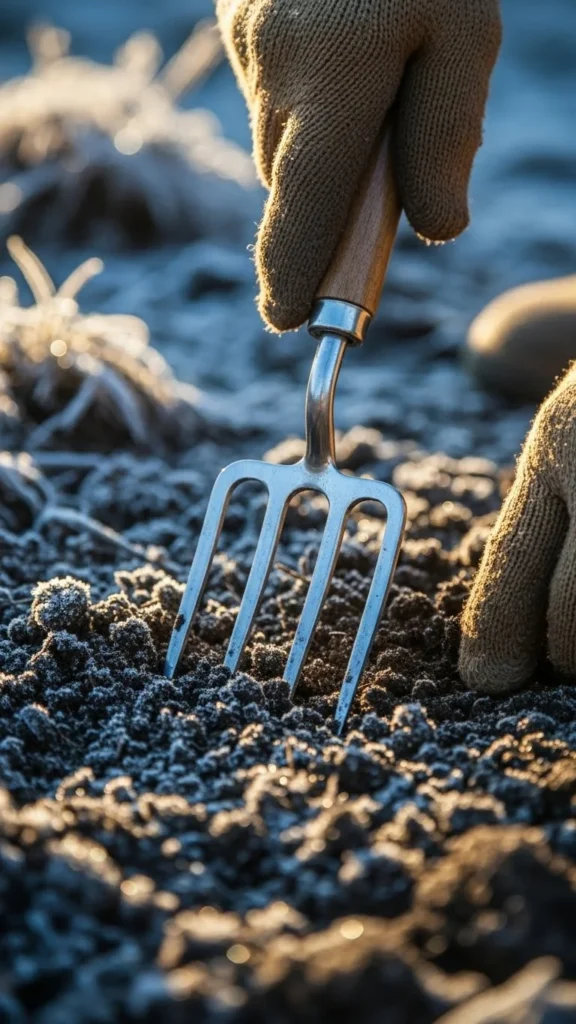
Winter rain and snow press down on the soil. When the ground gets tight, roots struggle to spread. Grab a small hand fork and work the top few inches. You don’t have to dig deep—light aeration is enough. Move slowly in short strokes so you don’t harm dormant roots. If your soil is extremely firm, sprinkle a thin layer of compost on top after loosening it. This helps it stay crumbly until spring. For container plants, tilt the pot sideways and tap the base before loosening the surface. It’s a quick trick that reduces pressure on roots without disturbing the entire pot. This simple step gives plants a head start once temperatures rise.
3. Apply Homemade Compost
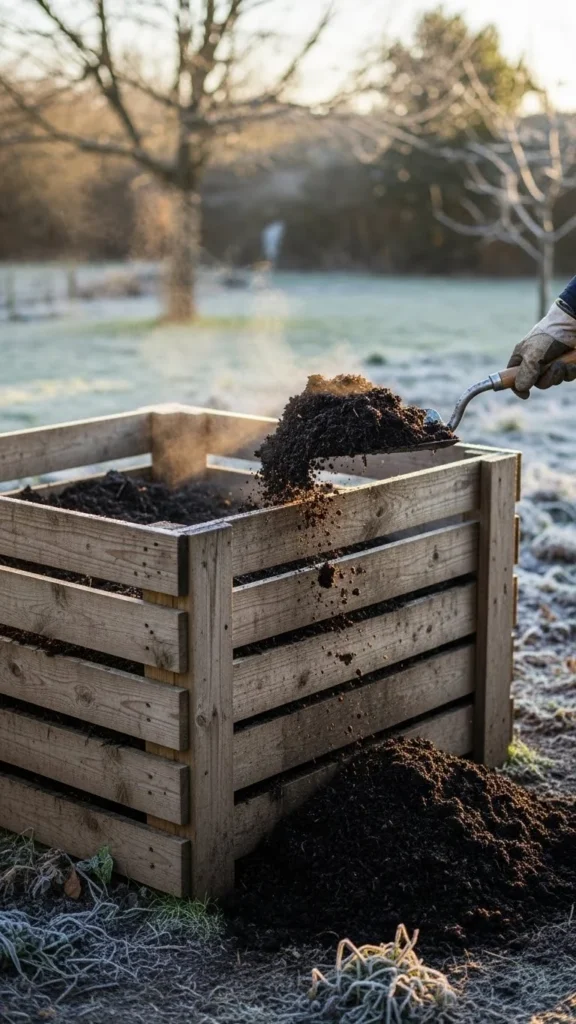
Winter is a perfect time to add compost because the soil breaks it down gradually. Use kitchen scraps, dry leaves, and yard clippings to build your own pile. Even small amounts help. Spread one to two inches over your garden beds. There’s no need to mix it in—rain and snow will settle it naturally. If you don’t have a compost bin yet, start by gathering scraps in a simple bucket with a lid. Add shredded newspaper to keep odors down. Over time, the mixture turns into rich organic matter your soil loves. By spring, your beds feel softer, darker, and ready for new plants.
4. Protect Bare Spots
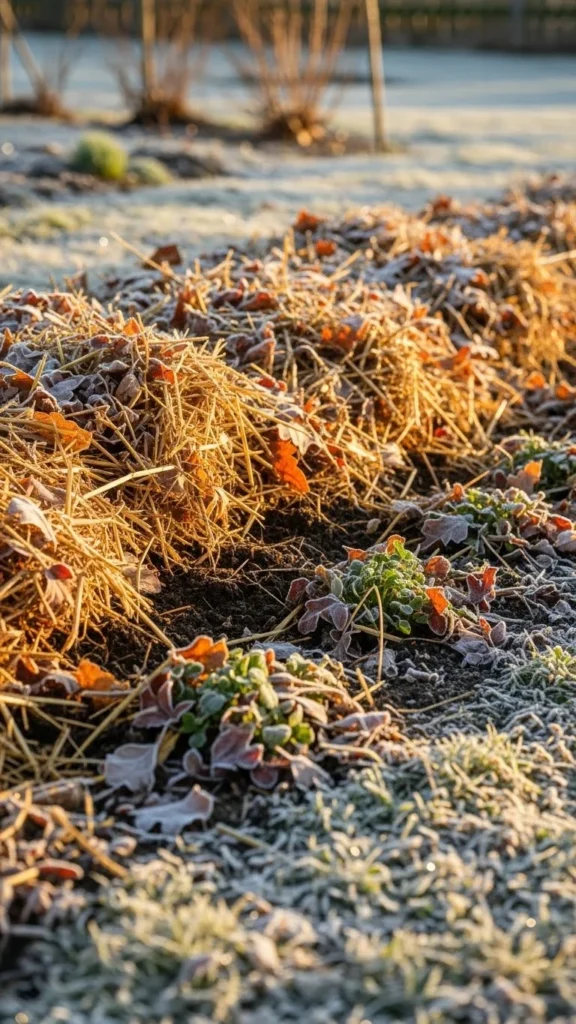
Exposed soil loses moisture fast and washes away in winter storms. Walk through your yard and look for open patches. Cover them right away with anything natural—leaves, straw, pine needles, or wood chips. Even a thin layer stops erosion. If you have leftover cardboard boxes, peel off the tape and lay the panels on the soil before adding mulch. This forms a simple, low-cost barrier that helps earthworms stay active. Bare soil also attracts weeds in early spring. Covering it now means fewer headaches later.
5. Test Soil pH
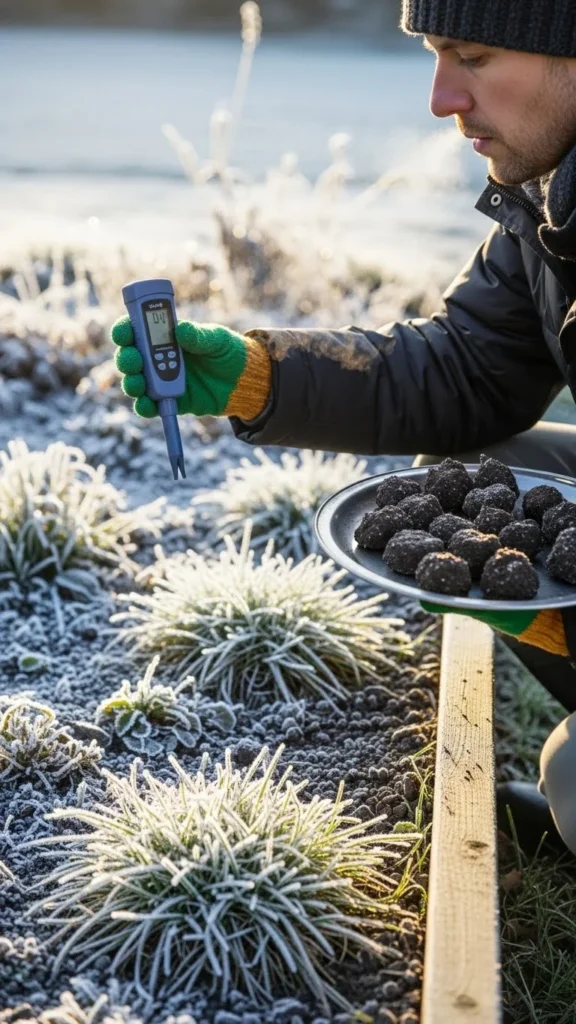
Cold months give you time to check your soil pH without rush. A simple test kit shows whether the soil leans acidic or alkaline. This helps you choose the right amendments before planting season. Scoop a small sample from several spots for the most accurate reading. If the soil is too acidic, sprinkle a little garden lime. If it leans too alkaline, mix in peat or pine needles. These changes take a while to settle, so winter is the best moment to start adjusting. It’s a small step that supports healthier plant growth later.
6. Add Organic Matter for Structure
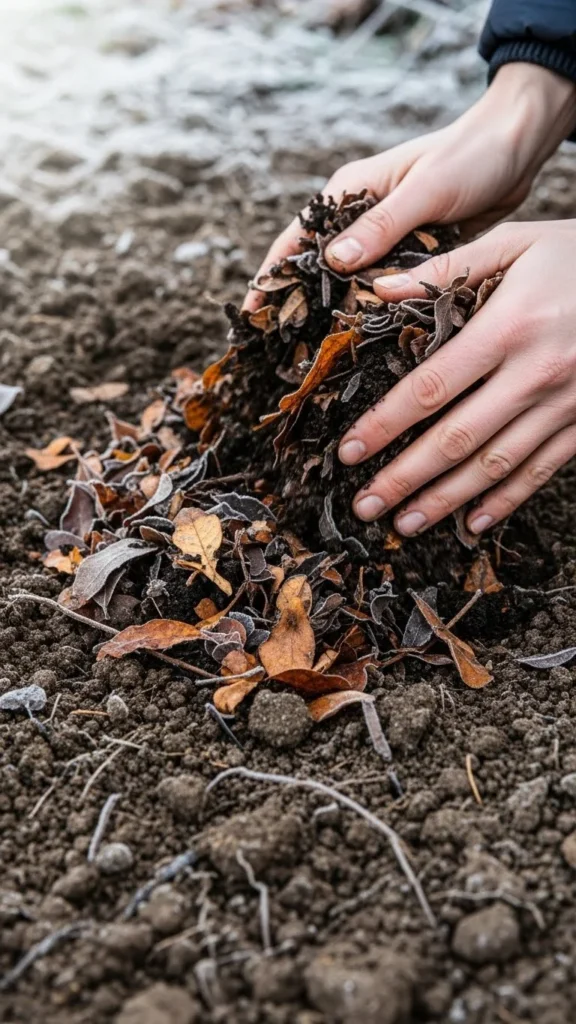
Organic matter helps soil stay balanced through heavy winter weather. Mix in shredded leaves, spent plants, or leftover garden clippings. Chop everything into small pieces so it breaks down faster. If you grow vegetables, remove old stems and roots, then lay them across the bed like a natural soil cover. This method recycles nutrients without spending money on store-bought amendments. Over time, the soil becomes loose, dark, and easy to work with.
7. Cover Beds With a Tarp
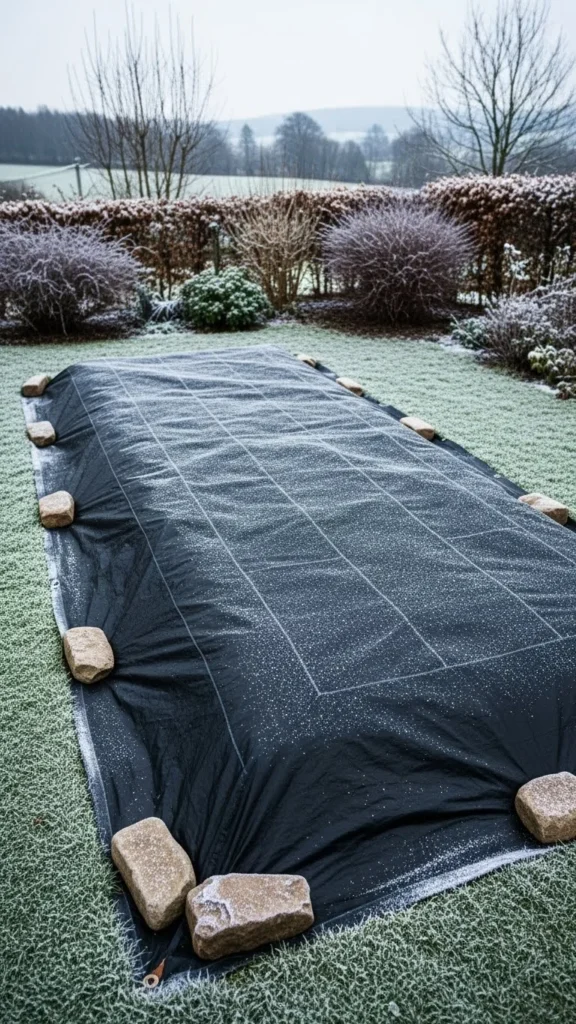
Using a simple tarp helps protect soil from heavy rain. It also warms the ground slightly, making it easier for beneficial insects to stay active. Use any sturdy material—old tarps, unused plastic sheets, or even heavy fabric. Weigh down the corners with stones or bricks. If you want a more natural approach, cut vents or small holes for airflow. When spring arrives, remove the tarp and enjoy soil that stayed intact and ready for planting.
8. Add Winter-Friendly Cover Crops
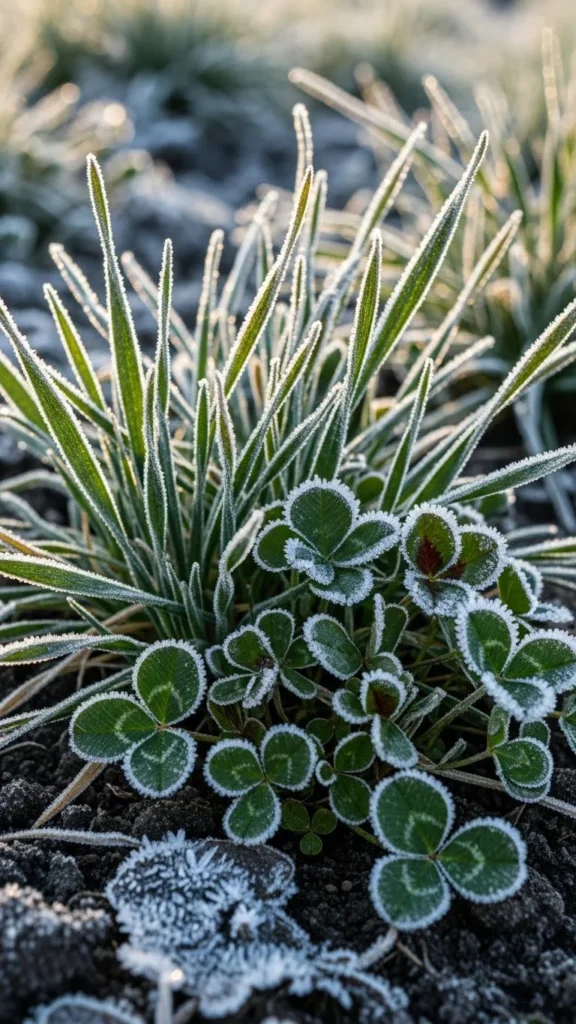
Cover crops help protect and enrich soil even in cold months. Choose varieties that handle low temperatures such as clover or winter rye. Scatter seeds loosely and rake them in. These plants prevent erosion, add organic matter, and keep weeds from taking over. They’re inexpensive and easy to grow, even for beginners. When spring returns, cut them down and mix the greens into the soil for a simple nutrient boost. It’s a natural way to keep beds active all winter.
9. Add Worm-Friendly Zones
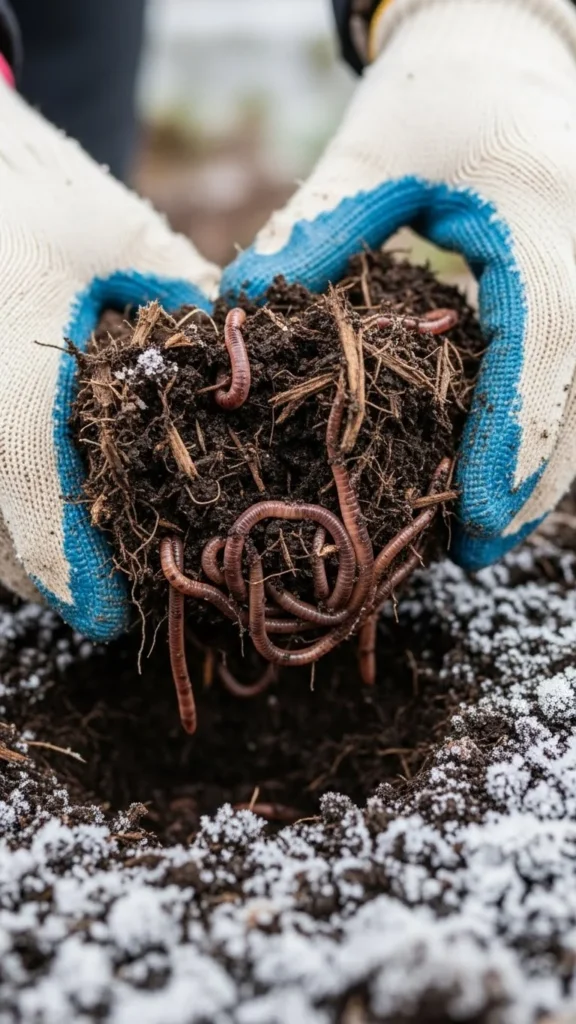
Earthworms help soil stay healthy. In winter, they hide deeper underground. Give them a comfortable zone by adding a layer of moist leaves or aged compost. Keep the area slightly damp but not soggy. If you have an indoor worm bin, sprinkle a handful of castings into your outdoor beds. This encourages more activity when the weather warms. Worms help break down material and keep the soil textured for easy planting.
10. Remove Late-Season Weeds
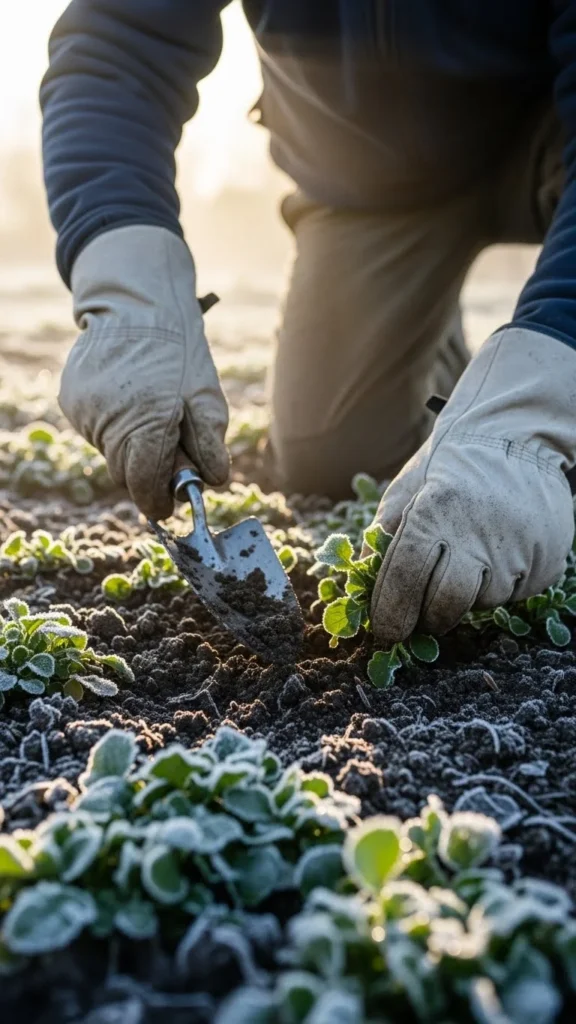
Winter weeds grow slowly but spread fast. Pull them now while the ground is soft from rain or melting snow. Use a simple hand tool or gloved fingers. Removing weeds early keeps them from forming large root systems. Place pulled weeds in a compost pile if they haven’t produced seeds yet. If seeds are present, throw them away to avoid spreading. Clearing these patches now leaves more room for spring crops.
11. Add a Layer of Compost Tea
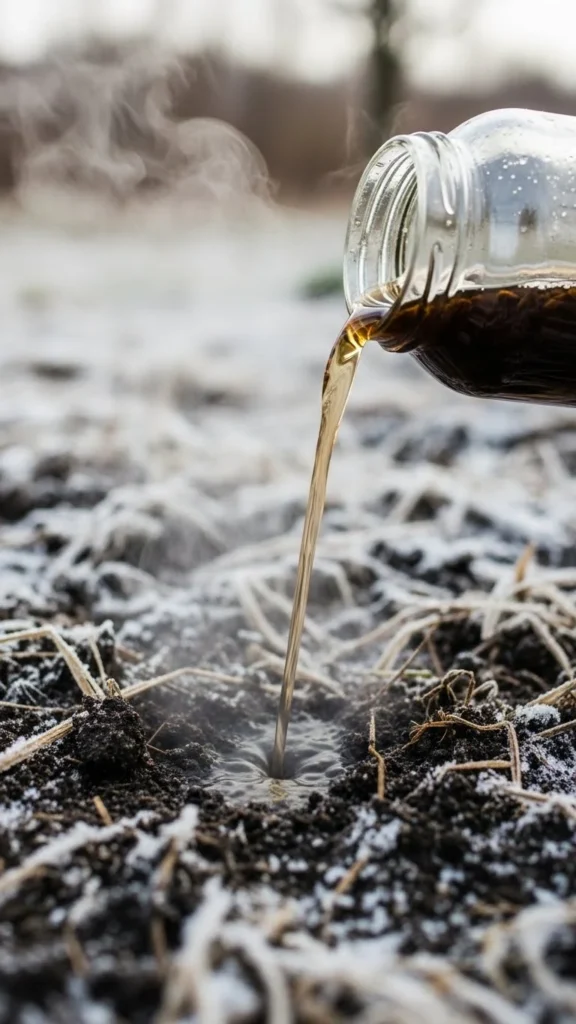
Compost tea gives your soil a gentle nutrient lift during the colder months. Make it by soaking compost in a bucket of water for a day. Strain the liquid and pour it slowly around shrubs, raised beds, or potted plants. The mixture soaks into the soil and supports microbial activity even in cold weather. This step is inexpensive and works well for gardeners who don’t have a large compost pile. Store leftover tea in a sealed container for up to a week.
12. Layer Wood Chips Around Trees
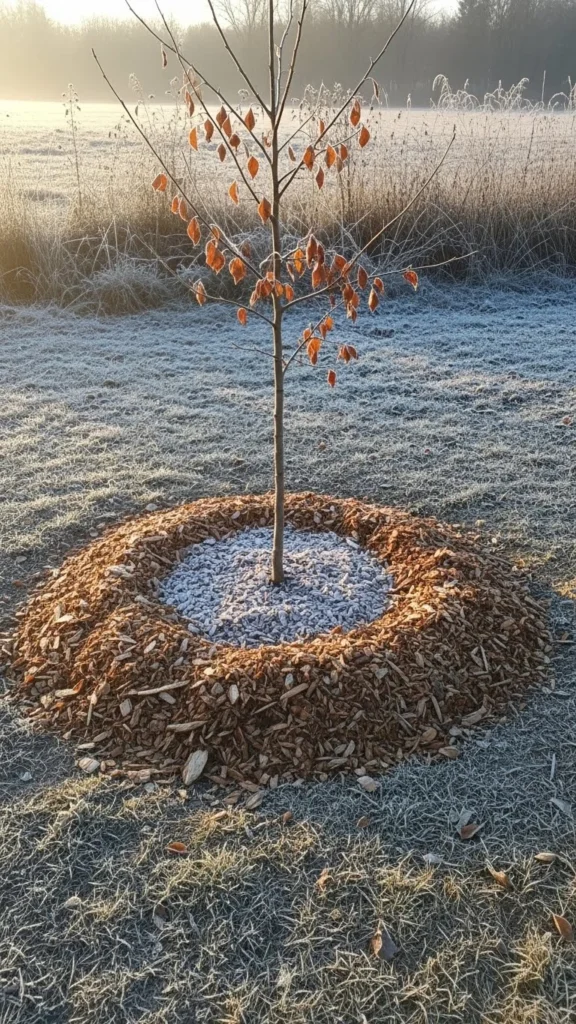
Trees appreciate a blanket of wood chips during winter. Spread a wide ring but keep the chips a few inches away from the trunk. This protects roots from cold bursts and helps soil stay moist. Many city services offer free chip piles. Scoop what you need and spread a generous layer around your trees. It improves soil texture naturally and saves you money on store-bought mulch. When warmer weather returns, the chips slowly break down and enrich the soil underneath.
13. Add Leftover Fireplace Ash
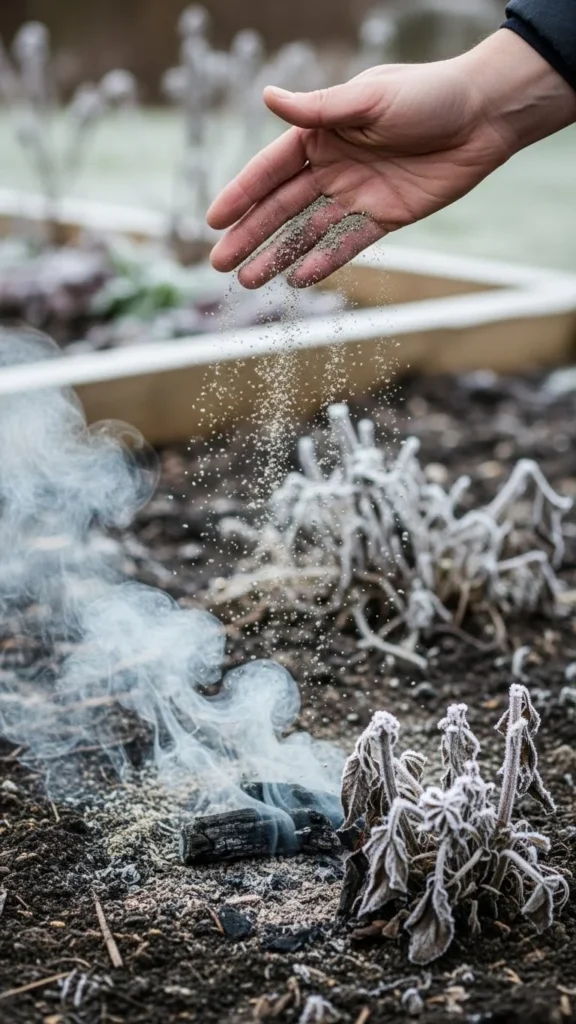
If you use a fireplace, save the wood ash. Sprinkle a small amount over garden beds, especially if your soil is slightly acidic. Only use ash from untreated wood. Avoid overdoing it—just a thin dusting is enough. Mix it into the top layer lightly with a rake. This simple trick reduces waste and gives your soil more body. If your yard stores ash in a metal bucket, keep it covered so moisture doesn’t clump it.
14. Add Shredded Leaves as a Soil Blanket
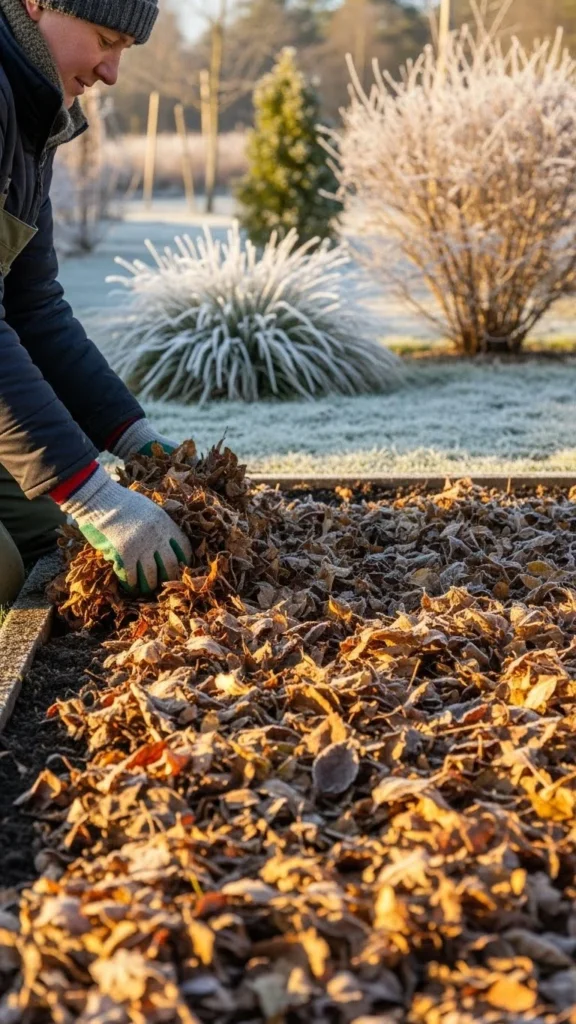
Leaves are one of the easiest winter soil protectors. Shred them with a mower or crush them by hand. Spread them across your beds in a loose layer. Shredded leaves break down faster than whole ones and add helpful organic materials. You can fill large bags in the fall and use them all winter. The soil under the leaves stays soft and workable even when temperatures drop.
15. Use Simple Raised Edges
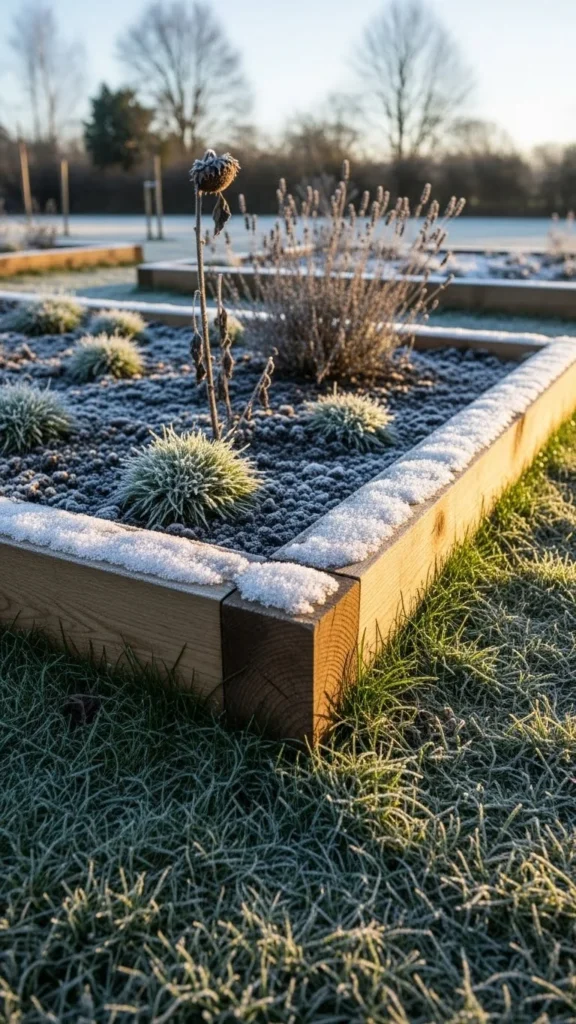
Raised edges help keep winter soil in place. You can build simple borders using leftover wood, stones, or bricks from old projects. Press them gently into the ground to stop soil from washing away in heavy winter rain. This also keeps mulch from spilling into pathways. If you rent your home, choose removable edges so you can reuse them in a new space later.
16. Add Pine Needles for Gentle Acidity
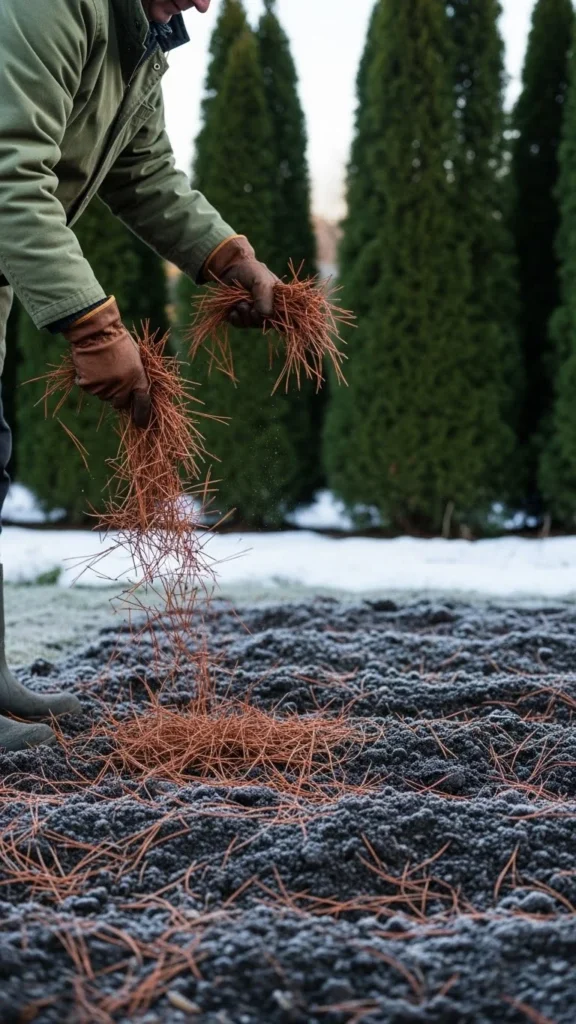
Pine needles add a light acidic touch to soil. They’re ideal for blueberries, hydrangeas, and evergreens. If your yard has pine trees, gather fallen needles into a basket and spread them around your plants. They form a soft, airy layer that helps moisture stay balanced. Needles also break down slowly, which means they protect your soil longer than leaves. This step costs nothing and keeps your beds tidy all winter.
17. Keep Soil Covered With Old Plants
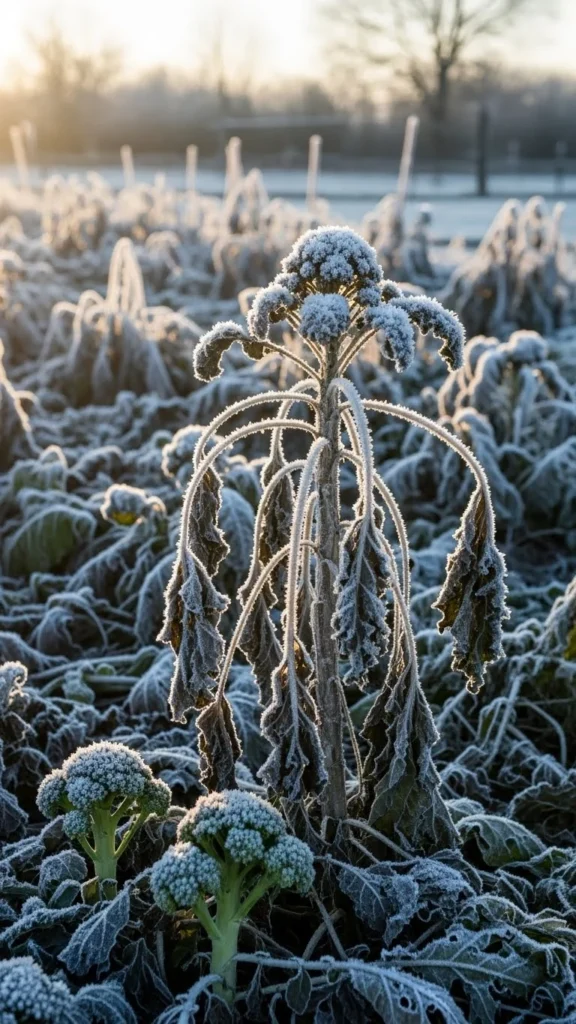
If your garden still has old stems or stalks, leave them in place. They protect the soil from harsh weather and create a natural barrier. Cut tall stems a bit shorter so they don’t fall over. This simple technique adds structure and helps wildlife hide during the colder months. When spring arrives, chop everything into smaller pieces and mix it into the soil. It’s the easiest zero-cost method to care for winter beds.
18. Add a Lightweight Row Cover
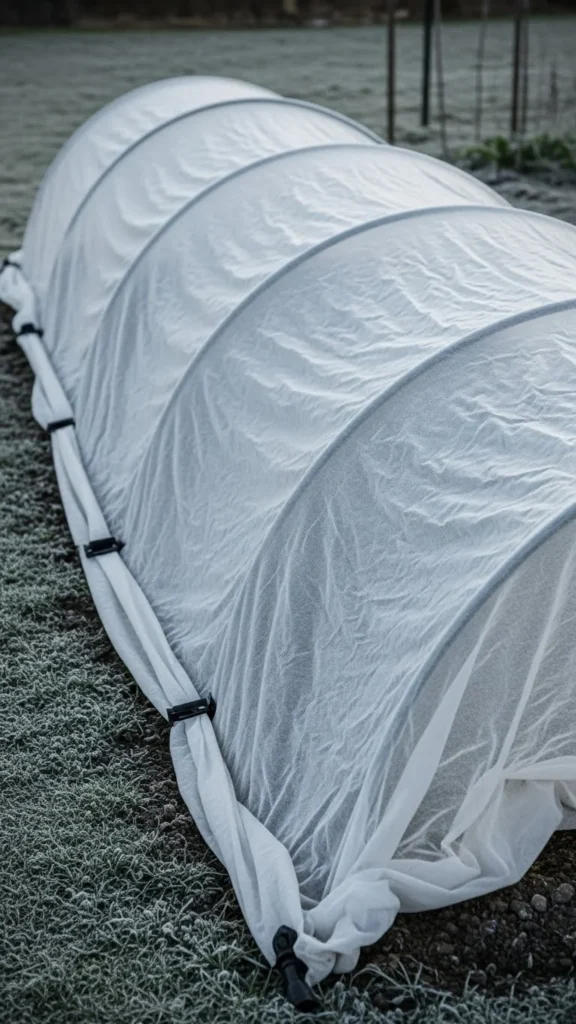
Row covers help soil stay warmer. They also protect tender plants from frost. Choose breathable fabric so moisture doesn’t get trapped underneath. You can build supports using flexible piping or old wire hangers. Drape the cover over the frame and secure it with stones. This helps soil keep a steady temperature and prepares your garden for early spring planting.
19. Keep Soil Moist but Not Wet
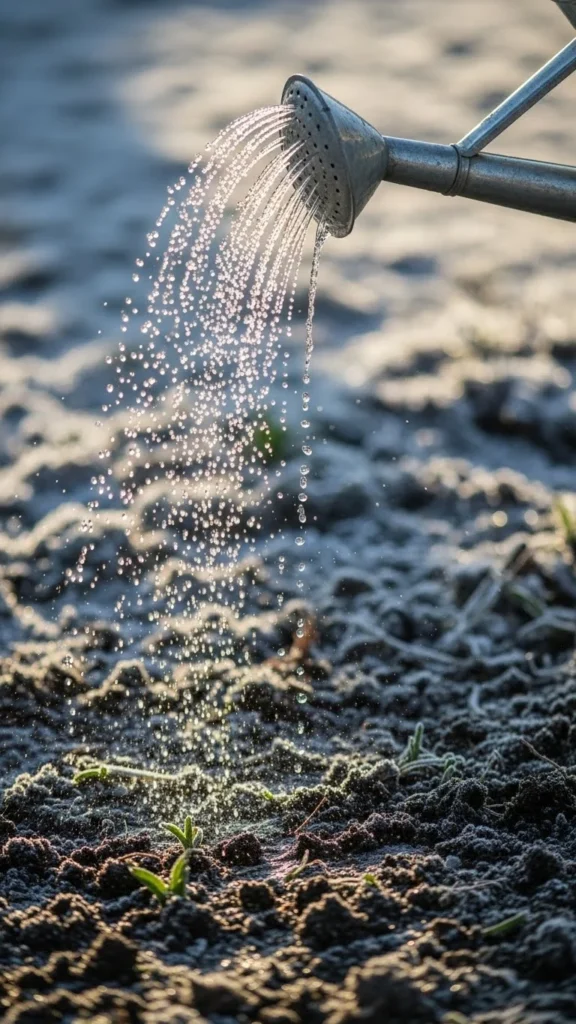
Winter soil dries out faster than many people expect. Check your beds every few weeks. If the ground feels dusty, add a little water. Pour slowly to avoid puddles. Plants need moisture even when they’re dormant. A simple watering schedule keeps soil from becoming brittle and helps life stay active underground. For container gardens, lift the pot slightly—if it feels too light, it’s time to water.
20. Add Simple Stone Walkways

Stepping on wet soil compresses it. Adding a few stepping stones or repurposed bricks helps you move around your winter beds without pressing the ground. Space them wherever you frequently walk. If you’re working on a budget, use old pavers or large flat rocks from your yard. These paths protect your soil and make winter maintenance much easier.
Conclusion
Winter soil care doesn’t have to be complicated or expensive. With a few small steps, you create stronger earth, healthier roots, and easier planting conditions when the weather warms. Start with whatever materials you already have—leaves, compost, mulch, or simple covers—and your spring garden grows with far less effort. Save this list and revisit it every winter to keep your soil in great shape year after year.

Leave a Reply