

When winter rolls in, most gardeners assume their vertical spaces will look bare until spring—but that doesn’t have to be the case. Winter-friendly vines can keep your garden walls, fences, and trellises alive with color and texture even when temperatures drop. These hardy climbers bring structure, greenery, and charm to cold-season landscapes.
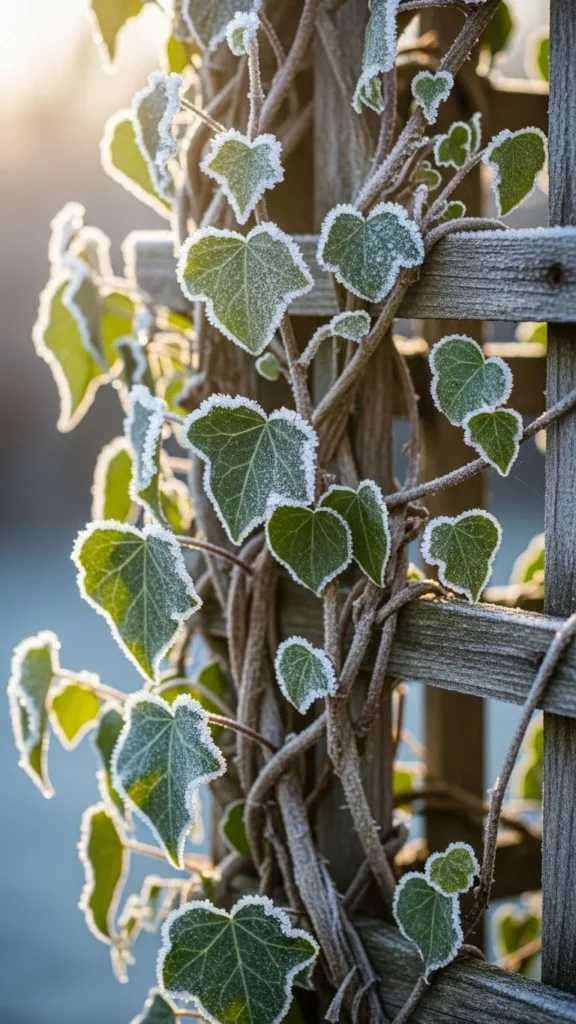
Whether you’re looking for evergreen coverage, berries for color, or vines that simply don’t quit, this guide walks you through choosing the best winter-loving varieties for your space.
Understand What Makes a Vine Winter-Friendly
Not all vines are equipped to handle ice, wind, and freezing temperatures. Before you shop, it helps to know the traits that make certain varieties thrive in winter.
Key characteristics to watch for:
- Evergreen foliage: Keeps walls and trellises covered year-round.
- Cold-hardiness: Survives temperatures in your USDA zone.
- Strong root systems: Essential for frost resistance.
- Slow moisture loss: Plants with waxy or leathery leaves handle dry winter air better.
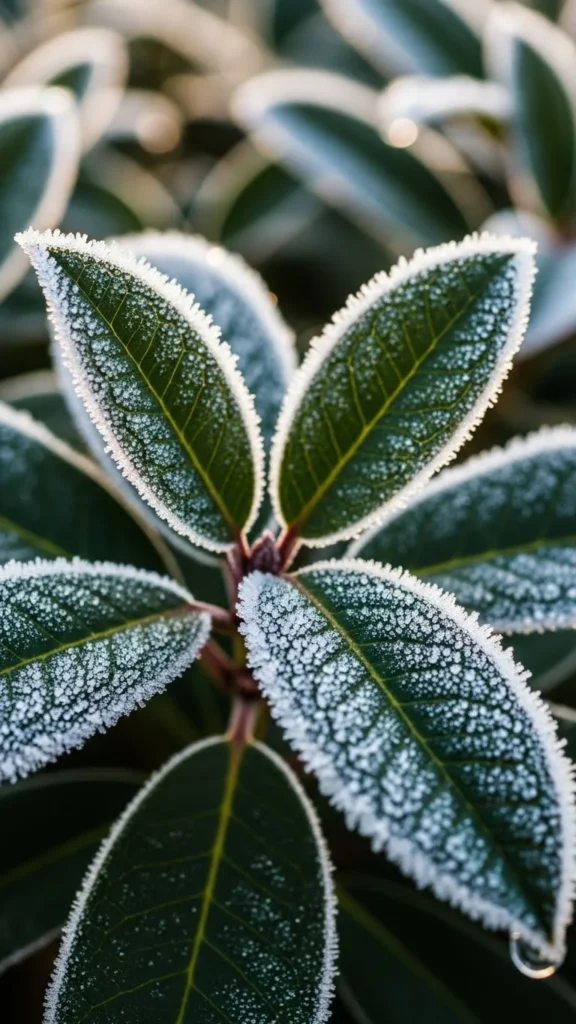
Understanding these traits sets the foundation for choosing vines that will perform well no matter how chilly your season gets.
Match Vines to Your Local Winter Climate
Winter conditions vary widely—from mild, damp weather to harsh snowy seasons. Picking the right vine means choosing one that matches your environment.
Factors to consider:
- Temperature lows in your zone
- Wind exposure around fences and walls
- The amount of winter sun your space receives
- Moisture levels and soil drainage
Examples:
- If you live in a windy region, opt for sturdy climbers with flexible stems.
- If your winters are dry, choose vines with moisture-retaining leaves.
- For snowy climates, pick vines with strong, woody bases.
This step ensures your vine can handle whatever winter throws at it.
Choose the Best Winter-Friendly Vines for Your Garden
Now let’s explore some top-performing vines that stay strong through winter months. Each offers something unique—color, coverage, berries, or bold texture.
1. English Ivy
A classic evergreen that thrives in cold climates. It provides lush coverage, clings easily to walls, and holds its color all winter.
2. Climbing Hydrangea
This vine loses its leaves but remains attractive with its peeling bark and strong structure. It’s perfect for gardeners who want winter texture.
3. Winter Jasmine
Known for producing bright yellow blooms during the cold season. It thrives on trellises and archways.
4. Evergreen Clematis
A hardy clematis variety that keeps its foliage through winter and blooms in early spring.
5. Boston Ivy
Although deciduous, it provides dramatic winter silhouettes with its branching framework.
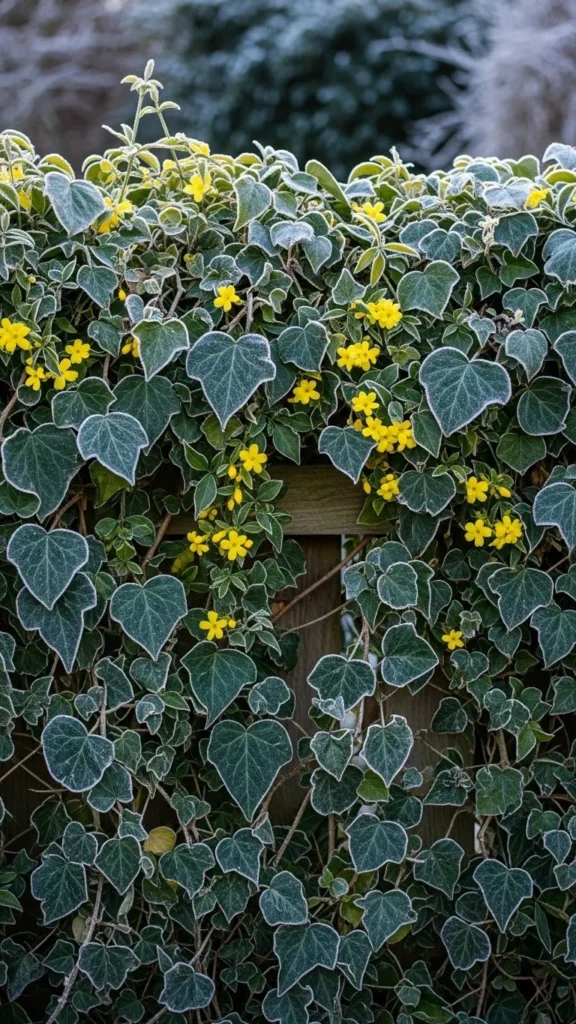
Choose one or mix several for layered winter interest.
Think About Structure and Support
Winter-friendly vines need solid support, especially when snow or heavy frost adds weight. Planning ahead prevents broken stems and sagging structures.
Best supports for winter vines:
- Wooden or metal trellises
- Sturdy pergolas
- Chain-link fences
- Thick vertical wires
- Brick or stone walls
Tips:
- Avoid flimsy plastic supports—they become brittle in low temperatures.
- Install supports before planting to avoid root disturbance later.
- Provide gentle ties to prevent breakage during windy winter storms.
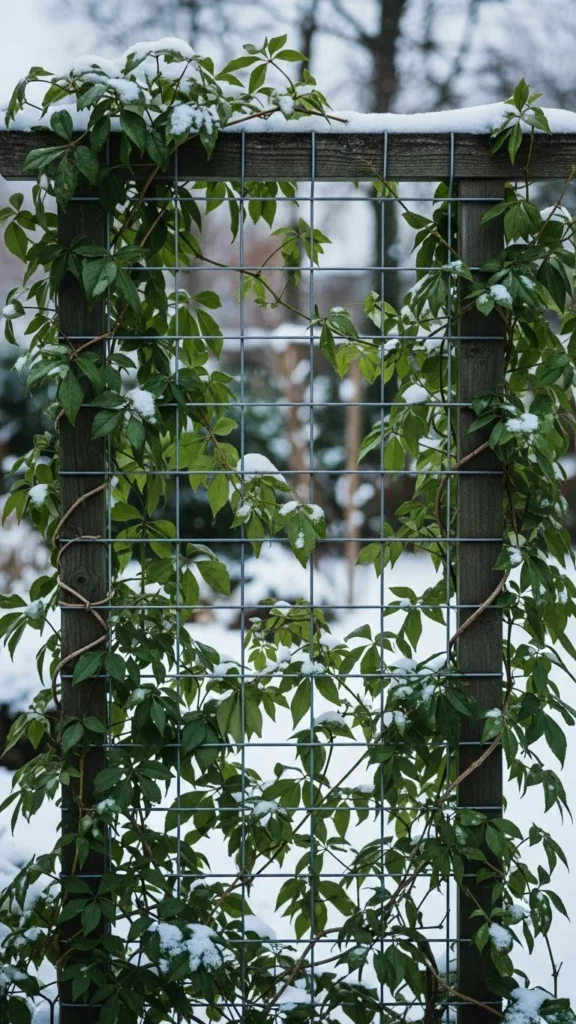
Good support not only improves growth but also helps your vines look neat and intentional.
Plant and Care for Your Vines Before Winter Hits
Even the toughest winter-friendly vine needs proper preparation to thrive in the cold.
Timing matters
Planting in early fall gives roots enough time to settle before temperatures drop.
Steps to prepare vines for winter:
- Add a thick layer of mulch to protect roots.
- Water deeply before the first frost.
- Prune dead or weak stems to prevent breakage.
- Check ties and support structures for stability.
Soil tips
- Choose well-draining soil to prevent root rot.
- Mix in compost for nutrients that support cold-weather growth.
- Avoid overwatering—a common winter mistake.
These small steps help your vine stay strong even after the first freeze.
Maintain Your Vines All Winter Long
The secret to winter success is consistent but minimal maintenance.
Simple tasks to keep them thriving:
- Brush off heavy snow to prevent stem damage.
- Monitor for frost heaving and gently press soil back down if needed.
- Trim any broken stems caused by ice or wind.
- Keep the soil slightly moist during dry spells.
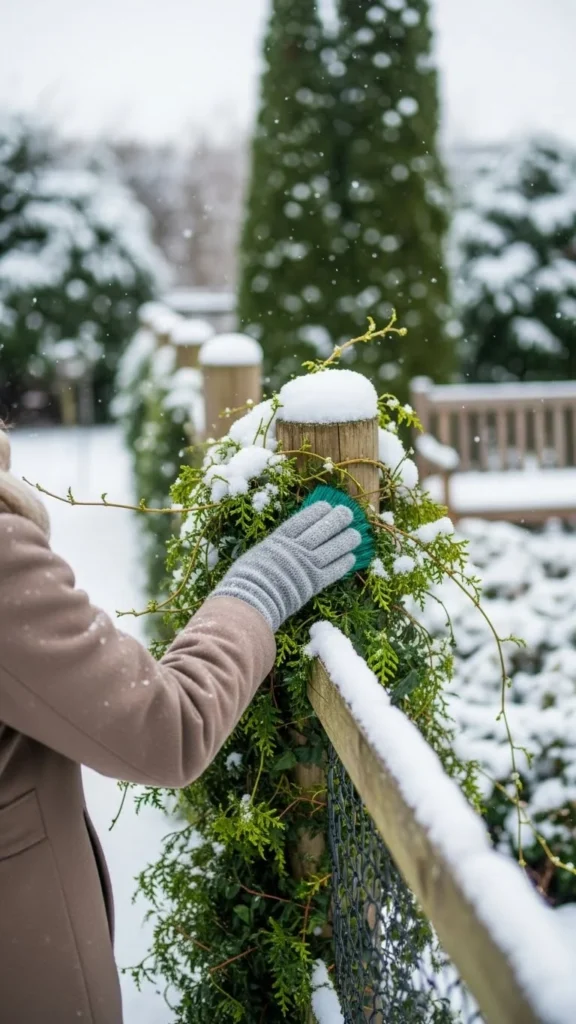
With small weekly checks, your vine will stay vibrant and ready for spring growth.
Final Takeaway
Winter doesn’t have to be dull. With the right vines, your garden can stay full of life, texture, and color—even in the coldest months. By choosing varieties that thrive in winter, matching them to your climate, and giving them the support they need, you’ll enjoy a garden that looks beautiful all year long.
Save this guide for later and keep your garden green—even in winter!

Leave a Reply