

If you want a winter garden that stays alive, colorful, and full of personality—even under layers of frost—snow-resistant groundcovers are your secret weapon. These low-growing plants create a lush carpet that survives freezing temperatures, protects the soil, and keeps your outdoor space looking vibrant when everything else turns bare.
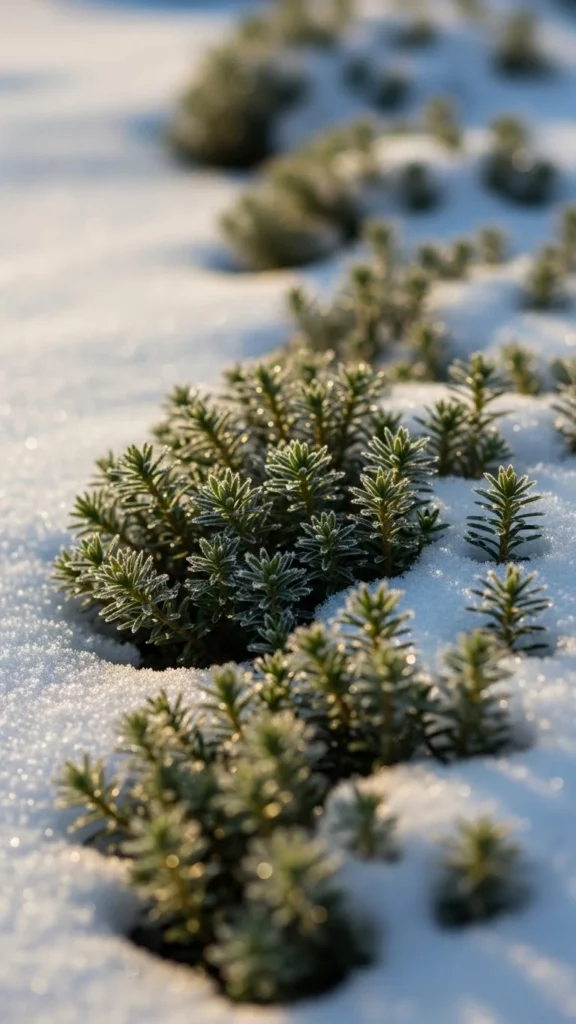
Whether you’re working with a small urban garden, a wide backyard, or a front walkway that needs extra charm, winter-hardy groundcovers are reliable, budget-friendly, and simple to maintain. Let’s explore how to grow them successfully for year-round beauty.
Choose the Right Snow-Resistant Groundcovers
Not all groundcovers can survive winter, so selecting the right varieties is the first step. Look for plants known for their cold tolerance, evergreen foliage, and spreading habit.
Here are a few excellent picks:
- Creeping thyme
- Creeping juniper
- Wintergreen
- Snow-in-summer
- Ajuga
- Moss phlox
Each one brings its own color, texture, and seasonal interest.
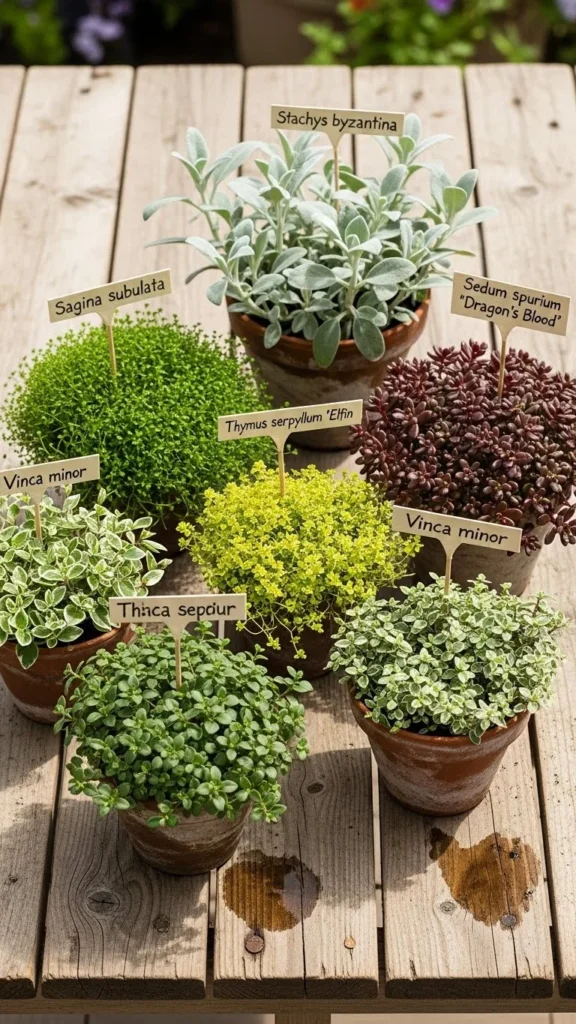
Tips for Choosing:
- Pick varieties suited to your climate zone.
- Choose evergreen types for reliable winter color.
- Mix textures (like soft mossy coverage with bold leafy spreads) for a layered look.
- For slopes, choose spreading plants with strong root systems.
Prepare the Soil Before Planting
Healthy soil is the foundation for winter-tough plants. Snow-resistant groundcovers prefer well-drained soil that doesn’t stay soggy, especially when snow melts.
How to Get Your Soil Ready:
- Loosen the top 6–8 inches before planting.
- Add compost to boost nutrients.
- Mix in coarse sand or fine gravel if your soil stays wet.
- Remove weeds so your groundcovers aren’t competing for space.
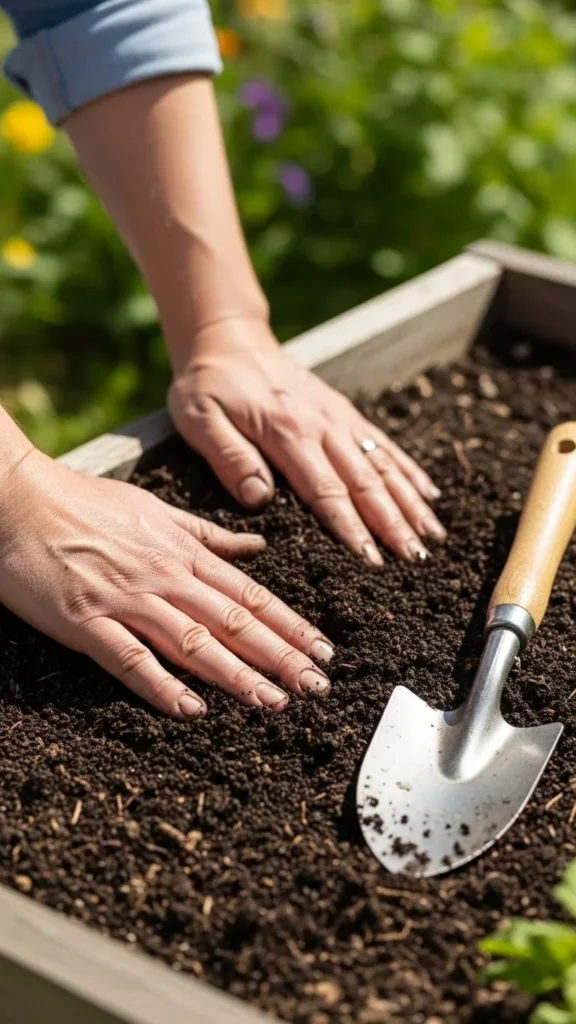
A well-prepared soil bed gives your plants the strength to develop root systems that can handle winter freeze-thaw cycles.
Plant at the Right Time
The best time to plant snow-resistant groundcovers is early fall or mid-spring. This gives their roots enough time to settle before harsh temperatures arrive.
Planting Steps:
- Dig holes slightly larger than the root ball.
- Space plants according to their spread—usually 12–18 inches apart.
- Water deeply after planting.
- Mulch lightly around the base (but not on top of the plant).
Fall planting often leads to stronger winter survival because cool weather encourages slow, steady root growth.
Water Wisely During Cold Weather
Groundcovers don’t need much water in winter, but they do need moisture before the soil freezes. Dry plants are more likely to get damaged by winter winds and frost.
Watering Tips:
- Give them a good soak before the first hard freeze.
- Water only on dry winter days when temperatures are above freezing.
- Avoid overwatering—wet soil freezes solid and damages roots.
Deep initial watering helps the groundcovers pull through the cold season with less stress.
Protect Your Plants from Frost Damage
Even snow-resistant groundcovers appreciate a little extra protection during extreme weather. Thankfully, you don’t need anything fancy.
Easy Protection Ideas:
- Add a thin mulch layer in late fall.
- Use burlap or breathable fabric if temperatures suddenly drop.
- Avoid heavy mulching that traps too much moisture.
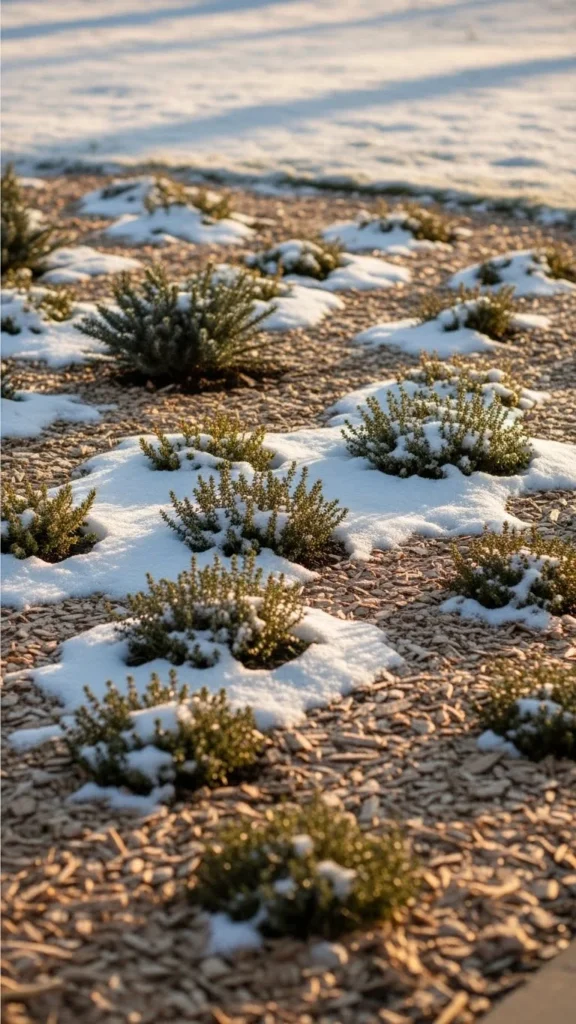
Mulching keeps roots insulated and prevents soil from freezing too quickly.
Prune and Maintain for Winter Health
Maintenance is minimal, which makes these plants perfect for busy gardeners. A little care goes a long way in keeping them healthy all season.
What to Do:
- Trim dead or damaged stems in early fall.
- Remove fallen leaves that may smother plants.
- Check occasionally for ice buildup.
- In spring, prune lightly to encourage fresh growth.
The cleaner and more open the plant, the better it handles winter moisture and snow pressure.
Combine Groundcovers for Maximum Winter Interest
To create a visually stunning winter landscape, mix several types of snow-resistant groundcovers. This adds variety and prevents your winter garden from feeling flat.
Try combining:
- Evergreen mats like creeping juniper
- Colorful foliage like ajuga
- Flowering spreaders like snow-in-summer
- Fragrant herbs like creeping thyme
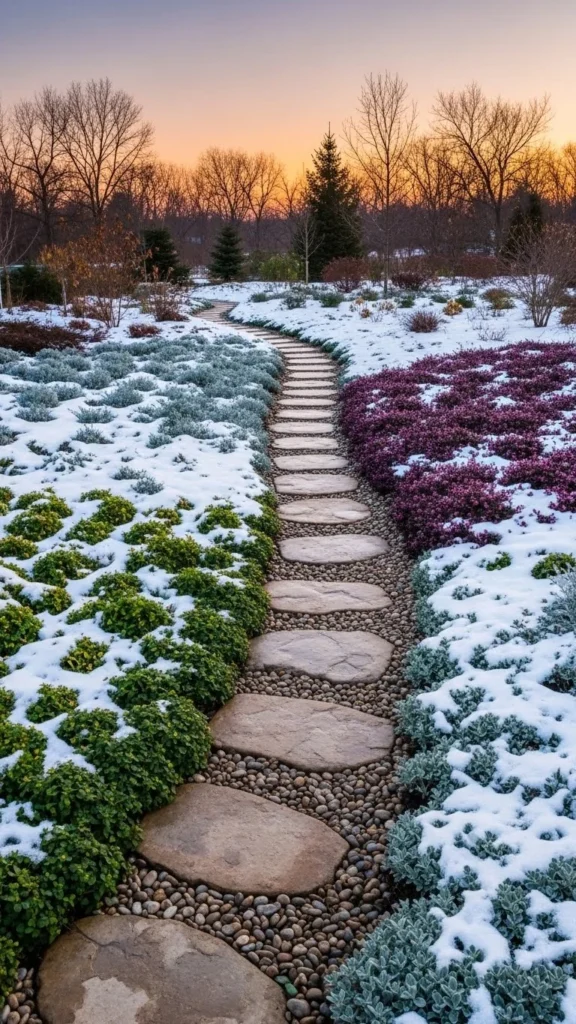
Mixing varieties offers texture, color, and shape—even in deep winter.
Conclusion
Snow-resistant groundcovers make it easy to keep your garden green, charming, and full of life all winter long. With the right soil, smart planting, and a bit of seasonal care, these low-growing heroes thrive in cold weather and give your outdoor spaces the year-round glow they deserve.
Save this guide for later and start planning your winter-proof garden today!

Leave a Reply