

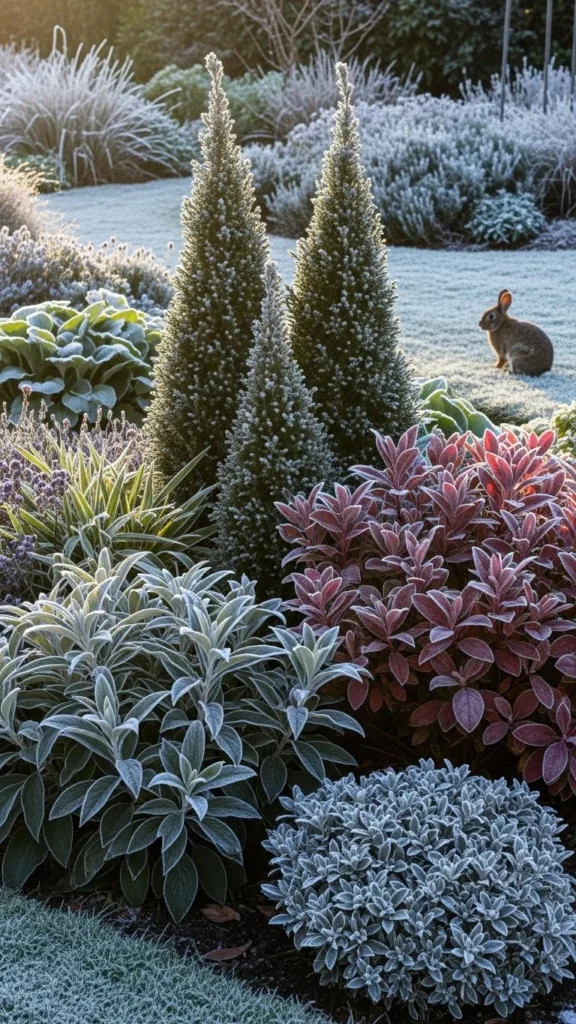
Winter can be tough on gardens, and hungry rabbits often make things even harder. The good news is that many cold-season plants naturally discourage nibbling. Their scent, texture, or structure keeps wildlife away while bringing color and shape to your yard. This list gives you practical ideas you can plant without fear. Each option works for tight budgets and simple weekend projects, so you can enjoy a calm, rabbit-safe garden all winter long.
1. Lavender
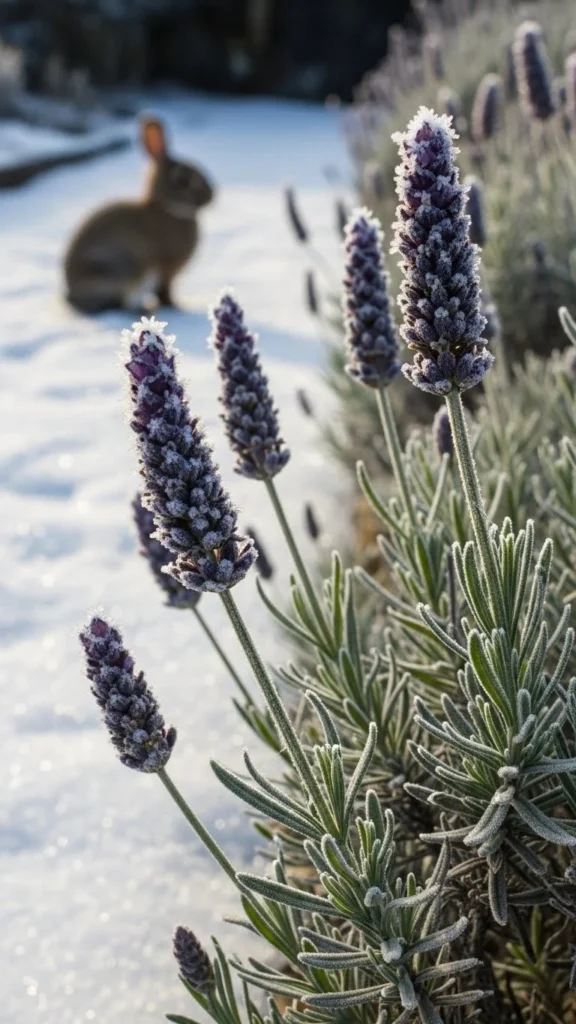
Lavender keeps rabbits away because its bold aroma is no friend to their sensitive noses. It also handles winter surprisingly well in many regions when planted in well-draining soil. Add it along walkways or beside a front porch. The structure stays tidy even in cold months. Plant a small bundle from a nursery. Pick a sunny spot with gravel mixed into the soil. Water lightly. Once established, it rarely asks for anything. Use leftover stems for simple sachets at home. Trimming it in late summer helps it hold shape through snowy weeks. Lavender fits into small yards, raised beds, or containers. It also pairs well with low-growing evergreens. For extra savings, divide older plants in spring and use the cuttings to fill gaps in winter borders.
2. Rosemary
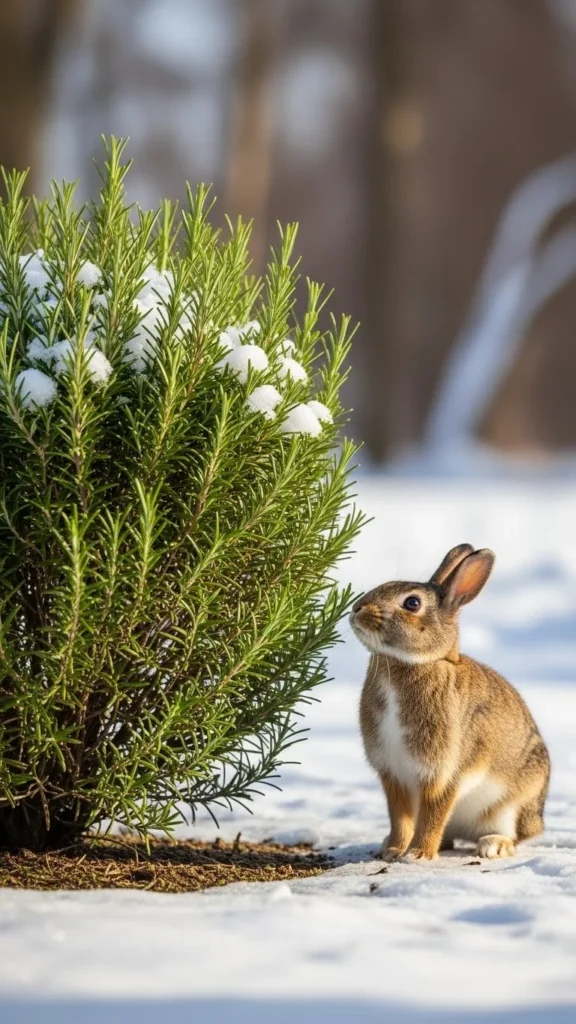
Rosemary grows upright, smells strong, and stands firm through chilly months in many climates. Rabbits avoid the sharp fragrance and the needle-like texture. You can plant it near entryways or around vegetable beds to create a natural barrier. Keep soil sandy or gritty to help it survive winter moisture. Start with a small pot from a garden center. Place it in a sunny spot close to your door so you can reach it easily. Give it a shallow watering now and then. Trim in early fall to shape it for the colder season. If you live in a very cold zone, tuck the plant against a warm wall for extra shelter. Rosemary fits well in simple DIY planters. Repurpose an old bucket or wooden crate by drilling drainage holes and filling it with gravel and soil. This approach keeps costs down and lets you move plants when temperatures drop.
3. Siberian Iris
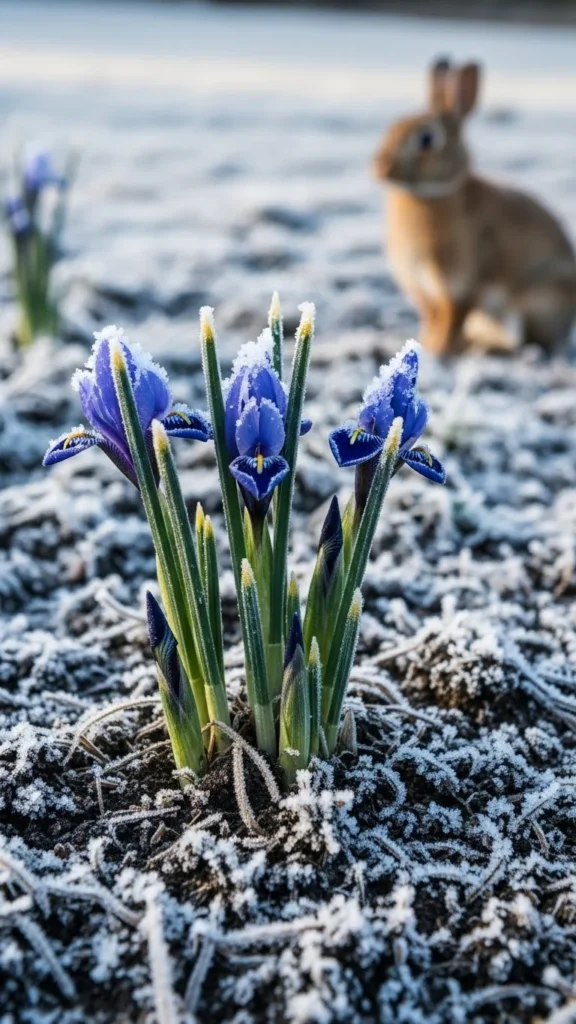
Siberian iris holds steady through harsh winter weather and remains untouched by rabbits. Its growth habit is clean and narrow, perfect for small spaces or side yards. The foliage dies back but returns stronger in spring without special care. Plant rhizomes in early fall if possible. Choose a sunny or lightly shaded area. Add compost, but keep the soil from getting soggy. This plant handles cold far better than most flowering varieties. For budget planting, divide mature clumps every few years and spread them across your winter beds. You can create a simple border by lining several in a row near a fence. When snow melts, their shoots return quickly, giving you color before many other plants wake up. They pair well with ornamental grasses and evergreen shrubs, creating structure through winter’s dull patches.
4. Lamb’s Ear
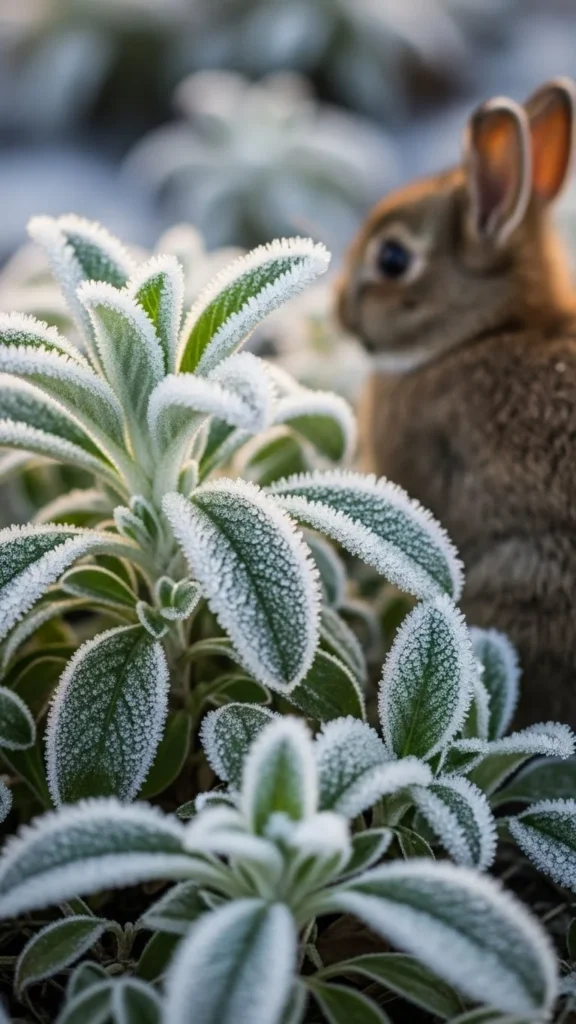
Lamb’s Ear has a soft look but a strong ability to discourage hungry rabbits. The fuzzy leaves do not appeal to them. It spreads gently, making it a reliable groundcover for cold months. Start with a few small pots to save money. Place them in a sunny patch, then water sparingly. Add stones around the base to prevent wet soil during winter. The plant holds shape under frost and gives your yard a calm, silvery tone. Use it to fill empty corners or soften the edge of a walkway. If you want a quick project, break off a stem in spring and replant it in a new spot. It roots easily, letting you create a larger rabbit-resistant area without spending much. Lamb’s Ear also complements tall shrubs, giving a layered winter look.
5. Boxwood
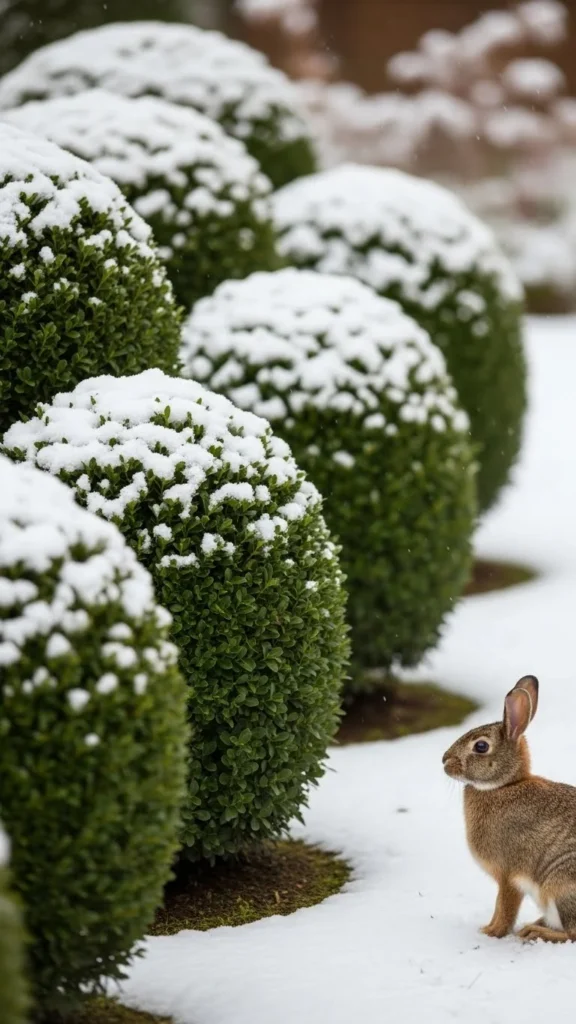
Boxwood shrubs bring structure to winter gardens and stay safe from rabbit snacking. Their dense leaves and leathery texture make them unappealing. They stay green all year, giving your yard a polished look even during heavy snow. Add small boxwood spheres along a front walkway for a neat row. They grow slowly, which helps you control their size. For a money-saving option, buy younger shrubs and let them mature naturally over a few seasons. Give them partial sun and well-draining soil. Water lightly during dry spells. You can shape them with hand clippers in late summer. They also work well in containers for porches or patios. Pair them with white gravel or stone for a simple winter-friendly vignette.
6. Juniper
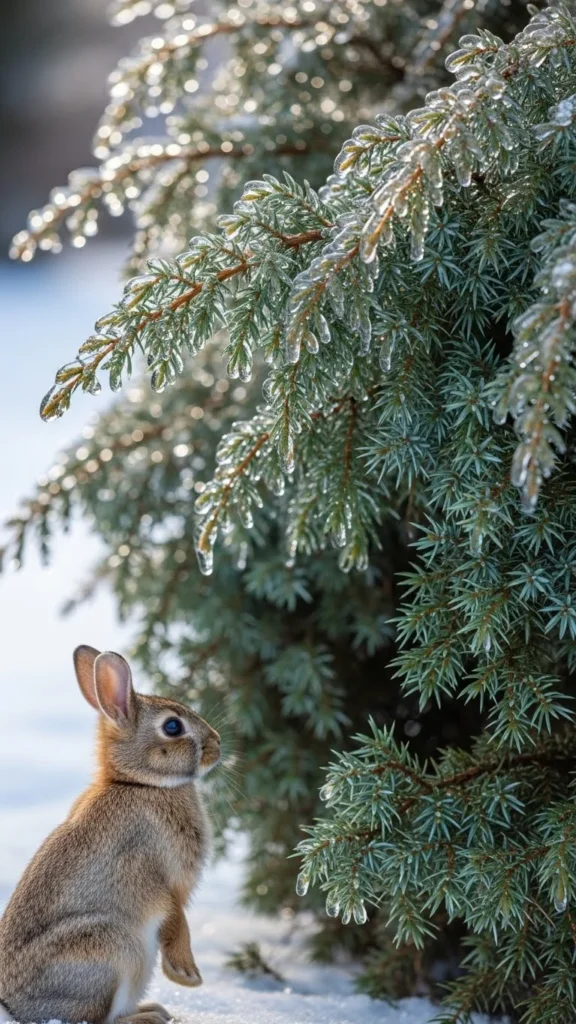
Juniper shrubs offer year-round color and keep rabbits away with their tough, sharp needles. They grow in many shapes, from low, spreading carpets to tall, narrow columns. You can use them to anchor winter beds or cover bare slopes. To save on cost, pick smaller starter plants. They fill in over time and require almost no care. Place them in sunny spots with dry soil. Add decorative stones around the base to prevent soggy conditions. A single juniper can frame a mailbox or driveway. You can create a simple privacy corner by planting three in a curved line. Their textured branches catch frost beautifully, giving your winter yard a polished look without constant maintenance.
7. Hellebore (Lenten Rose)
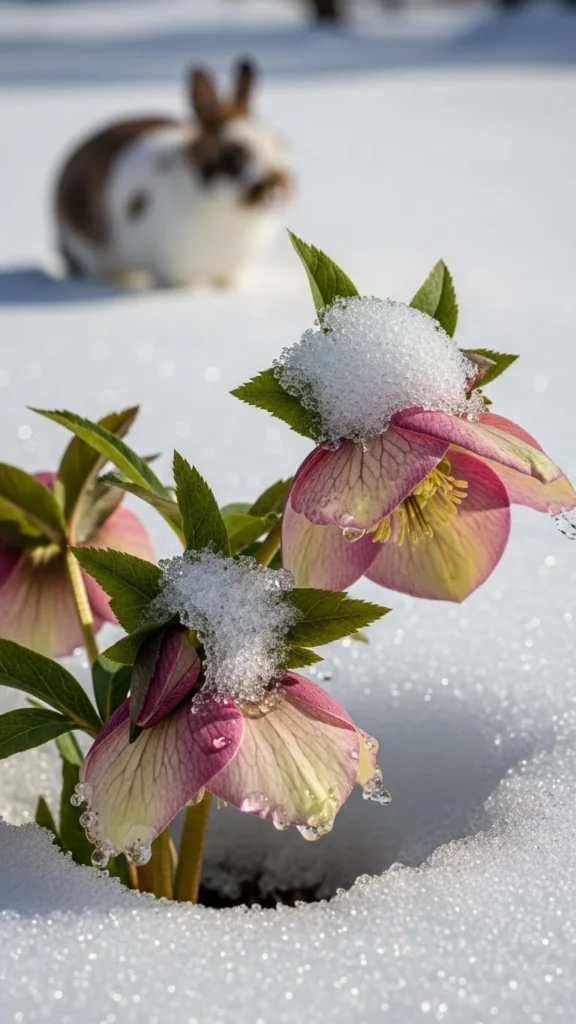
Hellebores bring winter color when many plants hide underground. Their blooms appear early, often when snow is still on the ground. Rabbits leave them alone because the leaves are tough and not tasty. Plant them under trees or along shady paths. They thrive in rich, loose soil and hold up through cold nights. Buy a starter plant rather than seeds for faster growth. Add mulch in fall to keep soil steady. Their nodding flowers brighten dull winter days. For a simple DIY touch, plant hellebores in mismatched ceramic pots to create a charming cluster near your porch. You can divide older plants in spring to spread them across your yard without paying extra.
8. Holly
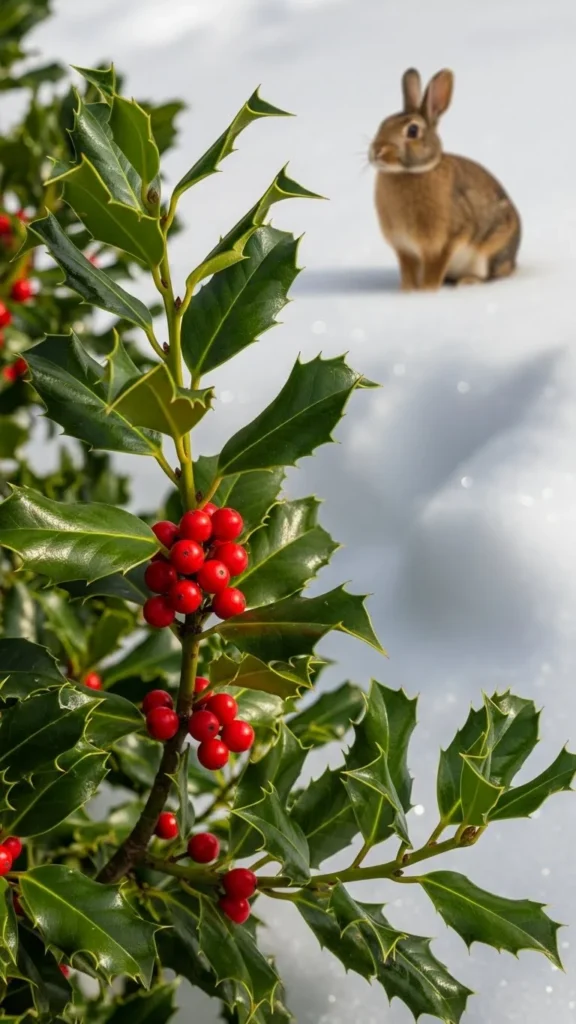
Holly shrubs stand tall in winter with shiny leaves and cheerful berries. Their prickly edges help keep rabbits away. Use them to frame an entryway or create a natural screen. They keep their color all year, bringing brightness to snowy days. Start with a small pot to lower costs. Plant in partial sun and loosen soil before planting. Water regularly during the first season. Once settled, they handle cold with ease. To decorate on a budget, cut a few branches in winter and place them in a simple vase by your front door. Avoid trimming too much, as slow shaping helps them stay balanced. Holly works well with stone borders and winter grasses.
9. Wintergreen
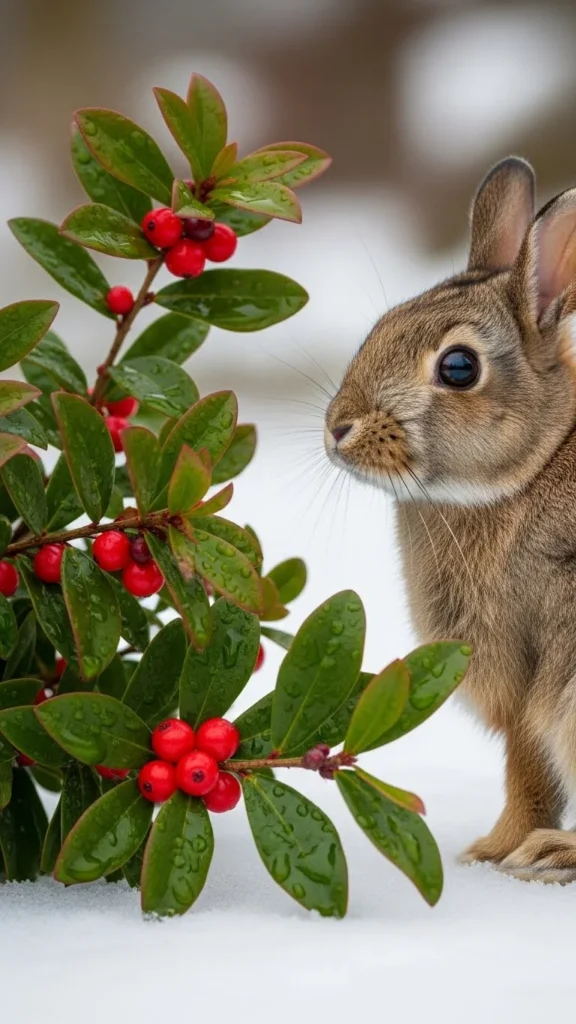
Wintergreen brings color, glossy texture, and a scent that rabbits ignore. This small shrub spreads gently, making it ideal for groundcover in cold months. It handles shade well, so you can plant it under pines or tall shrubs. Buy one or two small pots and let them fill in naturally to save money. Add pine needles as mulch for a simple, no-cost finishing touch. Water occasionally until established. Wintergreen keeps its deep green leaves even in freezing weather. Berries add charm through winter. Create a small woodland corner by pairing it with ferns and mossy stones. It works beautifully beside walkways too, offering color when most plants turn brown.
10. Bergenia
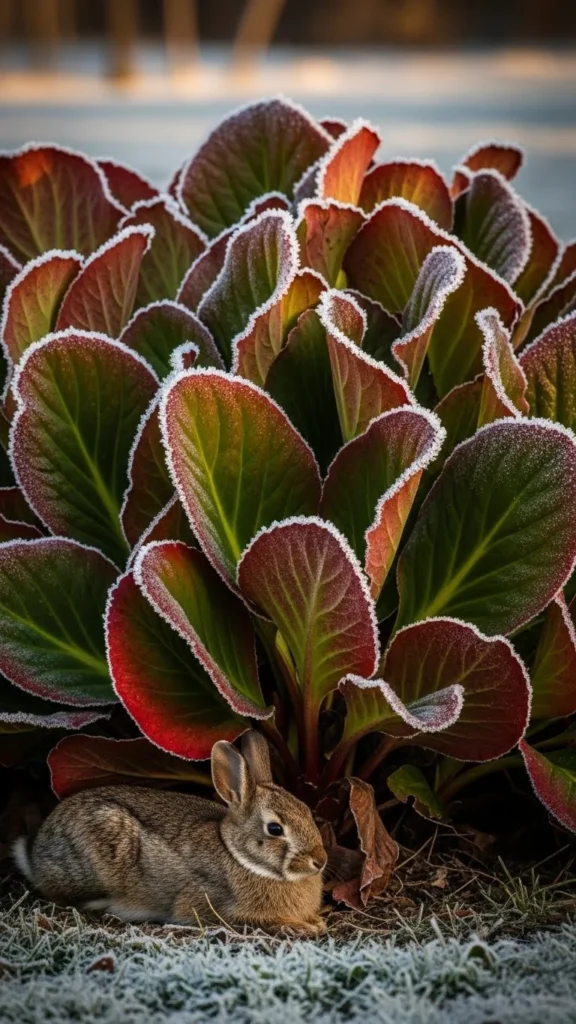
Bergenia holds up through frost and stays untouched by rabbits thanks to its thick leaves. It spreads slowly and offers winter interest even when blooms fade. Place it along driveways, front stoops, or the base of larger shrubs. Buy younger plants for a cheaper start. Plant in sun or partial shade. Water lightly and add compost once a year. In cold weather, the leaves shift to red or purple tones, giving your garden a bold winter accent. Try planting a row of bergenia beside stone pavers for strong visual contrast. If you want to fill a space quickly, divide a mature plant in spring and replant the sections around your yard. It thrives with minimal input.
11. Heather
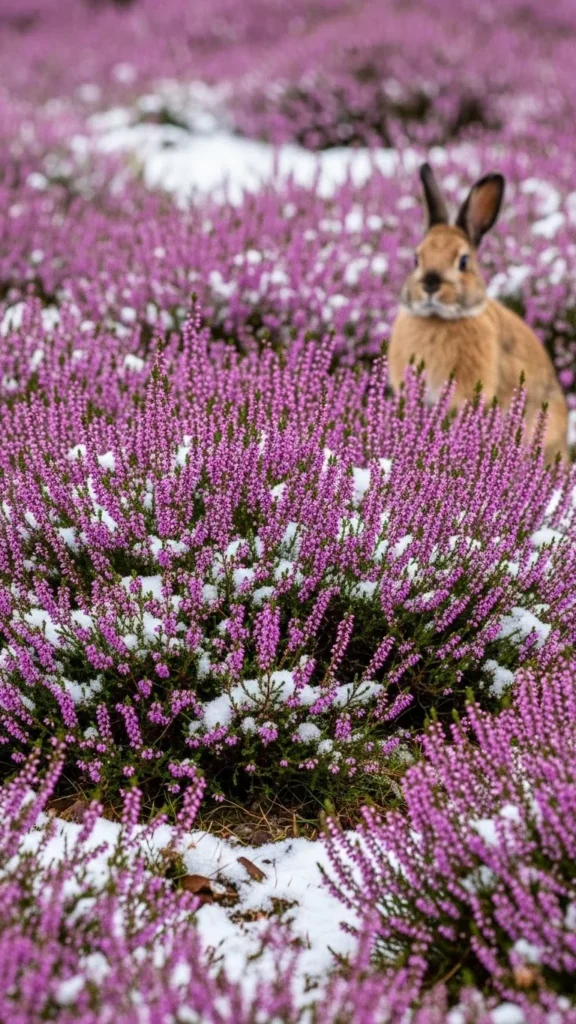
Heather adds soft color when winter feels dull. Rabbits stay away thanks to its scent and wiry texture. Plant it along slopes or near rock features. It enjoys full sun and thrives in lean, sandy soil. Pick a few small pots for a budget-friendly start and plant them in clusters for a fuller look. Keep watering light. Heather often blooms through winter, offering welcome color during gray days. Use it to create a small winter border around a mailbox or walkway. If you enjoy DIY garden touches, tuck small stones around the base to highlight its shape. Trim lightly after blooming to keep it tidy.
12. Catmint
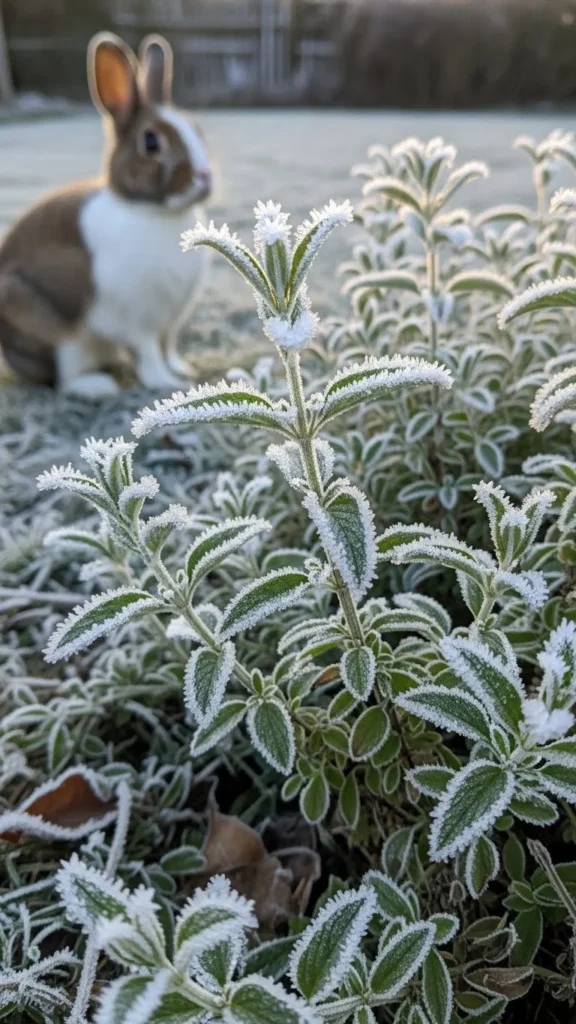
Catmint grows fast, handles cold, and keeps rabbits away because of its strong scent. It spreads nicely, filling gaps without fuss. Plant it along pathways or near fences. Buy a single pot and divide it into smaller clumps for cost savings. Place it in sun and avoid heavy watering. Catmint holds structure through winter, even when frost settles on the stems. Pair it with stone accents for a tidy look. For a simple project, trim dried stems and bundle them with twine for rustic decor. In spring, it returns quickly and provides color while keeping rabbits from nibbling other nearby plants.
13. Yarrow
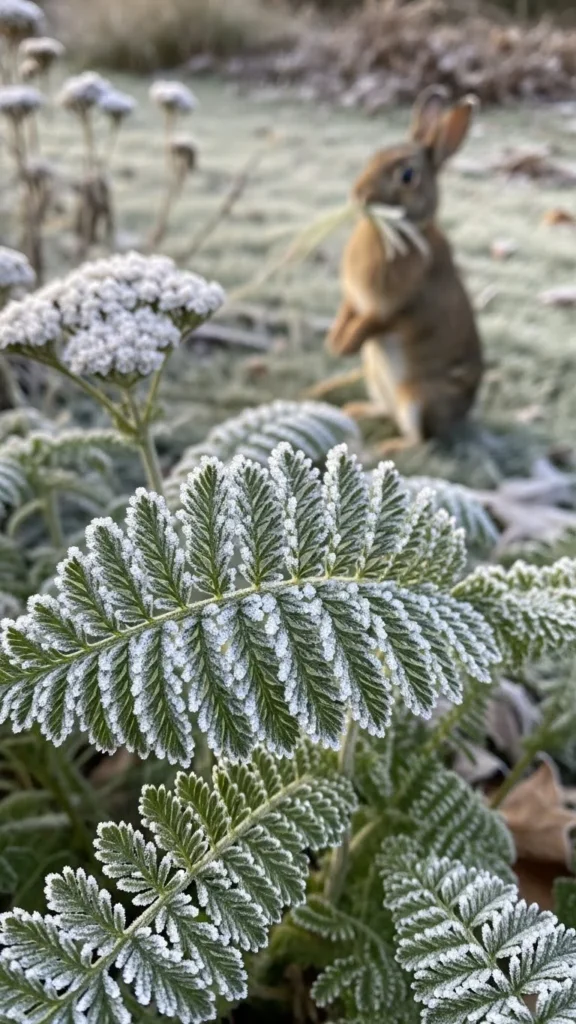
Yarrow’s strong scent and feathery texture keep rabbits away. The plant stays low and hardy through cold months. You can place it in dry, sunny spots where other plants struggle. Start with a few inexpensive plugs. They spread nicely over time, covering bare patches. Add gravel mulch to keep things tidy and help it survive winter moisture. Yarrow blends well with grasses and low shrubs. If you want quick savings, divide established clumps in spring. You can replant the pieces around beds or along stone borders. The foliage keeps interest through winter, and new blooms return each year without much care.
14. Salvia
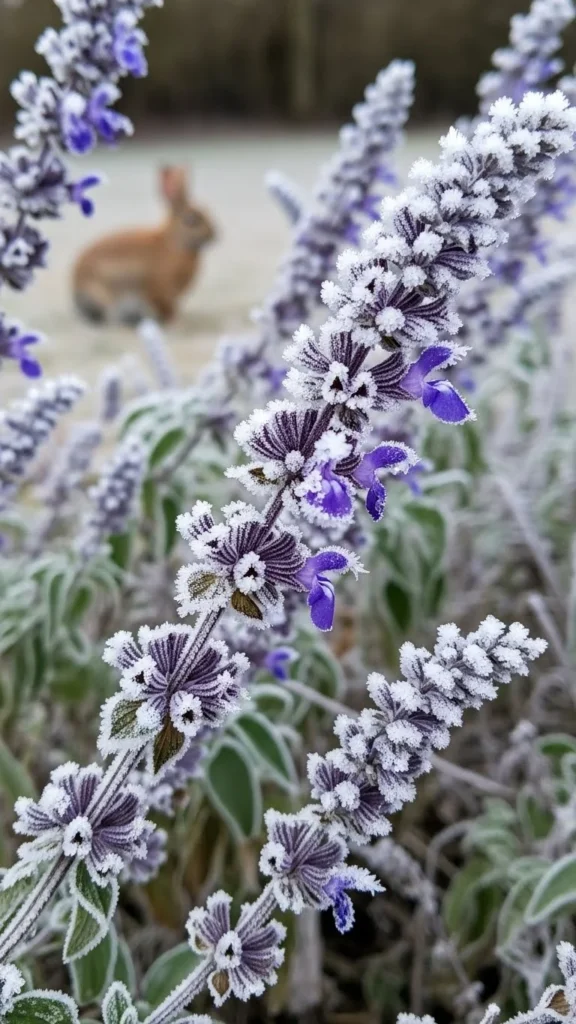
Salvia stands up to cold weather and stays safe from rabbits thanks to its scented foliage. Plant it in sunny spaces where you need height and structure. It grows fast from small nursery pots, which keeps costs down. Place it in well-drained soil and water lightly. The dried stems offer winter texture, especially when dusted with snow. You can bundle a few stems and use them in simple winter arrangements. For garden design, line several salvias along a fence or patio. Trim them in late winter to prepare for spring growth. Their aroma helps protect nearby plants as well.
15. Dusty Miller
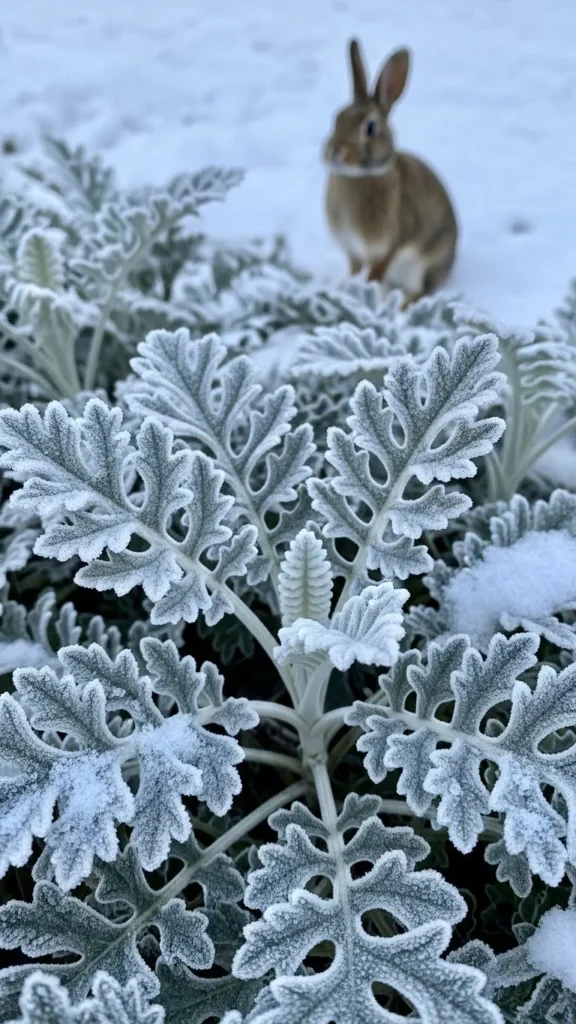
Dusty Miller shines in winter with its silver leaves and bold texture. Rabbits avoid its fuzzy, tough surface. Plant it in borders, porch planters, or along pathways. A single pack of seedlings can fill a large bed. Space them out and let them grow naturally. They handle frost well and remain attractive even when temperatures fall. Use them to brighten darker corners of your yard. Add a few small stones or wood chips around the base for contrast and a clean look. They require only light watering and occasional trimming. Dusty Miller pairs nicely with evergreens and holly, giving a balanced winter display.
16. Sedum
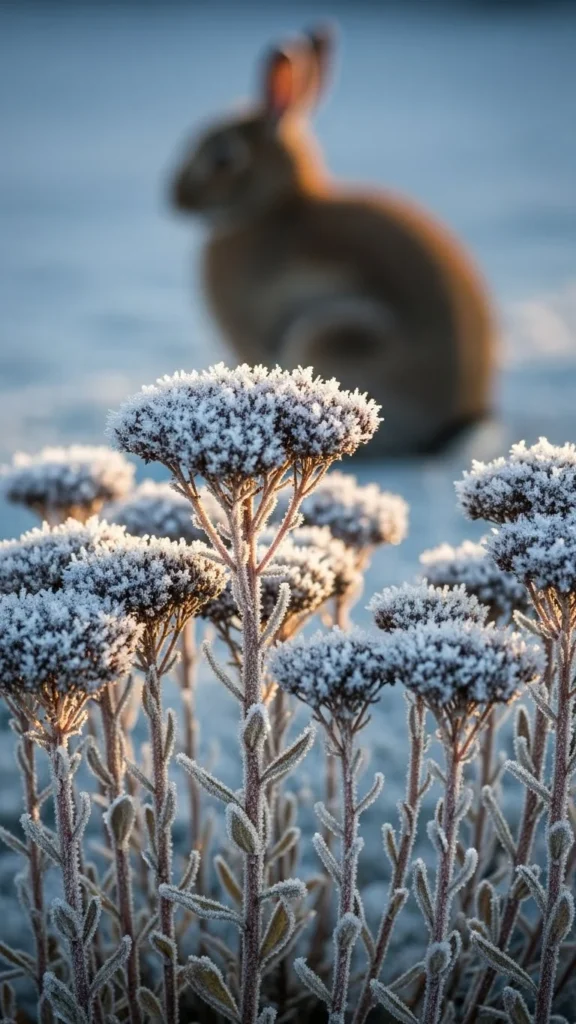
Sedum holds shape through winter and stays untouched by rabbits. The stems dry into interesting shapes that stand tall in snow. Plant sedum in sunny, dry spots. It loves poor soil, so you can use areas where other plants struggle. Buy smaller pots to save money or trade cuttings with friends. Sedum spreads easily. Create a winter display by planting several varieties together for mixed height and color. Add gravel around the base for better drainage. Sedum is also ideal for container gardens. Use an old metal tub or wooden crate with drilled holes for a simple DIY planter. It needs very little care and returns each year without fuss.
17. Foxglove
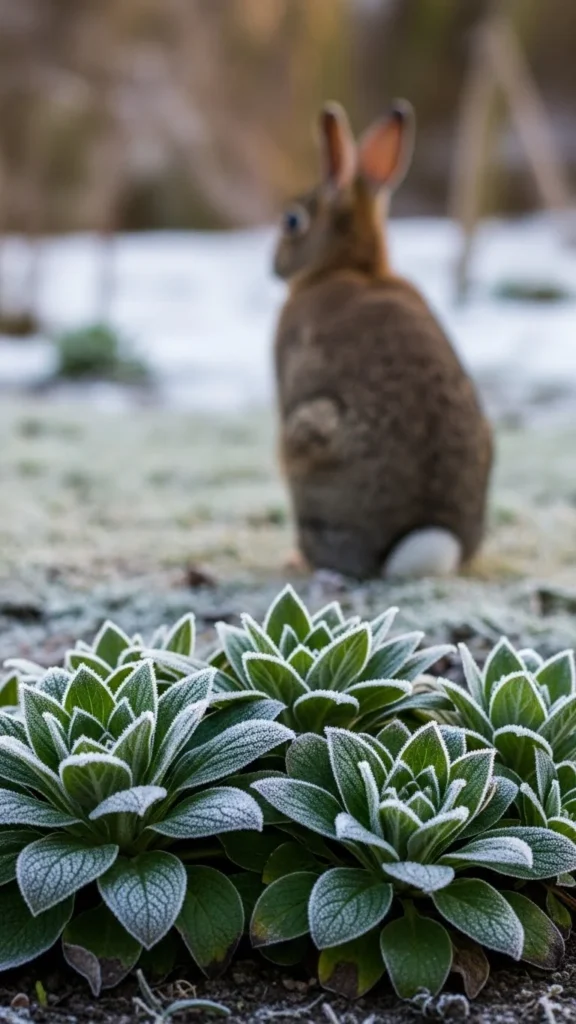
Foxglove’s bitter-tasting leaves keep rabbits away. It stays green at the base through cold months. Plant it near fences, sheds, or as a mid-height anchor in your beds. Start from a small pot or a tray of young plants. They grow strong by spring and send up tall flower spikes in early summer. Add compost when planting, then let the soil stay slightly dry in winter. For a budget project, collect seeds from spent flowers and sprinkle them in bare areas. They often sprout the next season without any effort. Foxglove pairs well with ferns and hostas, giving depth and structure when snow arrives.
18. Peony
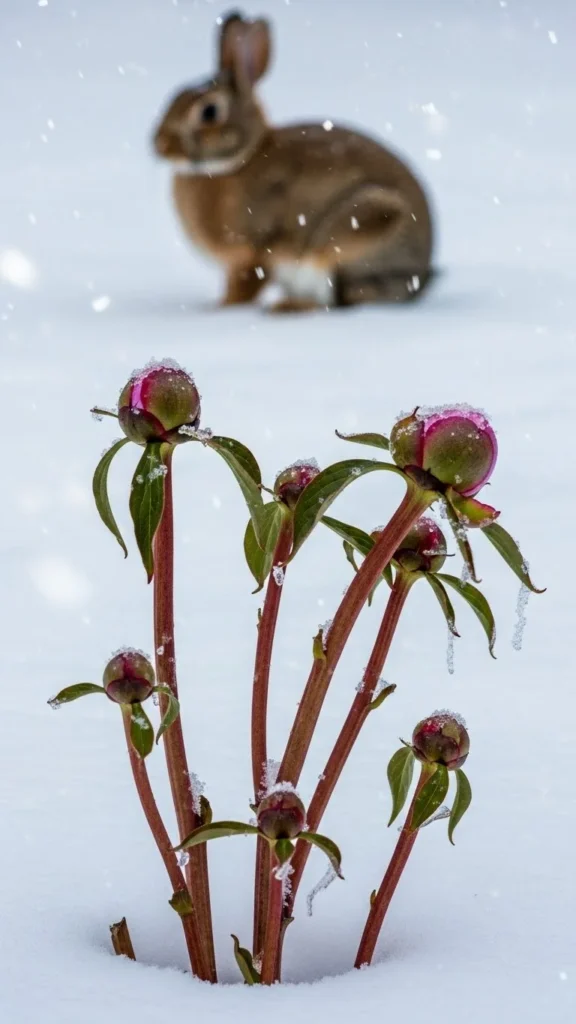
Peonies return every year, stay tough through winter, and do not attract rabbits. Their stems die back in fall, but the roots stay strong underground. Plant them in sunny areas with well-draining soil. Dig a deep hole and mix in compost. This single step helps them thrive long-term. Buy smaller root divisions to save money. Peonies take time to mature, but they offer reliable winter structure and strong spring growth. Mark their spot with a simple stone or recycled stick so you don’t disturb them during winter chores. In spring, shoots appear early, giving your yard color and shape before many plants wake up. They need little care once settled.
19. Thyme
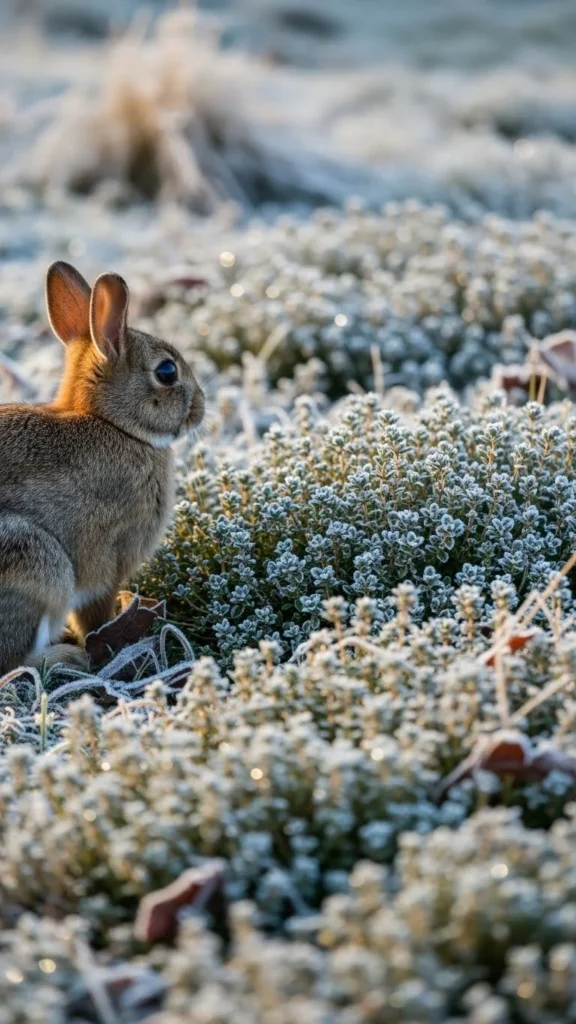
Thyme spreads low and dense, offering a soft carpet that rabbits ignore due to its strong scent. It handles winter well, especially in dry soil. Plant it between stepping stones or along walkways. A single tray of small plugs can cover a wide area. Add sand or gravel under the soil for better drainage. Water lightly. For a simple DIY idea, plant thyme in an old terracotta pot and let it spill over the edges. It stays green in many winter climates and returns quickly in spring. Trim lightly in early summer to encourage new growth. Thyme creates a natural barrier that helps protect nearby plants too.
20. Oregon Grape
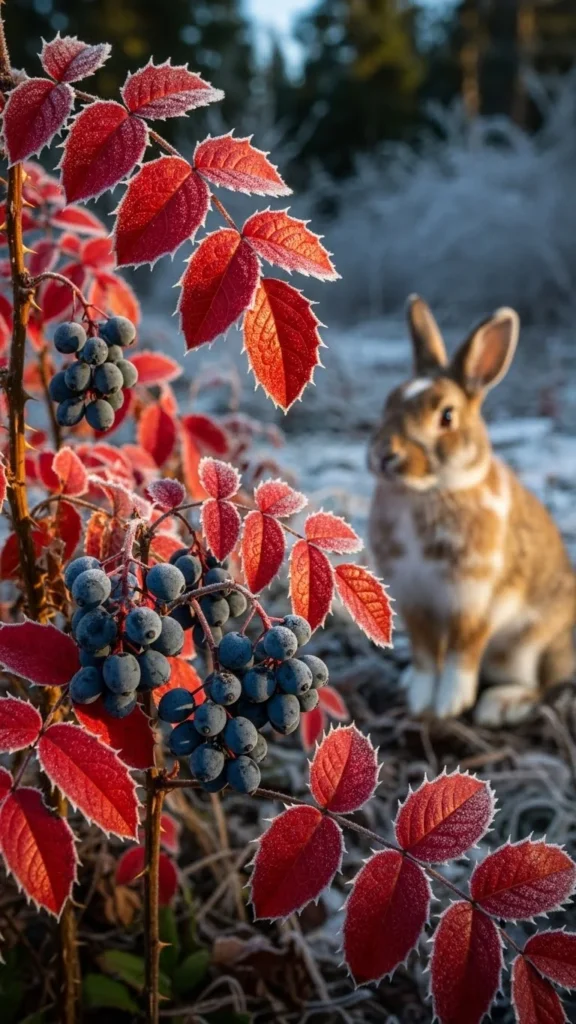
Oregon grape forms sturdy clumps with leathery leaves that rabbits avoid. It holds color through winter and often shifts to bright red or bronze tones in cold weather. Plant it under trees or along shady borders. It handles poor soil well, so you don’t need special amendments. Start with a small shrub and let it grow naturally. Add fallen leaves as mulch for a no-cost way to protect the roots. Oregon grape berries add charm during winter. Arrange three shrubs in a triangle for a fuller look. It works well beside stone walls, giving structure to winter yards. Little care is needed once established.
21. Barberry
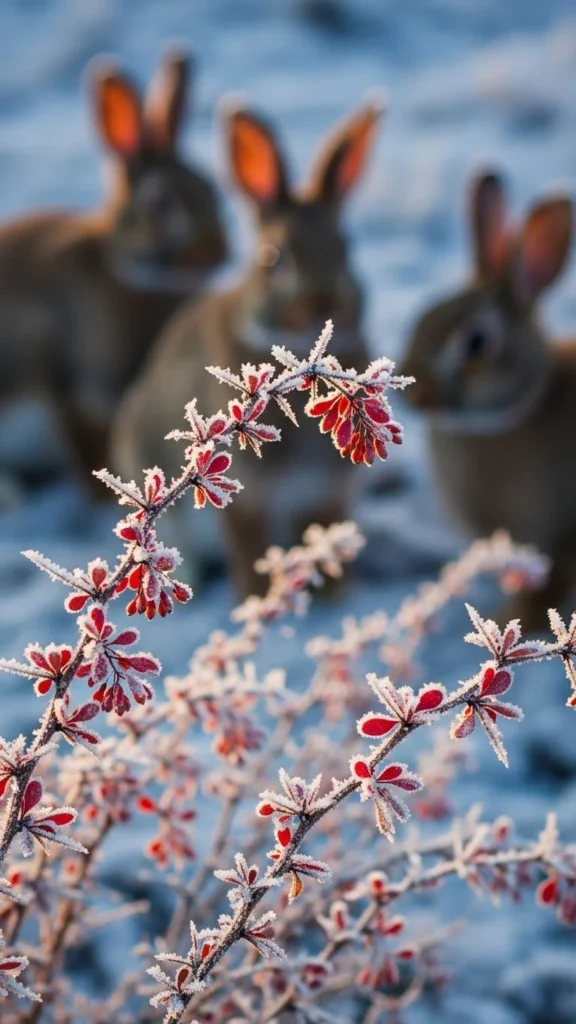
Barberry shrubs shine in winter with red or golden leaves that stay bright even during cold spells. Their sharp thorns help keep rabbits away. Plant them where you want strong winter color. Choose a sunny spot and add gravel mulch to help with drainage. Buy a small container plant to cut costs. Barberry grows into neat mounds with minimal shaping. Use it as a focal point or pair several along a walkway. For a simple DIY idea, place a stone border around the base to highlight the color. The plant handles winter storms well and returns stronger each year.
22. Coral Bells
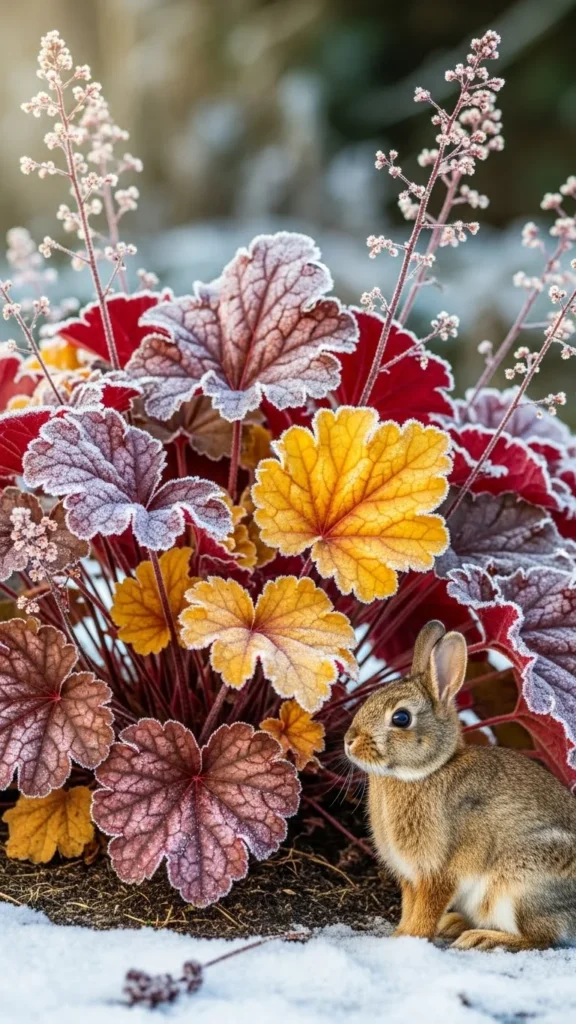
Coral bells offer color all winter thanks to their evergreen foliage in many shades. Rabbits leave them alone due to the texture and taste. Plant them in borders, near porches, or beside walkways. Start with a few small pots and space them out. They fill in nicely over time. Water sparingly and make sure soil drains well. For a DIY touch, plant several varieties in one ceramic container for a mixed winter display. Trim old leaves in early spring to keep them tidy. Coral bells work well with stone accents and winter grasses, adding depth and brightness through cold months.
23. Artemisia
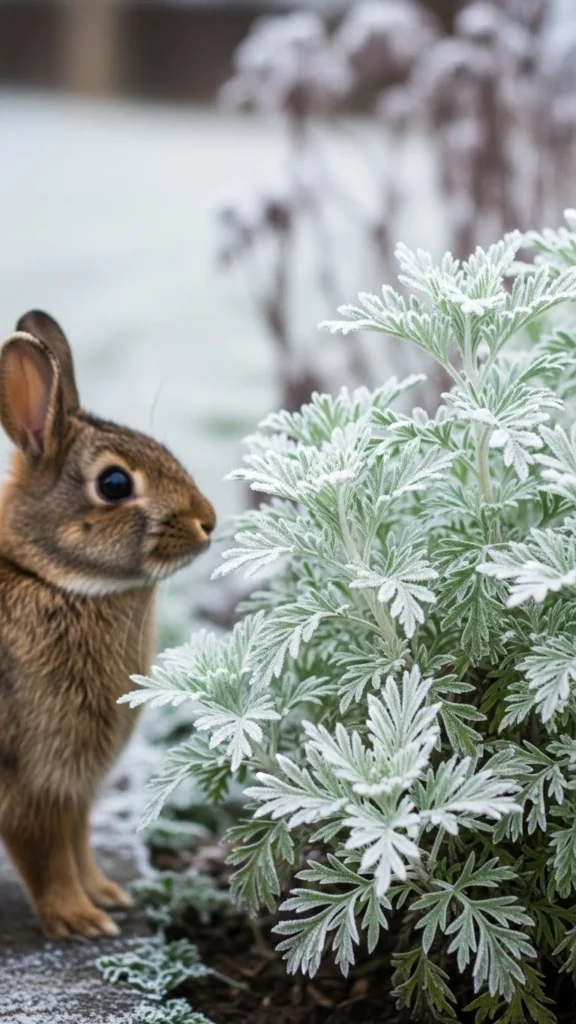
Artemisia stands out with its silver foliage and strong scent that rabbits avoid. It keeps shape through winter, adding brightness to dull corners. Plant it in sunny, dry spaces. Choose a few small nursery pots for affordability. Add gravel mulch to match the plant’s color and help with drainage. Artemisia works well along borders or beside taller shrubs. Trim lightly in early summer to keep it full. For a simple DIY idea, plant it in a rustic tin container and place it near your porch. It holds up through freezing weather and returns each spring with little care.
24. Spirea
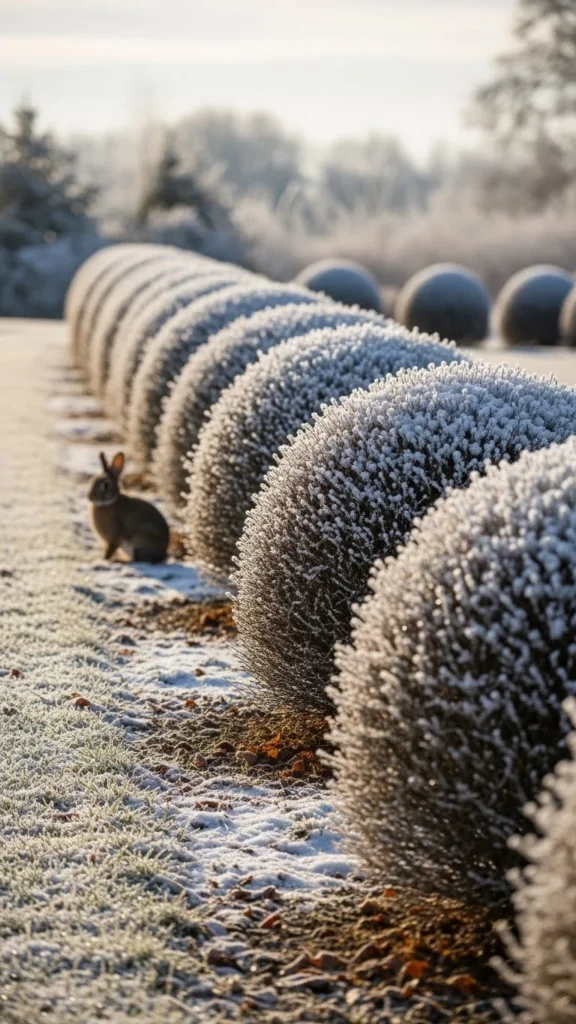
Spirea forms tidy mounds that offer structure in winter. Rabbits rarely nibble on it. Plant it near patios, driveways, or fences. It grows fast from small starter shrubs, helping you save money. Give it full sun and well-draining soil. Add wood chips or gravel around the base. Spirea handles snow well and looks tidy even when dormant. For a simple project, line several spireas along a walkway to guide guests toward your front door. Trim lightly in late winter to prepare for spring growth. The shrub returns year after year without much effort.
25. Bay Laurel
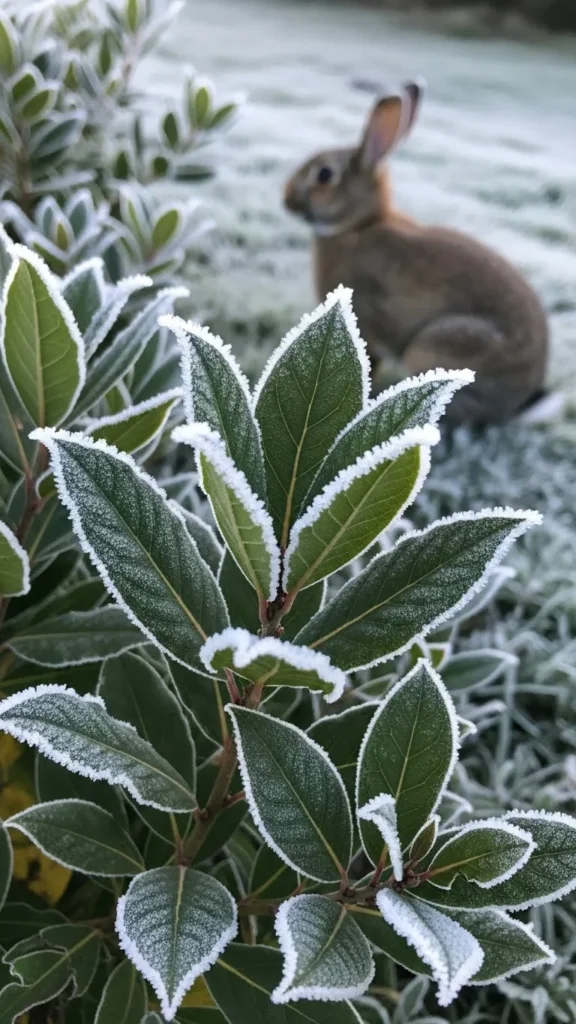
Bay laurel grows slowly and keeps rabbits away with its strong scent and leathery leaves. It stays green through winter, making it perfect for entryways or patio planters. Buy a small container plant for a budget-friendly start. Place it in a sunny area with sheltered corners. Use a pot with good drainage and water lightly. Bay laurel’s shape is easy to maintain. Trim gently in early fall to help it stay compact in winter. For a simple DIY idea, place the pot inside a basket to warm up the look during colder months. The plant holds color all year and asks for very little.
26. Sweet Woodruff
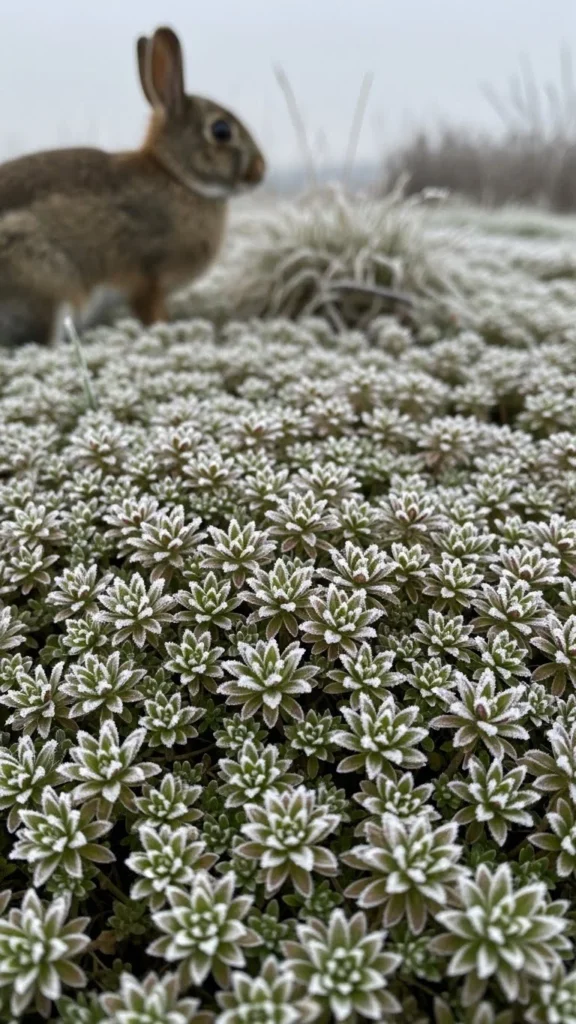
Sweet woodruff spreads into a low, green carpet that holds shape through winter in many regions. Rabbits ignore its scent and texture. Plant it under trees, along shaded borders, or around stone paths. Start with a few small clumps to keep expenses low. Water lightly and let it spread naturally. For a quick project, tuck small stones or pinecones among the foliage for simple winter charm. This plant handles cold weather well and returns evenly each year. It works nicely with ferns, moss, and hostas, giving your yard a woodland feel even in winter.
27. Fernleaf Bleeding Heart
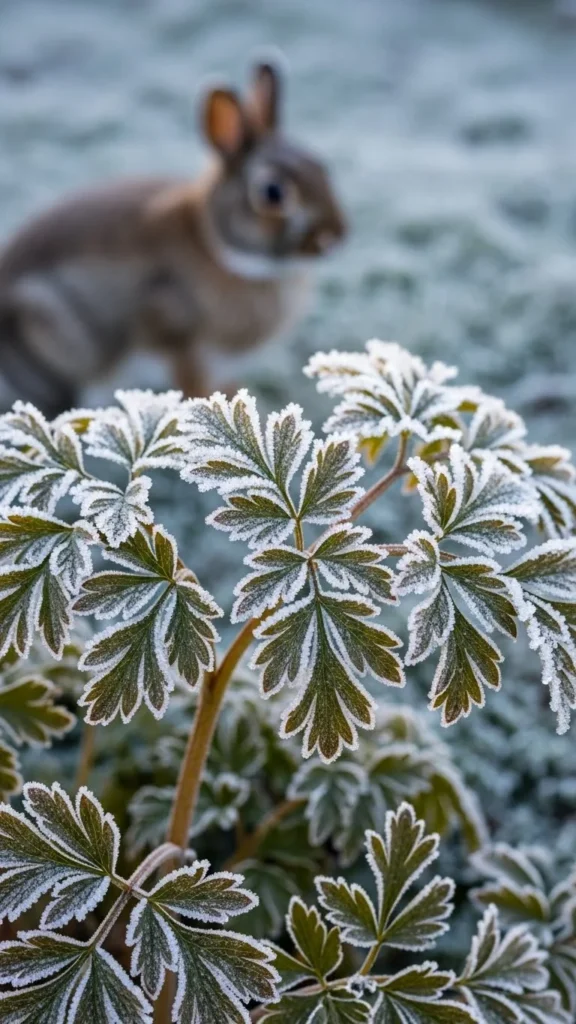
Fernleaf bleeding heart stays semi-evergreen in mild winters and returns strong each spring. Rabbits skip over its leaves due to the taste. Plant it in partial shade with loose soil. Start with a small pot for lower cost. Add mulch in fall to help protect the roots. The feathery leaves offer soft texture in winter. For a simple DIY idea, place a few moss-covered stones near the base for contrast. This plant spreads slowly, filling gaps around larger shrubs. Its low care routine makes it easy to maintain, even during cold months.
28. Mahonia
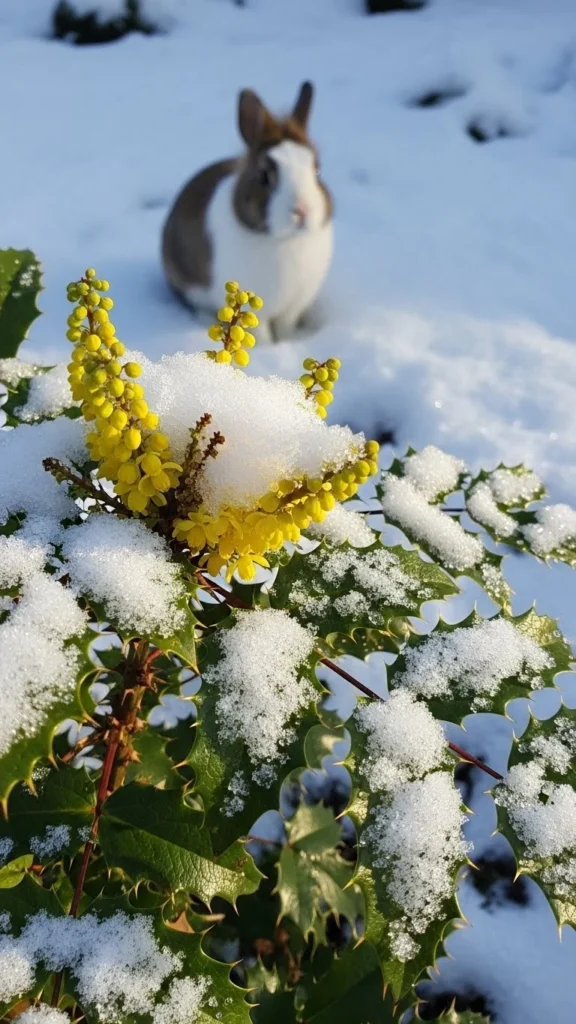
Mahonia carries bold, sharp foliage that keeps rabbits away. It even blooms in winter with cheerful yellow flowers. Plant it in shady corners or near walls. Mahonia grows well in poor soil, so you can plant it without amendments. Buy a smaller shrub to reduce cost and let it mature across the years. Add leaf mulch in fall to protect roots. Use mahonia as a focal point in a winter garden or pair it with evergreen ferns. Its unique texture stands out on gray days and helps your garden feel alive even in the cold.
29. Blue Spruce
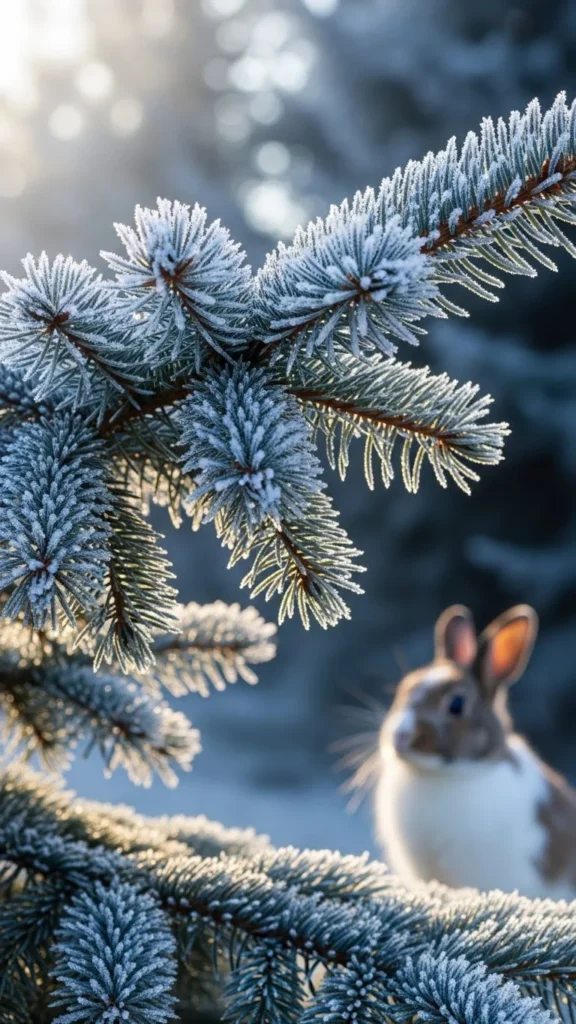
Blue spruce trees add strong structure and color to winter landscapes. Rabbits avoid the stiff needles. Plant one as a centerpiece in your yard or use smaller varieties in borders. Choose a young tree to save money. Place it in full sun and give it room to grow. Add gravel or wood chips around the base. Water lightly during dry spells. Blue spruce maintains its striking blue color all winter. For a simple DIY touch, place a few lanterns or solar lights near the base to highlight the branches at night. The tree grows slowly but becomes a reliable winter anchor for your yard.
Conclusion
Rabbit-resistant winter plants help you protect your garden without extra work or expensive barriers. Each choice here stays sturdy through cold months and discourages unwanted nibbling. By mixing textures, colors, and heights, you can build a calm, low-care winter landscape that stays attractive year-round. Start with a few affordable plants, spread them across your yard, and enjoy the peace of a wildlife-safe winter garden season after season.

Leave a Reply