

Winter can be tough on roses, but the good news is—you don’t need to spend hours babying your plants to help them survive the cold months. With a few simple habits and some clever low-effort techniques, your roses can rest, recharge, and return strong in spring.

Let’s walk through the easiest ways to keep roses alive all winter—without fussing over them.
Prep the Base: The Easiest Step for Winter Survival
The simplest and most effective protection starts at the base of the plant.
Roses lose most of their winter strength when their roots get too cold. So your goal is to help the soil stay insulated—even in freezing conditions.
What to Do
- Add a thick layer of mulch around the crown.
- Use whatever you have: shredded leaves, pine needles, or wood chips.
- Avoid burying the stems too deeply. A 4–6 inch layer is perfect.
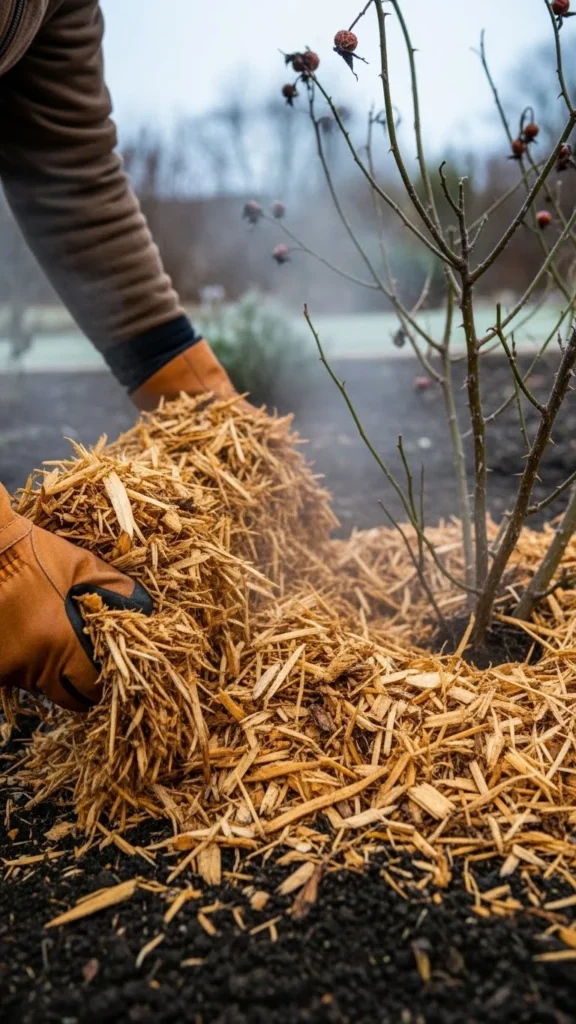
This step alone can dramatically increase survival rates with almost no effort.
Prune Smart, Not Hard
Winter isn’t the time for big pruning sessions. In fact, trimming too much can stress the plant.
Keep it Simple
- Only remove broken or diseased stems.
- Lightly shorten tall canes so they don’t whip in the wind.
- Skip shaping cuts until early spring.
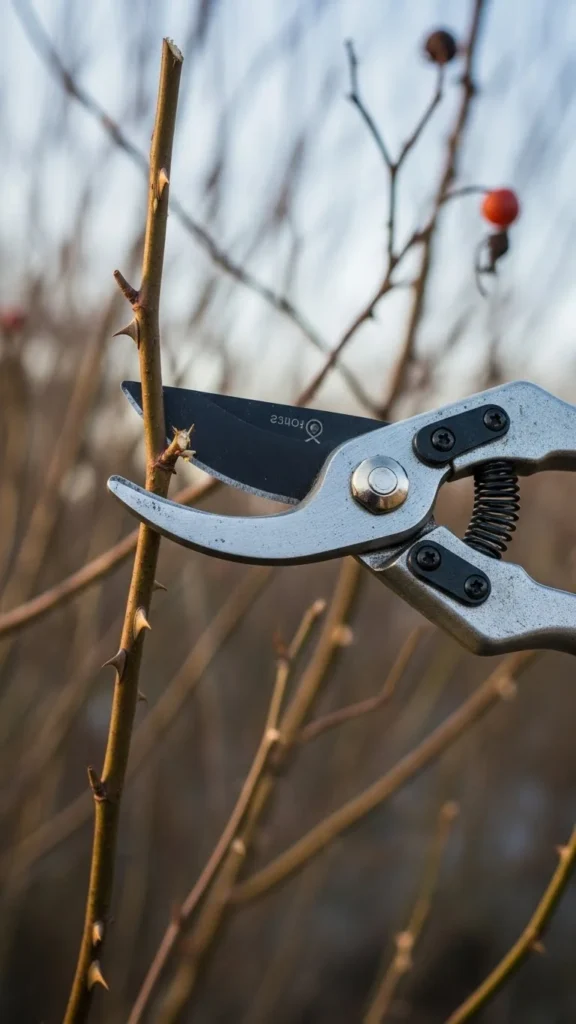
Minimal pruning helps your plant conserve energy while staying tidy and protected.
Provide Just Enough Shelter—Naturally
You don’t need fancy covers or gadgets to protect your roses. Often, your garden already has what you need.
Try These No-Effort Ideas
- Plant near fences or walls that block cold winds.
- Use surrounding shrubs as natural insulation.
- Let snow act as a blanket—it protects rather than harms.
If you’re in an area with harsh winters, you can mound extra soil or compost around the base to keep the crown warm. It takes less than five minutes and adds bonus nutrients.
Stop Feeding and Reduce Watering
This is one of the easiest steps—because you’re literally doing less.
Why It Works
Roses need to rest in winter, and feeding encourages growth at the wrong time. New growth is extremely vulnerable to frost.
Here’s what to do:
- Stop fertilizing in late summer or early fall.
- Stop deadheading so the plant naturally slows down.
- Water only when the soil is completely dry.
Roses love this slower rhythm, and you avoid accidental winter damage.
Choose Hardier Varieties for Less Work Later
If you want the ultimate low-maintenance rose garden, start with varieties that naturally handle winter like champions.
Some great cold-tolerant types include:
- Rugosa roses
- Explorer series
- Hybrid varieties bred for Zone 4–5
Once planted, these need even fewer winter preparations—letting you enjoy long-term beauty with little effort.
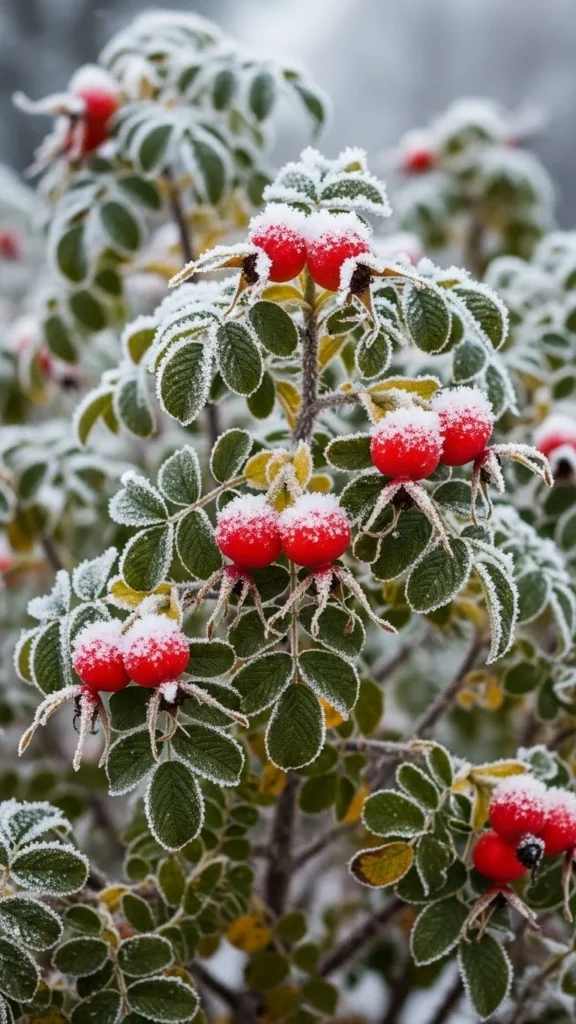
Don’t Stress About Snow—Worry About Ice
Snow is a great insulator, but ice can snap canes or split bark.
Stay Relaxed, But Aware
- Avoid shaking snow or ice off branches—it can break them.
- Gently brush off heavy ice only if stems start bending low.
- If a stem snaps, prune cleanly to prevent disease.
This easy approach prevents more damage than it causes.
Container Roses? Keep Them Cozy With One Trick
If you grow roses in pots, they need a bit more protection than ground-planted roses—but still no complicated tasks.
Just move the container:
- Against a house wall for warmth
- Into a garage, shed, or porch
- Or bury the pot in the ground to insulate it
You’re done! No extra wrapping required.
Spring Revival: What to Expect After Low-Effort Winter Care
If you follow these simple steps, you’ll likely notice:
- Stronger stems
- More blooms
- Faster spring growth
- Fewer winter diebacks
Your roses won’t just survive—they’ll thank you with a showy spring comeback.
Final Takeaway
Winter rose care doesn’t need to be complicated. With just a few basic habits—mulching the base, pruning lightly, slowing watering, and letting nature do its job—you can keep your roses alive with almost zero extra effort.
Save this guide for later to help your roses thrive year after year!

Leave a Reply