

When the outdoor landscape feels dull and grey, a few bright blooms inside your home can completely shift the mood. Indoor winter flowers add warmth, life, and cheerful color right when you crave it most. Even better? Many of them are surprisingly easy to grow with just a bit of care and smart placement.
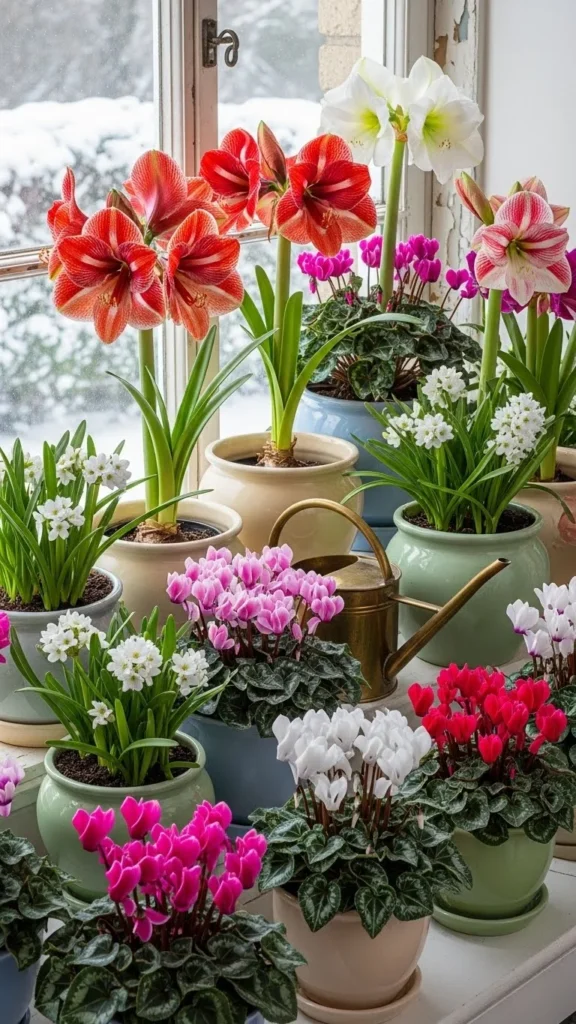
Whether you’re a beginner or simply want a low-maintenance way to brighten winter days, here’s how to grow gorgeous winter blooms indoors.
Choose the Best Winter-Blooming Plants
Not all plants enjoy the dry air and short days of winter, so picking the right varieties is key. Go for plants known to thrive indoors during the coldest months.
Great options include:
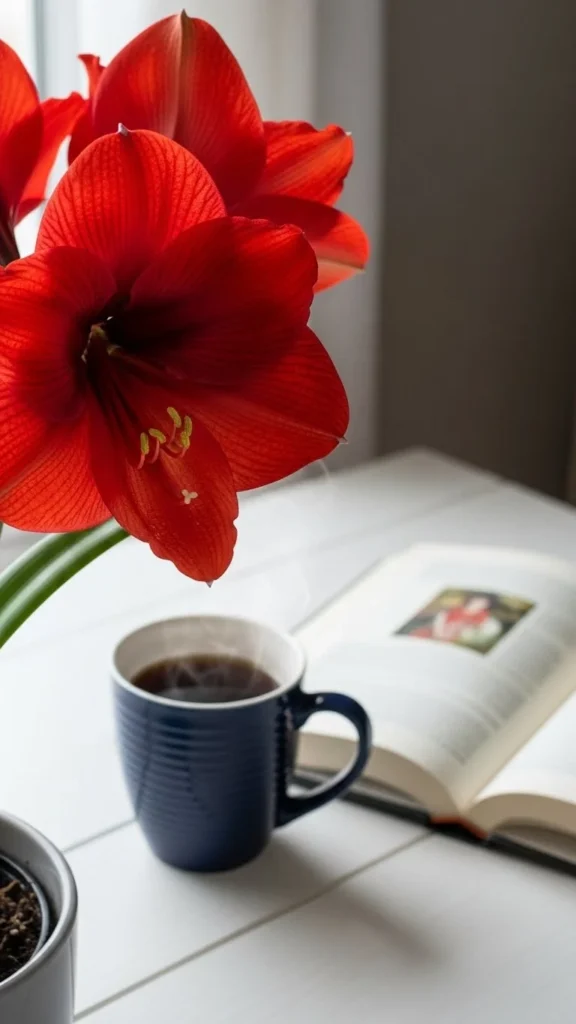
- Amaryllis: Big, dramatic flowers.
- Paperwhites: Fragrant and elegant.
- Cyclamen: Compact and colorful.
- Christmas cactus: A classic winter bloomer.
- African violets: Perfect for small spaces.
These plants don’t just survive indoors—they shine indoors.
Give Your Plants the Right Light
Winter light can be tricky, but it’s still the most important factor for healthy blooms.
Place them near bright windows
South- or east-facing windows usually work best. Even when it’s cloudy, your plants are still soaking up valuable daylight.
Rotate regularly
Turn pots every few days to keep stems straight and growth even.
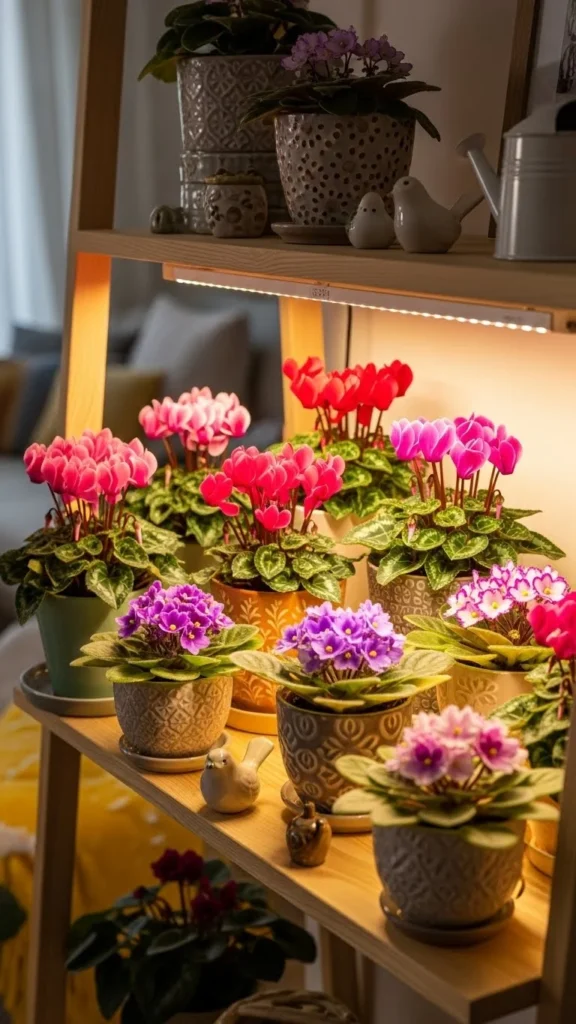
Consider supplemental lighting
If your home is naturally dim, a small grow light works wonders. Modern options blend into your décor and use very little energy.
Master Indoor Watering (It’s Different in Winter!)
Overwatering is the number-one reason indoor winter blooms fail. Plants drink slowly in cooler conditions, so gentle watering is the way to go.
Water only when the top soil feels dry
Use your fingertip to test. Most winter bloomers like slightly moist—not soggy—soil.
Use room-temperature water
Cold water can shock roots.
Try bottom watering
Place the pot in a shallow tray for 10–20 minutes. This lets roots absorb what they need and reduces the risk of rot.
Add humidity
Winter heating systems make indoor air dry. Increase humidity with:
- Pebble trays
- Small room humidifiers
- Grouping plants together
Feed Them Lightly for Better Blooms
Winter flowers don’t need heavy feeding, but a gentle boost can help them bloom beautifully.
Use:
- A diluted all-purpose fertilizer every 3–4 weeks
- A bloom-boosting fertilizer if plants look leggy or pale
(Always follow label directions.)
Avoid fertilizing right after repotting—give plants 2–3 weeks to settle in first.
Keep Them at the Right Temperature
Most indoor winter bloomers love cool to moderate temperatures.
Ideal ranges:
- Cyclamen: 55–65°F
- Amaryllis & paperwhites: 65–75°F
- African violets: 68–72°F
- Christmas cactus: 60–70°F
Avoid placing plants near heaters, drafty windows, or frequently opened doors.
Use Pretty Pots and Creative Displays
One of the joys of winter blooms is how beautifully they brighten indoor spaces. Have fun styling them.
Try:
- Rustic clay pots for a warm look
- Sleek white containers for a modern feel
- Wooden trays to group plants together
- Hanging pots for trailing beauties like Christmas cactus
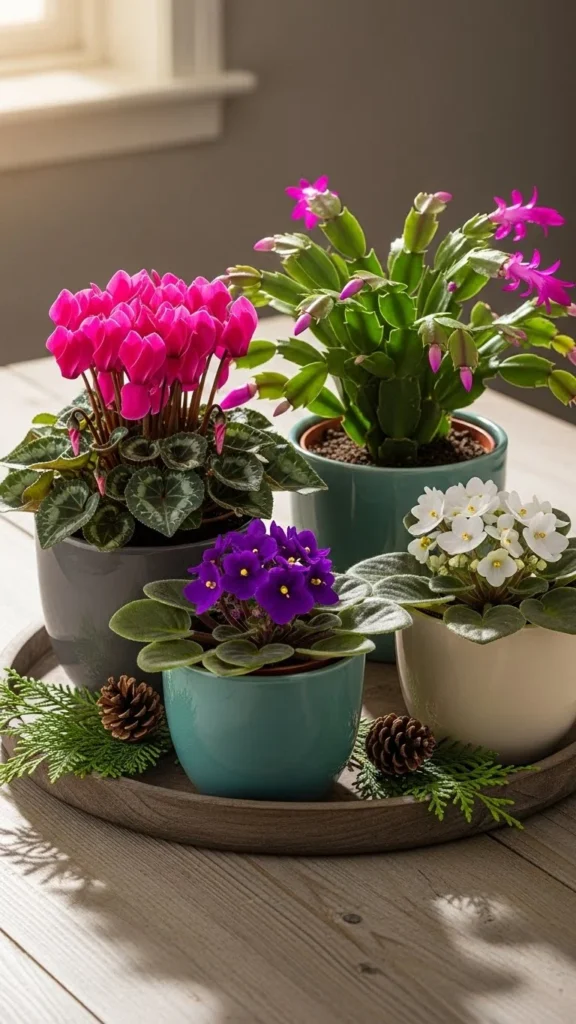
Mixing textures and colors makes even a small corner feel special.
Force Bulbs for Even More Color
If you want extra indoor blooms, try forcing bulbs like paperwhites and hyacinths. They’re easy, fast, and super rewarding.
Steps:
- Place bulbs in a shallow bowl with pebbles.
- Add water just below the bulbs—never touching them.
- Set the bowl in a cool, dark place for 1–2 weeks.
- Move to a sunny spot once roots appear.
Within a few weeks, you’ll have a fresh burst of blooms that look like they came straight from spring.
Prune and Deadhead for Longer Blooming
Removing spent flowers keeps plants tidy and encourages more buds to form.
Do this:
- Snip faded blooms at the base
- Remove yellowing leaves
- Trim stems that get too long or floppy
These quick touches help plants direct energy toward fresh flowers.
Troubleshooting Common Problems
A few winter indoor issues pop up often—luckily, they’re easy to fix.
Droopy blooms?
Usually caused by overwatering. Let soil dry out more between waterings.
No blooms forming?
Increase light or add a small grow lamp.
Dry crispy edges?
Add humidity using pebble trays or misting.
Yellow leaves?
Check for soggy soil or poor drainage.
Final Takeaway
Growing winter blooms indoors isn’t just possible—it’s delightful, uplifting, and easier than most people think. With the right light, gentle watering, and a bit of creativity, you can turn any corner of your home into a vibrant winter garden.
Save this guide for later and bring instant color into your home all winter long!

Leave a Reply