

Winter doesn’t have to mean giving up on your garden. With the right techniques, you can gently warm garden beds, protect delicate roots, and keep soil biology alive even during the coldest months. The goal isn’t to make your garden tropical—it’s to prevent deep freezes that damage roots and stunt spring growth.
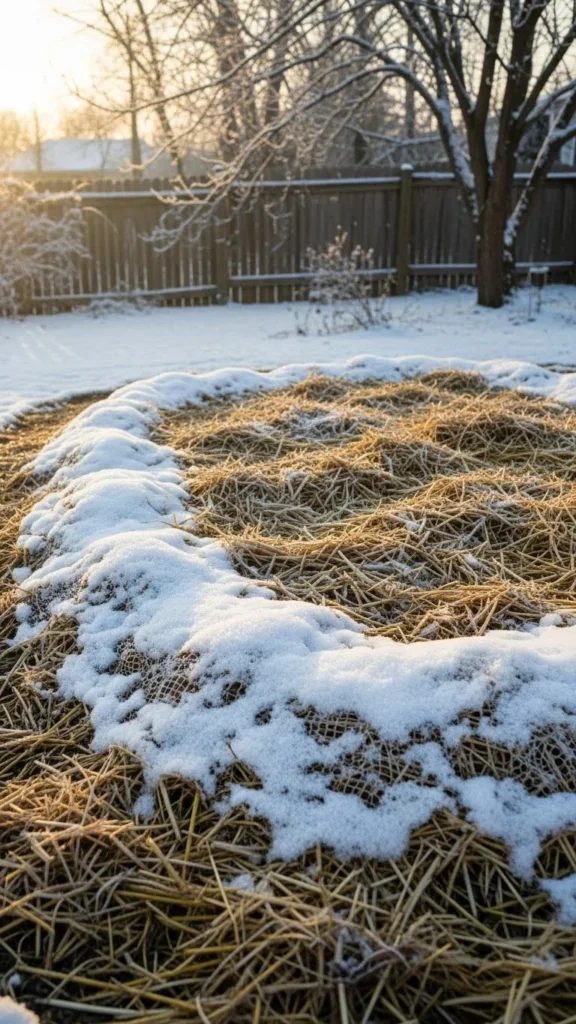
This guide walks you through practical, affordable ways to heat and insulate winter garden beds, whether you’re growing perennials, winter vegetables, or protecting young plants.
Why Winter Garden Beds Get So Cold
Frozen soil isn’t just hard—it’s harmful. When soil temperatures drop too low:
- Roots lose access to moisture
- Beneficial microbes go dormant or die
- Freeze–thaw cycles push plants out of the soil
- Tender roots crack or rot
Heating a garden bed doesn’t mean electricity or expensive systems. Most methods rely on insulation, slow heat release, and smart layering.
Start With Deep Insulation (Your First Line of Defense)
Insulation traps ground warmth and keeps cold air out. This is the most important step.
Best insulating materials:
- Straw or pine straw
- Shredded leaves
- Wood chips
- Compost
- Aged manure
Apply 4–8 inches over the soil surface. For raised beds, you can go even thicker.
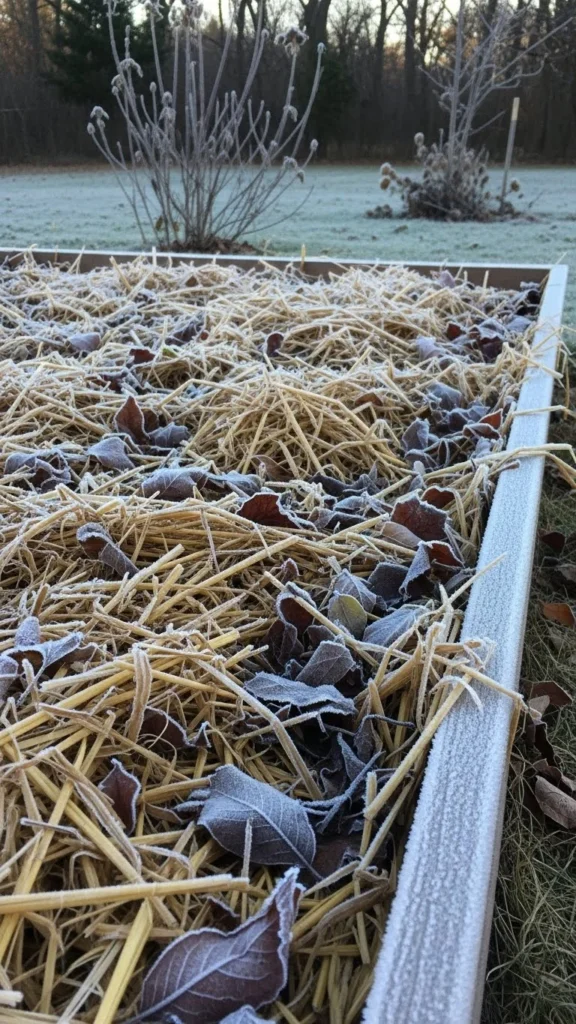
Tip: Avoid compacting mulch. Fluffy layers trap more air and hold heat better.
Use Compost as a Natural Heat Source
Compost doesn’t just feed plants—it produces heat as it breaks down.
How to use compost for warmth:
- Add a fresh compost layer in late fall
- Use partially finished compost for more heat
- Cover compost with straw to trap warmth
As microbes work, they release gentle heat that warms nearby soil. This is especially helpful for root crops and perennial crowns.
Install Frost Cloth or Garden Fabric Covers
Covering beds creates a microclimate that holds warmth close to the soil.
Options that work well:
- Frost cloth
- Garden fabric
- Burlap
- Old sheets (temporary use)
Drape fabric over hoops or frames so it doesn’t rest directly on plants.
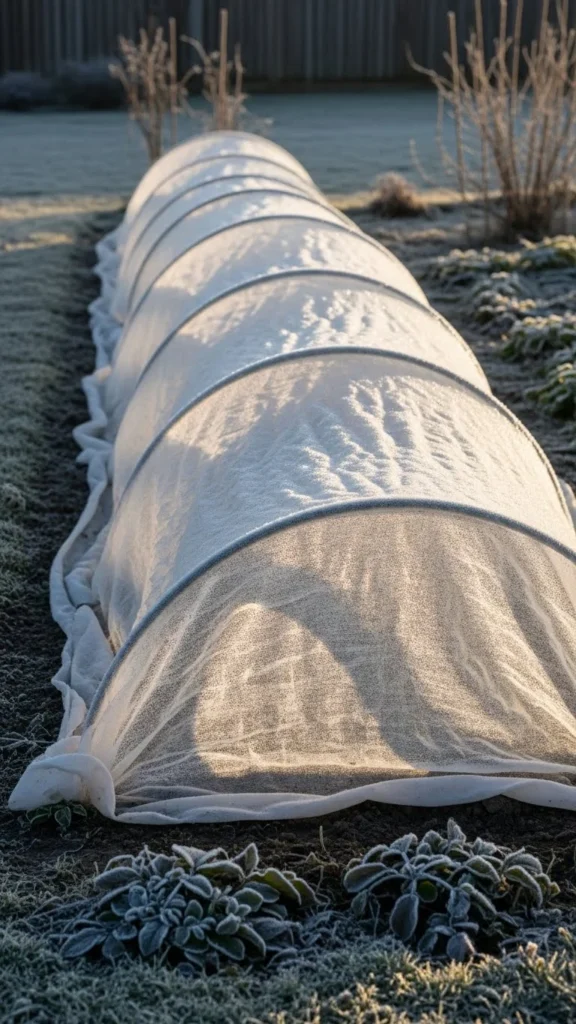
Pro tip: Secure edges with bricks or soil to block cold wind.
Add Heat From Below With Soil Warming Tricks
Soil holds warmth surprisingly well when helped a little.
Easy soil-warming methods:
- Dark mulch absorbs daytime heat
- Flat stones placed on soil surface
- Recycled black containers filled with water
These materials absorb heat during the day and release it slowly at night.

Try Low-Tech Bed Heating for Extra Protection
If you garden in very cold regions, a bit of extra effort goes a long way.
Simple low-tech options:
- Cold frames over beds
- Mini hoop tunnels
- Insulated raised beds with foam panels
Cold frames can raise soil temperatures by several degrees—often enough to prevent root damage.
Protect Roots at the Edges (Often Forgotten)
The edges of garden beds freeze first.
How to protect them:
- Wrap raised beds with burlap
- Stack straw bales along sides
- Add extra mulch around borders
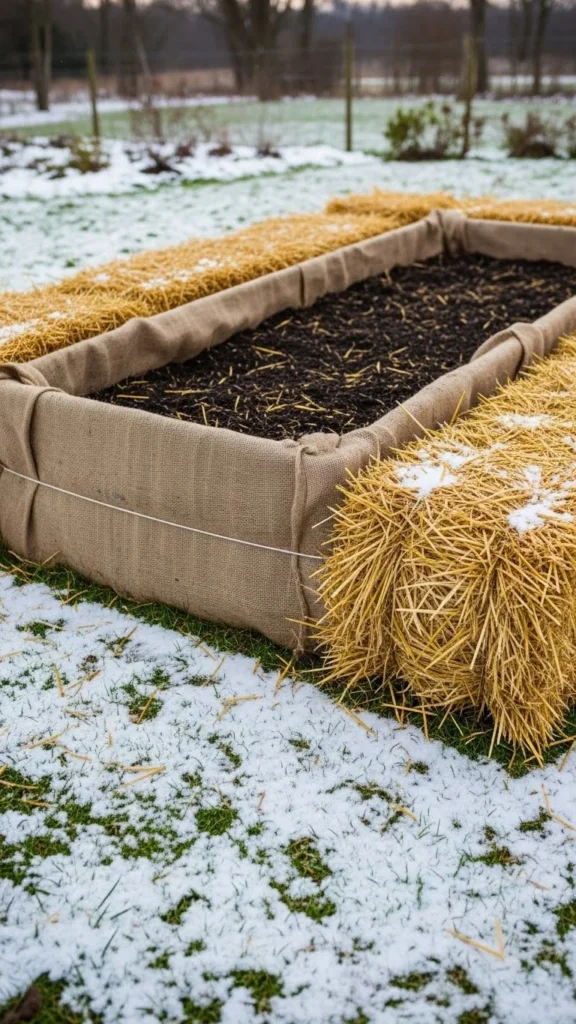
This small step can make a big difference for shallow-rooted plants.
Know Which Plants Need Extra Heat
Not all plants need the same protection.
Plants that benefit most:
- Young perennials
- Herbs like rosemary and thyme
- Root vegetables
- Strawberries
- Recently transplanted plants
Hardy native plants often need only mulch, while tender roots need layered protection.
Avoid Common Winter Heating Mistakes
- Removing mulch too early
- Using plastic directly on soil
- Letting beds stay waterlogged
- Overheating on warm days
Always allow some airflow and check beds after temperature swings.
When to Remove Winter Protection
Timing matters. Remove layers gradually as temperatures stabilize.
Watch for:
- Soil consistently above freezing
- No deep frost overnight
- Early spring growth starting
Pull mulch back slowly to avoid shocking roots.
Final Takeaway
Heating a winter garden bed is really about smart insulation, gentle warmth, and consistency. With mulch, compost, covers, and a few simple tricks, you can protect delicate roots and give your plants a stronger start in spring.
Save this guide for later—and let your garden rest warm all winter!

Leave a Reply