

Winter can be tough on trees. Cold winds, heavy snow, ice, and sudden temperature swings can quietly cause damage long before spring arrives. The good news? A little preparation now can make a big difference later. With a few smart steps, you can help your trees stay strong, healthy, and ready to thrive when warmer days return.
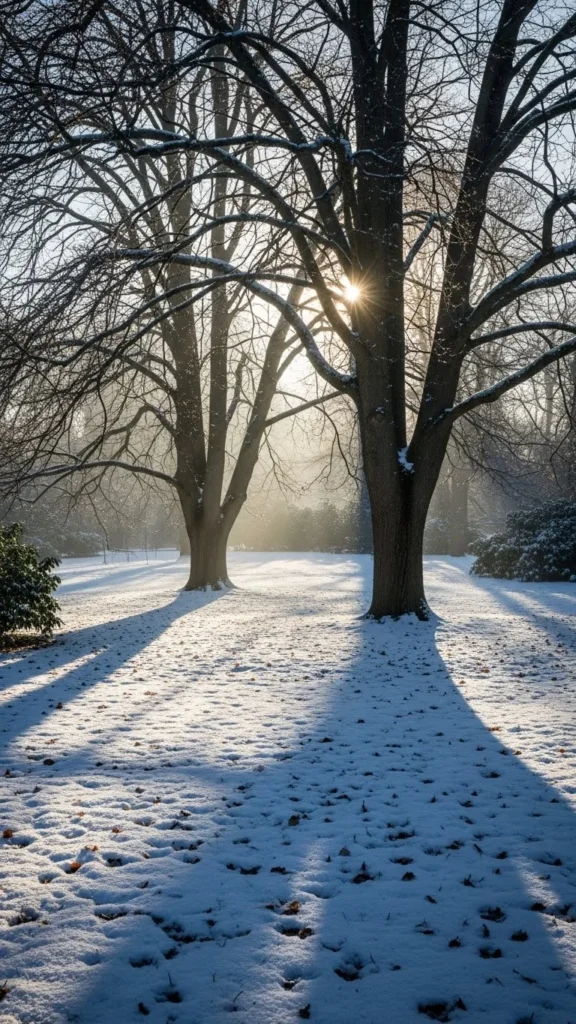
Understand What Actually Damages Trees in Winter
Before jumping into protection methods, it helps to know what you’re protecting against. Winter damage isn’t just about cold temperatures.
Common winter threats include:
- Frost cracks from rapid temperature changes
- Broken branches caused by snow and ice buildup
- Drying winds that pull moisture from bark and buds
- Sunscald when bright winter sun heats bark during the day, then freezes at night
- Rodent damage from animals chewing bark for food or shelter
Once you understand these risks, the solutions make much more sense.
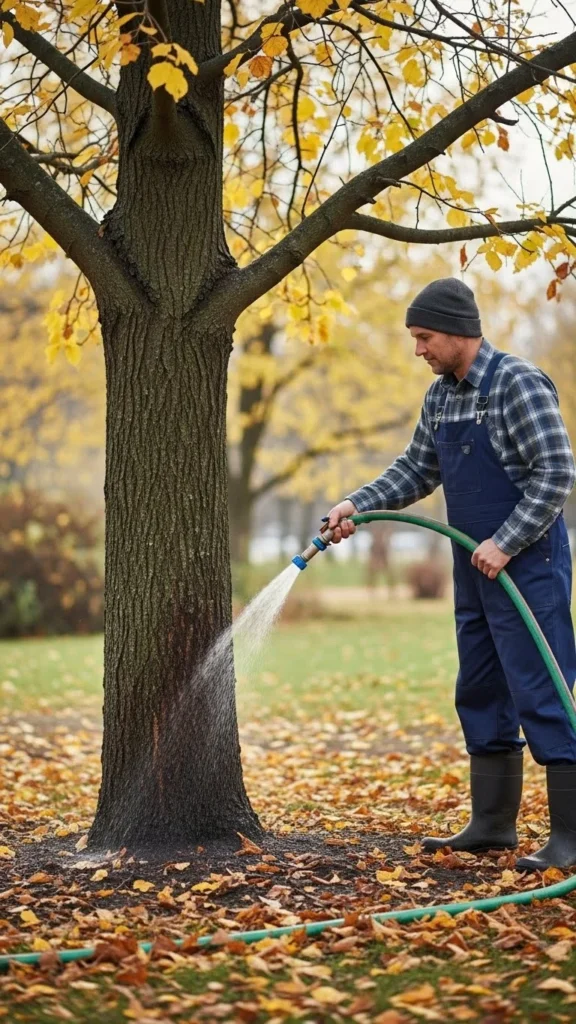
Water Deeply Before the Ground Freezes
One of the simplest and most overlooked steps is proper watering. Trees still lose moisture in winter, especially evergreens.
Why it matters:
- Moist soil holds heat better than dry soil
- Well-hydrated roots handle cold stress more easily
- Trees enter winter stronger and less stressed
Tips for success:
- Water deeply in late fall, before the ground freezes
- Focus on slow, deep watering rather than frequent light watering
- Pay extra attention to young or newly planted trees
Apply Mulch the Right Way
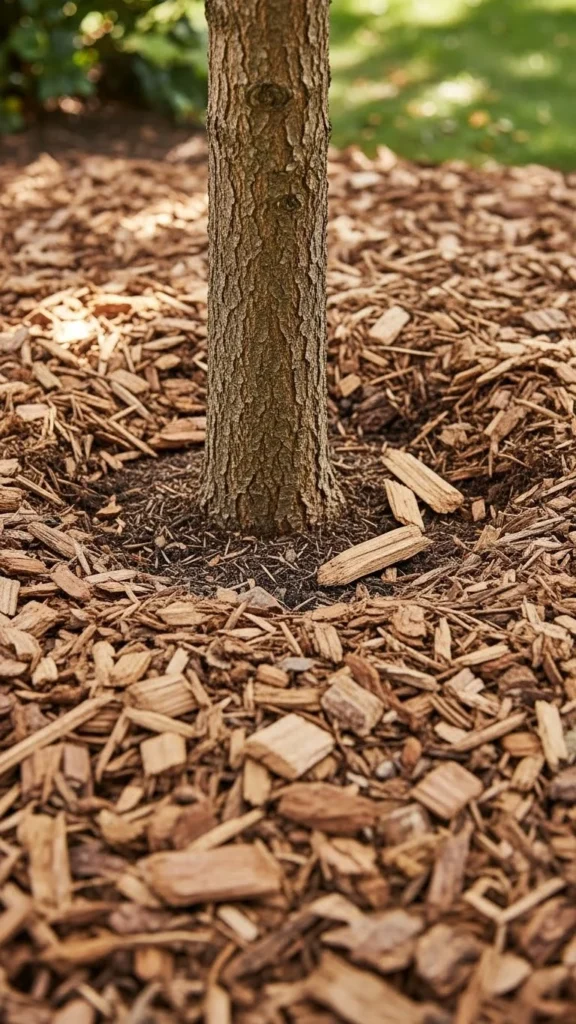
Mulch acts like a cozy blanket for tree roots. It helps regulate soil temperature and protects roots from freeze-thaw cycles.
Best mulching practices:
- Spread 2–4 inches of organic mulch around the tree
- Keep mulch a few inches away from the trunk
- Extend mulch out to the drip line if possible
Good mulch options include shredded bark, wood chips, or leaf mulch. Avoid piling mulch against the trunk, which can trap moisture and cause problems.
Wrap and Shield Vulnerable Trunks
Young trees and thin-barked species are especially vulnerable to sunscald and cracking. Wrapping the trunk can prevent damage before it starts.
When to wrap:
- Late fall, before harsh winter conditions arrive
- Remove wraps in early spring
How to do it:
- Use breathable tree wrap or guards
- Start at the base and wrap upward
- Keep it snug but not tight
This simple step can prevent long vertical cracks that take years to heal.

Prune Strategically Before Winter Hits
Pruning isn’t just about shape. Done correctly, it reduces the risk of breakage during winter storms.
What to prune:
- Dead or damaged branches
- Weak branches that cross or rub
- Long, thin limbs likely to snap under snow
What to avoid:
- Heavy pruning late in fall
- Cutting healthy branches unnecessarily
Aim for light, thoughtful pruning that improves structure without encouraging new growth before winter.
Protect Trees From Snow and Ice Stress
Snow can be helpful insulation, but too much weight can cause serious damage.
Helpful habits:
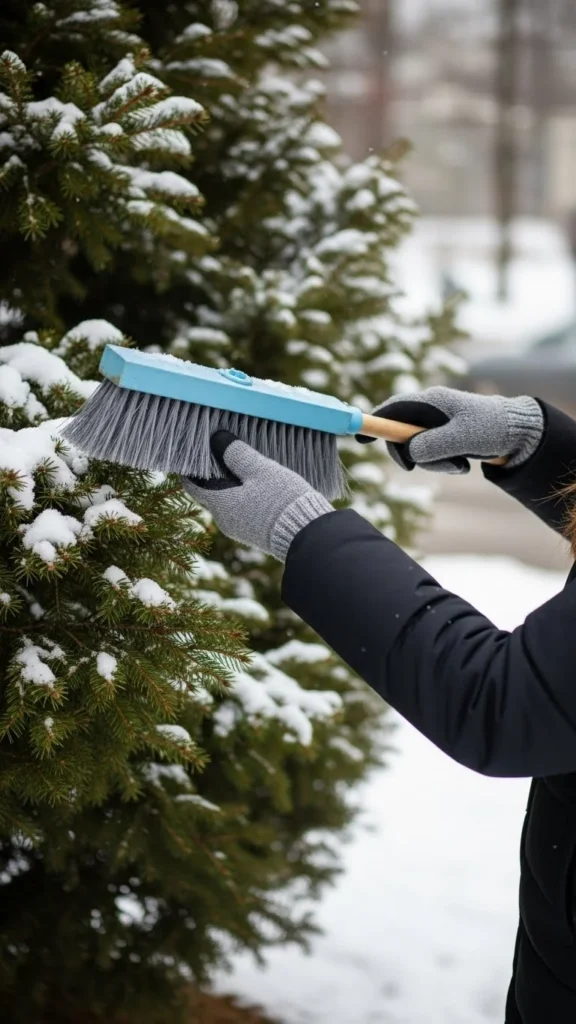
- Gently brush off heavy snow after storms
- Use a broom, not a shovel
- Brush upward to avoid snapping branches
For areas with frequent storms, consider using soft ties to support vulnerable branches, especially on evergreens with multiple leaders.
Guard Against Animal Damage
Winter drives animals closer to trees in search of food. Bark damage can weaken or even kill trees.
Simple protection methods:
- Install wire mesh or plastic tree guards
- Keep guards a few inches away from the trunk
- Clear tall grass or debris near the base to reduce hiding spots
This is especially important for young trees and fruit trees.
Don’t Forget Evergreen Trees
Evergreens face unique winter challenges because they keep their needles year-round.
Extra care tips:
- Water well before winter
- Mulch generously
- Use wind barriers in exposed locations
Windbreaks made from burlap or fabric can dramatically reduce drying winds without blocking light.
A Little Prep Goes a Long Way
Protecting trees before winter starts is far easier than fixing damage later. These small, practical steps help trees stay healthy, reduce stress, and bounce back faster in spring.
Whether you’re caring for a single backyard tree or a full landscape, winter prep is always worth the effort.
Save this guide for later and give your trees the protection they deserve before the cold really sets in!

Leave a Reply