

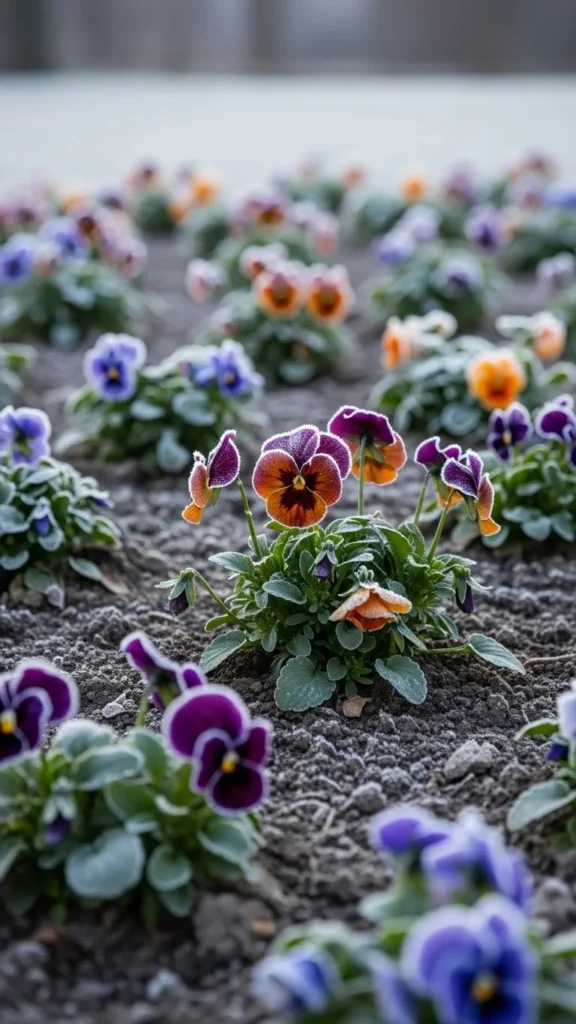
Cold weather doesn’t have to drain all the color from your garden. Many annuals keep going even when temperatures dip and frost shows up overnight. These plants hold their shape, pigment, and personality far longer than most people expect. With the right picks and simple care habits, you can enjoy lively beds, pots, and borders long after summer fades. This guide focuses on practical, affordable plants that perform well in cool weather and bounce back after light frost. Each idea includes easy tips you can use right away, even in small spaces or containers.
1. Pansies With Painted Faces
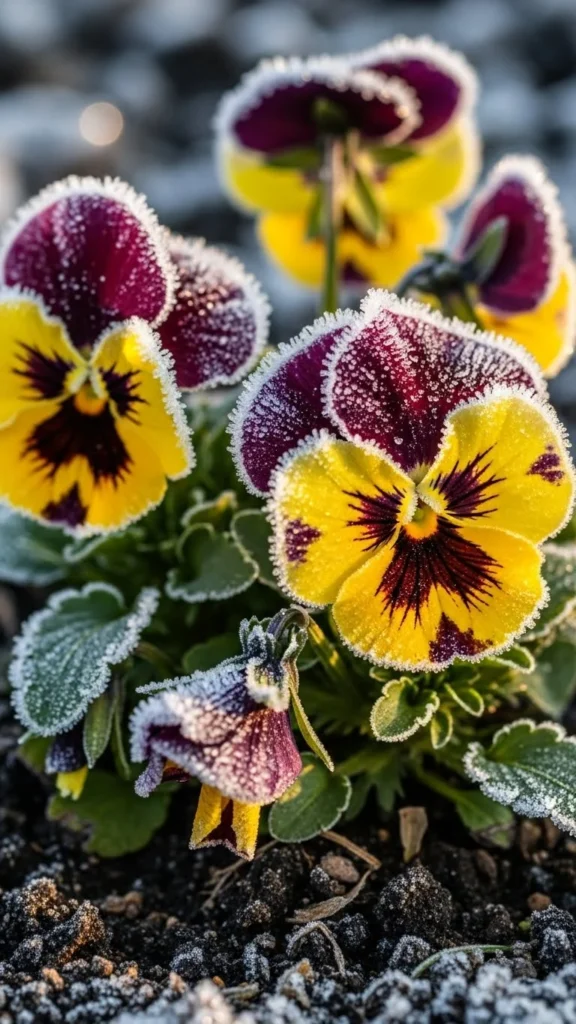
Pansies handle cold better than most people expect. Their petals may wilt during freezing nights, then perk up once sunlight returns. This makes them perfect for fall and winter beds.
Plant them in well-draining soil. Wet roots cause more trouble than cold air. Group them tightly so they help shield one another.
Budget tip: Buy smaller starter plants instead of large baskets. They fill out quickly in cool weather.
DIY idea: Use old bowls or shallow trays with drainage holes for porch color. Even chipped containers work well.
Deadheading helps keep blooms coming. Snip spent flowers every week or two.
Mulch lightly with straw or shredded leaves. This buffers soil temperature without smothering plants.
Pansies shine in window boxes, edging, and mixed containers. Their cheerful faces stay visible even after light snow melts away.
2. Violas That Bounce Back Fast
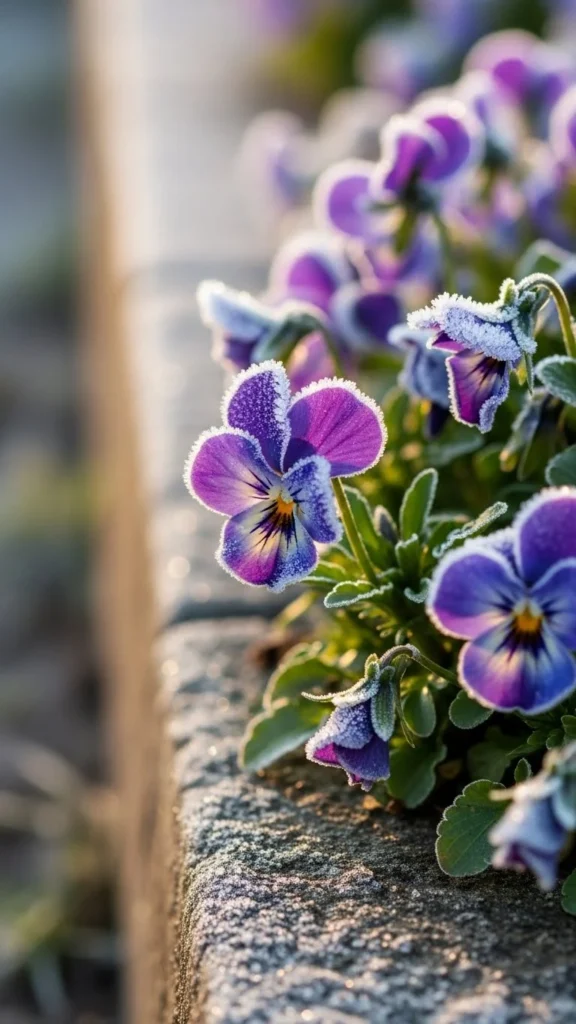
Violas are close cousins to pansies but slightly smaller. What they lack in size, they make up for in stamina.
These plants shrug off chilly nights and rebound quickly during the day. Their compact growth suits tight spaces.
Plant violas near walkways or borders where you’ll notice their color daily. They do well in containers too.
Budget tip: Look for multi-pack trays at garden centers. They cost less and spread fast.
DIY idea: Line violas along stepping stones using leftover edging bricks or rocks.
Water only when soil feels dry an inch down. Cold, soggy soil weakens roots.
Violas pair well with ornamental grasses or evergreen shrubs, adding color without crowding. Their steady performance makes them a reliable pick for long-lasting winter interest.
3. Sweet Alyssum Ground Covers

Sweet alyssum forms a low carpet of tiny blooms that handles cool weather gracefully. Light frost rarely slows it down.
This plant spreads gently, filling gaps between stones or borders. It softens hard edges during colder months.
Plant it where soil drains quickly. Raised beds or sloped areas work well.
Budget tip: Grow from seed. Alyssum sprouts easily and costs very little.
DIY idea: Scatter seeds along gravel paths or garden edges in early fall.
Trim lightly if it grows leggy. It rebounds with compact growth.
Alyssum’s subtle color blends well with brighter winter blooms. It adds texture without overpowering nearby plants.
4. Calendula With Sunny Petals
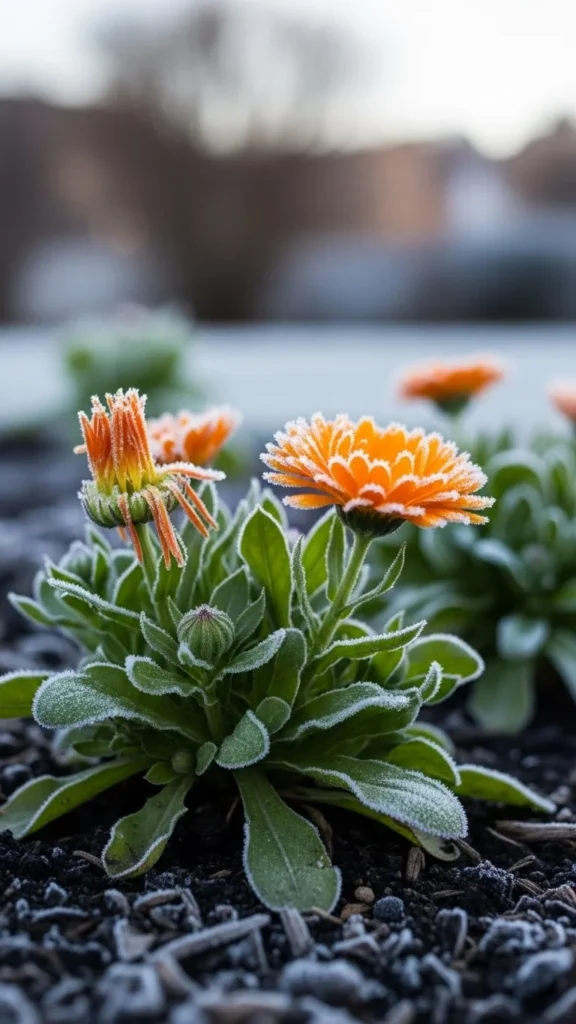
Calendula thrives in cool conditions and keeps blooming when many annuals stop. Its daisy-like flowers add warmth to gray days.
Plant it in full sun for best color. Cooler temperatures actually extend bloom time.
Budget tip: Save seeds from spent flowers. One plant can supply many seedlings.
DIY idea: Use recycled pots or buckets with drainage holes for easy patio color.
Calendula tolerates light frost and continues flowering after brief cold snaps.
Remove faded blooms to keep plants tidy and productive.
Its cheerful color works well near entryways or raised beds where you see it often.
5. Dianthus With Frilled Edges
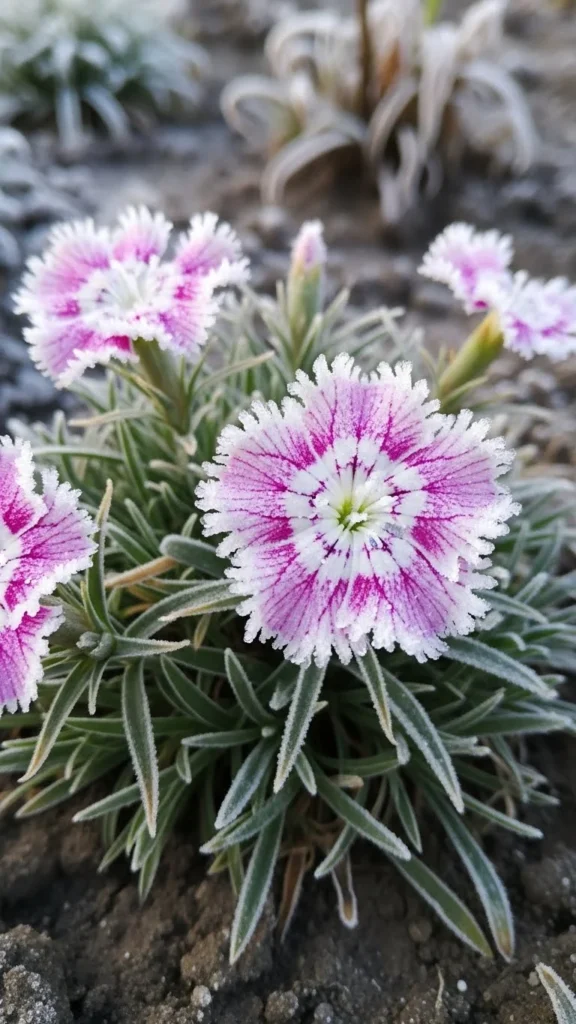
Dianthus handles chilly air while keeping neat, compact growth. Its fringed petals bring texture even during cold spells.
Plant in sunny spots with airy soil. Dense, wet ground causes trouble.
Budget tip: Buy smaller plants. They establish quickly in cool weather.
DIY idea: Plant dianthus in thrifted ceramic pots for patio accents.
Trim back faded blooms to encourage more flowers. Short, regular cuts work best.
Dianthus pairs nicely with violas or pansies for layered color.
6. Dusty Miller With Silver Leaves
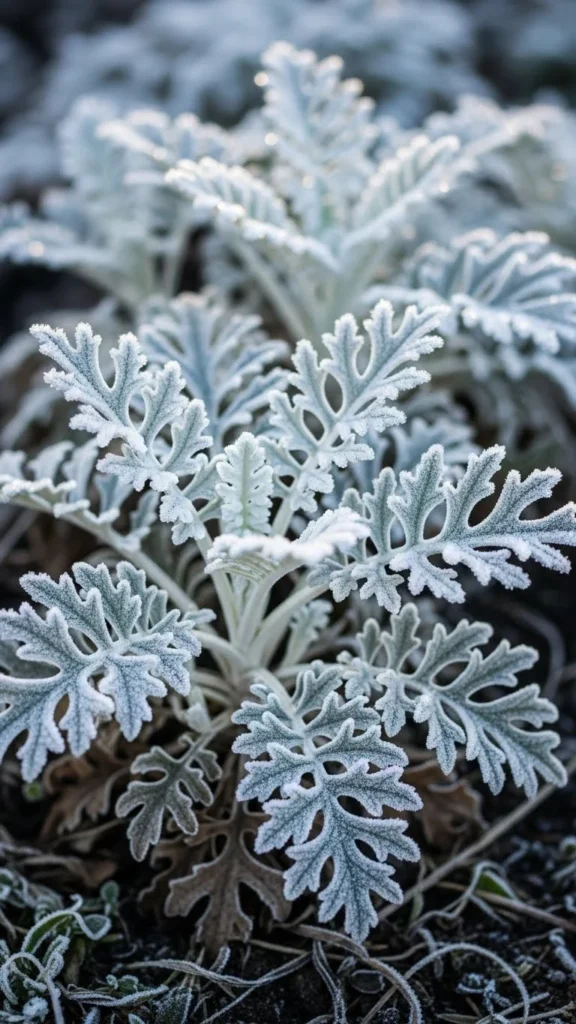
Dusty miller shines in cold weather thanks to its soft silver leaves. Frost actually highlights its texture.
Plant it where soil drains fast. Raised beds help during wet seasons.
Budget tip: Propagate from cuttings. They root easily in water.
DIY idea: Use dusty miller as a border plant in old wooden boxes.
It rarely needs trimming. Remove damaged stems if needed.
Silver foliage brightens darker winter gardens and pairs well with colorful blooms.
7. Ornamental Kale With Bold Rosettes
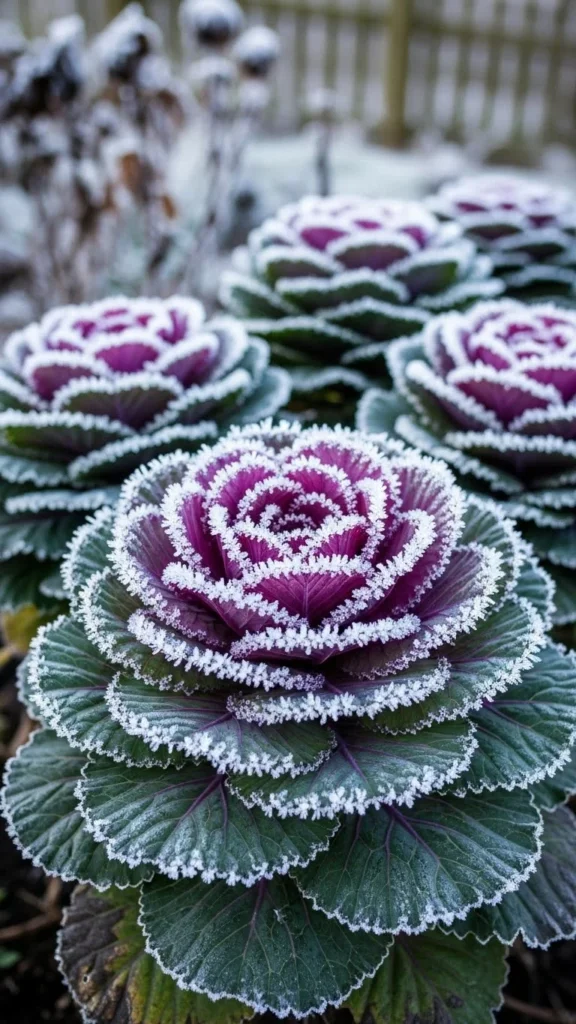
Ornamental kale thrives in cold weather. Color deepens as temperatures drop.
Plant it in full sun for best leaf color. It holds shape through frost.
Budget tip: Buy smaller starts. They grow large by mid-winter.
DIY idea: Plant kale in clusters inside metal buckets with drainage holes.
Remove outer leaves if damaged. The center stays vibrant.
Kale adds structure and bold color when flowers fade.
8. Ornamental Cabbage With Texture
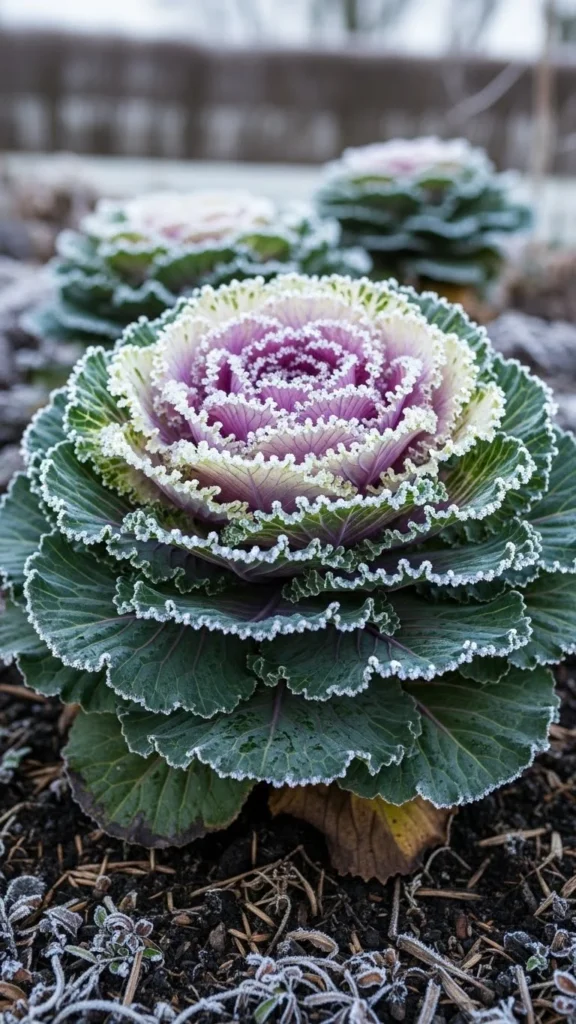
Ornamental cabbage mirrors kale but with tighter heads. It holds up well in cold air.
Space plants well so heads can form fully.
Budget tip: Mix cabbage and kale in one bed for variety.
DIY idea: Use cabbage as a focal point in large planters.
Minimal care is required beyond watering during dry spells.
9. Snapdragons That Keep Standing
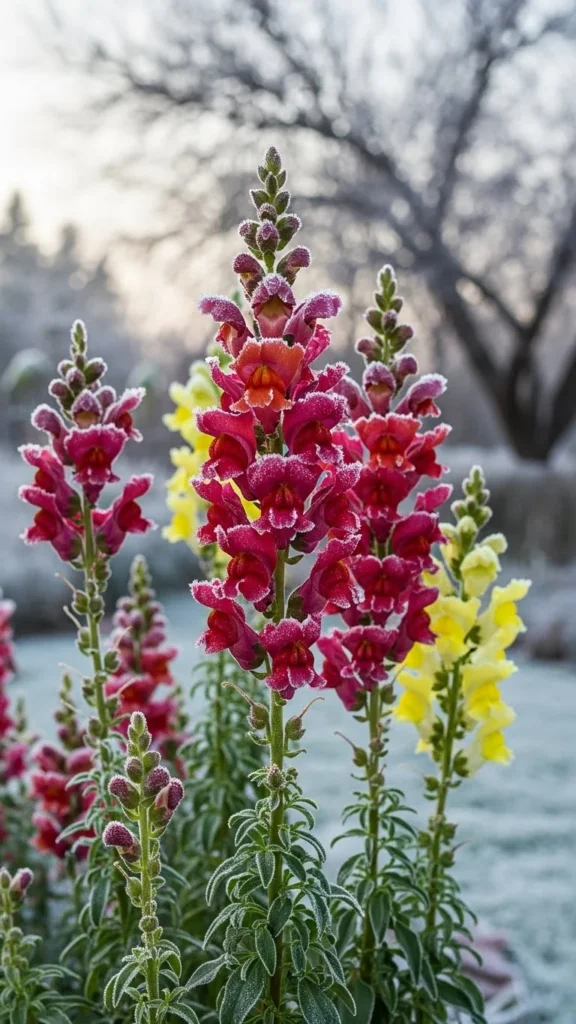
Snapdragons surprise many gardeners with cold tolerance. They pause during freezes, then resume growth.
Plant them in sheltered spots for better results.
Budget tip: Start from seed indoors and transplant in fall.
DIY idea: Use bamboo sticks to support taller varieties.
Trim spent spikes to encourage side shoots.
10. Nemesia With Compact Color
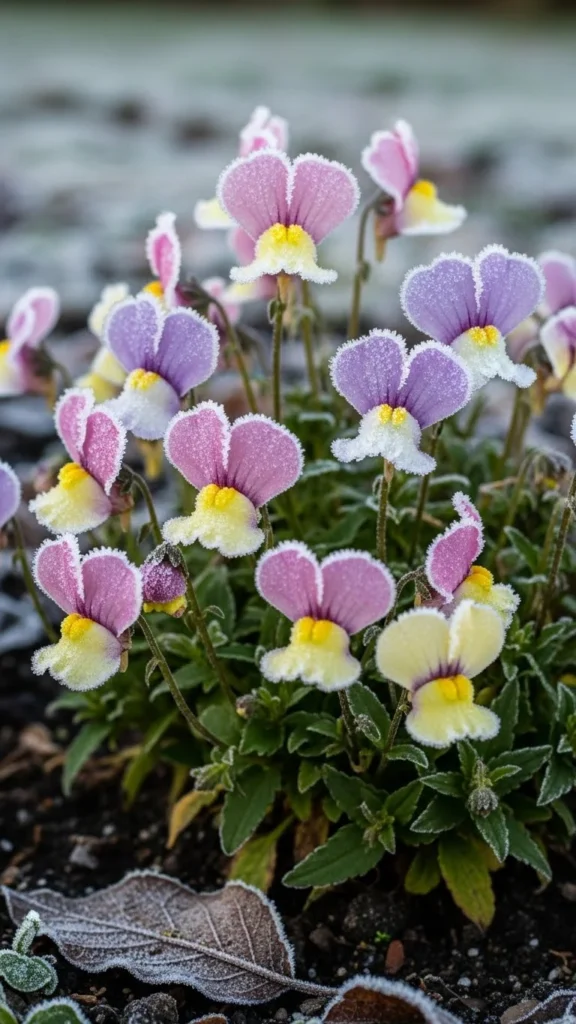
Nemesia prefers cool air and blooms longer during fall and early winter.
Plant in containers or raised beds for drainage.
Budget tip: Look for clearance plants late in the season.
DIY idea: Group nemesia in window boxes for steady color.
Light trimming keeps plants neat and blooming.
11. Sweet Peas for Cool Growth
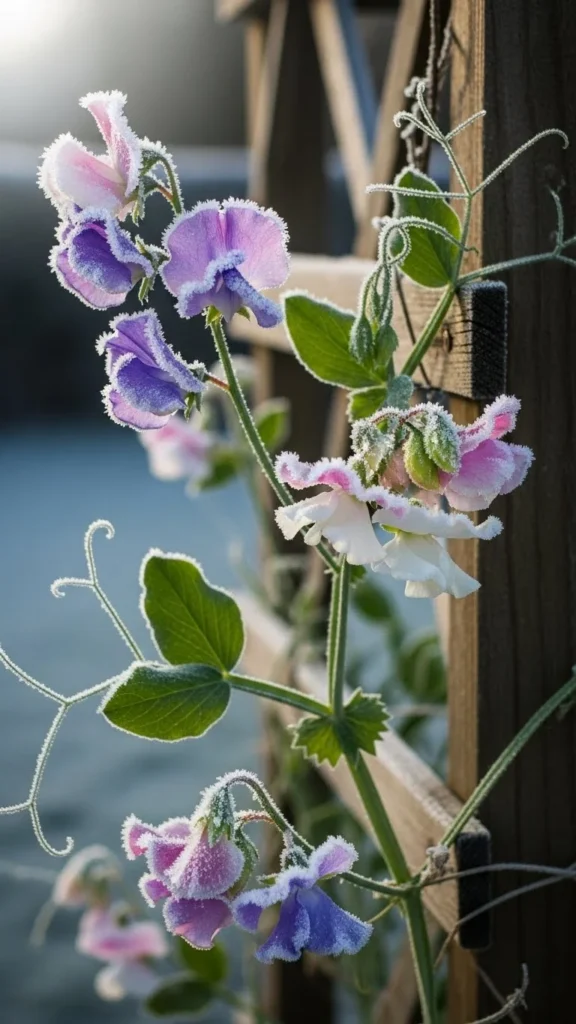
Sweet peas enjoy cool conditions and tolerate light frost.
Plant near simple supports like twine or mesh.
Budget tip: Grow from seed for minimal cost.
DIY idea: Use fallen branches as natural trellises.
Regular picking encourages more blooms.
12. Stock With Spicy Blooms
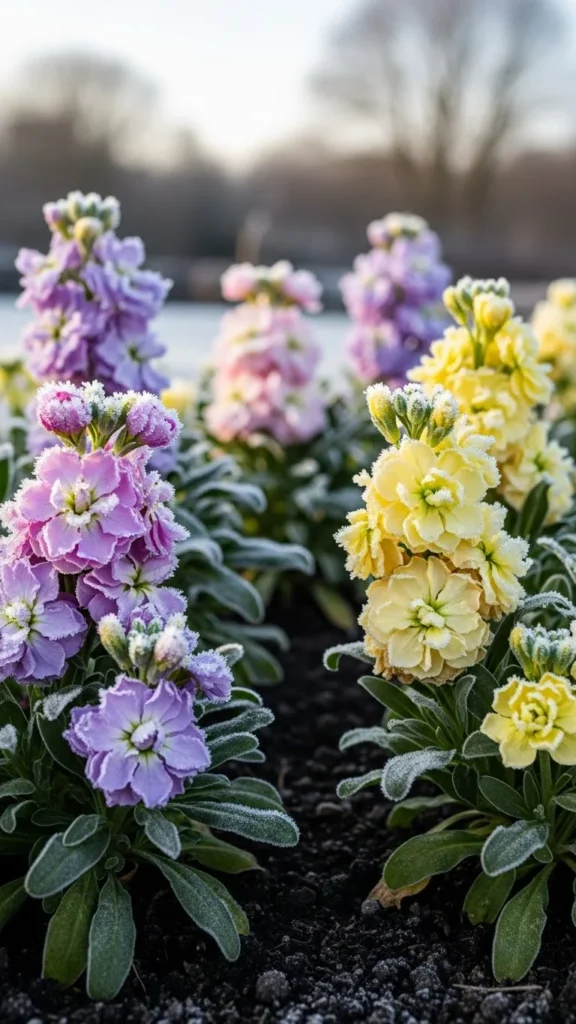
Stock thrives in cool weather and keeps blooming steadily.
Plant in full sun with good airflow.
Budget tip: Buy young starts instead of flowering plants.
DIY idea: Use stock in patio pots near seating areas.
Remove faded flowers to extend bloom time.
13. Cornflower for Cool Beds
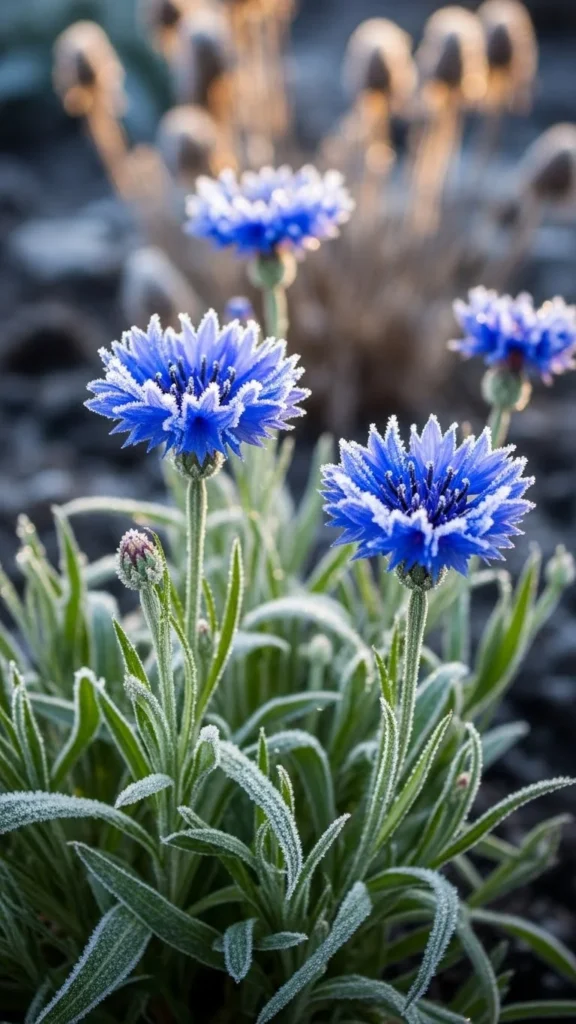
Cornflowers handle cold nights with ease.
Plant directly in beds or containers.
Budget tip: Direct sow seeds for easy growth.
DIY idea: Scatter seeds in unused garden corners.
Minimal care keeps them blooming longer.
14. Phlox With Dense Color
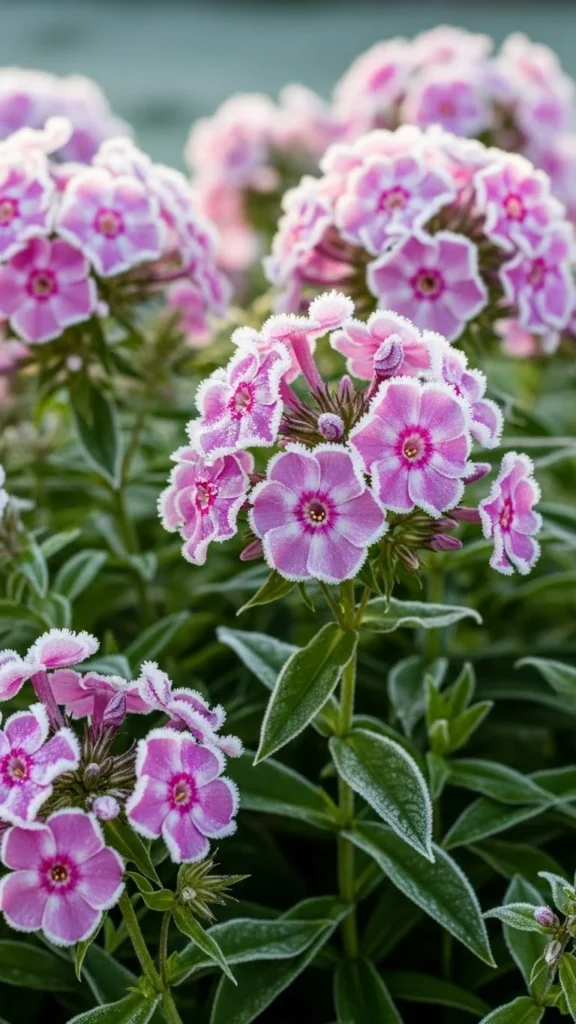
Annual phlox holds color well during cool spells.
Plant in groups for fuller impact.
Budget tip: Buy multi-packs for larger coverage.
DIY idea: Mix phlox with violas in containers.
Pinch stems lightly for bushier growth.
15. Larkspur for Tall Interest
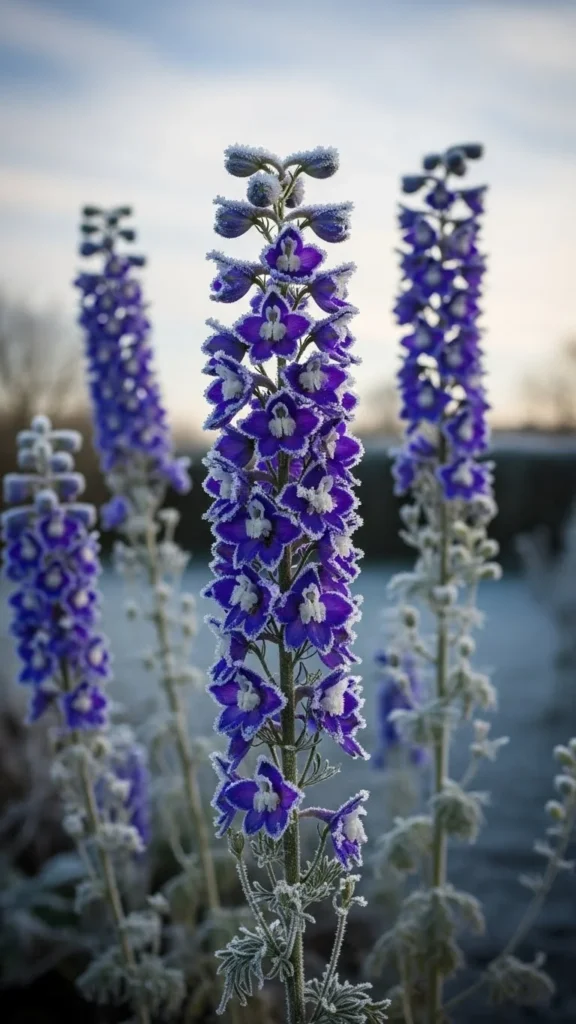
Larkspur tolerates cool temperatures and keeps vertical interest alive.
Plant in early fall for winter blooms.
Budget tip: Grow from seed.
DIY idea: Support with twine between stakes.
16. Sweet William With Dense Clusters
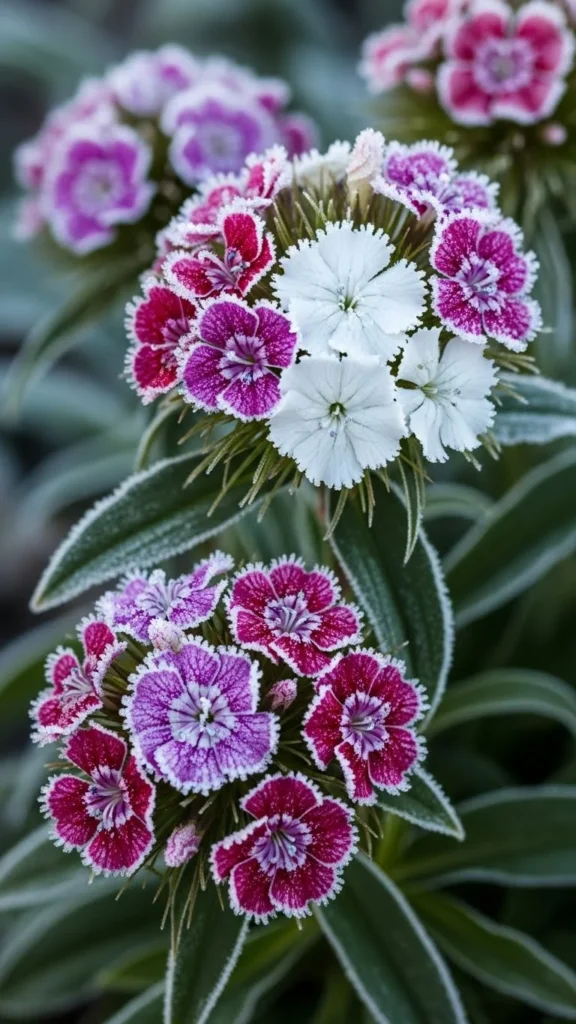
Sweet William handles cool nights without fading.
Plant in sunny beds with good airflow.
Budget tip: Divide plants after blooming.
DIY idea: Use in mixed borders with leafy annuals.
17. Lobelia for Cool Containers

Lobelia prefers cooler temperatures and keeps flowering.
Plant in containers with steady moisture.
Budget tip: Propagate from cuttings.
DIY idea: Pair with dusty miller for contrast.
18. Candytuft With Clean Lines
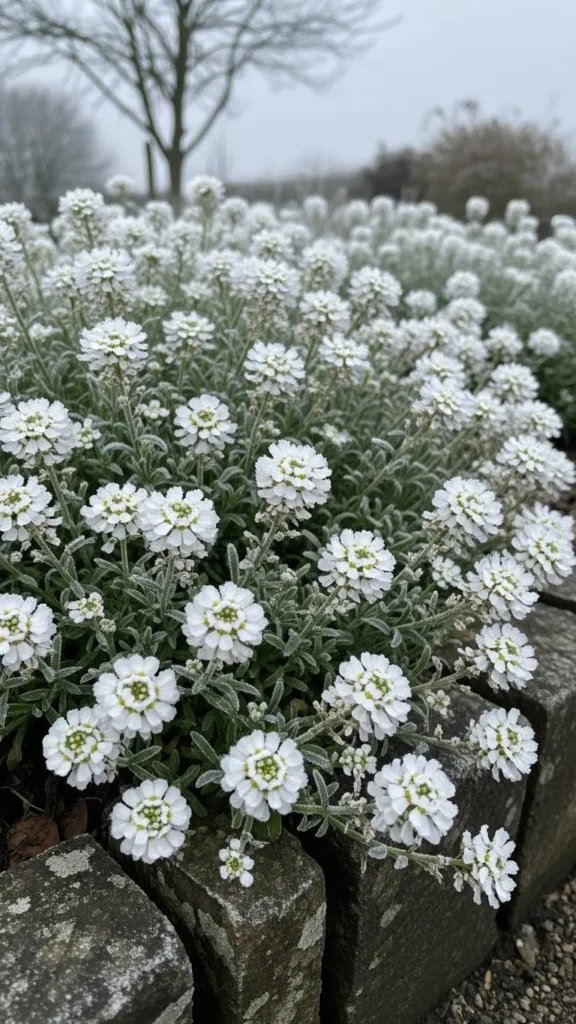
Candytuft keeps tidy growth during cool months.
Plant along borders for structure.
Budget tip: Start from seed.
DIY idea: Line walkways with small clusters.
19. Iceland Poppies With Soft Color
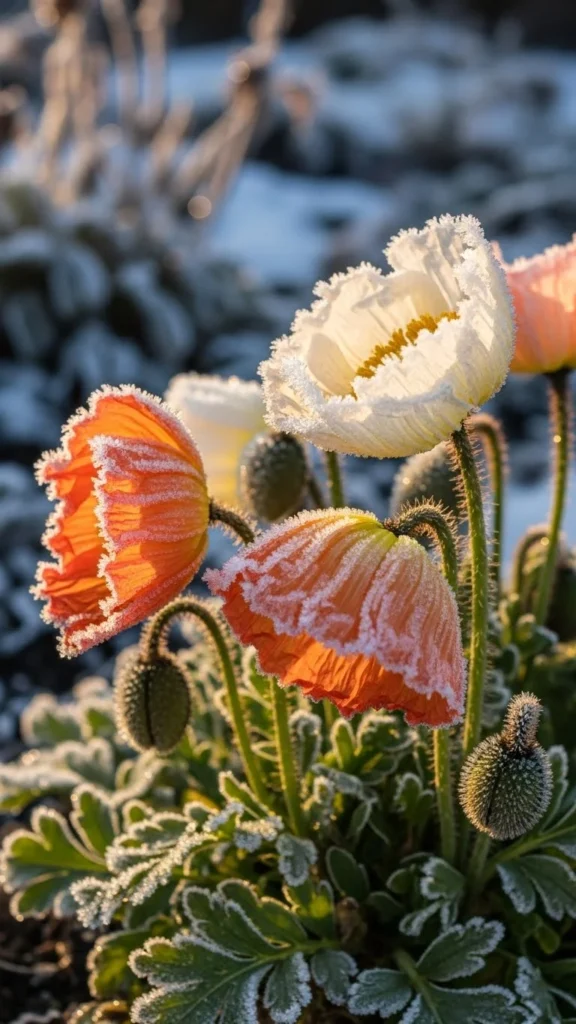
Iceland poppies thrive in cold conditions.
Plant in full sun with loose soil.
Budget tip: Grow from seed in fall.
DIY idea: Use in raised beds for drainage.
20. Alyssum ‘Snow Princess’ Variety
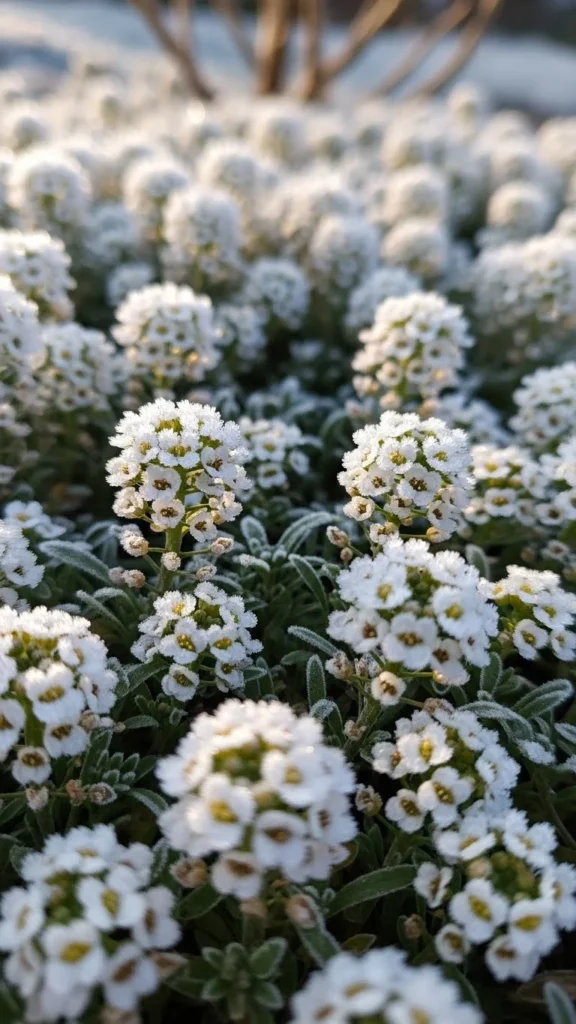
This variety spreads more vigorously than standard alyssum.
Plant where it can trail naturally.
Budget tip: One plant covers large areas.
DIY idea: Use along retaining walls.
21. Bellis Daisies With Pom-Pom Blooms
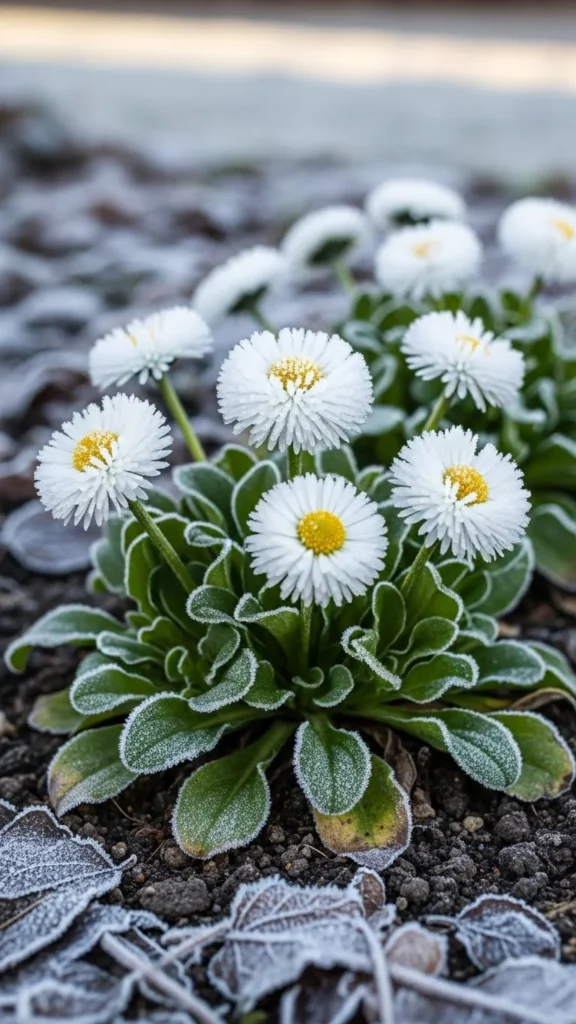
Bellis daisies thrive in cool air.
Plant in clusters for visual impact.
Budget tip: Buy plugs instead of pots.
DIY idea: Line garden edges with reused bricks.
22. Love-in-a-Mist for Light Structure
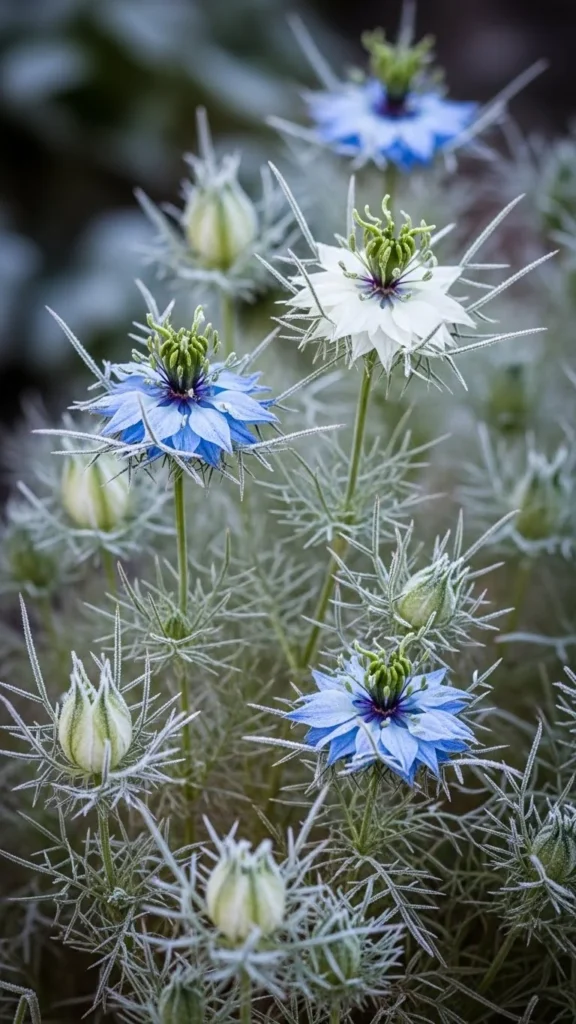
This plant handles cold while adding delicate texture.
Plant directly in beds.
Budget tip: Scatter seeds freely.
DIY idea: Let it self-seed naturally.
23. Wallflowers for Early Color

Wallflowers thrive during cool seasons.
Plant in full sun.
Budget tip: Buy small starts.
DIY idea: Use near doorways for visible color.
24. Nemophila With Sky Tones
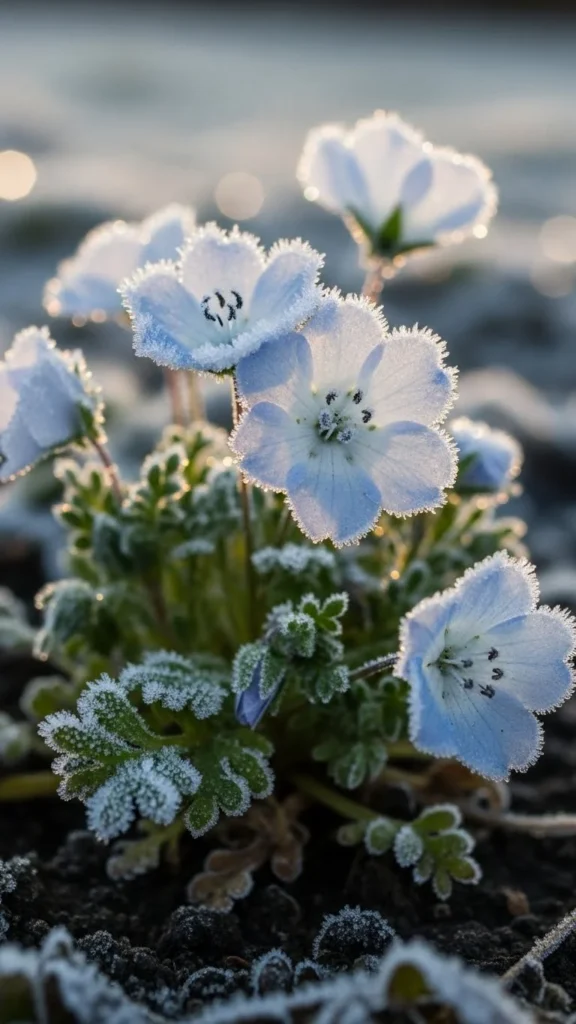
Nemophila prefers cool conditions.
Plant in partial sun.
Budget tip: Grow from seed.
DIY idea: Use as filler between larger plants.
25. Annual Candytuft Variants
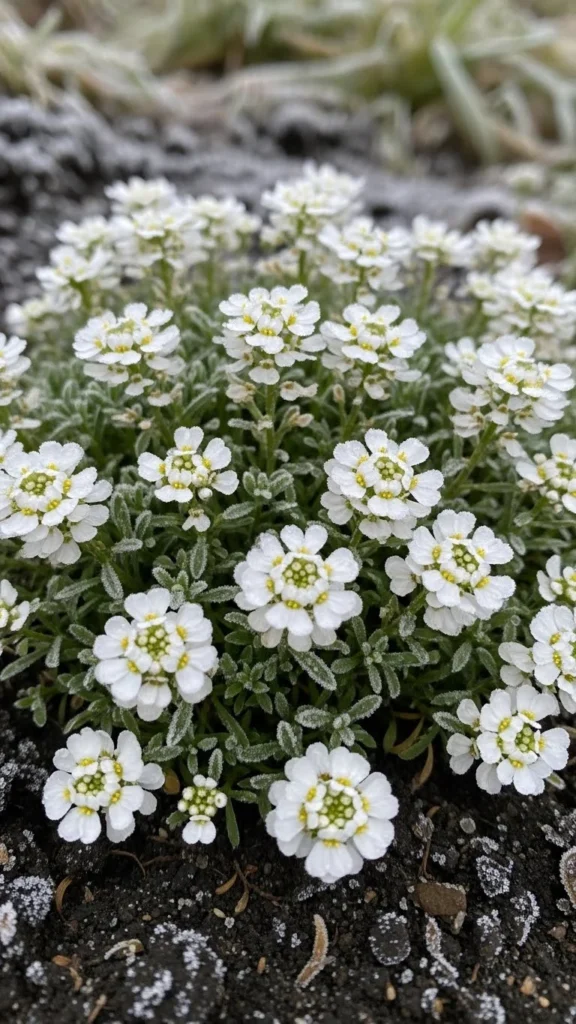
Annual types bloom quickly in cold weather.
Plant densely for coverage.
Budget tip: Direct sow seeds.
DIY idea: Edge raised beds.
26. Schizanthus With Orchid-Like Blooms
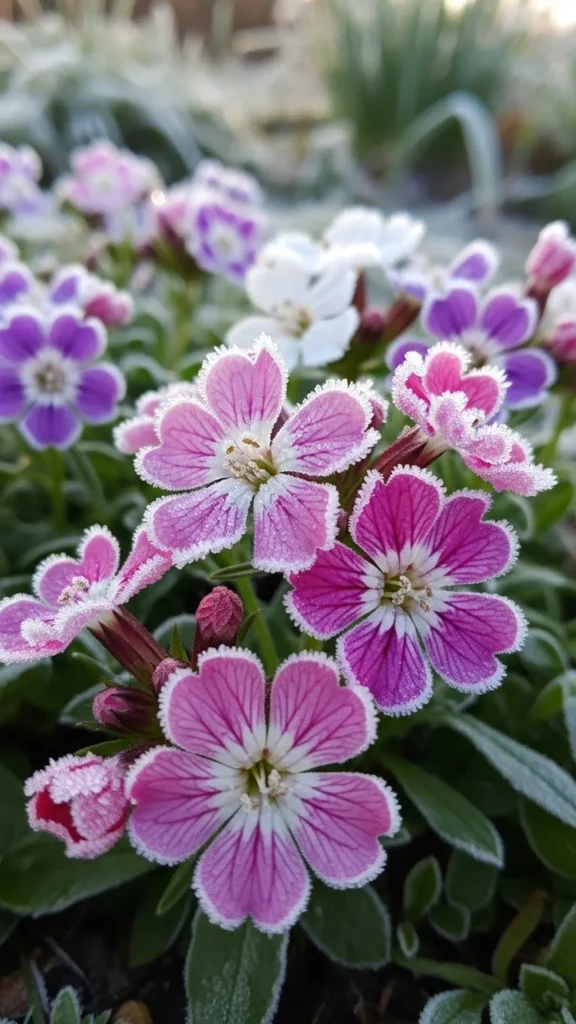
Schizanthus prefers cooler air.
Plant in sheltered spots.
Budget tip: Start from seed indoors.
DIY idea: Grow in decorative pots.
27. Annual Verbena for Long Color
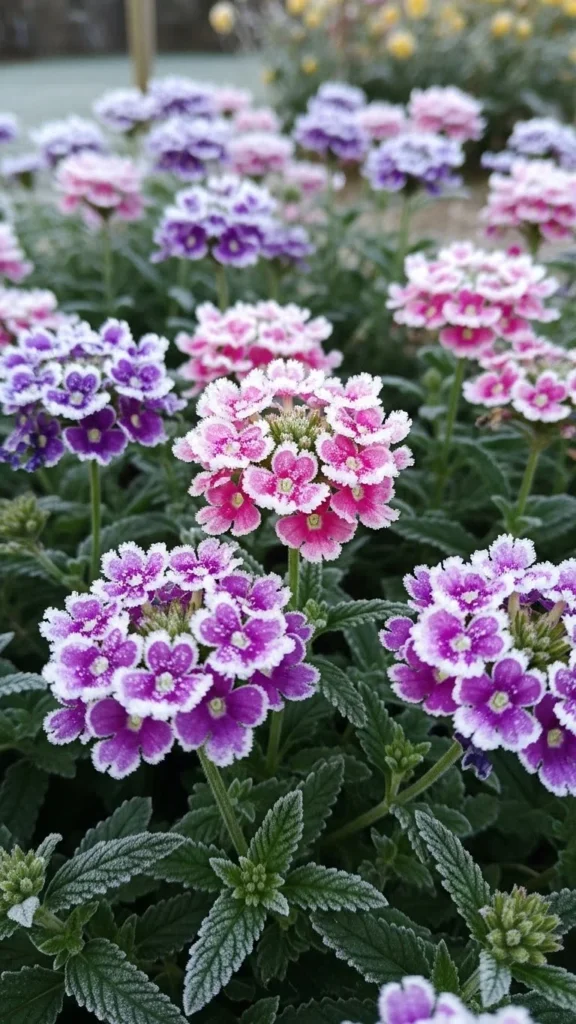
Verbena tolerates cool nights well.
Plant in sunny locations.
Budget tip: Buy multi-packs.
DIY idea: Use in hanging baskets during fall.
Conclusion
Color doesn’t have to disappear once frost arrives. With the right annuals, gardens and containers stay lively well into colder months. These plants handle chilly nights, bounce back during the day, and keep outdoor spaces inviting without expensive inputs. By choosing hardy varieties, using simple DIY containers, and sticking to basic care habits, you can stretch color far beyond the usual season. Pick a few favorites, try them in small spaces, and enjoy steady blooms when most gardens slow down.

Leave a Reply