

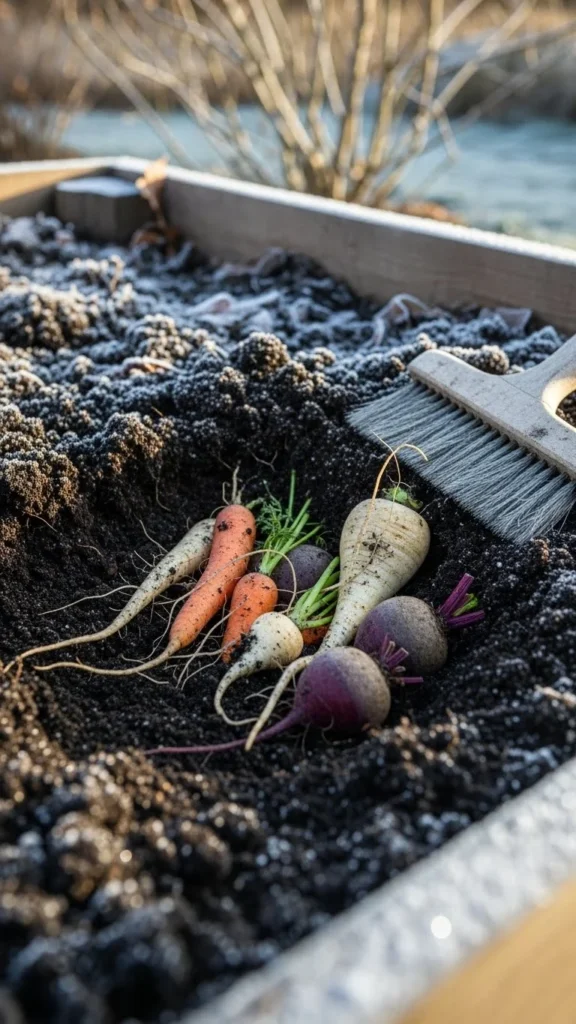
Winter gardening often feels limiting, but underground crops quietly keep growing while the surface rests. Root vegetables handle cold soil well and stay protected below ground. They store naturally, cook easily, and stretch food budgets through the colder months. Many grow in small spaces, raised beds, or even deep containers. With basic soil prep and simple protection, these crops stay dependable all season. This list focuses on roots that hold firm underground and reward steady, practical gardeners with reliable harvests.
Carrots
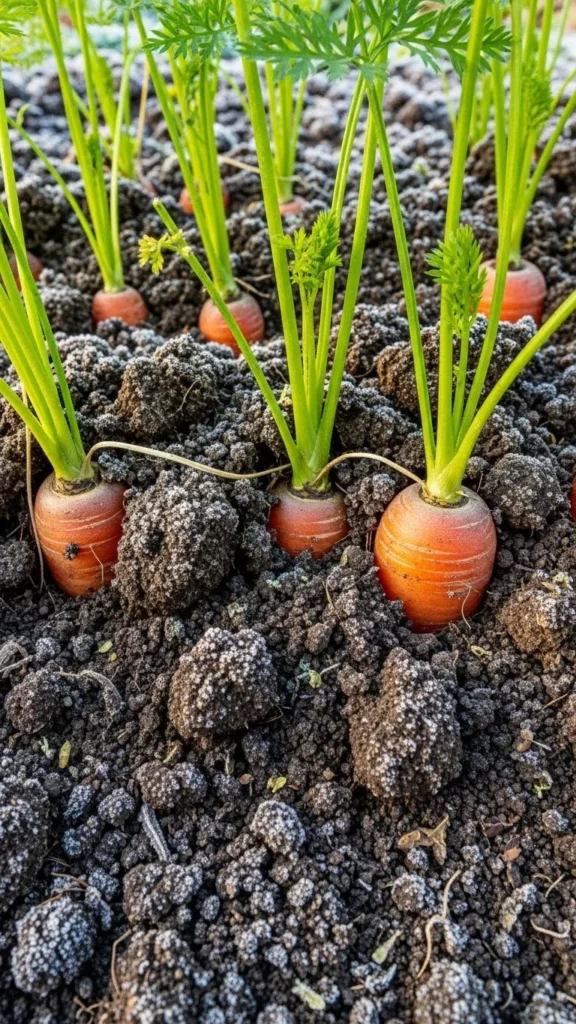
Carrots grow steadily underground while cold air slows top growth. The soil acts like insulation. That helps keep roots firm and sweet through winter weeks. Short varieties work well in shallow beds or containers. Loose soil matters more than depth. Remove stones and break clumps before planting.
Mulch helps hold soil temperature steady. Straw or dry leaves work well and cost little. Water lightly during dry spells. Avoid soaking soil in cold weather.
Harvest only what you plan to use. Leave the rest underground. A garden fork lifts them without snapping roots. For small spaces, try round or stubby types. They grow faster and handle compact beds better.
Carrots also store well. Brush off soil and keep them cool and dark. No washing until use. This keeps texture steady longer.
Beets
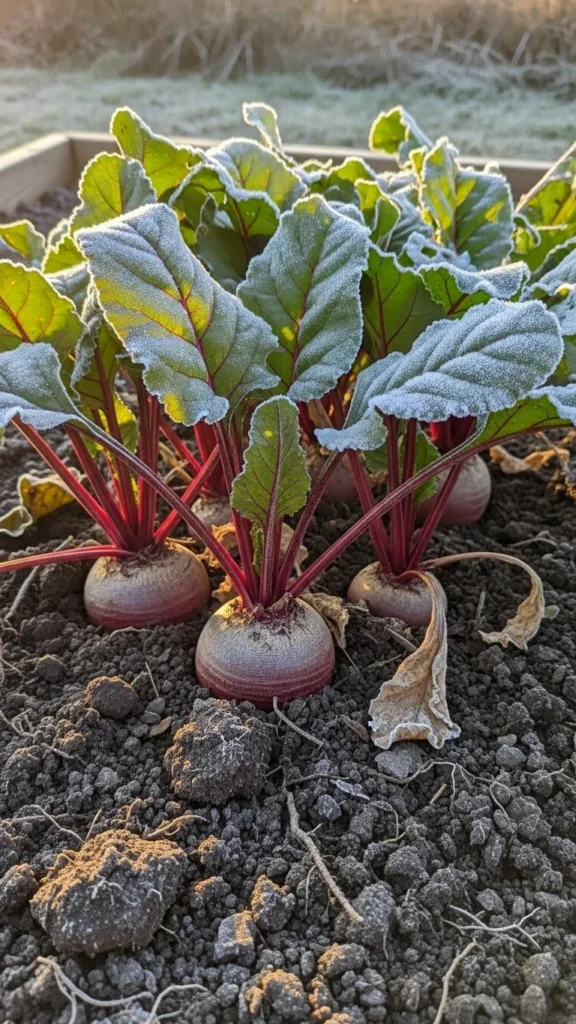
Beets stay productive in cool soil and tolerate light frost. Both roots and greens serve kitchen use. Underground growth stays steady even when air temperatures drop.
Plant beets in well-drained soil. Heavy clay can cause misshaped roots. Mixing compost improves texture without cost. Thin seedlings early to give each root space.
Mulch helps protect soil moisture. Beets dislike soggy ground in winter. Water only when soil dries out. Harvest young roots for tender texture, or let them grow larger for storage.
Greens regrow after light picking. Cut outer leaves and leave the center intact. This extends harvest time without replanting.
Store roots unwashed in a cool place. Keep them away from light to prevent soft spots.
Turnips
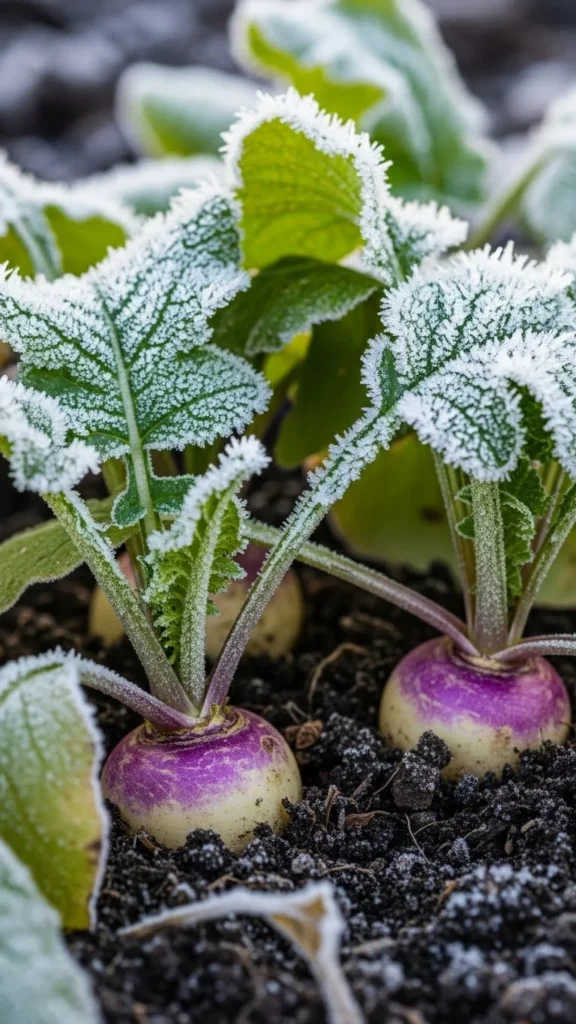
Turnips handle cold soil with ease and grow quickly. Their compact size fits small beds well. Both roots and greens serve multiple meals.
Plant turnips in loose soil. They grow best when spaced early. Crowded plants form woody roots. Thin seedlings while small.
Mulch lightly to guard against repeated freeze and thaw cycles. That keeps roots firm underground. Water sparingly. Wet soil causes splitting.
Harvest young roots for smooth texture. Larger turnips work well for roasting or mashing. Greens can be picked early and often.
For budget growers, turnips provide fast returns. Seeds cost little and mature quickly. Store roots cool and dry with soil brushed off.
Parsnips
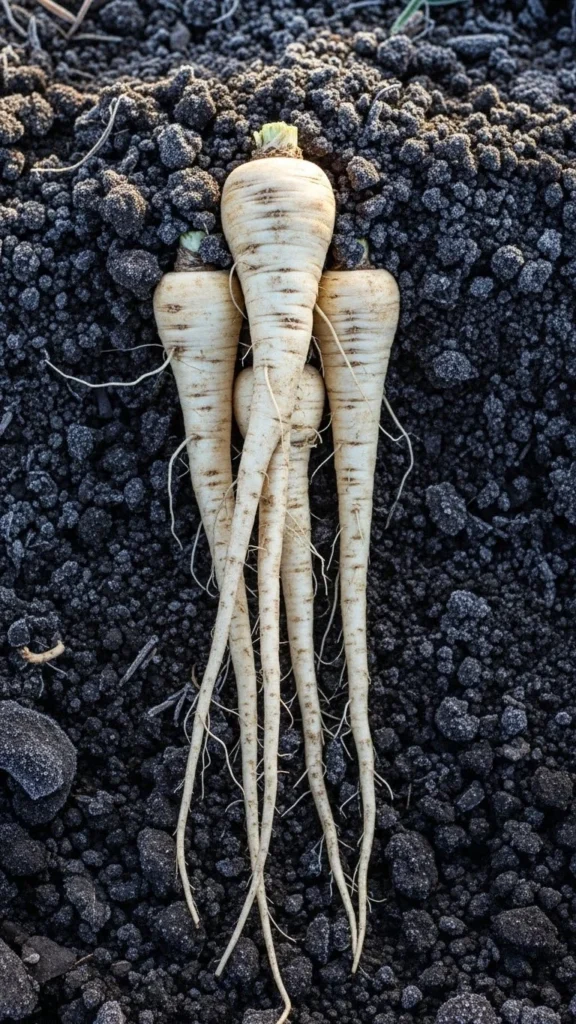
Parsnips grow slowly but reward patience. Cold soil improves their flavor. Underground growth continues while surface growth pauses.
Deep soil helps parsnips grow straight. Raised beds work well. Remove stones before planting. Germination takes time, so mark rows clearly.
Leave parsnips in the ground until winter. Cold weather softens their texture naturally. Mulch helps prevent soil crusting and root damage.
Harvest with a fork to avoid snapping long roots. Pull gently after loosening soil.
Parsnips store well underground. Lift only what you plan to use. This saves storage space and effort. Few crops match their winter reliability.
Rutabagas
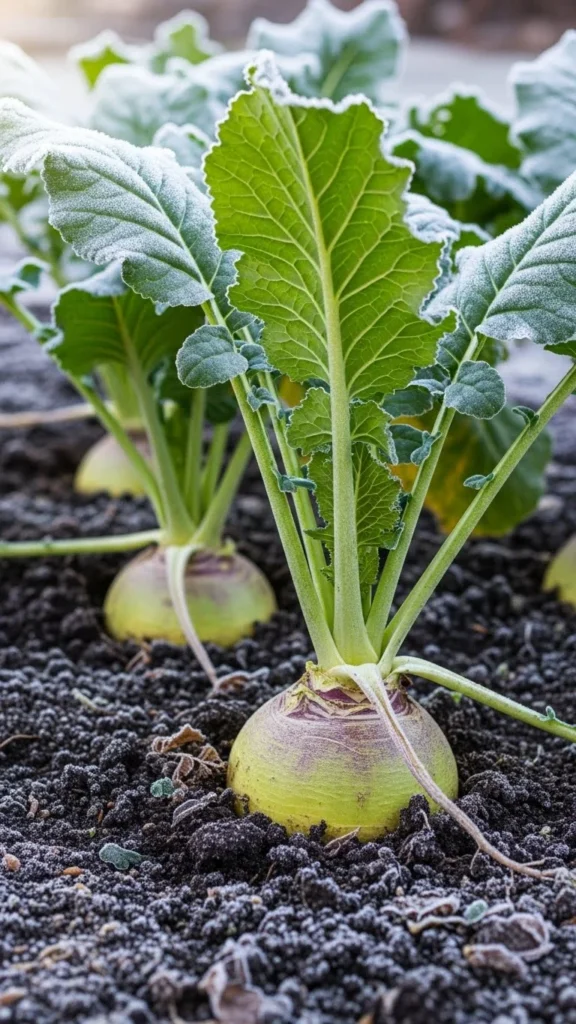
Rutabagas grow larger than turnips and handle cold soil well. They suit long winter harvests and store easily.
Plant in rich soil with room to spread. Crowding limits size. Thin early for better root shape.
Mulch supports steady soil temperature. Rutabagas tolerate frost better than many roots. Water lightly to avoid splitting.
Harvest after roots reach full size. They stay firm underground for weeks. Use a spade to lift heavier roots.
Their dense structure works well for roasting and stews. For gardeners seeking long-term storage, rutabagas perform reliably without special tools.
Radishes (Winter Varieties)
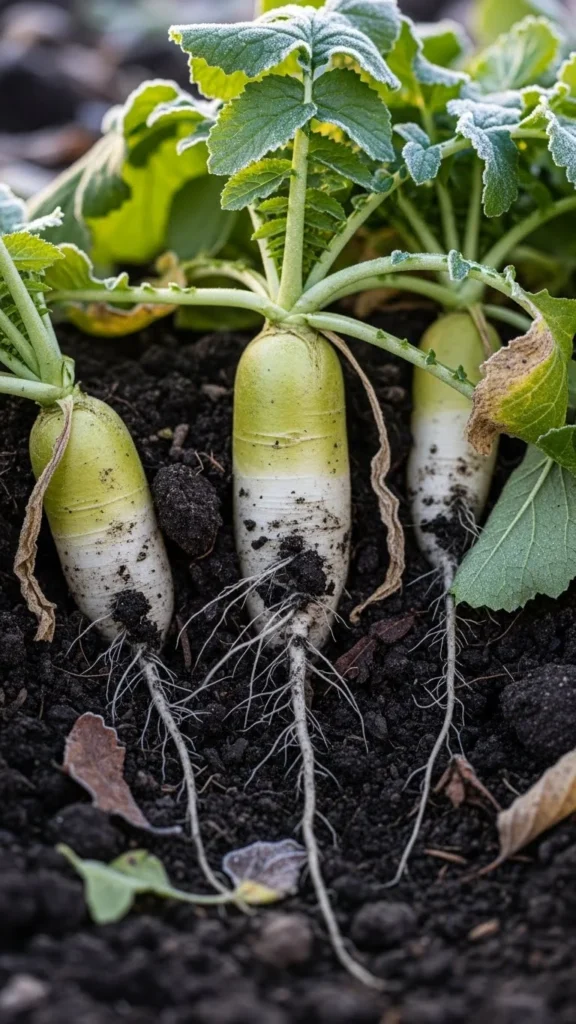
Winter radishes differ from quick spring types. They grow slower and larger. Cold soil helps keep them crisp.
Daikon and black radishes handle winter best. Plant in loose soil for straight roots. Thin early to avoid crowding.
Mulch helps control moisture. Radishes dislike waterlogged soil. Harvest when roots feel firm.
Slice and store in cool conditions. They last longer than spring types. These radishes stretch winter harvests without extra care.
Celeriac
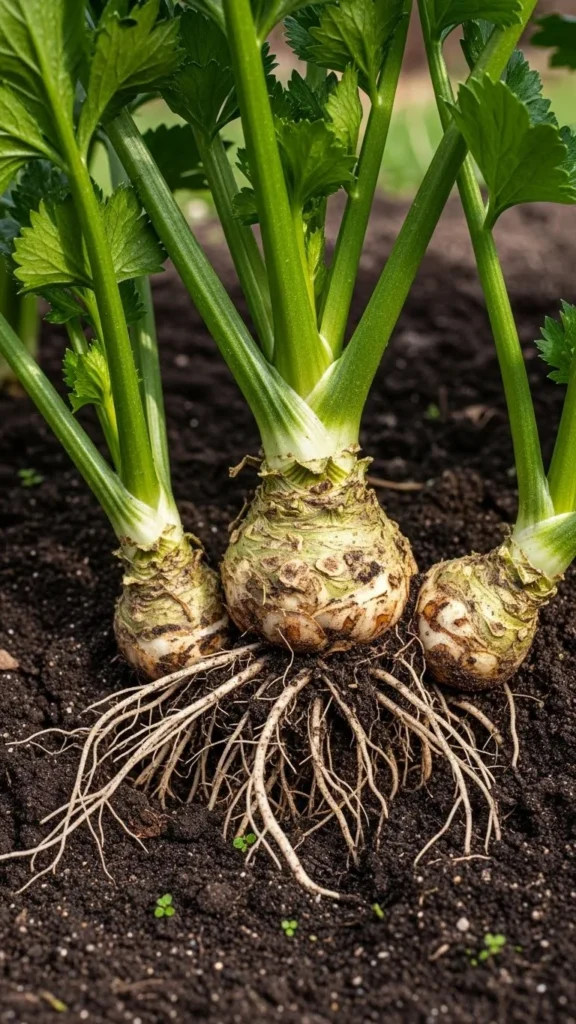
Celeriac grows slowly but stays dependable underground. It tolerates cold soil better than celery stalk types.
Plant early and give space. Roots expand near the surface but stay protected by soil. Mulch helps regulate temperature.
Water evenly. Dry soil causes uneven growth. Harvest after bulbs reach softball size.
Trim roots and stalks before storage. Keep cool and dark. One plant feeds multiple meals, making it cost-effective for winter gardens.
Garlic
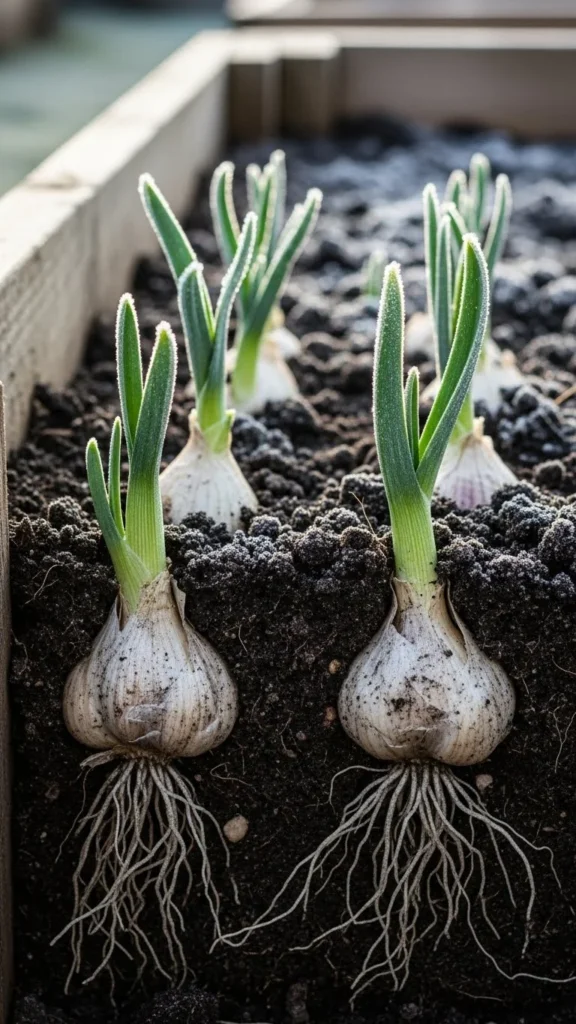
Garlic grows underground through winter after fall planting. Cold soil supports strong bulb development.
Plant cloves pointed up. Space them well. Mulch heavily to protect soil structure. Straw works well and costs little.
Minimal care required. Water lightly during dry periods. Remove mulch gradually in early spring.
Harvest comes later, but winter growth sets the stage. Garlic rewards patience with strong, long-storing bulbs.
Onions (Overwintering Types)
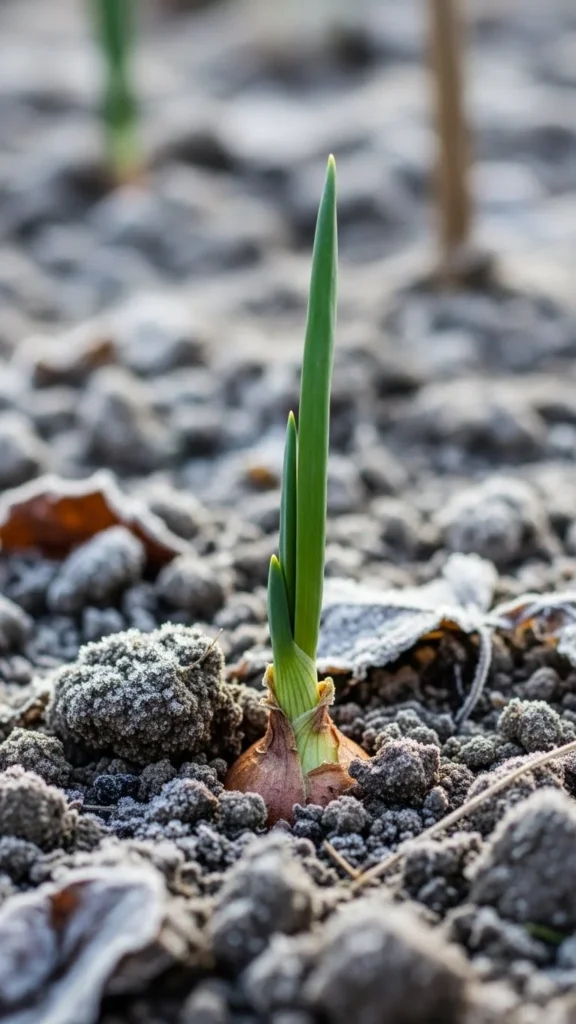
Certain onions survive winter underground. Sets or seedlings planted early establish roots before cold arrives.
Mulch protects shallow bulbs. Loose soil supports steady growth. Avoid heavy watering in cold months.
Harvest early bulbs as scallions or let them mature. Overwintering onions extend harvest timing without added cost.
Shallots
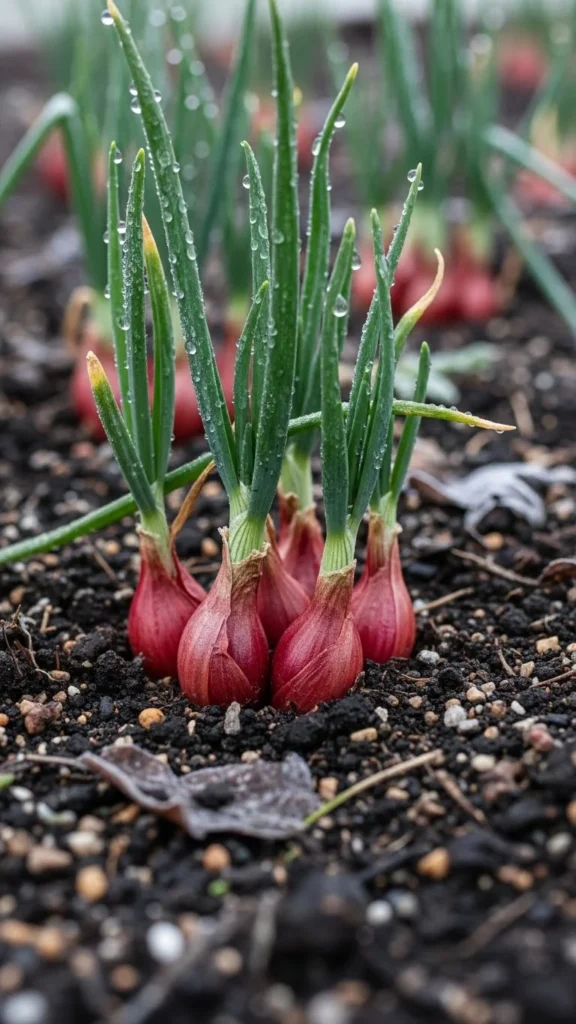
Shallots grow much like onions but form clusters underground. They tolerate cold soil well.
Plant sets in fall. Mulch lightly. Minimal care required through winter.
Harvest comes early summer, but winter growth strengthens bulbs. Shallots store well and stretch cooking options.
Leeks
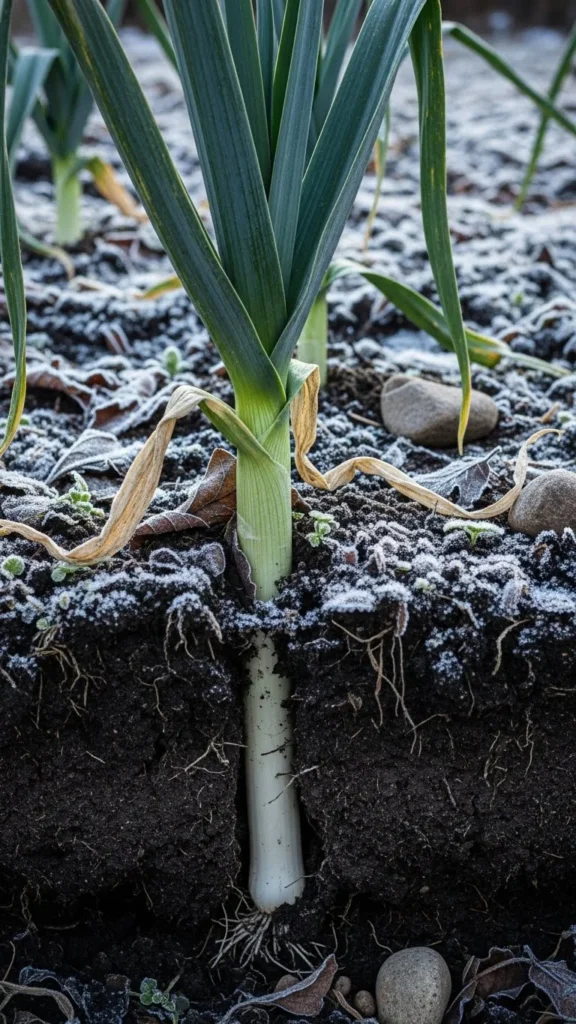
Leeks grow slowly and stay usable underground through winter. Soil mounding increases white stalk length.
Mulch helps protect shallow roots. Water lightly. Harvest as needed rather than all at once.
They stand firm in cold soil and suit long harvest windows.
Sunchokes
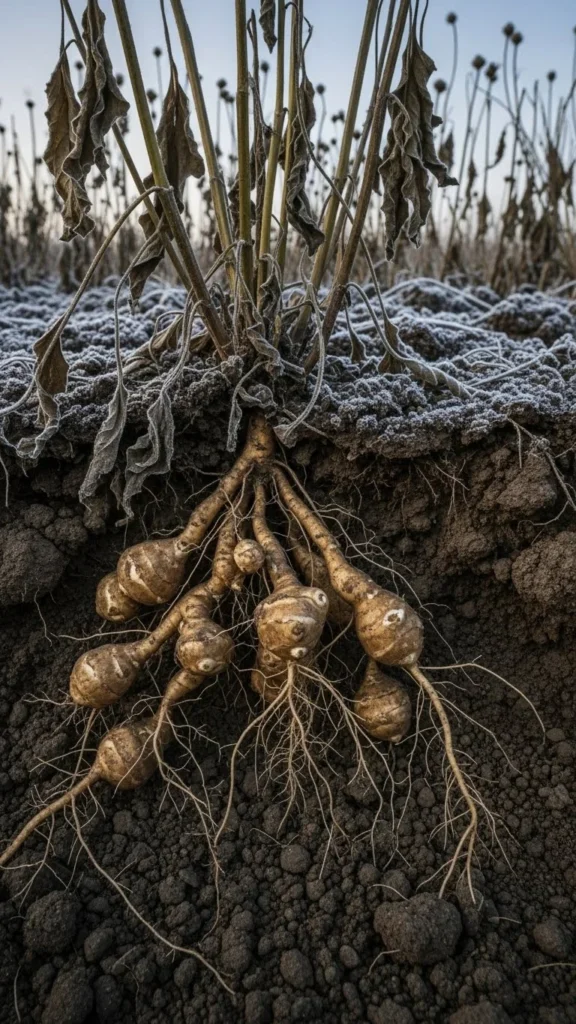
Sunchokes thrive underground and return yearly. Tubers stay firm in cold soil.
Plant once and harvest gradually. Leave some tubers behind for regrowth.
They spread easily, so contain beds. Simple care brings long-term harvests.
Horseradish

Horseradish grows aggressively underground. Cold soil does not slow it.
Plant root cuttings in contained spaces. Harvest roots as needed.
Small pieces left behind regrow easily. Low effort, high yield crop.
Jerusalem Artichokes
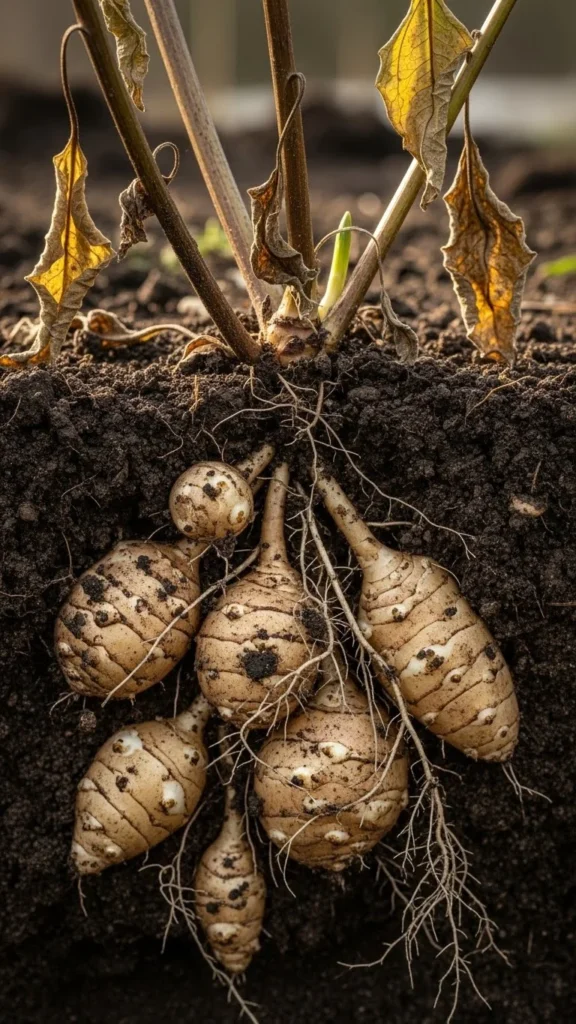
These tubers stay firm underground all winter. Harvest gradually.
Plant once and manage spread. Soil acts as storage, saving space indoors.
Scorzonera
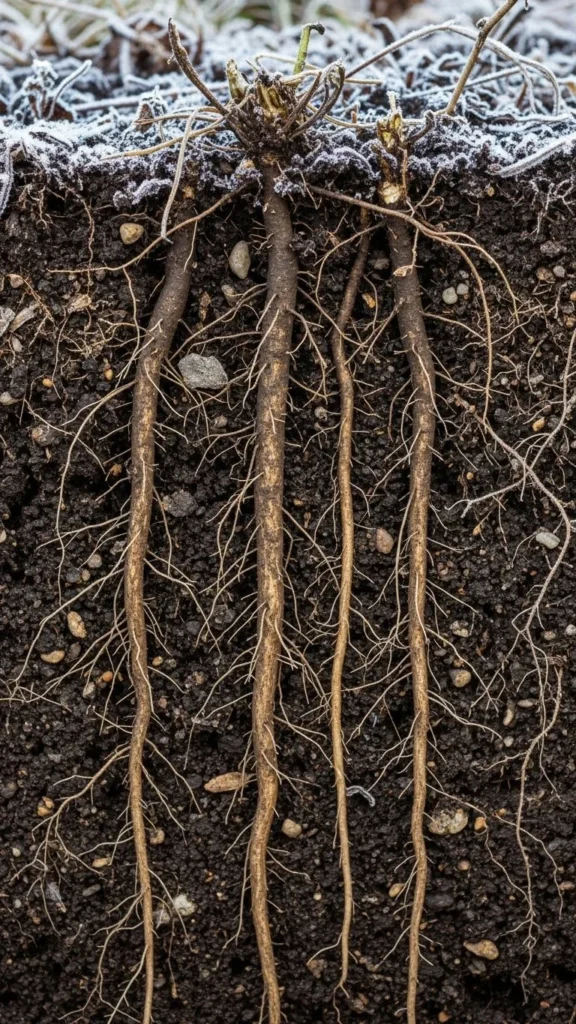
Scorzonera grows slowly but tolerates cold soil well. Deep, loose beds help root shape.
Harvest carefully to avoid breakage. Leave roots underground until needed.
Skirret
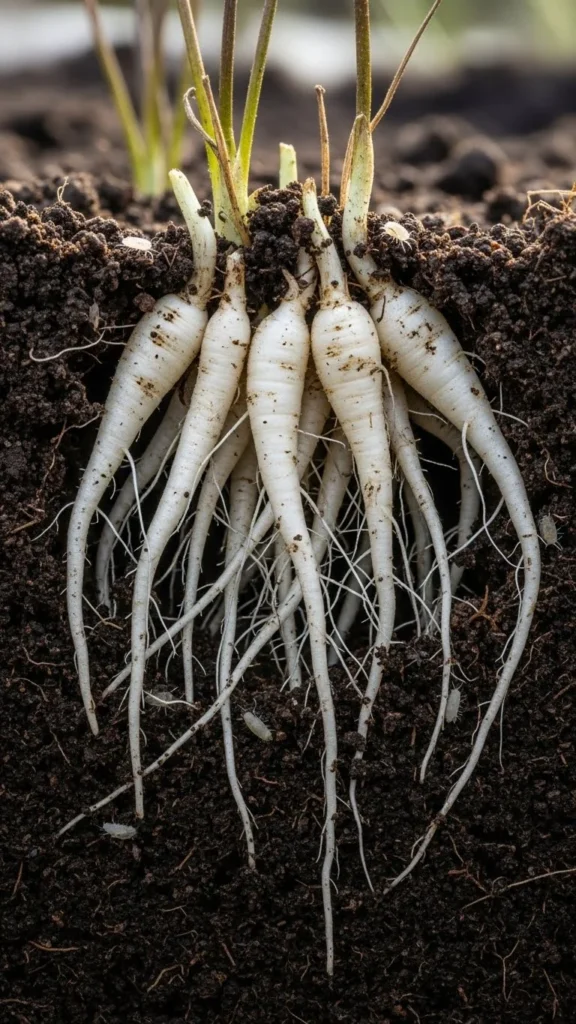
Skirret forms clusters of thin roots. Cold soil does not stop growth.
Plant in moist, loose soil. Harvest selectively to extend yield.
Hamburg Parsley
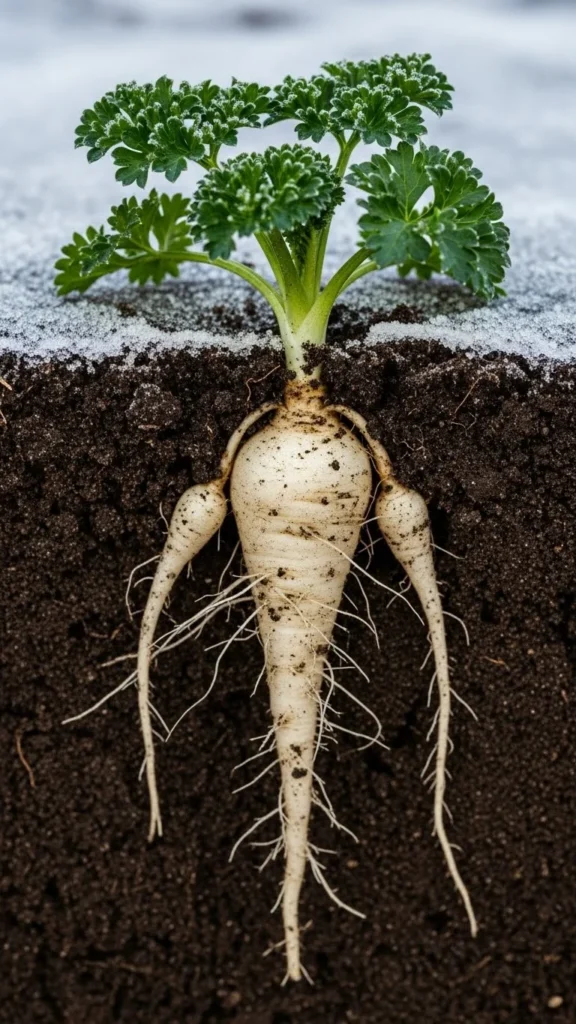
This root parsley grows well in cold soil. Both roots and leaves are useful.
Loose soil supports straight growth. Harvest roots as needed.
Chervil Root
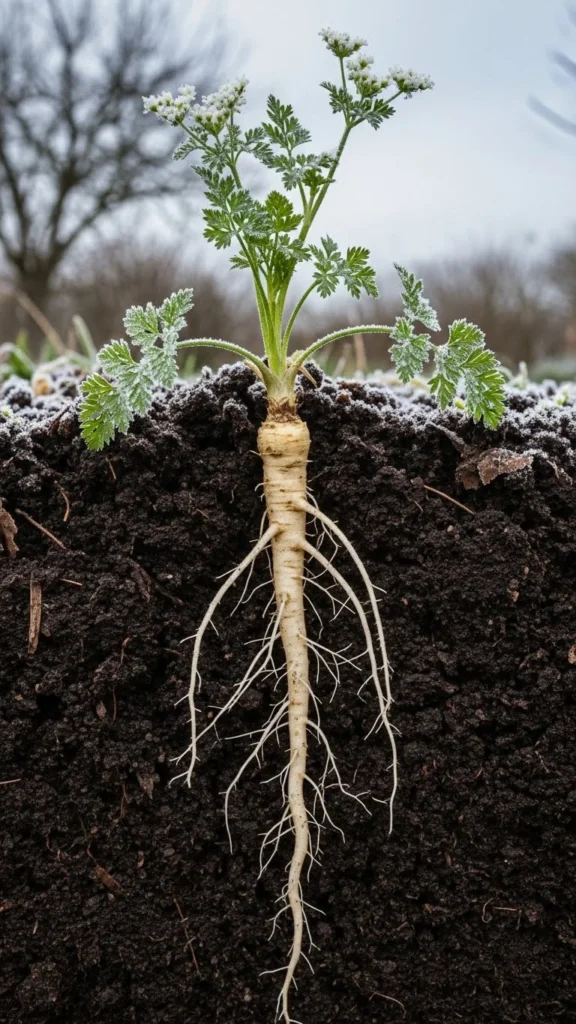
Chervil root handles cold soil and small spaces. Slow growth but steady yield.
Mulch lightly and harvest carefully. Best lifted when roots feel firm.
Daikon
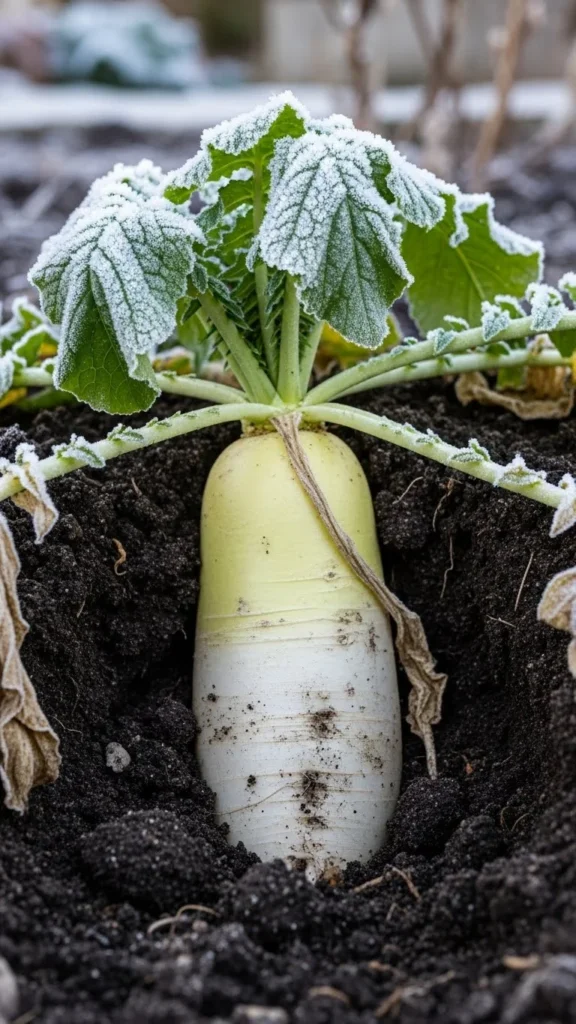
Daikon thrives in cold soil. Long roots need deep beds.
Harvest before soil freezes solid. Store cool and dark.
Kohlrabi (Overwintered)
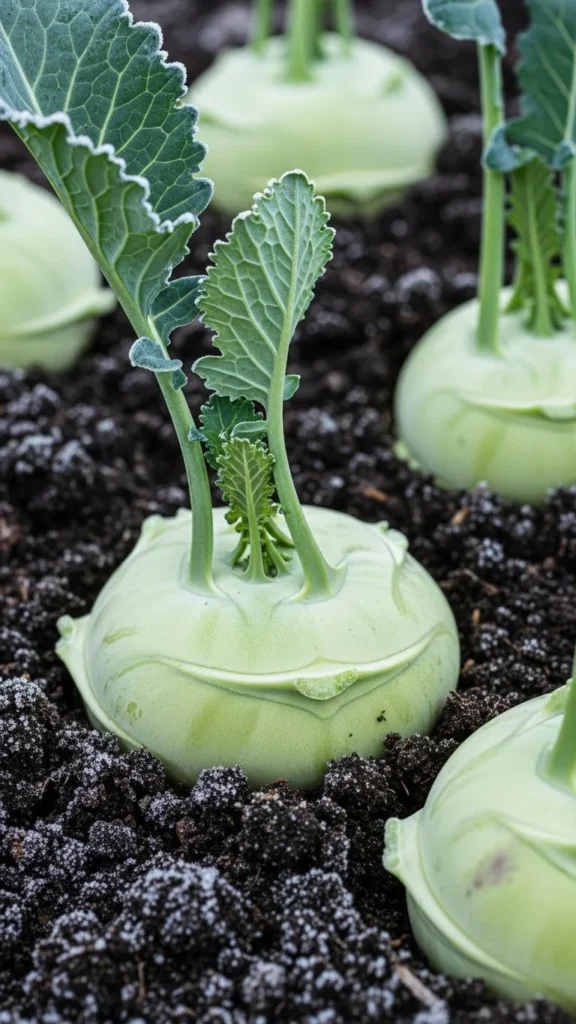
Overwintered kohlrabi stays firm underground. Harvest young bulbs for best texture.
Mulch helps protect shallow roots.
Burdock
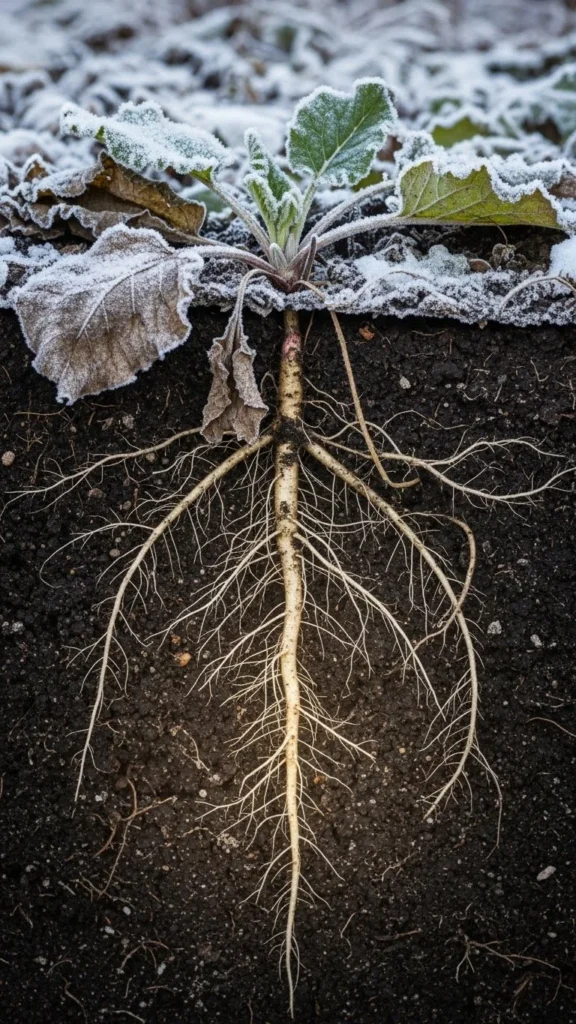
Burdock grows deep and steady. Cold soil does not hinder root growth.
Harvest carefully using a spade. Roots stay usable underground.
Chicory Root
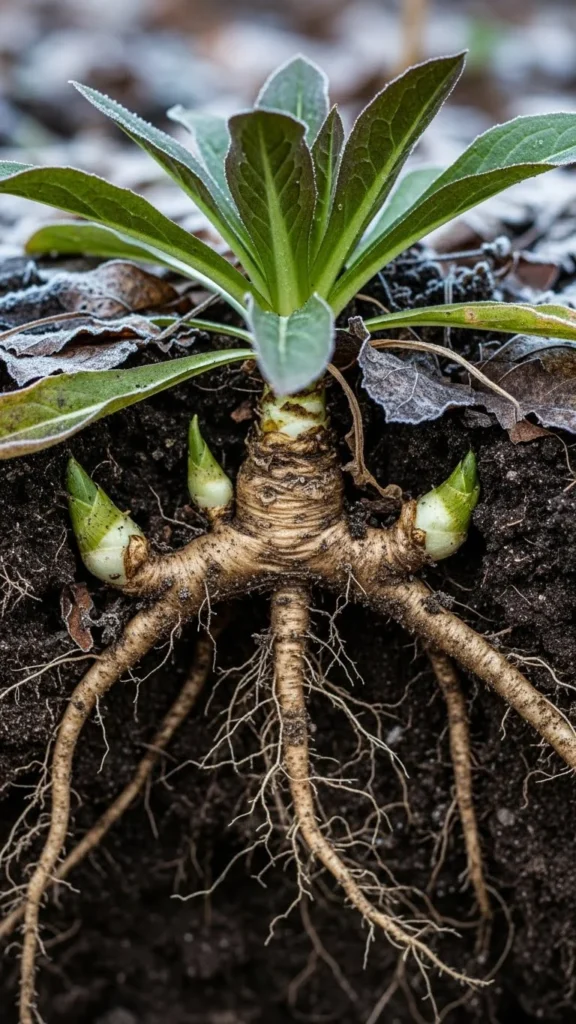
Chicory roots tolerate winter soil well. Harvest after first frosts.
Roots store easily and support multiple uses.
Yacon
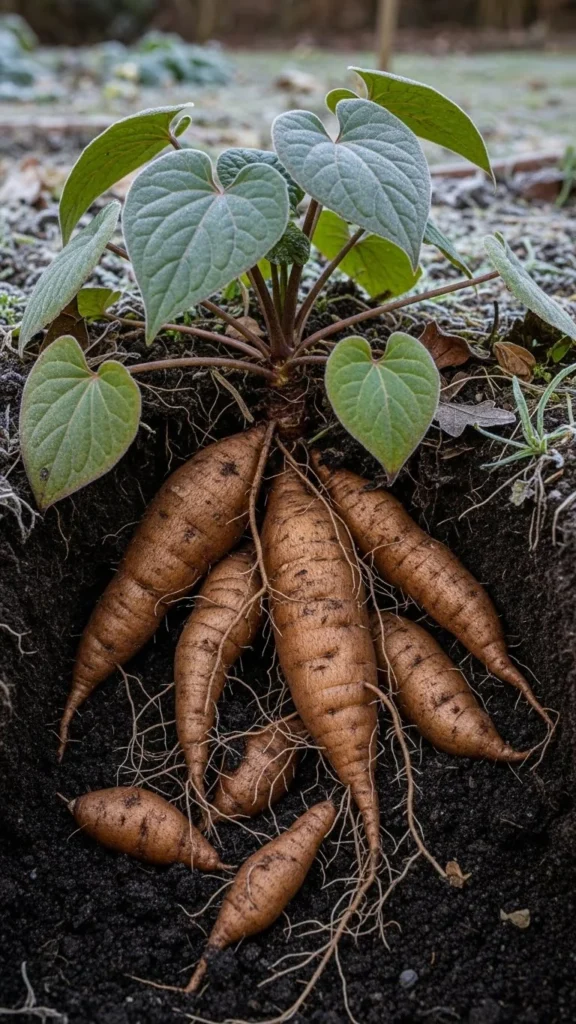
Yacon forms tubers underground late in the season. Cold soil supports maturity.
Harvest before hard freezes. Store tubers cool and dry.
Conclusion
Root vegetables that grow underground bring steady harvests through cold months with minimal effort. Soil protects them naturally, reducing risk and storage work. Many fit small gardens, raised beds, or containers. With simple mulch and light watering, these crops deliver reliable results all winter. Plant a few, harvest gradually, and let the ground do the work.

Leave a Reply