

Winter doesn’t have to mean bare walls, empty trellises, or lifeless fences. With the right climbers, your garden can stay textured, green, and even colorful—no matter how low the temperature drops. Frost-hardy climbing plants are tougher than they look, and once established, they can power through snow, icy winds, and long cold spells with ease.
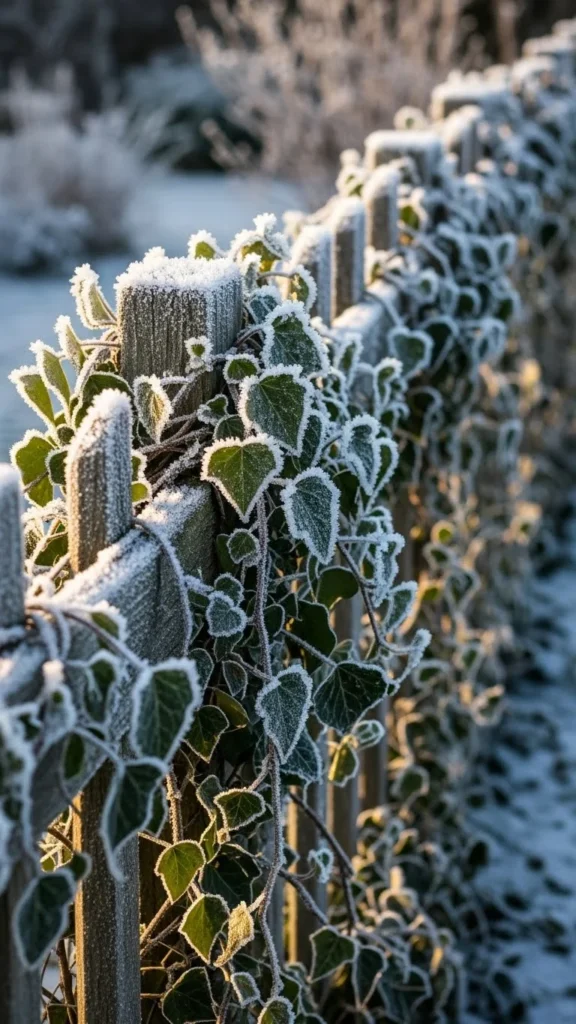
This guide walks you through choosing, planting, and protecting winter-resistant climbers so they come back stronger every spring.
Choose Climbers Built for Cold Weather
The foundation of success starts with plant selection. Not all climbers are created equal, and winter survival depends on choosing varieties that naturally tolerate frost and freezing temperatures.
Look for climbers labeled as:
- Cold-hardy or frost-tolerant
- Suitable for your USDA hardiness zone
- Known for woody stems rather than soft, tender growth
Reliable winter-resistant climbers often include evergreen vines, woody deciduous climbers, and species that naturally grow in mountainous or northern regions.
Tips when shopping:
- Local nurseries usually stock plants proven to survive your winters
- Avoid fast-growing tropical climbers—they rarely bounce back after frost
- Younger plants adapt better than overgrown, root-bound ones
Choosing the right plant saves you years of frustration later.
Plant in the Right Location for Winter Protection
Even the toughest climbers need a smart planting spot to survive harsh winters. Microclimates around your home can make a big difference.
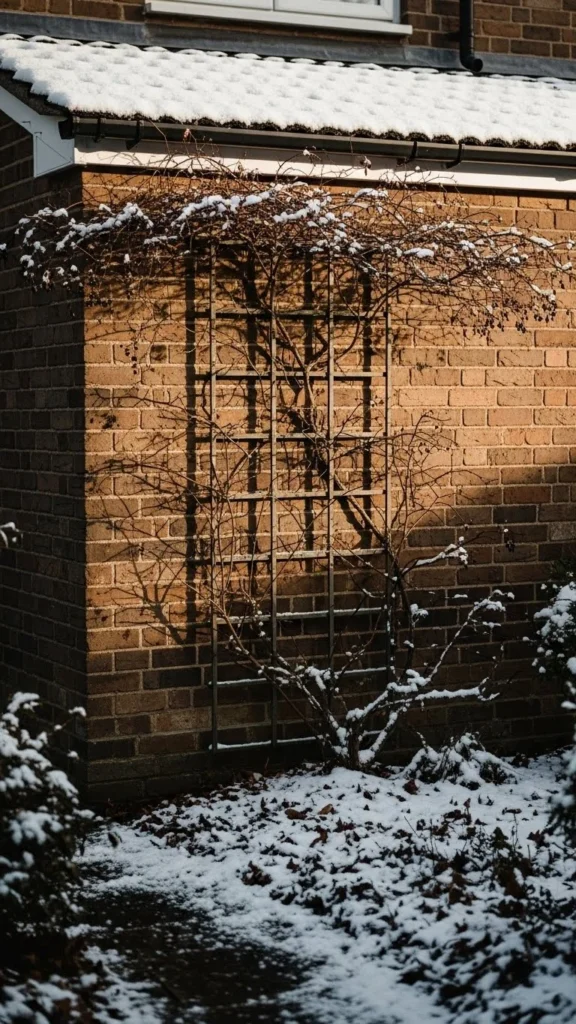
Best placement ideas:
- Against south- or west-facing walls for extra warmth
- Near fences or hedges that block icy winds
- Avoid low spots where cold air settles
Additional planting tips:
- Leave a few inches between the plant and wall for airflow
- Train vines upward early so stems don’t sprawl on frozen ground
- Use sturdy supports that won’t crack in freezing temperatures
A protected location can raise the effective temperature by several degrees—sometimes enough to prevent winter damage entirely.
Prepare the Soil Before Winter Hits
Healthy roots are the real secret to frost survival. If roots stay insulated and well-fed, climbers can lose top growth and still rebound in spring.
Before winter:
- Improve drainage with compost or coarse sand
- Avoid heavy clay that traps frozen water
- Plant slightly higher than ground level to prevent root rot
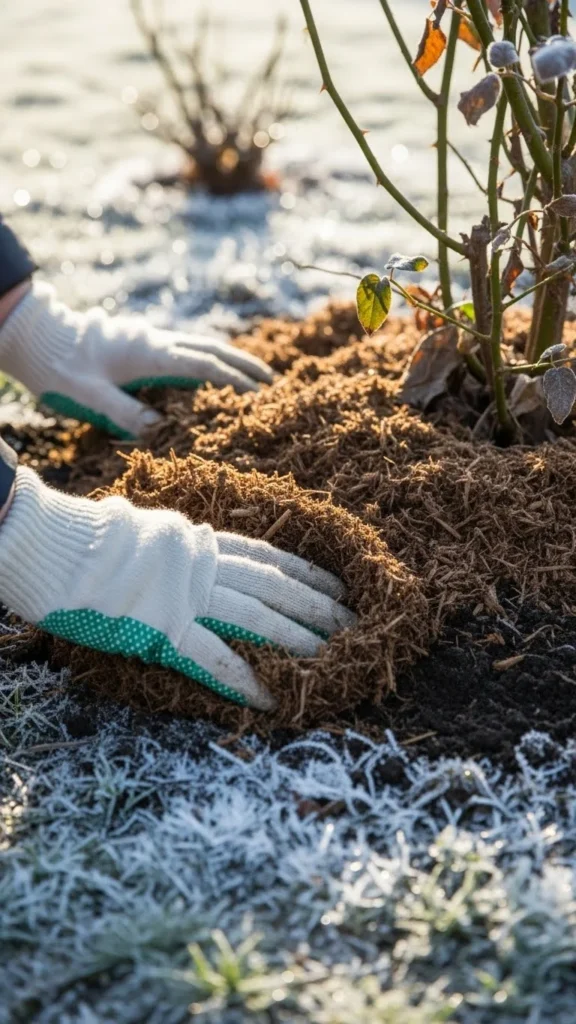
Mulching matters:
- Apply 2–4 inches of mulch around the base
- Use straw, shredded leaves, bark, or compost
- Keep mulch a few inches away from the main stem
This layer acts like a blanket, keeping soil temperatures stable even during sudden cold snaps.
Water and Feed the Smart Way
Winter survival starts months earlier with proper care in late summer and fall.
What to do:
- Water deeply before the ground freezes
- Reduce feeding as temperatures drop
- Stop nitrogen-heavy fertilizers by late summer
Why it matters:
- Well-hydrated roots resist frost better
- Excess feeding triggers soft growth that freezes easily
- Dormant plants handle cold far better than actively growing ones
If fall is dry, one deep watering before the first hard freeze can make a noticeable difference.
Protect Climbers During Extreme Frost
Some winters are harsher than expected, especially during sudden deep freezes. Temporary protection can prevent permanent damage.
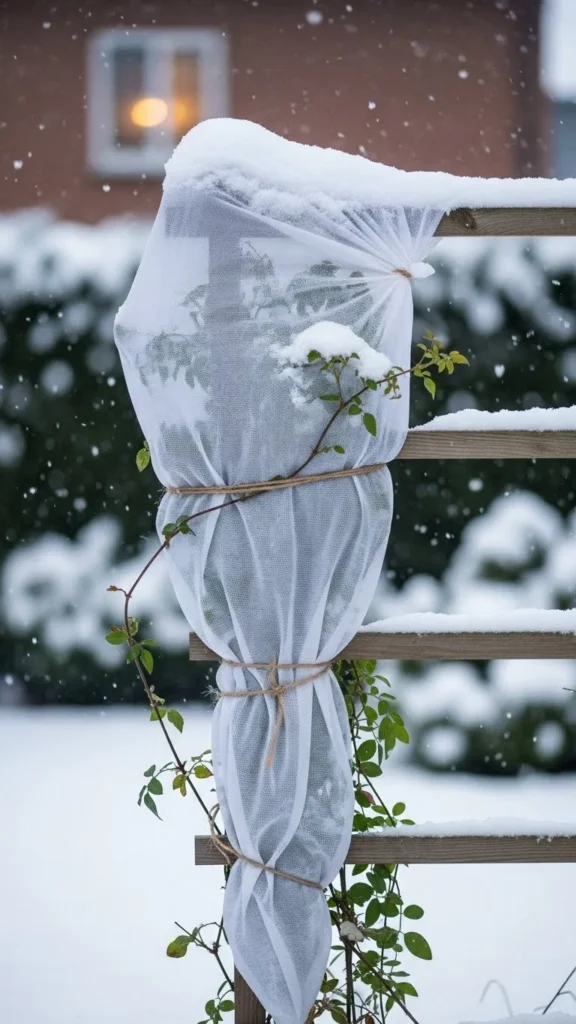
Easy frost protection ideas:
- Wrap young climbers with breathable garden fabric
- Cover roots with extra mulch during cold waves
- Use burlap screens to block strong winds
Avoid plastic coverings. They trap moisture and can cause more harm than cold itself.
For climbers on trellises:
- Secure loose stems to prevent snapping
- Remove heavy snow buildup gently
- Check ties after storms
Prune at the Right Time
Pruning mistakes are one of the most common reasons climbers fail after winter.
Follow these rules:
- Do not prune heavily in fall
- Wait until early spring when new growth appears
- Remove only dead, damaged, or broken stems
Why spring pruning works:
- You can see what truly survived
- Plants recover faster as growth resumes
- You avoid exposing fresh cuts to freezing temperatures
Light shaping is fine, but major cuts should always wait.
Be Patient—Cold-Hardy Climbers Reward Time
Winter-resistant climbers often grow slower their first year as they build strong root systems. That patience pays off with:
- Thicker stems
- Better frost resistance
- Fuller coverage in future seasons
Once established, many climbers become nearly maintenance-free, handling winter with confidence year after year.
Final Takeaway
Growing climbers that survive harsh frost isn’t about luck—it’s about smart choices and simple preparation. Pick the right plants, protect their roots, and work with winter instead of fighting it.
Save this guide for fall planning, and your garden will thank you with strong, climbing beauty even in the coldest month

Leave a Reply