

Winter doesn’t have to mean watching your favorite plants fade away. With the right raised winter shelter, you can protect roots, trap warmth, and give your garden a fighting chance through frost, snow, and icy winds. These shelters are practical, budget-friendly, and surprisingly easy to build—even if you’re not a DIY expert.
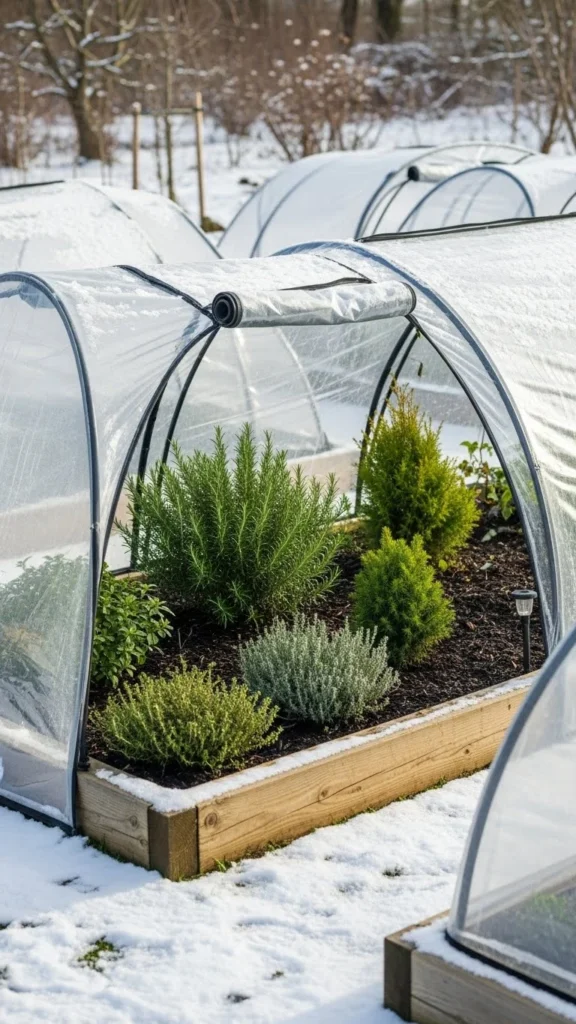
Let’s walk through exactly how to build raised winter shelters that actually work.
Why Raised Winter Shelters Make Such a Difference
Raised shelters do more than just “cover” plants. They create a microclimate that keeps soil warmer and roots safer.
Here’s why they’re so effective:
- Elevation improves drainage and prevents soggy, frozen soil
- Trapped air acts as insulation
- Covers block harsh wind while letting in light
- Soil warms faster on sunny winter days
If you’ve ever lost plants to frost heave or icy wind burn, this setup can be a game changer.
Choose the Right Spot Before You Build
Location matters just as much as materials. Before grabbing tools, take a few minutes to plan.
Look for a spot that:
- Gets winter sun, especially from the south or west
- Is sheltered from strong wind (near fences or walls works well)
- Has good drainage and doesn’t collect standing water
Even a simple shelter performs better when placed thoughtfully.
Materials You’ll Need (Simple & Budget-Friendly)
You don’t need fancy supplies. Many gardeners build great shelters using what they already have.
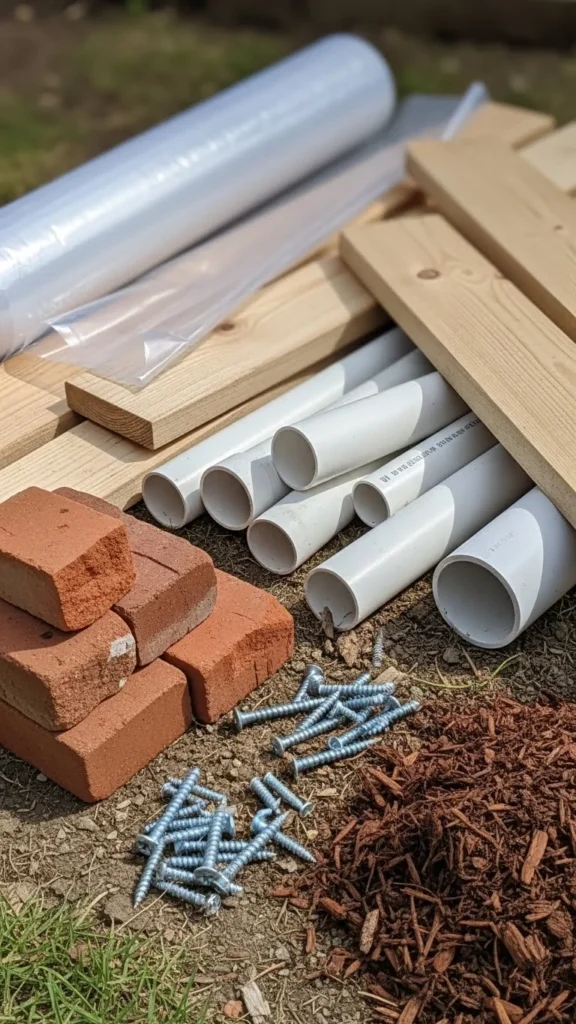
Basic materials:
- Untreated wood, bricks, or concrete blocks for the raised base
- Clear plastic sheeting, greenhouse plastic, or old windows
- PVC pipes or wooden stakes for frames
- Screws, zip ties, or clamps
- Mulch (straw, leaves, wood chips)
Step 1: Build a Raised Base for Insulation
Start with the foundation. A raised base keeps roots above frozen ground and improves airflow.
How to do it:
- Stack bricks or blocks 8–12 inches high
- Or build a simple wooden frame the size of your planting area
- Fill with quality soil and compost
This elevation alone can raise soil temperature several degrees in winter.
Step 2: Add a Simple Frame Structure
The frame holds your protective cover and prevents it from collapsing under snow.
Easy frame options:
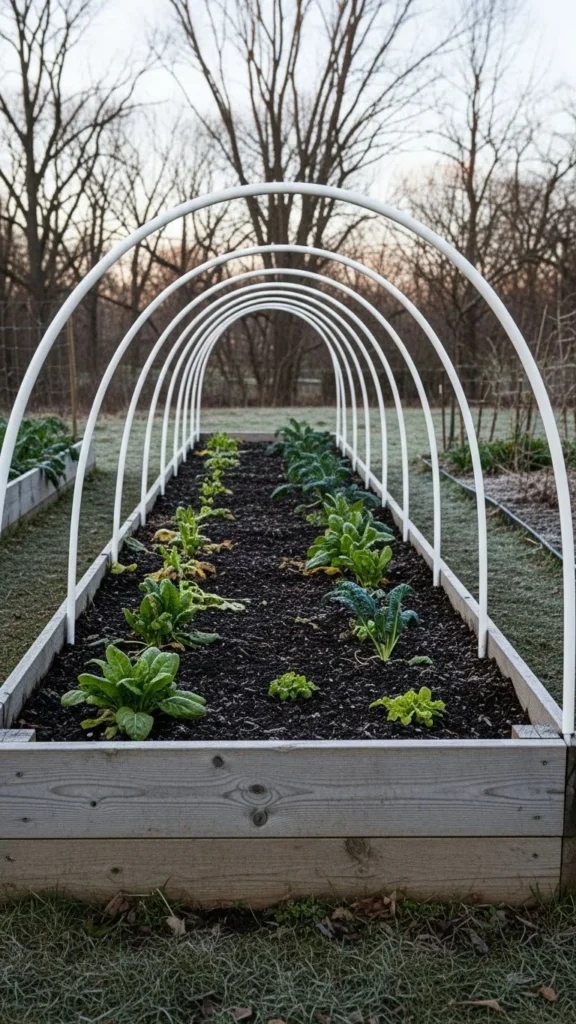
- Bend PVC pipes into hoops and secure them to the sides
- Use wooden stakes at corners with crossbars on top
- Repurpose old window frames for a sturdy top
Keep it tall enough so plants don’t touch the cover, which helps prevent cold damage.
Step 3: Cover Smartly to Trap Heat (Without Overheating)
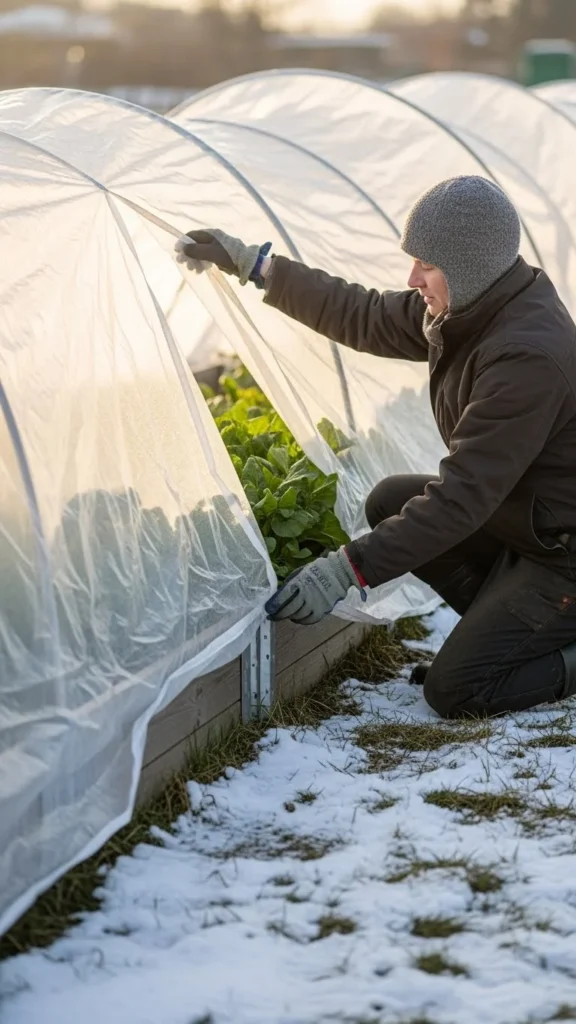
Now comes the magic layer. The cover creates a greenhouse effect during daylight hours.
Best covering tips:
- Use clear material to let sunlight in
- Secure edges tightly to block wind
- Leave one side easy to open for airflow
On sunny days, briefly vent the shelter to prevent overheating and moisture buildup.

Step 4: Insulate the Soil Inside the Shelter
Even with a cover, soil insulation is essential.
Mulch generously with:
- Straw
- Shredded leaves
- Pine needles
- Wood chips
Aim for 2–4 inches around plant bases. This helps regulate temperature swings and protects roots from sudden freezes.
What Plants Benefit Most From Raised Winter Shelters
Not every plant needs winter protection, but many thrive with it.
Great candidates include:
- Leafy greens like spinach and kale
- Root crops such as carrots and beets
- Perennial herbs
- Young shrubs and perennials
- Cold-hardy flowers
Raised shelters are especially helpful for plants in exposed or windy gardens.
Maintenance Tips Through the Cold Months
Once built, your shelter needs only light attention.
Weekly checks:
- Brush off heavy snow from covers
- Open vents on mild days
- Check for moisture buildup
- Repair loose edges after storms
These small habits prevent mold, rot, and sudden temperature shock.
Common Mistakes to Avoid
Even simple shelters can fail if these issues pop up:
- Sealing covers too tightly with no ventilation
- Letting plastic touch plant leaves
- Forgetting to secure edges against wind
- Skipping mulch inside the shelter
Avoiding these mistakes keeps plants healthy all season long.
Final Takeaway
Raised winter shelters are one of the smartest ways to protect plants without expensive equipment. With basic materials and a little planning, you can extend your growing season and keep your garden alive through the coldest months.
Save this guide for later, and give your plants the winter protection they deserve

Leave a Reply