

Winter doesn’t have to mean empty vases and dull arrangements. With the right approach, you can step outside on a crisp morning and snip fresh blooms for a cozy, cold-season bouquet—no florist required. Winter cutting flowers bring texture, color, and quiet beauty into your home when most gardens feel asleep. The secret is choosing hardy plants and working with the season, not against it.
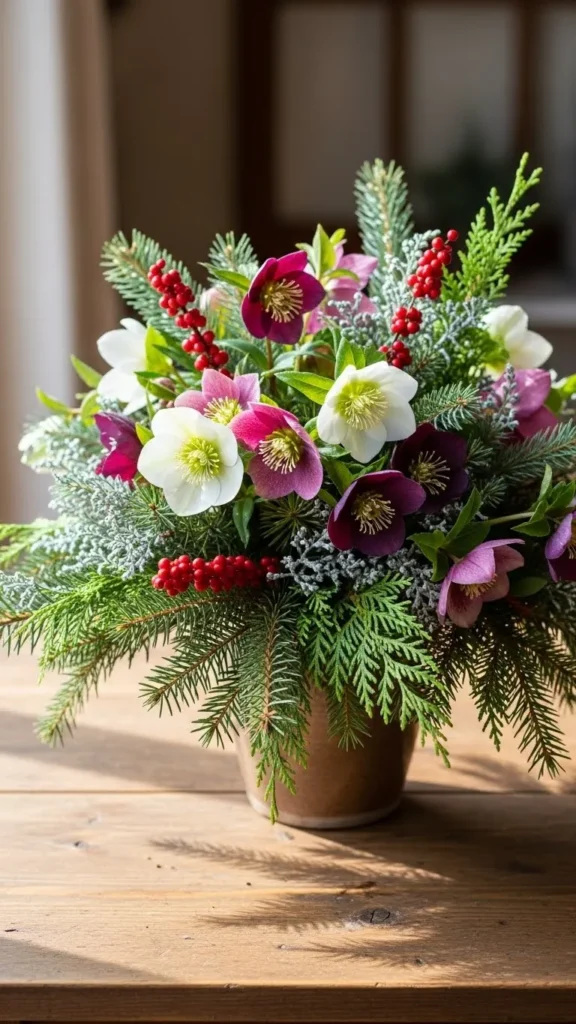
Below is a simple, beginner-friendly guide to growing and harvesting winter cutting flowers that thrive in cooler weather.
Choose Flowers That Love the Cold
Not all flowers shut down in winter. Some actually prefer cool temperatures and reward you with blooms when little else is growing.
Great winter cutting flowers include:
- Hellebores – Elegant blooms that last well in vases
- Pansies and violas – Small but colorful and reliable
- Sweet peas (cool-season varieties) – Fragrant and delicate
- Calendula – Cheerful color even in low light
- Ornamental kale and cabbage – Perfect for bold winter texture
Don’t forget fillers.
Winter bouquets shine when flowers are mixed with:
- Evergreen branches
- Eucalyptus (in mild climates or containers)
- Berries from holly or winterberry shrubs
These add structure and make even a few blooms feel full.
Plant at the Right Time for Winter Blooms
Timing is everything with winter flowers. Most aren’t planted in winter—they’re planted before it.
For best results:
- Start seeds in late summer or early fall
- Transplant seedlings while soil is still workable
- Give plants time to establish roots before hard freezes
In colder climates, using raised beds, cold frames, or large containers helps keep soil warmer and roots protected.
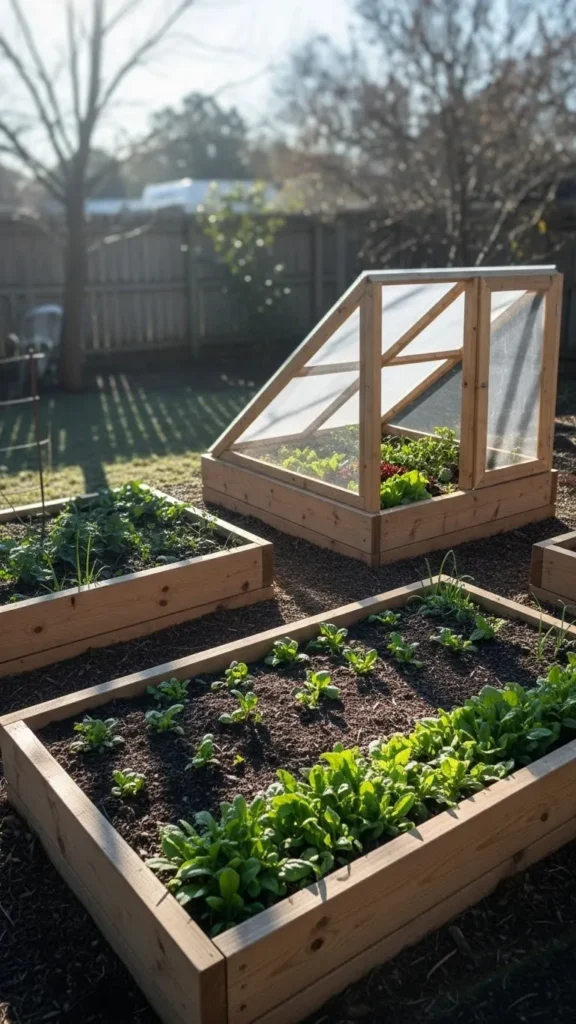
Protect Your Flowers From Frost Stress
Cold-hardy doesn’t mean indestructible. A little protection goes a long way toward longer-lasting blooms.
Easy winter protection tips:
- Cover plants with frost cloth on freezing nights
- Mulch heavily with straw or shredded leaves
- Water soil before hard freezes (moist soil holds heat better)
- Place containers near walls or fences for extra warmth
Avoid overwatering. Winter soil stays wet longer, and soggy roots can be more damaging than cold air.
Harvest Flowers the Right Way in Winter
Cutting flowers in cold weather is different from summer harvesting. The goal is to protect both the plant and the stem.
Best winter cutting practices:
- Harvest during the warmest part of the day
- Use sharp, clean scissors or garden snips
- Cut stems slightly longer than needed
- Immediately place stems in cool (not warm) water
Some winter flowers, like hellebores, last longer if cut when the flower head feels firm rather than droopy.
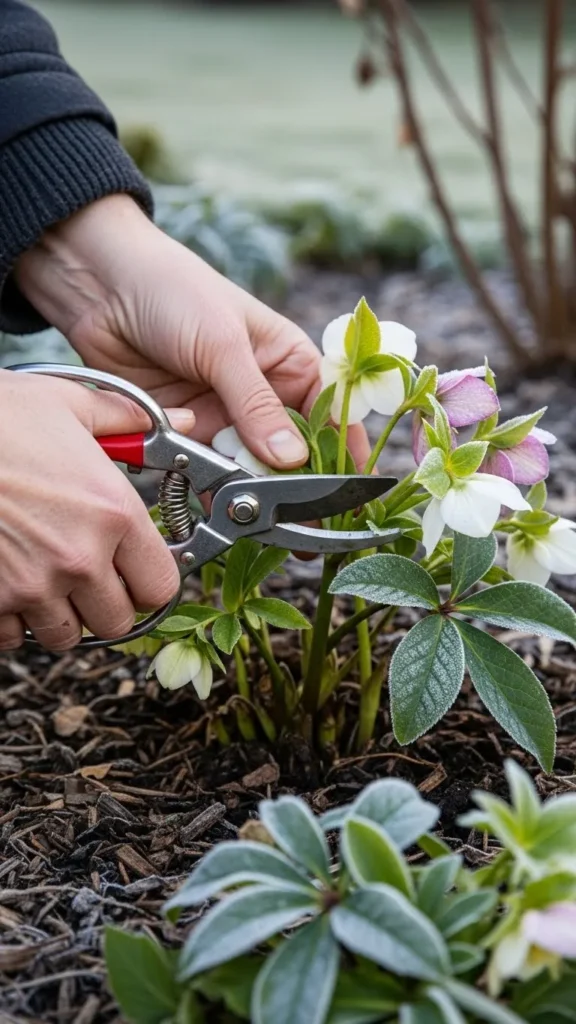
Condition Stems for Longer Vase Life
Winter blooms are tough outside—but they still need care indoors.
After harvesting:
- Remove leaves that would sit below the water line
- Let stems rest in a cool room for a few hours
- Change water every two days
- Trim stems slightly with each water change
Adding evergreen or woody stems can extend bouquet life and keep arrangements looking fresh even as delicate blooms fade.
Design Cozy Winter Bouquets That Last
Winter bouquets aren’t about volume—they’re about mood. A few thoughtfully chosen stems can feel intentional and elegant.
Try these design ideas:
- Mix soft flowers with structured greenery
- Use neutral tones with one pop of color
- Arrange loosely instead of tightly packed
- Choose ceramic, stone, or glass vases for seasonal texture
Winter arrangements look beautiful in entryways, kitchens, and bedside tables—anywhere that benefits from a little natural calm.
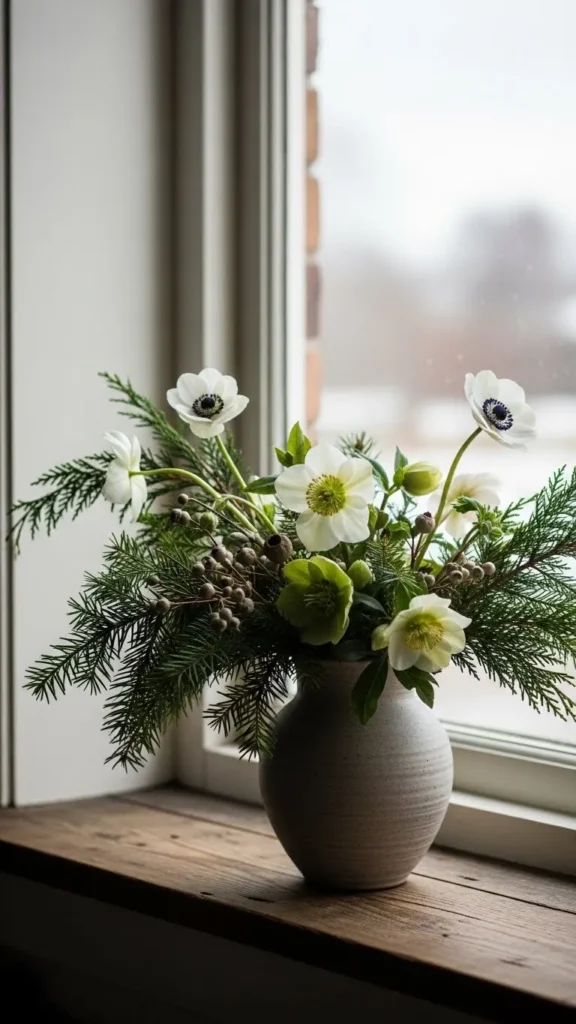
Keep Your Winter Cutting Garden Going
Once your plants are established, winter cutting flowers often keep producing with regular harvesting.
Simple maintenance habits:
- Remove spent blooms promptly
- Keep soil lightly mulched
- Watch weather forecasts and protect plants early
- Avoid heavy feeding during deep winter
Even small gardens can supply weekly bouquets with just a few well-chosen plants.
Final Takeaway
Growing winter cutting flowers is about slowing down, paying attention, and enjoying what the season offers. With hardy blooms, smart timing, and gentle care, you can bring fresh beauty indoors all winter long—straight from your own garden.
Save this guide for later and start planning your cold-season bouquet garden today.

Leave a Reply