

Winter doesn’t have to mean a dull, lifeless garden. With the right evergreens, your outdoor space can stay rich, colorful, and full of texture—even when frost settles in. Whether you’re staring out at a snowy yard or dealing with long gray months, winter-safe evergreens bring instant structure and calm beauty.
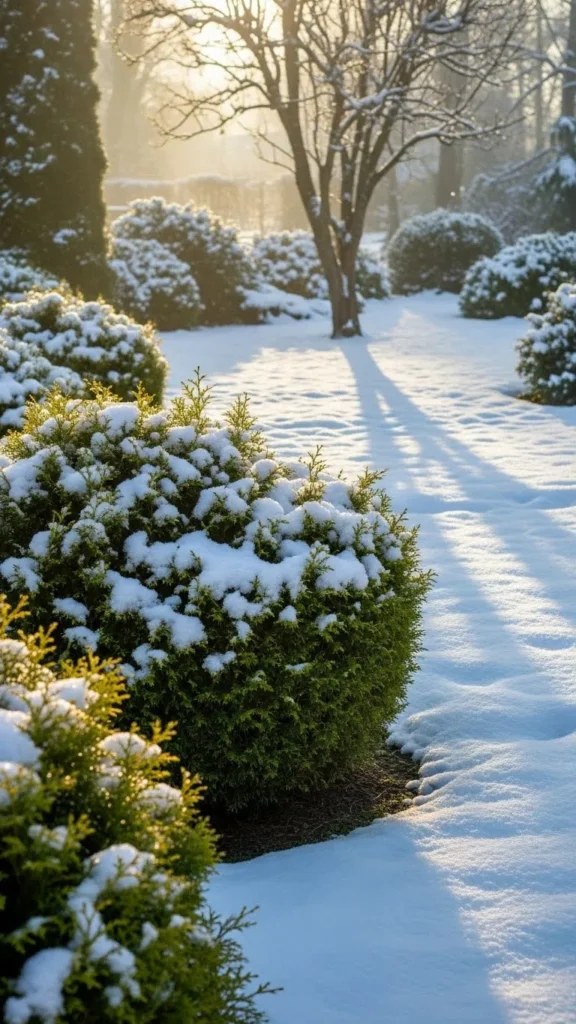
This guide breaks everything down in simple steps. You’ll learn which evergreens hold their color, how to plant them correctly, and what small habits keep them thriving all winter long.
Why Some Evergreens Lose Color in Winter
Not all evergreens behave the same once temperatures drop. Some turn bronze, dull, or patchy—not because they’re unhealthy, but because of environmental stress.
Common causes include:
- Winter sun exposure that dries out needles
- Frozen soil preventing roots from absorbing water
- Cold winds pulling moisture from foliage
- Poor soil drainage leading to root stress
The goal isn’t just choosing evergreen plants—but choosing winter-safe varieties and giving them the right setup from day one.
Choosing Evergreens That Stay Green All Winter
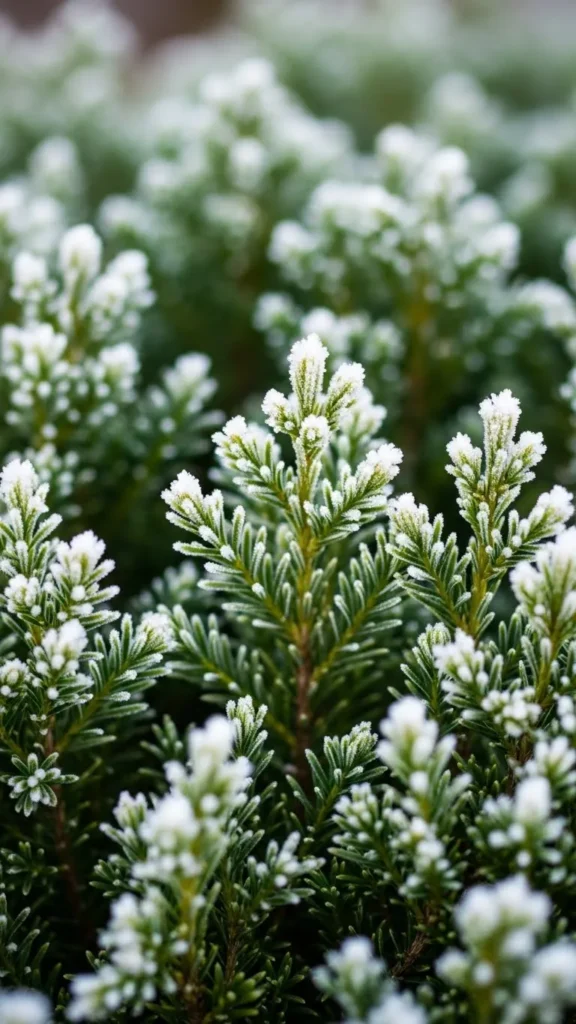
Some evergreens are naturally better at holding their color in cold conditions. Look for varieties labeled as cold-hardy for your growing zone.
Top winter-safe evergreen options:
- Boxwood varieties bred for cold climates
- Dwarf spruce and fir types
- Juniper shrubs with dense needles
- Yew plants that tolerate shade and cold
- Arborvitae varieties selected for winter color
When shopping, check plant tags or nursery notes that mention “winter color retention” or “cold-hardy foliage.” Those labels matter more than size or shape.
Planting Evergreens the Right Way (It Matters More Than You Think)
How you plant determines how well your evergreens survive winter.
Follow these simple planting rules:
- Plant in early fall or spring, not late fall
- Dig a hole twice as wide as the root ball
- Keep the root flare slightly above soil level
- Backfill with native soil mixed with compost
- Water deeply after planting
Avoid planting evergreens too deep. Buried roots struggle to breathe, especially in cold, wet soil.
The Power of Mulch in Cold Weather
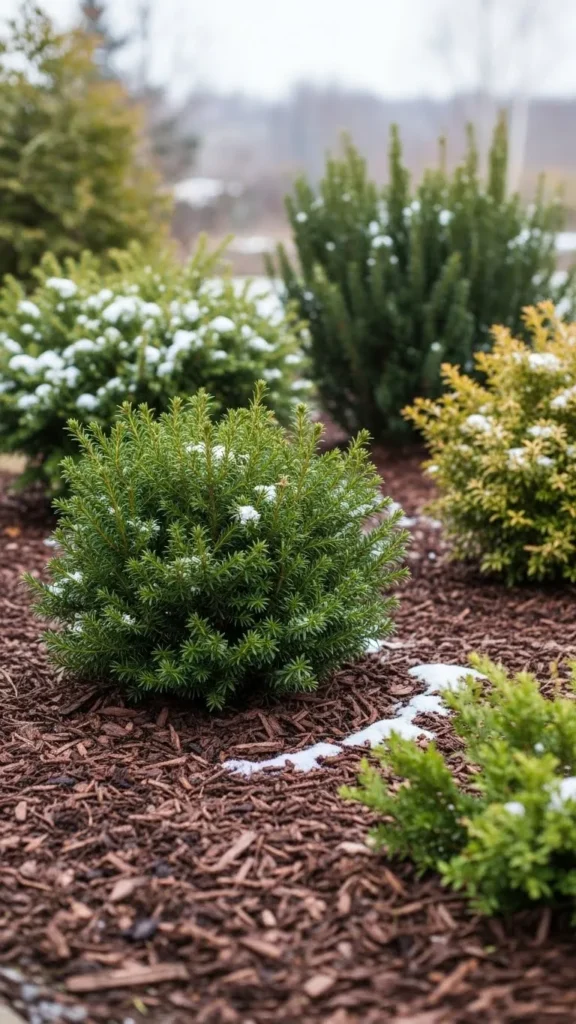
Mulch is one of the easiest ways to protect evergreen roots during winter.
Benefits of mulching:
- Insulates soil from deep freezing
- Maintains steady moisture levels
- Reduces temperature swings
- Protects shallow root systems
Apply 2–3 inches of organic mulch like shredded bark or pine needles. Keep mulch a few inches away from the trunk to prevent moisture buildup.
Winter Watering: The Secret Most Gardeners Miss
Many evergreens lose color simply because they dry out.
Key watering tips:
- Water deeply before the ground freezes
- Water on mild winter days if soil isn’t frozen
- Focus on dry, windy periods
Evergreens continue losing moisture through their needles even in winter. If roots can’t replace that water, foliage fades.
Protecting Evergreens from Wind and Sun
Winter wind and strong sun reflect off snow, causing stress known as winter burn.
Easy protection methods:
- Plant near fences or buildings for shelter
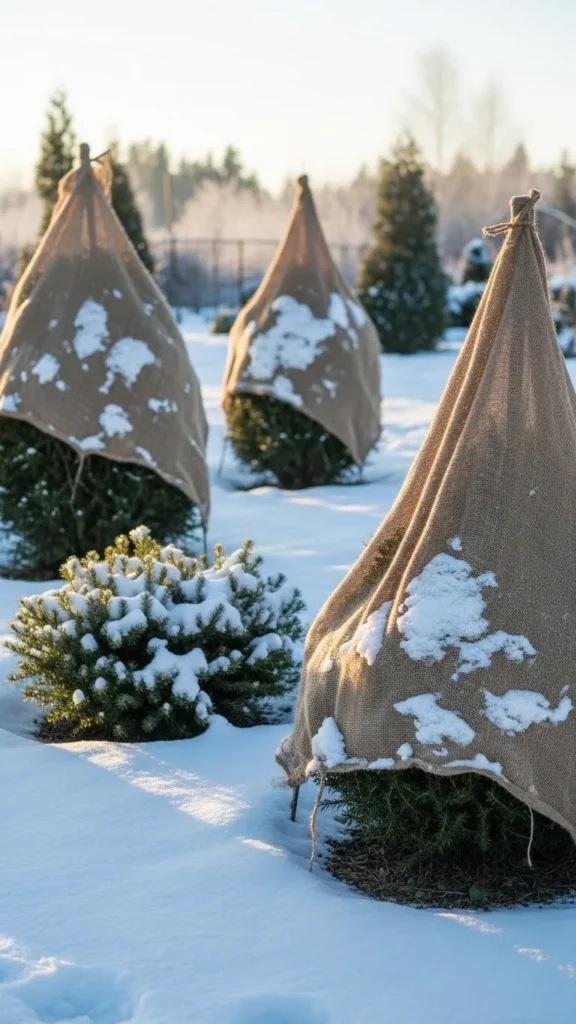
- Use burlap screens on exposed sides
- Group evergreens together to block wind
- Avoid south-facing slopes for sensitive plants
Temporary wind barriers make a huge difference during harsh cold snaps.
Feeding Evergreens Without Overdoing It
Evergreens don’t need heavy feeding—especially in winter.
Best practices:
- Fertilize lightly in early fall or spring
- Avoid late-season feeding
- Use slow-release, balanced fertilizer
Overfeeding encourages tender growth that doesn’t tolerate cold well. Less is more.
Pruning and Maintenance Tips for Winter Success
Pruning too late can weaken plants before winter arrives.
Smart pruning habits:
- Prune in late spring or early summer
- Remove only damaged or crossing branches
- Avoid heavy pruning in fall
Let evergreens enter winter strong and undisturbed.
Common Mistakes That Cause Winter Color Loss
Avoid these frequent issues:
- Planting in poorly drained soil
- Skipping fall watering
- Removing mulch too early
- Choosing varieties unsuited to your climate
A few small changes can keep your garden green all season.
Final Thoughts: Keep Your Garden Green All Winter
Winter-safe evergreens bring life to your landscape when everything else rests. With the right plant choices, proper planting, and simple seasonal care, your garden can stay lush and colorful—even in the coldest months.
Save this guide, pin it for later, and use it as your go-to checklist for evergreen success. Your winter garden will thank you.

Leave a Reply