

A sudden frost can undo weeks of careful gardening overnight. One cold snap, and tender leaves wilt, flowers blacken, and all that effort feels wasted. The good news? You don’t need expensive garden gear to protect your plants. With a few low-cost materials and a bit of planning, you can make effective anti-frost plant covers that keep your garden thriving through chilly nights.
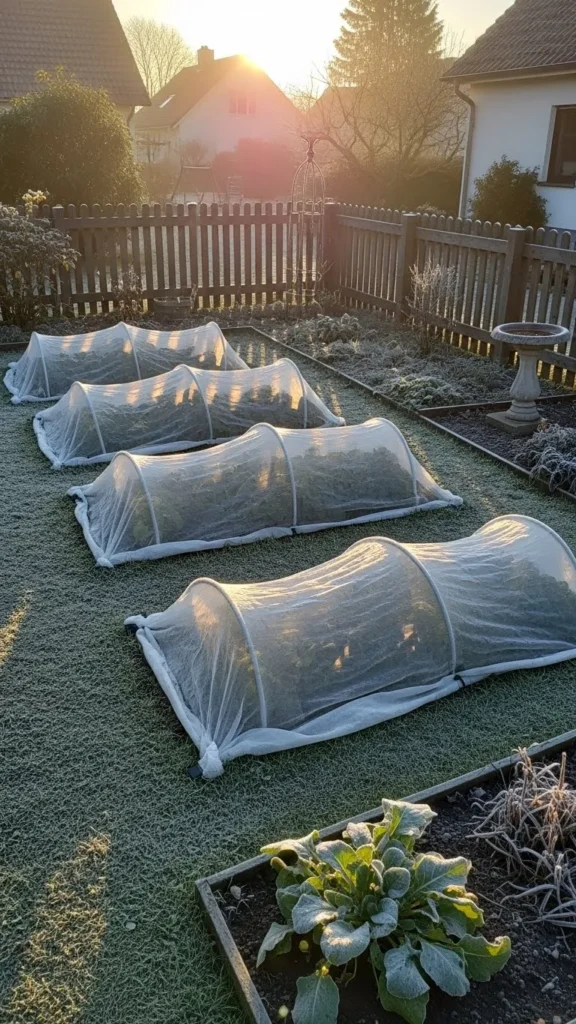
Why Anti-Frost Plant Covers Matter
Frost happens when temperatures dip low enough for moisture in the air to freeze on plant surfaces. That ice damages plant cells, especially on young or tender plants.
Anti-frost covers work by:
- Trapping ground warmth overnight
- Blocking icy wind
- Preventing direct frost from settling on leaves
Even a few degrees of protection can make a big difference.
Budget-Friendly Materials You Already Have
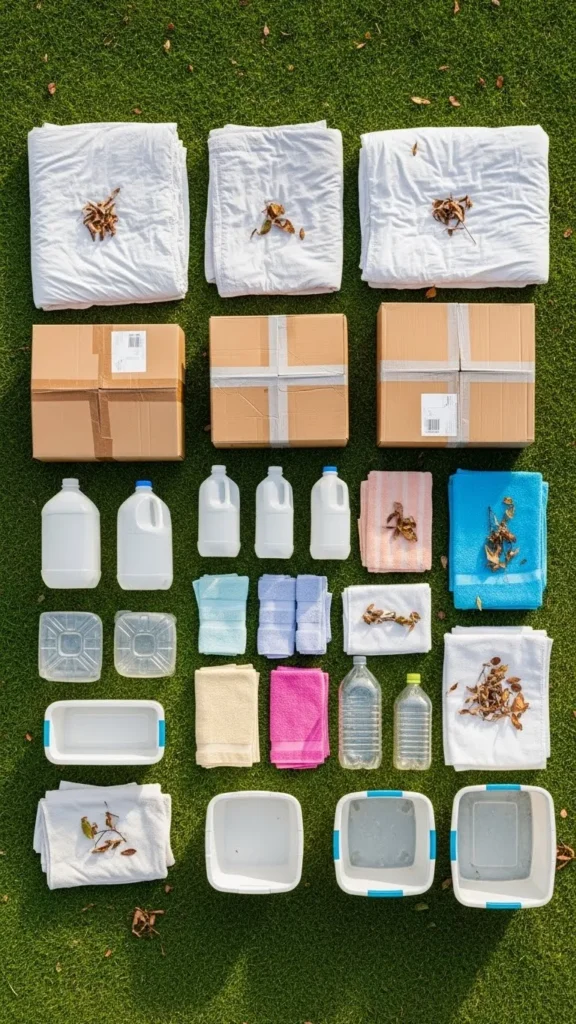
Before heading to the store, check your home. Many everyday items make excellent frost covers.
Common low-cost options include:
- Old bedsheets or cotton fabric
- Lightweight blankets
- Towels or tablecloths
- Cardboard boxes
- Plastic storage bins
- Reusable shopping bags
Avoid heavy materials that can crush plants. Lightweight but insulating is the goal.
How to Make a Simple Fabric Frost Cover
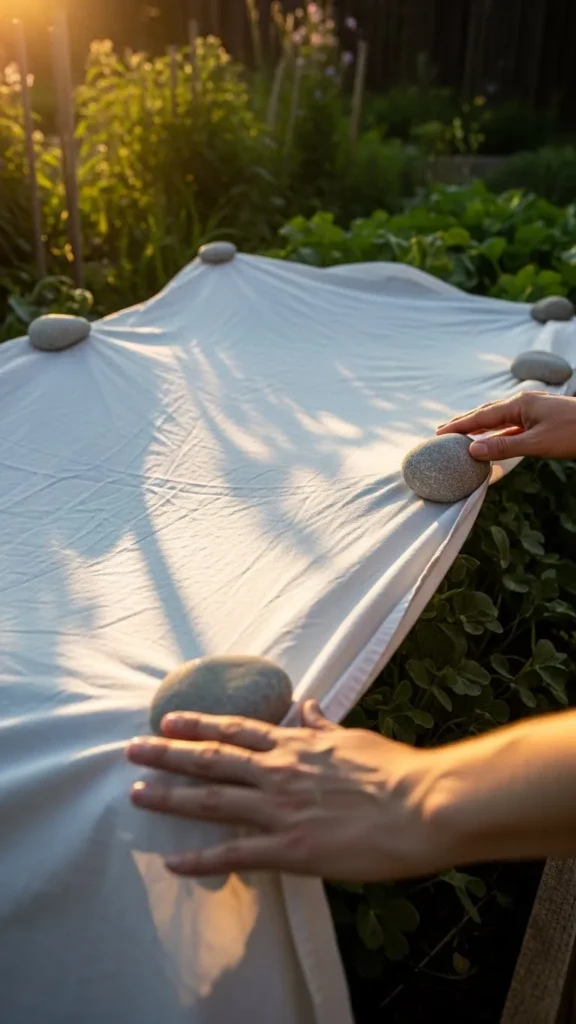
Fabric covers are easy, breathable, and reusable.
Step-by-step:
- Gently water the soil before sunset. Moist soil holds warmth better.
- Drape fabric over plants so it reaches the ground on all sides.
- Secure edges with bricks, rocks, or garden stakes.
- Make sure the fabric doesn’t tightly press on delicate leaves.
Remove covers in the morning once temperatures rise to prevent overheating.
Using Cardboard Boxes and Containers
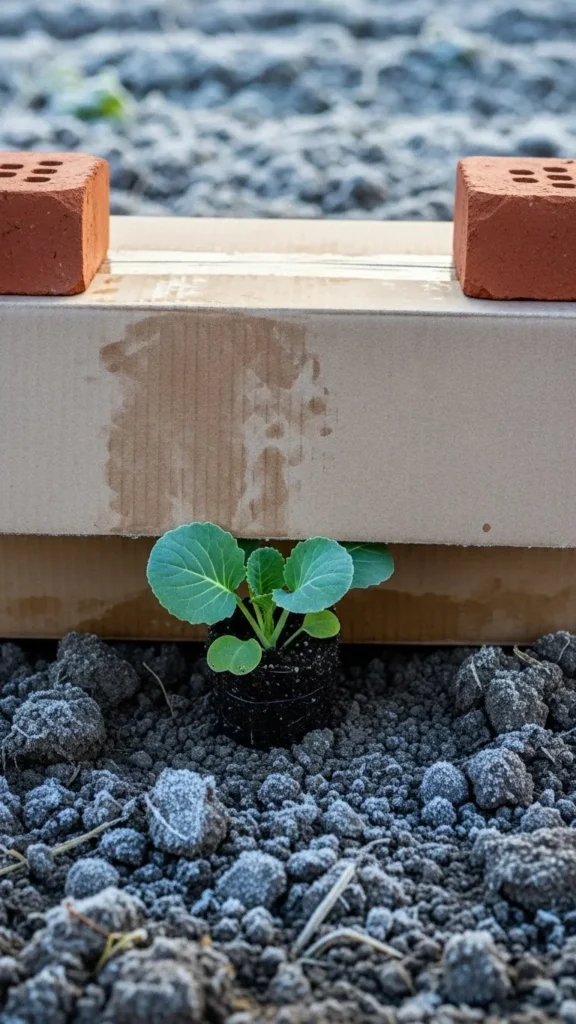
For small plants, containers work surprisingly well.
Quick tips:
- Use boxes without gaps for wind protection
- Place them gently over plants before sunset
- Remove first thing in the morning
Plastic bins or buckets also work, but avoid clear plastic directly touching leaves unless there’s airflow.
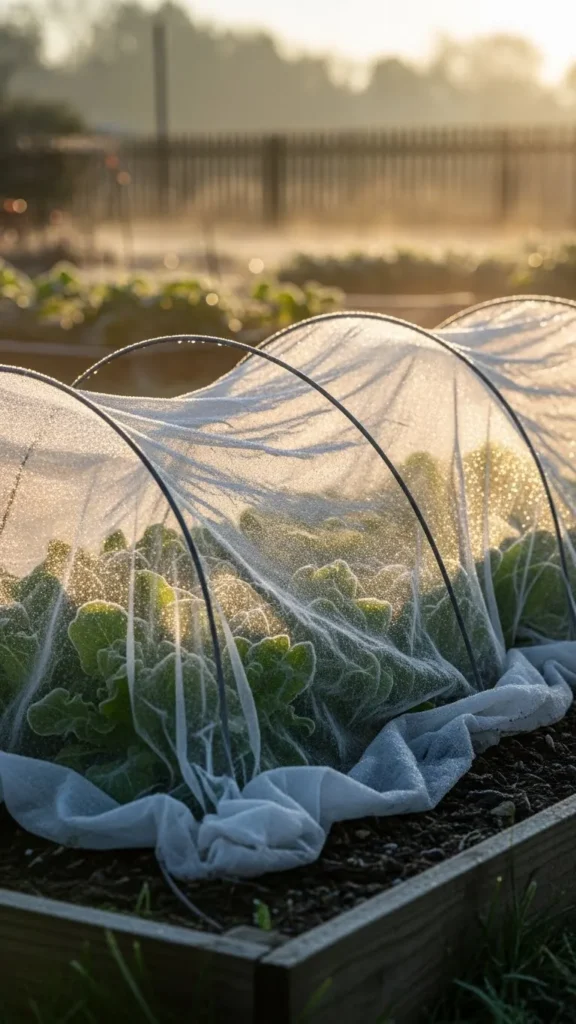
DIY Hoop Covers for Extra Protection
If frost is expected for several nights, hoop covers are worth the effort.
You’ll need:
- Flexible wire, PVC pipe, or sturdy sticks
- Fabric or lightweight plastic
- Clips or clothespins
How it works:
- Bend supports into arches over plants
- Lay cover material across the frame
- Anchor edges securely
This keeps fabric off leaves and improves insulation.
What to Avoid When Covering Plants
A few mistakes can reduce effectiveness or harm plants.
Avoid:
- Letting plastic touch leaves directly
- Covering plants while soil is dry
- Forgetting to remove covers in the morning
- Using very heavy materials
Good airflow and timing matter just as much as materials.
Extra Tips to Boost Frost Protection
Stretch your protection further with these simple tricks:
- Group potted plants together near walls
- Move containers closer to the house overnight
- Mulch heavily around plant bases
- Choose covers that reach the ground
These small steps add extra warmth without extra cost.
When to Put Covers On (and Take Them Off)
Timing is everything.
- Cover: Late afternoon or early evening, before temperatures drop
- Uncover: Morning, once frost has melted and air warms
Leaving covers on too long can trap cold air or excess moisture.
Final Takeaway
Protecting your plants from frost doesn’t have to be expensive or complicated. With household items, a little creativity, and good timing, you can shield your garden from cold nights and extend your growing season on a budget.
Save this guide for the next frost warning—and your plants will thank you.

Leave a Reply