

Winter doesn’t have to mean a dull, lifeless garden. With the right shrubs, you can enjoy color, texture, and even fragrance when everything else is sleeping. Hardy winter-blooming shrubs are tougher than they look—and once you understand their needs, they’re surprisingly easy to grow.
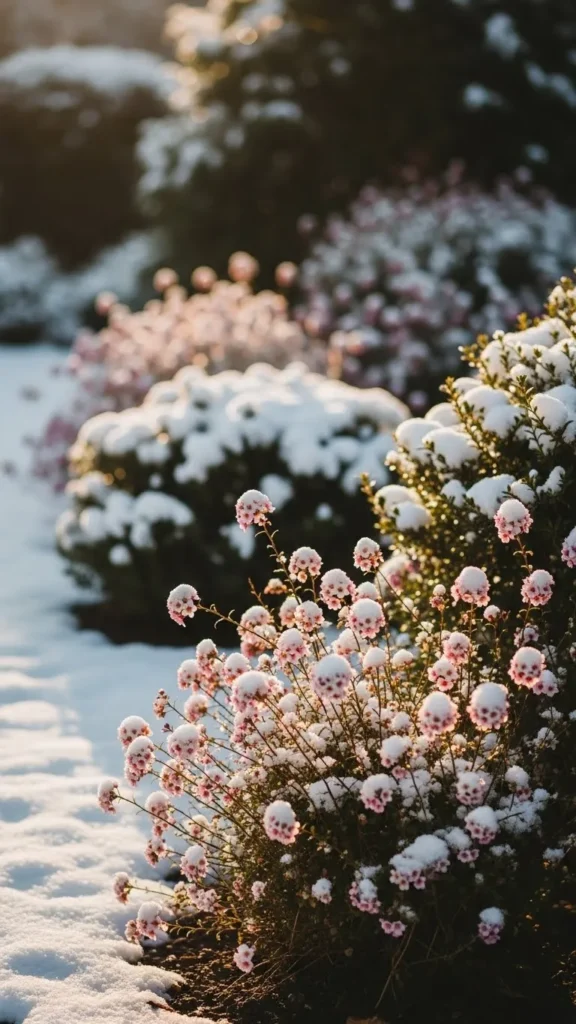
Below is a simple, step-by-step guide to growing flowering shrubs that shine during the coldest months.
Why Winter-Blooming Shrubs Are Worth Growing
Winter-flowering shrubs do more than look pretty.
They:
- Add color when most plants are dormant
- Support early pollinators on mild winter days
- Create structure and interest in bare landscapes
- Often require less maintenance than summer bloomers
Many of these shrubs evolved in tough climates, which means they handle frost, snow, and cold winds better than delicate plants.
Choosing the Right Hardy Shrubs for Your Climate
Not all winter bloomers are the same. Picking shrubs suited to your climate is the most important step.
Look for plants labeled:
- Cold-hardy for your USDA zone
- Winter or late-winter flowering
- Frost-tolerant buds
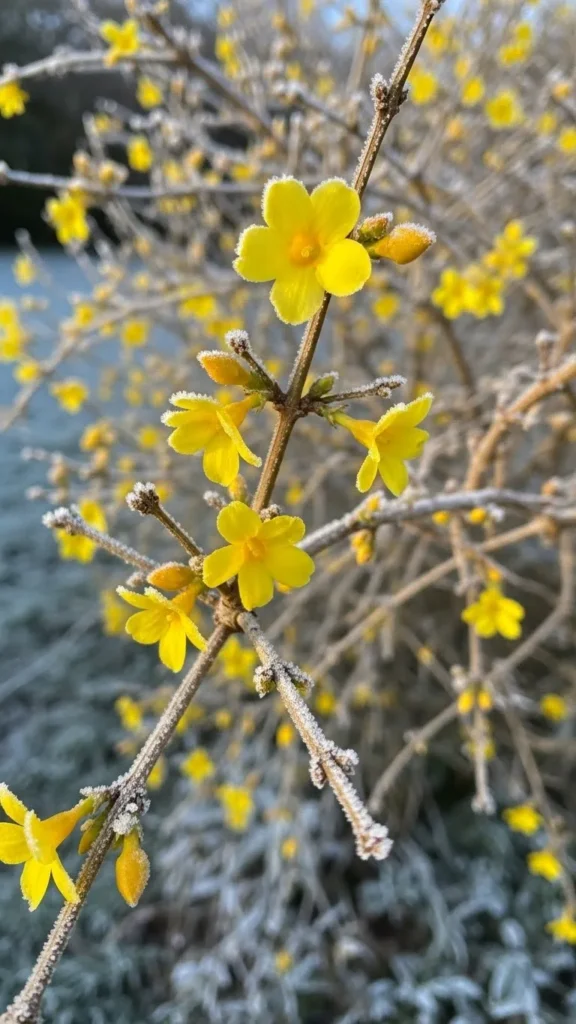
Popular choices include winter jasmine, witch hazel, camellias, and flowering viburnum.
Tip:
Local nurseries usually stock varieties proven to survive your winters—trust their recommendations.
Planting for Winter Success
Planting location matters more in winter than any other season.
Best placement tips:
- Choose a sheltered spot near a wall or fence
- Avoid low areas where cold air settles
- Aim for morning sun, which gently warms frozen buds
When planting:
- Dig a hole twice as wide as the root ball
- Keep the root flare slightly above soil level
- Backfill with native soil mixed with compost
This encourages deep roots that handle freezing temperatures better.
Soil and Mulching Tips That Protect Roots
Healthy roots mean reliable winter blooms.
Shrubs prefer:
- Well-draining soil
- Slightly amended beds, not overly rich
- Consistent moisture without waterlogging
Add a 2–3 inch mulch layer after planting.
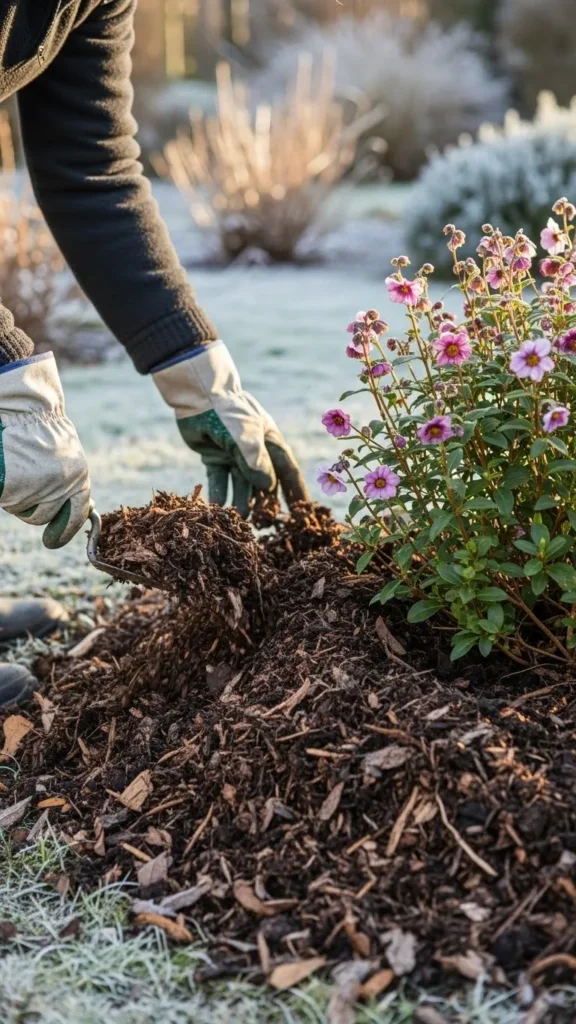
Mulch helps:
- Insulate roots from temperature swings
- Prevent soil from freezing solid
- Retain moisture during dry winter spells
Use shredded leaves, bark, or compost for a natural look.
Watering and Feeding in Cold Months
Winter shrubs still need care—even when it’s cold.
Watering:
- Water deeply before the ground freezes
- During dry winters, water on mild days
- Avoid watering frozen soil
Feeding:
- Skip heavy fertilizers in winter
- Apply slow-release plant food in early fall
- Focus on root strength, not leafy growth
This balance supports flower bud development without forcing tender new shoots.
Pruning Without Losing Winter Blooms
Pruning mistakes are the #1 reason winter shrubs fail to flower.
Golden rule:
👉 Prune after flowering, not before.
Most winter-blooming shrubs form buds months ahead of time. Pruning too early removes future flowers.
When pruning:
- Remove dead or crossing branches
- Shape lightly to maintain structure
- Avoid heavy cuts in fall
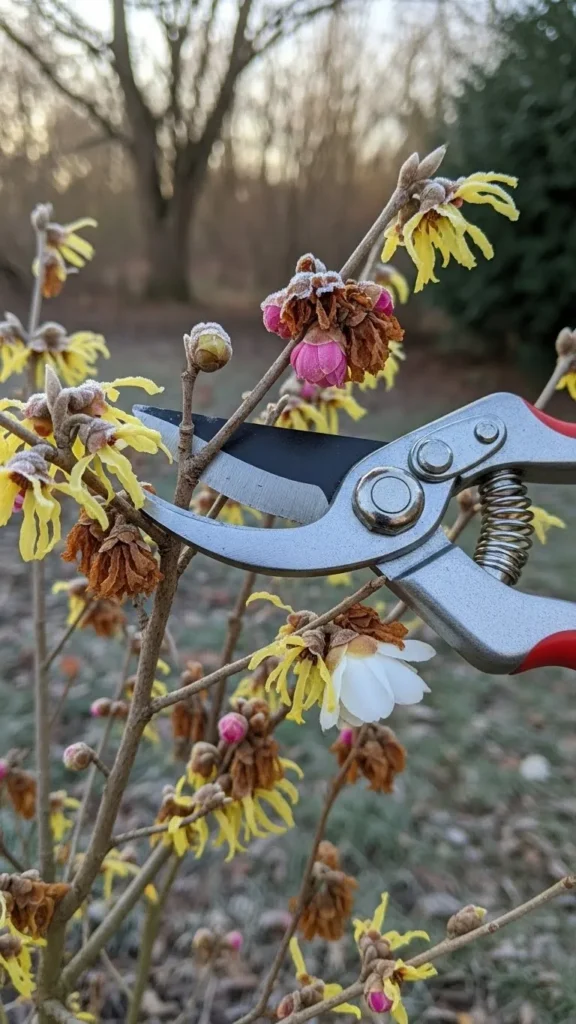
Light pruning keeps shrubs healthy without sacrificing blooms.
Protecting Shrubs From Harsh Weather
Even hardy shrubs benefit from extra care during extreme conditions.
Simple protection ideas:
- Use burlap screens in windy areas
- Brush off heavy snow to prevent breakage
- Avoid salt spray near walkways
For young shrubs, temporary wind barriers can make a big difference during their first winter.
Enjoying Winter Color Year After Year
Once established, winter-flowering shrubs become low-effort garden heroes.
They:
- Return reliably each season
- Require minimal upkeep
- Pair beautifully with evergreens and grasses
Plant a few varieties with different bloom times to enjoy color from early winter through early spring.
Final Takeaway
A colorful winter garden is completely possible—with the right shrubs and a little planning. Choose hardy varieties, plant them well, protect their roots, and prune at the right time. In return, you’ll enjoy blooms when most gardens are still asleep.
Save this guide for later and start planning your winter garden today!

Leave a Reply