

Winter might look quiet in the garden, but for fruit bushes, it’s one of the most important seasons of all. Pruning at the right time sets the stage for stronger growth, healthier plants, and noticeably bigger harvests once spring arrives. Done well, winter pruning is simple, satisfying, and incredibly rewarding.
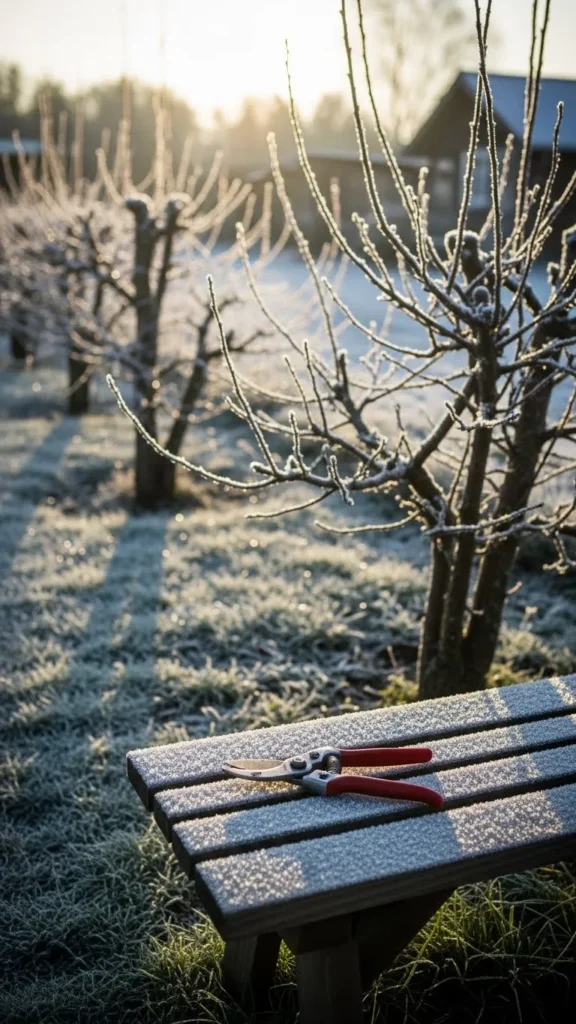
Below is a step-by-step, beginner-friendly guide to winter-pruning fruit bushes so you can head into spring with confidence.
Why Winter Pruning Makes Such a Big Difference
Fruit bushes go dormant in winter. That’s exactly why pruning works so well now.
When leaves are gone, you can clearly see:
- Which branches are old, weak, or overcrowded
- Where healthy buds are forming
- How air and light move through the plant
Pruning during dormancy helps:
- Redirect energy into fewer, stronger branches
- Improve airflow and reduce disease risk
- Encourage fresh growth that produces better fruit
Think of it as resetting the plant before its busiest season.
The Best Time to Prune Fruit Bushes
Timing matters, but it doesn’t need to be complicated.
Ideal window:
- Late winter, after the coldest weather has passed
- Before buds begin to swell
Avoid pruning when:
- Temperatures are extremely cold
- The wood is frozen solid
A mild, dry winter day is perfect. You want clean cuts that heal smoothly once growth restarts.
Tools You’ll Want Ready Before You Start
You don’t need a shed full of gear. A few sharp tools make all the difference.
Basic pruning kit:
- Hand pruners for thin branches
- Loppers for thicker, woody stems
- Gloves for comfort and grip
Before you begin:
- Clean blades with warm, soapy water
- Dry them well
- Make sure everything is sharp
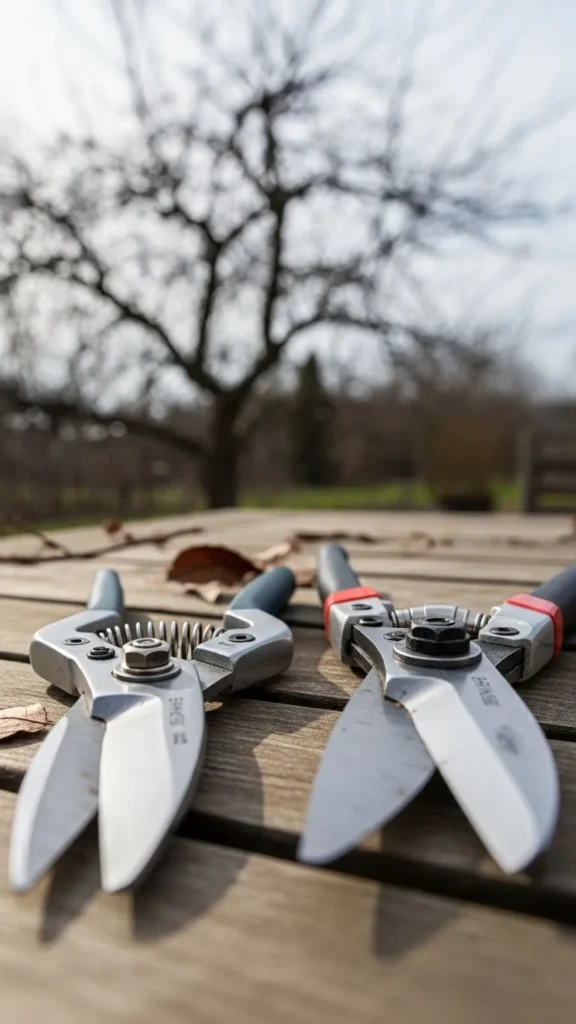
Clean tools help prevent damage and keep cuts neat.
Step-by-Step: How to Winter-Prune Fruit Bushes
This simple process works for most common fruit bushes like currants, gooseberries, blueberries, and raspberries.
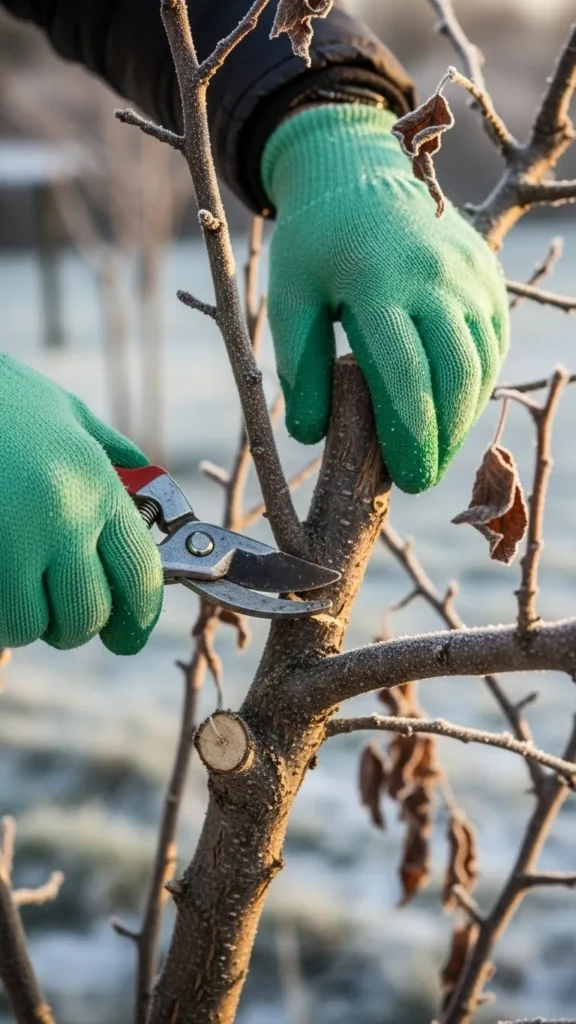
1. Remove Dead and Damaged Wood First
Start with the obvious.
- Cut out branches that are dry, broken, or brittle
- Remove anything that looks diseased
This clears the view and makes the next steps easier.
2. Thin Out Crowded Growth
Too many branches compete for light and energy.
- Remove stems that cross or rub together
- Open up the center of the bush
Airflow is key for healthier growth and better fruit.
3. Cut Back Old, Unproductive Stems
Older wood often produces less fruit.
- For many bushes, remove the oldest stems at the base
- Leave younger, stronger shoots to take over
This encourages fresh, productive growth in spring.
4. Shape for Balance
Step back and look at the plant.
- Aim for an open, even shape
- Avoid cutting everything to the same height
A balanced bush handles fruit weight better later on.
Pruning Tips for Specific Fruit Bushes
Different bushes have slightly different habits. Here are quick, practical tips.
Blueberries
- Remove low, weak branches
- Focus on keeping 6–8 strong main canes
Currants and Gooseberries
- Cut out the oldest stems each year
- Maintain an open center for light
Raspberries
- For summer-bearing types, remove last year’s fruiting canes
- Leave healthy new shoots for the next season
When in doubt, less is more. You can always prune a little more next winter.
Common Winter Pruning Mistakes to Avoid
Even experienced gardeners slip up sometimes. Watch out for these.
- Pruning too early during deep cold
- Leaving jagged or torn cuts
- Removing too much growth at once
- Ignoring plant shape and airflow

Slow, thoughtful pruning always beats rushing through the job.
What Happens After Pruning
Once spring arrives, the benefits become clear.
You’ll notice:
- Stronger new shoots
- Better flowering
- Larger, more evenly spaced fruit
Winter pruning doesn’t just improve harvest size. It also makes bushes easier to manage year after year.
Final Takeaway
Winter pruning is one of the simplest ways to boost your fruit harvest without spending extra money or time later. A few careful cuts now can mean healthier plants and bowls full of fruit in just a few months.
Save this guide, grab your pruners, and give your fruit bushes the winter care they’ll thank you for all spring long.

Leave a Reply