

There’s something instantly uplifting about glossy green leaves and the fresh scent of citrus in the middle of winter. Growing citrus indoors isn’t just possible—it can be surprisingly rewarding when you choose the right varieties and set them up for success. Whether you’re short on outdoor space or dealing with cold temperatures, indoor citrus brings color, fragrance, and even fruit to your home.
Choose Citrus Varieties That Handle Indoor Life Well
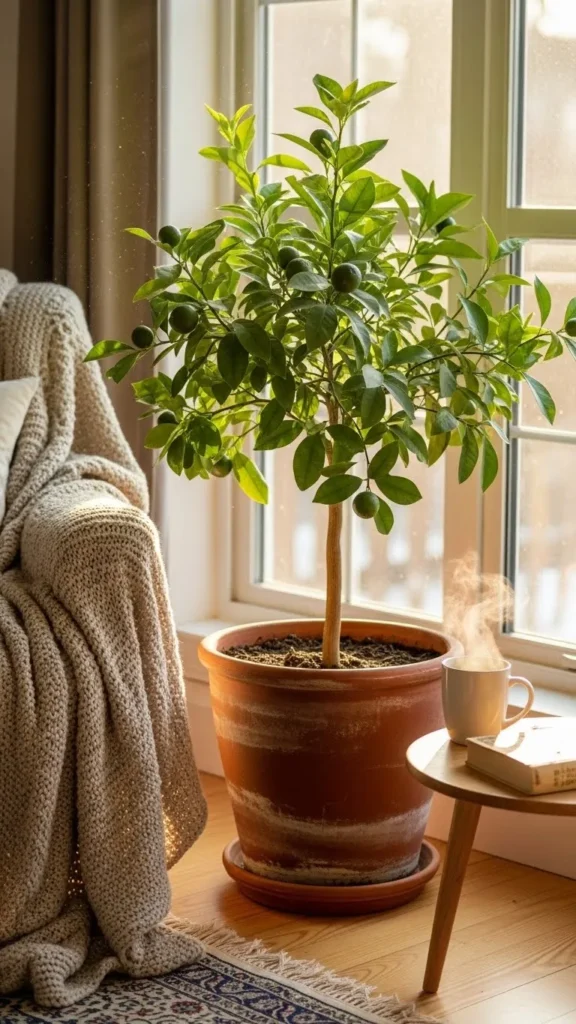
Not all citrus plants are happy indoors. The key is starting with compact, cold-friendly varieties that adapt well to containers and lower light levels.
Good indoor-friendly options include:
- Dwarf lemon types
- Calamondin orange
- Kumquat
- Dwarf lime varieties
These stay manageable in size and are naturally more tolerant of fluctuating indoor conditions.
Tip:
Always look for trees labeled as dwarf or container-grown. They’re bred specifically for indoor success.

Give Your Citrus the Right Light Setup
Light is the biggest challenge for indoor citrus—and the most important factor for fruiting.
Citrus trees need:
- 6–8 hours of bright light daily
- A south- or west-facing window if possible
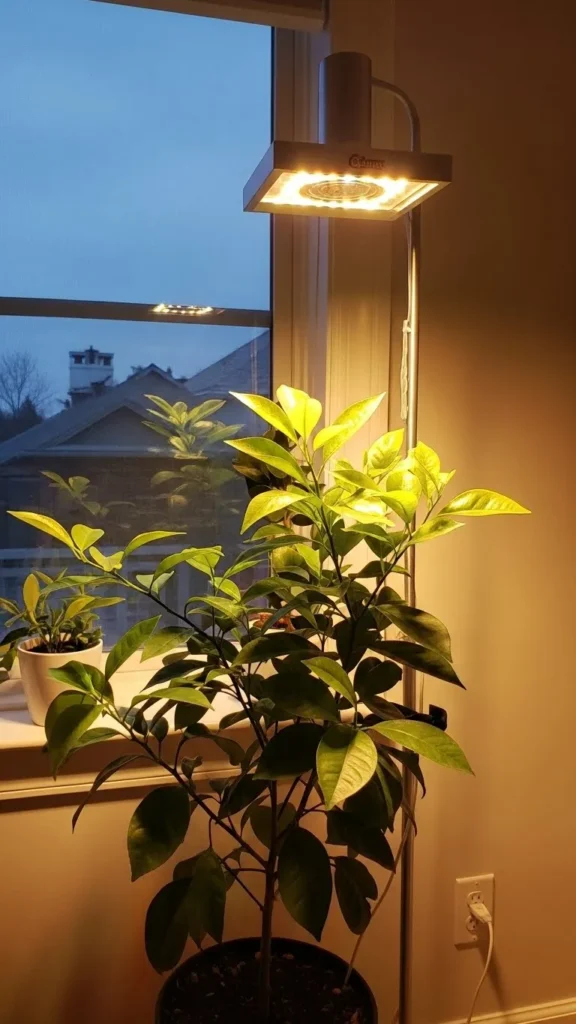
- Supplemental grow lights in darker homes
If natural light is limited, a simple LED grow light placed above the tree can make a huge difference.
Watch the leaves:
- Pale leaves often mean low light
- Dropping leaves can mean stress from sudden light changes
Rotate the pot every week so the tree grows evenly.
Use the Right Soil and Container
Healthy roots are the foundation of a happy citrus tree. Regular garden soil is too heavy and holds too much moisture indoors.
Instead, choose:
- A well-draining potting mix designed for citrus or container trees
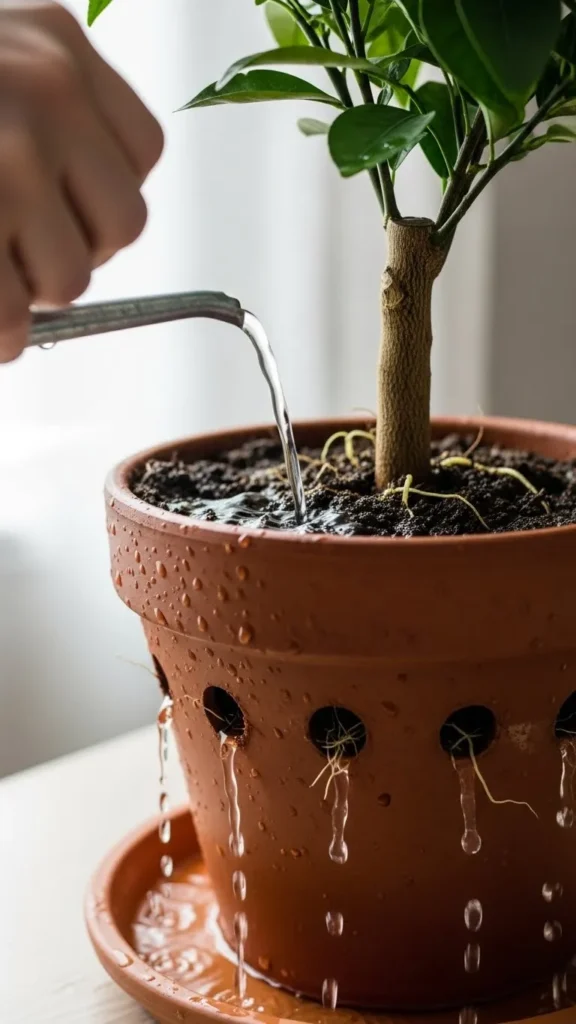
- A pot with multiple drainage holes
- A container slightly larger than the root ball
Clay or ceramic pots work well because they help excess moisture evaporate.
Quick check:
If water sits on the soil surface longer than a few seconds, the mix may be too dense.
Master Indoor Watering (Less Is More)
Overwatering is the most common mistake with indoor citrus.
Follow this simple rule:
- Water only when the top 2 inches of soil feel dry
When you water:
- Soak thoroughly until water drains out the bottom
- Empty the saucer so roots never sit in water
Signs you’re watering correctly:
- Leaves stay firm and glossy
- New growth appears at the tips
Drooping or yellowing leaves usually mean it’s time to adjust your schedule.
Keep Temperature and Humidity Balanced
Citrus loves consistency. Indoor environments can swing quickly between dry heat and chilly drafts.
Ideal conditions:
- Daytime temps between 60–75°F (16–24°C)
- Cooler nights are fine, but avoid sudden drops
- Keep plants away from heating vents and cold windows
Humidity matters too:
- Aim for moderate humidity
- Use a pebble tray with water beneath the pot
- Group plants together to naturally boost moisture
Bonus:
A gentle misting once or twice a week can help during very dry seasons.
Feed Lightly but Regularly
Indoor citrus still needs nutrients, especially when actively growing.
Best approach:
- Use a balanced citrus fertilizer
- Feed lightly every 4–6 weeks during active growth
- Pause feeding during slower winter months
Too much fertilizer can cause leafy growth without fruit, so less is better indoors.
Watch for:
- Pale leaves → nutrient deficiency
- Excessive leaf growth → overfeeding
Help With Pollination Indoors
Since indoor citrus doesn’t have insects to help, you may need to step in.
Easy pollination method:
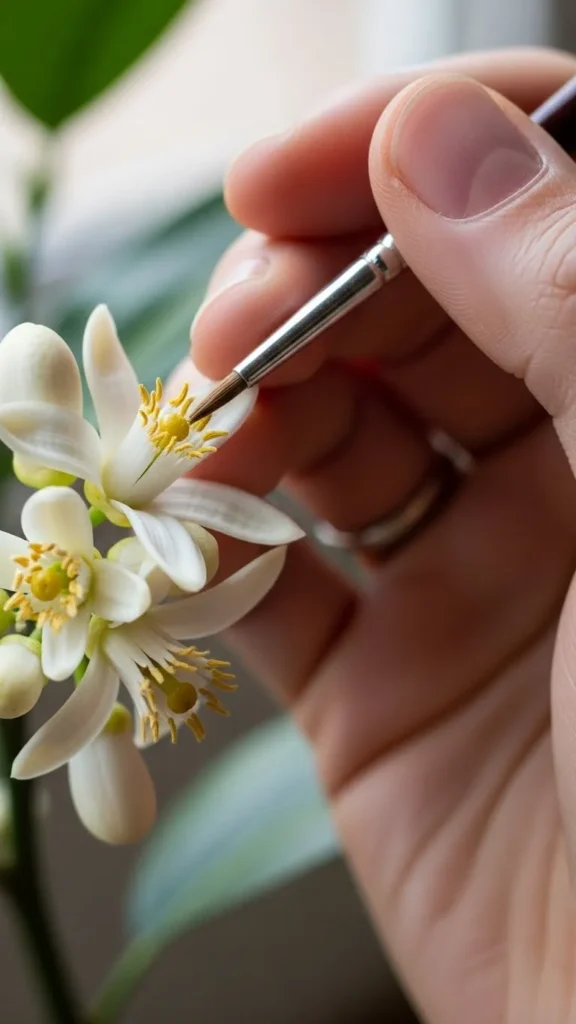
- Use a soft paintbrush or cotton swab
- Gently brush the center of open flowers
- Repeat over a few days while flowers are blooming
This simple step greatly improves fruit set.
A Bright Takeaway for Indoor Citrus Growers
Growing cold-friendly citrus indoors is all about small, steady habits—good light, careful watering, and patience. Once your tree settles in, it rewards you with glossy leaves, fragrant blooms, and cheerful fruit right when you need it most.
Save this guide for later, and enjoy bringing a little sunshine indoors all year long

Leave a Reply