

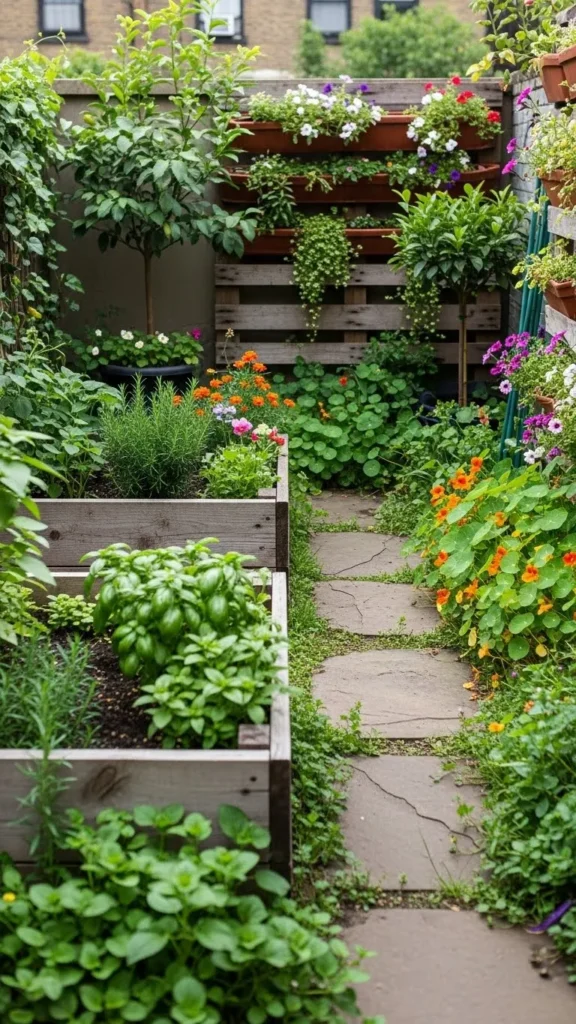
Small gardens can feel limiting at first glance, yet they often offer the best chance to get creative. When space is tight, every decision matters—from where plants sit to how you move through the area. The good news is that even the tiniest yard, patio, or side space can feel productive and welcoming with the right ideas. This guide focuses on simple layouts, smart plant choices, and low-cost DIY fixes that help you use what you already have. Each idea is practical, realistic, and easy to adapt, even if you rent or garden on a budget.
1. Vertical Wall Planters
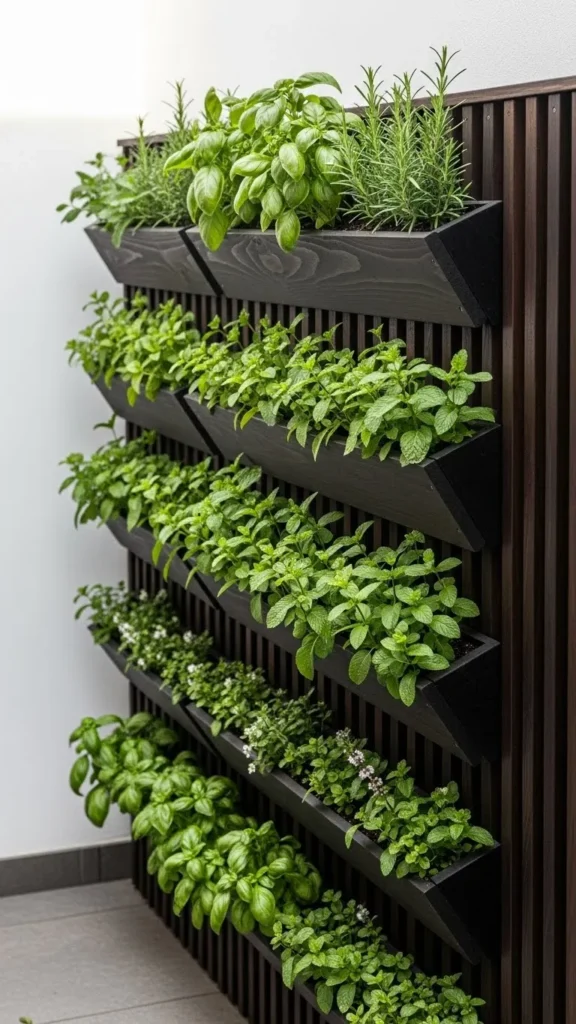
Vertical planters turn bare walls into growing space.
They work well for herbs, leafy greens, and trailing plants.
Start with a simple wooden pallet or metal grid.
Attach small pots using hooks or zip ties.
This setup keeps plants off the ground.
That leaves more room to walk or place furniture.
Choose lightweight containers to protect the wall.
Plastic pots cost less and hold moisture well.
Group plants with similar watering habits.
That saves time and avoids overwatering mistakes.
If drilling is not allowed, use freestanding ladder frames.
They lean against walls without permanent damage.
Vertical planting also improves airflow.
That helps plants stay tidy and manageable.
Use drip trays or a narrow gravel strip below.
This keeps water from pooling on hard surfaces.
2. Raised Beds With Narrow Paths
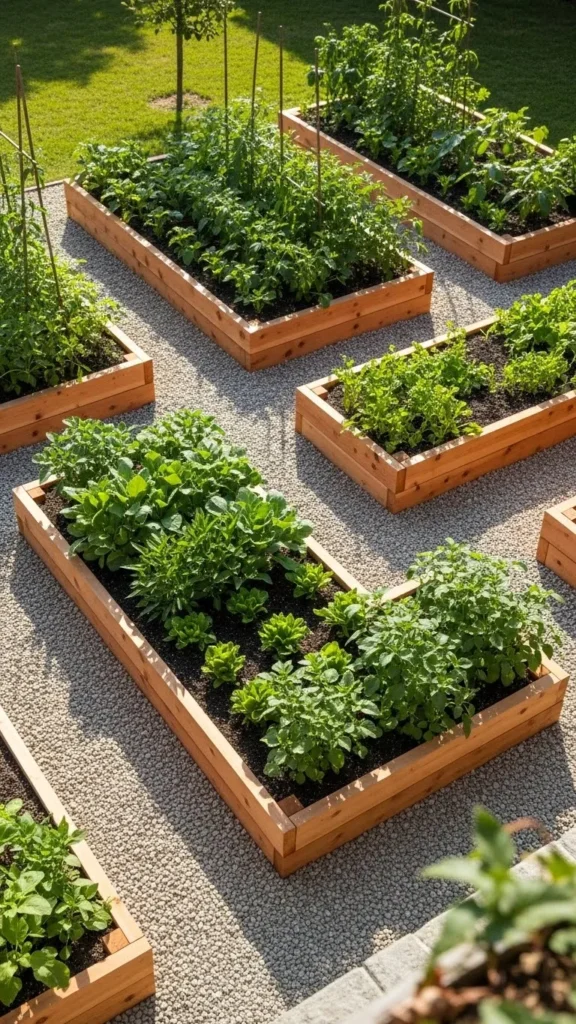
Raised beds bring order to small spaces.
They define planting zones and walking areas.
Keep beds no wider than arm’s reach.
That makes planting and harvesting simple.
Use gravel, mulch, or stepping stones between beds.
Narrow paths still feel comfortable when planned well.
Raised beds warm up faster in cool weather.
That extends your growing season slightly.
DIY kits save time, but scrap wood works too.
Just line the inside to slow decay.
This layout keeps soil contained.
It also cuts down on wasted space.
3. Hanging Basket Layers
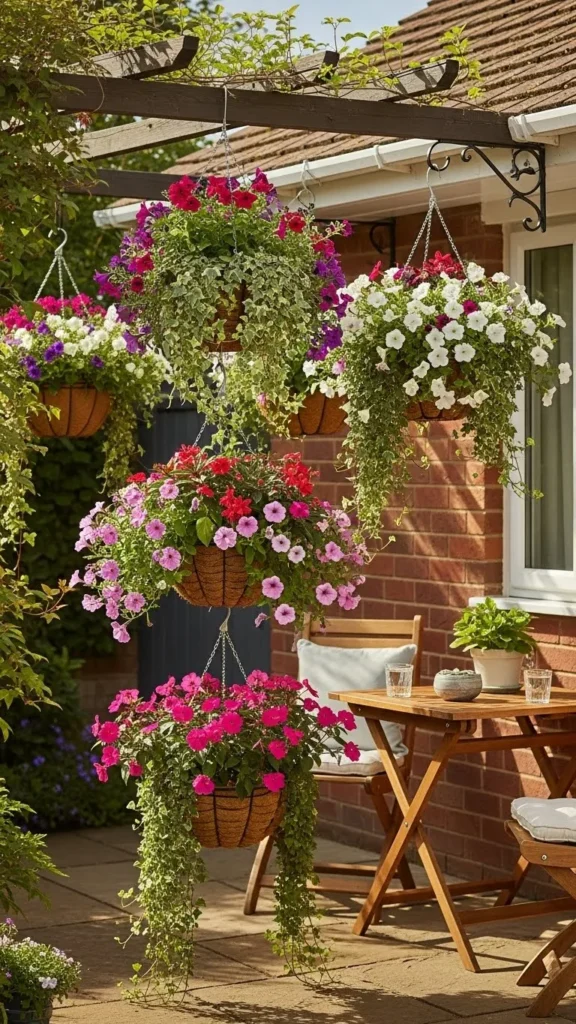
Hanging baskets add depth without crowding the floor.
They work well over patios or along fences.
Use ceiling hooks, wall brackets, or sturdy branches.
Vary the heights to create visual balance.
Lightweight coco liners help drainage.
They also keep roots from staying soggy.
Mix trailing plants with compact growers.
This creates fullness without bulk.
Watering is easier with a simple wand.
Place saucers below if needed.
4. Corner Herb Towers
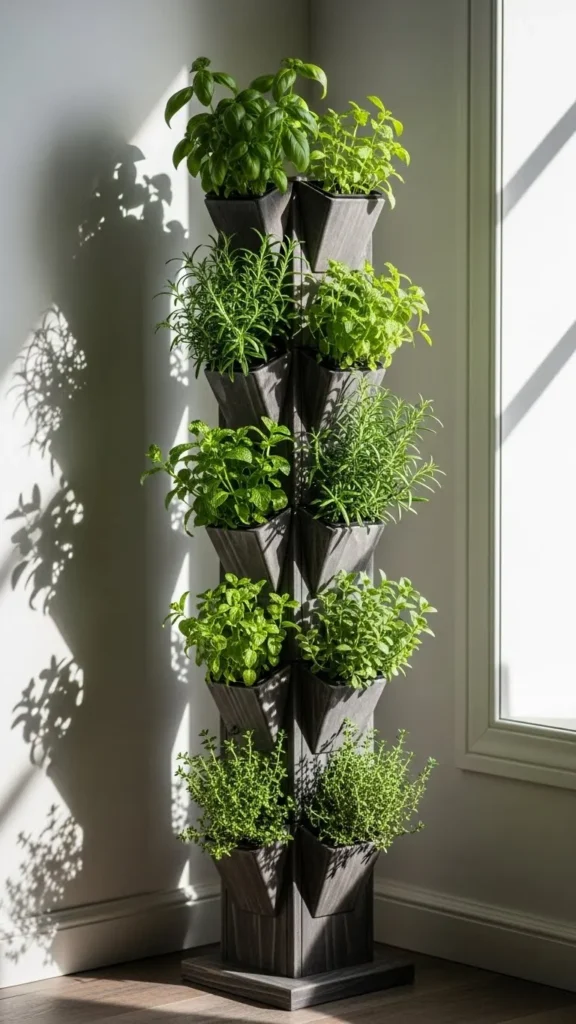
Corners often go unused in small gardens.
Herb towers fit neatly into these spots.
Stacked planters hold multiple plants in one footprint.
That saves space and keeps herbs within reach.
Choose herbs you use often.
Basil, mint, and parsley work well.
Rotate the tower occasionally for even light.
This keeps growth balanced.
5. Foldable Garden Furniture
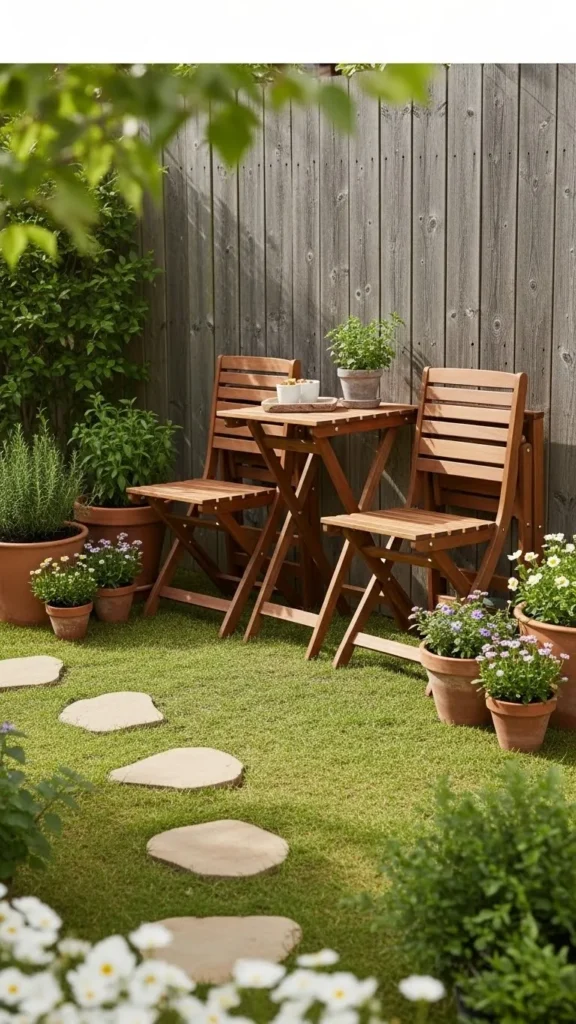
Furniture can overwhelm small gardens.
Foldable pieces solve that problem.
Use chairs and tables that store flat.
Bring them out only when needed.
This keeps walkways clear.
It also protects furniture from weather wear.
Simple wood or metal designs cost less.
They still look tidy and functional.
6. Slim Trellis Screens
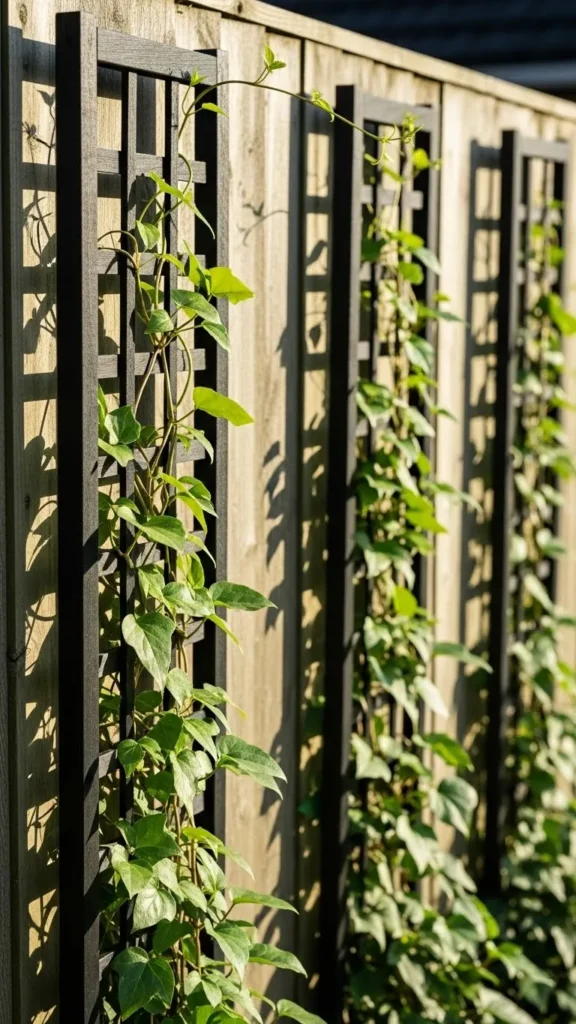
Trellises help plants grow upward.
They also add privacy in tight yards.
Use wire panels or bamboo stakes.
Attach them close to walls or fences.
Climbing plants take little ground space.
They fill vertical gaps quickly.
7. Container Clusters
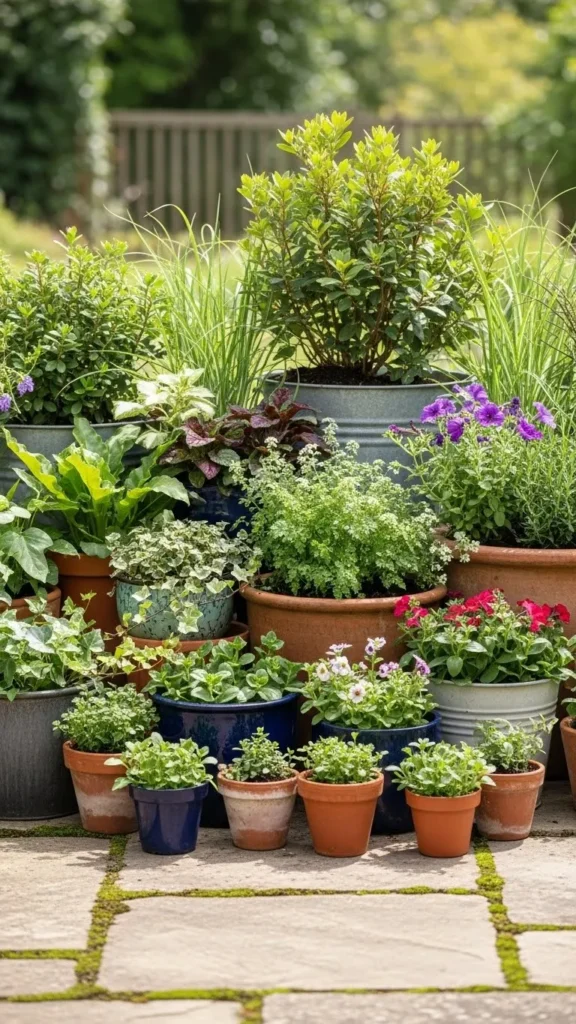
Grouping containers makes a small area feel planned.
Odd numbers look natural and balanced.
Use pots of different heights.
This adds depth without crowding.
Containers also move easily.
Rearrange them as seasons change.
8. Built-In Bench Storage
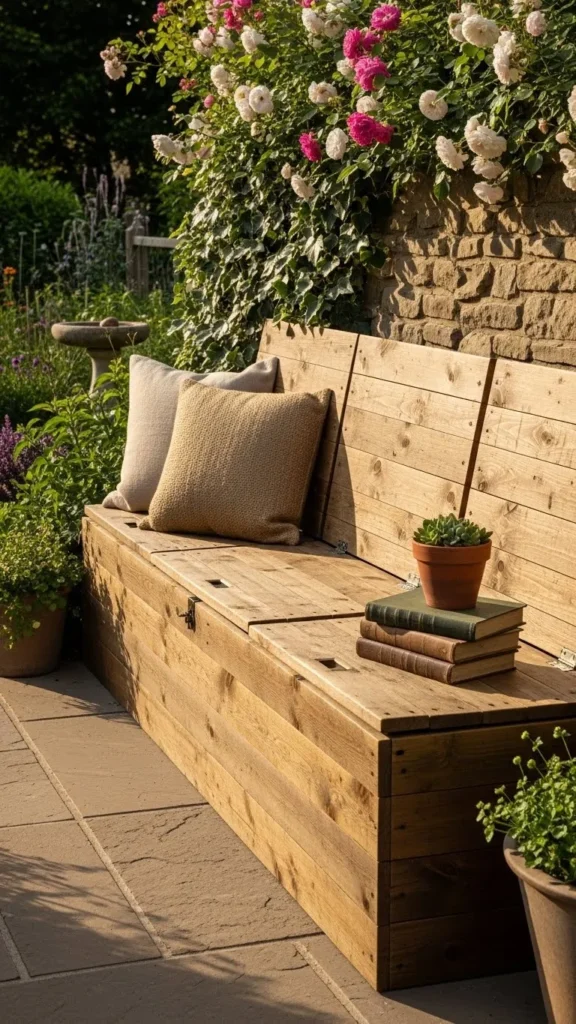
Benches can double as storage.
They hide tools, pots, or soil bags.
Place benches along fences.
This keeps the center open.
DIY versions use basic lumber.
Add hinges for easy access.
9. Narrow Side-Yard Paths
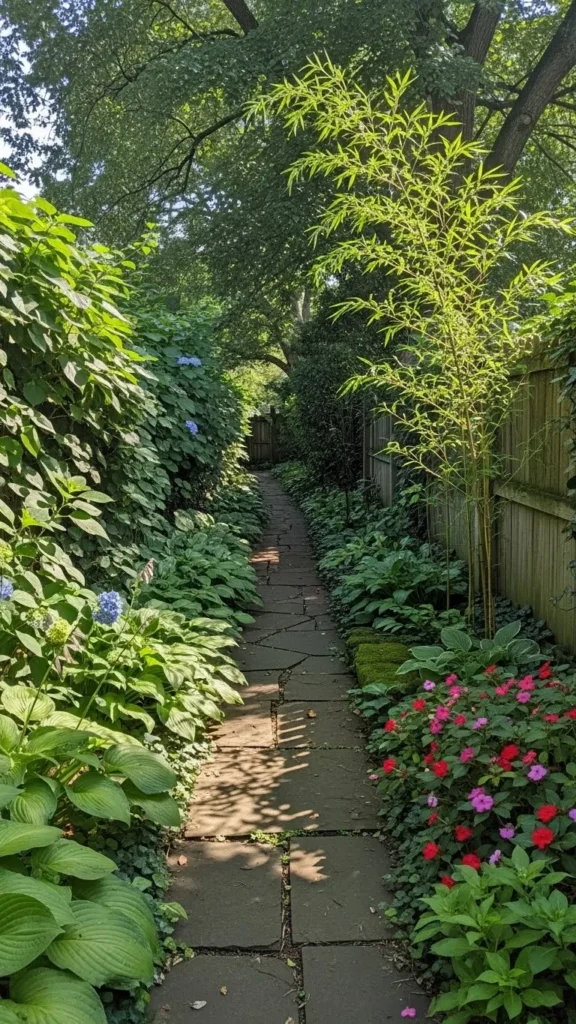
Side yards often feel forgotten.
They can become productive garden zones.
Use stepping stones to guide movement.
Plant along edges to soften the look.
Even a thin strip can grow herbs.
Light exposure is often enough.
10. Wall-Mounted Tool Racks
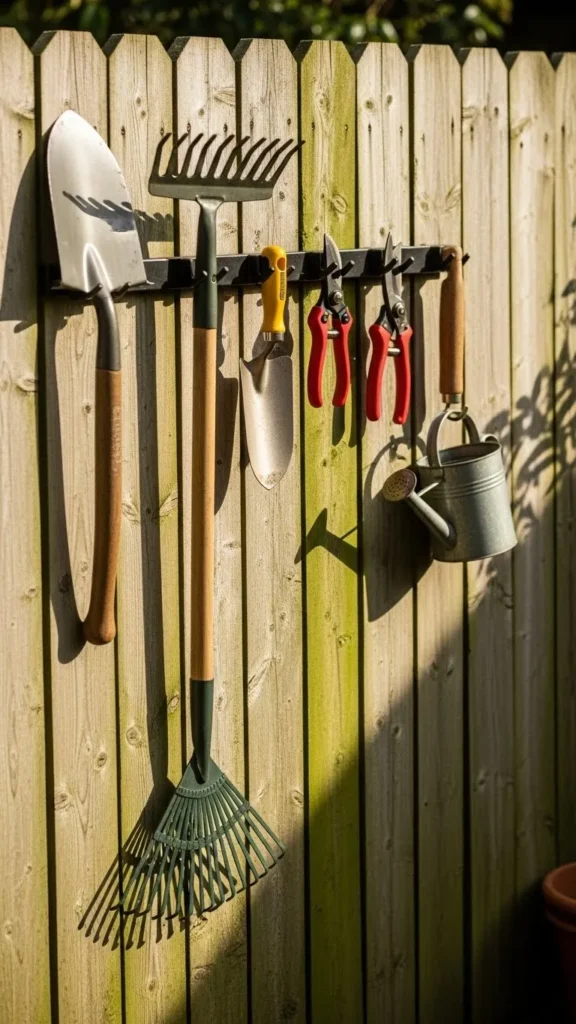
Tool clutter eats space fast.
Wall racks keep tools organized.
Mount hooks or rails on fences.
Keep items off the ground.
This setup saves time.
Everything stays visible and dry.
11. Tiered Plant Stands
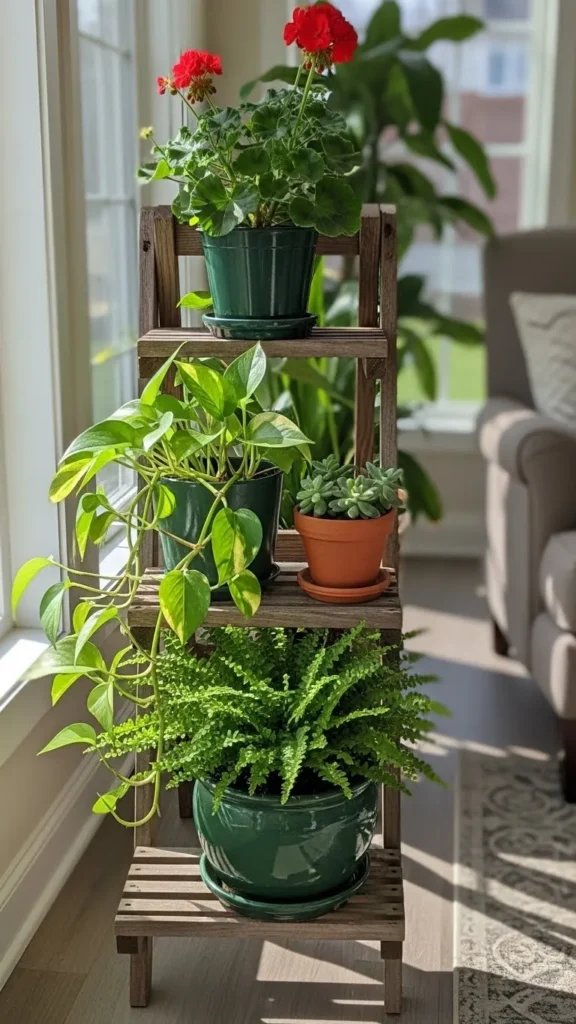
Tiered stands create layers.
They show more plants in less space.
Use metal or wood stands.
Place them near walls or corners.
This setup improves light access.
Plants stay easy to reach.
12. Edible Ground Covers
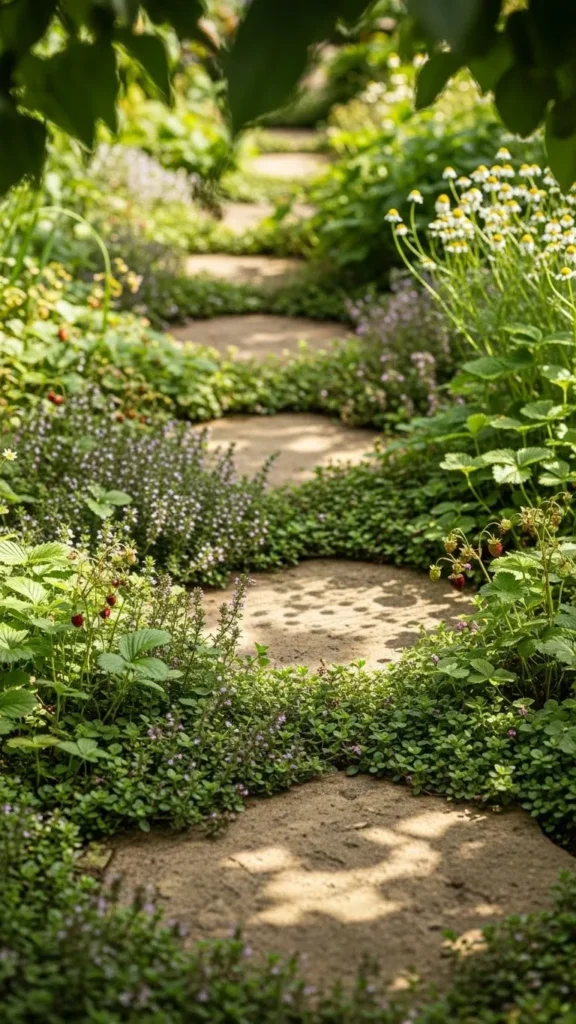
Low plants fill empty soil areas.
They reduce weeds and bare spots.
Choose edible varieties when possible.
They serve two purposes.
Plant them between stones or beds.
They spread without crowding.
13. Window Box Gardens
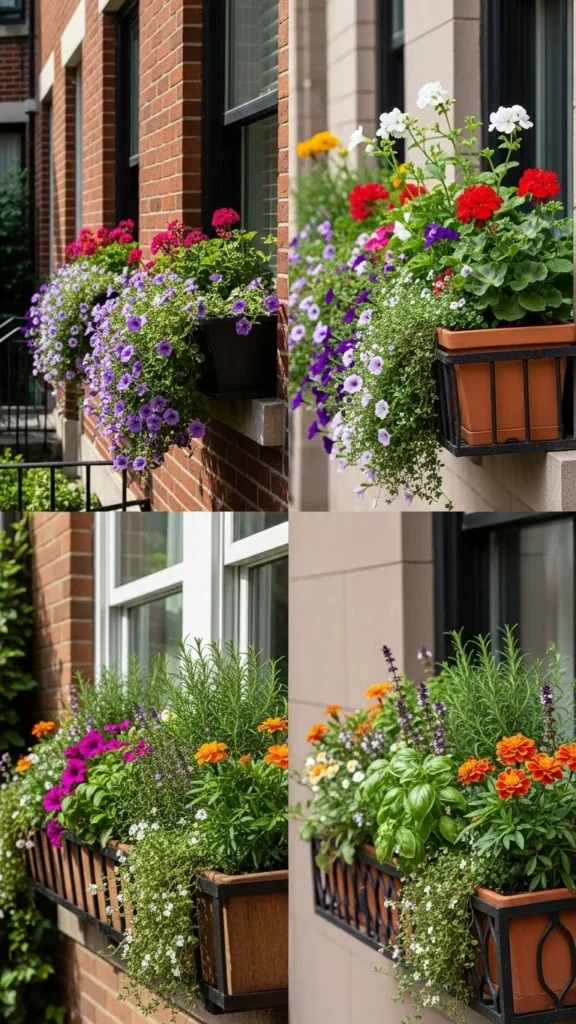
Window boxes extend garden space upward.
They work well for herbs and flowers.
Secure them properly for safety.
Use lightweight soil mixes.
Water regularly.
Small volumes dry out fast.
14. Compact Compost Bins
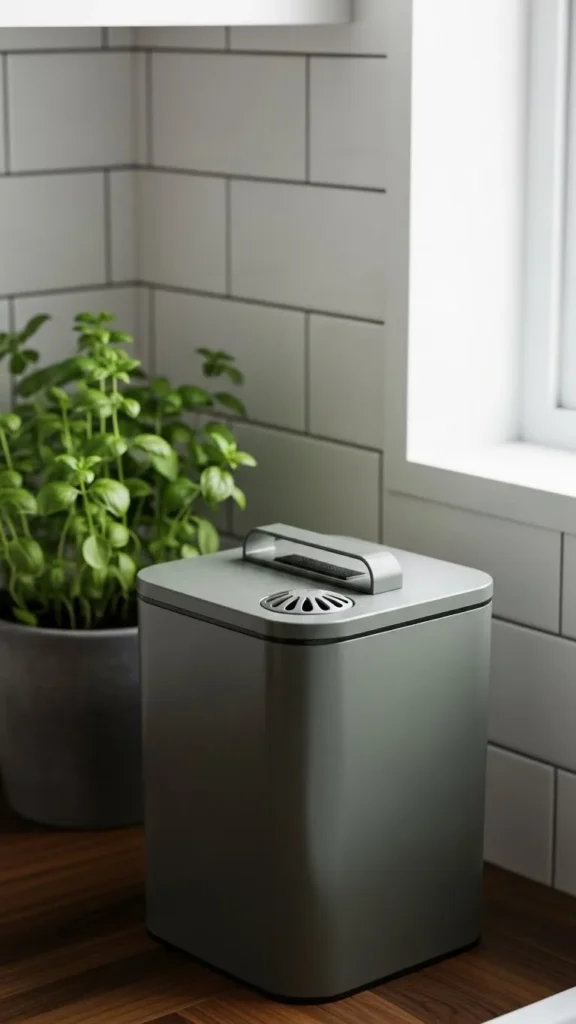
Composting does not need much room.
Small bins fit in corners.
Choose sealed designs to reduce mess.
They work well for kitchen scraps.
This cuts waste and feeds plants.
All within a small footprint.
15. Mirror Panels for Depth
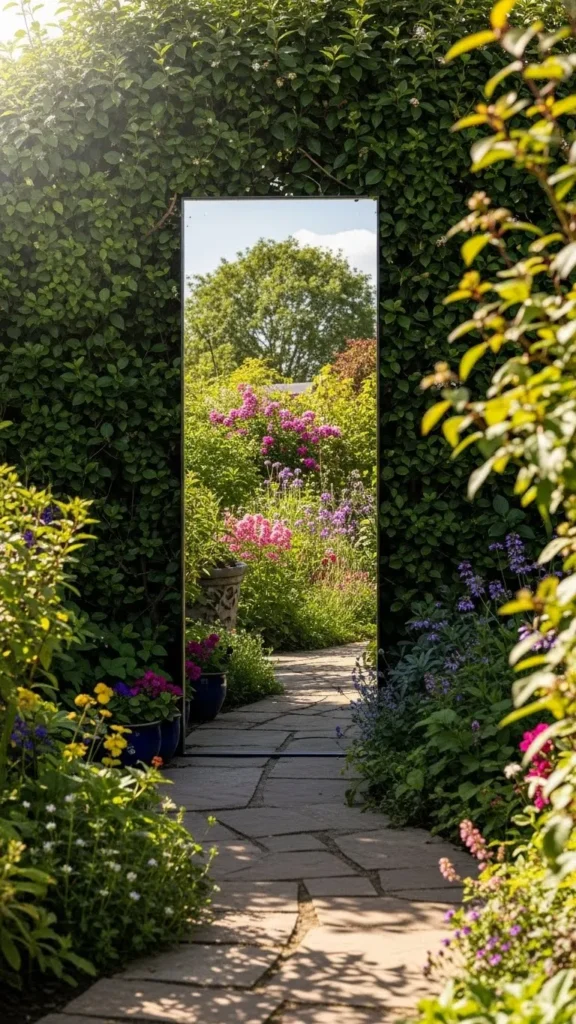
Mirrors make spaces feel larger.
They reflect light and plants.
Use outdoor-safe mirrors only.
Place them where they catch greenery.
Avoid direct sun angles.
This prevents glare issues.
16. Stackable Planters
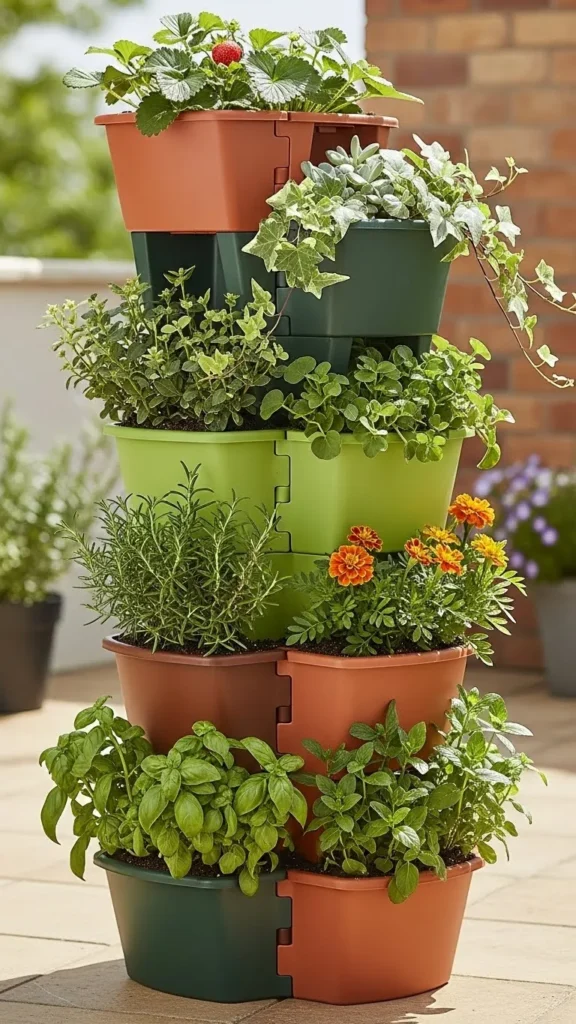
Stackable planters use height wisely.
They suit patios and balconies.
Each layer holds separate plants.
That keeps roots from competing.
They are easy to move.
Rearrange them as needed.
17. Gravel Instead of Grass
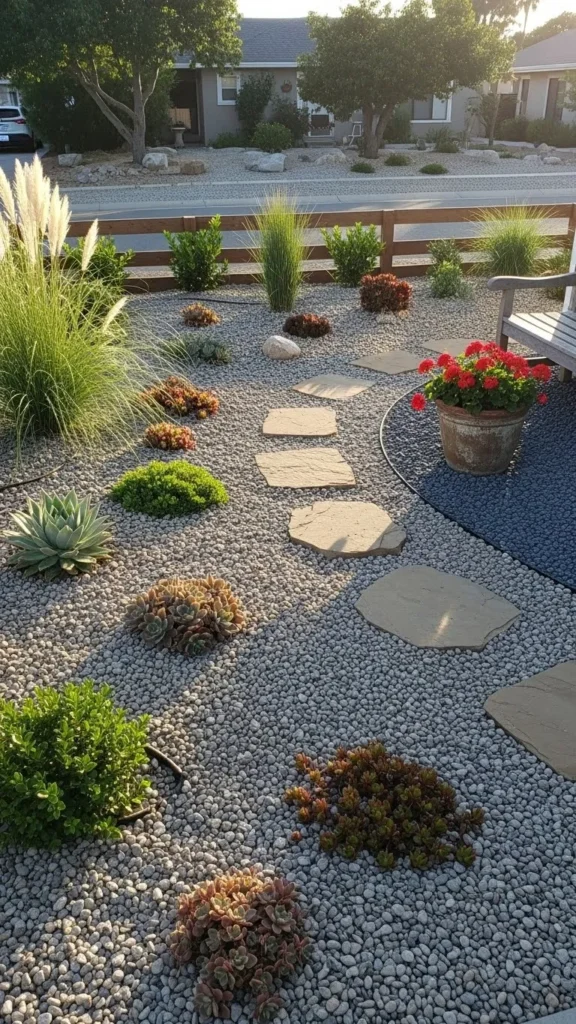
Grass often wastes space.
Gravel creates flexible ground cover.
It drains well and stays tidy.
Add potted plants for softness.
Use edging to keep gravel contained.
This keeps paths clear.
18. Fence Pocket Planters
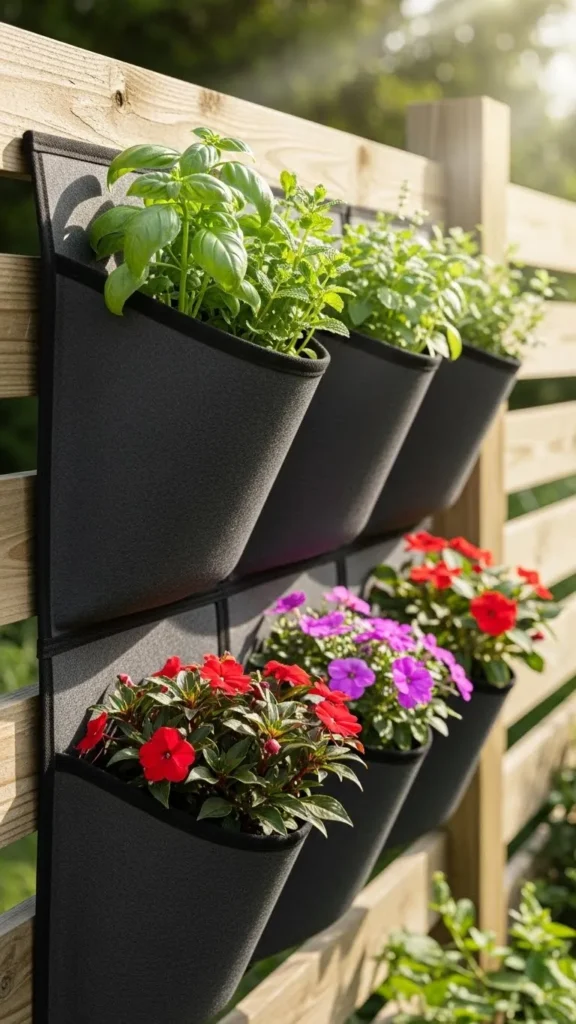
Pocket planters turn fences into gardens.
They suit herbs and small flowers.
Fabric pockets cost less.
They also allow drainage.
Water gently to avoid runoff.
Group similar plants together.
19. Movable Garden Carts

Garden carts add flexibility.
They roll where needed.
Use them for plants or tools.
Store them away when not in use.
This keeps surfaces clear.
It also saves time during chores.
20. Narrow Raised Borders
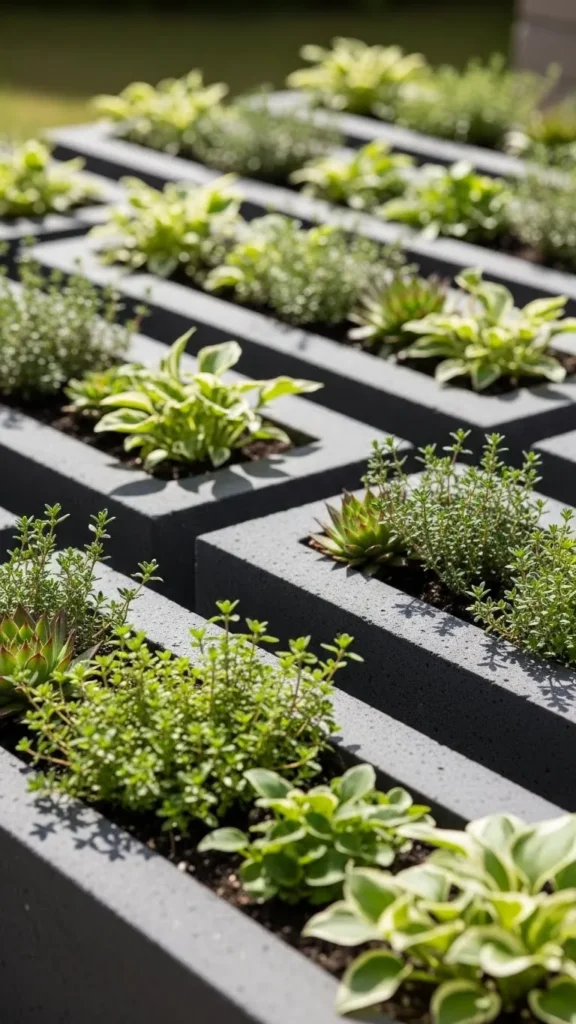
Borders frame spaces without bulk.
They guide movement naturally.
Keep borders low and slim.
Use them along paths or fences.
They hold soil neatly.
Plants stay contained.
21. Overhead String Supports
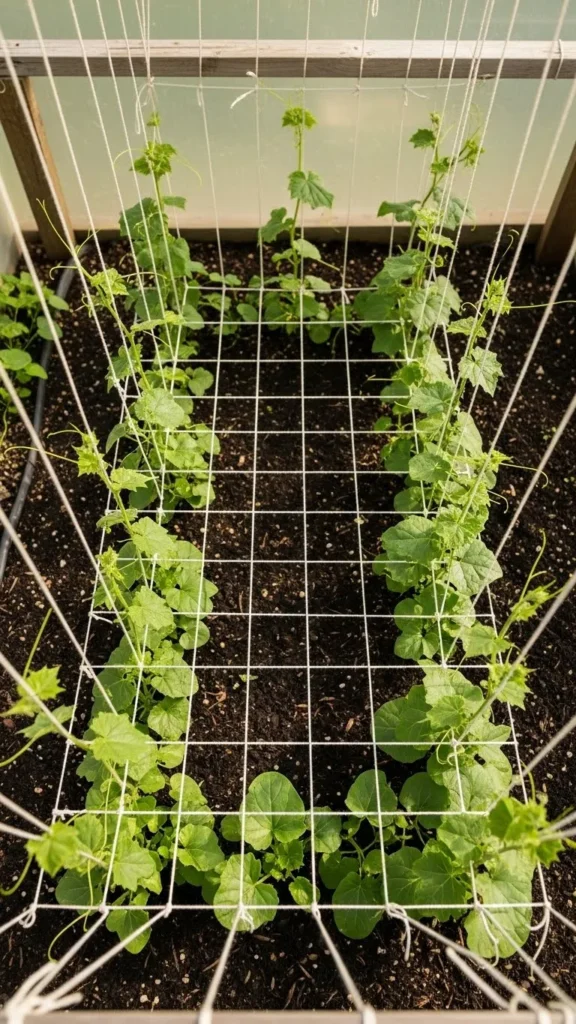
Strings guide climbing plants upward.
They take almost no space.
Attach strings to beams or frames.
Train plants as they grow.
This works well for vines.
Harvest stays easy.
22. Compact Water Features
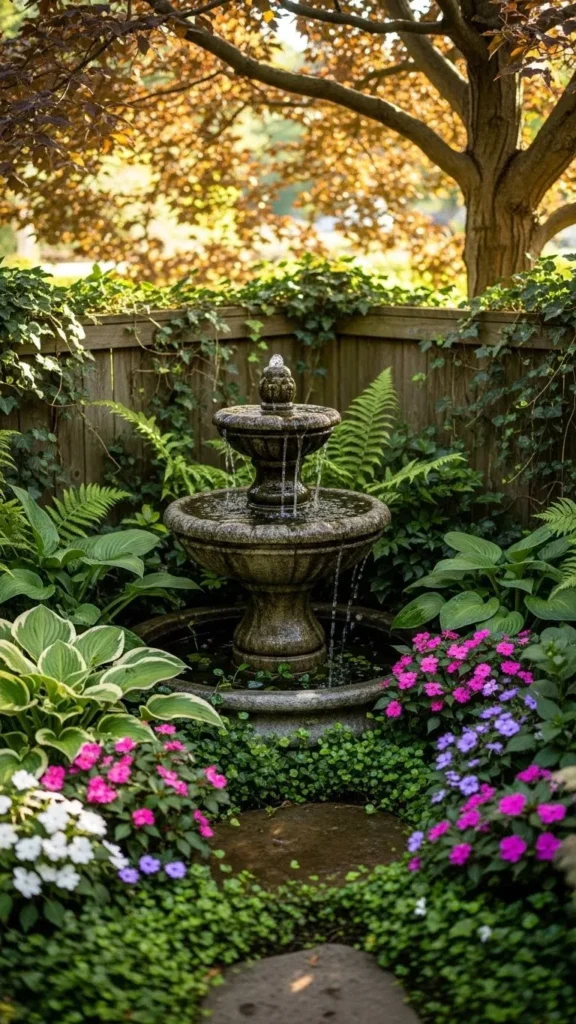
Small water features add movement.
They fit into tight corners.
Use self-contained designs.
They require little upkeep.
Place near seating areas.
Sound adds calm without clutter.
23. Painted Walls for Contrast

Wall color affects how space feels.
Darker tones highlight greenery.
Use outdoor paint for durability.
Test small areas first.
Painted walls make plants stand out.
They also hide worn surfaces.
24. Ladder Plant Displays
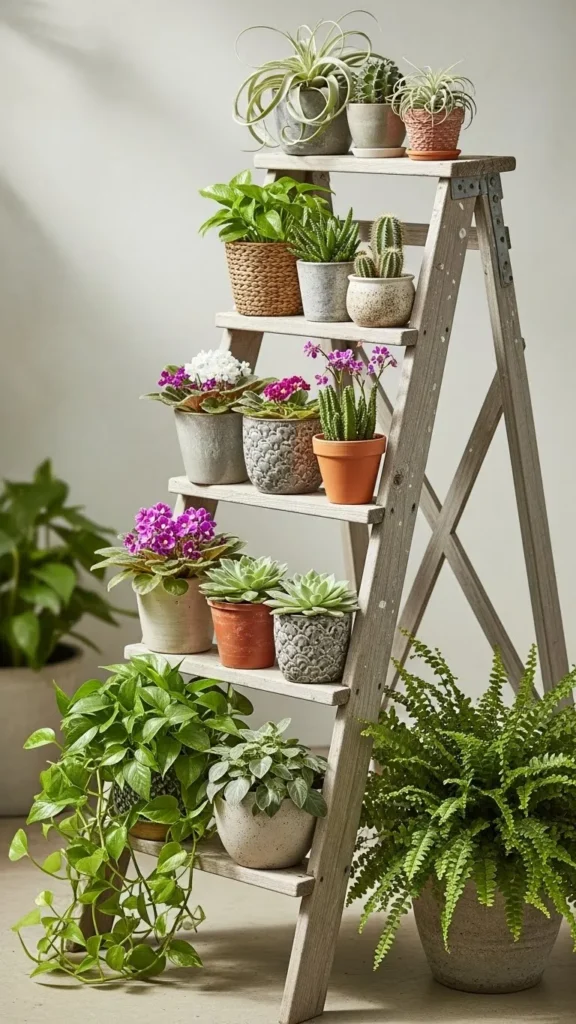
Old ladders become plant stands.
They lean easily against walls.
Each step holds a pot.
This creates vertical interest.
No major tools required.
Just secure it properly.
25. Multi-Use Edging
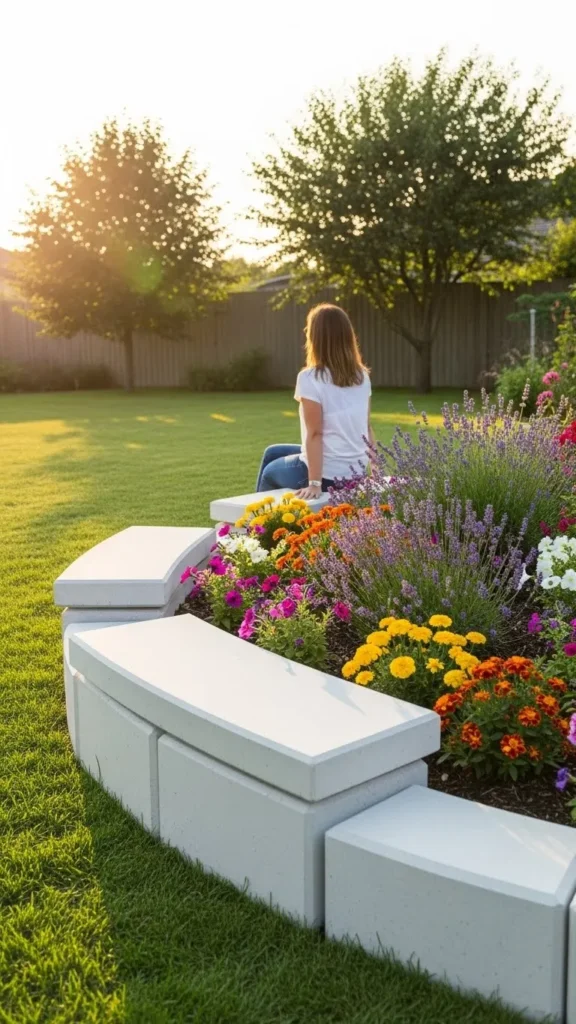
Edging can serve more than one role.
Some designs double as seating.
Choose sturdy materials.
Wood or stone works well.
This saves space and money.
It also adds structure.
26. Seasonal Plant Rotation
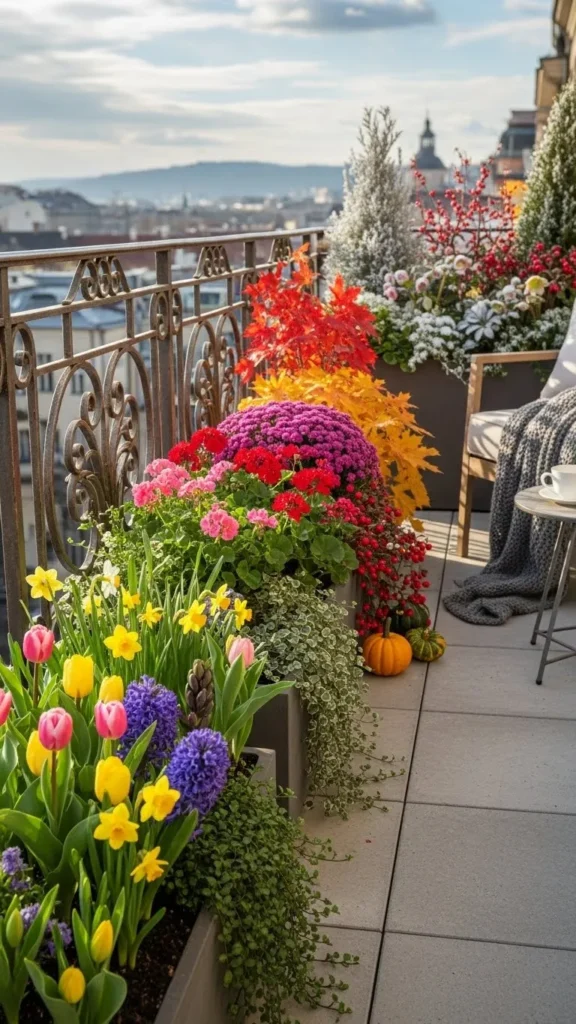
Rotate plants by season.
This keeps gardens active year-round.
Use containers for easy swaps.
Store unused pots neatly.
This approach avoids overcrowding.
Space stays balanced.
27. Simple Zoning With Pots
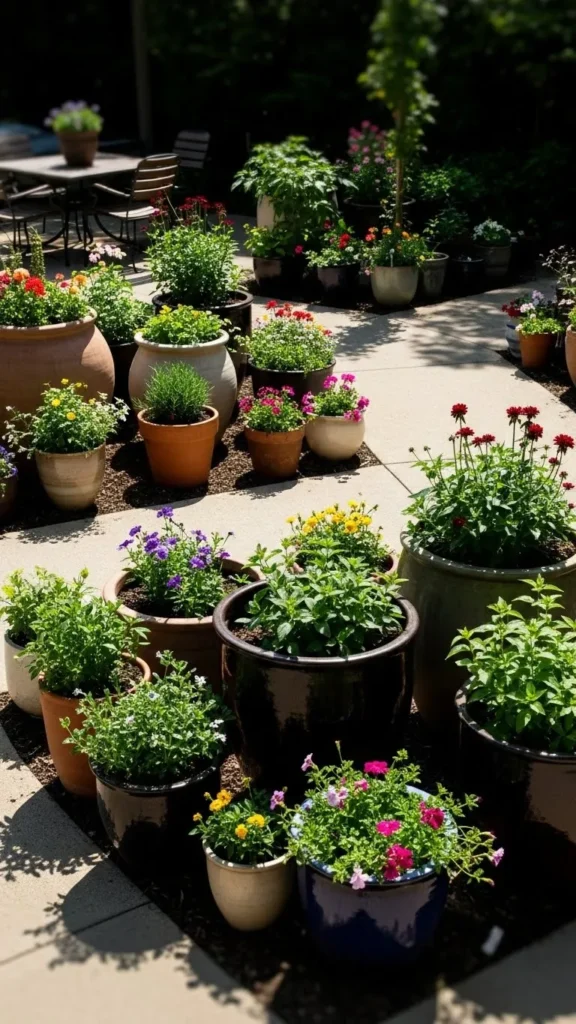
Pots can define areas.
They act as soft dividers.
Use them to mark seating or paths.
No permanent changes required.
Rearrange as plans change.
This keeps layouts flexible.
Conclusion
Small gardens reward thoughtful planning. By using vertical surfaces, flexible containers, and multi-use features, even the tightest space can feel productive and welcoming. Each idea here focuses on realistic actions that fit real budgets and real schedules. Try one or two changes at a time, adjust as you go, and let your garden grow in a way that works for your space.
Leave a Reply