

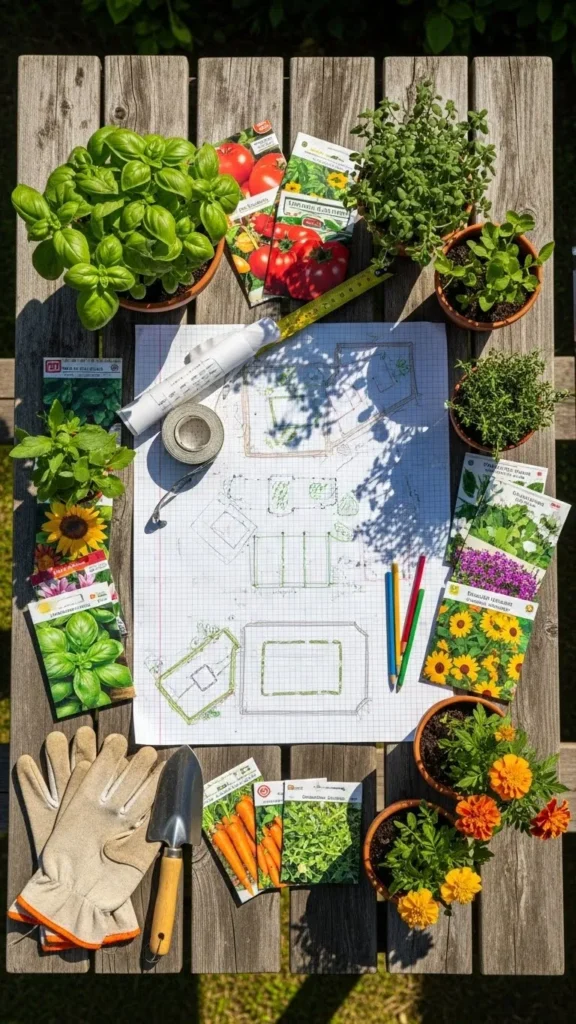
Planning a garden feels exciting, but small oversights often lead to wasted money, poor growth, and frustration later. The smartest gardens start on paper, not in the soil. A thoughtful plan helps you spend less, avoid rework, and make better use of space from day one. These tips focus on real-world choices home gardeners make every season. Each idea is practical, affordable, and easy to apply, even if you are working with limited space or supplies.
1. Measure Your Space Before Buying Anything
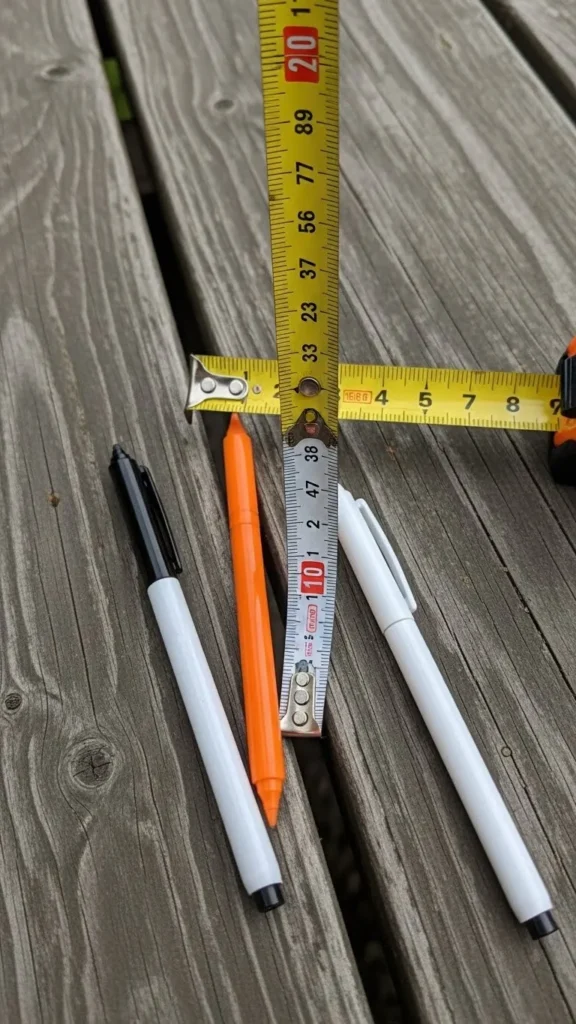
Many mistakes start with guessing. Grab a tape measure and write down real numbers. Measure width, length, and odd corners. This stops overcrowding and wasted plants. A common DIY habit is buying extras “just in case.” That adds up fast. With measurements, you buy only what fits.
Use string or chalk to outline beds outdoors. This shows spacing clearly. Reuse old rope or yarn instead of buying markers. Keep a simple sketch in a notebook. You do not need fancy software. This step alone saves repeat trips to the garden store and prevents cramped layouts that cause weak growth later.
2. Track Sun Patterns for a Full Day
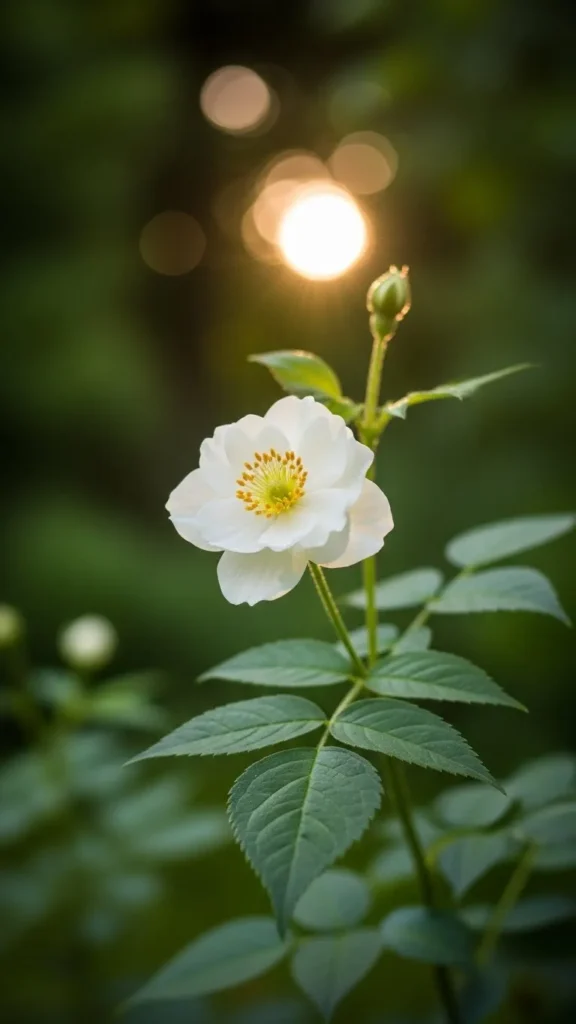
Sun changes hour by hour. Morning light differs from afternoon heat. Spend one day checking light every few hours. Note shady spots and bright zones. This avoids placing sun-loving plants where they struggle.
A budget trick is using your phone camera. Take photos at set times. Compare later. This visual record costs nothing and works well. Planning with real light patterns reduces plant loss and keeps your spending focused on plants that match the space.
3. Start Small and Expand Later
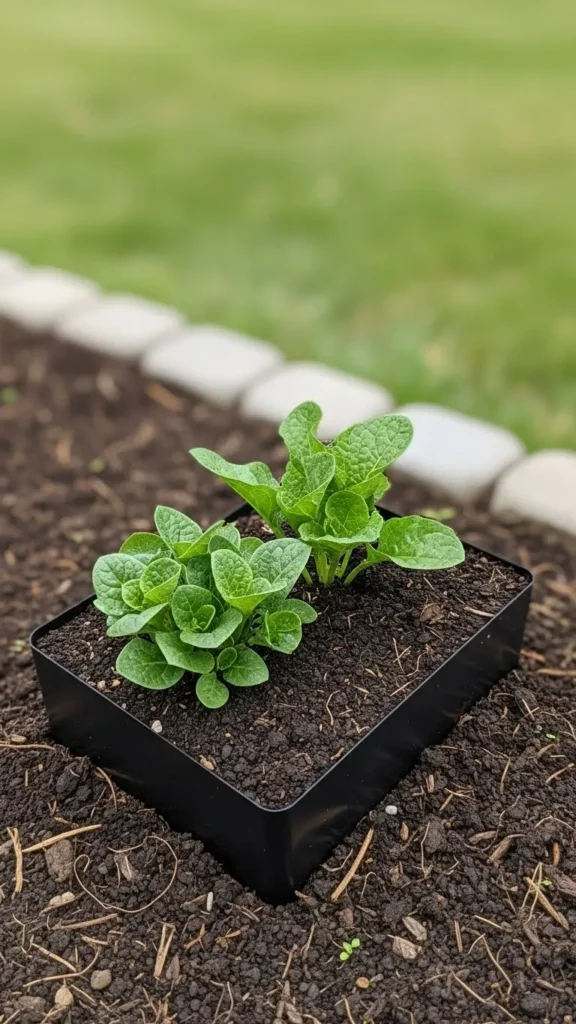
Big plans often lead to burnout and wasted materials. Begin with one or two beds. Learn how they behave. Expansion later feels easier and costs less.
Many gardeners reuse cardboard to mark future beds. This blocks weeds while you wait. You can also save containers from food storage for later planting. A slow build keeps expenses steady and avoids buying soil and plants that sit unused.
4. Choose Plants That Match Your Climate
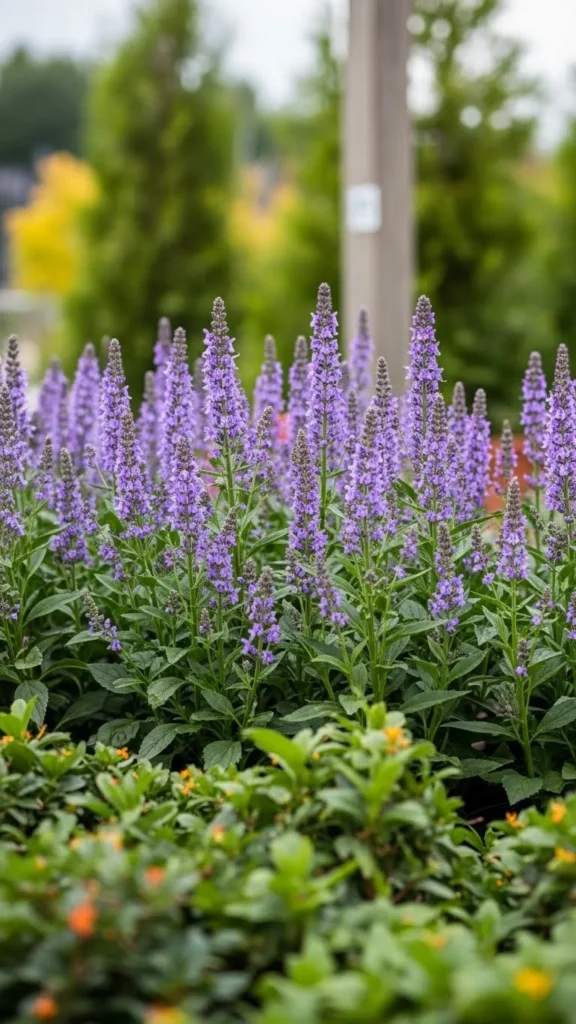
Local climate shapes success. Plants outside your region often fail early. Ask local growers or neighbors what grows well nearby.
Seed swaps are a smart budget move. Local plants shared by neighbors already adapt well. This cuts spending and improves results. Planning with climate in mind prevents repeat purchases and disappointment.
5. Test Soil Before Adding Amendments
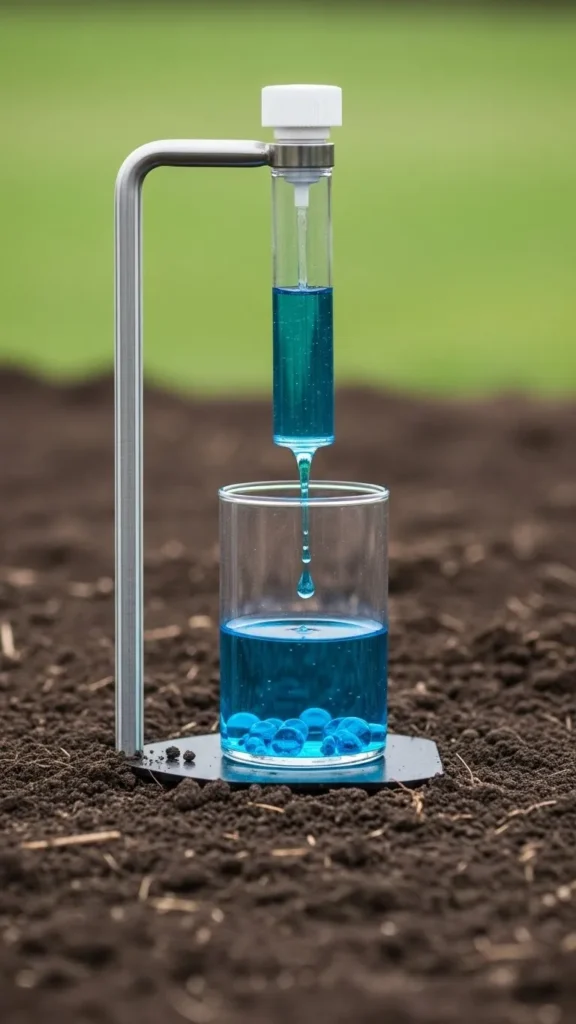
Guessing soil type leads to overbuying. A basic soil test shows what you already have. Many local extension offices offer free or low-cost kits.
A DIY method starts with a jar, water, and soil. Let it settle to see sand, silt, and clay layers. This simple check guides smart spending and avoids unnecessary soil products.
6. Plan Water Access Early
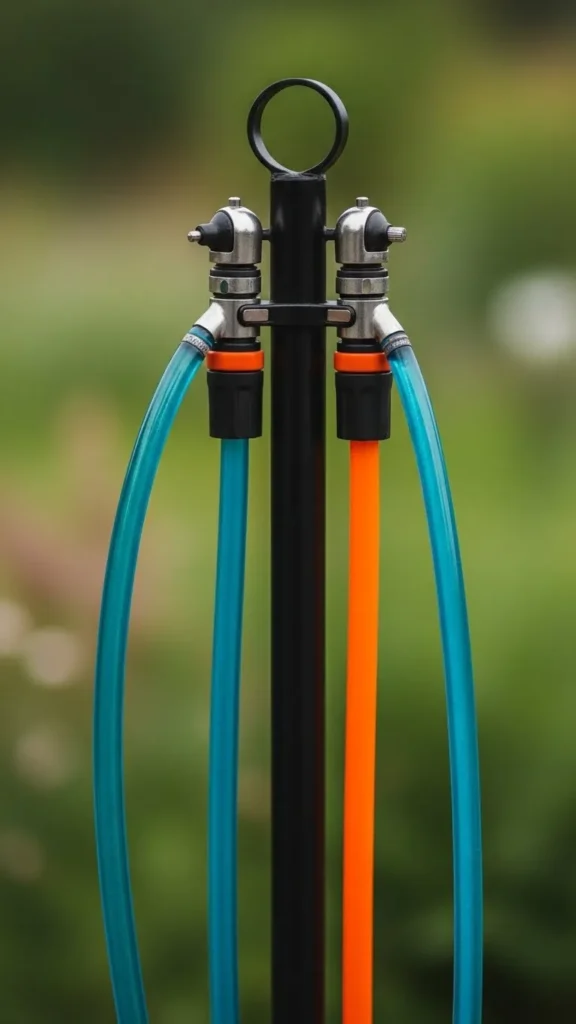
Dragging hoses across yards causes wear and frustration. Plan beds near water sources. Measure hose length before planting.
A low-cost fix is installing splitters on one faucet. This allows multiple lines without extra plumbing. Good water planning saves time and avoids buying longer hoses later.
7. Leave Walking Space Between Beds
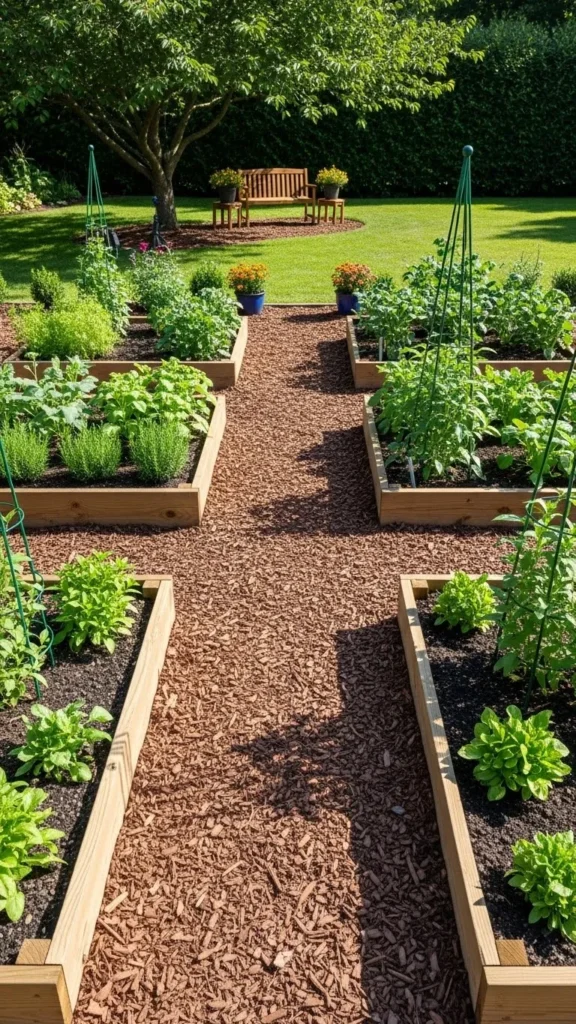
Crowded beds get stepped on. Soil compacts fast. Leave paths wide enough to walk comfortably.
Mulch paths with wood chips or shredded leaves. These options cost little or nothing. Clear paths reduce damage and keep plants healthier without added spending.
8. Group Plants by Water Habits
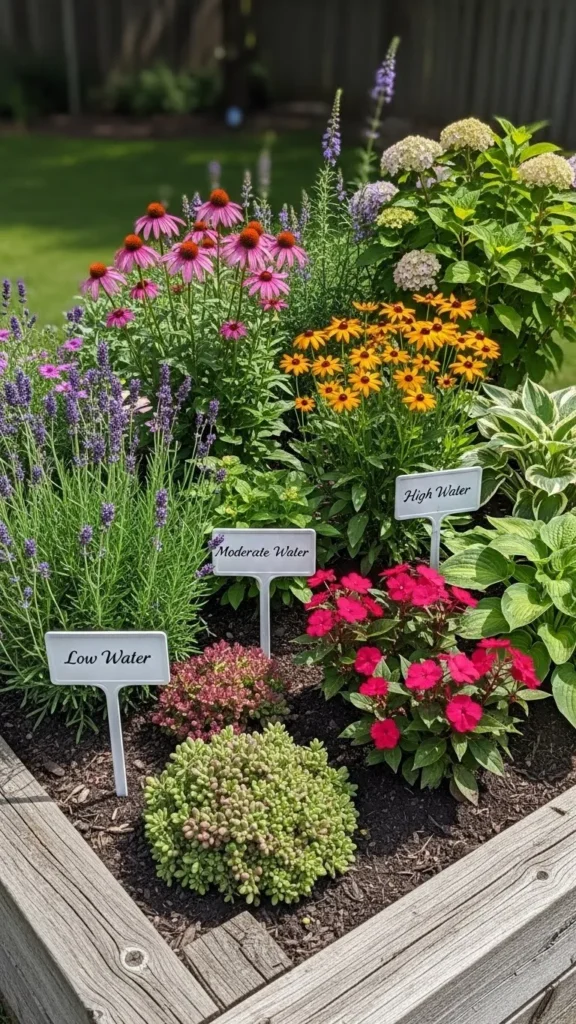
Plants with similar water habits work better together. Mixing dry-loving and thirsty plants leads to waste.
Use simple labels or stakes made from scrap wood. Grouping cuts water use and lowers utility costs. It also reduces plant loss caused by uneven care.
9. Think About Mature Plant Size
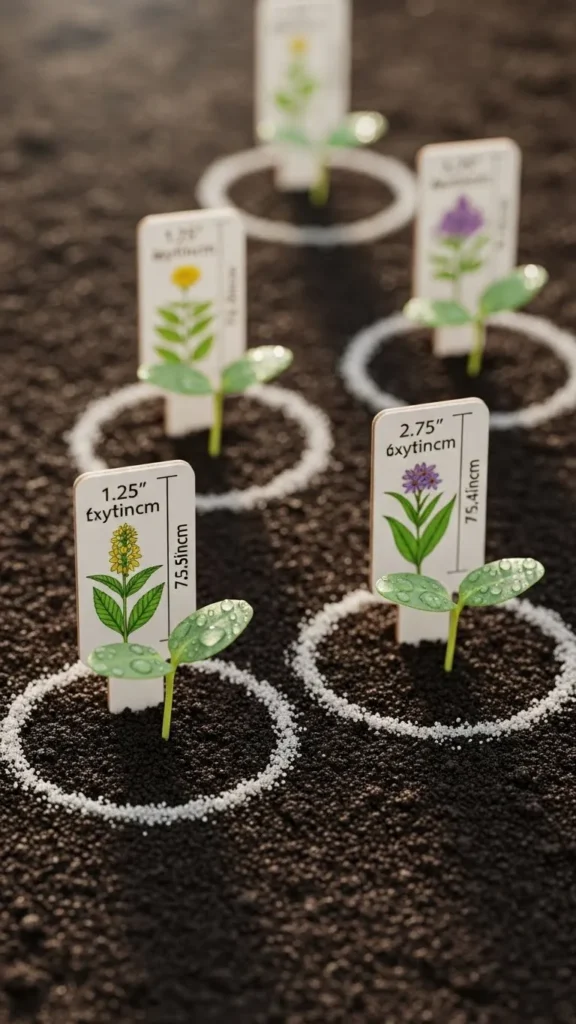
Small seedlings grow large. Ignoring mature size causes overcrowding. Check spacing on seed packets or tags.
Use stones or sticks to mark future width. This visual trick prevents replanting later and keeps you from buying replacements.
10. Reuse Materials for Garden Borders
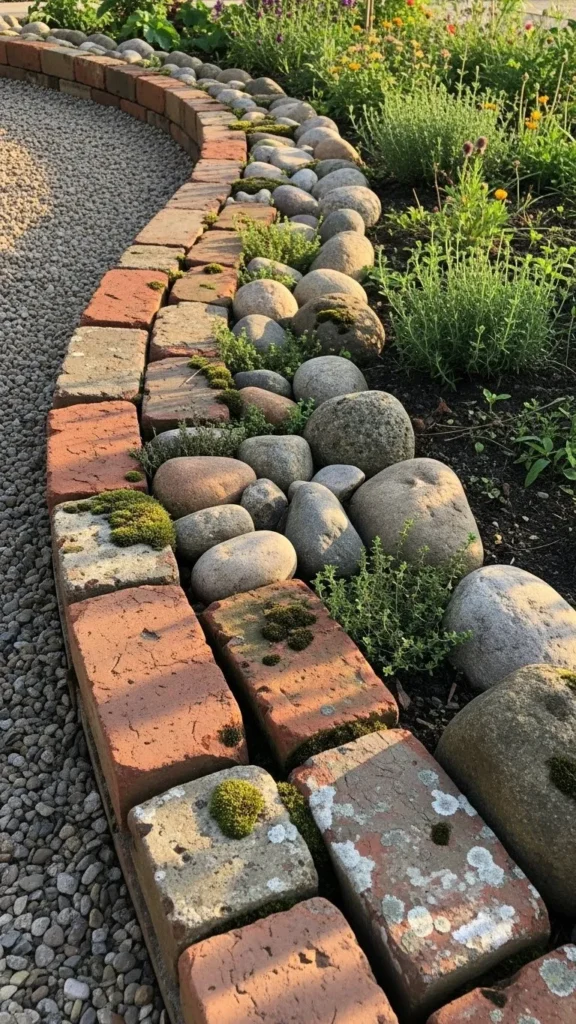
Borders do not need store-bought edging. Old bricks, stones, or wood scraps work well.
Check local listings for free materials. Reused borders keep soil in place and define beds clearly without added cost.
11. Schedule Planting Dates on Paper
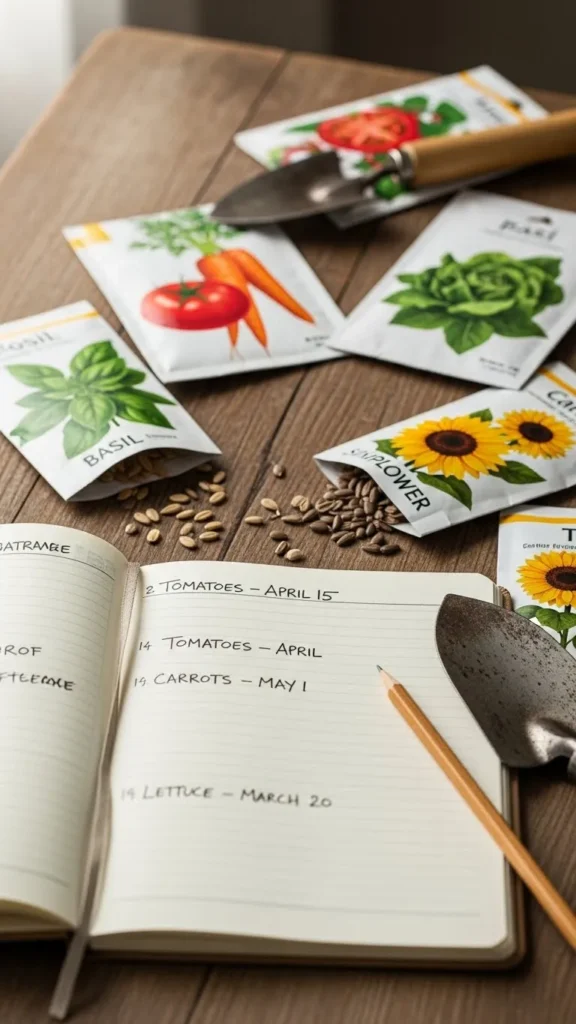
Planting too early or late wastes seeds. Write planting windows in a notebook or calendar.
This habit avoids repeat purchases. A simple chart taped indoors works fine and keeps timing clear year after year.
12. Plan Storage for Tools and Supplies

Lost tools get replaced often. Plan storage close to the garden.
Use buckets, hooks, or old shelves. Easy access saves time and stops duplicate buying.
13. Limit Plant Variety at First
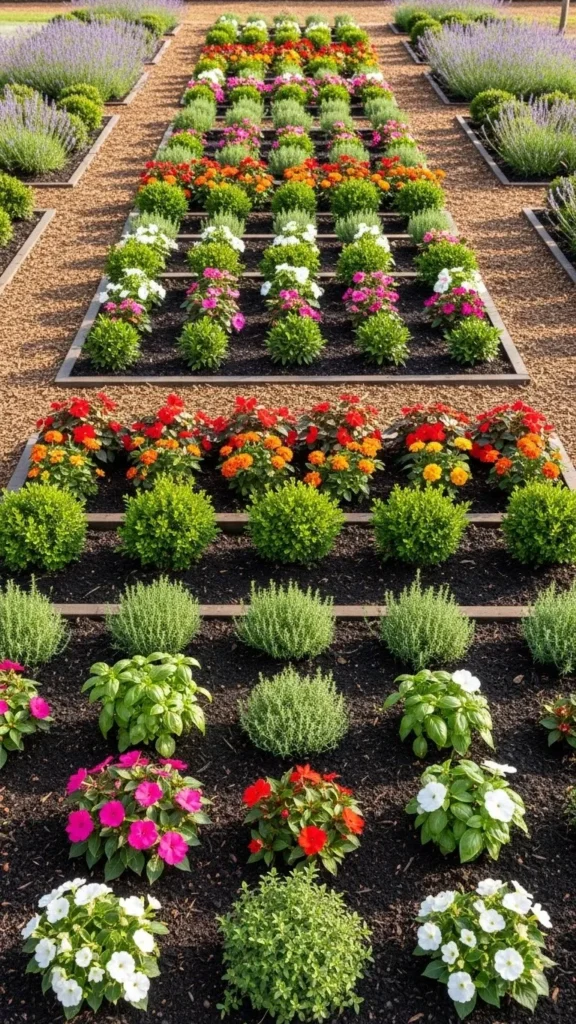
Too many varieties complicate care. Start with fewer types and repeat them.
Buying in small multiples often costs less and simplifies watering and spacing. This approach reduces loss and keeps planning manageable.
14. Use Mulch From What You Have

Mulch does not require bags from the store. Leaves, grass clippings, and shredded paper work well.
Homemade mulch cuts weed growth and holds moisture. This saves money and reduces trips to buy materials.
15. Plan for Seasonal Changes
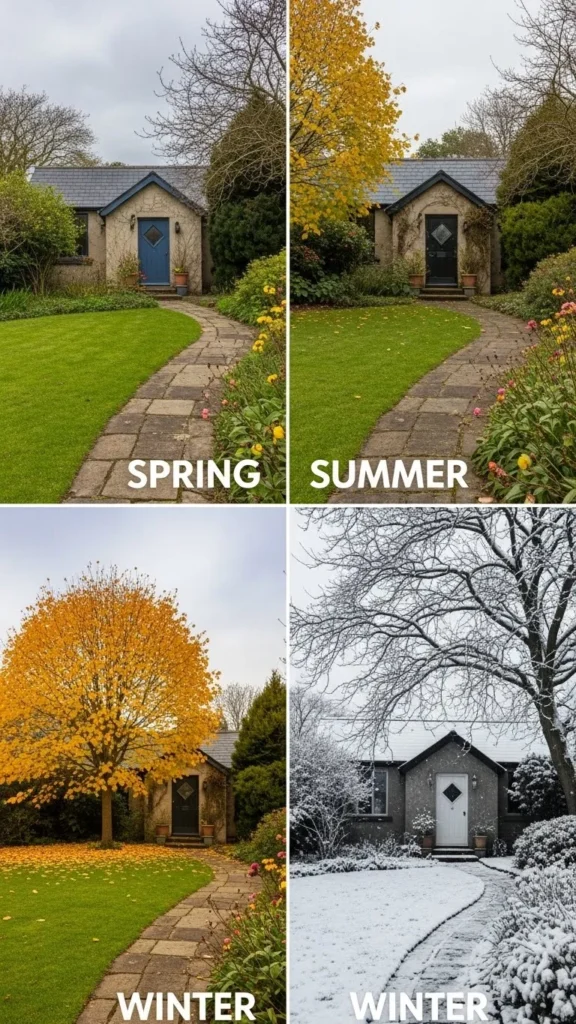
Gardens look different across seasons. Leave room for rotation and rest periods.
Planning seasonal gaps avoids buying plants with no place to go later. Simple notes help guide future planting.
16. Budget Before Visiting the Store
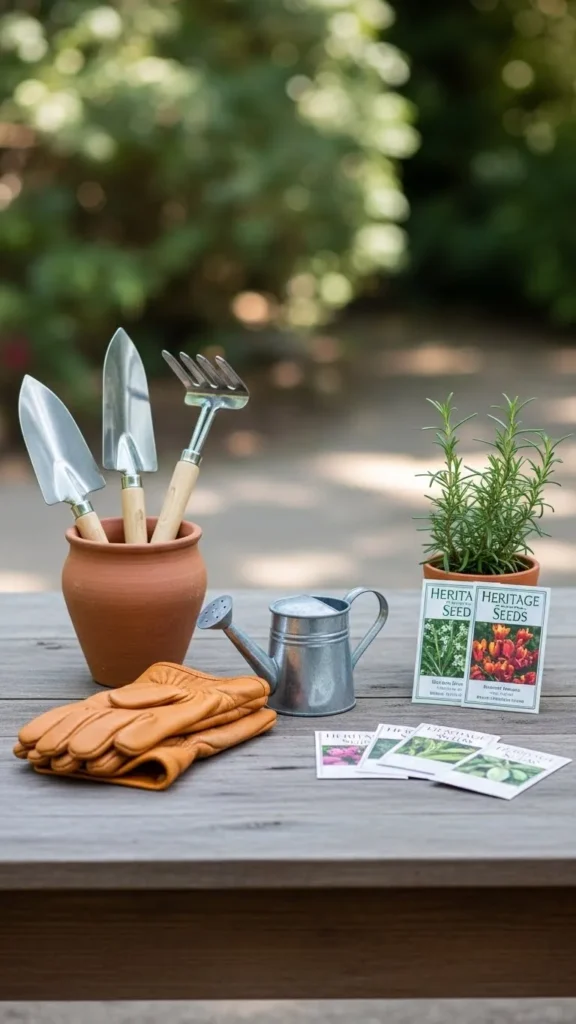
Impulse buys drive overspending. Set a spending limit before shopping.
Bring a list based on your plan. This keeps purchases focused and avoids clutter that sits unused.
17. Learn From One Season at a Time

Every season teaches lessons. Write short notes on what worked and what failed.
These notes guide future choices and prevent repeating costly errors. Learning steadily costs nothing.
18. Share Plants With Neighbors
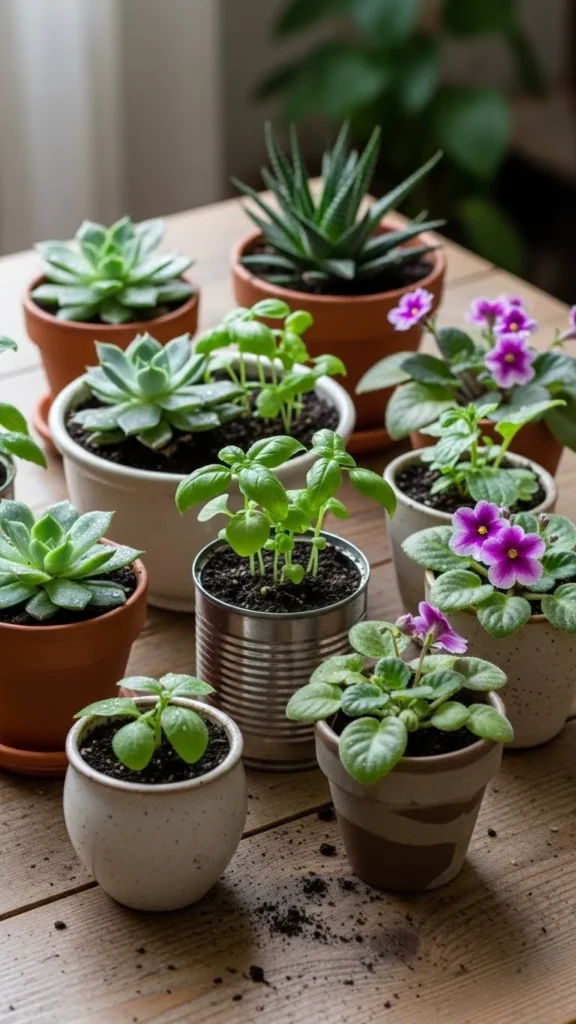
Plant sharing cuts costs fast. Many plants divide easily.
Swap extras instead of buying new ones. This builds variety without spending and strengthens local knowledge.
19. Keep Paths Simple
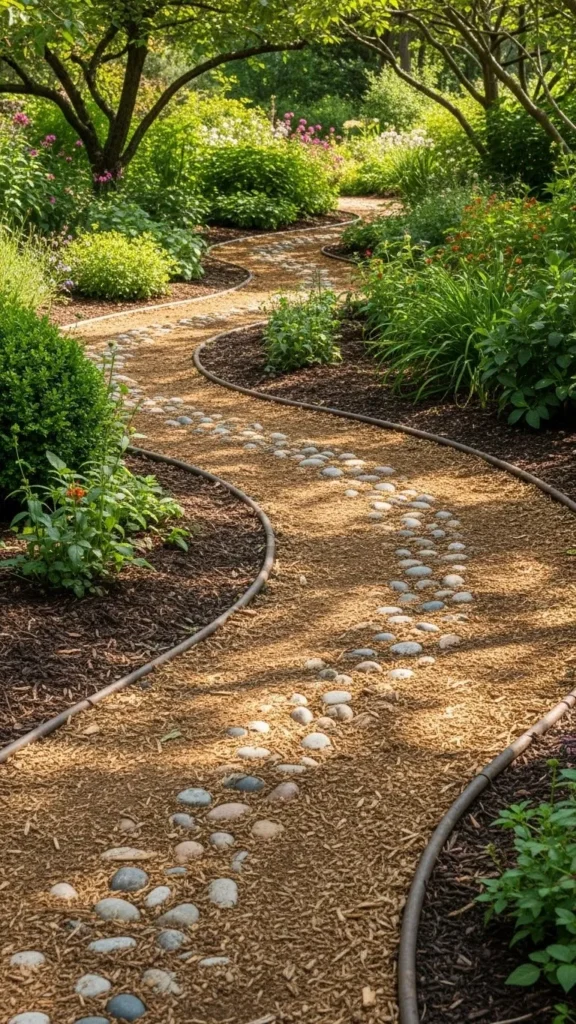
Fancy paths add cost. Simple dirt, mulch, or stone paths work fine.
Clear routes protect plants and guide movement. Simplicity keeps spending under control.
20. Label Plants Clearly
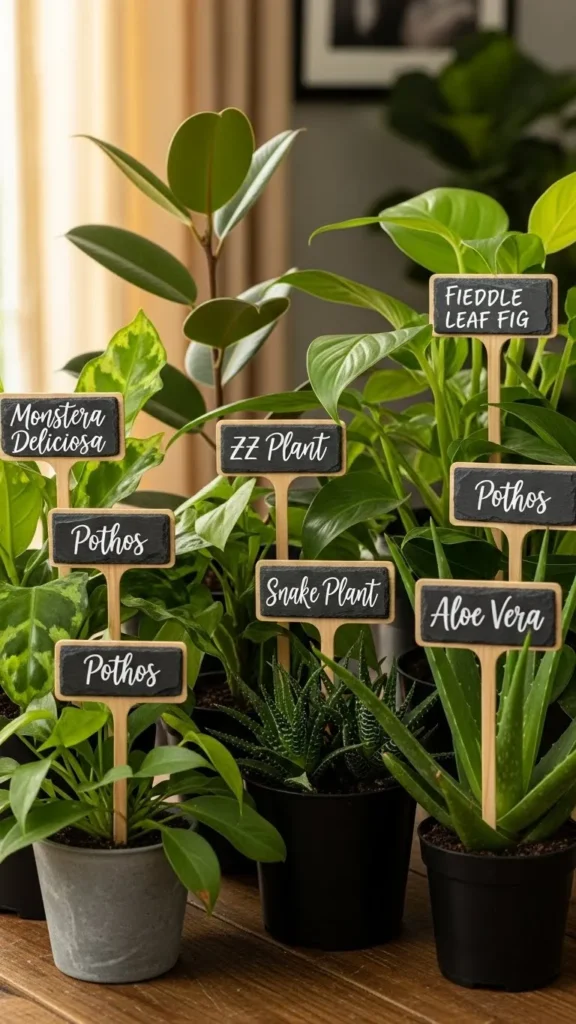
Unlabeled plants cause confusion. Use scrap wood or plastic lids as markers.
Clear labels help with care timing and stop accidental removal. This small step prevents wasted effort.
21. Plan Compost Space Early
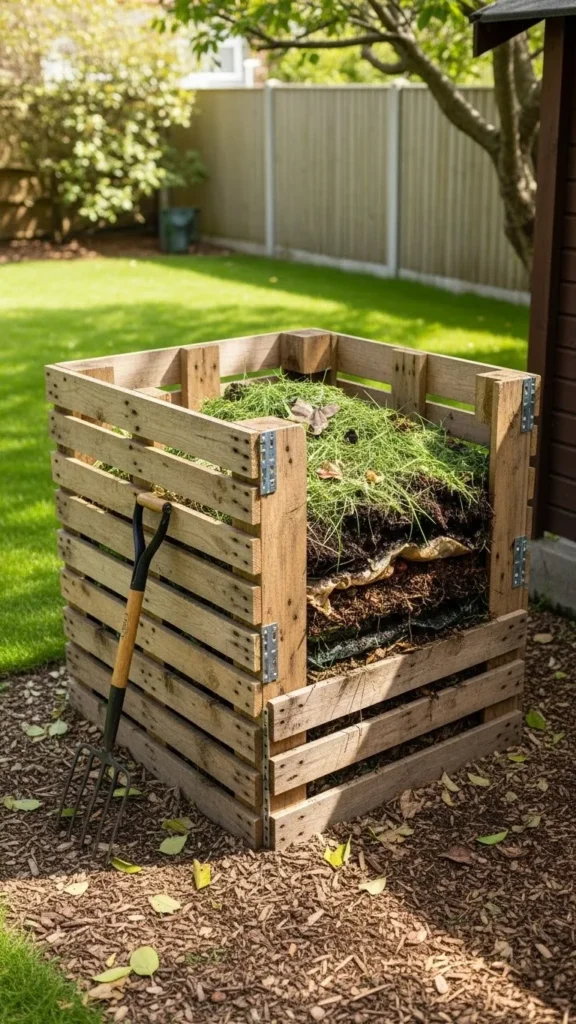
Compost reduces waste and soil costs. Set aside a small area early.
DIY bins from pallets or bins work well. Planning compost space saves money over time.
22. Avoid Trend-Based Plant Choices
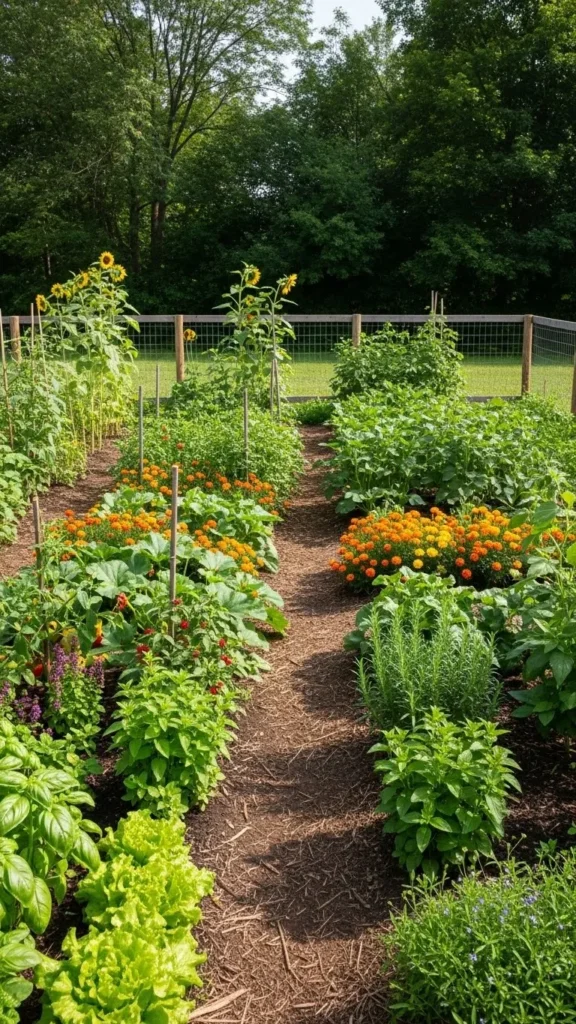
Trends fade fast. Focus on plants with proven performance locally.
Reliable choices reduce replacement costs and keep care simple year after year.
23. Use Containers You Already Own
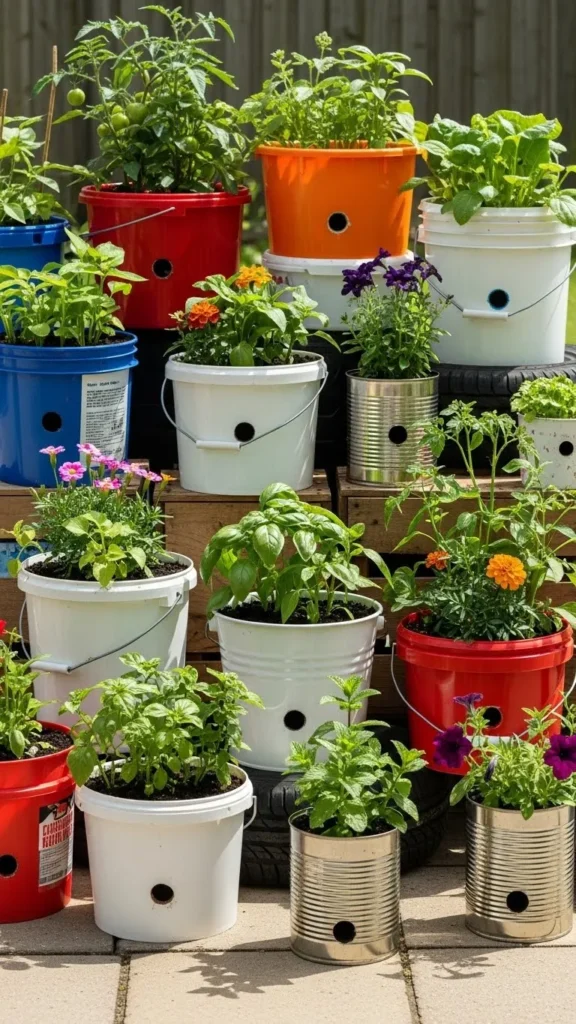
Buckets, tins, and storage bins work as planters. Drill drainage holes and reuse.
This cuts container costs and gives flexibility for moving plants around.
24. Sketch Before Digging
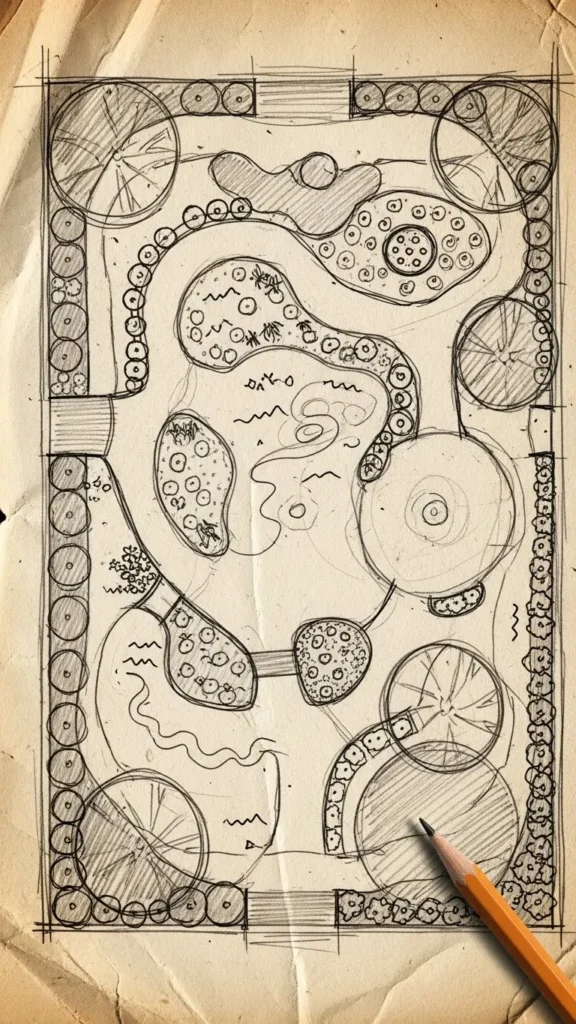
A quick sketch reveals layout issues early. Paper planning costs nothing and saves labor.
Adjust lines before digging. This avoids rework and wasted soil.
25. Plan for Maintenance Time
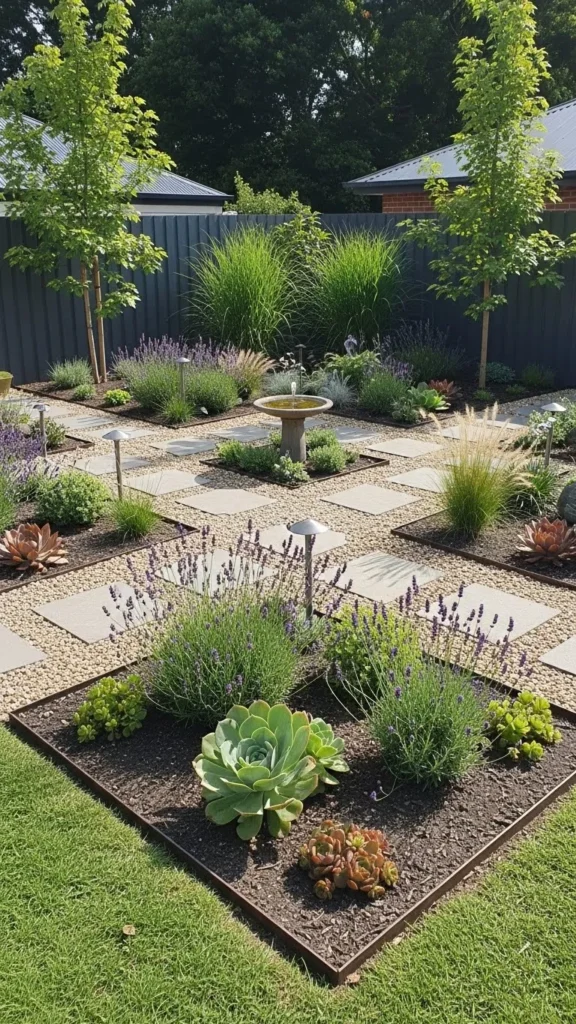
Time is part of the plan. Choose layouts you can manage weekly.
Simple designs reduce labor and keep the garden enjoyable without extra spending.
26. Keep Extra Space for Adjustments
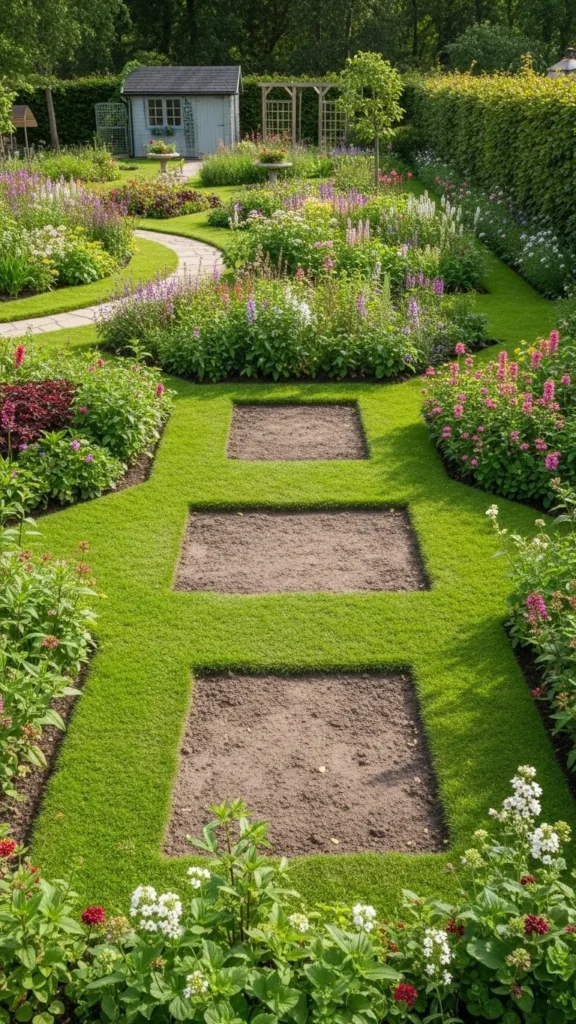
Gardens change. Leave small open areas.
This flexibility avoids removing healthy plants later and saves replacement costs.
27. Review Your Plan Each Season
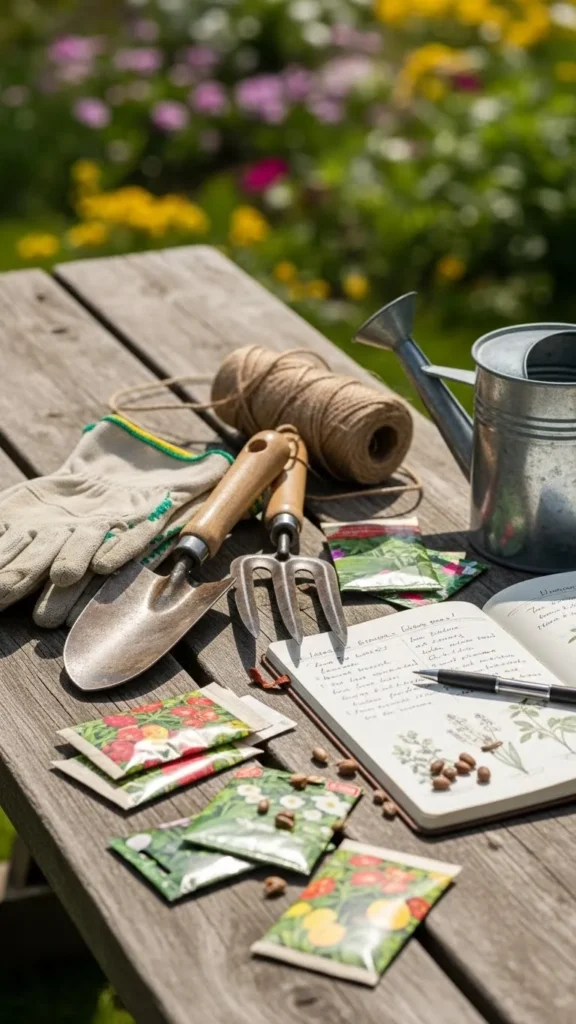
Plans work best when revisited. Review notes before each season.
Small updates guide smarter spending and improve results over time without extra tools.
Conclusion
A well-planned garden saves money, time, and effort across every season. Thoughtful measuring, simple notes, reused materials, and steady learning prevent mistakes that cost more later. Start with what you have, write things down, and adjust gradually. Each small planning habit builds confidence and keeps your garden working for you year after year.

Leave a Reply