

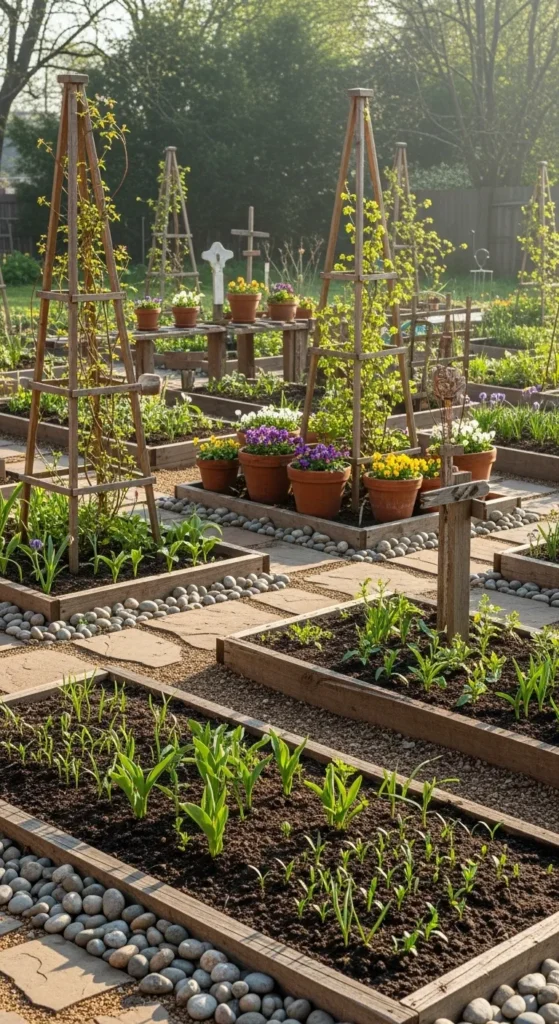
Spring is the season when outdoor spaces change fast with simple, hands-on choices. Many yards feel dull after winter, yet small updates can reshape how the space looks and works. The ideas below focus on realistic projects that fit small yards, tight budgets, and limited time. Each one is practical, easy to start, and designed to help you see results quickly without complex tools or expert skills.
1. Raised Bed Gardening With Reclaimed Wood
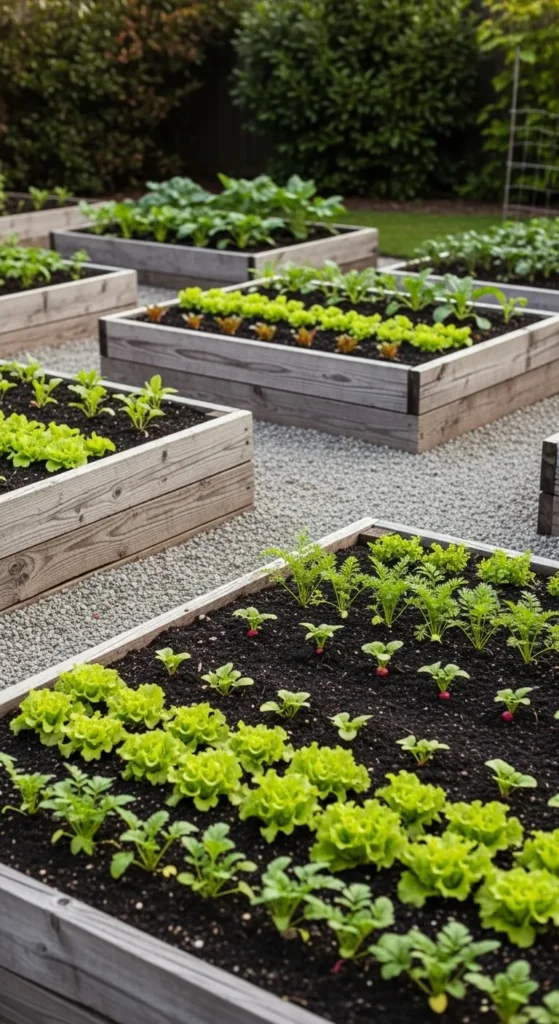
Raised beds create instant structure in a yard. They also help control soil quality and drainage. Using reclaimed wood keeps costs low and adds character. Old pallets, fence boards, or construction scraps work well after sanding rough edges.
Beds can be shallow for greens or deeper for root crops. Place them where sunlight reaches most of the day. Even a single bed can change how the yard feels. Line the bottom with cardboard to block weeds. Fill with a mix of soil and compost from local garden centers.
Maintenance stays simple. Water reaches roots evenly. Weeding takes less time. If space is tight, build narrow beds you can reach from both sides. This avoids stepping on soil.
For an extra touch, stain the wood lightly or leave it natural for a weathered look. Raised beds frame plants clearly and make small yards feel organized rather than crowded.
2. Vertical Trellis Gardens for Tight Spaces
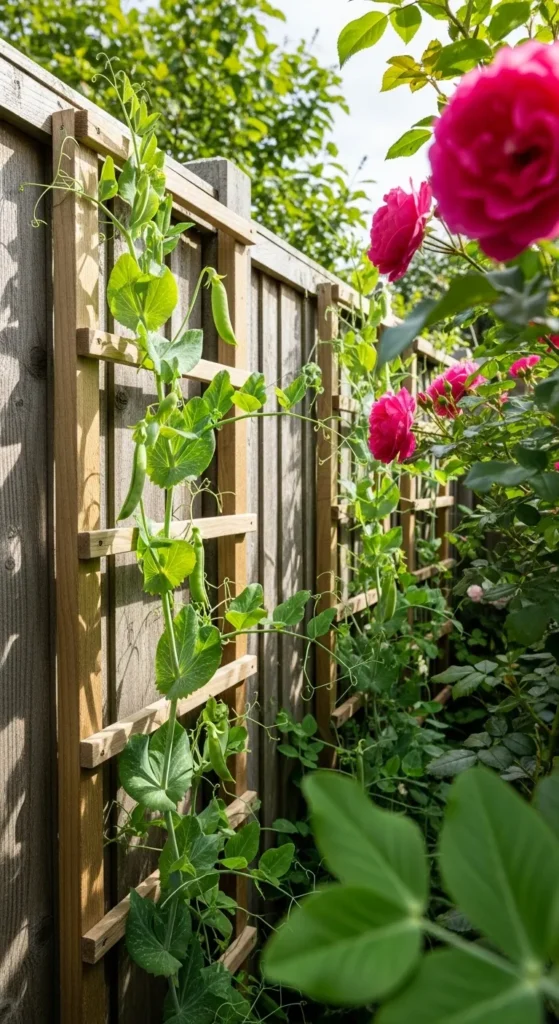
Vertical gardening frees ground space fast. Trellises guide plants upward instead of outward. This works well for peas, beans, cucumbers, and flowering vines. A basic trellis can be built from wood strips, wire panels, or even old ladders.
Attach trellises to fences or place them behind beds. The height adds depth to the yard. Plants grow in clear lines, which feels tidy and intentional. This approach suits patios and side yards where space runs short.
Materials stay affordable. Garden twine and bamboo stakes also work. Secure the base well so wind does not shift it. Train young plants early so they climb naturally.
Vertical growth improves air flow around leaves. It also keeps produce clean and easy to harvest. One trellis can change how a narrow yard functions within weeks.
3. Container Gardens Using Mixed Pot Sizes
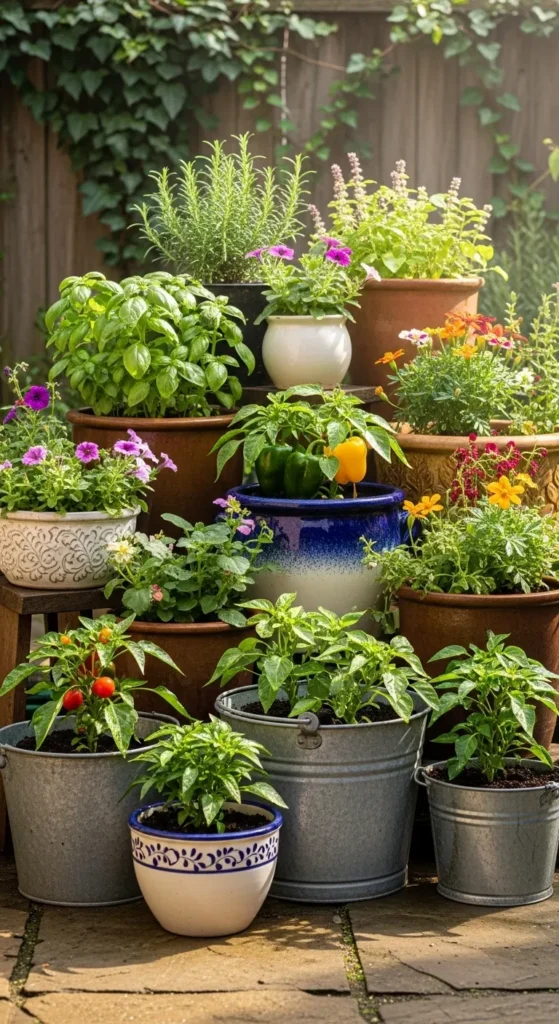
Containers offer quick results with little setup. Mixing pot sizes adds visual interest. Large pots anchor the space, while smaller ones fill gaps. Almost any container works if it drains properly.
Group pots by sunlight needs. Herbs do well near seating areas. Greens thrive in shallow containers. Buckets, bins, and baskets lined with fabric can replace store-bought planters.
Soil quality matters more in containers. Use fresh potting mix and add compost. Water more often since containers dry faster. Mulch the top to slow moisture loss.
Containers allow easy rearranging. Move plants as light shifts. This flexibility helps beginners learn what works. Even a few containers can make patios and balconies feel alive and useful.
4. Pollinator Corners With Native Plants
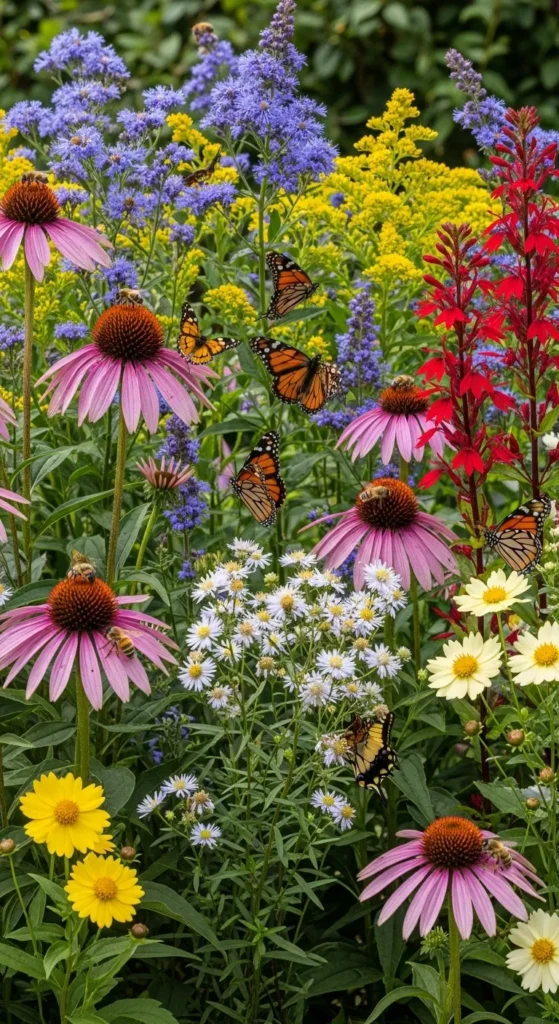
Pollinator plants bring motion and color. Native varieties suit local conditions and require less care. Choose flowers that bloom at different times to support insects throughout the season.
Dedicate one corner of the yard. Group plants closely to create a visible target for pollinators. Leave small patches of bare soil for ground-nesting species.
Seeds cost less than mature plants. Many natives return yearly. Water during early growth, then reduce once established. Avoid chemical sprays in this area.
This setup benefits the entire yard. Nearby vegetables often produce better results. The corner becomes a living feature rather than empty space.
5. Quick-Change Garden Paths
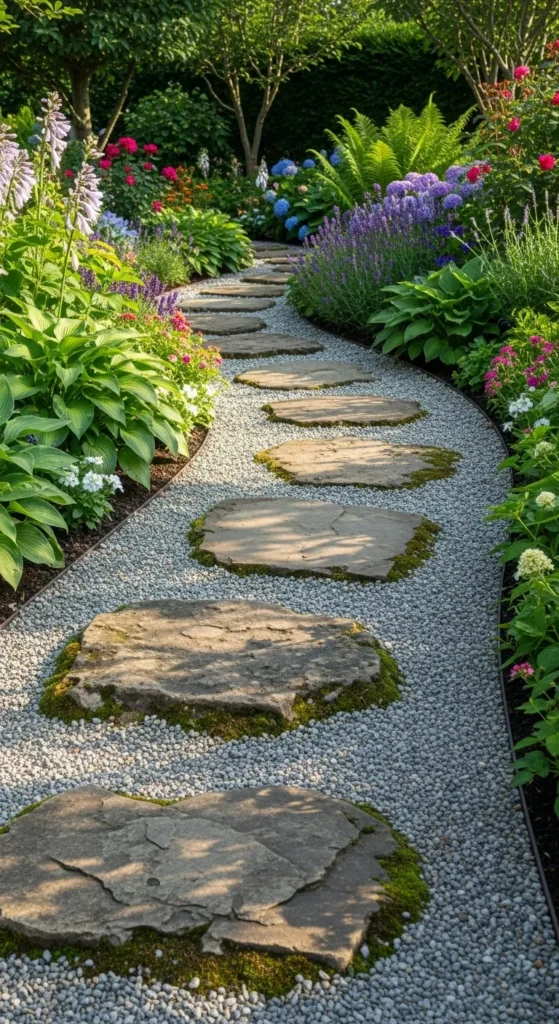
Paths guide movement and shape how a yard feels. Adding or updating a path creates instant order. Gravel, mulch, or stepping stones cost little and install quickly.
Outline the path with edging or bricks. Lay landscape fabric underneath to reduce weeds. Keep curves gentle to avoid wasted space.
Paths protect soil from foot traffic. They also highlight planting areas. Even short paths can make gardens feel intentional rather than scattered.
6. DIY Compost Stations
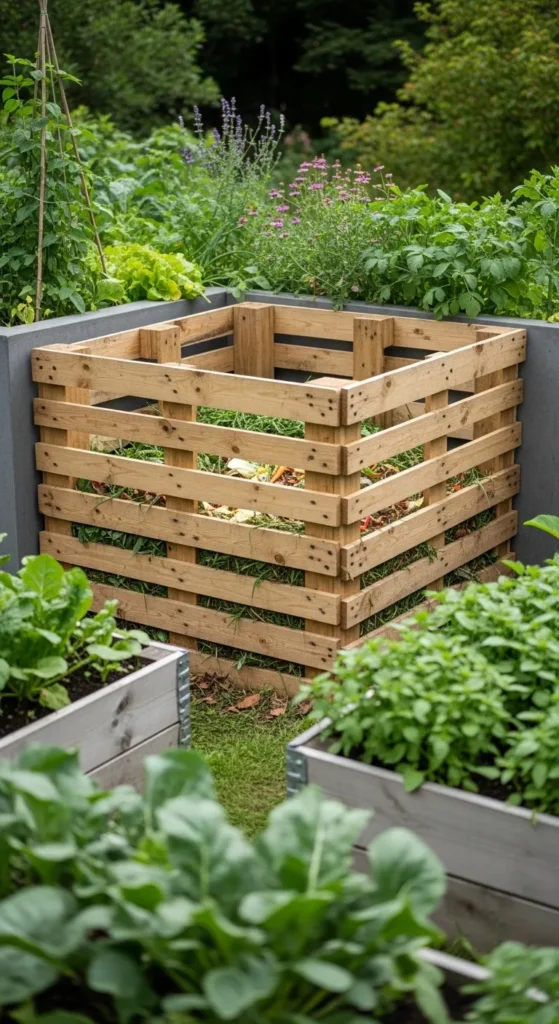
Compost improves soil while reducing waste. A basic station can be built from pallets or wire fencing. Place it in a corner with partial shade.
Add kitchen scraps, leaves, and grass clippings. Turn the pile occasionally. Finished compost feeds beds and containers.
This system saves money and supports plant growth. It also keeps garden inputs under control without store trips.
7. Microgreen Trays on Sunny Sills
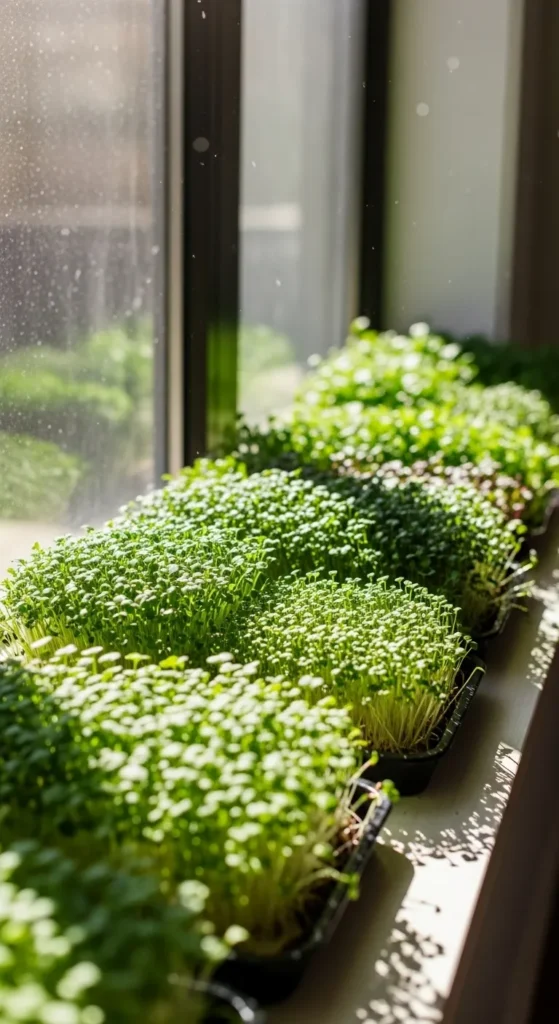
Microgreens grow fast and require little space. Trays fit on windowsills or shelves. Seeds sprout within days and harvest follows quickly.
Use shallow containers with drainage holes. Water lightly. Harvest with scissors when leaves appear.
This method suits renters and small homes. It also adds indoor greenery that feels productive and calming.
8. Garden Zones With Simple Furniture
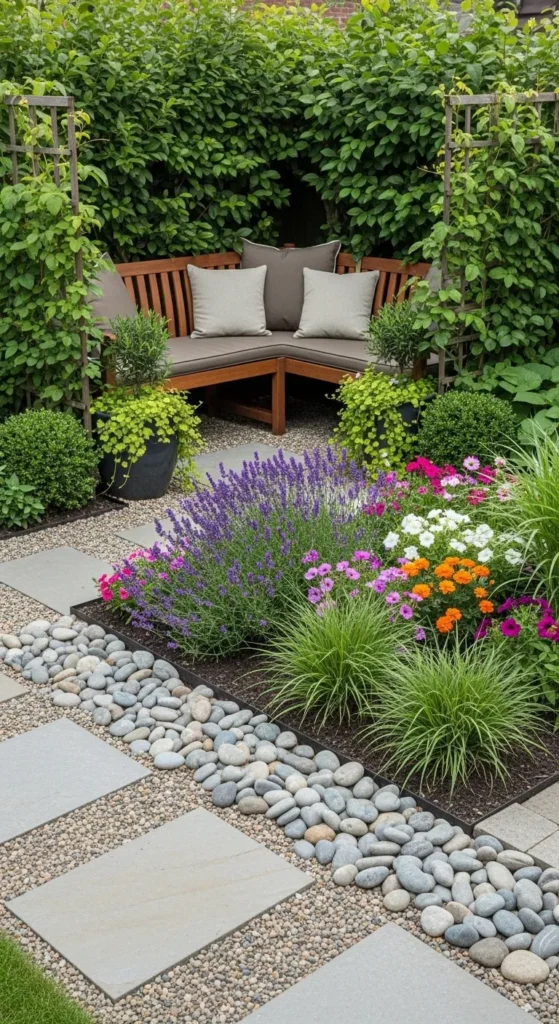
Creating zones makes yards feel larger. A bench or chair defines a resting area. Plants around it add privacy.
Use what you already own. Move furniture outdoors temporarily. Even one zone adds purpose.
Zones guide how space gets used. This reduces clutter and confusion in small yards.
9. Edible Borders Along Walkways
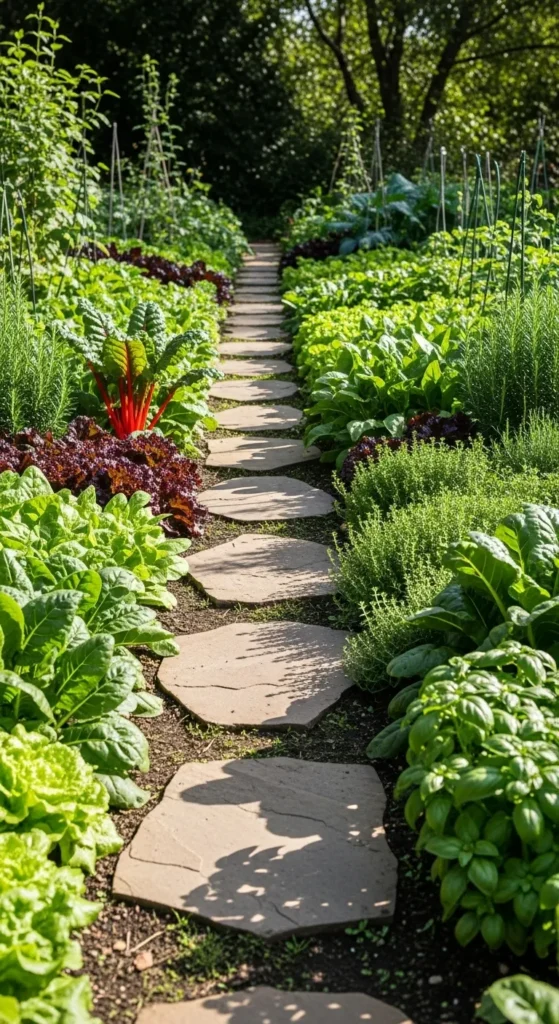
Borders do not need to be decorative only. Lettuce, chives, and spinach work well along edges. They stay low and easy to reach.
This approach mixes beauty with use. Harvest regularly to keep growth tidy.
Seeds cost little and fill space quickly. Edible borders bring function to overlooked areas.
10. No-Dig Bed Preparation
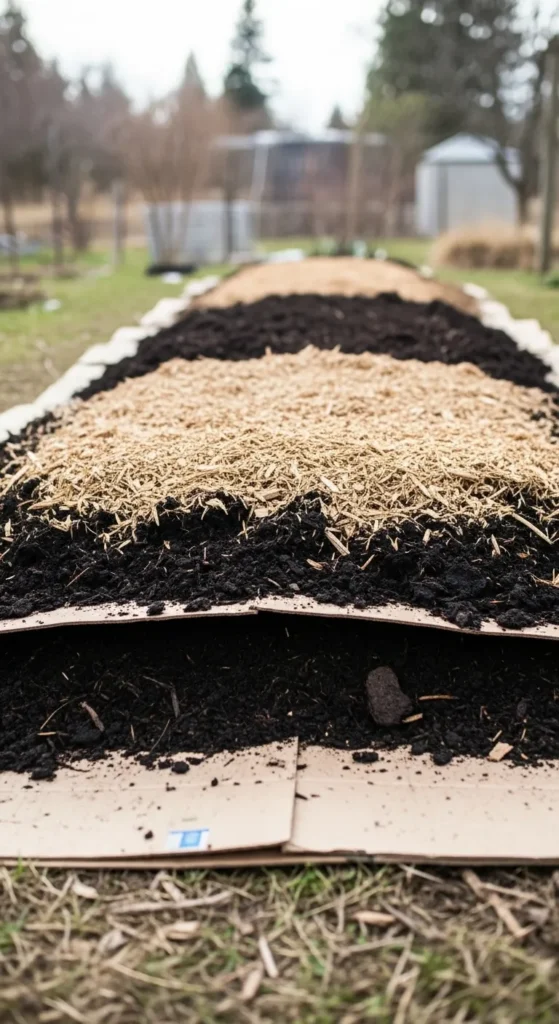
No-dig beds save effort. Lay cardboard over grass. Add compost and mulch. Plant directly on top.
This method improves soil structure over time. It also reduces weeds without tools.
Beds stay productive with minimal disruption. Great for new gardeners.
11. Hanging Basket Groupings
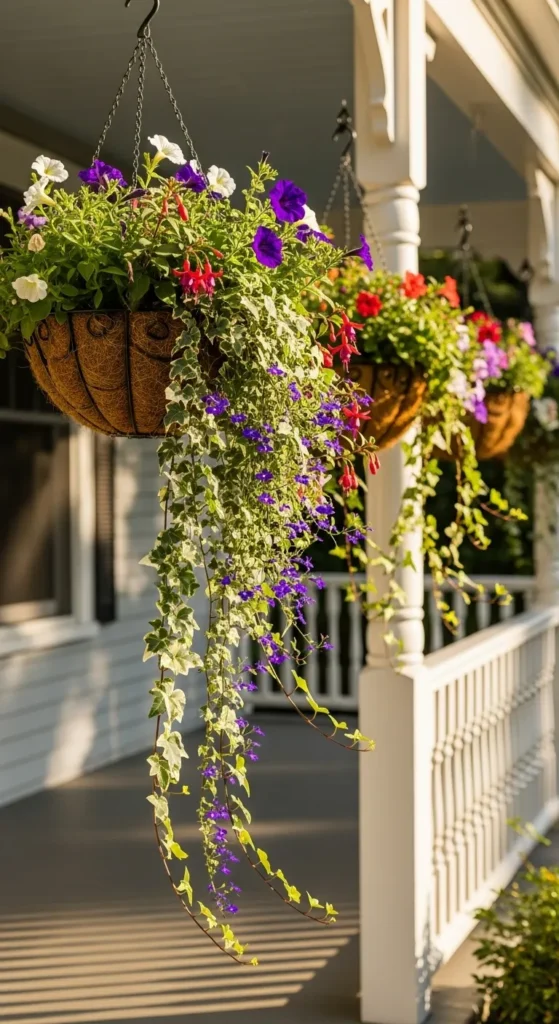
Hanging baskets add height. Group them for impact. Use hooks on fences or eaves.
Choose plants that trail naturally. Water regularly since baskets dry quickly.
This idea suits small yards and patios. Visual change appears fast.
12. Repurposed Containers as Planters
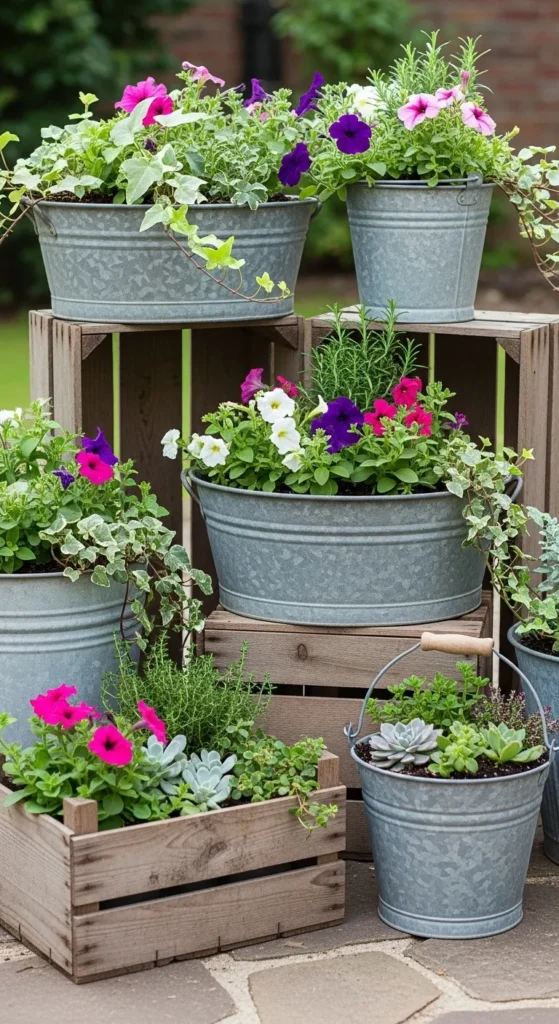
Almost any container can hold plants. Drill drainage holes. Line if needed.
This saves money and adds character. Mix materials for variety.
Repurposed planters keep projects flexible and creative.
13. Simple Drip Watering Systems
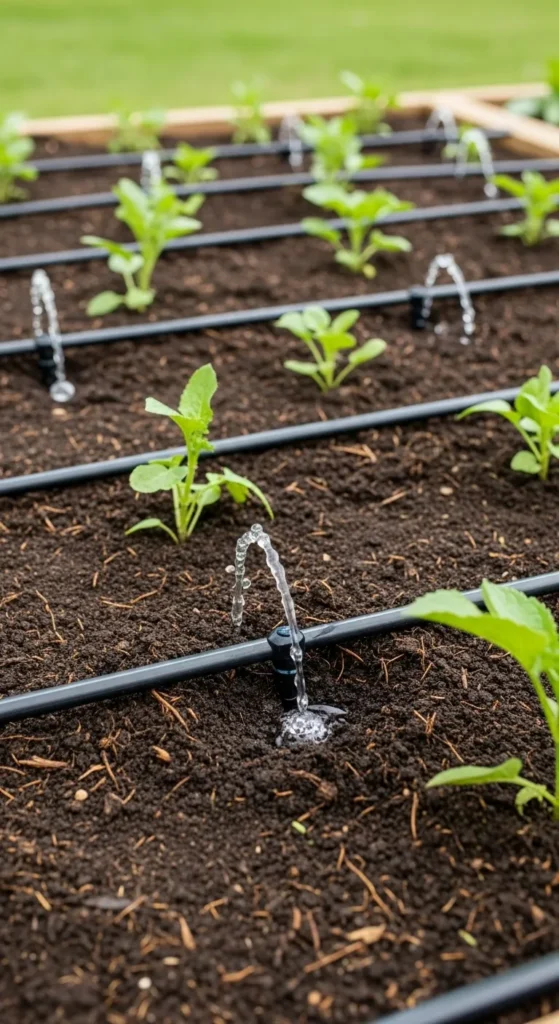
Drip systems reduce waste and save time. Basic kits attach to hoses.
Water goes directly to roots. Soil stays evenly moist.
Installation takes little effort. Maintenance stays low once set.
14. Color Blocks With One Plant Type
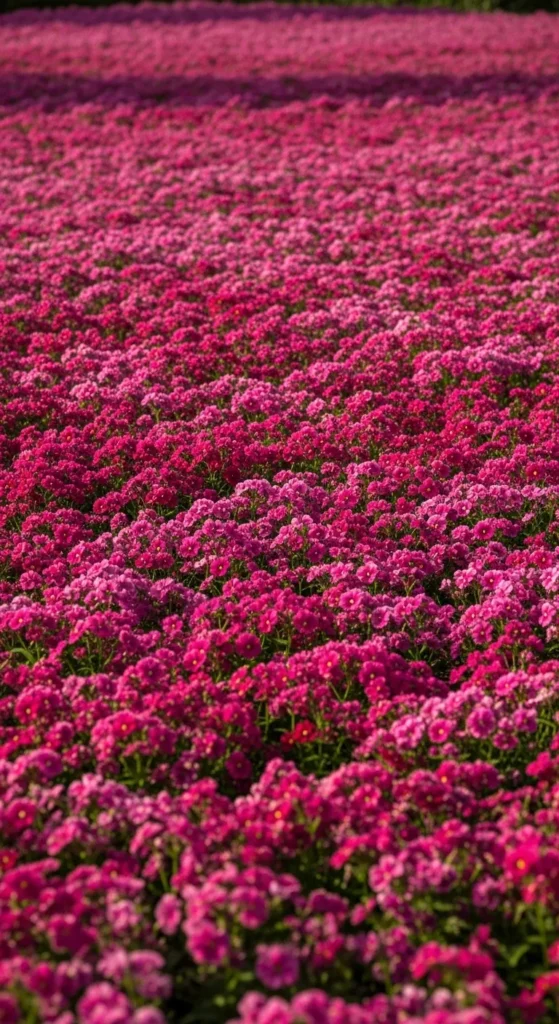
Repeating one plant creates clarity. Color blocks read clean from a distance.
This method avoids busy layouts. Seeds reduce cost.
Strong shapes make small yards feel designed.
15. Mulch Refresh for Clean Beds
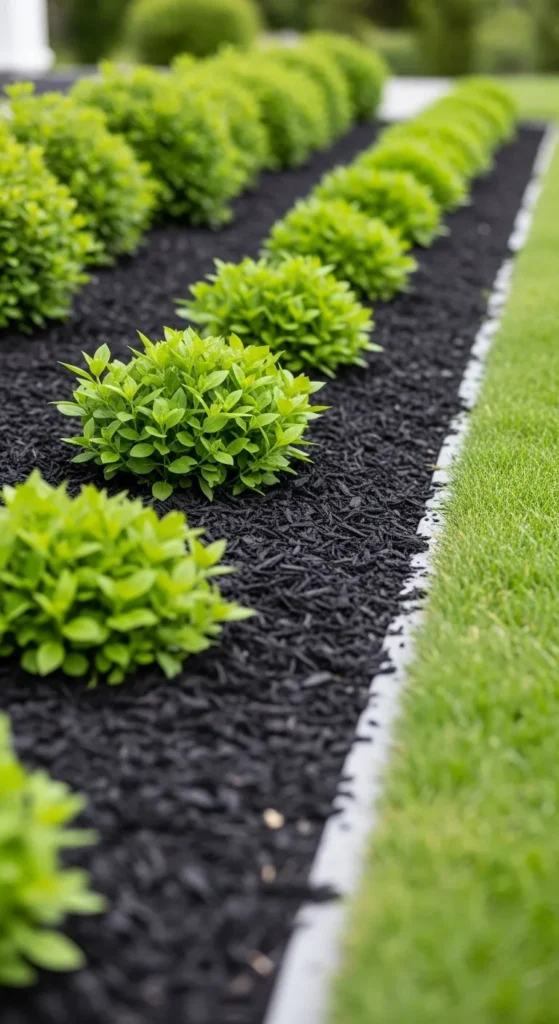
New mulch changes beds fast. It hides bare soil and controls weeds.
Apply a thin layer. Keep away from stems.
Mulch improves moisture retention and appearance together.
16. Herb Spirals for Compact Areas
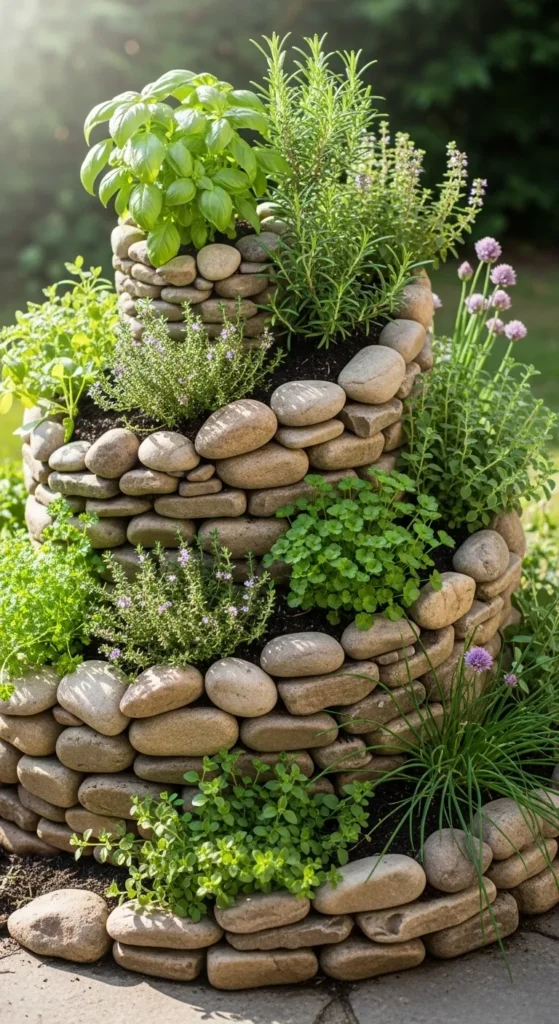
Herb spirals use vertical height. Different levels suit varied water needs.
Build with stones or bricks. Fill with soil.
This structure fits tight spaces and looks sculptural.
17. Wildlife Water Dishes
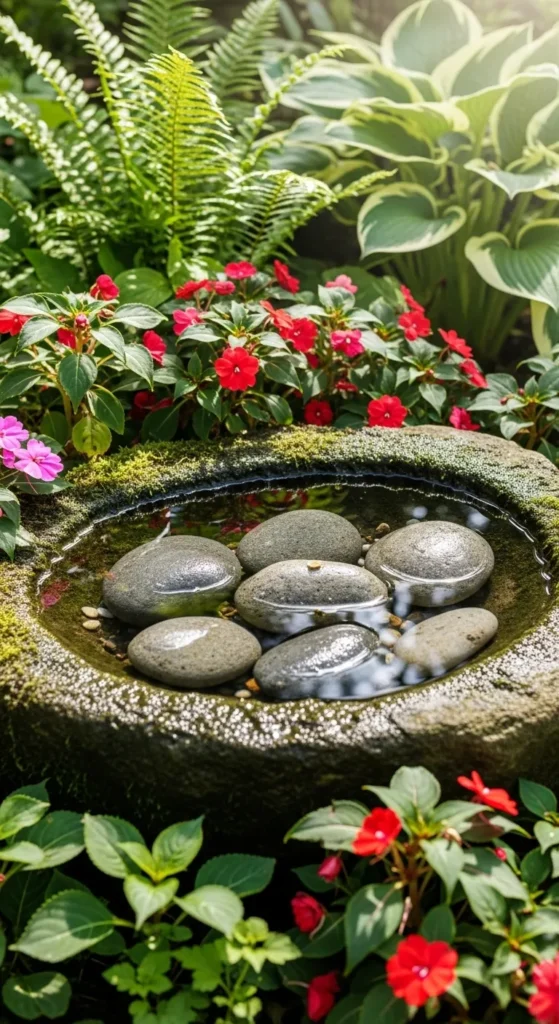
Shallow dishes support birds and insects. Add stones for landing.
Change water often. Place near plants.
This small step brings movement and life.
18. Seasonal Bulb Groupings
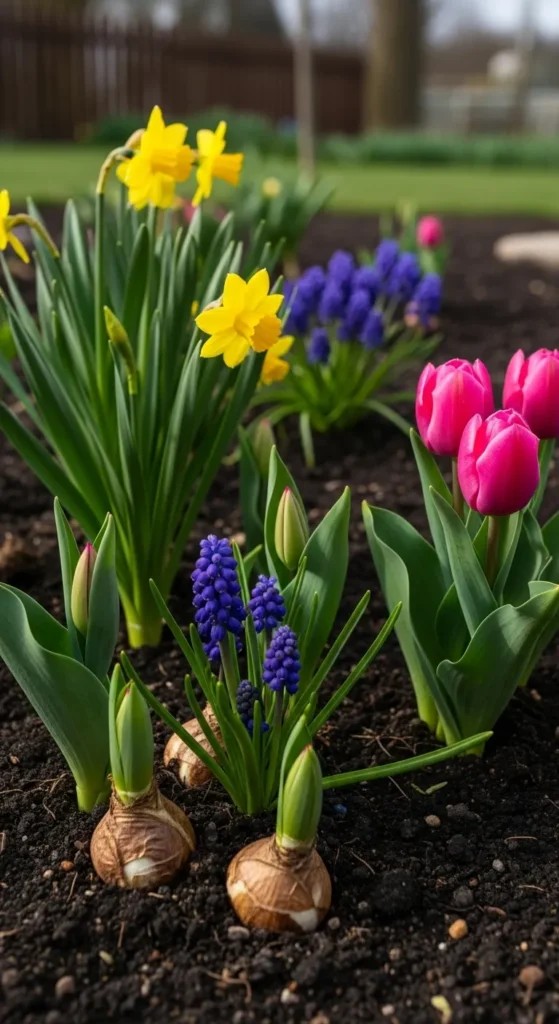
Bulbs planted earlier reward spring yards. Group them tightly for effect.
They return yearly with little care.
Bulbs mark the season clearly.
19. Portable Raised Beds
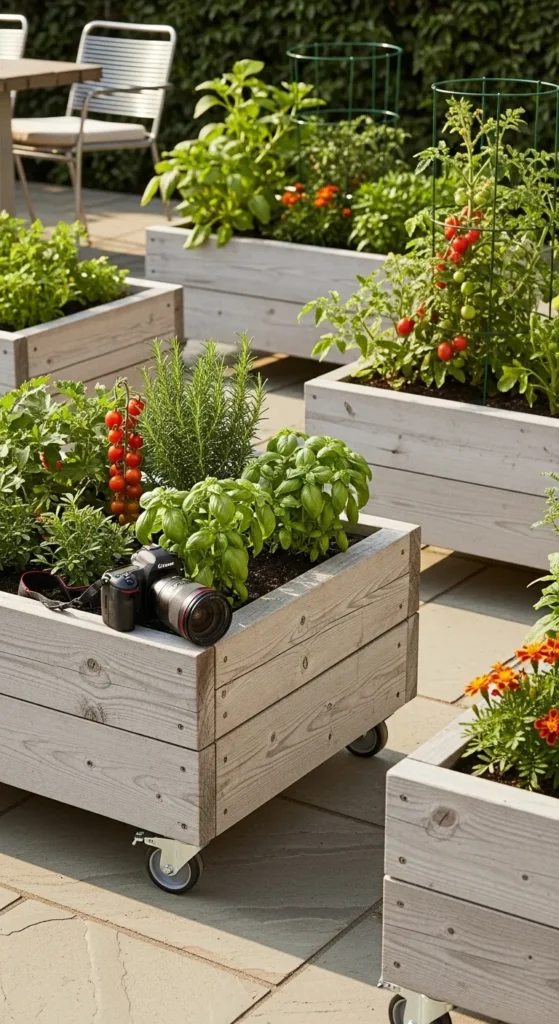
Portable beds allow repositioning. Move with sunlight changes.
Build with wood frames and casters.
This suits renters and patios.
20. Simple Garden Lighting With Solar Stakes
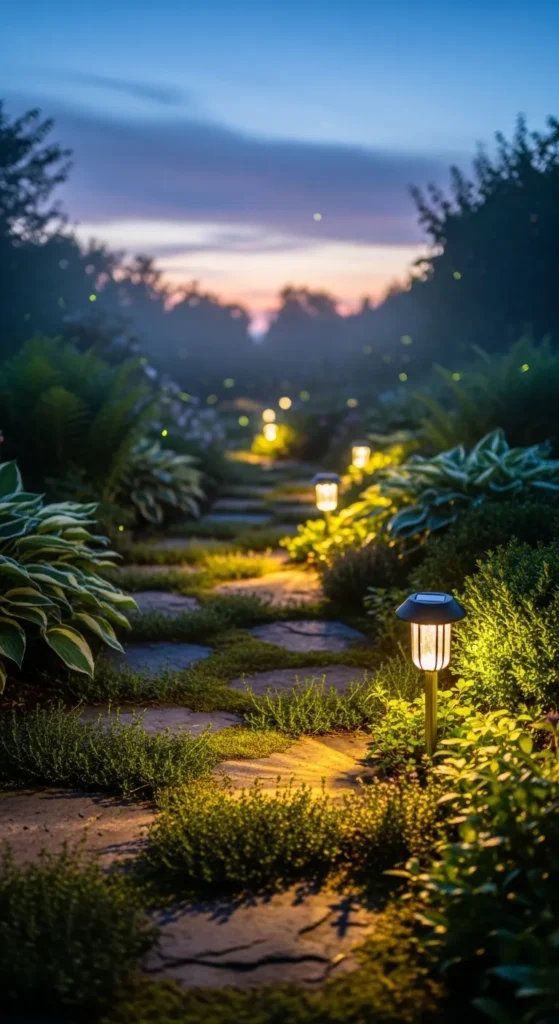
Solar lights add visibility and mood. No wiring required.
Place along paths or beds.
Lighting extends outdoor use into evening hours.
21. Mixed Texture Planting
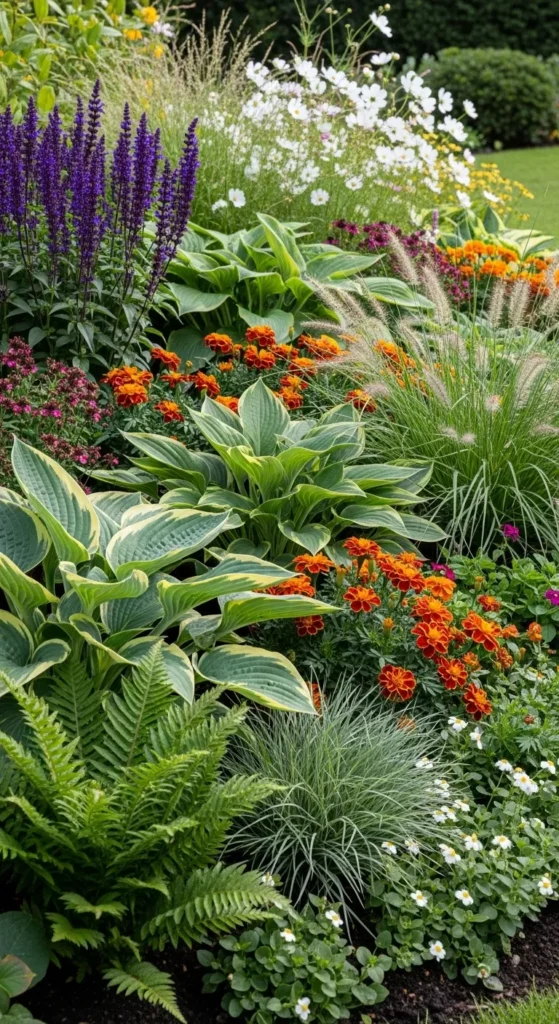
Texture adds depth even without many colors. Combine broad leaves with fine foliage.
This creates balance. It works in any size yard.
Plants complement each other naturally.
22. Fence-Line Growing
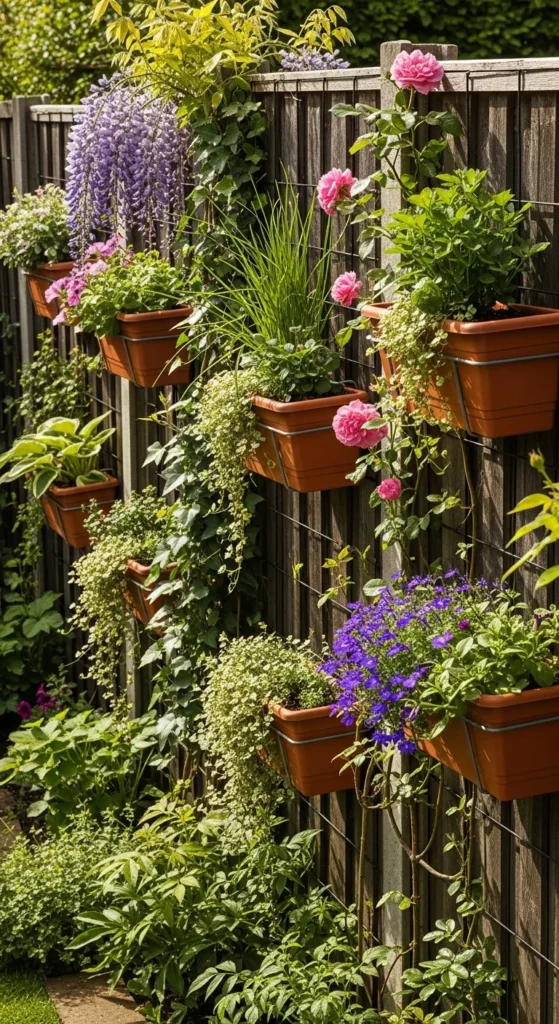
Fence lines often sit unused. Add planters or climbers.
This turns boundaries into productive zones.
Simple hooks and pots work well.
23. Garden Work Stations
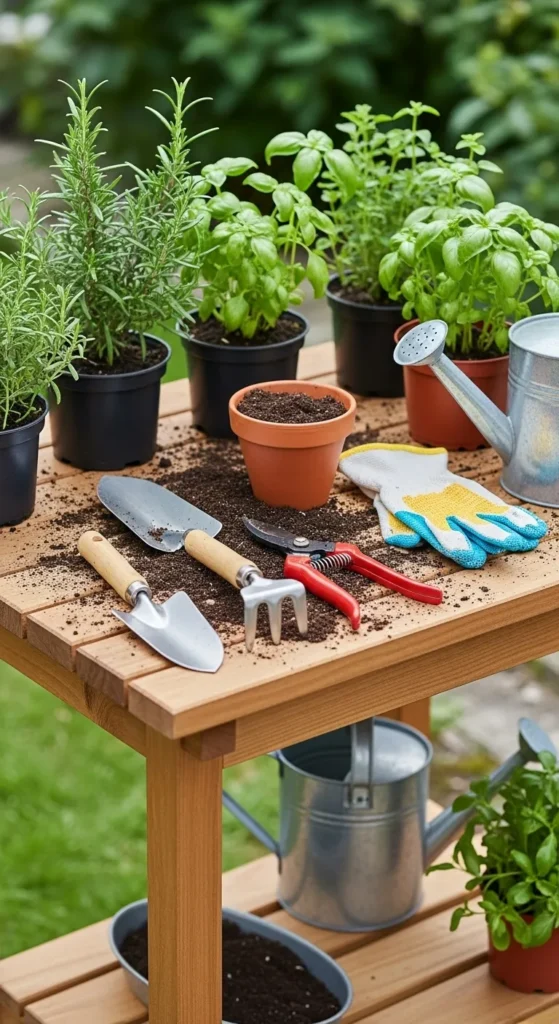
A small table supports planting tasks. Use shelves or crates below.
This keeps tools organized and ready.
Work becomes easier and faster.
24. Companion Plant Pairings
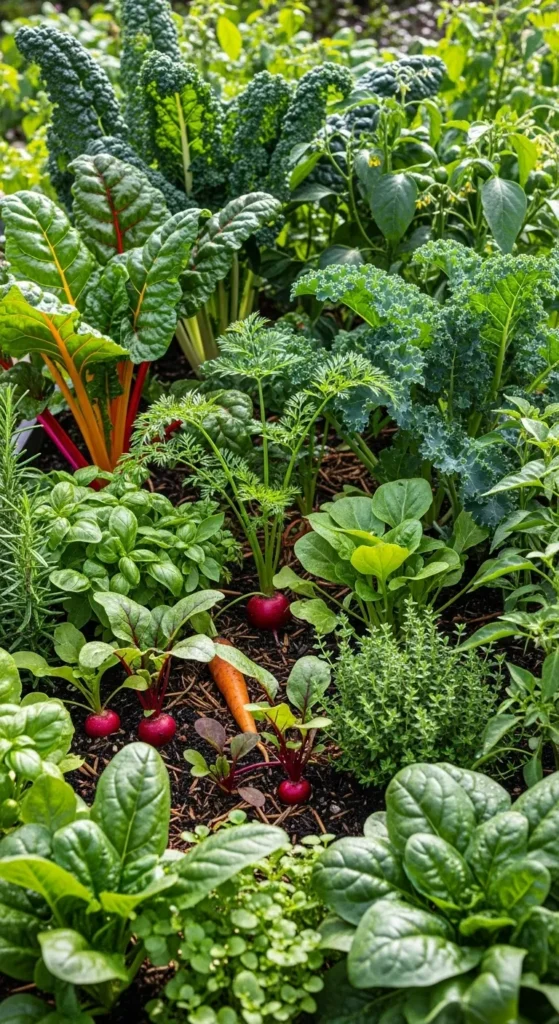
Some plants grow better together. Pair tall plants with ground covers.
This maximizes space and shades soil.
Results show within weeks.
25. Before-and-After Corner Makeovers
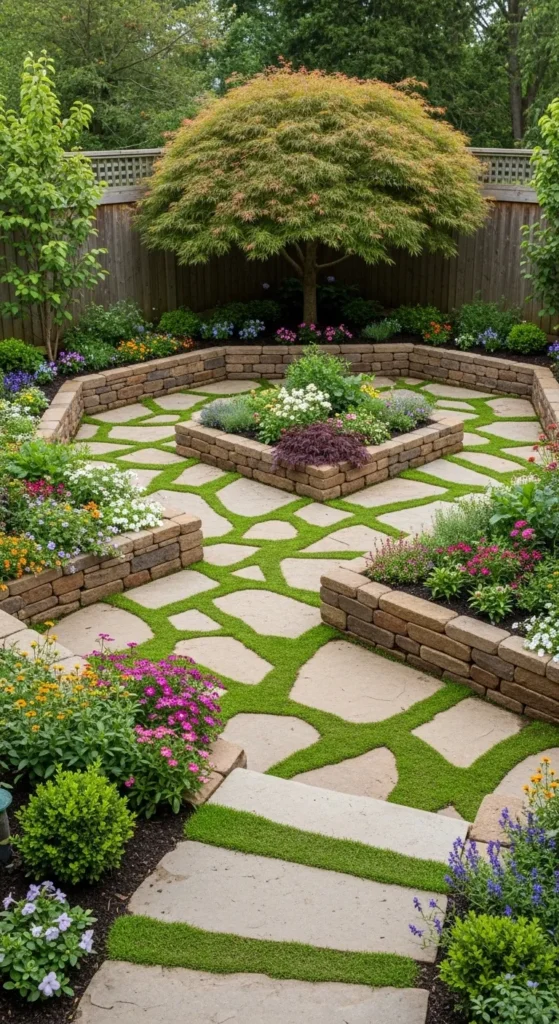
Focus on one corner at a time. Clean it fully. Add structure.
Small wins build momentum.
One corner often inspires the rest.
Conclusion
Spring gardening works best when projects stay simple and focused. Each idea here supports quick visual change without complex steps or high costs. Start with one project, gather basic materials, and work at a steady pace. Small actions add up fast, and even limited spaces can become productive, calm outdoor areas worth using every day.

Leave a Reply