

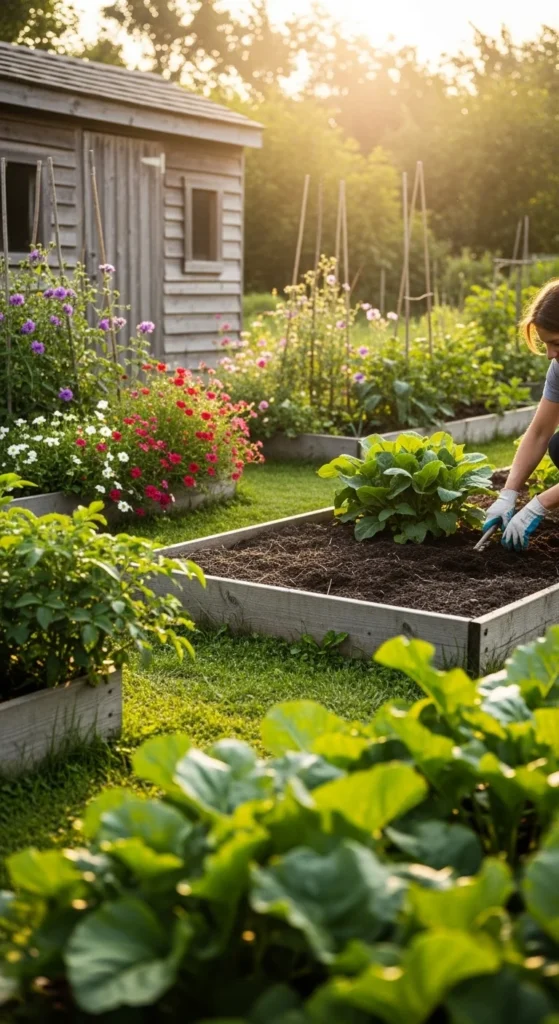
Gardening is more than a seasonal hobby — it’s a year-round practice that rewards patience, care, and smart planning. Whether you’re tending to a few potted herbs or a full vegetable patch, a little consistency goes a long way. These 20 must-know gardening tips will help you keep your garden thriving through every season — from spring blooms to winter prep. Each idea is easy, affordable, and perfect for home gardeners who want to see results without spending a fortune.
1. Plan Your Garden with the Seasons
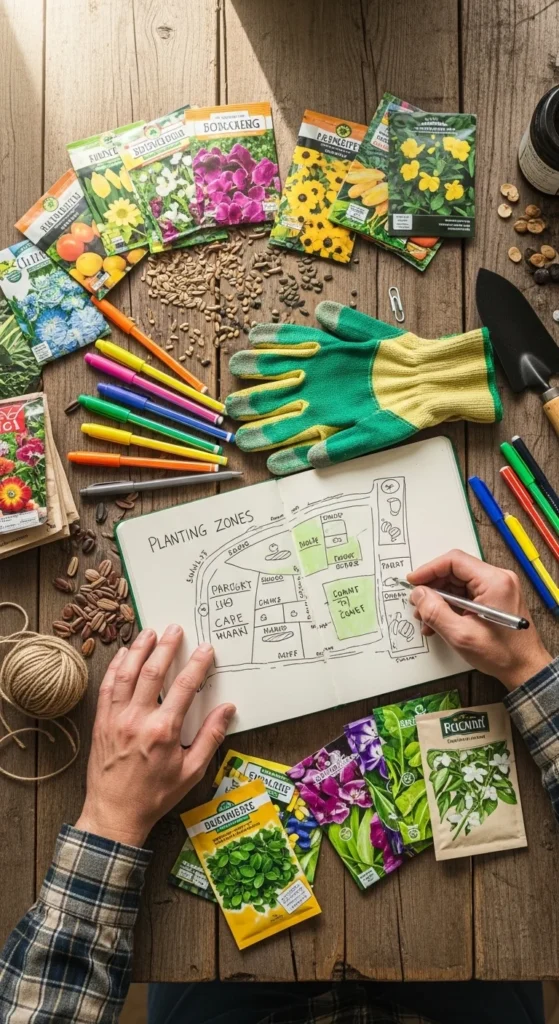
Start by planning what grows best in each season. Divide your planting calendar into spring, summer, fall, and winter crops. This helps you rotate plants efficiently and keep your soil healthy. Use online planting guides for your USDA zone or jot it down in a journal.
If you have limited space, focus on multi-season plants like kale or carrots that can withstand temperature changes. Keep notes on what worked and what didn’t — this small habit pays off in future seasons.
2. Feed Your Soil, Not Just Your Plants
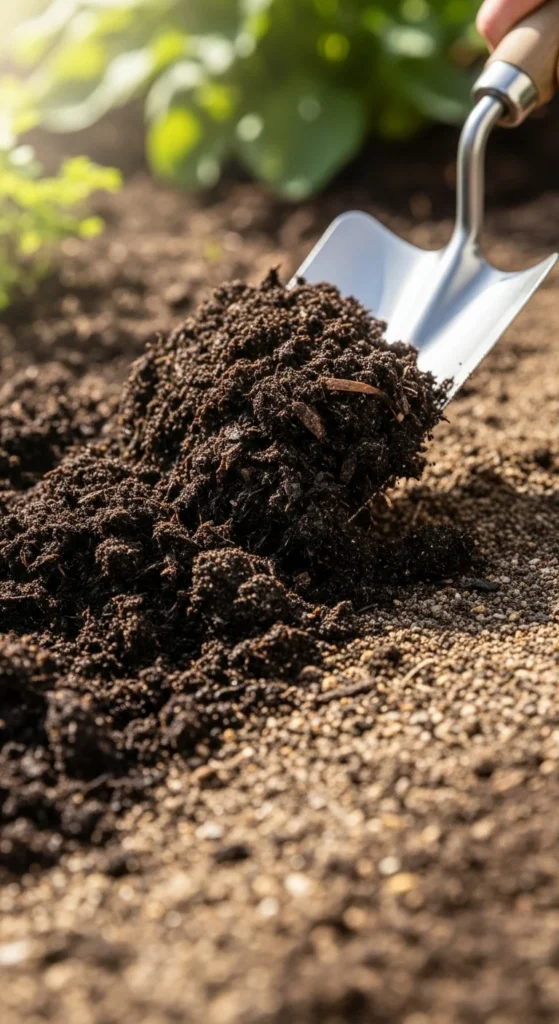
Healthy soil is the foundation of every great garden. Instead of buying endless fertilizer, build your own compost pile using kitchen scraps, leaves, and grass clippings.
Mix compost into your beds each season to improve soil texture and nutrients. It’s free, sustainable, and keeps waste out of landfills.
3. Water Deeply, Not Frequently
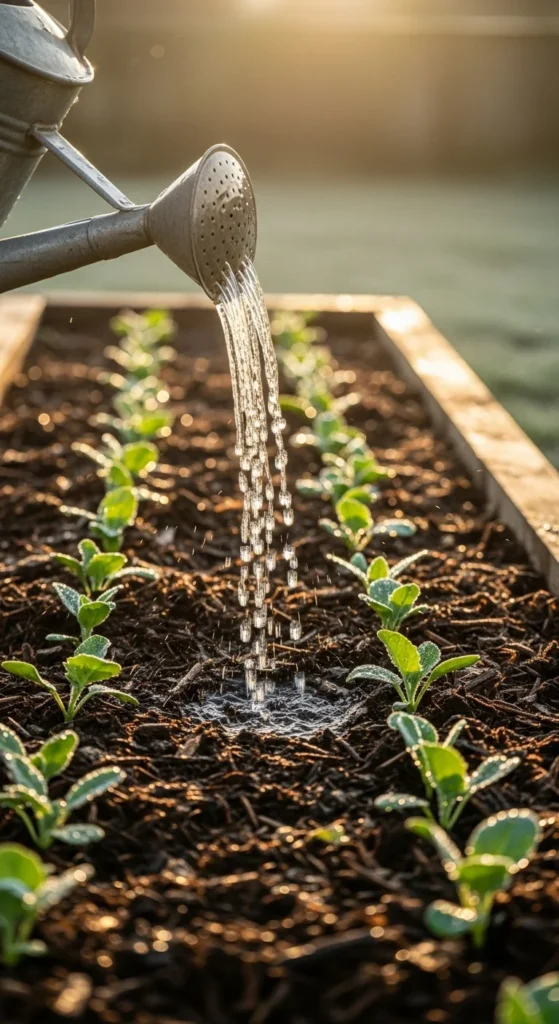
Shallow watering encourages weak roots. Instead, water deeply so roots grow strong and reach deeper moisture. Aim for two to three good soakings per week.
Use mulch around plants to hold moisture longer, especially in summer. This trick cuts down watering time and helps your plants stay strong during heatwaves.
4. Start Seeds Indoors
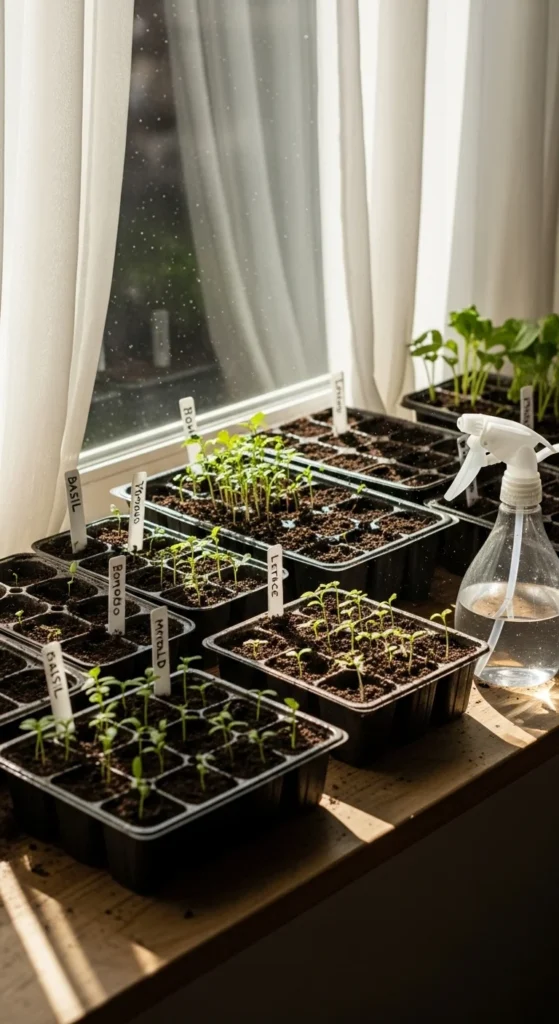
Starting seeds indoors gives you a head start on growing seasons. Tomatoes, peppers, and herbs do especially well this way.
Use egg cartons or recycled cups to save money. Keep the soil damp and warm until seedlings are ready to move outdoors.
5. Rotate Crops Each Year
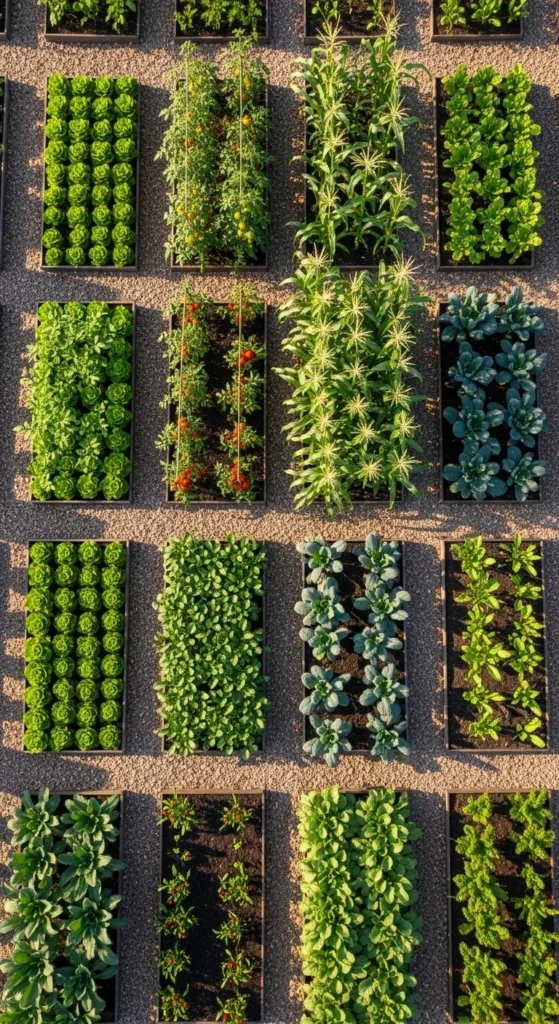
Growing the same crop in the same place every year drains nutrients and invites pests. Rotate your plant families annually.
For example, switch root veggies with leafy greens. This simple rotation keeps your soil healthier and reduces disease risk naturally.
6. Use Mulch to Lock in Moisture
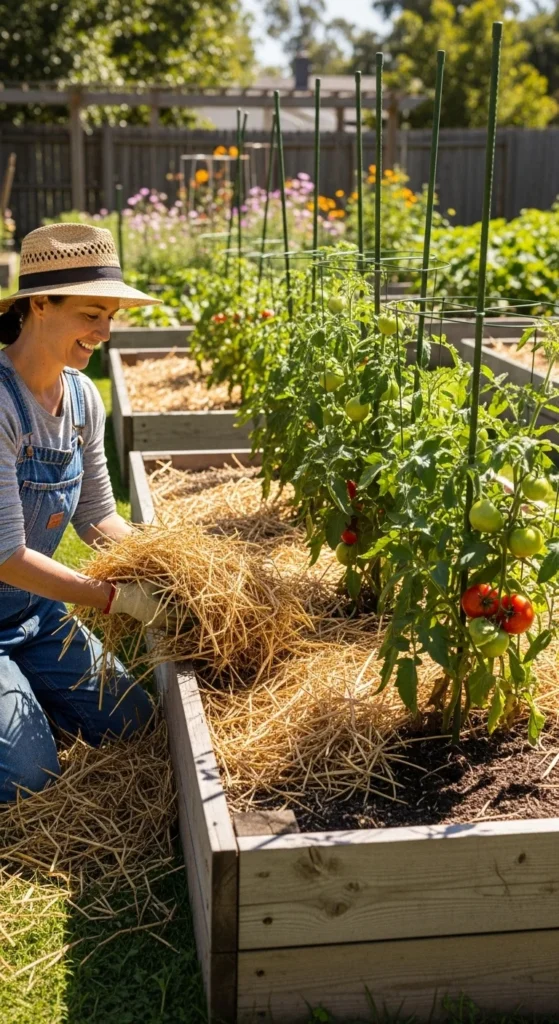
Mulch isn’t just for looks — it’s one of the best tools for water retention and weed control. Apply a 2–3 inch layer around your plants.
You can use straw, leaves, or wood chips, depending on what’s available. It also keeps roots insulated during colder months.
7. Add Native Plants
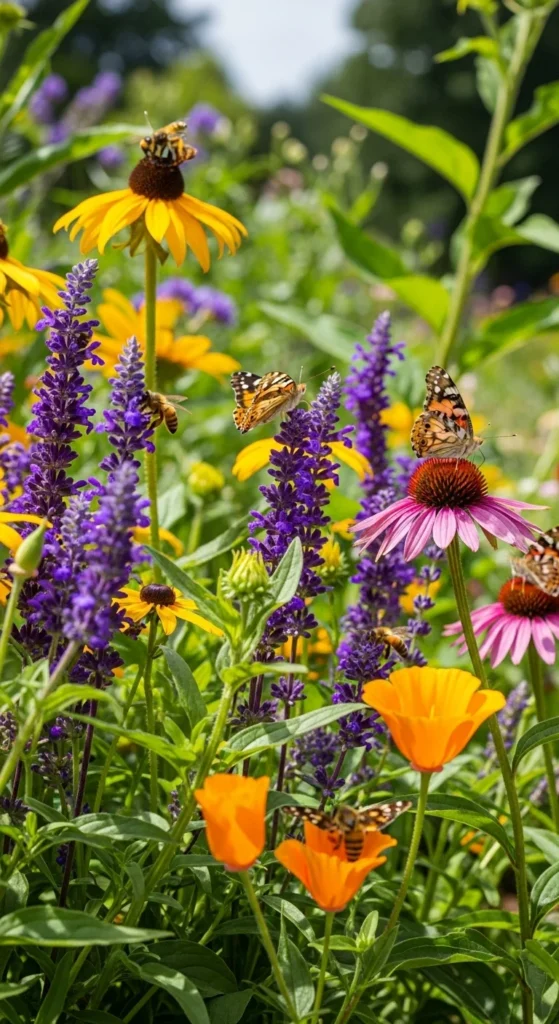
Native plants thrive naturally in your region’s climate, needing less water and maintenance. They also attract pollinators like bees and butterflies.
Visit local nurseries for native plant recommendations — they often cost less and last longer than imported varieties.
8. Build Raised Beds
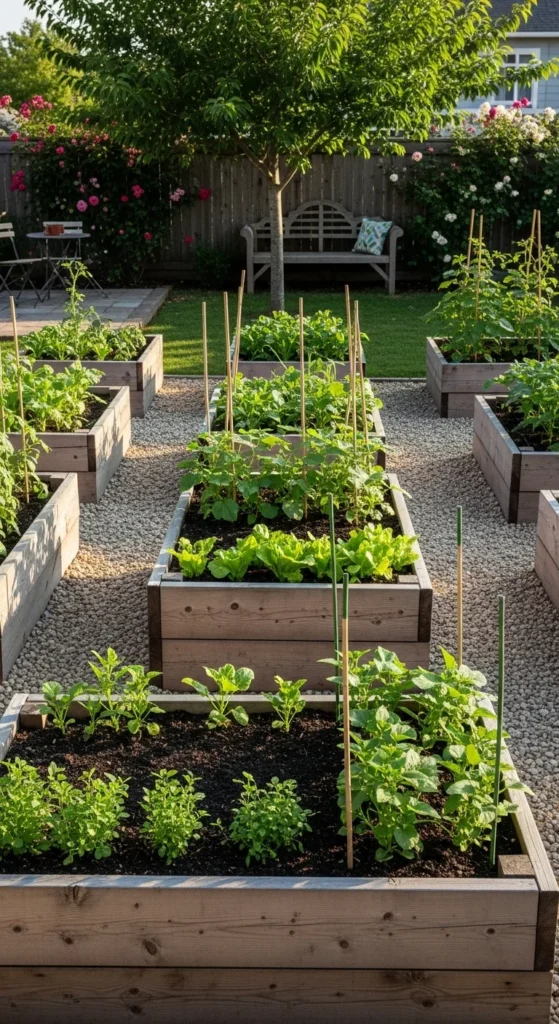
Raised beds make gardening easier to manage and protect roots from flooding or compacted soil. They’re also great for controlling soil quality.
You can build one with inexpensive lumber or even repurposed pallets. Line the bottom with cardboard before adding soil for extra weed protection.
9. Save Rainwater
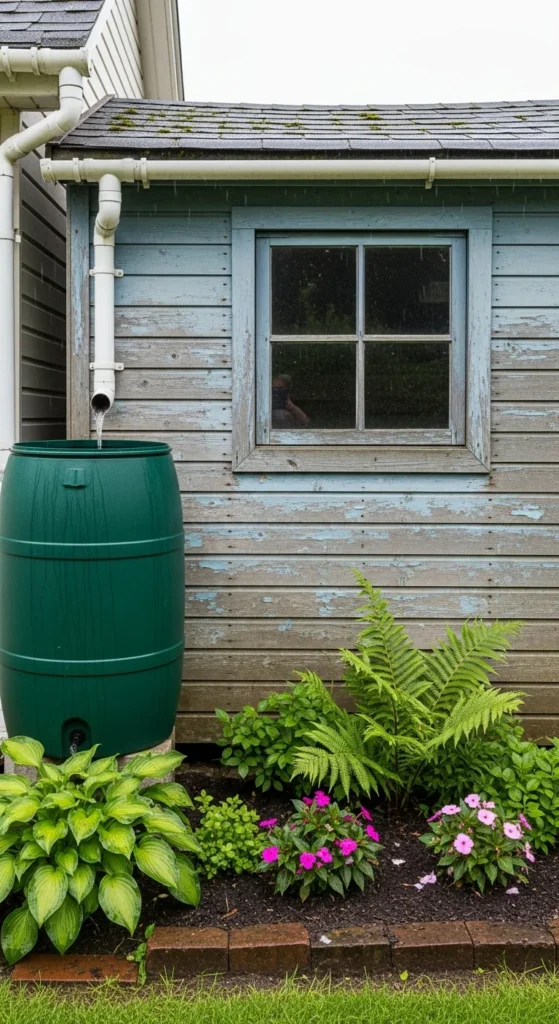
Installing a rain barrel is an easy way to conserve water. It also gives your plants natural, chemical-free hydration.
Use a mesh cover to keep bugs out, and connect a small hose for easy watering. You’ll save money and help the environment.
10. Companion Plant for Better Growth
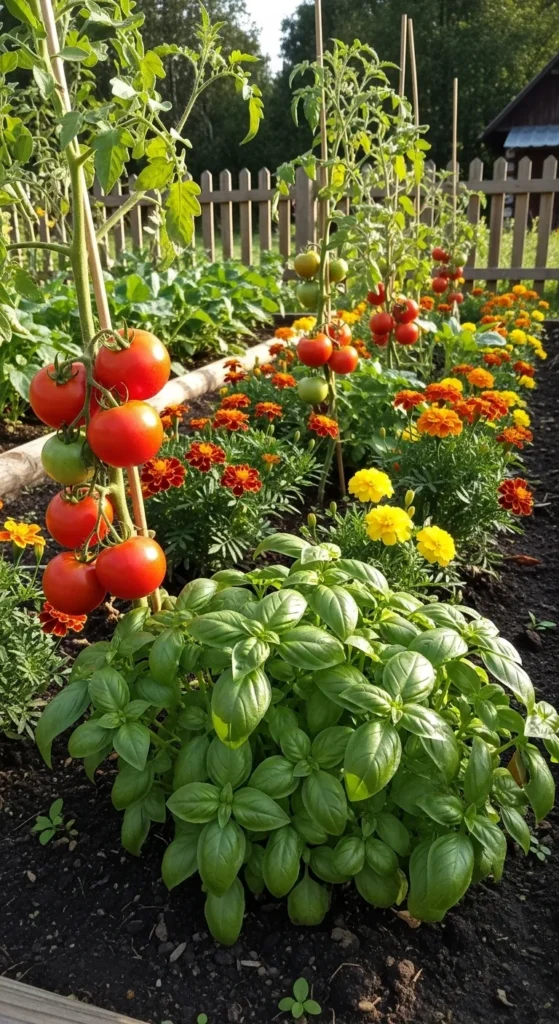
Some plants grow better together — for instance, basil improves tomato flavor, and marigolds repel pests. This natural pairing boosts yield without chemicals.
Do a little research or print a companion planting chart to hang in your shed for quick reference.
11. Prune Regularly
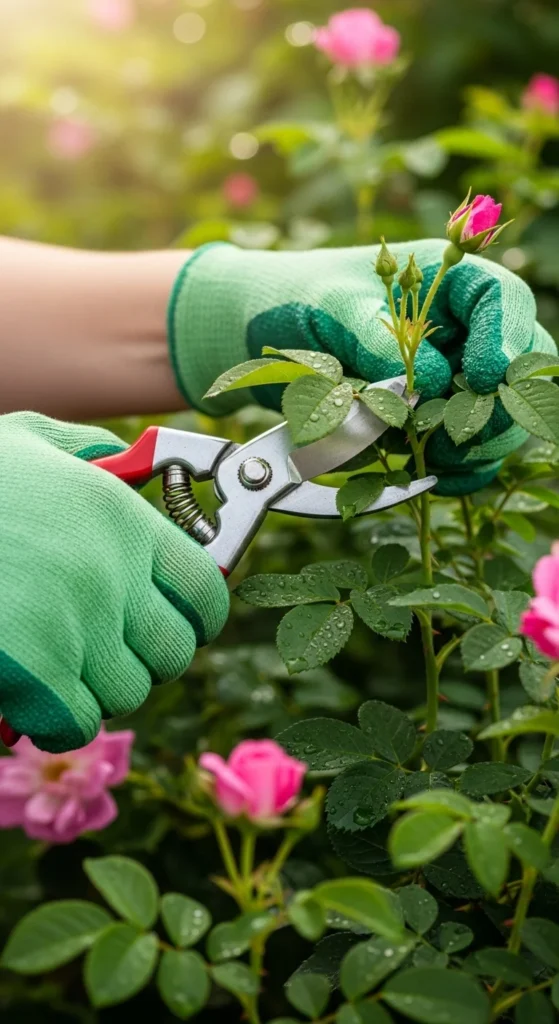
Pruning helps plants focus their energy on healthy growth. Remove dead or crowded branches from shrubs, fruit trees, and flowers.
Don’t overdo it — trim lightly and consistently. Clean your tools afterward to prevent spreading disease.
12. Encourage Pollinators
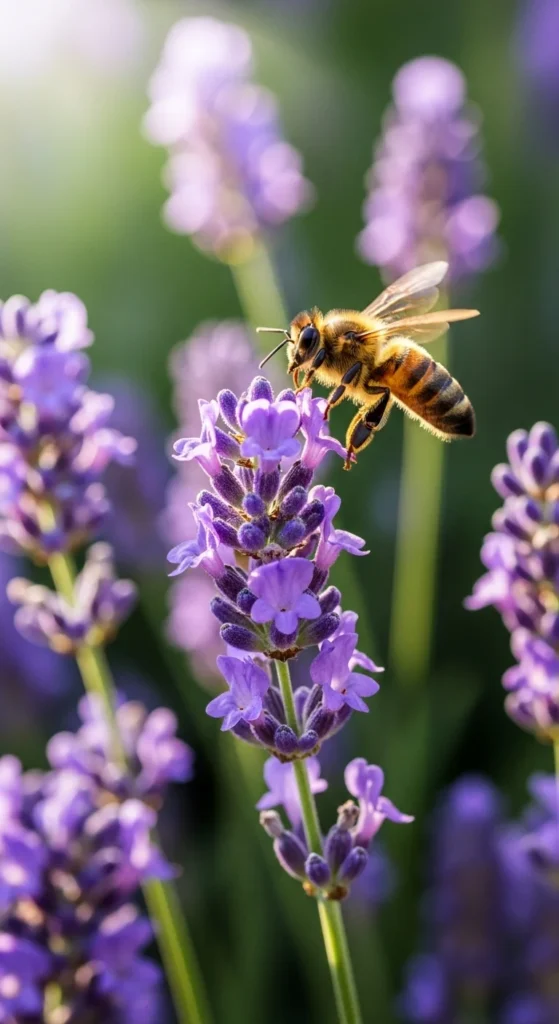
Invite pollinators like bees and butterflies by planting lavender, zinnias, and sunflowers. Avoid pesticides, which harm these beneficial insects.
You can even add a small bee house or birdbath to make your garden more inviting.
13. Reuse and Recycle Materials
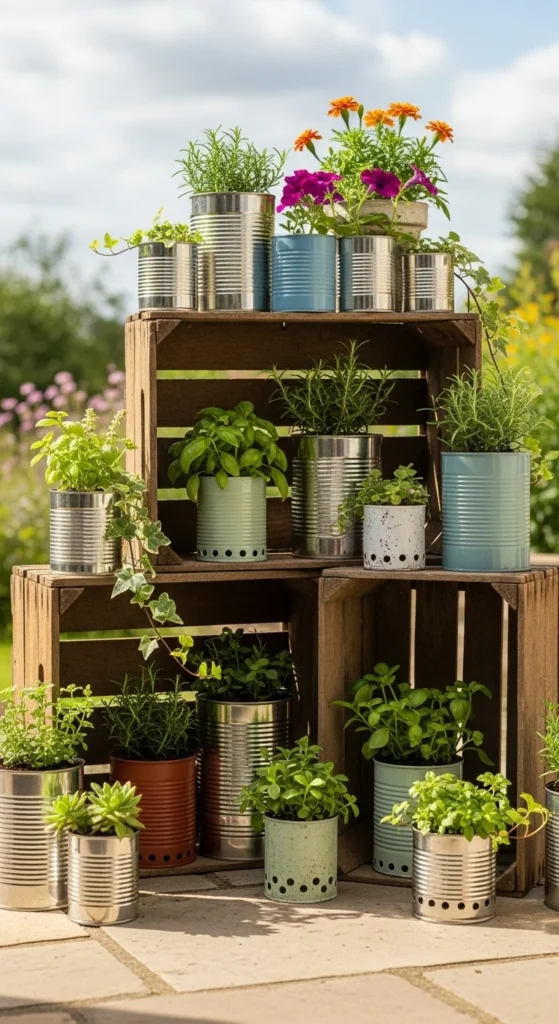
Gardening doesn’t have to be expensive. Turn old containers into planters or reuse plastic bottles as watering funnels.
It’s an eco-friendly way to save money and reduce waste — plus, it gives your garden a charming, rustic vibe.
14. Add Compost Tea
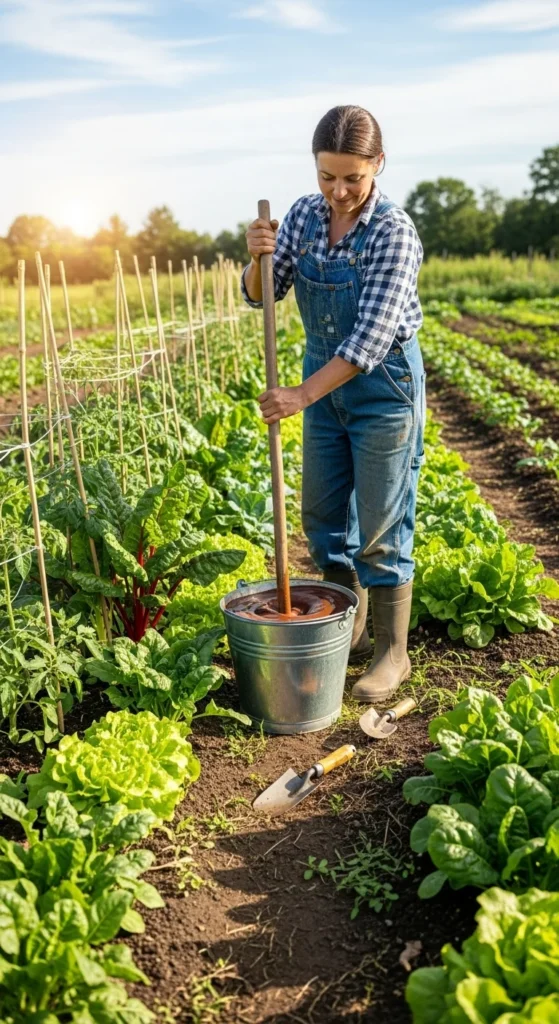
Compost tea is a nutrient-rich liquid made from steeping compost in water. Pour it around your plants every few weeks.
It’s like giving them a gentle, organic nutrient drink — improving growth and soil life at no cost.
15. Keep Tools Sharp and Clean
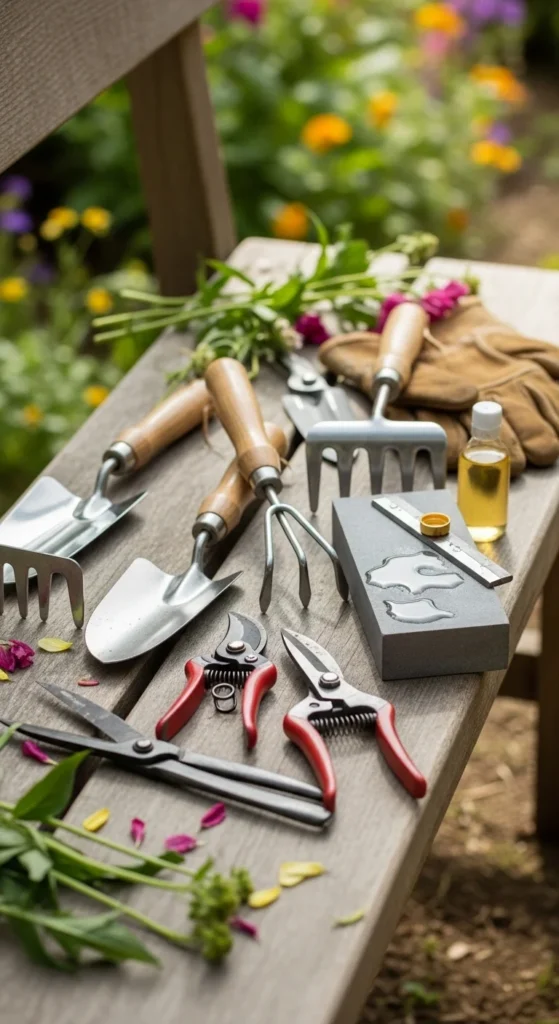
Sharp tools make gardening safer and faster. Rinse dirt off after use and oil metal parts to prevent rust.
A quick cleanup after each session saves you from replacing tools too soon.
16. Attract Beneficial Insects
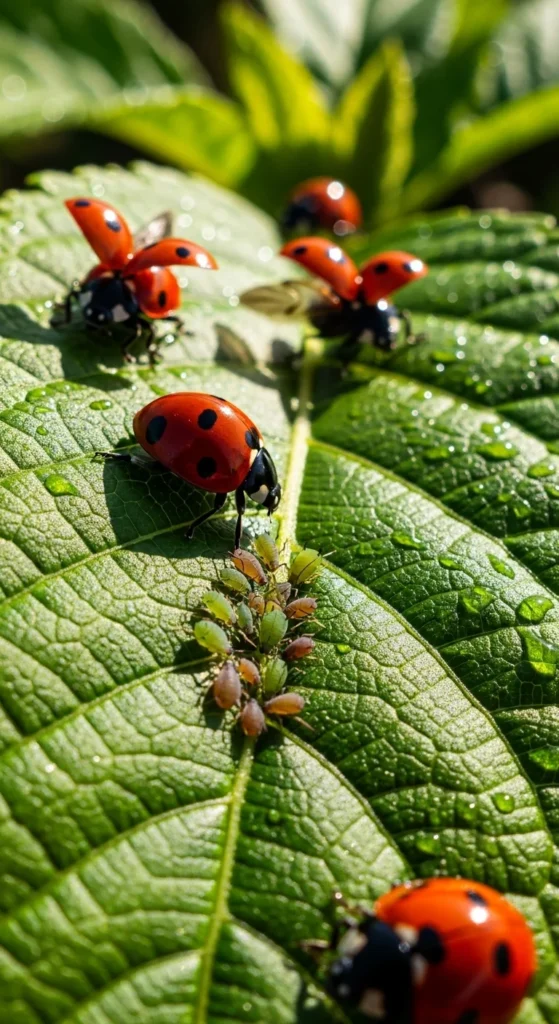
Not all bugs are bad! Ladybugs, lacewings, and spiders help control pests naturally.
Avoid using pesticides that harm them. Instead, plant flowers like dill and fennel to draw these helpers in.
17. Extend the Season with Covers
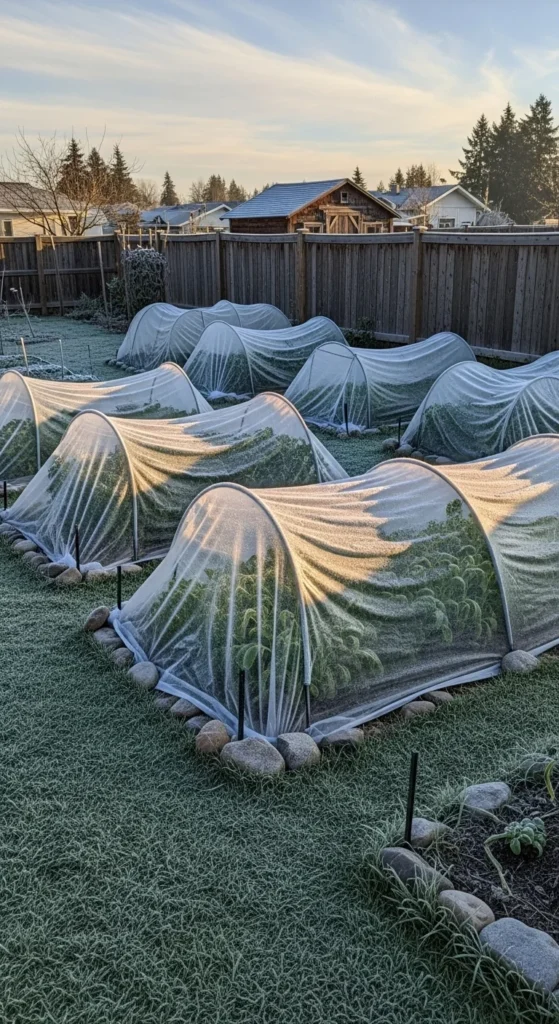
Frost doesn’t mean your gardening days are over. Use frost cloths or row covers to protect crops in early spring or late fall.
You can even DIY one with PVC pipes and clear plastic. It’s affordable and keeps your greens growing longer.
18. Keep a Garden Journal
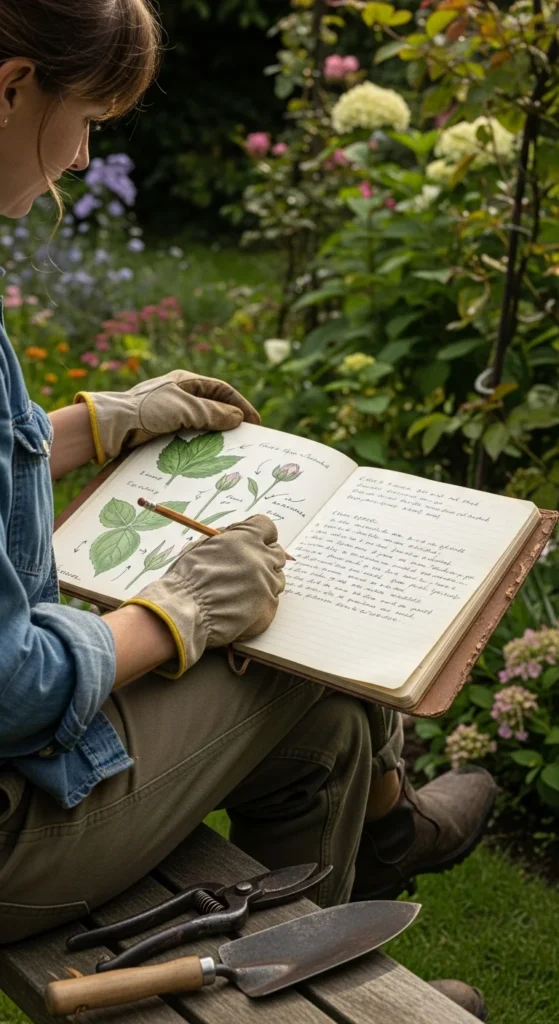
Document your gardening experiences — planting dates, harvest times, and pest issues.
This record helps you make smarter choices next year and track what worked best in each season.
19. Harvest Often
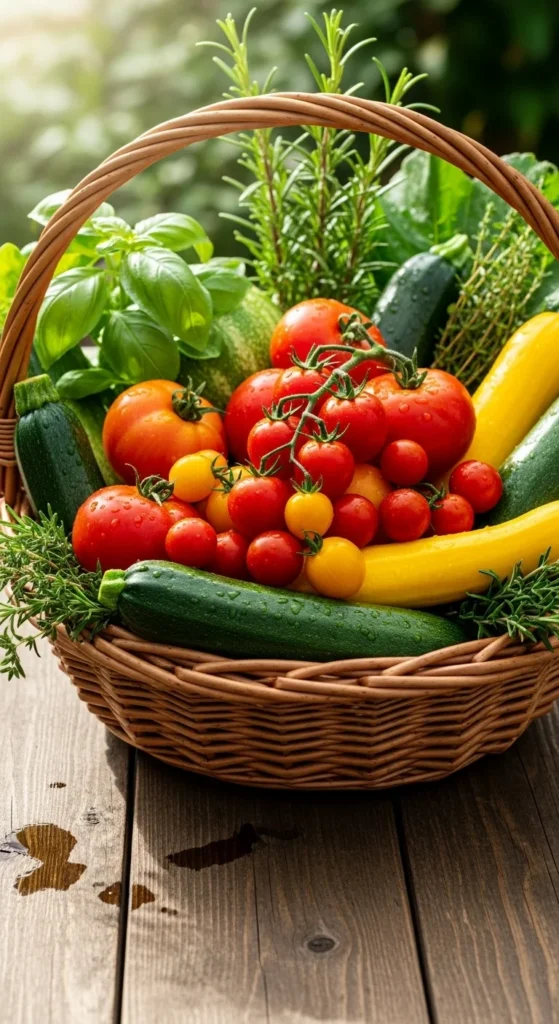
Frequent harvesting encourages plants to produce more. Pick fruits and veggies as soon as they’re ready to keep growth steady.
It also keeps your garden tidy and prevents overripening or waste.
20. Enjoy and Share Your Harvest
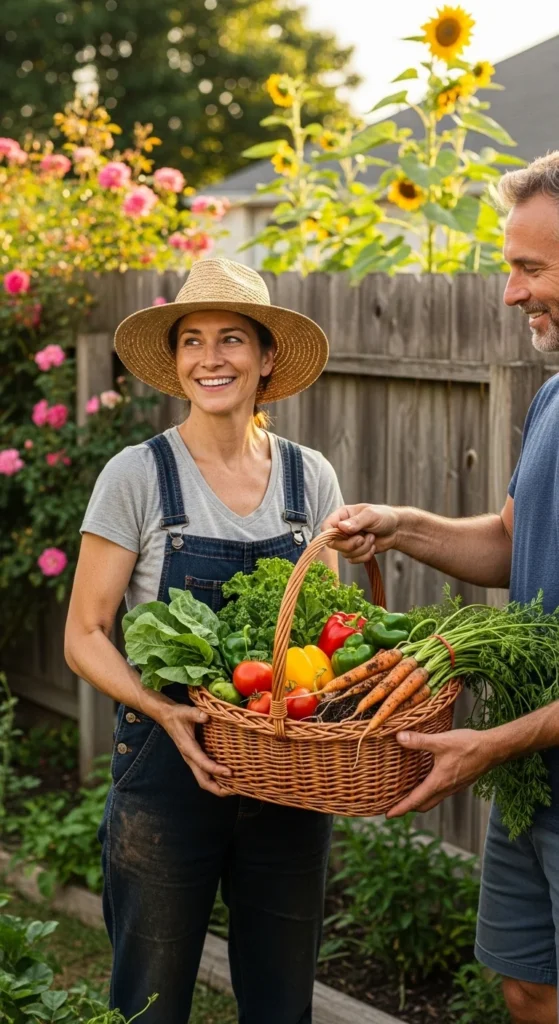
Sharing your garden bounty builds community and spreads the joy of growing food.
Swap veggies or seeds with friends and neighbors — it’s a wonderful way to stay inspired and keep learning together.
Conclusion
A thriving garden doesn’t happen overnight — it’s built on consistent care, smart planning, and a love for nature. By applying these practical tips throughout the year, you’ll enjoy beautiful blooms, healthy harvests, and soil that improves with time. Start small, stay consistent, and watch your green space reward you season after season.

Leave a Reply