

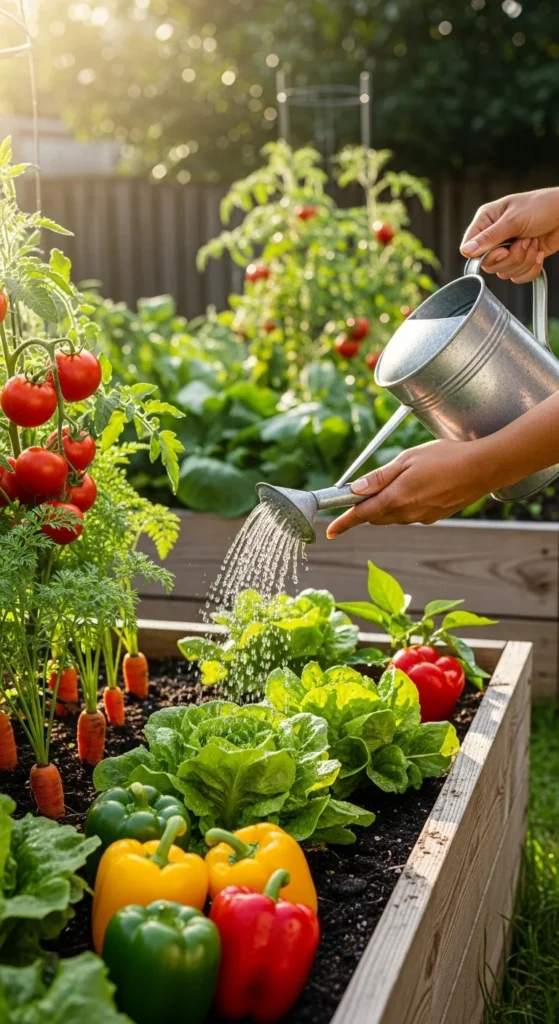
Starting a vegetable garden can feel like a big project, but it’s easier than most people think. With the right ideas, even beginners can grow plenty of food in small or unexpected spaces. Whether you’re using old containers, vertical setups, or raised beds, there are countless ways to make your garden productive and fun. Here are 27 creative vegetable garden ideas that make growing your own food simple, affordable, and rewarding.
1. Grow Vegetables in Buckets
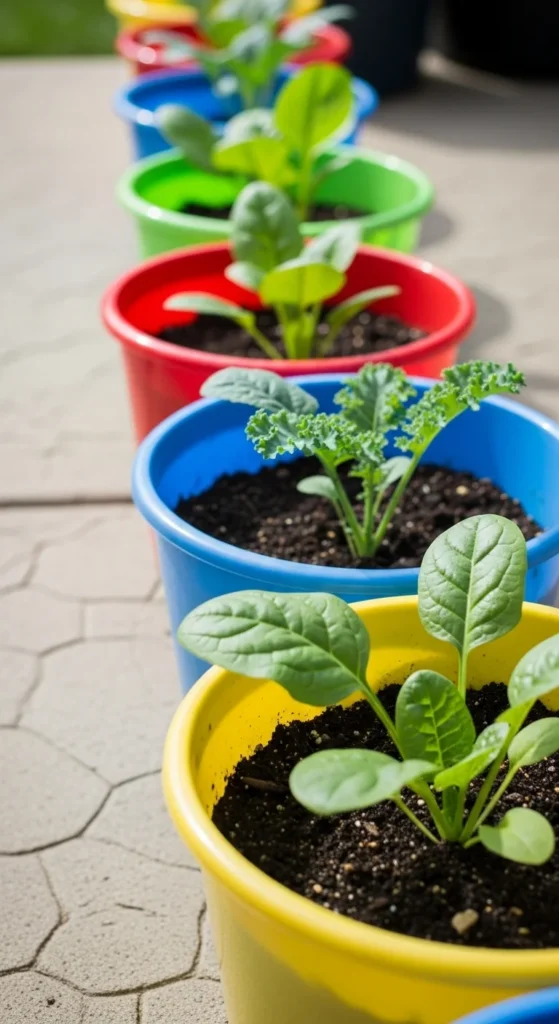
Buckets are an easy way to start gardening if you lack space. Drill a few holes in the bottom for drainage and fill them with potting mix. You can grow tomatoes, peppers, or herbs right on your balcony. Use five-gallon buckets—they’re cheap and sturdy. Add a layer of gravel at the bottom to help drain water.
2. Build a Vertical Pallet Garden
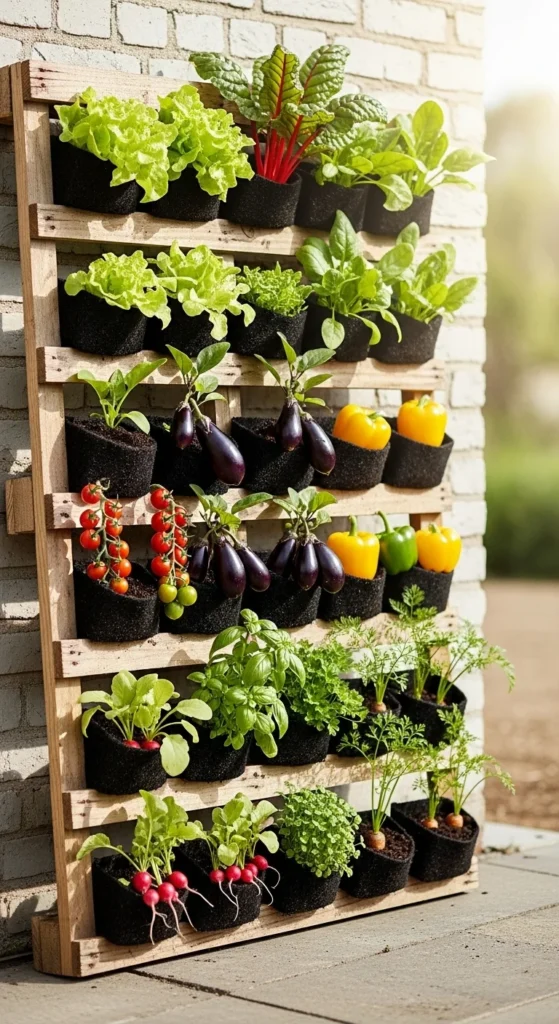
Turn a simple pallet into a space-saving garden wall. Attach landscape fabric to the back, fill it with soil, and plant small veggies like lettuce, parsley, and spinach. This setup saves space and doubles as outdoor decor. Paint the pallet to match your garden theme.
3. Use Old Tires as Planters
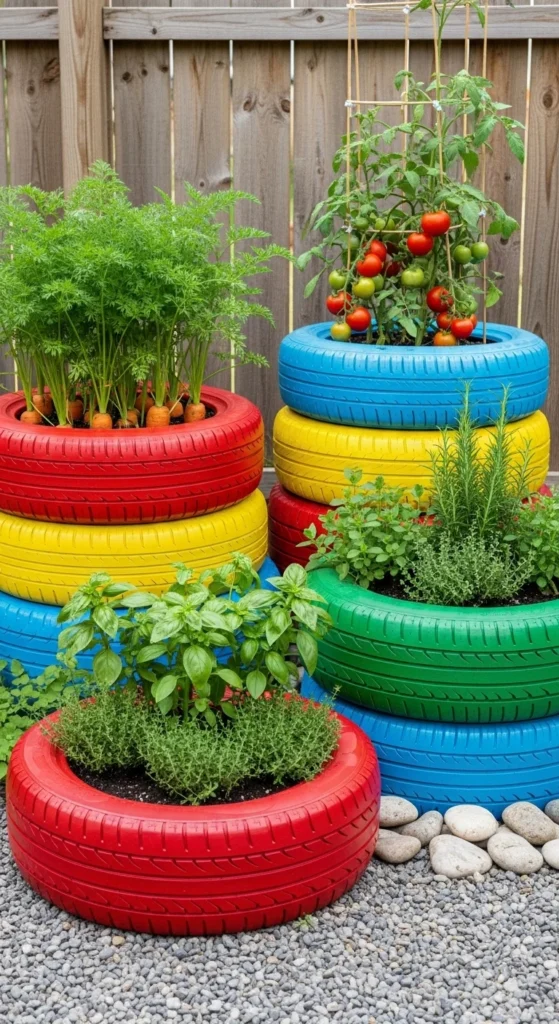
Old tires make sturdy, recycled planters. Stack two or three for deeper crops like carrots or potatoes. Paint them for color and line the bottom with cardboard before filling with soil. It’s a great way to reuse waste while adding character.
4. Try Raised Garden Beds
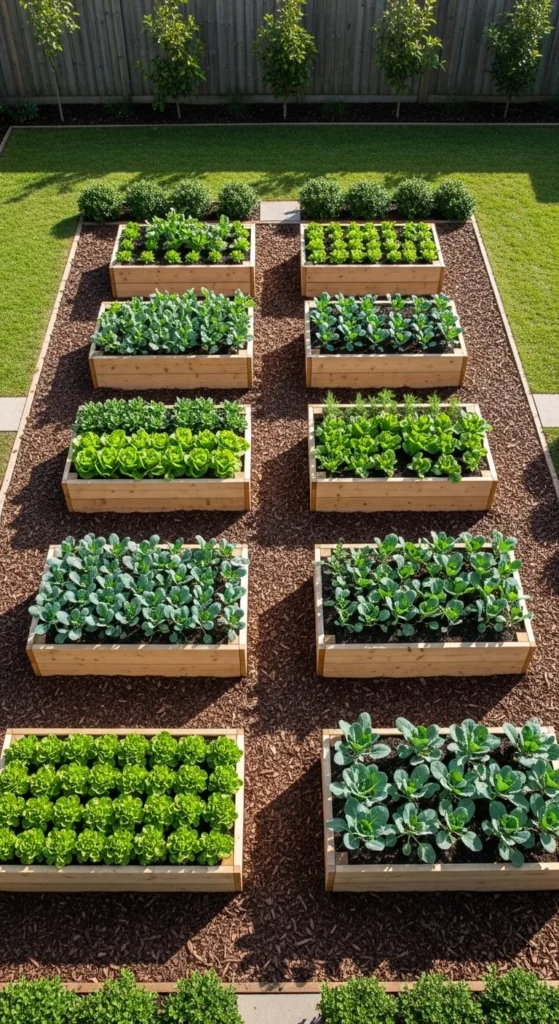
Raised beds improve drainage and keep soil loose, perfect for root vegetables. Build frames from untreated wood or metal. Fill them with compost-rich soil. Beginners love raised beds because they reduce weeding and are easier to manage than in-ground gardens.
5. Create a Hanging Basket Garden
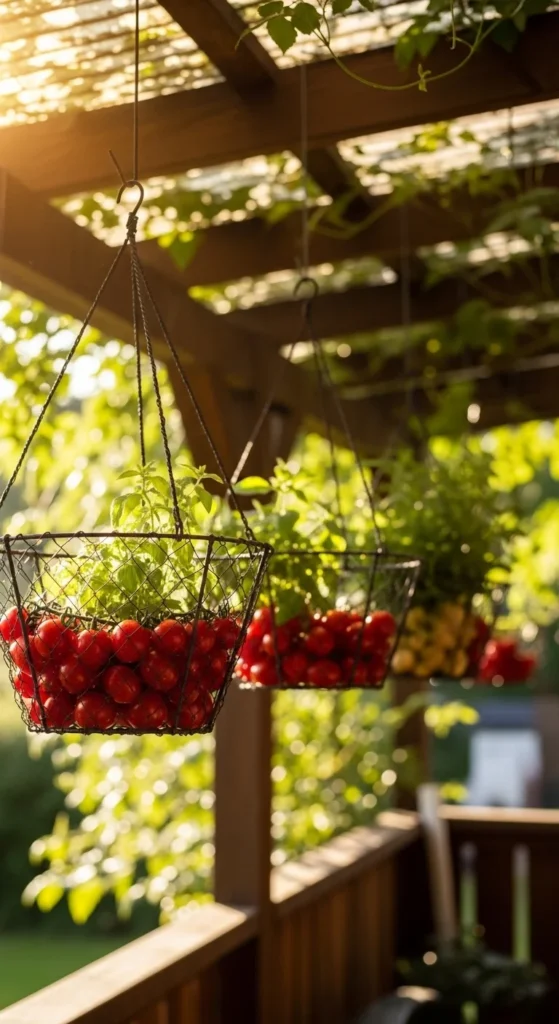
Hanging baskets aren’t just for flowers. They’re great for cherry tomatoes, lettuce, and herbs. Use lightweight potting mix and water often. Hang them near your kitchen door for quick access to fresh produce.
6. Plant in Wooden Crates
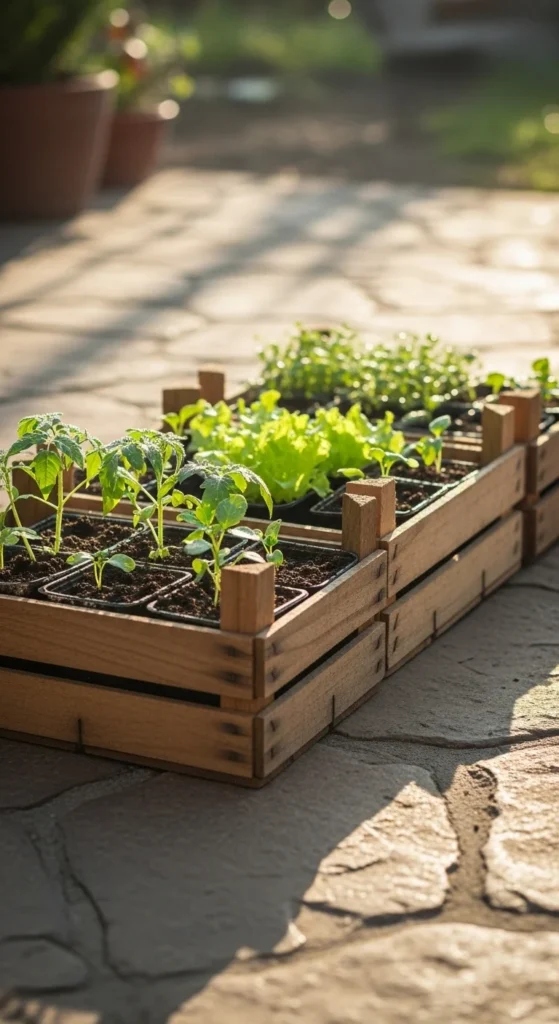
Old wooden crates give your garden a vintage charm. Line them with landscape fabric to hold the soil. Grow lettuce, spinach, or radishes for easy harvests. Move them around to chase sunlight as seasons change.
7. Grow Herbs in Mason Jars
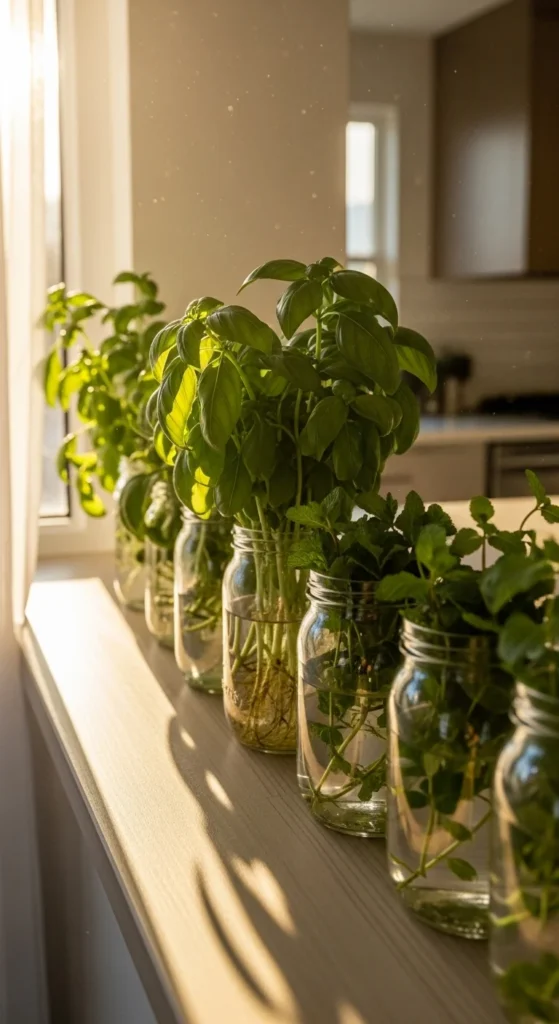
Mason jars are perfect for small-space herb gardening. Add pebbles for drainage, fill with potting soil, and plant seeds. They look beautiful indoors and keep fresh herbs close while cooking.
8. Make a Cinder Block Garden
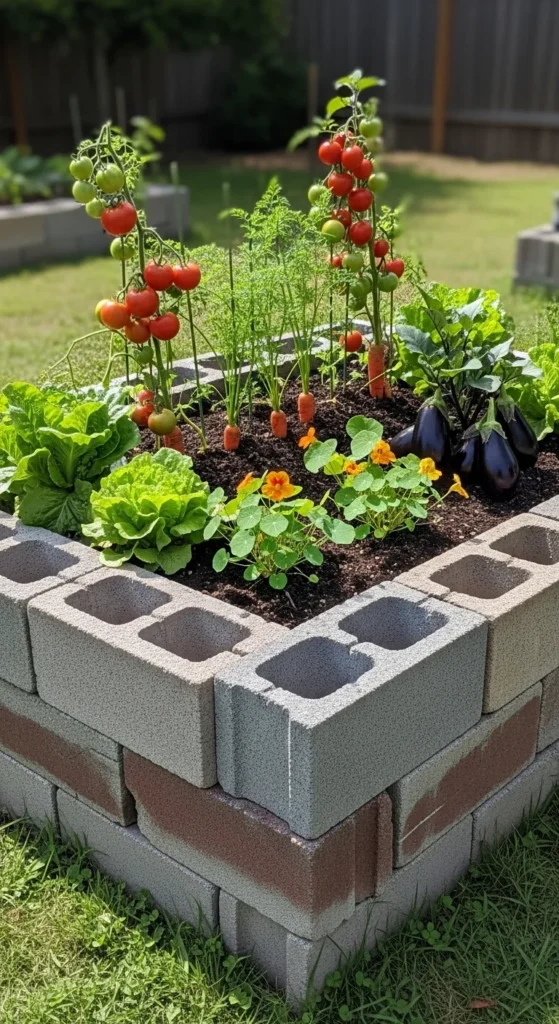
Cinder blocks can form garden borders and act as individual planters. Place them in a square or rectangle, fill holes with soil, and plant herbs or onions. It’s low-cost, long-lasting, and easy to expand.
9. Try a Straw Bale Garden
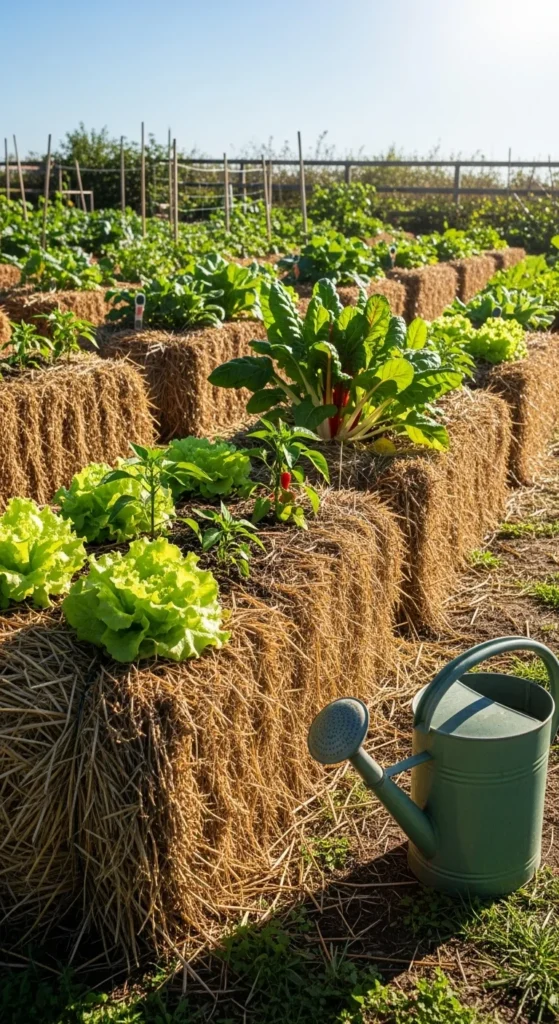
Growing vegetables in straw bales works like a raised bed without the build. Condition the bale by watering for a week, then add soil and compost. Great for zucchini, cucumbers, and beans.
10. Build a Trellis for Climbing Veggies
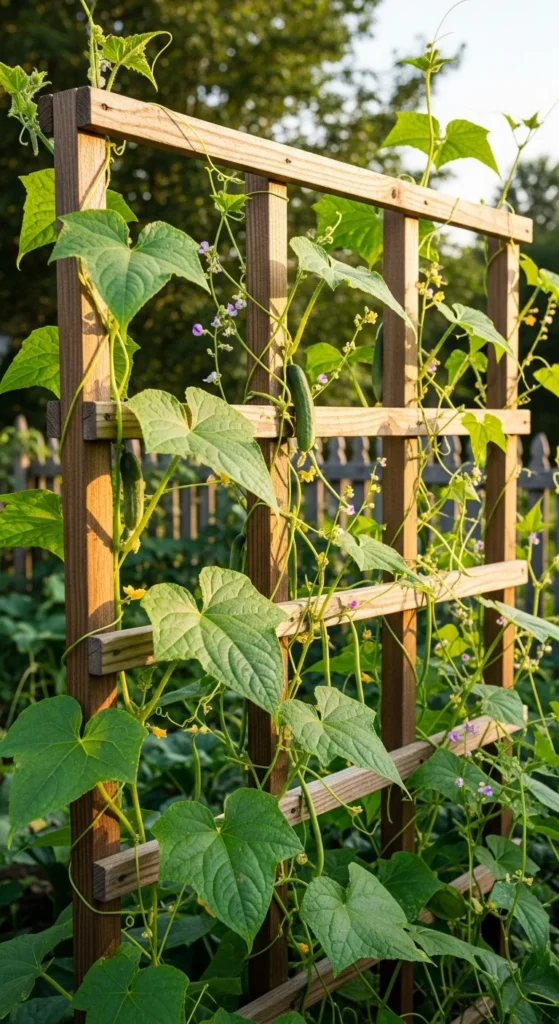
Climbing veggies like peas and cucumbers thrive with support. Build a trellis using bamboo or wooden stakes. It keeps plants upright and saves ground space for other crops.
11. Plant in Old Wheelbarrows
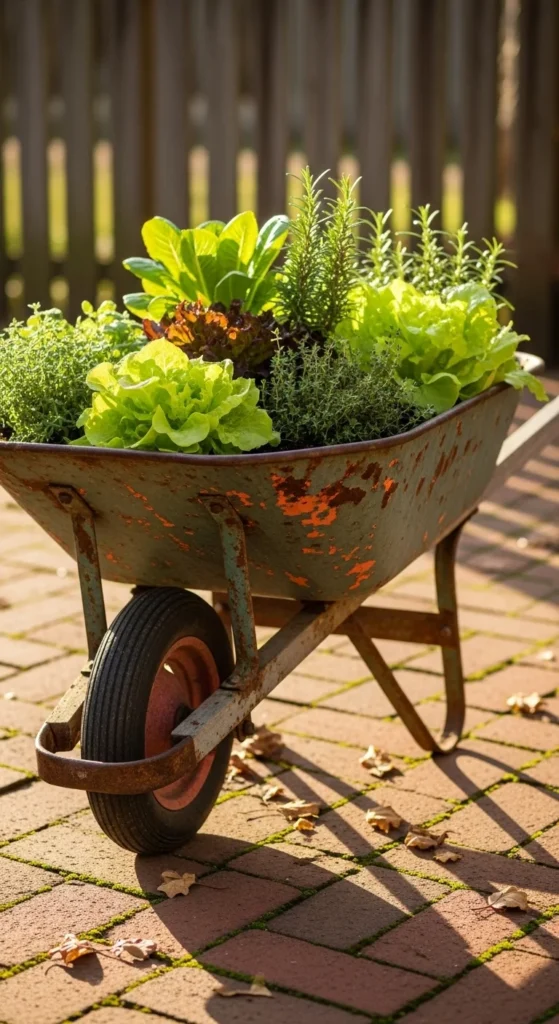
An old wheelbarrow makes a charming movable planter. Drill holes for drainage, fill with soil, and plant shallow-rooted veggies. Move it around your yard for the best sunlight.
12. Use Fabric Grow Bags
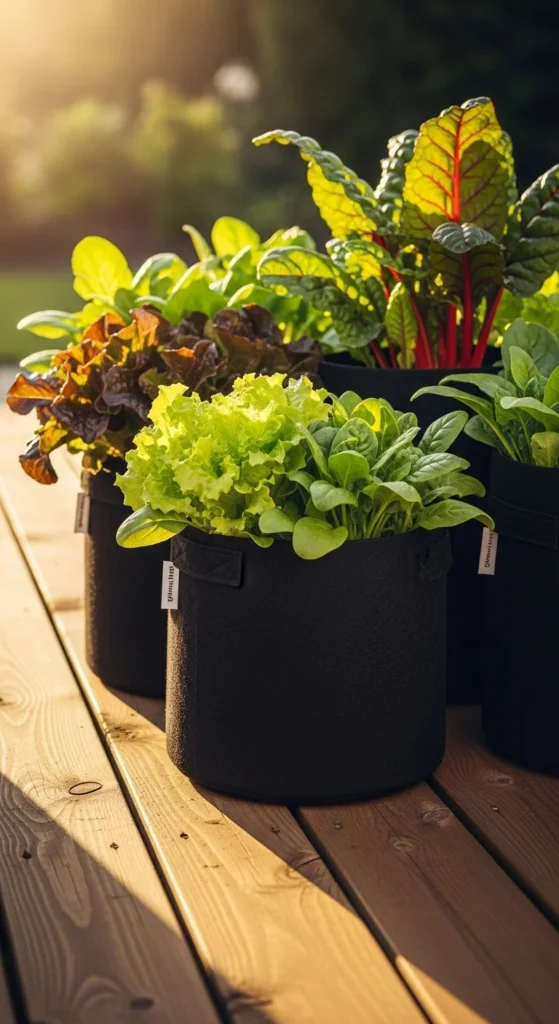
Grow bags are lightweight and perfect for patios. They provide great root aeration. Try them for tomatoes, peppers, or beans. When not in use, fold them for easy storage.
13. Start a Kitchen Counter Microgreen Garden
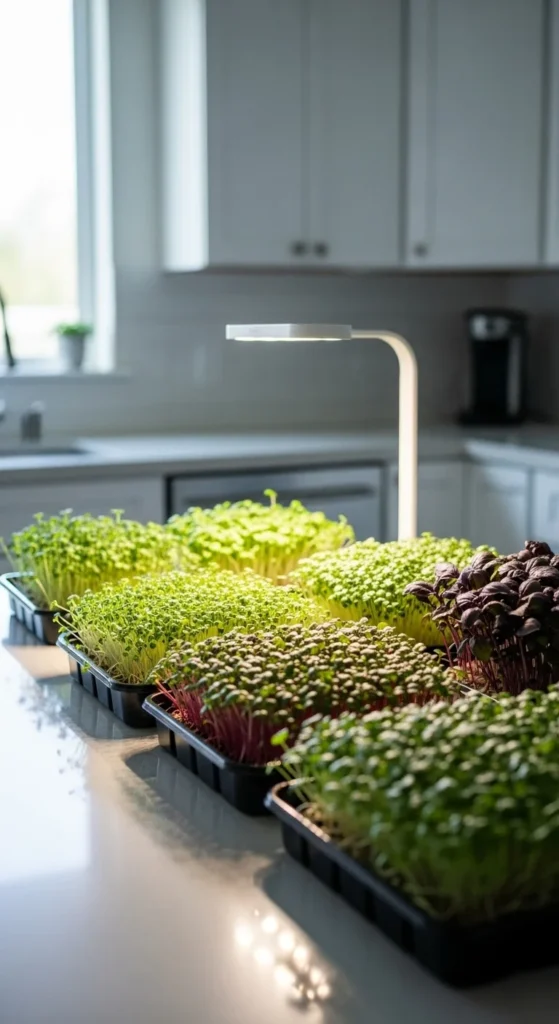
Microgreens grow fast and don’t need much space. Use shallow trays and keep them near sunlight. In just two weeks, you can harvest nutrient-rich greens for salads and sandwiches.
14. Turn Gutters into Planters
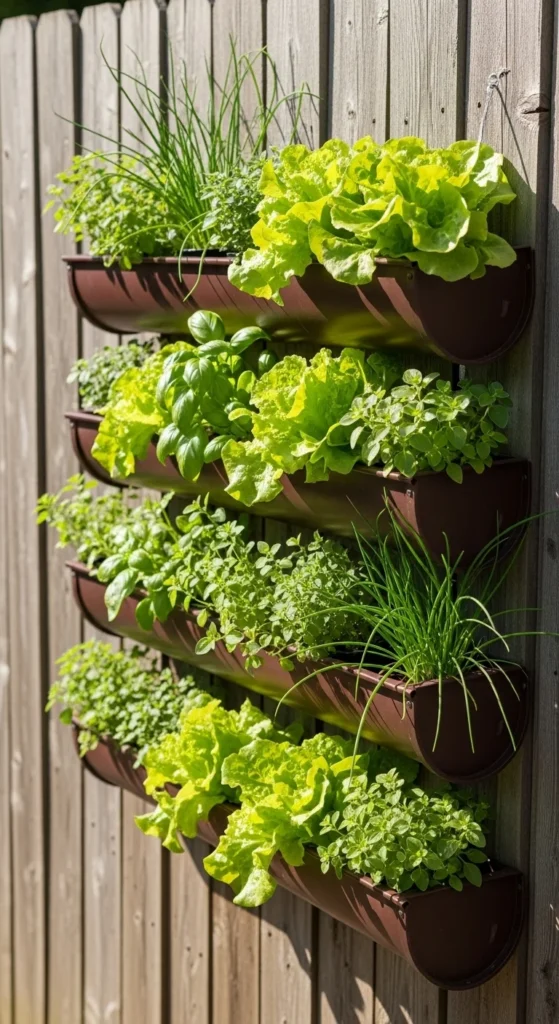
Old gutters make perfect shallow planters for small veggies. Mount them on walls or fences. Ideal for spinach and lettuce. Water gently since drainage is limited.
15. Make a Spiral Herb Garden
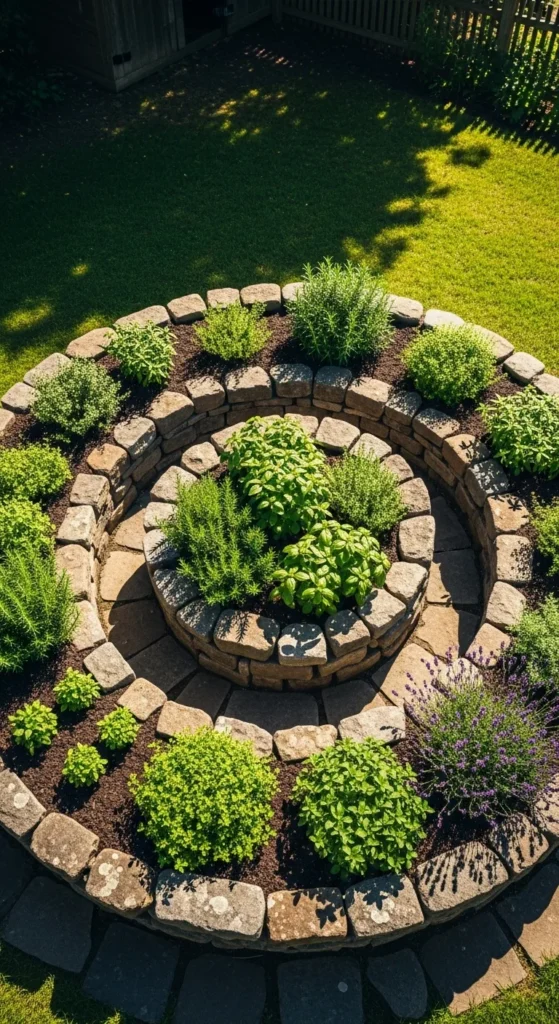
A spiral herb garden saves space and adds visual interest. Use stones or bricks to create a spiral shape, fill with soil, and plant herbs from top to bottom based on sun exposure.
16. Build a Cold Frame Garden
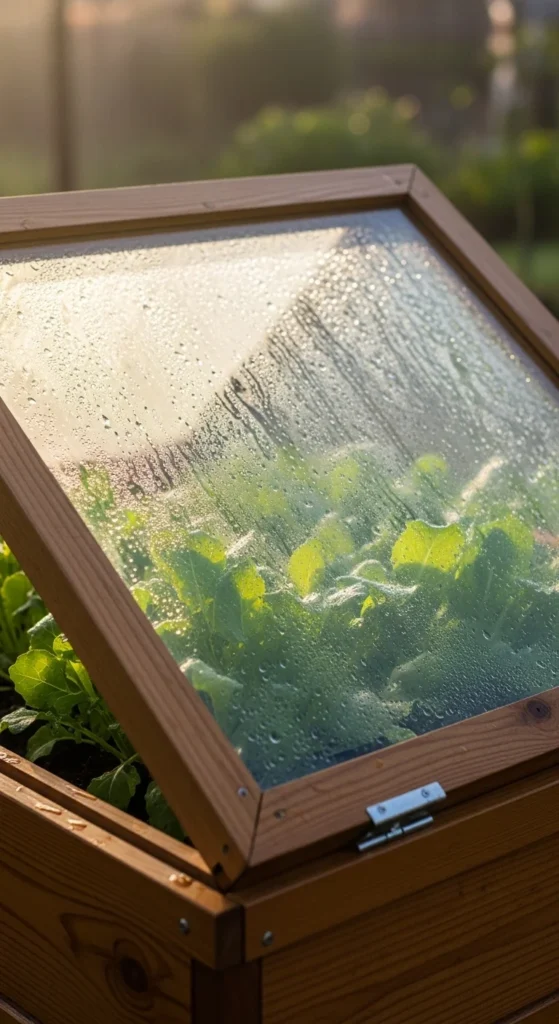
Cold frames extend your growing season. Build a small box with a glass top to trap heat. Perfect for lettuce, kale, and spinach during cooler months.
17. Grow Veggies in Recycled Plastic Bottles
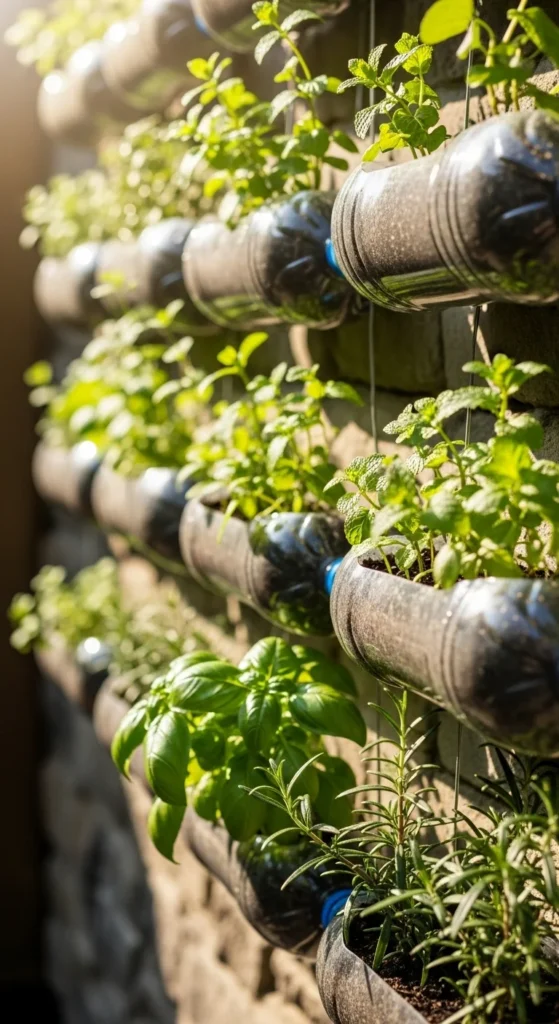
Cut bottles in half, fill them with soil, and hang them by strings. Perfect for kids or apartment dwellers. Grow small herbs or lettuce easily indoors.
18. Combine Flowers and Vegetables
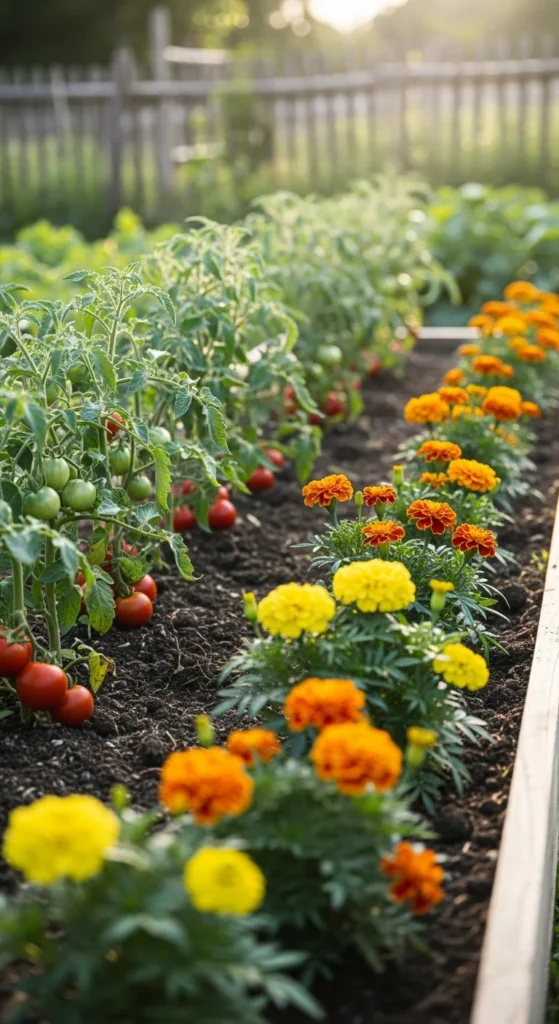
Mixing flowers with vegetables helps attract pollinators and repel pests. Marigolds, nasturtiums, and basil are great companions for tomatoes and peppers.
19. Start a Container Salad Garden
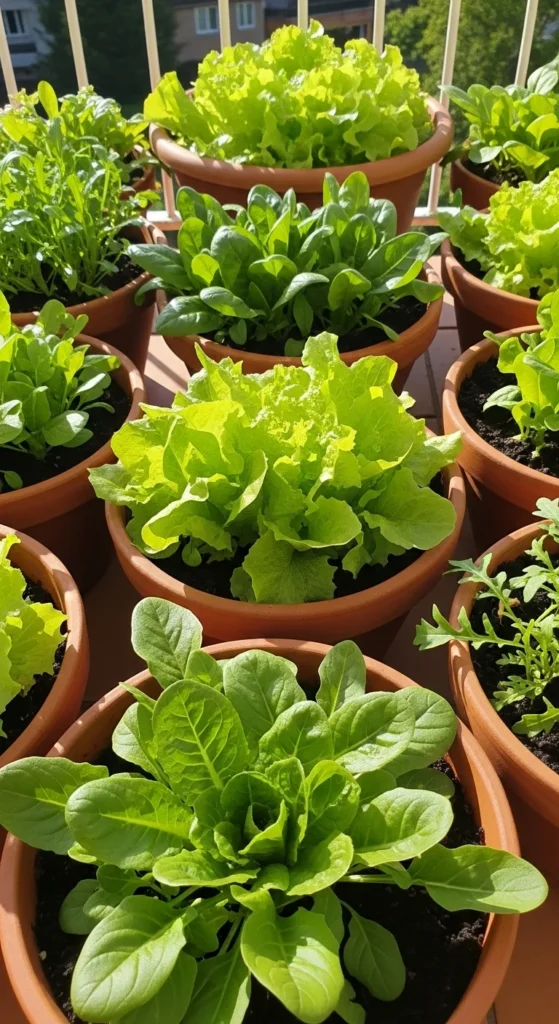
Grow your favorite salad greens in containers. Use wide, shallow pots and harvest leaves regularly. Easy to maintain, and you’ll always have fresh salad ingredients on hand.
20. Create a Trench Compost Garden
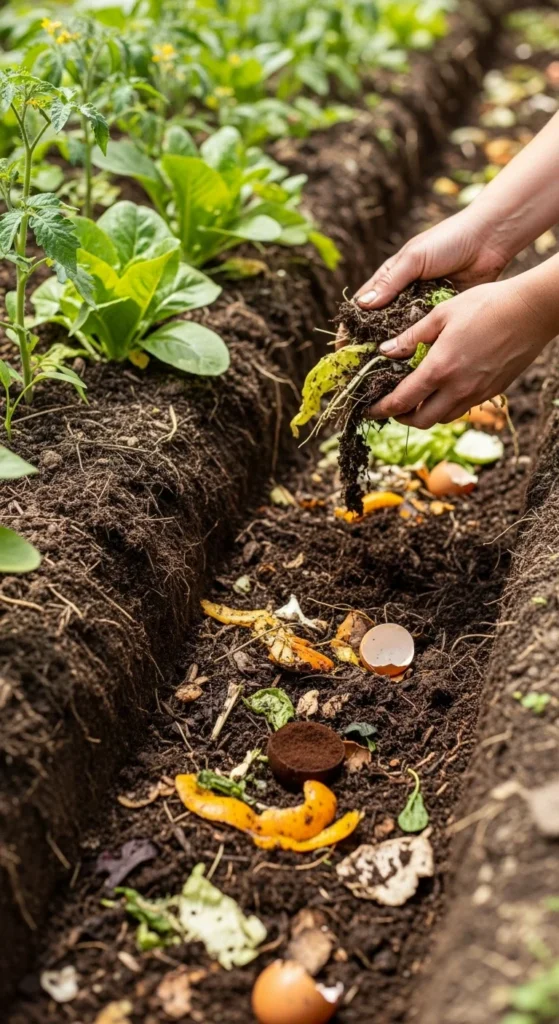
Dig a trench between rows and fill it with compostable kitchen waste. As it breaks down, it nourishes nearby plants naturally. A low-cost way to feed your soil.
21. Use a Ladder Shelf for Pots
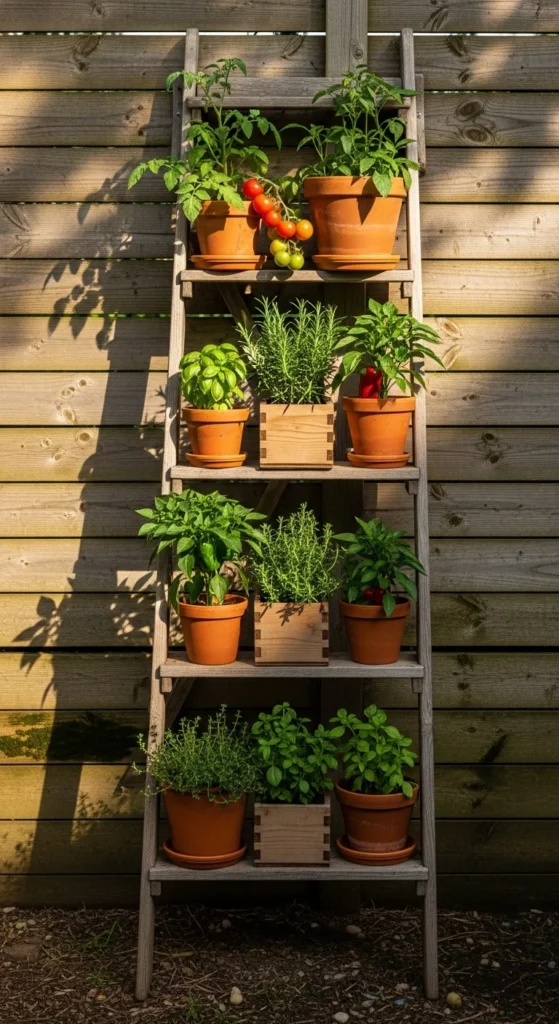
A ladder shelf makes great use of vertical space. Arrange pots on each step for easy watering and sunlight access. Ideal for balconies or patios.
22. Grow Potatoes in Bags
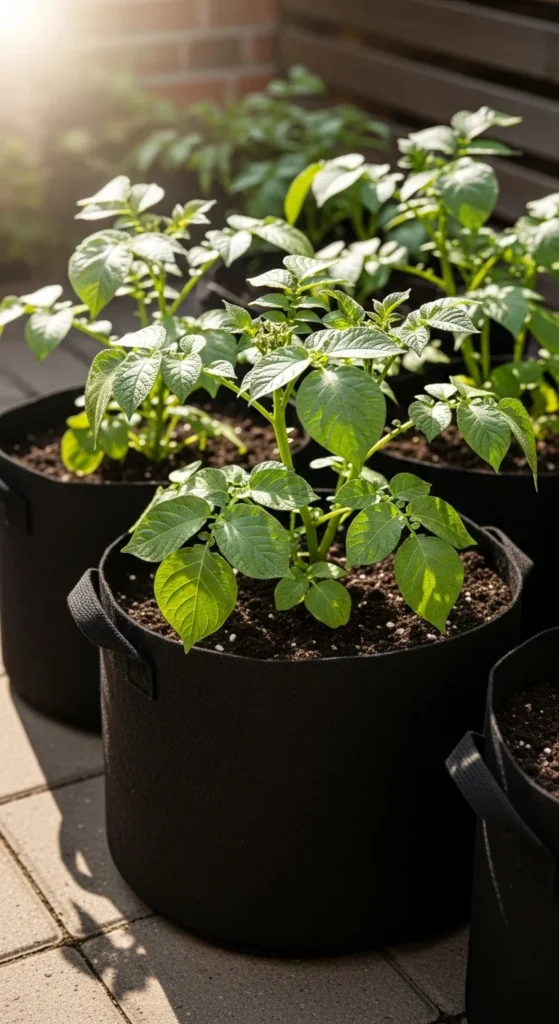
Potato grow bags make harvesting simple. Just roll down the sides as plants grow, adding soil each time. When ready, dump out the bag to collect your harvest.
23. Reuse Wooden Barrels
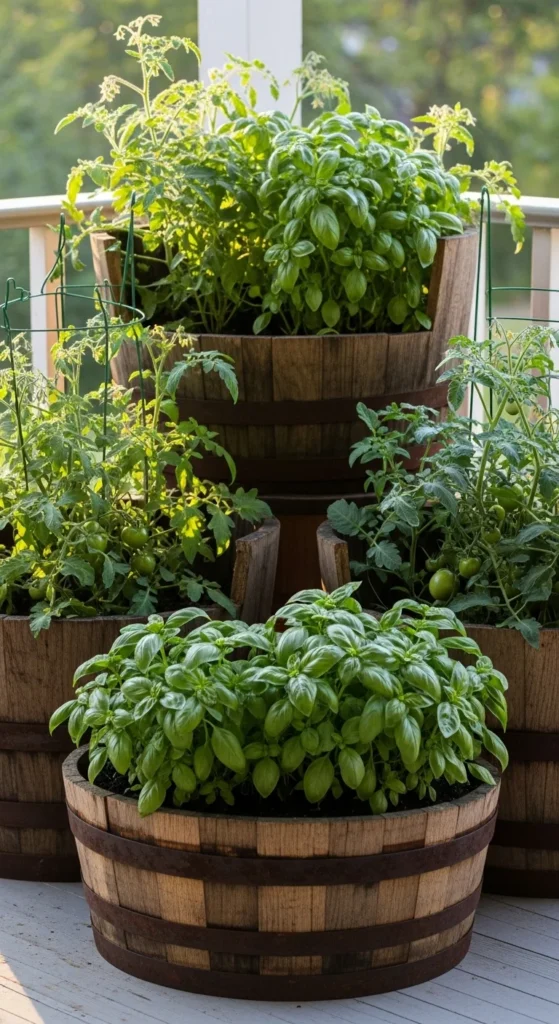
Wooden barrels add charm and depth to your garden. Use them for tomatoes or peppers. Line with plastic and drill drainage holes to keep them long-lasting.
24. Make a Self-Watering Container
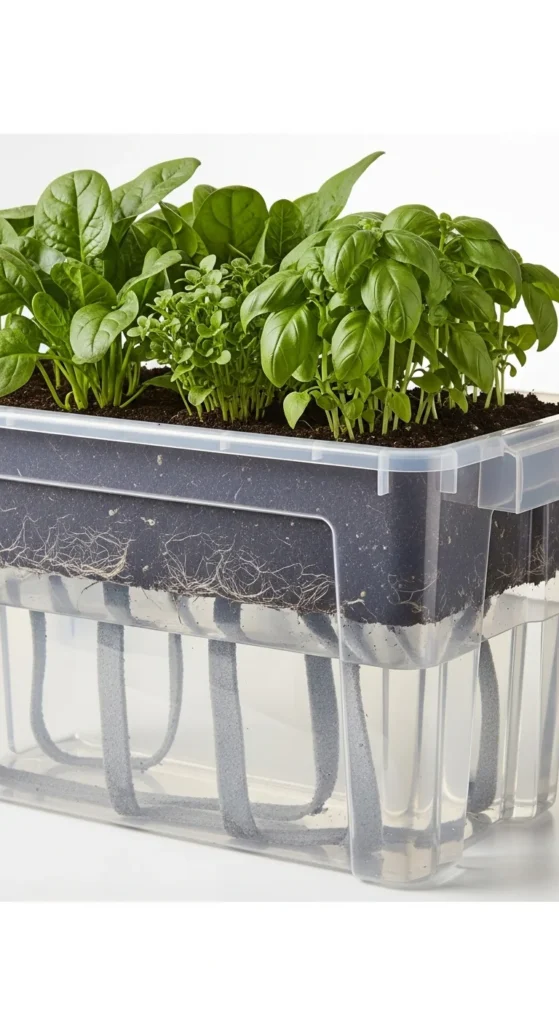
A simple setup using a bucket-within-a-bucket design keeps soil moist. Great for forgetful gardeners. Perfect for cucumbers and peppers that need consistent moisture.
25. Try Companion Planting Rows
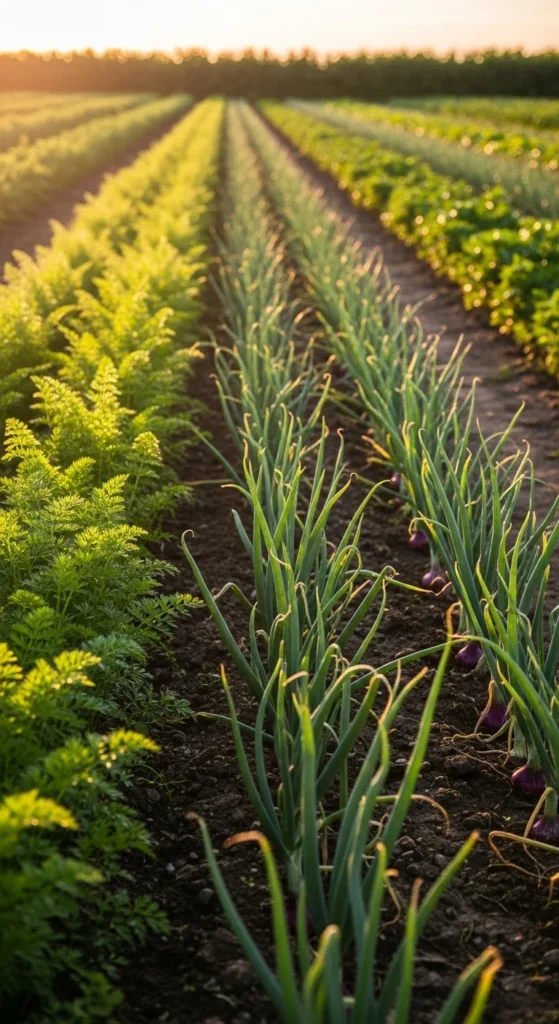
Plant veggies that help each other grow—like carrots with onions or basil with tomatoes. It’s nature’s teamwork that improves growth and reduces pests.
26. Grow Lettuce Indoors Under Lights
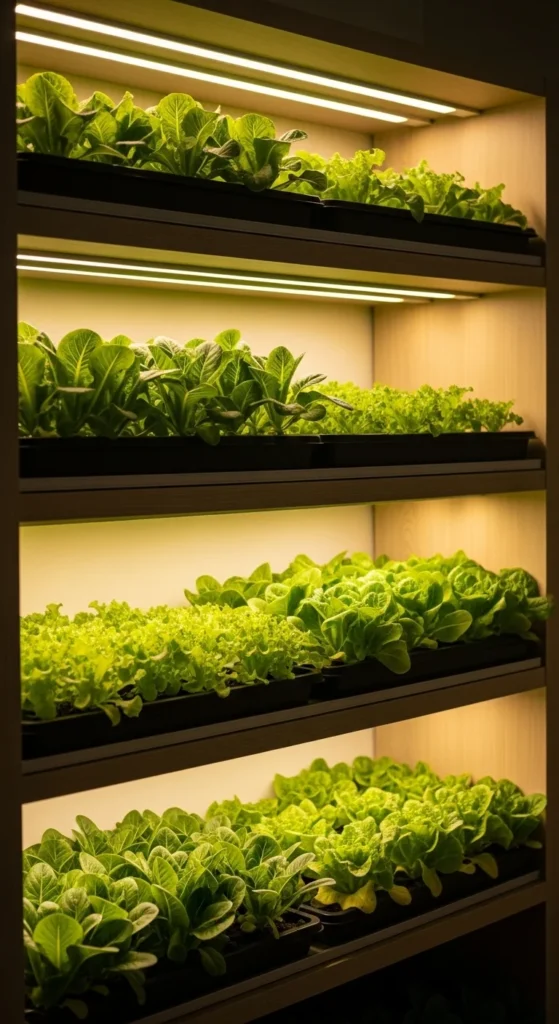
Indoor gardening is simple with LED grow lights. Lettuce thrives indoors all year. Use a small shelf setup and harvest fresh leaves anytime.
27. Create a Mini Greenhouse from Old Windows
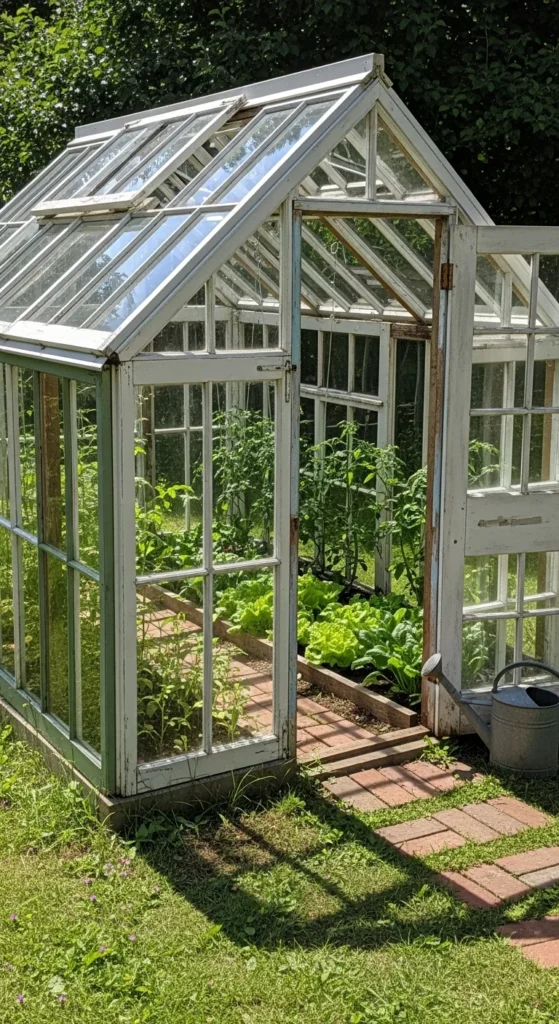
Old windows can be turned into a charming mini greenhouse. Use them to trap warmth for early seed starting or protect plants during cool weather.
Conclusion
Starting a vegetable garden doesn’t need a big yard or fancy tools. With a little creativity, you can grow food almost anywhere—from old buckets to vertical walls. These ideas make gardening simple, affordable, and fun. Pick one or two to try this weekend, and you’ll soon enjoy the satisfaction of harvesting your own homegrown vegetables.

Leave a Reply