

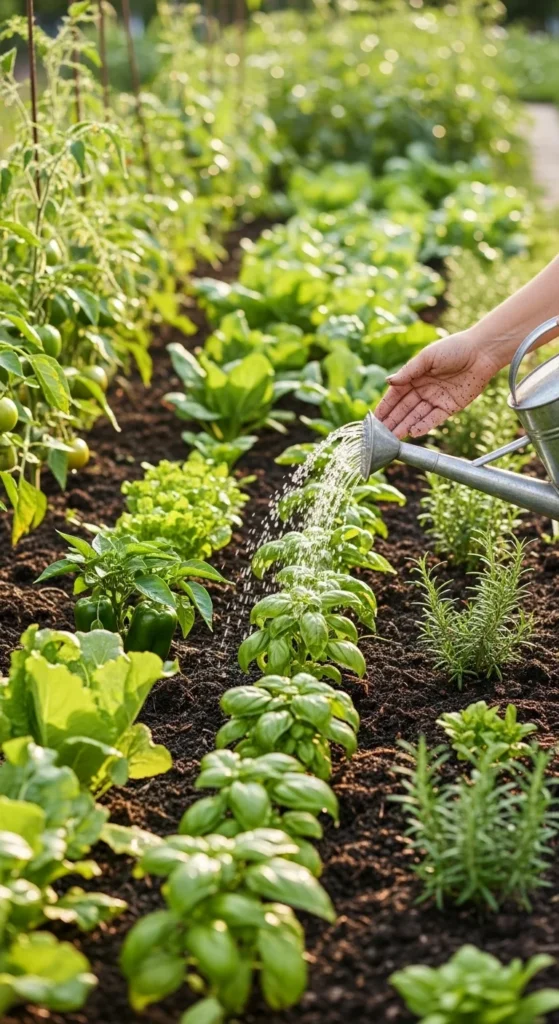
Organic gardening is all about working with nature, not against it. By using eco-friendly techniques, you can grow nutrient-rich food without relying on harsh chemicals or synthetic fertilizers. The goal is simple — create a healthy soil ecosystem that feeds your plants naturally. Whether you’re starting your first raised bed or improving your backyard garden, these 26 organic gardening methods will help you grow stronger plants, save money, and enjoy a truly sustainable harvest.
1. Build Healthy Soil with Compost
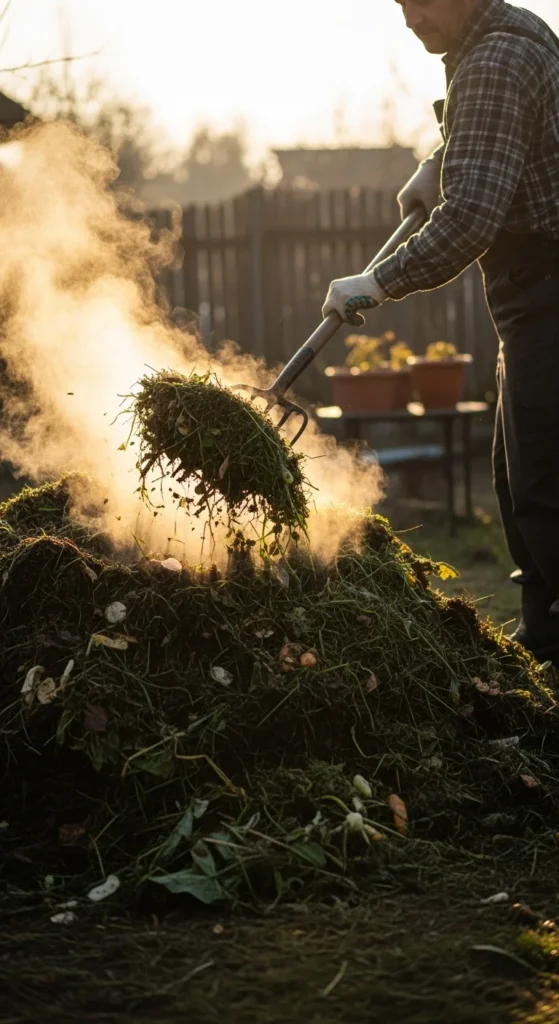
Compost is the foundation of every organic garden. It enriches the soil, improves drainage, and encourages earthworms to thrive. You can make your own compost using kitchen scraps, leaves, and grass clippings. Keep a small bin or tumbler in your yard, turning it weekly for airflow. Over time, it breaks down into a dark, crumbly mix known as “black gold.” Spread it around your plants each season for a slow-release natural fertilizer.
2. Try Crop Rotation
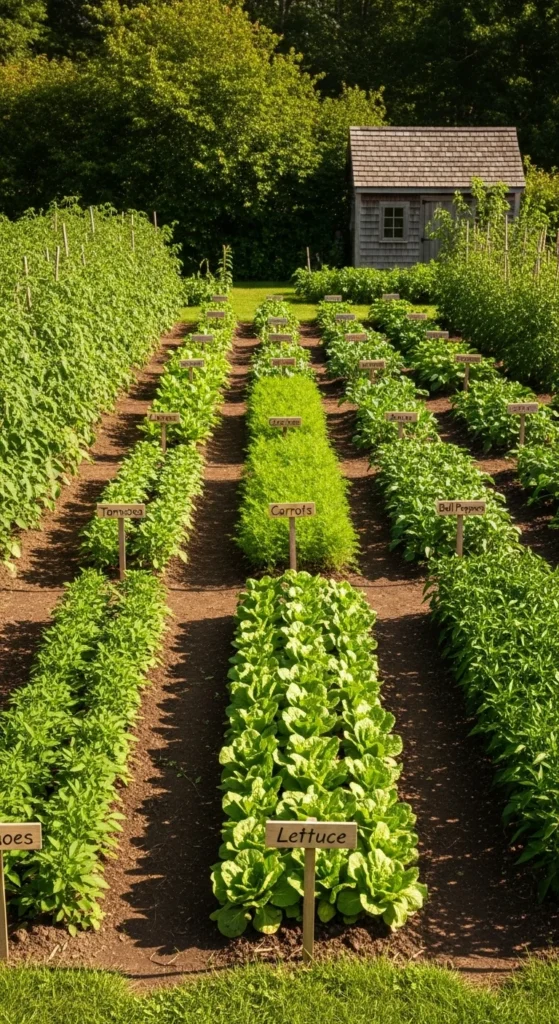
Crop rotation keeps your soil balanced and helps prevent pests. Change where you plant vegetables each season so no single nutrient gets depleted. For example, follow nitrogen-hungry crops like tomatoes with legumes that restore it. Keep a garden journal to track where each crop grew last year — even a simple hand-drawn plan helps.
3. Use Mulch for Moisture Control
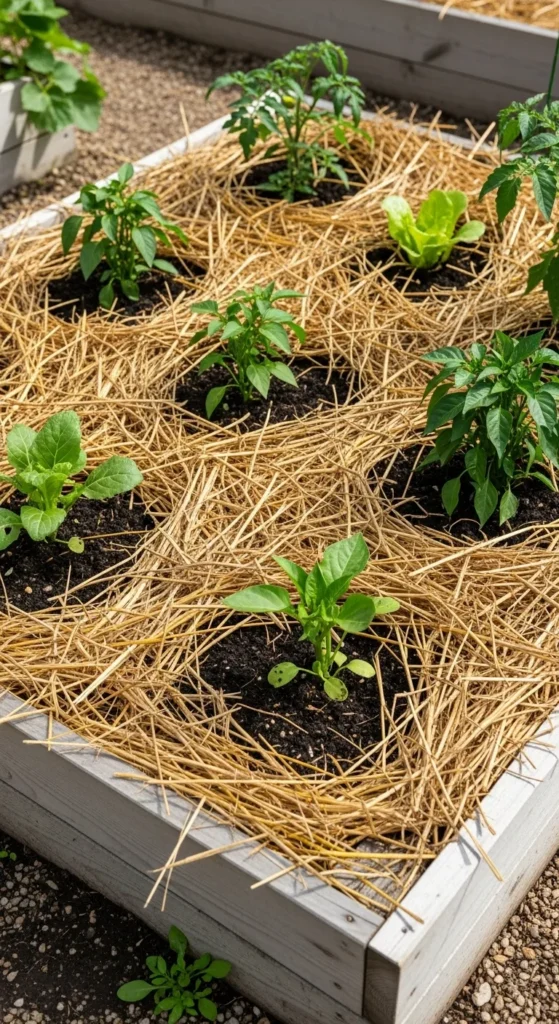
Mulching helps conserve moisture, suppress weeds, and protect soil life. Use organic materials like straw, leaves, or wood chips. Spread a two-inch layer around your plants, leaving a bit of space around stems. It also keeps roots cool in summer and prevents erosion during rain.
4. Collect Rainwater
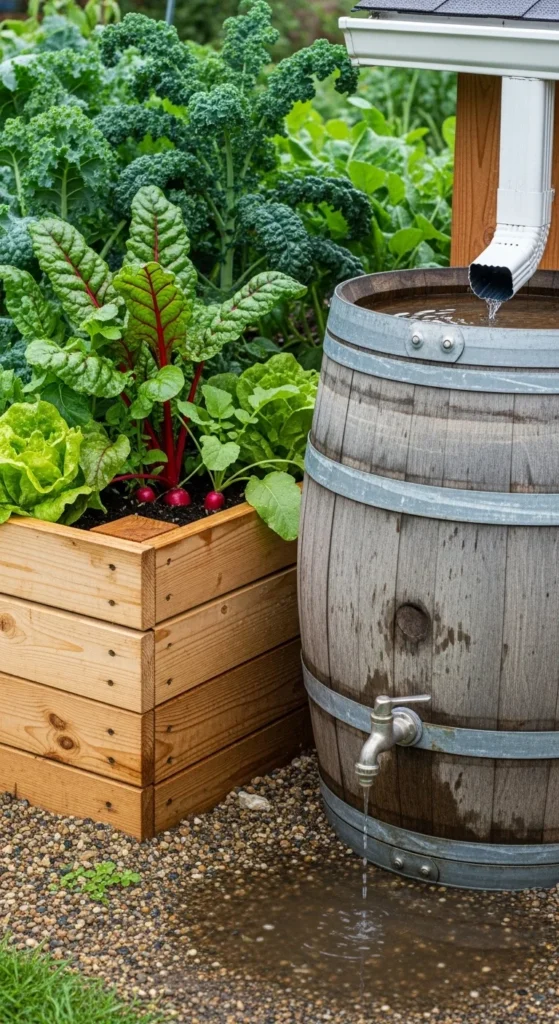
Save water by collecting rainfall in barrels. It’s free, natural, and perfect for plants since it lacks chlorine. Place barrels under gutters and use the stored water during dry spells. A simple mesh cover prevents mosquitoes and debris.
5. Encourage Beneficial Insects
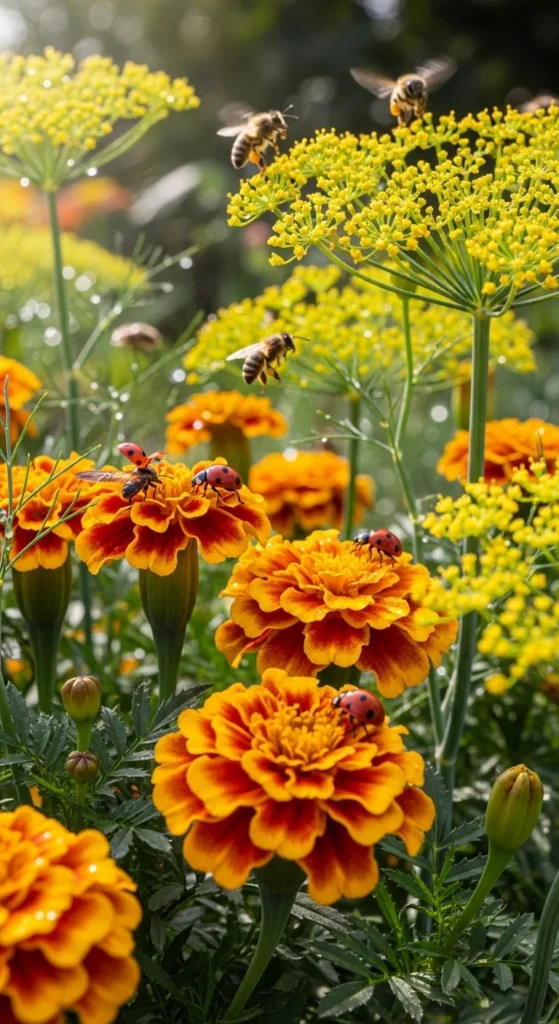
Invite “good bugs” like ladybugs, lacewings, and bees to your garden. They control pests and pollinate crops. Grow flowers such as marigolds, yarrow, and dill to attract them naturally. Avoid using sprays that might harm them.
6. Make Organic Compost Tea
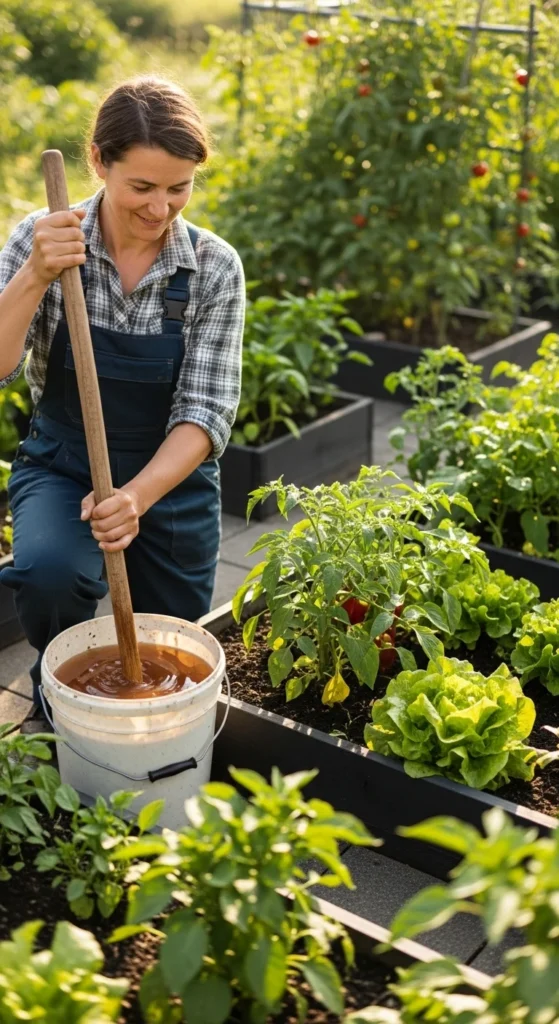
Compost tea acts like a natural tonic for plants. Steep a shovel of compost in a bucket of water for a few days, stirring occasionally. Strain the liquid and pour it at the base of your plants. It boosts soil health and adds beneficial microbes.
7. Try Companion Planting
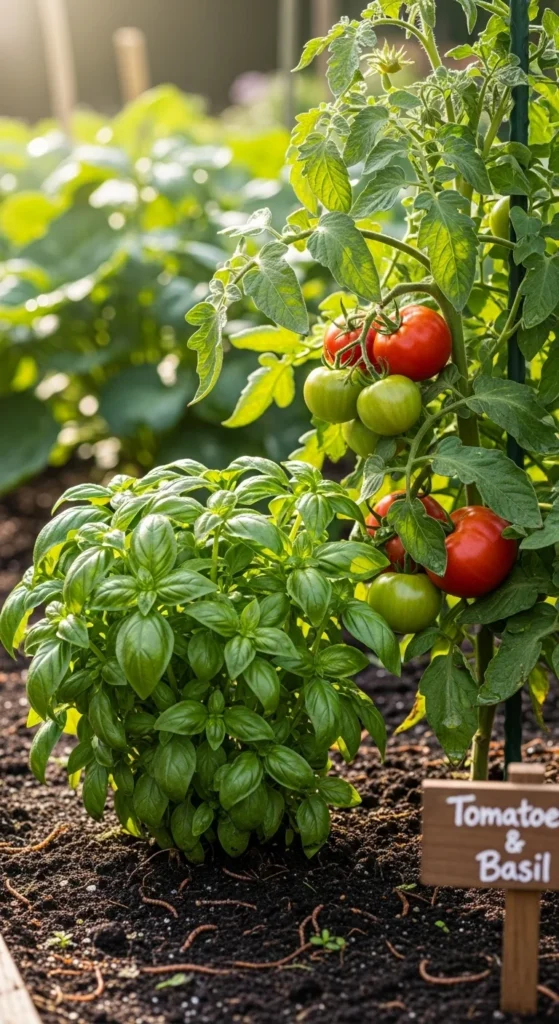
Some plants grow better together. Basil improves tomato flavor and repels pests, while carrots and onions protect each other underground. Research companion planting charts to match plants wisely.
8. Avoid Synthetic Fertilizers
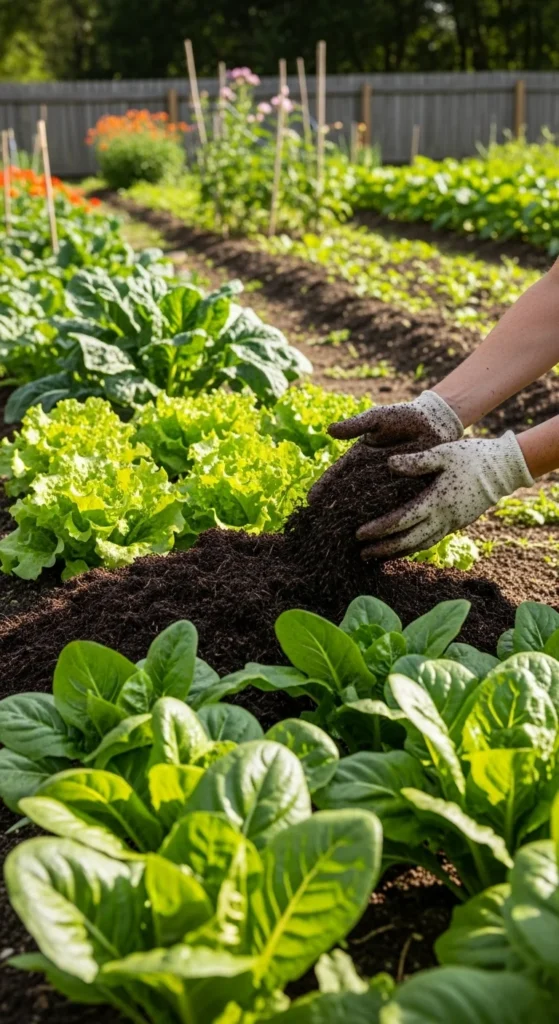
Skip chemical fertilizers — they harm soil organisms. Instead, feed your soil with compost, manure, or worm castings. It may take a little longer, but your soil will become naturally balanced over time.
9. Start a Worm Bin
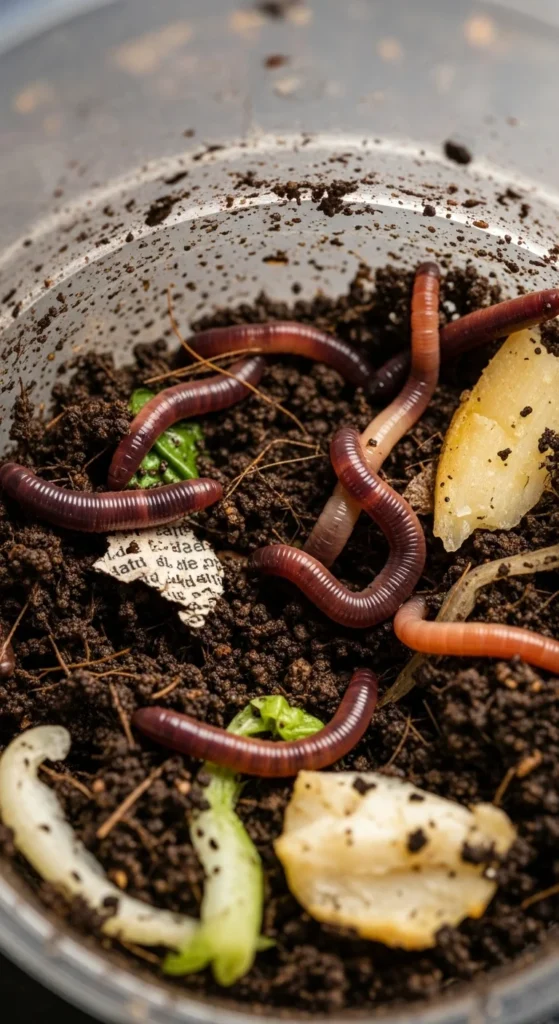
Worms are tiny soil engineers. They break down food scraps into nutrient-rich castings. Build a small worm bin using a plastic container with holes for airflow. Feed them small bits of kitchen waste and keep the bedding moist.
10. Practice No-Dig Gardening
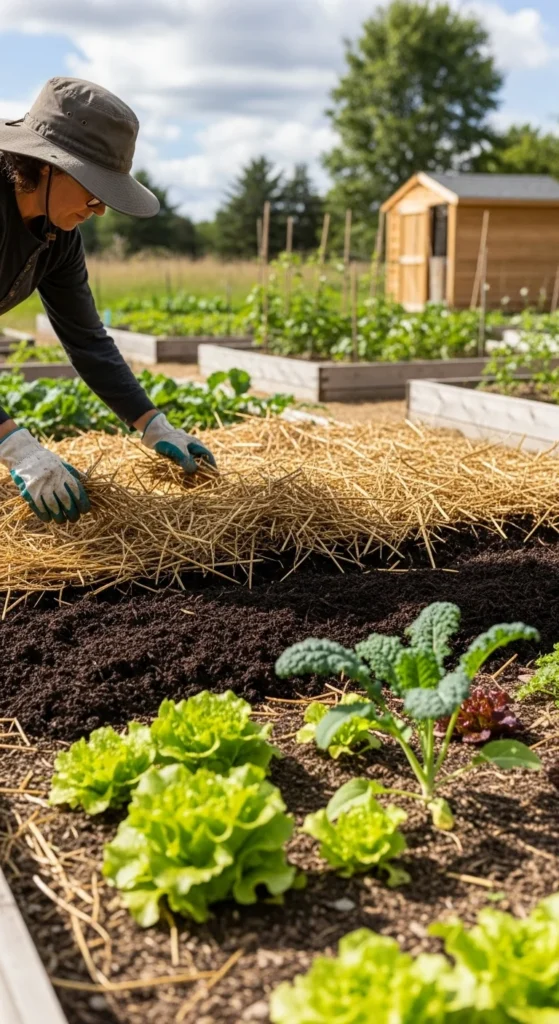
The no-dig method protects soil structure. Instead of turning soil, layer compost and mulch on top. This keeps microorganisms and fungi intact, allowing plants to grow strong roots naturally.
11. Grow Native Plants
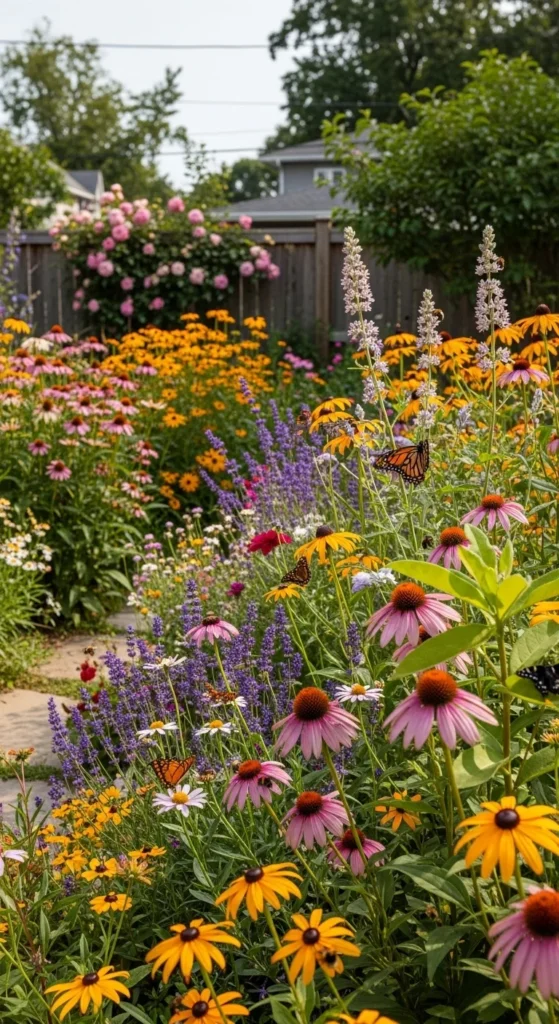
Native plants adapt better to your local climate and attract pollinators. They’re also more drought-tolerant and resistant to pests. Visit a local nursery for species native to your area.
12. Use Natural Pest Controls
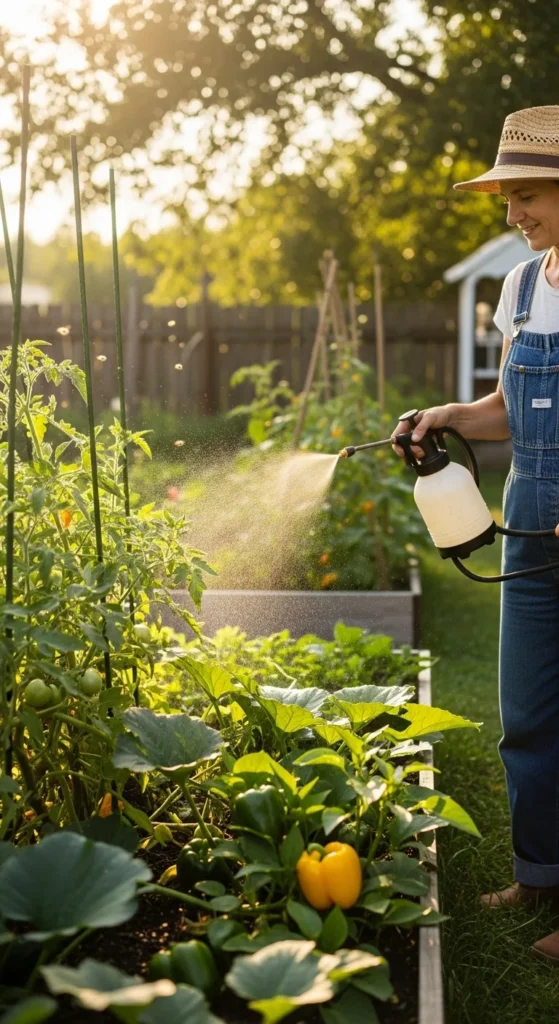
Ditch the chemical sprays. Try neem oil, garlic spray, or a soap-water mix to handle insects. For snails, use crushed eggshells around plants. These small changes keep your garden pest-free and chemical-free.
13. Save Your Own Seeds
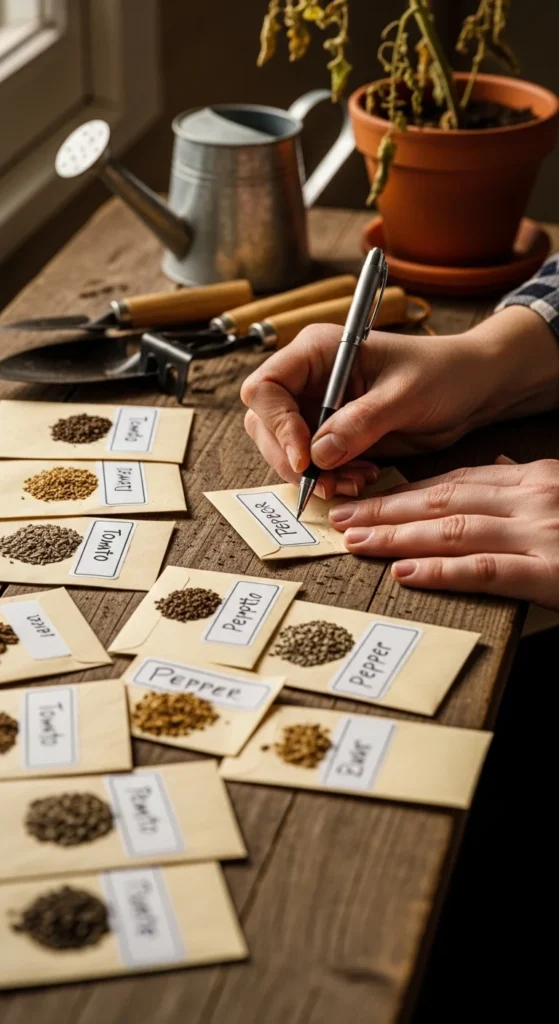
Saving seeds is both fun and sustainable. Let your healthiest plants flower and dry. Collect and store their seeds in paper envelopes. Next season, plant them for free — they’ll adapt to your garden’s soil over time.
14. Attract Birds for Pest Control
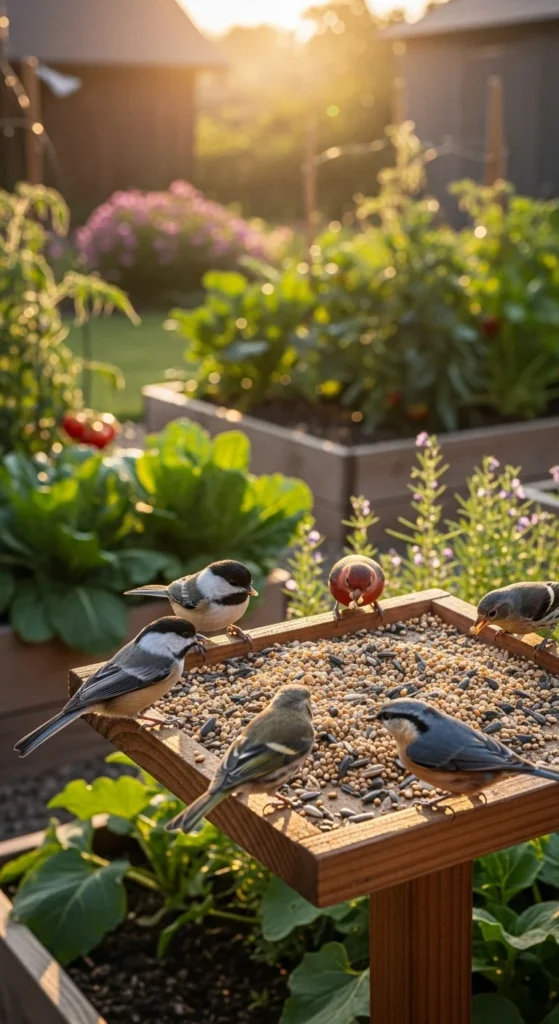
Birds eat caterpillars, aphids, and beetles. Hang feeders or birdhouses near your garden to invite them in. Provide fresh water in shallow bowls to keep them around.
15. Rotate Cover Crops
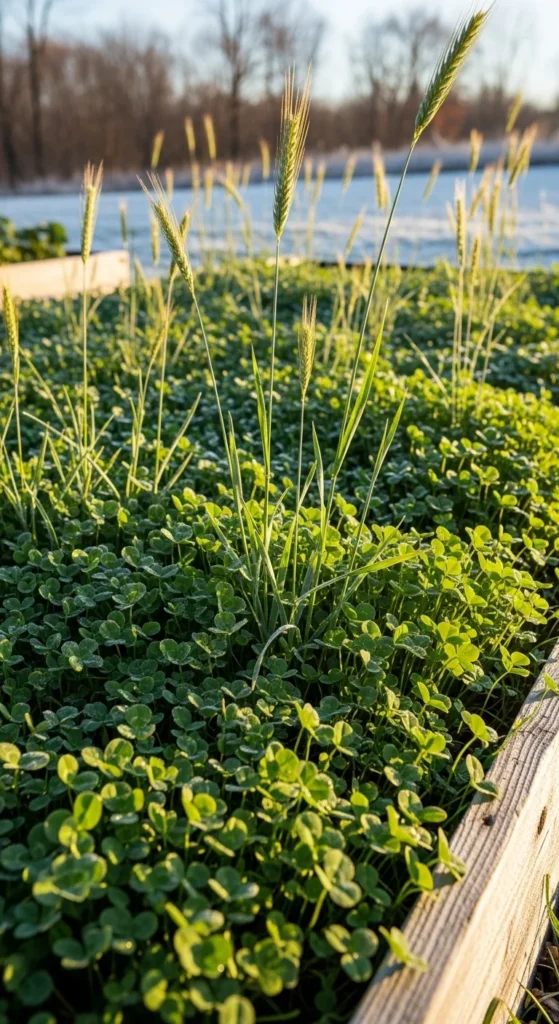
Cover crops like clover or rye protect and restore soil between growing seasons. They add nitrogen and prevent erosion. Once grown, cut them down and let them decompose in place.
16. Use Raised Beds
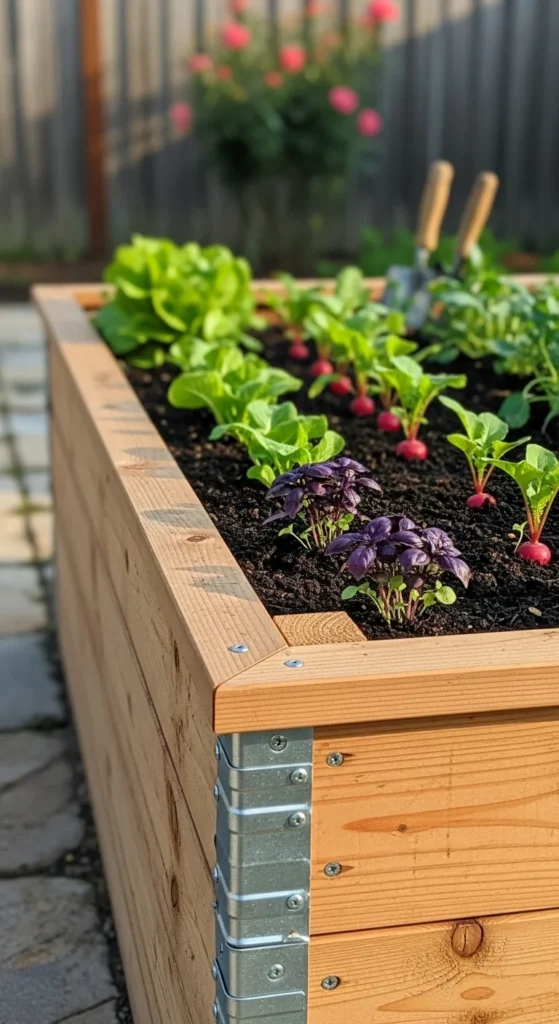
Raised beds improve drainage, warm up faster, and make it easier to manage weeds. Use untreated wood or stone to frame them. You can fill them with organic compost for rich, loose soil.
17. Recycle Kitchen Scraps
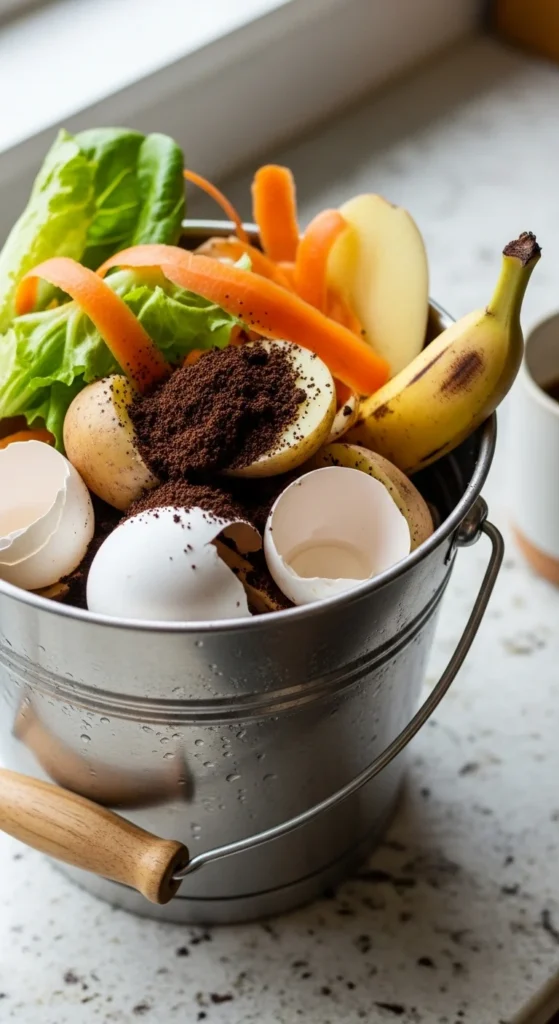
Turn everyday waste into soil food. Save vegetable peels, coffee grounds, and eggshells for your compost pile. It reduces waste and keeps your garden nutrient-rich.
18. Use Green Manure
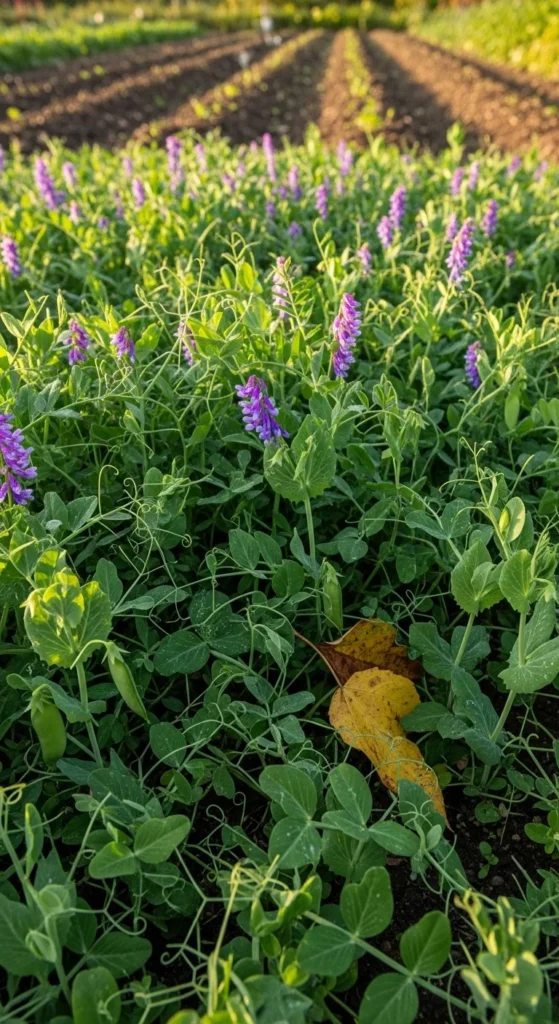
Green manure plants, like vetch or peas, are grown and tilled back into the soil. They add organic matter and improve texture. It’s a simple way to enrich your garden naturally.
19. Encourage Pollinators
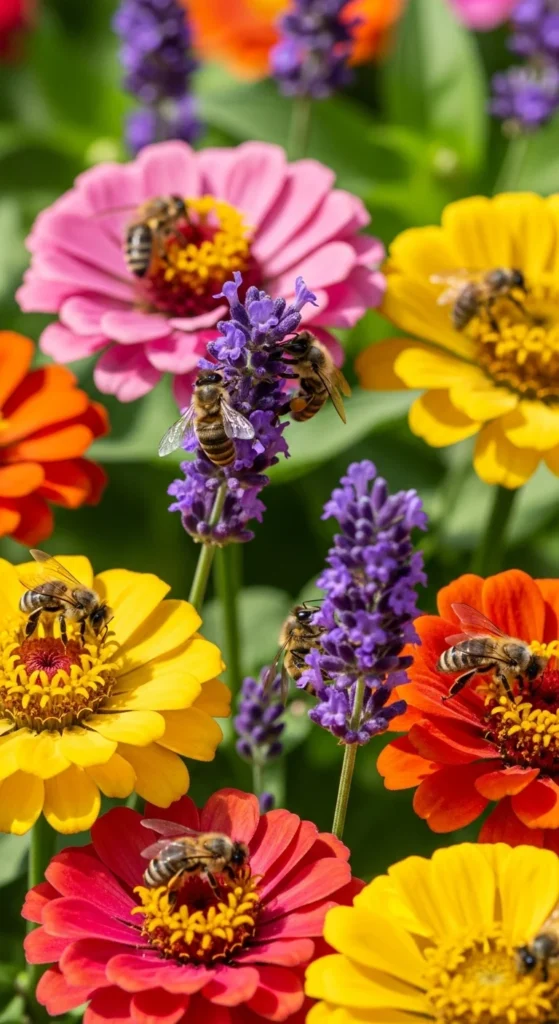
Without pollinators, many vegetables wouldn’t grow. Grow nectar-rich flowers like lavender and zinnias near your crops. Avoid pesticides that might harm bees and butterflies.
20. Solarize Weedy Areas
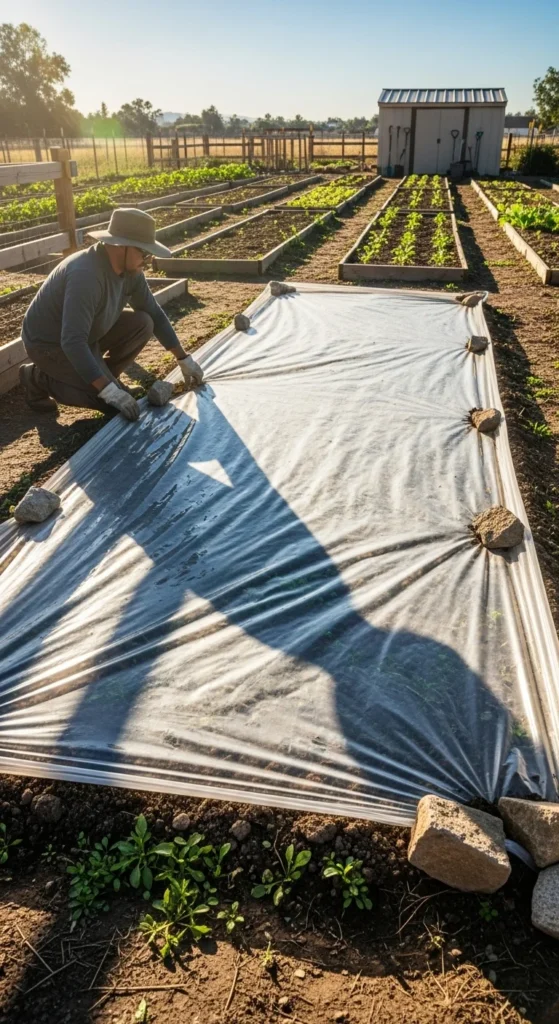
Solarization is an organic way to kill weeds. Cover weedy areas with clear plastic for 4–6 weeks in summer. The heat from the sun sterilizes the soil and eliminates unwanted growth.
21. Add Biochar to Soil
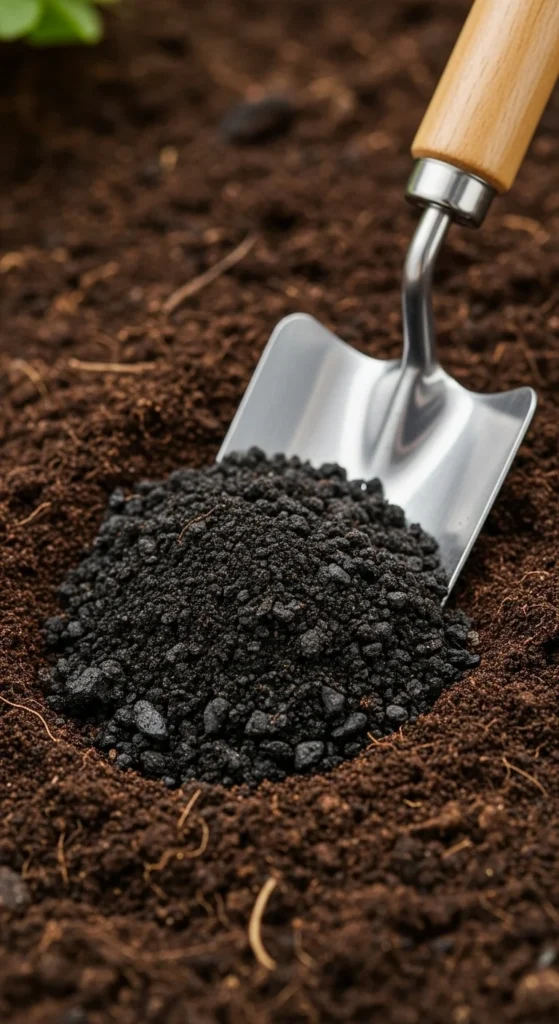
Biochar improves soil structure and holds nutrients. You can make it by charring wood in a low-oxygen setup or buy ready-made. Mix small amounts into your beds for long-term benefits.
22. Plant Perennials
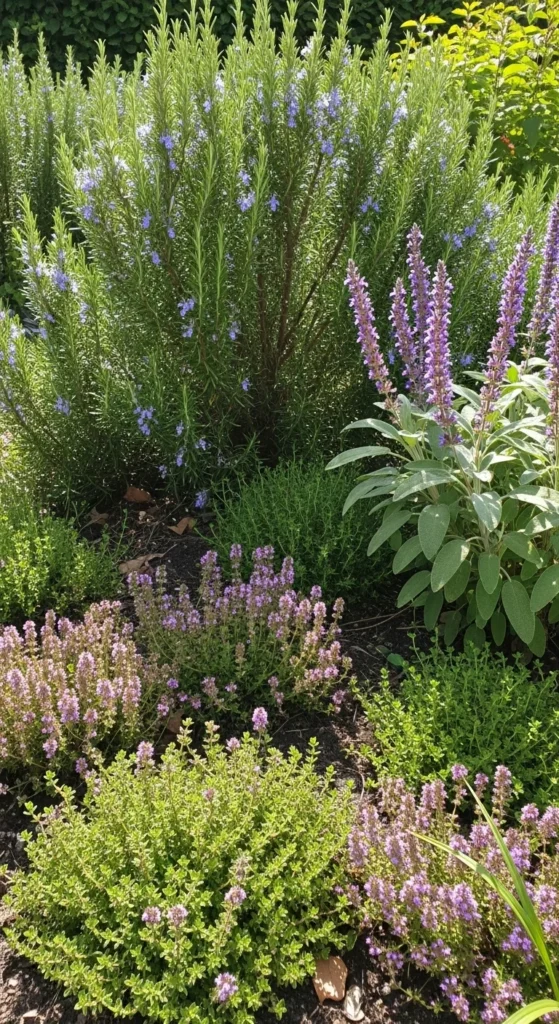
Perennials return each year and need less work. Herbs like rosemary and thyme or crops like asparagus grow season after season. They save you effort while improving soil stability.
23. Reuse Greywater Safely
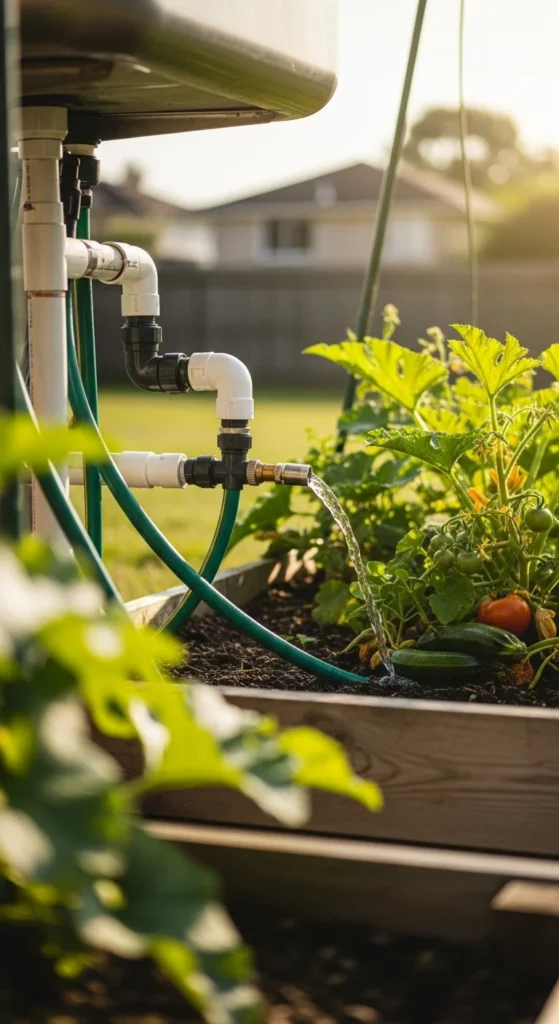
Water from sinks or showers (without harsh detergents) can be reused in the garden. Use it for ornamentals or non-edible plants. It saves water and cuts utility costs.
24. Grow Green Borders
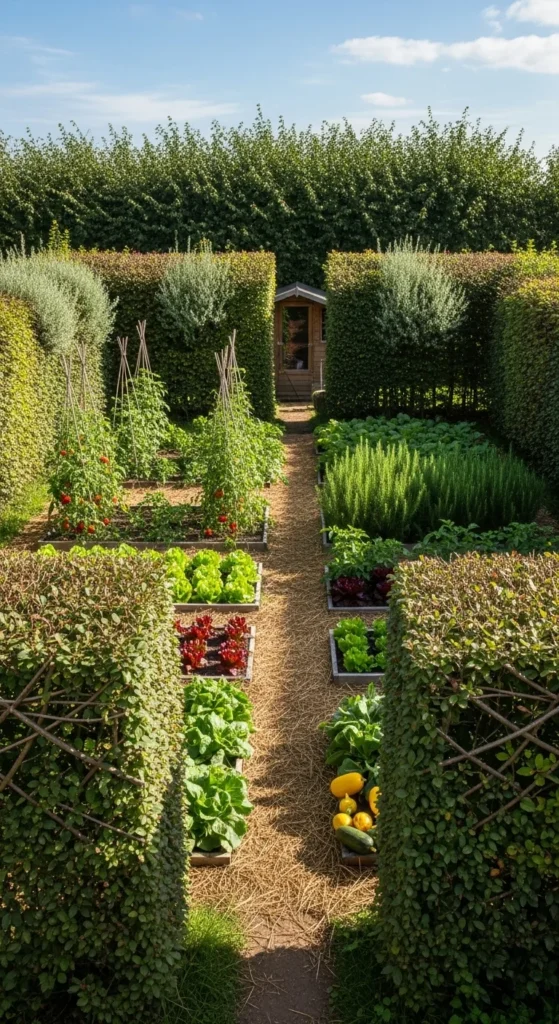
Wind can dry out soil quickly. Plant shrubs or small trees around your garden as natural windbreaks. They also provide habitats for pollinators and birds.
25. Make Homemade Fertilizer
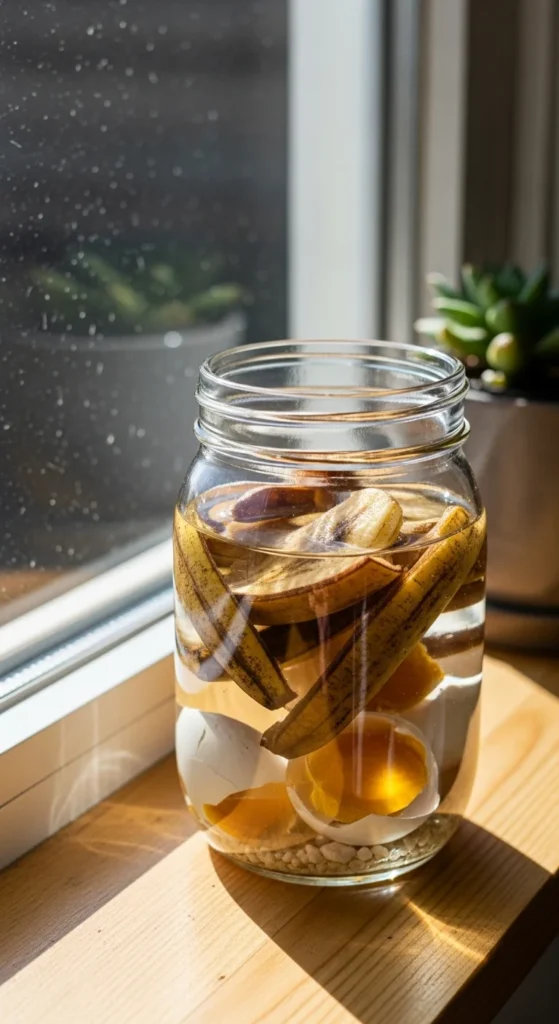
Mix banana peels, eggshells, or coffee grounds in water for a simple fertilizer. Let it sit for a few days, strain, and use it on your plants. It’s free and effective.
26. Compost Fallen Leaves
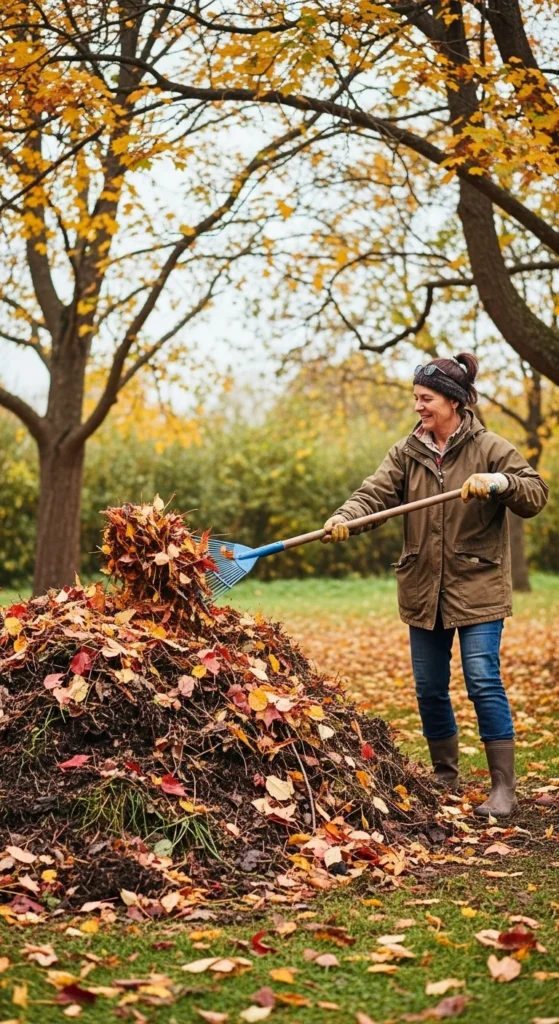
Don’t throw away leaves — compost them instead. They break down slowly and add essential minerals to your soil. Mix dry leaves with green waste for a balanced pile.
Conclusion
Growing organically is about respecting the natural cycle of your garden. These 26 methods help you create soil that thrives on its own — no chemicals, no shortcuts. Start small with composting or companion planting, and you’ll soon notice stronger plants, better yields, and richer soil. With a bit of patience, your garden will reward you with a harvest that’s healthy for both you and the planet.

Leave a Reply