

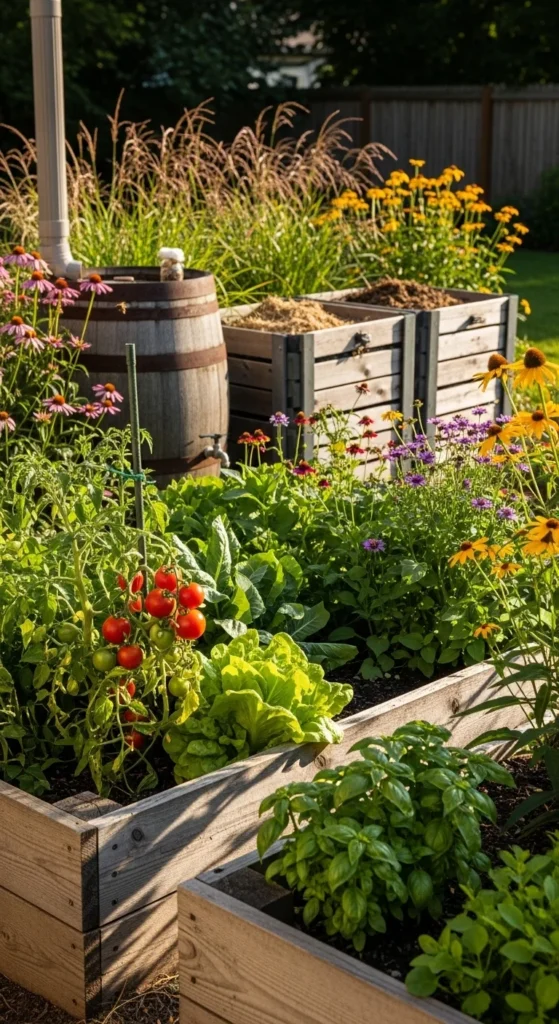
Gardening doesn’t have to harm the environment—it can help heal it. By practicing sustainable gardening, you can create a thriving outdoor space that supports wildlife, conserves resources, and produces healthy plants naturally. These tips will show you how to garden with less waste, less water, and more harmony with the planet. Whether you’re tending a small balcony garden or a full backyard, these simple ideas can make a big difference.
1. Collect Rainwater
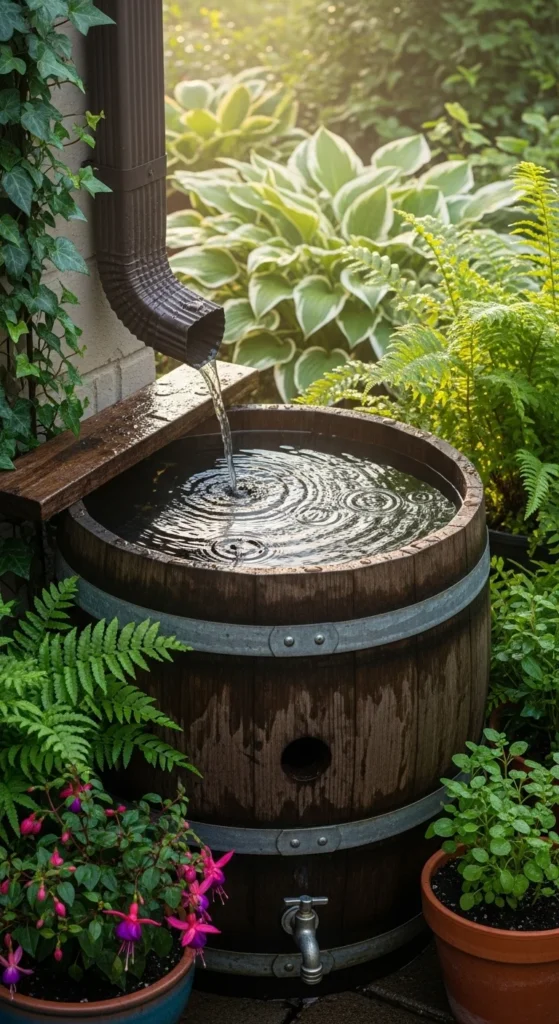
A rain barrel is one of the easiest ways to save water. Position it under a downspout to collect runoff from your roof. You can use this stored water for watering plants or cleaning garden tools. Add a mesh lid to keep out debris and mosquitoes. It’s cost-effective, eco-conscious, and perfect for dry seasons when conserving water matters most.
2. Compost Your Kitchen Scraps
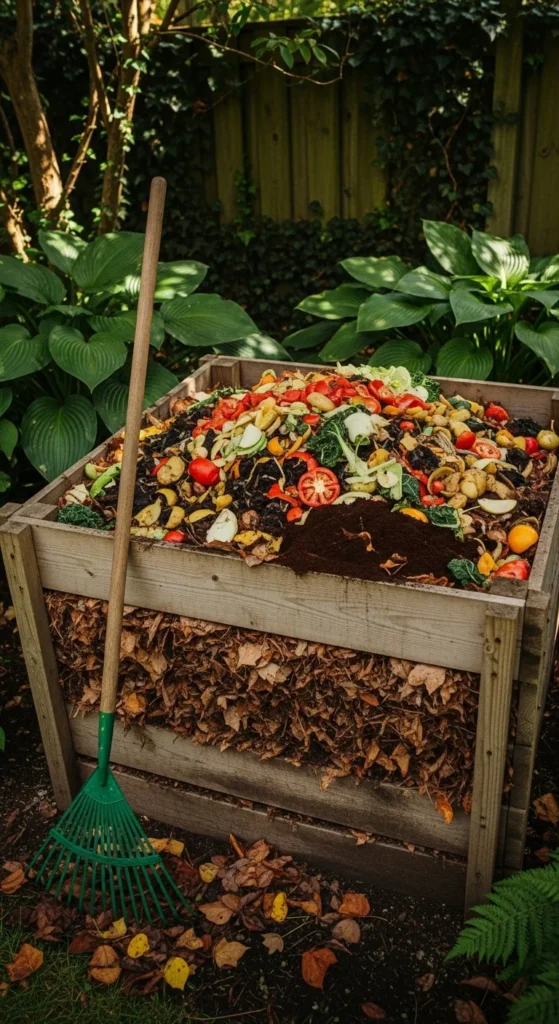
Turn your kitchen scraps into compost instead of throwing them away. Combine fruit and veggie peels, eggshells, coffee grounds, and yard waste. Over time, they break down into rich organic soil. Use a bin or a simple pile. Mix occasionally for air circulation. You’ll cut landfill waste and give your plants a steady supply of natural fertilizer.
3. Choose Native Plants
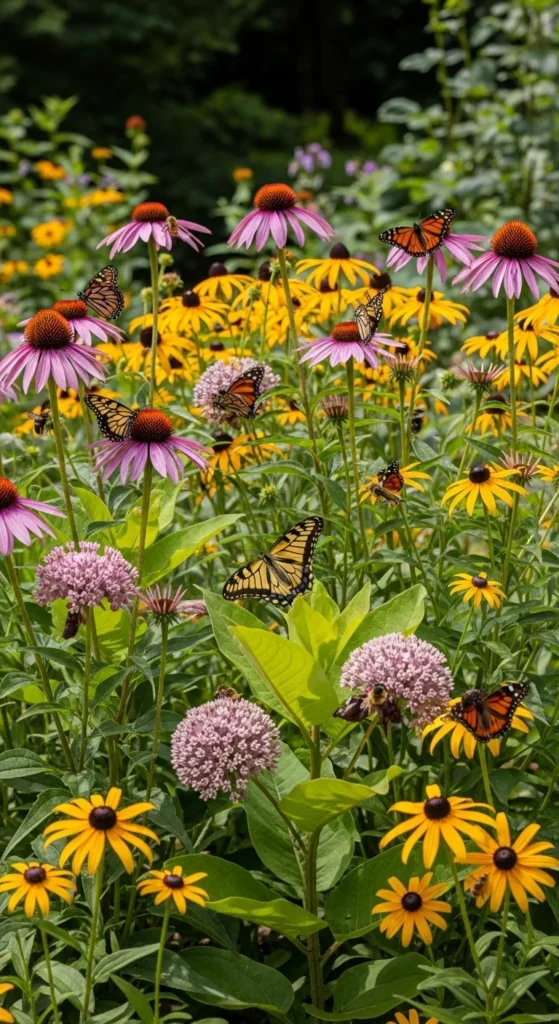
Native plants thrive without extra water or chemicals. They’ve adapted to your region’s soil and climate, making them resilient and low-maintenance. Plus, they support pollinators and local wildlife. Visit a local nursery or native plant center to discover which species work best in your area.
4. Use Organic Mulch
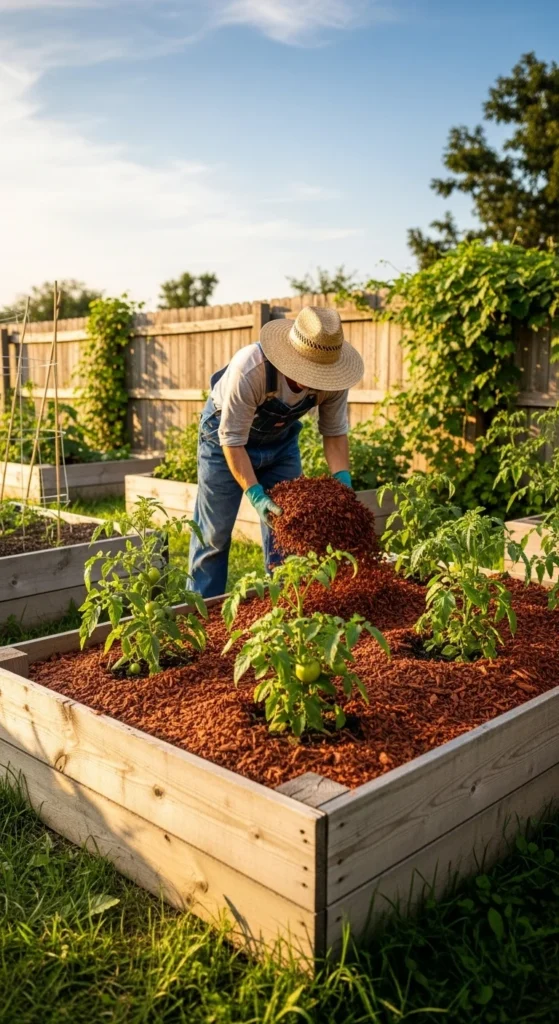
Mulch locks in soil moisture, keeps weeds under control, and improves fertility as it decomposes. Spread a layer of organic mulch such as straw, bark, or shredded leaves. Avoid dyed or synthetic options. Keep it a few inches from plant stems to prevent rot. This small change keeps your soil healthy and your water usage lower.
5. Grow Your Own Food
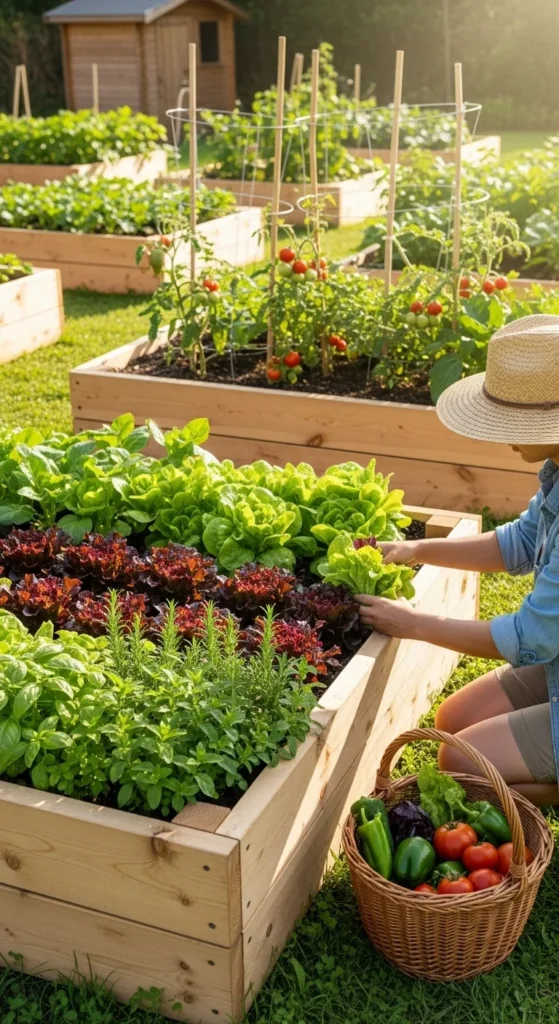
Growing food at home reduces packaging waste and long-distance shipping. Start small—herbs, greens, or a tomato plant in a container. You’ll enjoy healthier meals while reducing your carbon footprint. Use compost and rainwater for even more sustainable results.
6. Avoid Chemical Pesticides
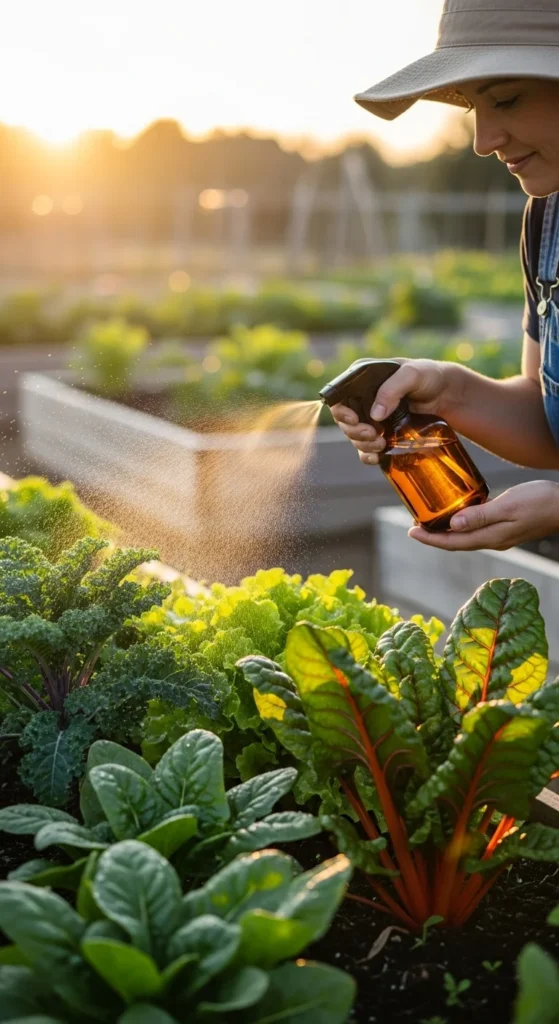
Replace harmful chemicals with natural pest control. Try neem oil, garlic spray, or insecticidal soap. Encourage beneficial insects like ladybugs and lacewings that feed on aphids. Plant marigolds near vegetables—they naturally deter pests. This keeps your garden and local ecosystem safer.
7. Reuse Greywater
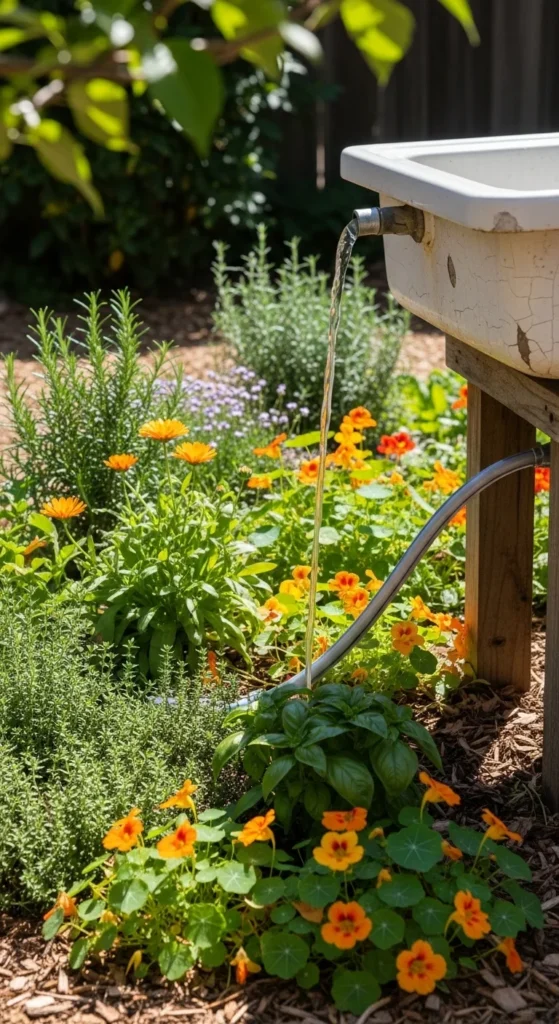
Use leftover water from washing vegetables or rinsing dishes (without harsh soap) for non-edible plants. A basic greywater system can help irrigate your garden and reduce waste. Avoid reusing water that contains bleach or chemicals. Even a bucket system can make a difference.
8. Plant Trees for Shade
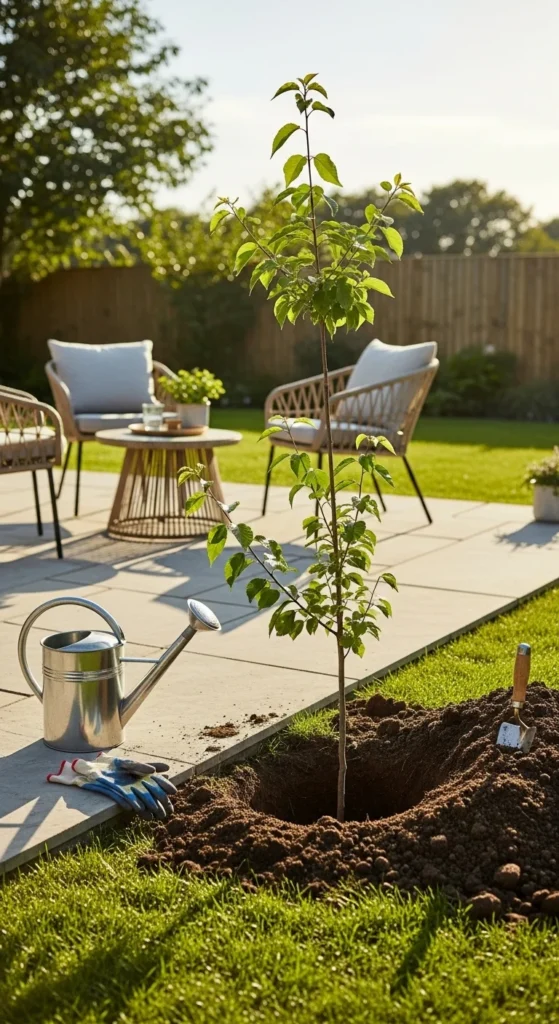
Trees provide natural cooling and reduce evaporation in the garden. They improve air quality and create habitats for birds. Choose species suited to your region and plant strategically to shade your home or garden beds. Over time, they’ll cut your cooling costs and support biodiversity.
9. Start Seeds in Recycled Containers
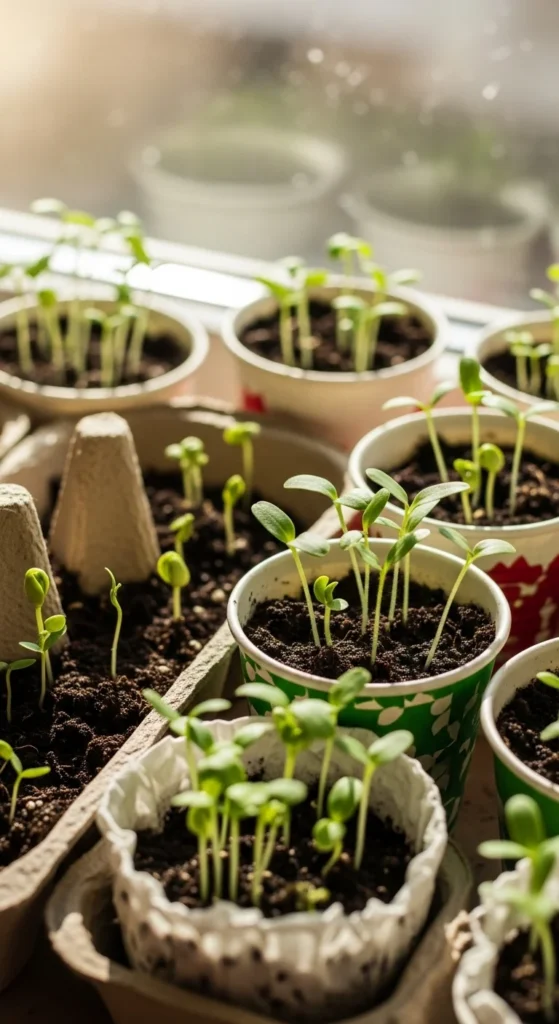
Skip plastic seed trays. Use egg cartons, yogurt containers, or paper rolls instead. Once the seedlings are strong enough, plant them directly into the ground. These biodegradable options are affordable and reduce plastic waste.
10. Rotate Your Crops
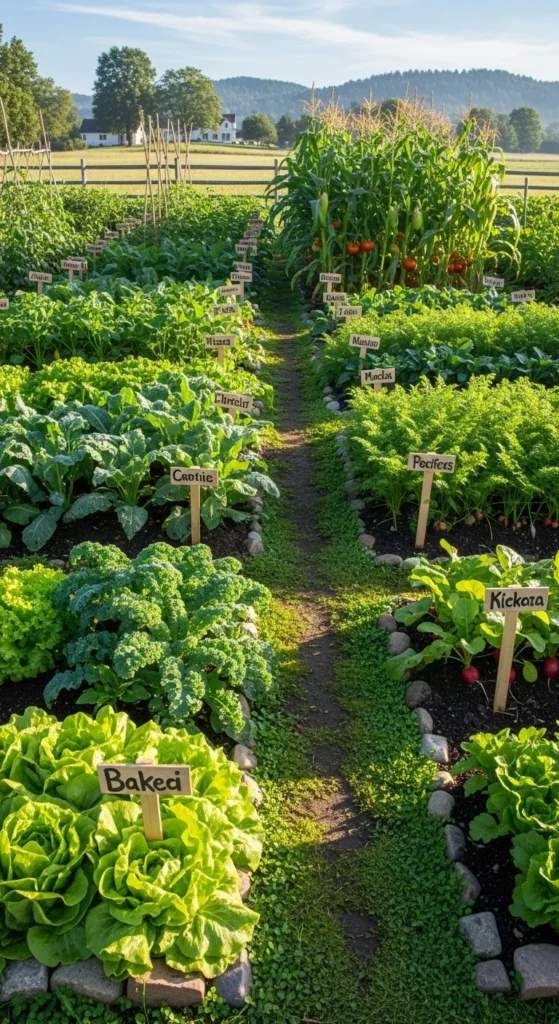
Rotating what you grow each year prevents nutrient depletion and soil diseases. Alternate plant families—like legumes, root vegetables, and leafy greens—to keep the soil balanced. This small habit helps you grow healthier produce without overworking your soil.
11. Save and Share Seeds
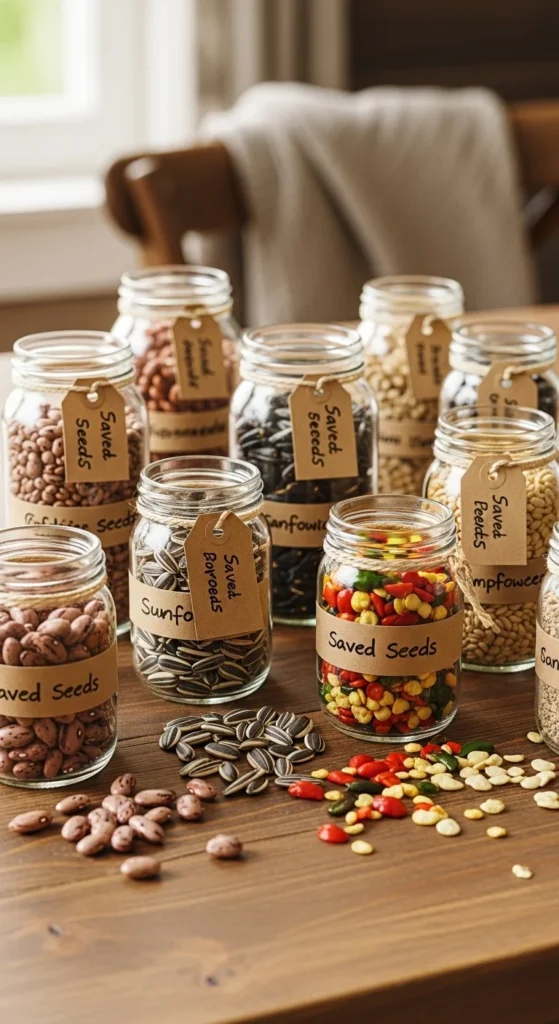
At the end of the season, collect seeds from your best plants. Dry and store them in envelopes or jars. Sharing them with neighbors or joining a local seed swap helps preserve biodiversity and reduce dependency on store-bought seeds.
12. Build Raised Beds with Recycled Materials
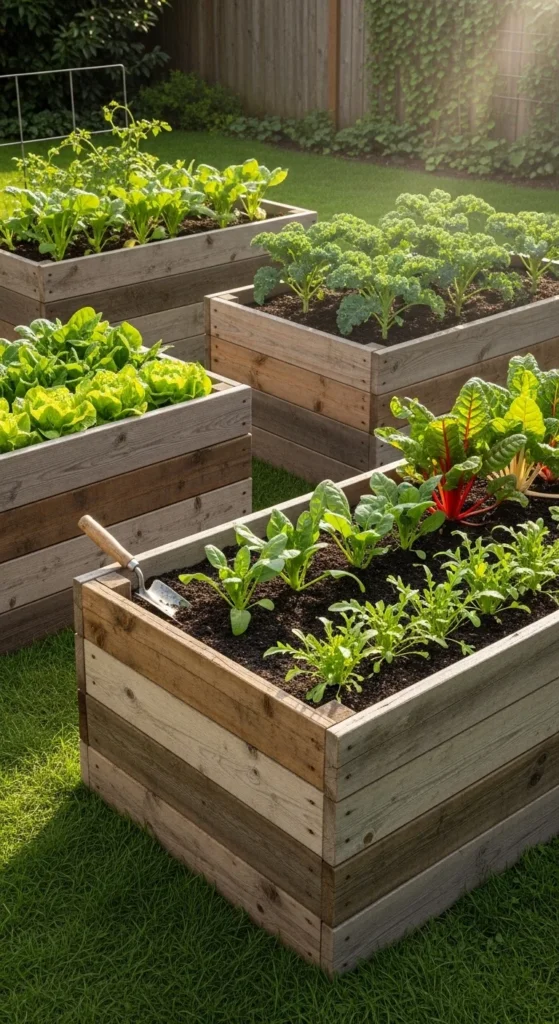
Instead of buying new materials, reuse old wood or pallets for raised beds. It’s budget-friendly and gives discarded materials new life. Raised beds improve drainage and make gardening easier on your back while keeping weeds in check.
13. Grow Pollinator-Friendly Flowers
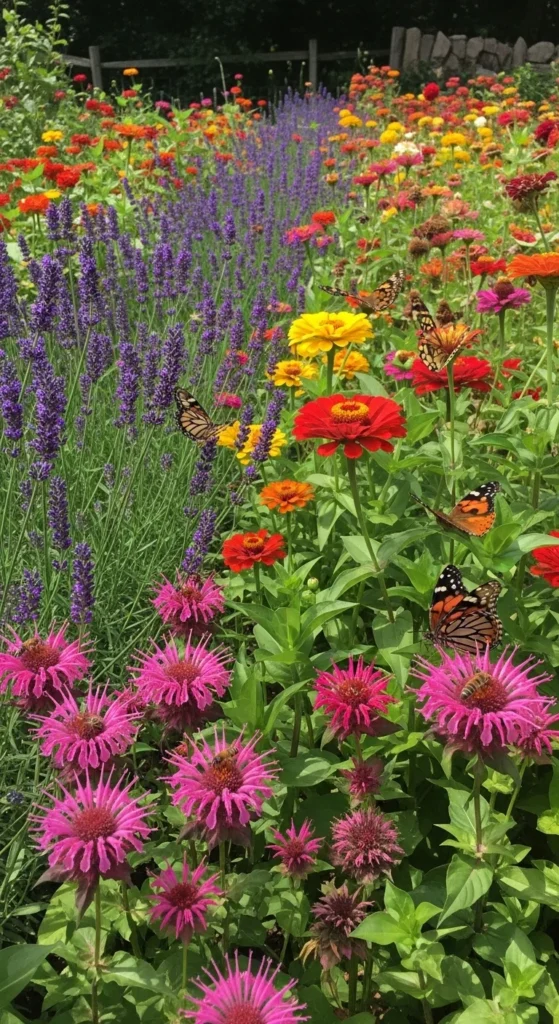
Pollinators keep gardens alive. Plant flowers rich in nectar and pollen, such as lavender, echinacea, and cosmos. Avoid pesticides that can harm bees. Adding a small water dish with pebbles gives them a safe spot to rest and drink.
14. Use Solar Lighting
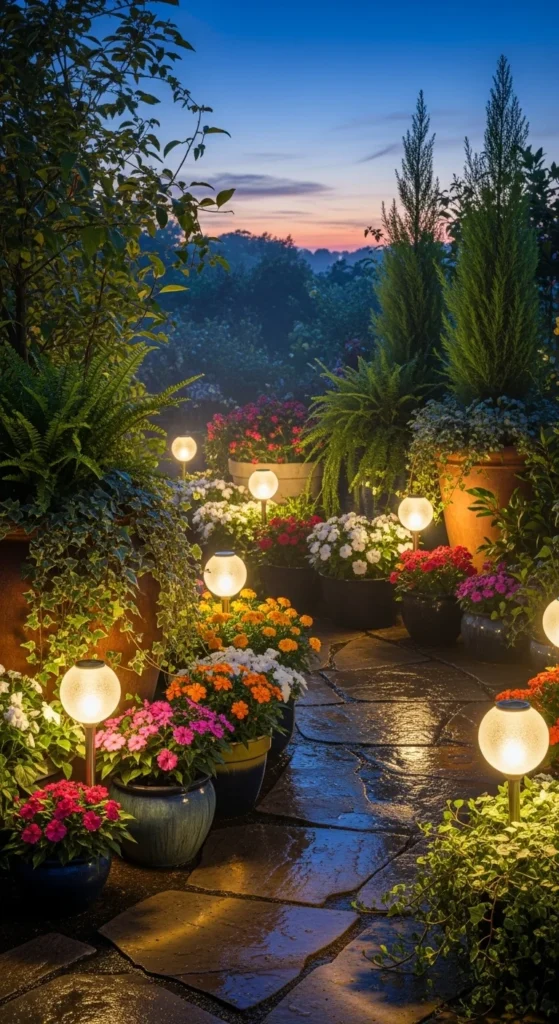
Replace electric or battery-powered lights with solar versions. They charge during the day and shine at night without using extra energy. It’s a simple, eco-friendly way to make your garden cozy and efficient.
15. Create a Wildlife Habitat
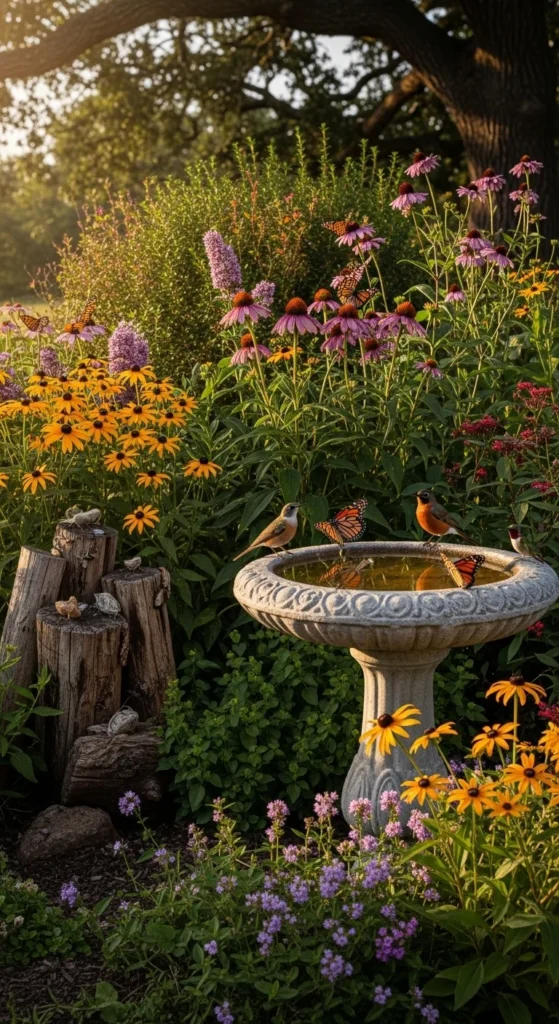
Dedicate a small section of your garden for local wildlife. Add a birdbath, plant dense shrubs, or leave some leaves and twigs on the ground. It encourages birds, frogs, and pollinators to visit and help balance your garden naturally.
16. Use Drip Irrigation
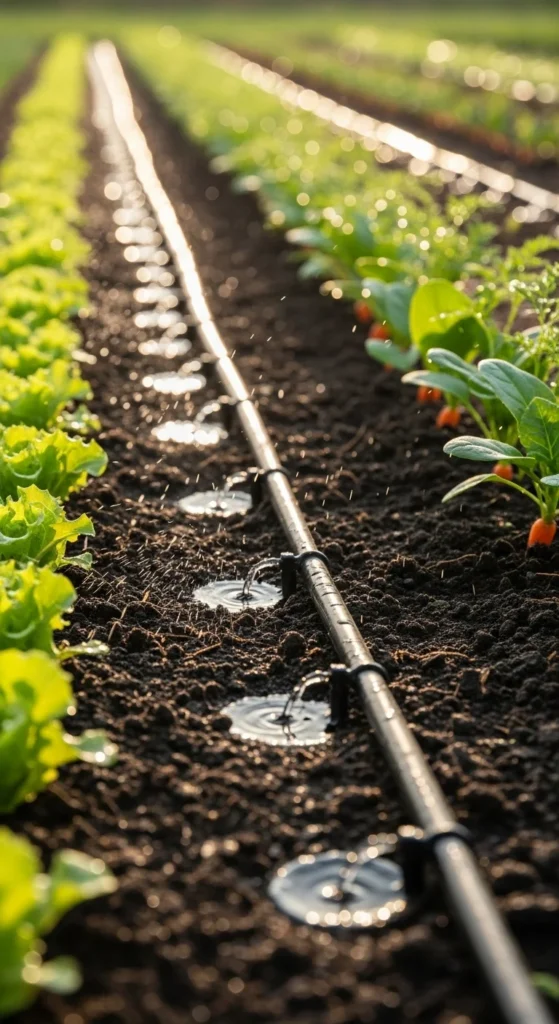
A drip irrigation system delivers water straight to plant roots, reducing evaporation. Install it with a timer to control flow automatically. It saves water, keeps leaves dry, and prevents disease—perfect for hot climates or busy gardeners.
17. Make Natural Fertilizers
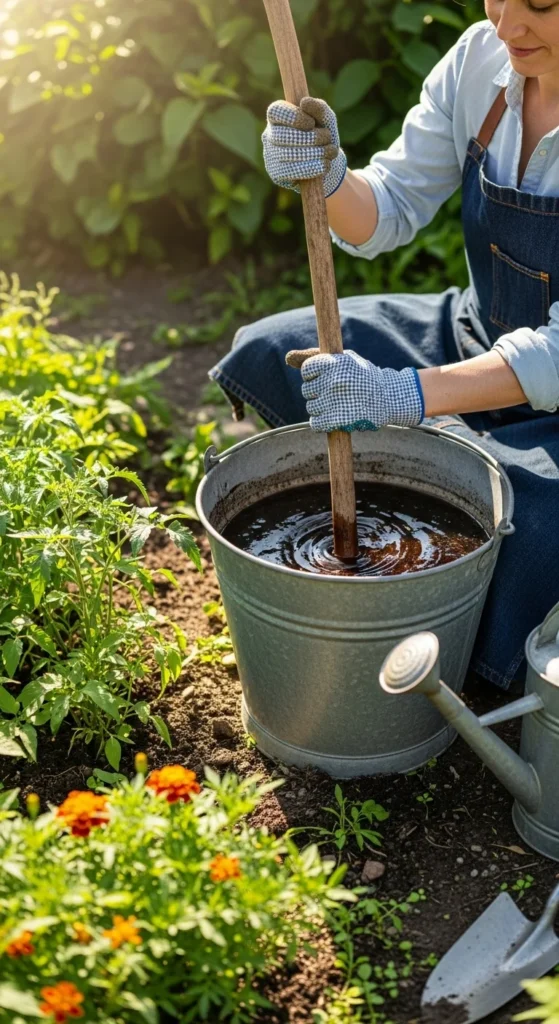
You don’t need synthetic fertilizers. Mix compost tea by soaking compost in water for a few days. Use it to feed your plants naturally. Banana peels, eggshells, and coffee grounds can also enrich soil nutrients inexpensively.
18. Grow Vertical Gardens
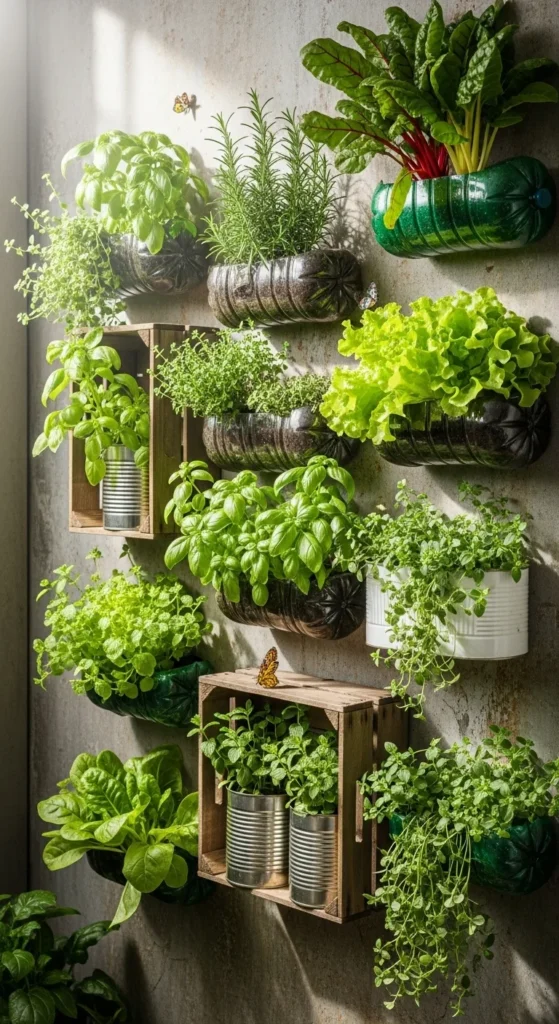
For tight spaces, build vertical gardens using pallets, hanging pots, or wall planters. It saves space and increases plant variety. Great for herbs, lettuce, or small flowers. Add a drip line or self-watering system for easy care.
19. Choose Perennials Over Annuals
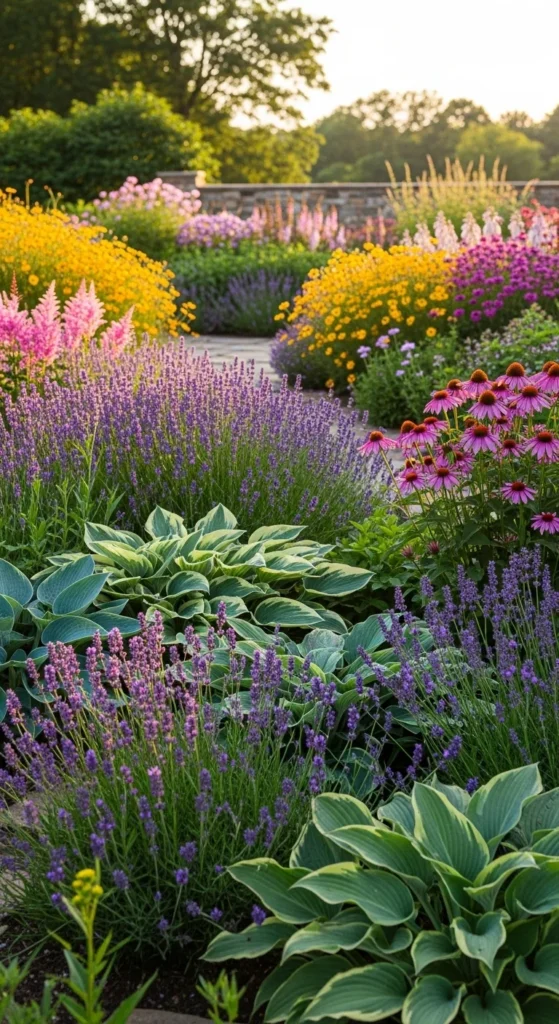
Perennials live for many seasons, saving time and reducing waste. Once established, they use less water and fertilizer than annuals. Mix them with native plants for a vibrant, long-lasting garden design.
20. Avoid Peat-Based Soil Mixes
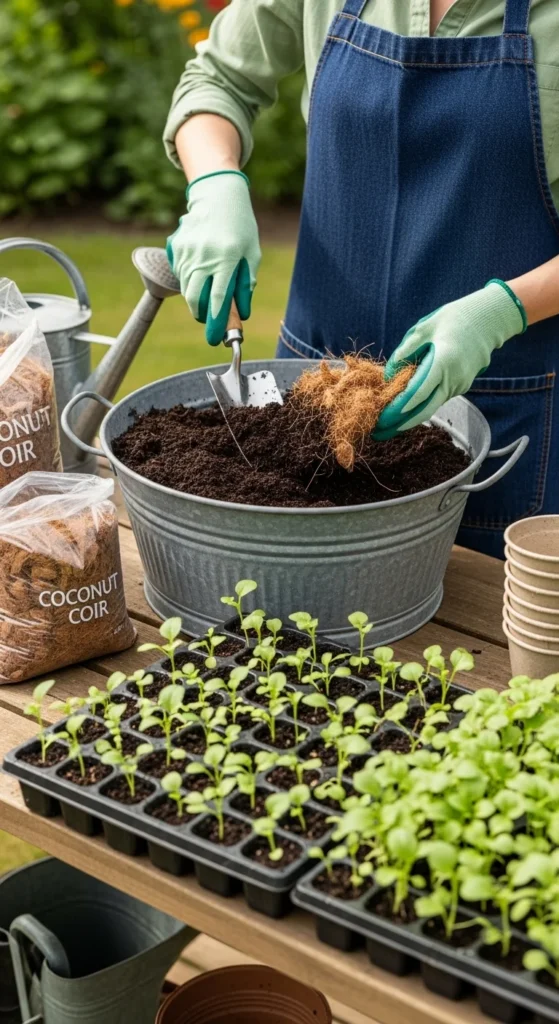
Peat extraction harms wetlands. Use alternatives like coconut coir, compost, or leaf mold. They’re renewable, hold moisture well, and keep soil structure healthy. Many garden centers now offer peat-free potting options.
21. Recycle Fallen Leaves
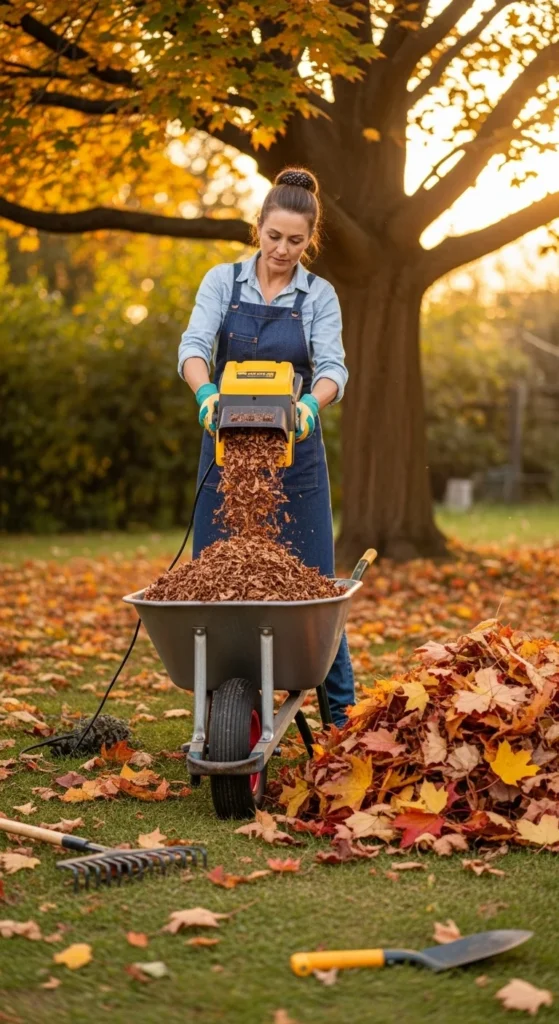
Instead of bagging leaves for disposal, use them as mulch or compost. Shredded leaves improve soil texture and encourage worms. This natural resource from your yard keeps nutrients cycling back into the earth.
22. Share Tools with Neighbors
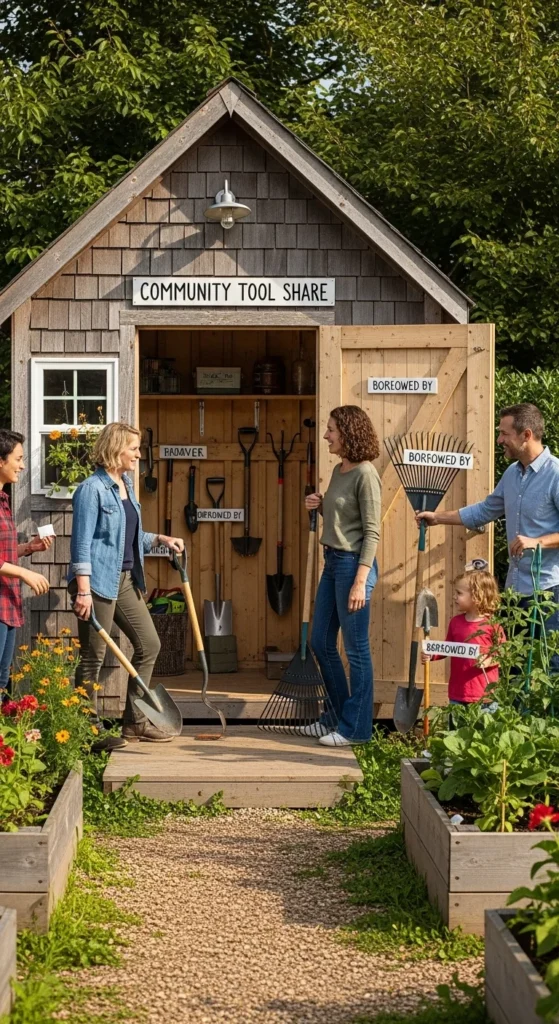
Not everyone needs a full set of tools. Start a tool-sharing circle with nearby gardeners. It reduces manufacturing demand and saves everyone money. You’ll also build a sense of community along the way.
23. Build a Worm Bin
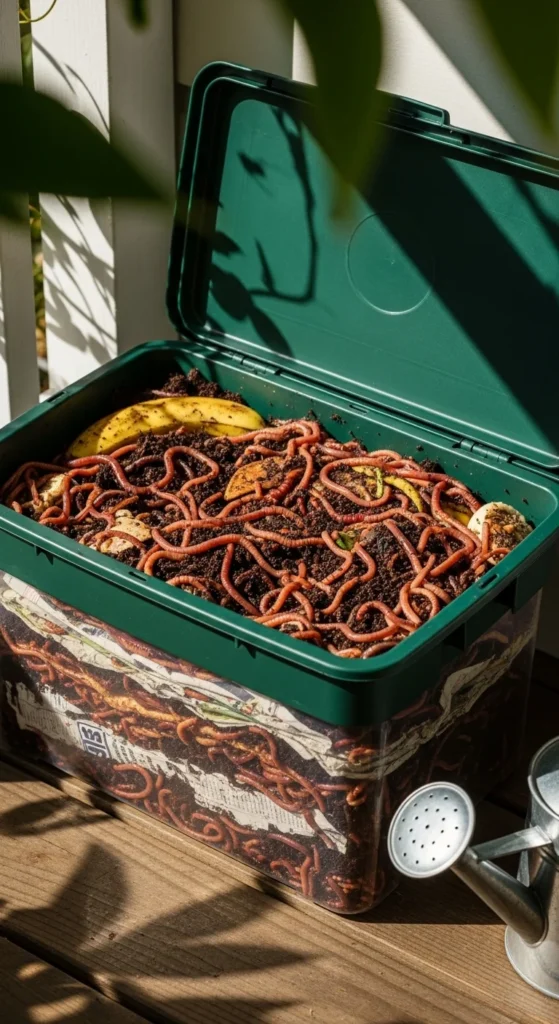
Worms can turn kitchen scraps into rich compost faster than regular bins. A simple plastic bin with holes for air circulation works well. Add shredded paper bedding, worms, and vegetable waste. Within months, you’ll have nutrient-rich worm castings.
24. Use Windbreaks to Protect Plants
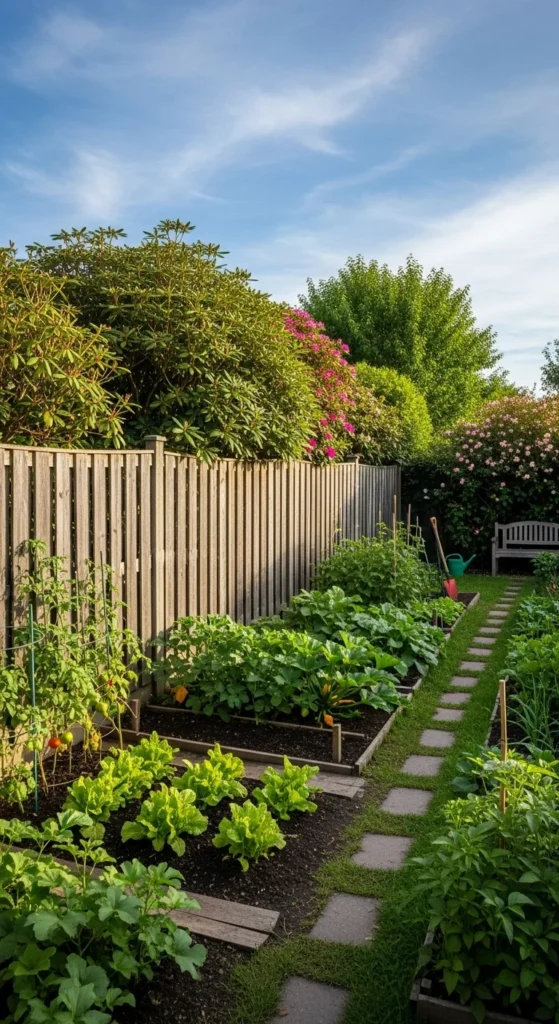
Strong winds dry out plants and erode soil. Plant hedges or set up fences as natural windbreaks. Choose native shrubs—they grow fast and shelter pollinators. This simple trick helps your garden stay resilient.
25. Repurpose Old Containers
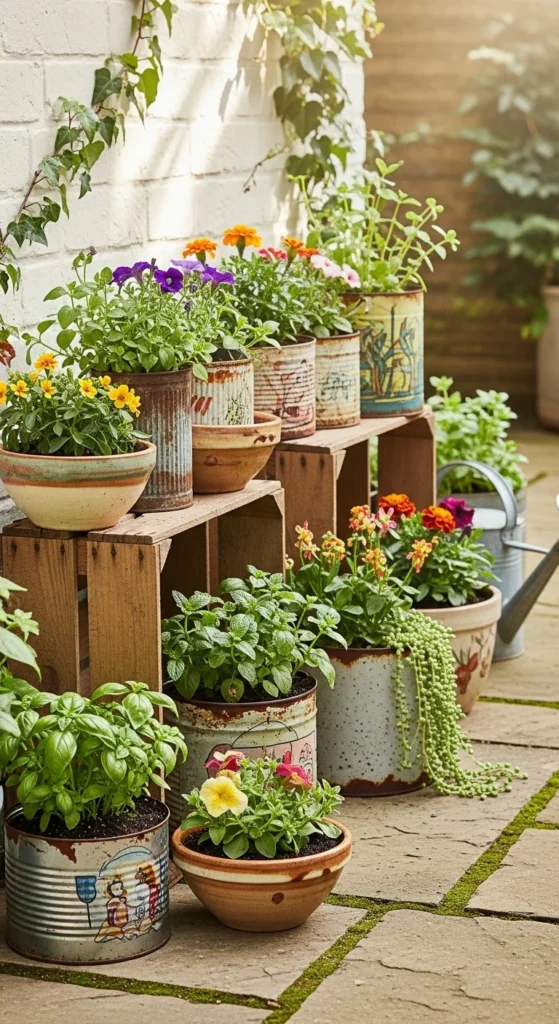
Before buying new planters, check what you can reuse. Tin cans, teapots, or wooden boxes make creative plant containers. Drill drainage holes and give them a fresh coat of paint. It’s sustainable and stylish.
26. Support Local Nurseries
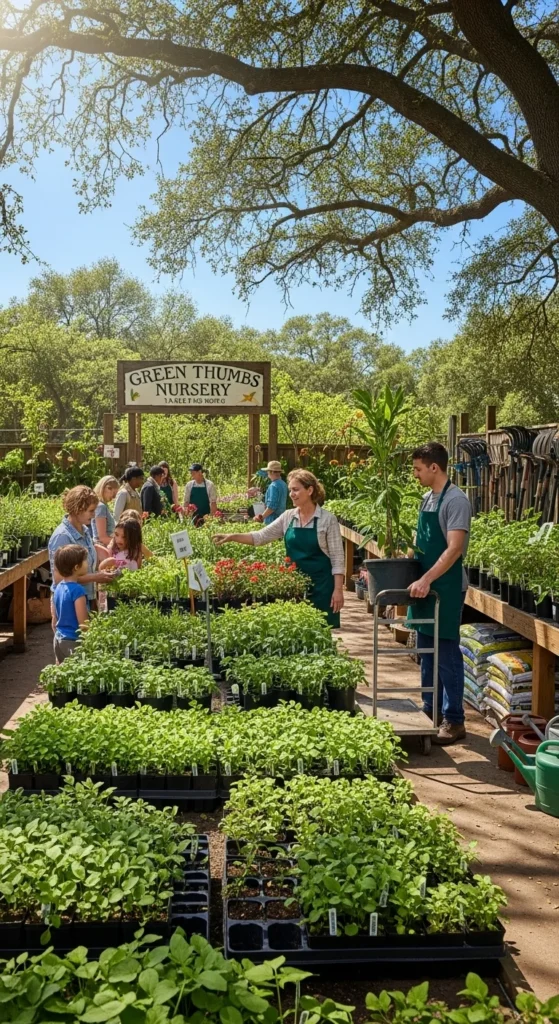
Buying from local nurseries reduces shipping waste and supports your community. Local growers often sell plants that thrive in your area’s conditions. You’ll get stronger plants and helpful advice while keeping your gardening impact lower.
Conclusion
A sustainable garden doesn’t happen overnight—it’s built through thoughtful choices. Each tip, from collecting rainwater to composting, helps create a space that’s beautiful, efficient, and earth-friendly. Start with one or two changes and grow from there. Your efforts will reward you with a thriving garden that supports nature and inspires others to do the same.

Leave a Reply