

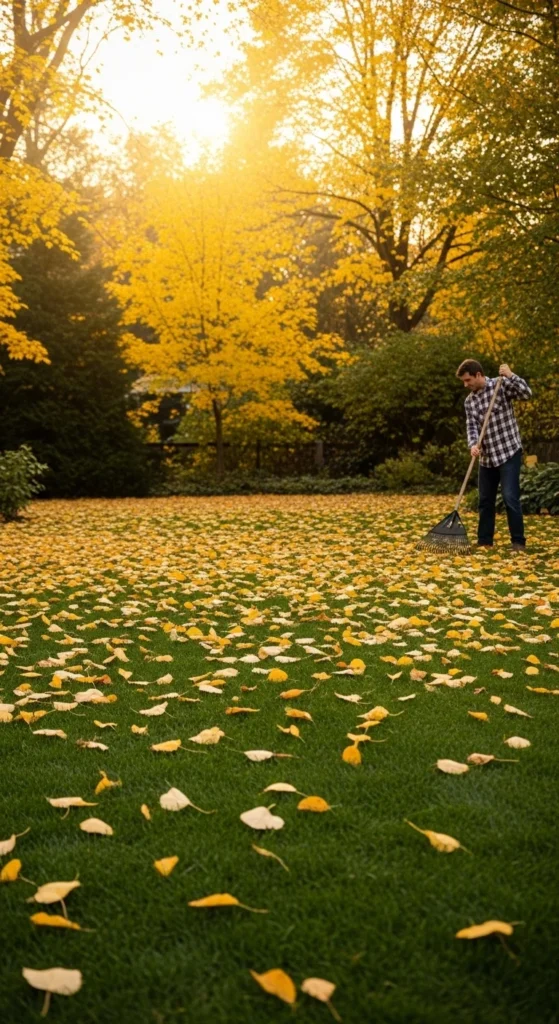
A lush fall lawn doesn’t happen by chance—it’s the result of small, consistent habits that prepare your grass to thrive through winter and return stronger in spring. Whether you’re working with a small yard or a large property, these practical lawn care secrets will help you keep your turf green, thick, and healthy all season long. From simple watering tricks to soil care and DIY fertilizing, each step is easy to do and budget-friendly.
1. Mow High and Often
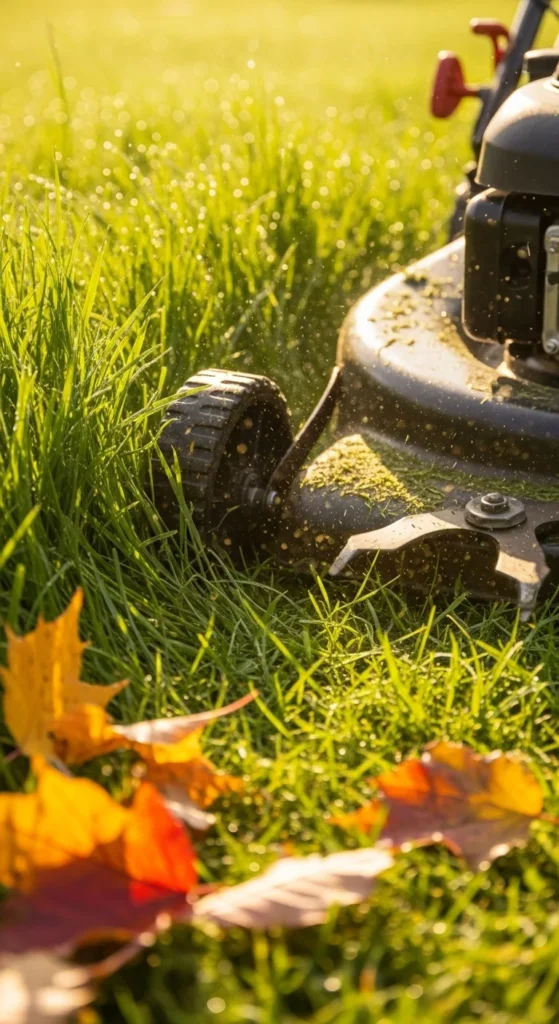
Keep your mower set to a higher level—around 3 inches—to protect grass roots. Taller grass shades the soil, holding moisture longer and preventing weeds from taking over. Avoid removing more than one-third of the blade at a time. Regular mowing helps maintain even growth. If your mower has dull blades, sharpen them; it prevents tearing and keeps the grass healthier. For a budget fix, use a sharpening file at home instead of professional services.
2. Aerate the Soil

Aeration lets oxygen, water, and nutrients reach the roots more easily. Use a manual aerator or rent one from a local hardware store for larger lawns. Fall is perfect because the soil is still warm but not too dry. If you have compacted areas—often near walkways—focus there first. After aerating, water thoroughly to help the soil settle. This single step can dramatically improve root health without expensive treatments.
3. Overseed Thin Patches

Thin areas are common after a hot summer. Scatter cool-season grass seed evenly over bare spots, then lightly rake the surface to cover them. Water daily until sprouts appear. Mixing grass types, like fescue and ryegrass, helps the lawn stay green longer into winter. You can also use a handheld spreader for even coverage—it’s inexpensive and easy to store for future use.
4. Feed with a Fall Fertilizer
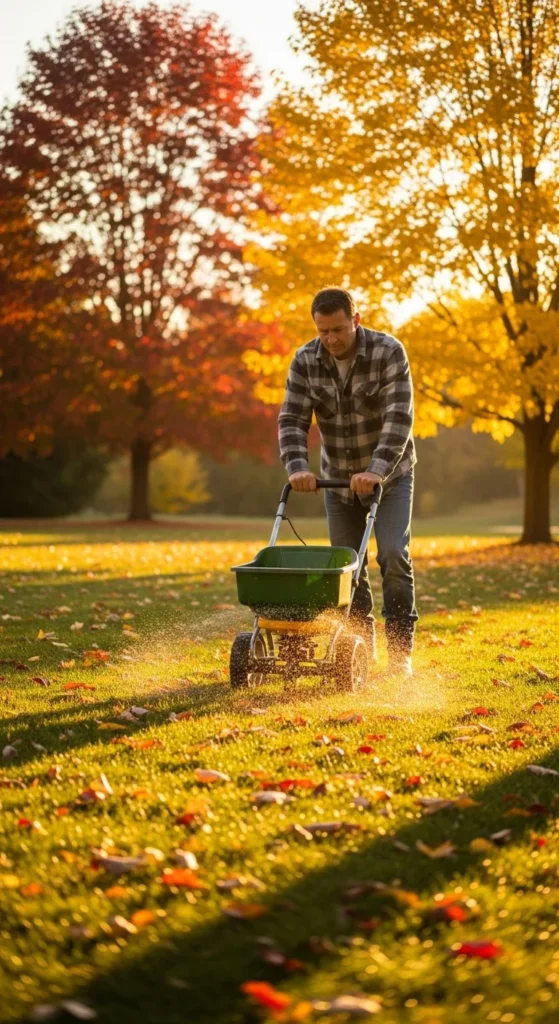
Fall feeding gives your grass nutrients it stores for winter survival. Look for a fertilizer labeled for fall or winterizing—it usually contains more potassium. Apply it after mowing and watering, but before rain, so it can soak in. Stick to recommended amounts to avoid burning the grass. For a cheaper alternative, use compost or organic lawn food.
5. Water Deeply and Less Often
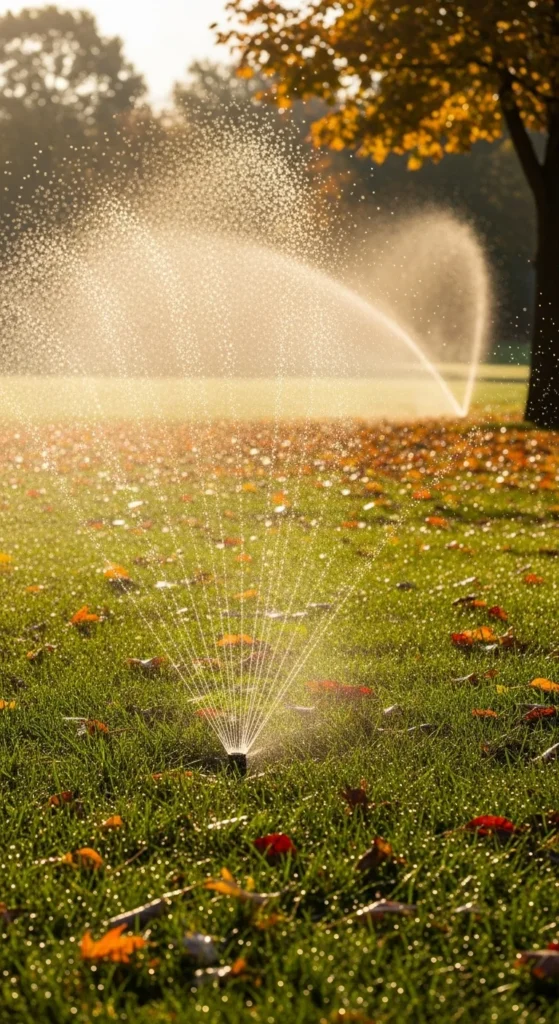
Deep watering trains roots to grow downward. Instead of frequent shallow watering, give the lawn one long soak—about an inch of water once or twice a week. Use a tuna can as a gauge to measure how much water the sprinklers deliver. Early morning watering prevents disease by letting the blades dry during the day. Skip watering right before expected rain to save water and reduce runoff.
6. Rake Regularly

Leaves can suffocate grass if left in layers. Rake often to allow sunlight and airflow. If you prefer less physical work, use a mulching mower—it chops leaves into small bits that decompose quickly. You’ll get free organic matter that nourishes the soil. Compost the rest of your leaves to create rich mulch for spring planting.
7. Fix Bare Spots Fast

Bare spots invite weeds. Mix soil, compost, and seed in a bucket to create a quick DIY patch mix. Spread it evenly, then step lightly to press it down. Water daily until green shoots appear. Covering it with a bit of straw can protect it from birds and hold moisture longer. It’s a cheap and simple weekend project.
8. Control Weeds Early

Weeds compete for nutrients your grass needs. Pull them out when the soil is moist—it makes the roots come out cleanly. You can also apply a selective herbicide, but spot-treat rather than spraying the whole yard. A natural mix of vinegar and dish soap works well on stubborn patches. Keep an eye on borders and flowerbeds, where weeds tend to creep in unnoticed.
9. Mulch Instead of Bagging

Instead of bagging grass clippings, leave them on the lawn to act as natural fertilizer. They break down quickly and feed nitrogen back into the soil. This not only saves you work but also reduces landfill waste. If clippings are thick, mow more frequently or use a mulching blade for finer texture.
10. Test Your Soil
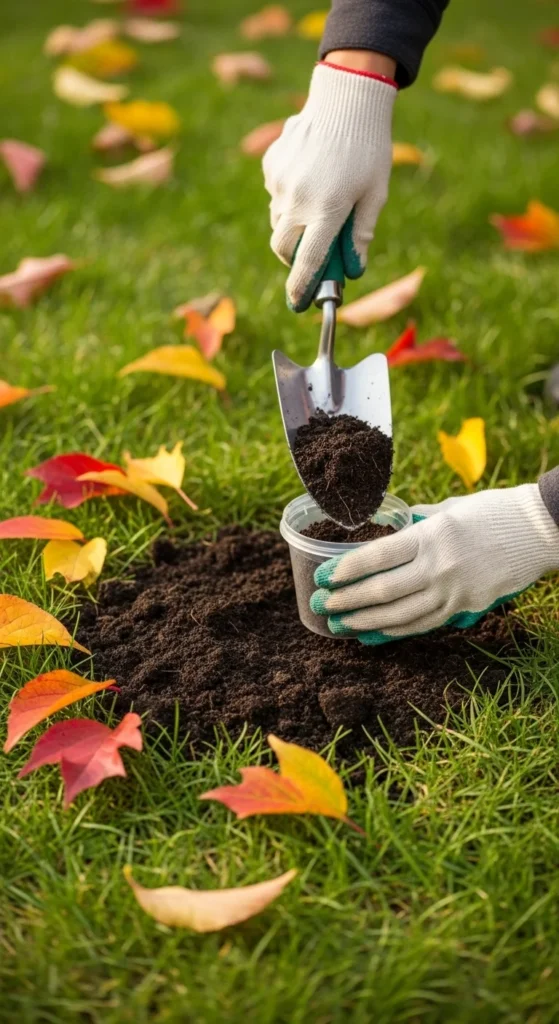
Healthy lawns start with balanced soil. Use a soil test kit (available at garden centers) to measure pH and nutrient levels. Grass prefers slightly acidic soil (around 6.0–7.0 pH). If results show imbalance, add lime or sulfur accordingly. Testing costs under $20 but helps you make smarter fertilizer choices, saving money long-term.
11. Edge Your Lawn
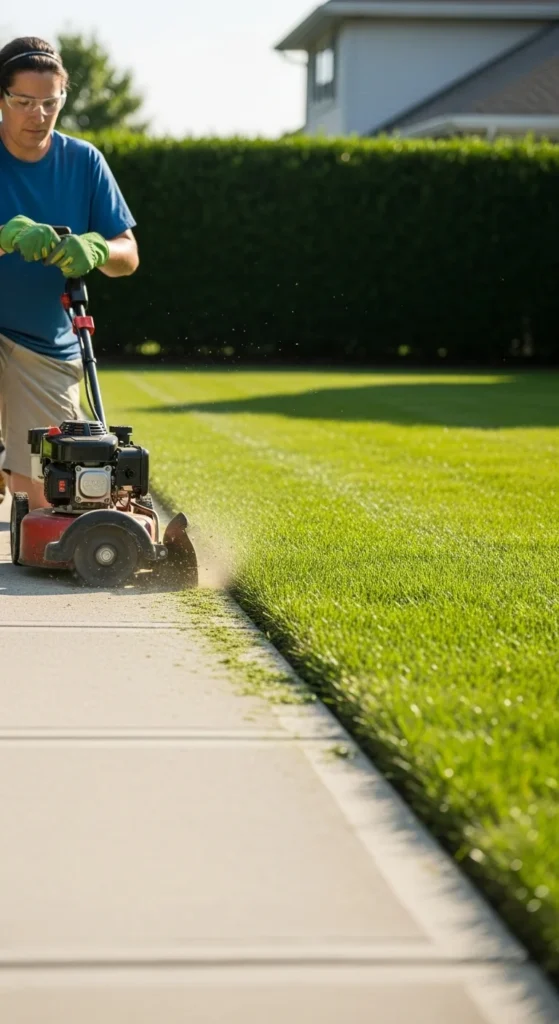
Edging defines your yard and prevents grass from spreading into flowerbeds or sidewalks. Use a manual edger for small spaces—it’s inexpensive and easy to handle. For larger yards, try a string trimmer with an edging attachment. Clean edges instantly make your lawn look tidy, like a professional finish after mowing.
12. Manage Lawn Traffic

Heavy foot traffic compacts soil, making it harder for roots to grow. Rotate play areas or add stepping stones where people walk often. If you notice thin spots in high-traffic zones, reseed and protect them temporarily with garden fencing. Keeping shoes off the grass during wet days can also prevent unnecessary damage.
13. Trim Around Trees and Fences

Grass near trees or fences often grows unevenly. Use a trimmer for clean edges without nicking bark or posts. Add mulch around tree bases to protect roots and reduce mowing effort. This quick maintenance step gives the entire yard a more polished look and keeps your lawn equipment running longer by preventing wear.
14. Compost Your Grass Clippings
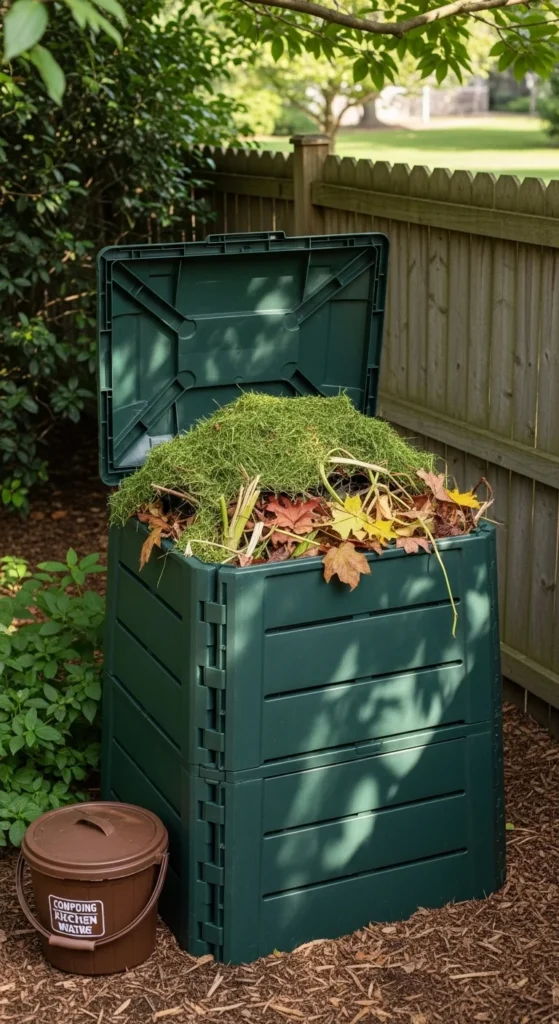
Instead of tossing clippings, compost them with dry leaves and kitchen scraps. Layering green and brown material speeds decomposition. The finished compost enriches garden beds naturally. It’s a cost-free way to recycle organic matter while reducing your trash output.
15. Sharpen Lawn Tools

Sharp blades cut cleanly, preventing torn edges that brown quickly. Check and sharpen mower blades, trimmers, and shears before heavy fall use. You can do it at home with a simple metal file or sharpening stone. Keeping tools sharp also saves gas or battery power because the equipment doesn’t struggle as much.
16. Apply Compost Tea
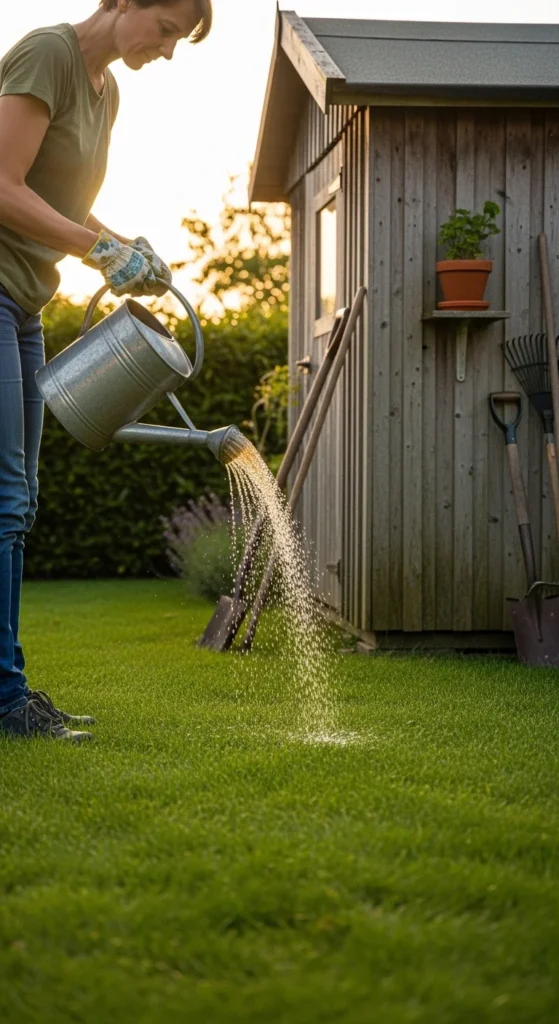
Compost tea is a liquid nutrient boost made by steeping compost in water for 24 hours. Pour it over your lawn to feed microbes that improve soil structure. It’s inexpensive and environmentally friendly. Apply it monthly during fall to help roots grow stronger before winter dormancy.
17. Dethatch When Needed
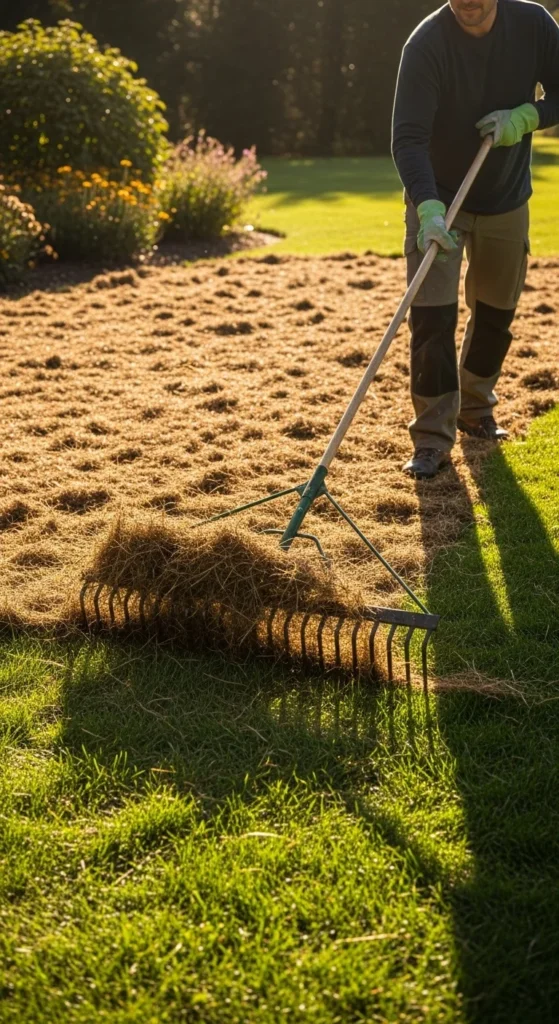
Thatch is a layer of dead roots and stems that blocks nutrients. Use a dethatching rake or power rake if it’s thicker than half an inch. Once removed, your lawn breathes again, and water absorption improves. It’s a simple once-a-year project that keeps the yard greener for months.
18. Add Fall Mulch to Borders

Fresh mulch protects plant roots from frost and gives your lawn edges a finished appearance. Use shredded leaves or wood chips—both are affordable and easy to find. Apply a 2–3-inch layer but keep it slightly away from stems to avoid rot. It also suppresses weed growth well into spring.
19. Adjust Mower Patterns

Change mowing direction each week to prevent ruts and promote upright grass growth. It also helps sunlight reach every angle of the blades. This trick gives your yard that eye-catching striped pattern often seen on golf courses—no extra cost required.
20. Watch the Weather
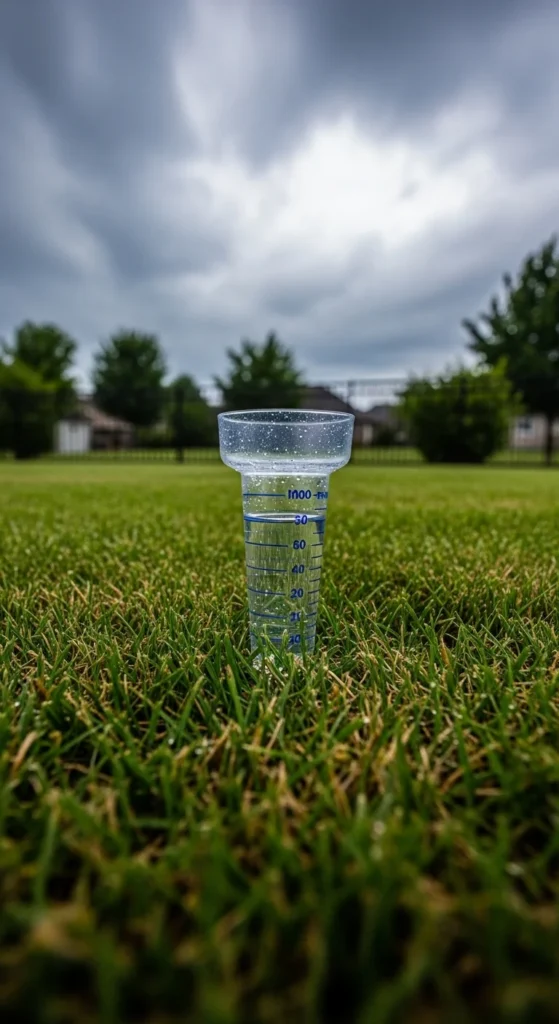
Monitor weekly rainfall using a simple gauge or weather app. Fall rain can either nourish or oversaturate your lawn. Adjust watering schedules based on natural moisture to avoid soggy soil. Consistent observation prevents both drought stress and fungal issues, helping you maintain healthy balance.
21. Prep for Winter Dormancy

As temperatures drop, give your lawn one final mow, leaving it slightly taller than usual. Clean up debris and store tools properly. If your area freezes, drain hoses and sprinklers to prevent cracking. A tidy, prepped lawn recovers faster in spring and saves you work later.
Conclusion
A lush fall lawn comes from simple habits—regular mowing, thoughtful watering, and timely feeding. These 21 easy lawn care secrets are practical, affordable, and proven to work. With just a few hours of attention each week, you’ll enjoy a vibrant green yard that stands out all season and wakes up beautifully next spring.

Leave a Reply