

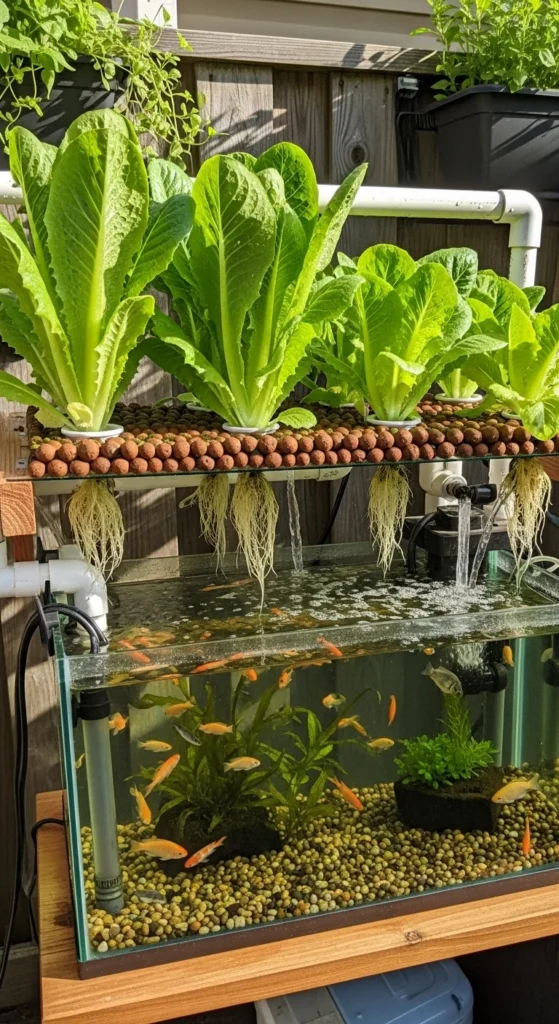
Imagine a garden where your fish feed your plants, and your plants clean the water for your fish — that’s the magic of aquaponics. This sustainable gardening method combines aquaculture (raising fish) and hydroponics (growing plants in water) to create a self-sustaining ecosystem right in your backyard. It’s eco-friendly, efficient, and a beautiful way to grow your own food.
Understanding How Aquaponics Works
Before you start building, it helps to understand the science behind it. In aquaponics:
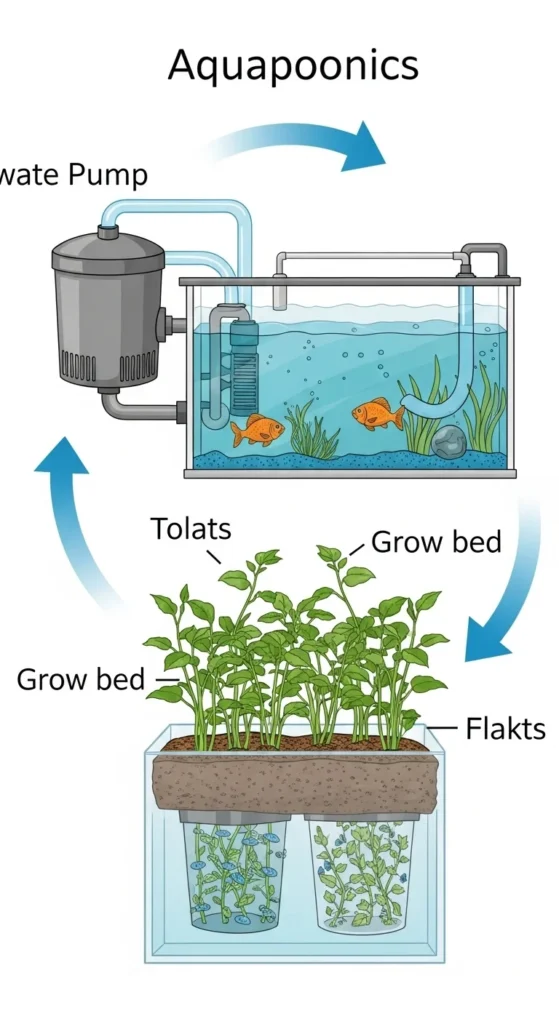
- Fish produce waste that turns into nutrients for plants.
- Plants absorb those nutrients, purifying the water.
- The clean water is cycled back to the fish tank.
It’s a closed-loop system that mimics nature — no soil, minimal waste, and very little water usage compared to traditional gardening.
Step 1: Choose the Right Location
Your aquaponics system needs the perfect spot — one that’s stable, accessible, and gets plenty of sunlight.
- Sunlight: Aim for at least 6 hours of sunlight daily for your plants.
- Shade for fish: If possible, provide partial shade for the fish tank to keep water temperatures comfortable.
- Access to electricity: You’ll need it to power the water pump and aerator.
- Stable surface: Make sure your setup is level to avoid uneven water flow.
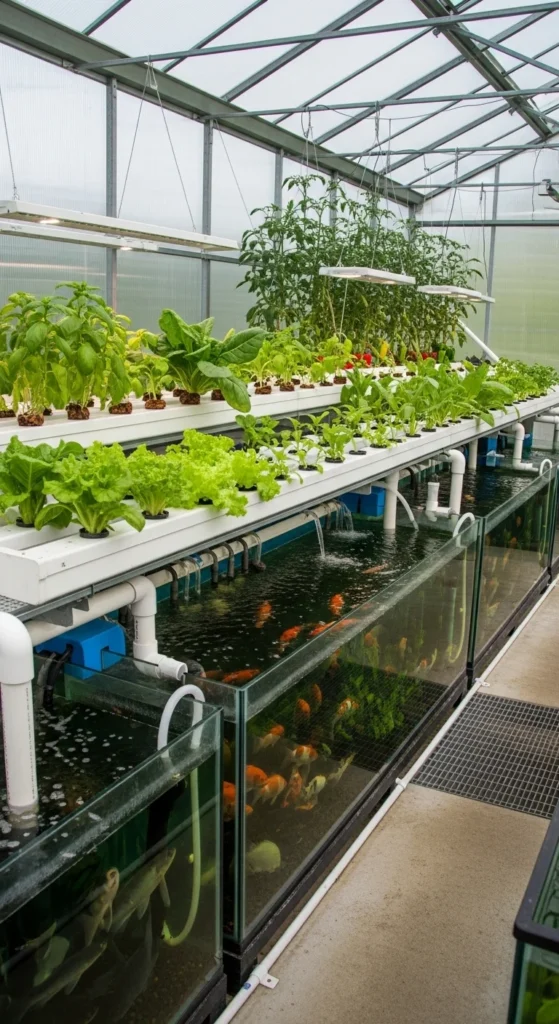
If you live in a cooler climate, consider setting up your system inside a greenhouse for consistent temperature control.
Step 2: Gather Essential Components
You don’t need fancy equipment to get started — just the right essentials.
What You’ll Need:
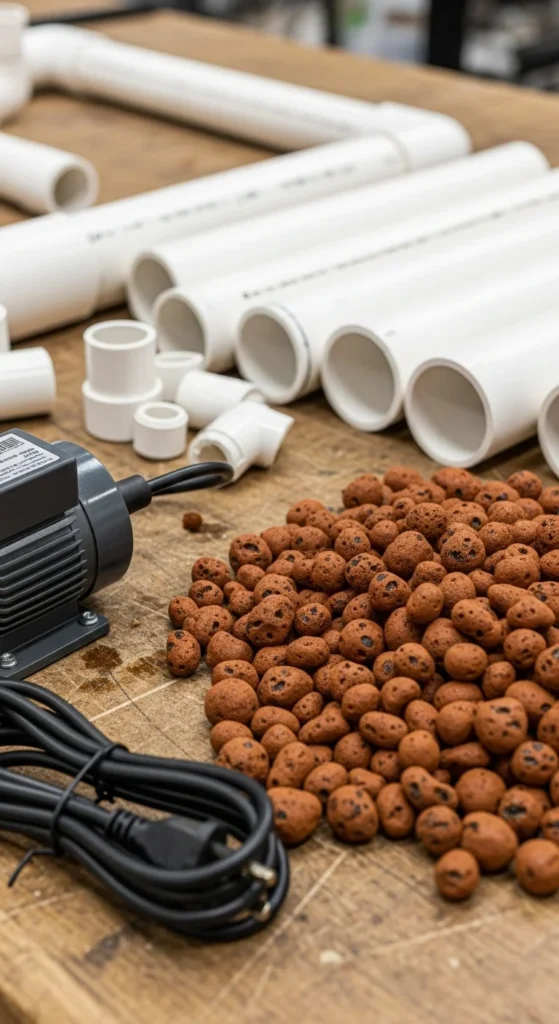
- Fish tank: This can be anything from a large plastic container to a small pond.
- Grow bed: A shallow container above the tank where your plants will grow.
- Water pump: To circulate water between the tank and grow bed.
- Aerator: Keeps the water oxygenated for healthy fish.
- Growing media: Clay pebbles, gravel, or lava rocks to support plant roots.
- Plumbing and pipes: For connecting the pump, drain, and water flow.
Pro Tip: Start small! A 50–100 gallon system is perfect for beginners.
Step 3: Choose the Right Fish and Plants
The beauty of aquaponics is that you can raise both edible fish and fresh produce. But your success depends on pairing species that thrive in similar conditions.
Best Fish for Aquaponics:
- Tilapia: Hardy, fast-growing, and beginner-friendly.
- Goldfish: Great for decorative systems.
- Catfish or koi: Perfect for larger setups.
Best Plants to Start With:
- Leafy greens: Lettuce, spinach, kale, and basil grow beautifully.
- Herbs: Mint, parsley, and cilantro thrive in nutrient-rich water.
- Fruiting plants: Once experienced, try tomatoes or peppers.
Tip: Avoid using chemicals or fertilizers — they can harm the fish and disrupt the ecosystem.
Step 4: Set Up and Cycle the System
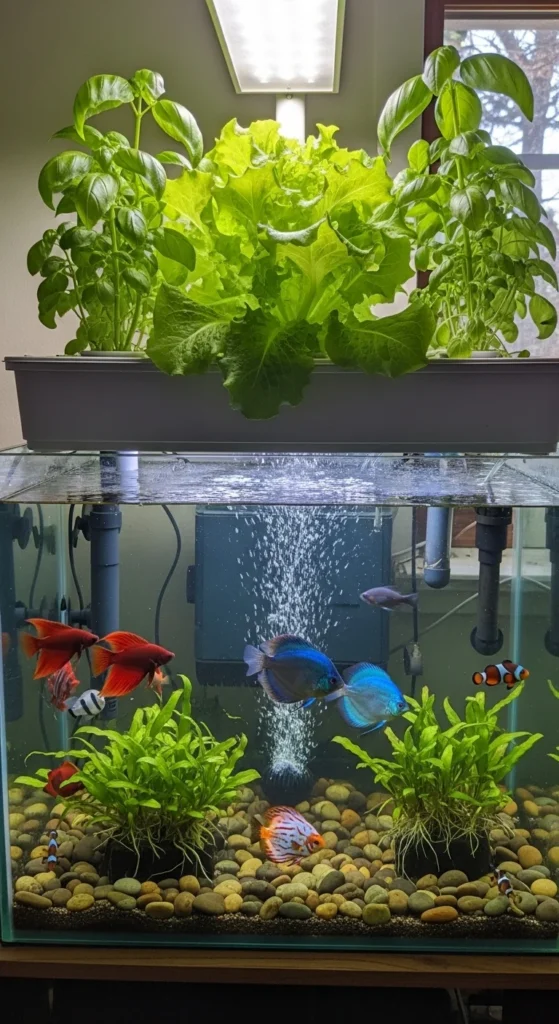
Once everything is in place, it’s time to get the water ecosystem balanced.
Steps to Cycle:
- Assemble your fish tank, grow bed, and pump system.
- Add water and run the pump for a few days to ensure steady circulation.
- Introduce beneficial bacteria — these convert fish waste into nutrients.
- Add fish gradually (start with a few) and monitor water quality.
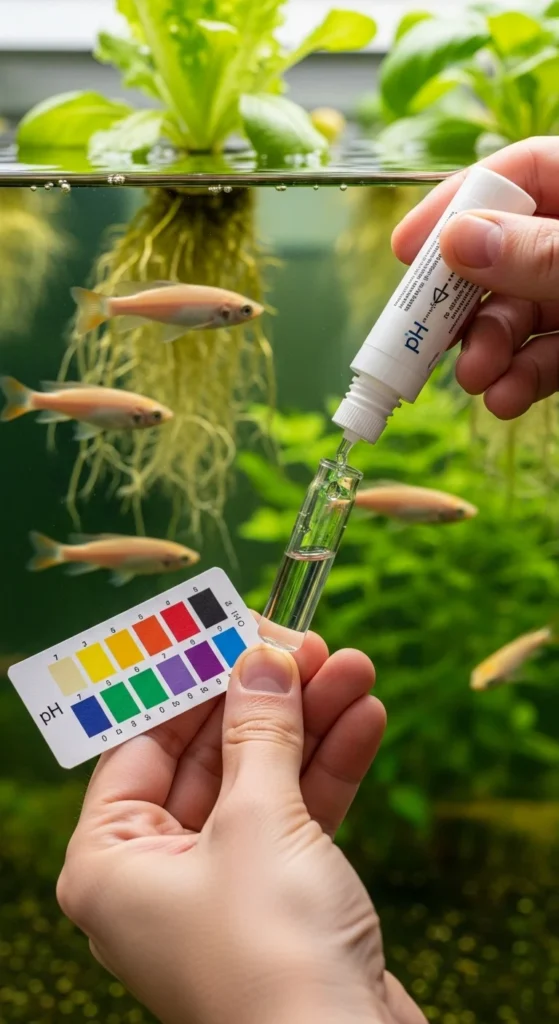
- Test pH and ammonia levels regularly until the system stabilizes.
This cycling process can take 3–6 weeks, but patience pays off — once balanced, it practically runs itself!
Step 5: Maintain and Harvest
The beauty of aquaponics is that maintenance is minimal once the system stabilizes.
Simple Maintenance Tips:
- Feed fish daily: Use high-quality fish feed or natural food sources.
- Check water levels: Keep the system topped up, especially in hot weather.
- Monitor pH: Ideal range is between 6.8 and 7.2.
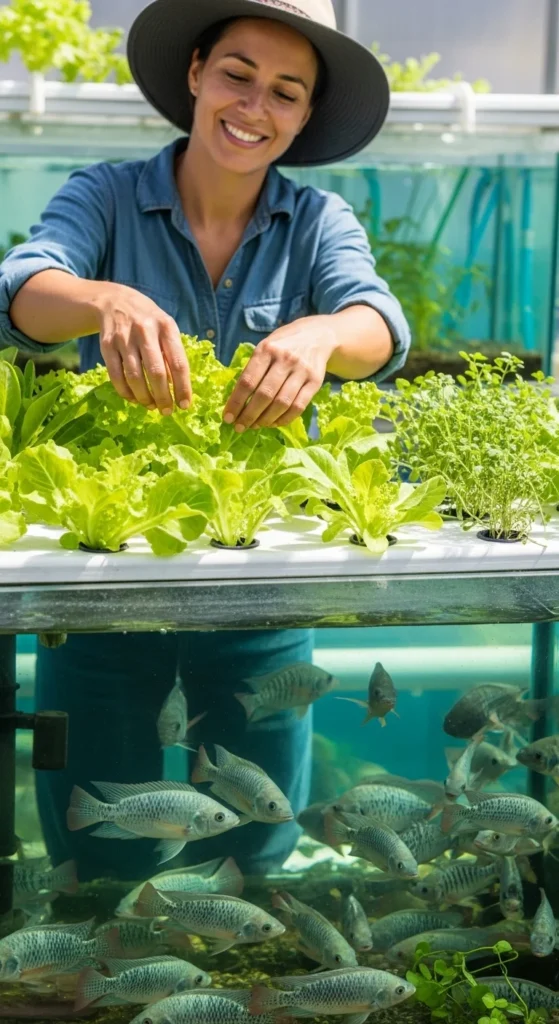
- Harvest regularly: Frequent picking encourages new plant growth.
And the best part? You’ll enjoy fresh greens and healthy fish — all grown in harmony with nature.
A Greener Way to Grow
Setting up an aquaponics system might take a little effort at first, but once it’s up and running, it’s pure magic — a living, breathing ecosystem that nourishes itself and gives back. Whether you’re growing herbs for your kitchen or vegetables for your family, this method is both sustainable and rewarding.
So why not start your aquaponics journey today? You’ll be amazed at how nature does the hard work for you.
Save this guide for later and share it with a fellow garden lover!

Leave a Reply