


A backyard can be more than an outdoor space. It can feel calm. It can slow your pace. With the right gardening ideas, even a modest yard can feel like a quiet hideaway. This guide focuses on practical backyard gardening ideas that feel relaxing without high costs or complicated plans. Each idea is easy to adjust for small or large spaces. You’ll find simple layouts, low-cost materials, and realistic DIY touches that help your garden feel personal and peaceful.
1. Curved Garden Paths for a Slower Walk
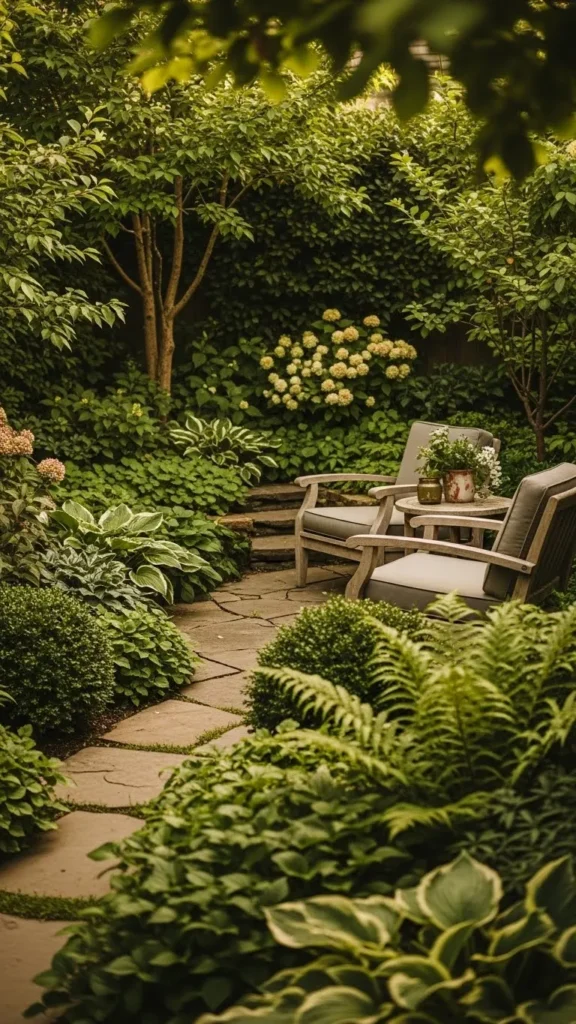
Straight paths rush you through a yard. Curved paths slow you down. That change alone can make your garden feel calmer. You can build one using stepping stones, gravel, or reclaimed bricks. No need for perfect spacing. Slight irregular gaps feel natural and relaxed.
Start by marking a soft curve with a hose. Adjust until it feels right when you walk it. Then lay stones directly over soil or sand. Gravel paths work well for tight budgets. Use edging stones or buried wood strips to keep gravel in place.
Plant low growers along the edges. Thyme, moss, or creeping ground cover soften the path. Even mulch works if plants are not an option yet. Over time, the edges settle and look settled instead of staged.
A curved path also breaks up flat lawns. It gives your yard direction without making it feel formal. Add a bench or planter at the end so the walk has a gentle reward.
2. Layered Planting for Depth and Calm
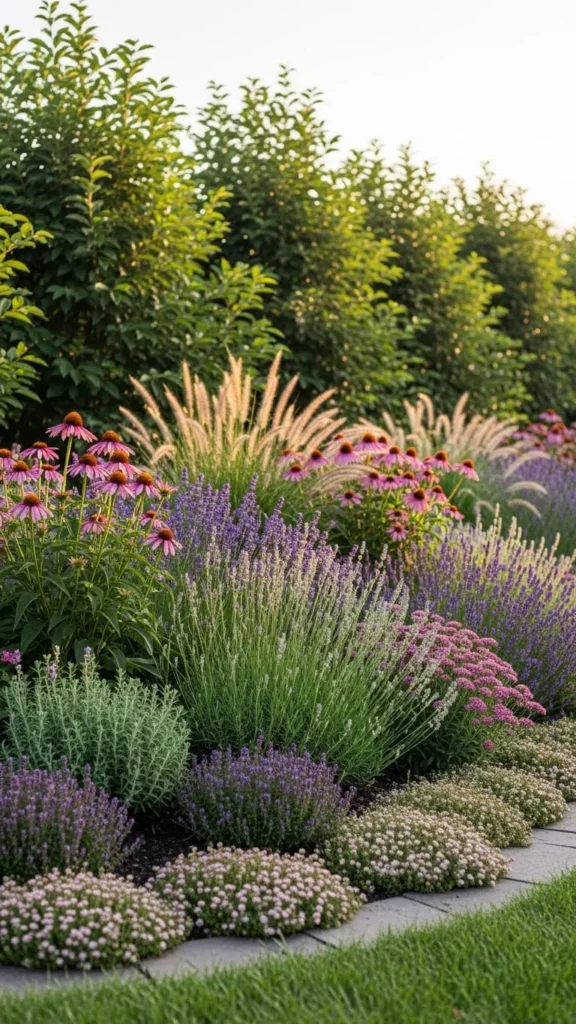
Layered planting makes a space feel full without clutter. Place taller plants at the back. Medium plants sit in front. Low growers line the edge. This structure works for any garden size.
You don’t need rare plants. Use what grows well in your area. Shrubs, grasses, and perennials from local nurseries often cost less and settle faster. Even repeating the same plant in small groups brings order.
Mulch between plants to reduce bare soil. Wood chips or leaf mulch are affordable and help hold moisture. Over time, plants fill in naturally.
Layering also creates privacy. Even a short fence feels taller when plants soften the view. This helps your yard feel tucked away from nearby houses.
The result feels settled and relaxed. Nothing stands alone. Everything feels connected.
3. A Simple Seating Nook Surrounded by Greenery
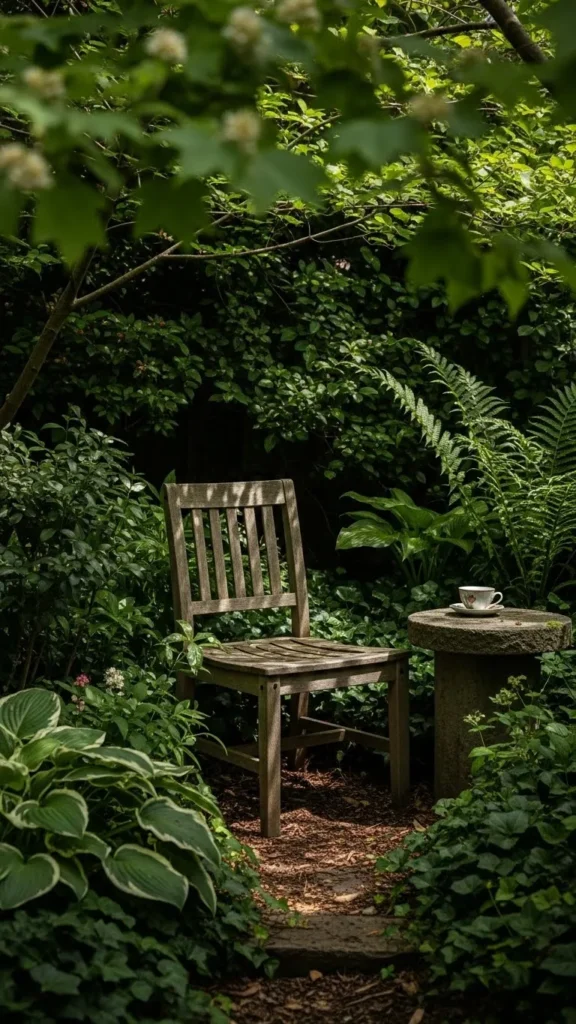
A retreat needs a place to sit. This doesn’t require fancy furniture. One chair, a small bench, or even a repurposed stool works.
Place seating where plants already grow well. Surround it with pots, shrubs, or tall grasses. This creates a sense of enclosure without walls.
Shade matters. Use a tree, tall plant, or fabric shade sail. Even partial shade changes how long you want to stay outside.
Add one small surface nearby. A crate turned sideways works. It holds a book or cup without crowding the space.
This kind of nook invites pauses. You don’t pass through it. You stop. That pause changes how the garden feels.
4. Raised Garden Beds with Soft Edges
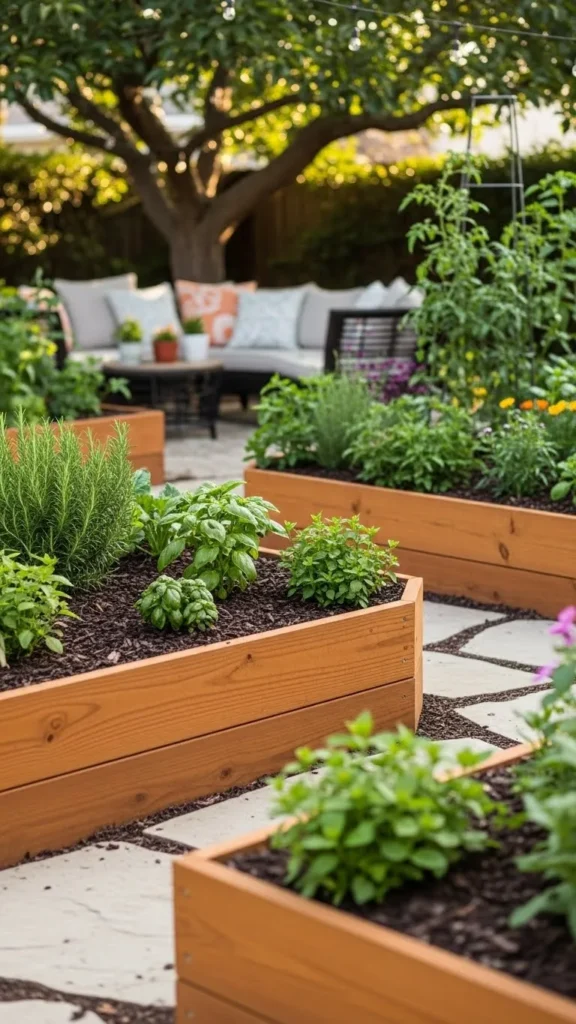
Raised beds help with organization and comfort. Soft edges keep them from feeling rigid. Use rounded corners or staggered boards.
You can build beds from untreated wood, concrete blocks, or reclaimed materials. Height matters more than size. Even low beds define space clearly.
Fill beds with a mix of soil and compost. Plant densely so soil stays shaded. This reduces maintenance and watering stress.
Use the bed edges as casual seating. Smooth boards make this easier. It adds function without extra furniture.
Raised beds frame the garden while keeping it easy to manage.
5. A Backyard Water Bowl for Quiet Movement
Moving water adds calm without noise. A simple water bowl does the job. Use ceramic, stone, or metal.
Place it where light hits part of the surface. Reflections change through the day. That subtle shift adds interest.
Keep water shallow for safety and easy care. Refresh it often to keep it clear. No pumps required.
Birds and insects may visit. This adds life without effort.
One small bowl can change how a space feels.
6. Garden Zones That Guide Movement
Dividing your yard into zones helps it feel intentional. A planting area. A sitting area. A walking path.
Use plants, not walls. Tall grasses, shrubs, or trellises separate spaces gently.
Zones help small yards feel larger. You move from one area to another instead of seeing everything at once.
Start with what you already use. Build zones around habits. This makes the garden feel lived in.
7. Soft Lighting for Evening Calm
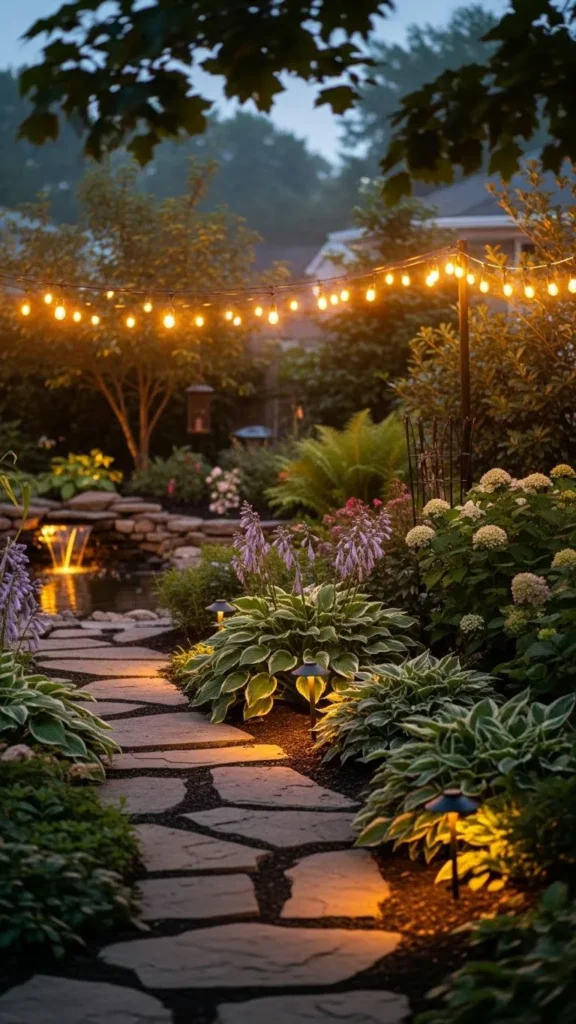
Lighting extends garden use. Choose warm, low light sources.
Solar path lights are budget friendly. String lights draped through trees work well too.
Avoid bright flood lighting. Gentle glow works better for relaxation.
Focus light near seating and paths. Leave other areas dim.
At night, the garden feels calm and inviting.
8. Container Clusters for Flexibility
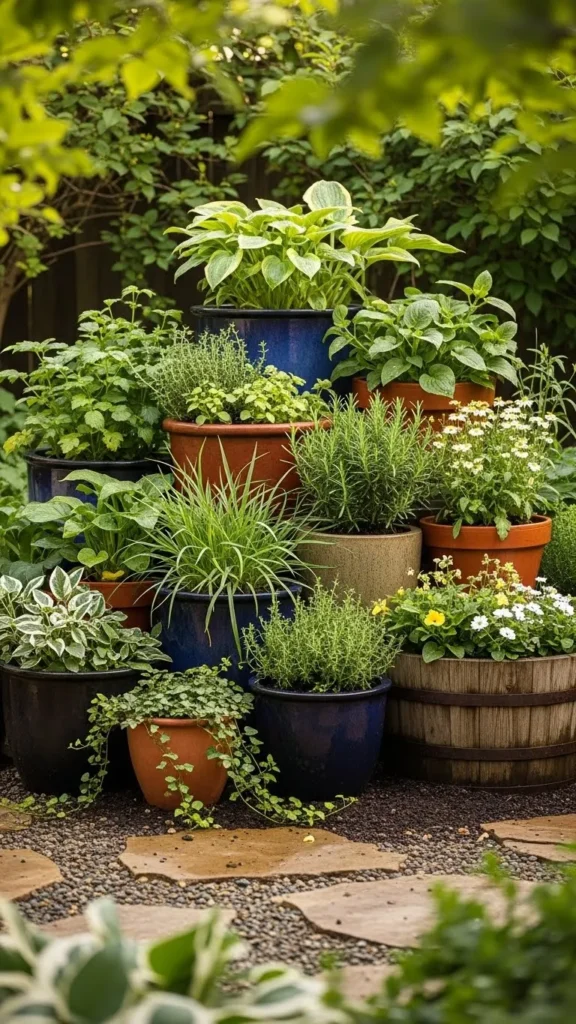
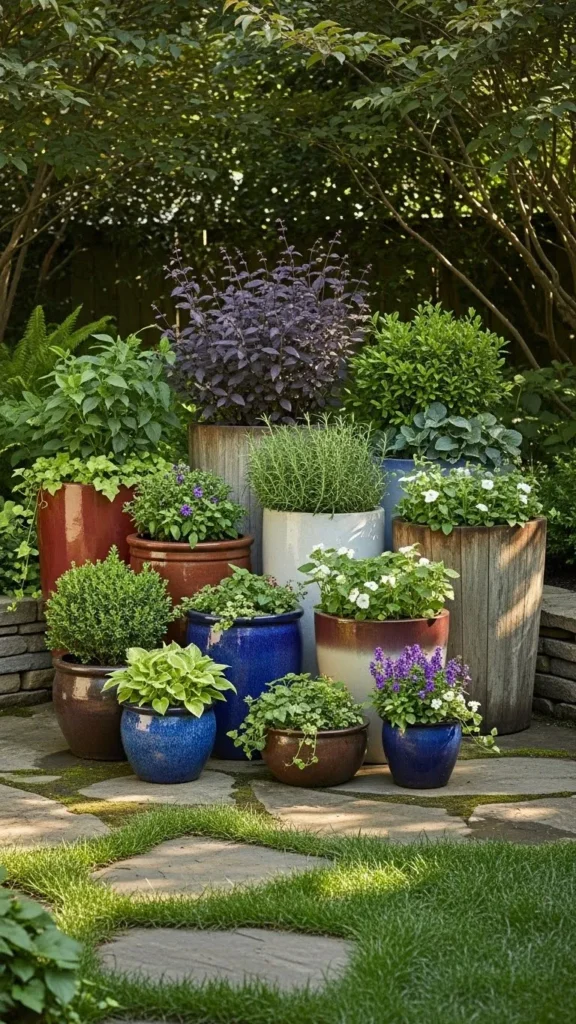
Containers allow change without commitment. Group them in odd numbers for a natural look.
Use different heights but similar colors. This keeps the cluster calm instead of busy.
Containers work well on patios or near seating. They soften hard surfaces.
You can move them as seasons change or plants grow.
9. Natural Screens with Tall Plants
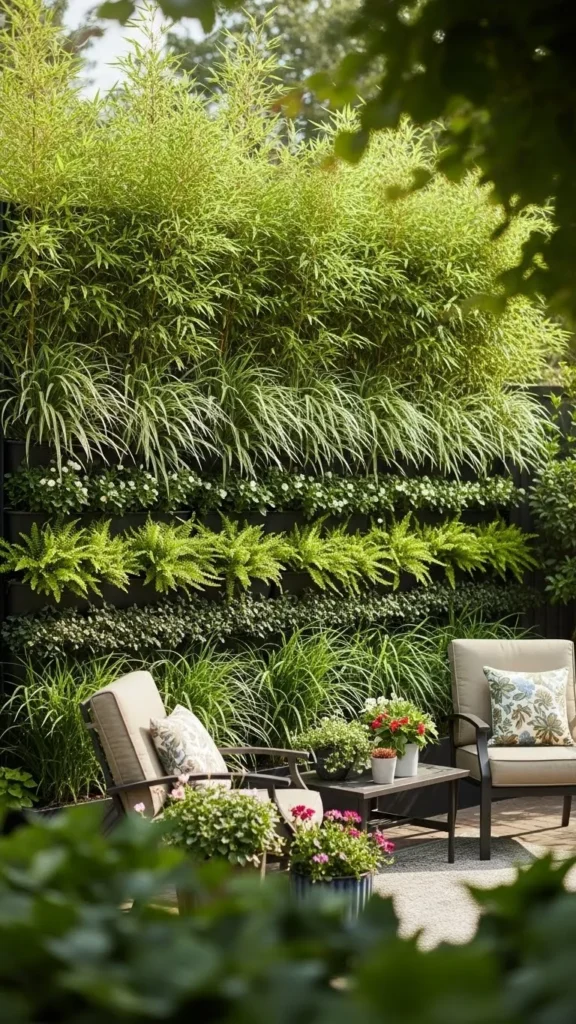
Privacy helps a garden feel personal. Tall plants act as screens without closing the space.
Bamboo alternatives, grasses, or shrubs work well. Choose plants suited to your climate.
Plant in staggered rows for coverage. Even partial screening changes how enclosed the space feels.
This keeps the garden open yet private.
10. Gravel Corners for Low Effort Areas
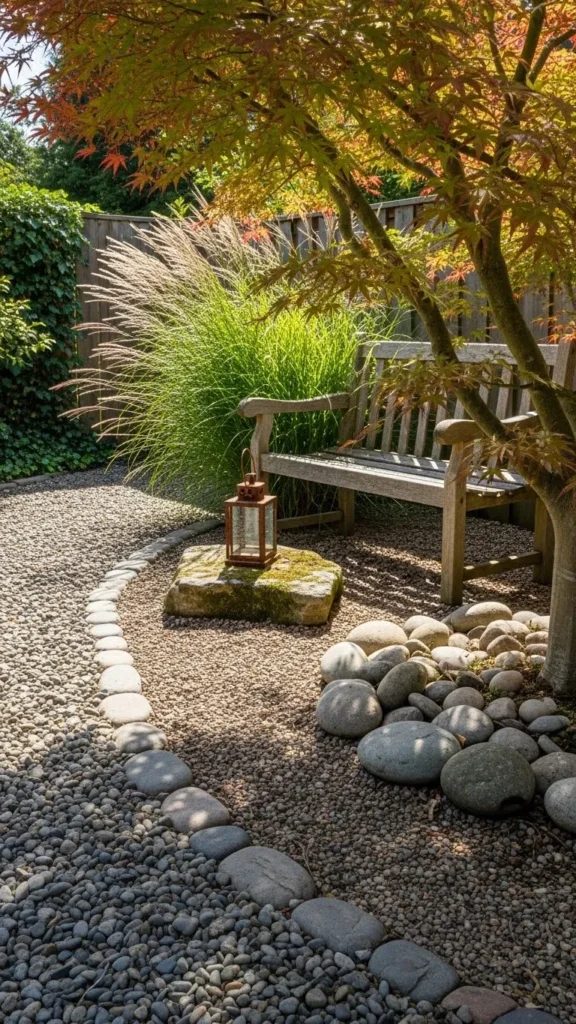
Gravel areas reduce upkeep. They work well in unused corners.
Add one feature. A pot. A small tree. A chair.
Gravel drains well and stays neat. Use edging to keep it contained.
This creates a resting space for both you and the garden.
11. Vertical Greenery on Fences
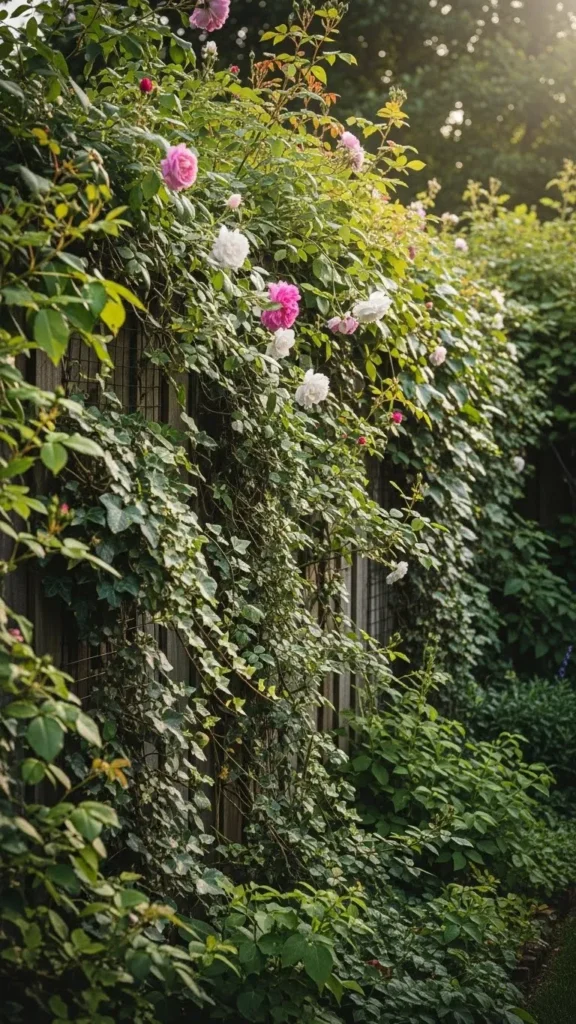
Vertical planting adds greenery without using ground space. Trellises or wire grids work well.
Choose climbers that suit your climate. Train them loosely.
This softens fences and walls. Hard lines fade away.
Vertical greenery makes small yards feel fuller.
12. Ground Cover Instead of Bare Soil
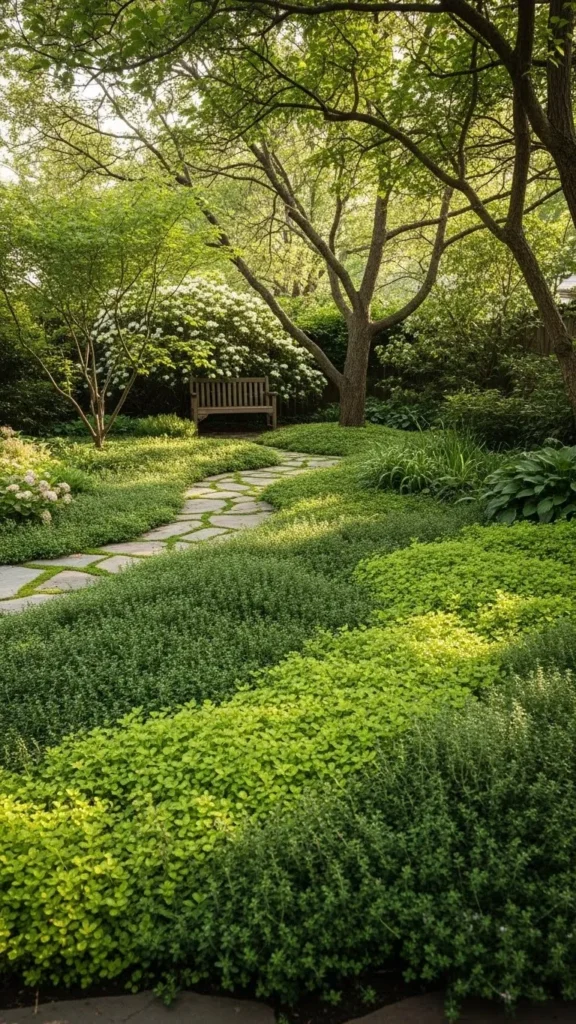
Bare soil feels unfinished. Ground cover fills gaps and reduces work.
Choose spreading plants or mulch until plants fill in.
This keeps moisture in and weeds out.
The garden looks settled year-round.
13. A Simple Fire Pit Area
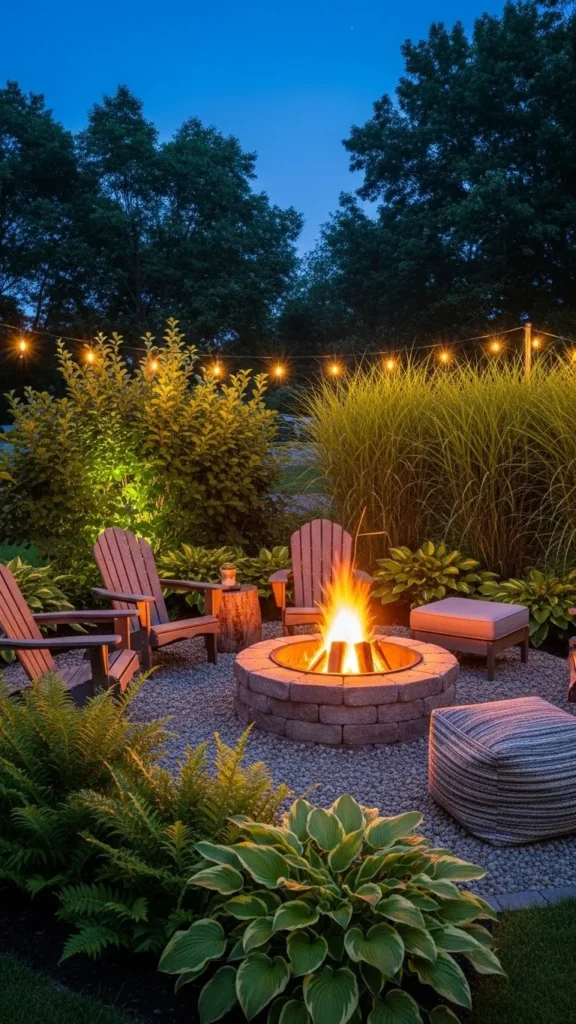
A fire pit creates a gathering spot. Use a metal bowl or stone ring.
Place it on gravel or stone for safety.
Surround with simple seating. Keep spacing loose.
This adds warmth without complexity.
14. Herb Beds Near Seating
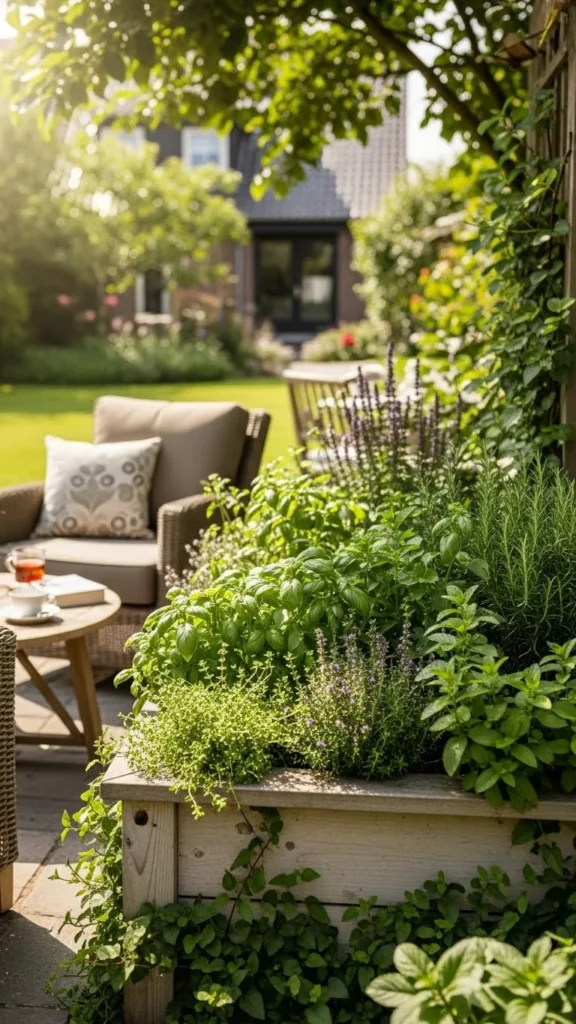
Herbs near seating add scent and texture.
Use raised beds or containers.
Harvest casually as you sit outside.
This blends function with relaxation.
15. Meandering Lawn Edges
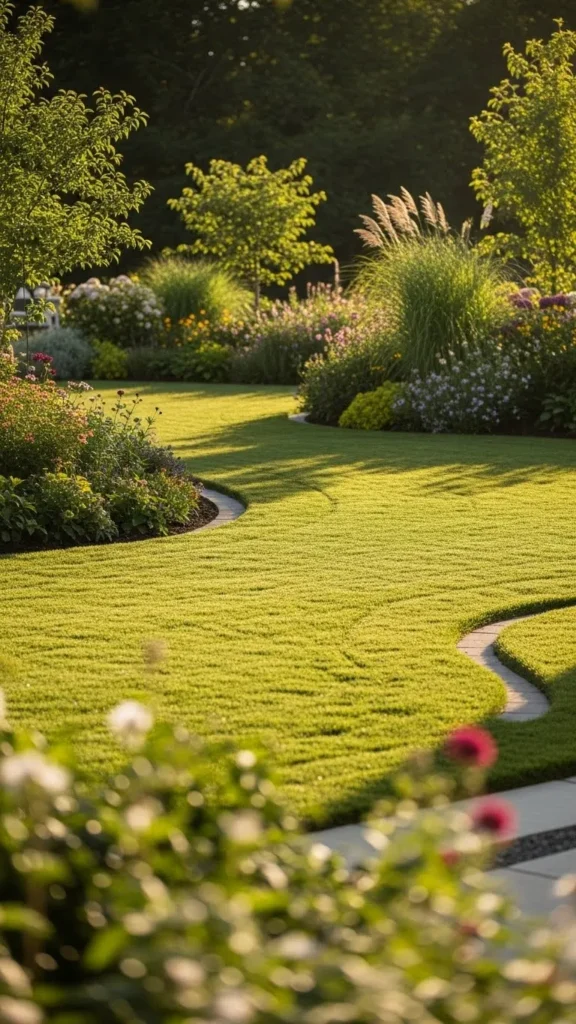
Curved lawn edges soften the yard.
Cut gentle shapes instead of straight lines.
Edge with plants or mulch.
This changes the yard’s rhythm.
16. A Shaded Hammock Spot
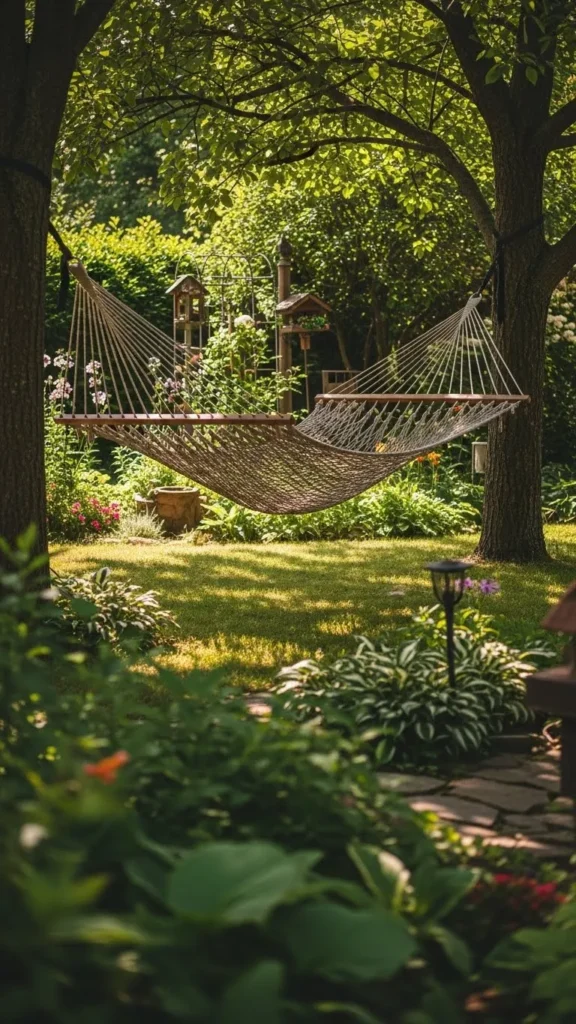
A hammock invites rest.
Hang it between sturdy supports.
Add plants nearby for privacy.
It becomes a quiet escape.
17. Natural Stone Features
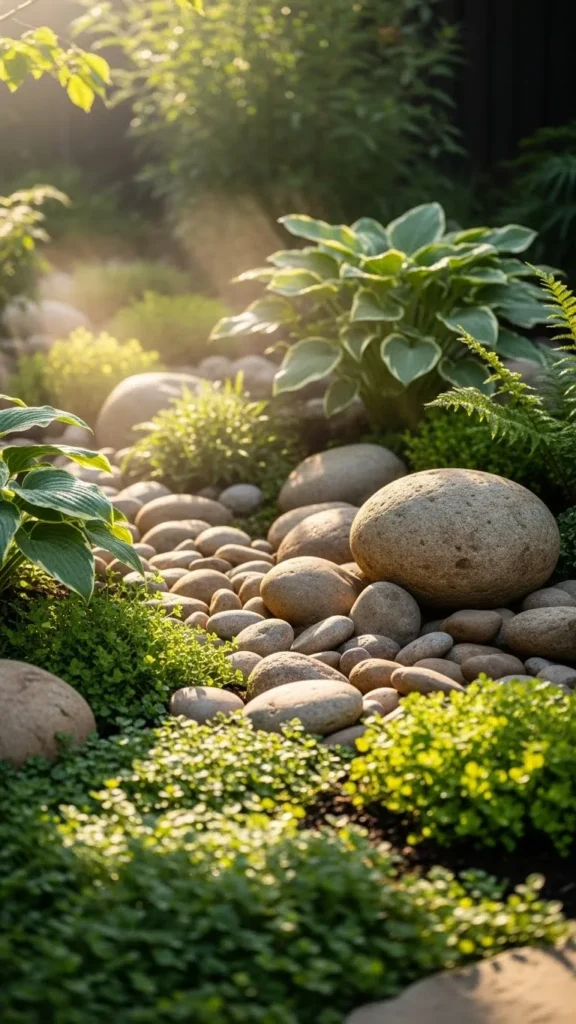
Stones ground a garden visually.
Use local stone if possible.
Place stones where paths or beds meet.
They age well over time.
18. Small Trees for Canopy Feel
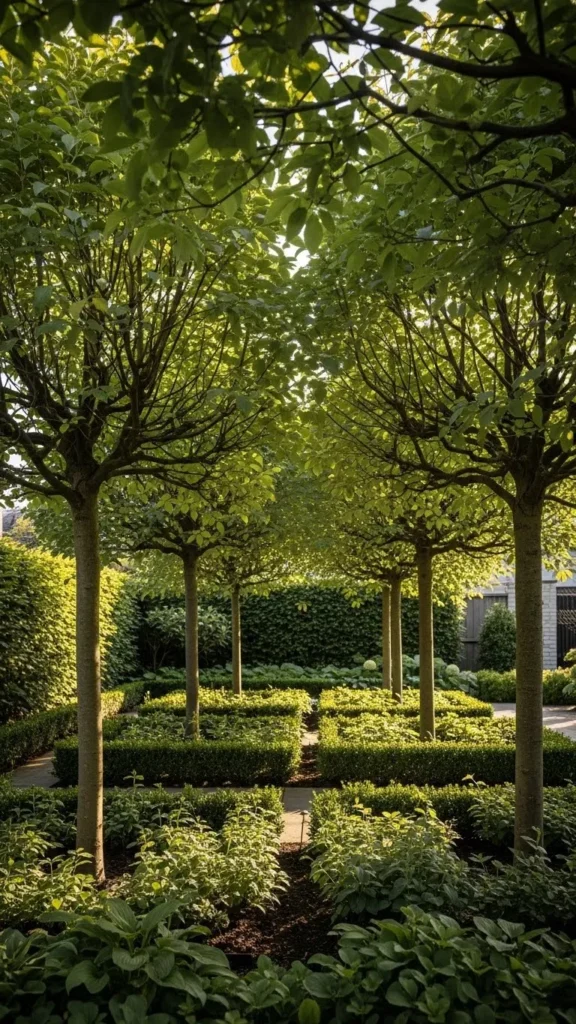
Small trees change scale.
They create shade and structure.
Choose slow growers.
Over time, they anchor the garden.
19. Mulched Paths Between Beds
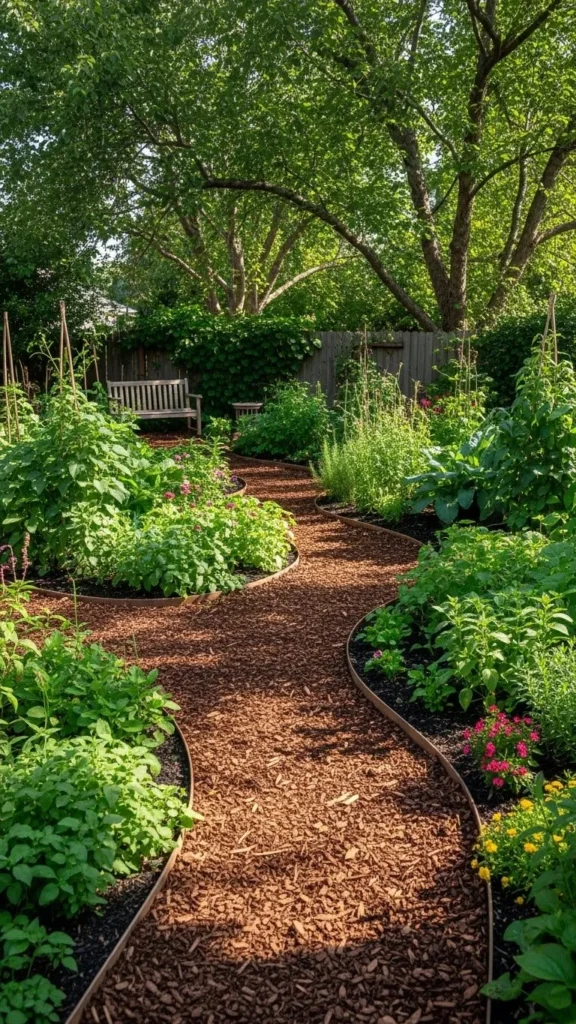
Mulch paths are low cost.
They soften movement between areas.
Refresh mulch yearly.
Paths stay simple and calm.
20. Garden Art with Natural Materials
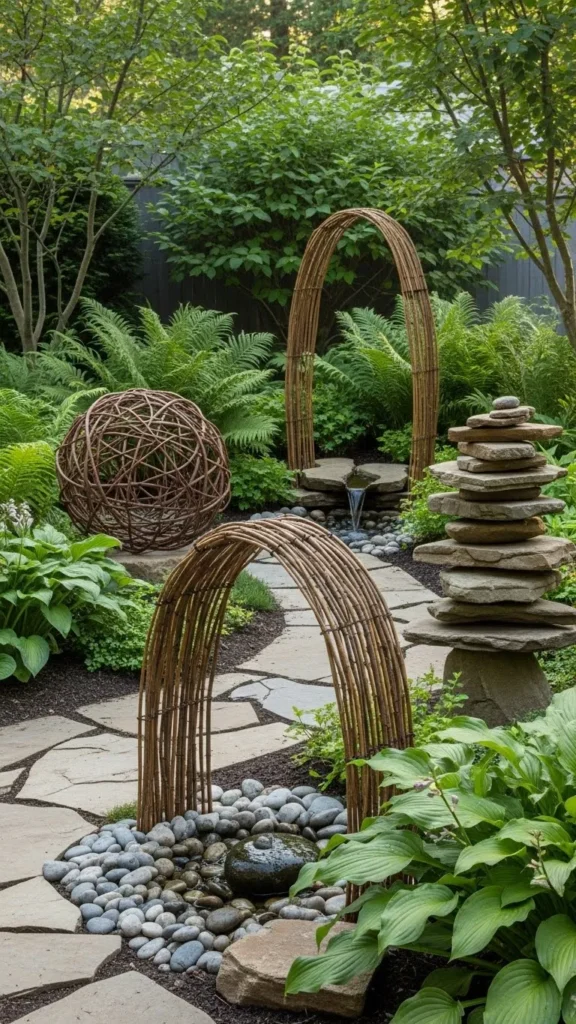
Use wood, stone, or metal.
Avoid bright colors.
Place art where it feels discovered.
This adds personality without noise.
21. Cozy Corner with Floor Cushions
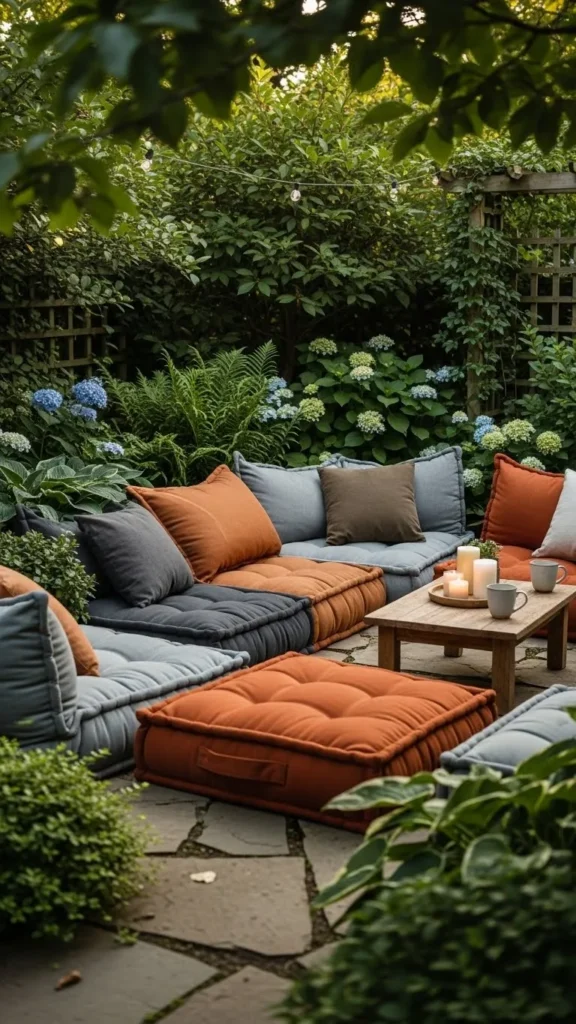
Floor seating feels relaxed.
Use weather-safe cushions.
Keep the area shaded.
It feels informal and welcoming.
22. Simple Pergola with Plants
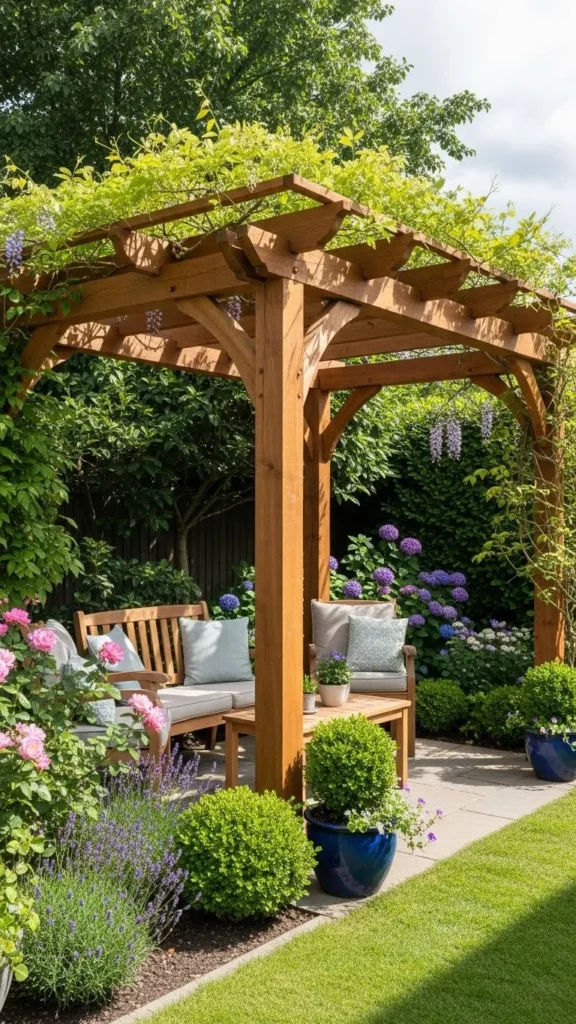
A pergola defines space.
Use basic wood construction.
Train plants over time.
Shade grows naturally.
23. Wildlife-Friendly Plant Choices
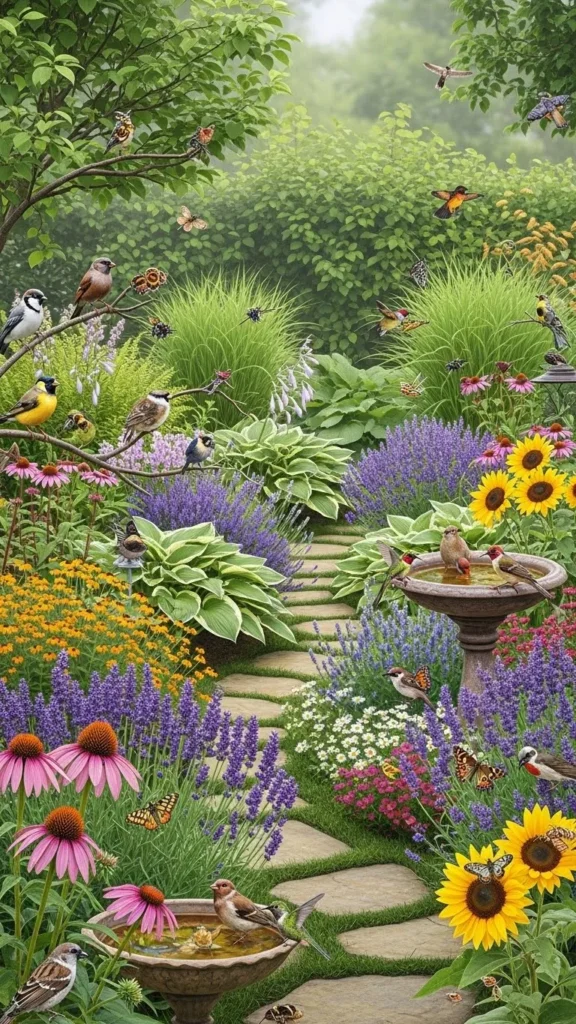
Plants that attract life add movement.
Choose native plants.
Avoid heavy maintenance.
The garden feels alive.
24. Soft Textures Through Foliage
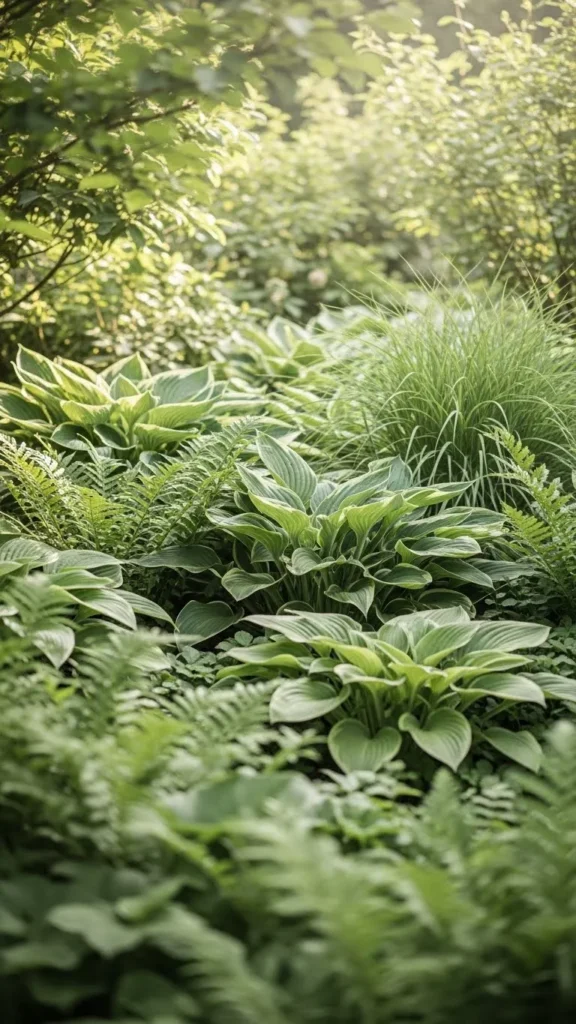
Texture changes mood.
Mix fine and broad leaves.
Avoid sharp contrasts.
The garden feels gentle.
25. One Quiet Focal Point
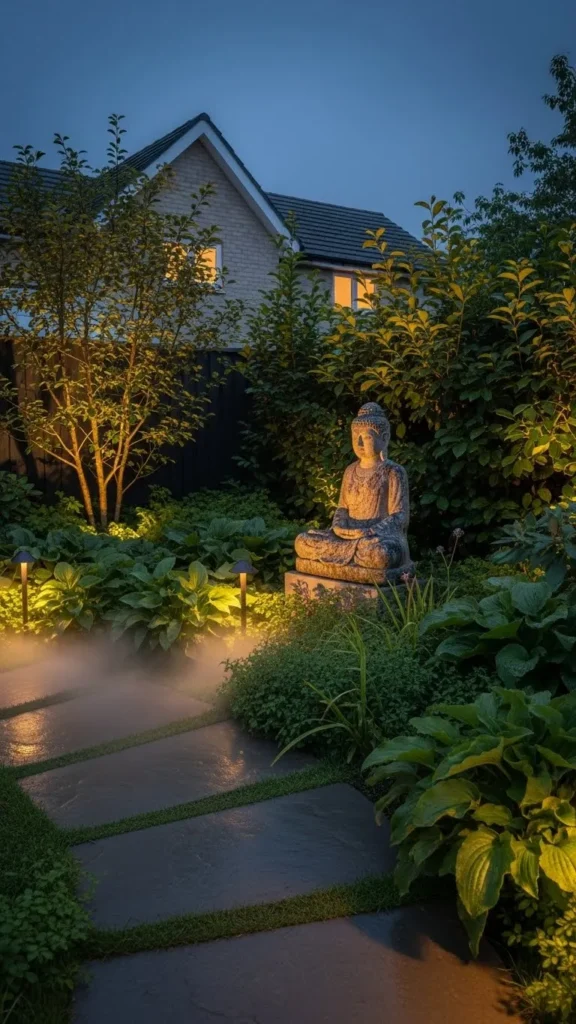
Every retreat needs focus.
Choose one feature only.
Let the rest stay simple.
This keeps the garden calm.
Conclusion
A backyard retreat isn’t about size or spending. It’s about choices that slow you down and invite rest. Small shifts in layout, planting, and seating can change how your space feels every day. Start with one idea that fits your yard and your habits. Build gradually. Over time, your backyard becomes a place you return to, not rush through.

Leave a Reply