

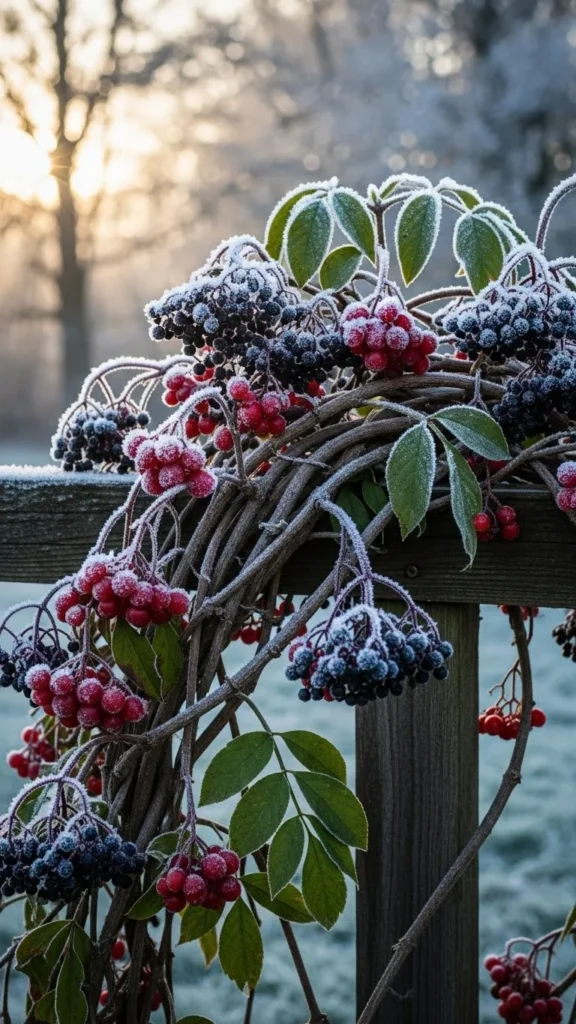
Winter landscapes can feel flat once leaves fall, but berry-covered vines change everything. These hardy climbers bring color, structure, and movement during the coldest months. Their clusters of glossy fruit stand out against snow, fences, and stone walls. Below are simple, affordable ways to use berry-producing vines to turn your garden into a bold winter scene.
1. American Bittersweet
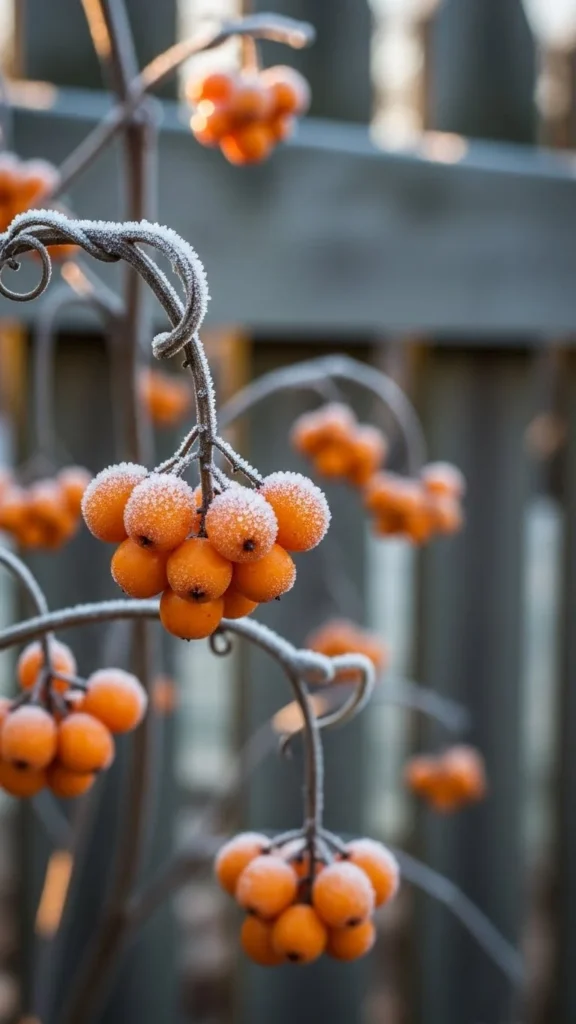
American Bittersweet shines when the garden feels empty. The bright orange-red berries cling through winter and give any bare wall a colorful lift. Grow it along a fence or arbor where the twisting stems can grab hold. Keep the soil lightly moist during summer, then let winter do the rest. If you want more berries, plant one male and one female vine. Cut branches and bring them indoors for seasonal arrangements. If your space is small, prune lightly in late fall to keep growth under control. Use simple wire guides for training. They cost a few dollars and make shaping easy. Even a thrifted wooden ladder can become a charming support.
2. Winter Creeper Vine
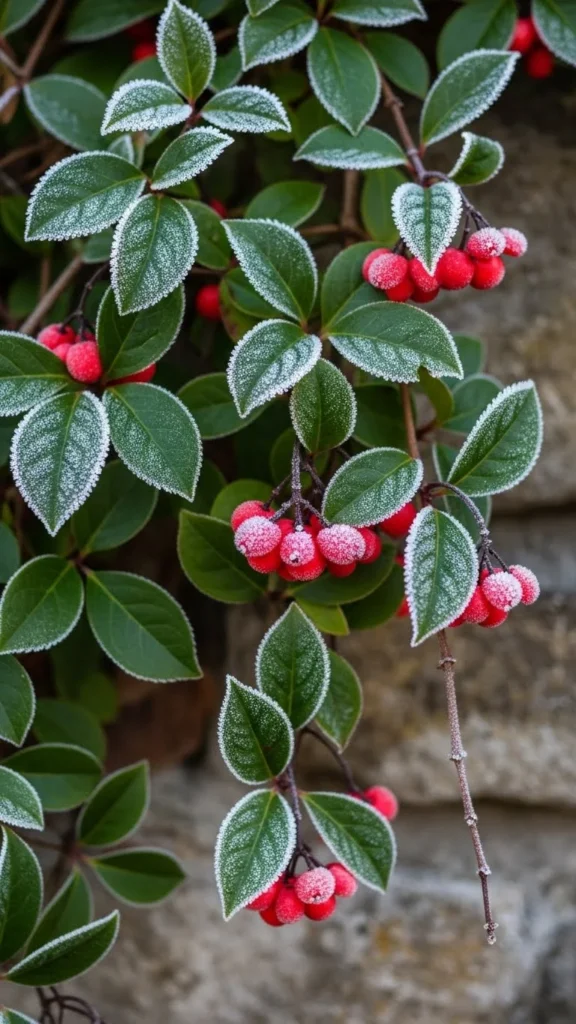
Winter Creeper stays green when almost everything else fades. That alone makes it useful. But the tiny red berries add even more charm, especially in colder months. Train it as a climbing vine or allow it to sprawl as a groundcover. It adapts well to containers, which is helpful if you want color near a doorway. Use potting mix that drains well and water lightly in winter. Clip back long runners to stop it from wandering. A simple hoop trellis works nicely for vertical growth. For a budget touch, wrap jute twine into a grid on a fence and guide stems through it. The berries show best when the plant gets a bit of sun.
3. Climbing Honeysuckle with Berries
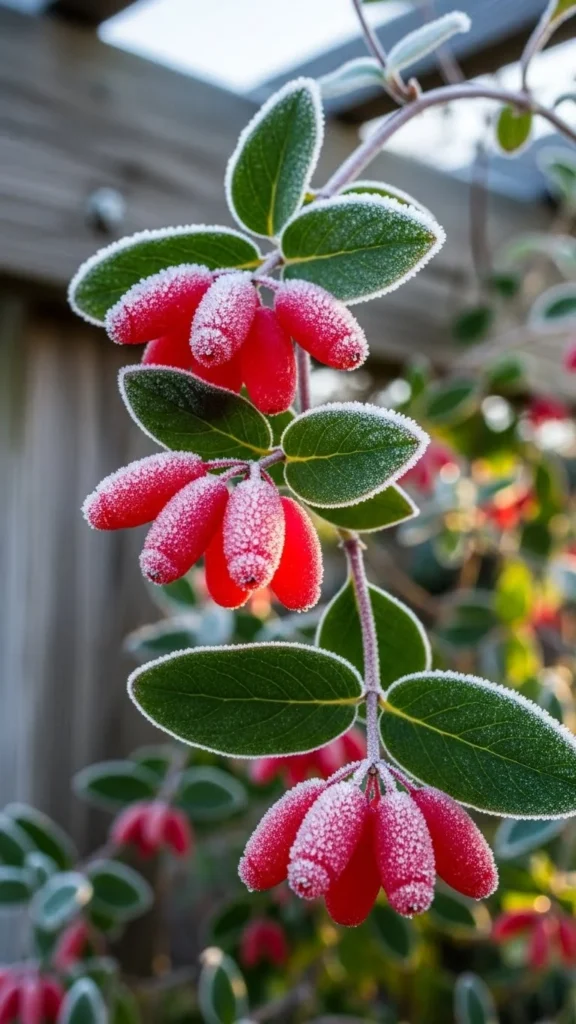
Some honeysuckle varieties form bright red berries that stay visible once blooms fade. They bring a surprising spark of color in winter. Plant them along a pergola or rail where airflow is good. These vines grow quickly, so gentle trimming helps keep them tidy. Water only when soil feels dry. Use mulch to help roots stay comfortable. If you enjoy wildlife, the berries draw birds all season. For an easy DIY project, run two eye hooks and string natural rope between them to guide the stems. This simple setup costs under five dollars but looks charming and rustic.
4. Virginia Creeper
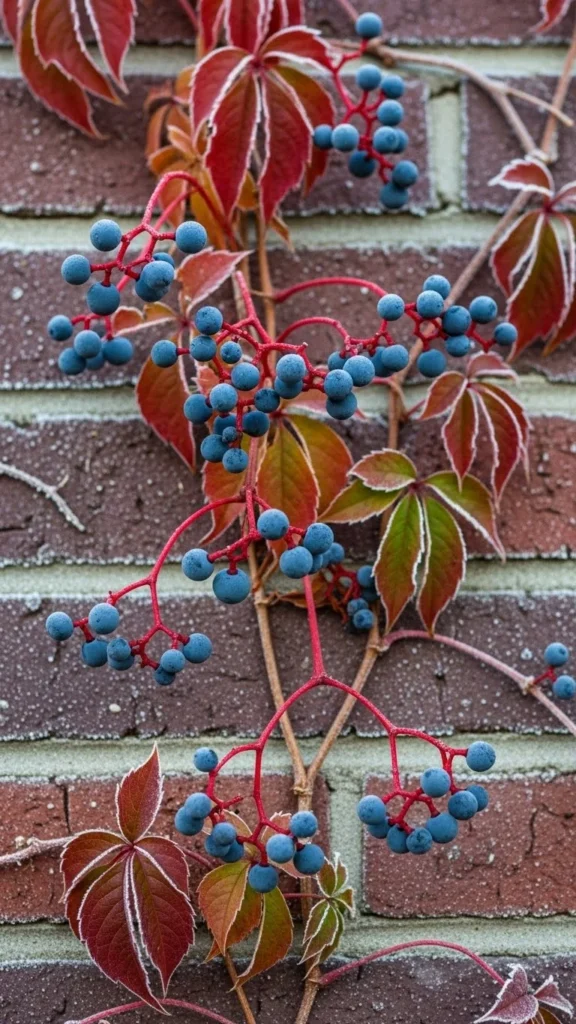
Virginia Creeper is known for fall color, but the real winter treasure is the blue berry clusters. They stand out beautifully on stone or brick. The vine attaches naturally, making it low-effort for vertical coverage. If you want quicker fruiting, plant in full sun. Trim lightly in late summer to reduce spreading. The berries attract birds, adding life to quiet winter days. This vine works well behind benches or near patios where the berry contrast is easy to enjoy. A budget idea: install thin metal wires spaced a foot apart to guide growth. They disappear visually, leaving only the vine’s winter drama.
5. Porcelain Berry Vine
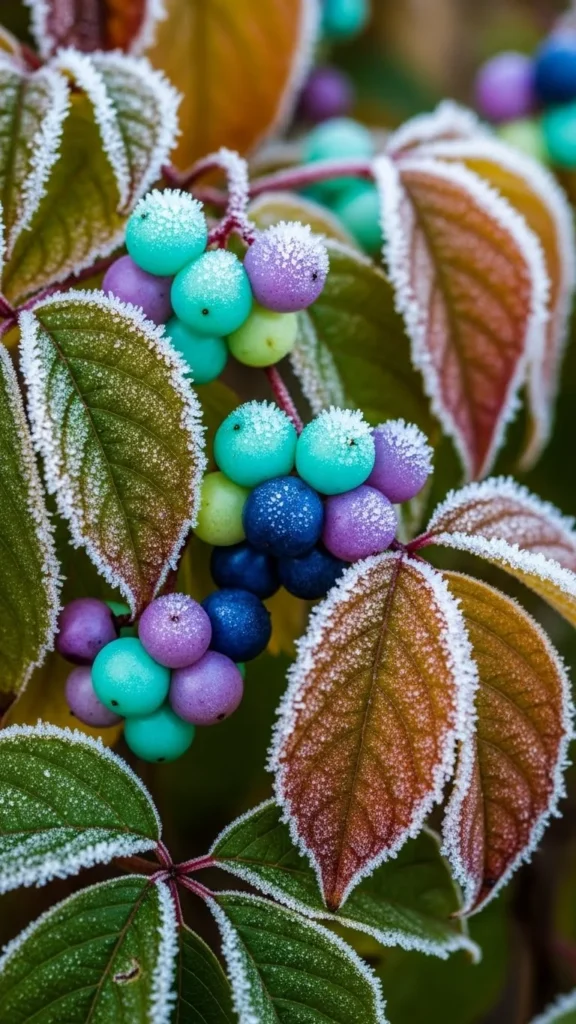
Porcelain Berry feels almost decorative with its speckled fruit. The berries shift through blues, purples, and greens, adding rare winter color. Train it along a strong trellis because the vines grow quickly. Water sparingly in the colder months. Prune often to keep things balanced and prevent tangles. If you’re decorating an outdoor table, cut a few berry branches for a natural centerpiece. They last long without much care. Create a DIY arch using leftover PVC bent into shape and wrapped with jute. The vine will cover it within a season.
6. Coralberry Vine
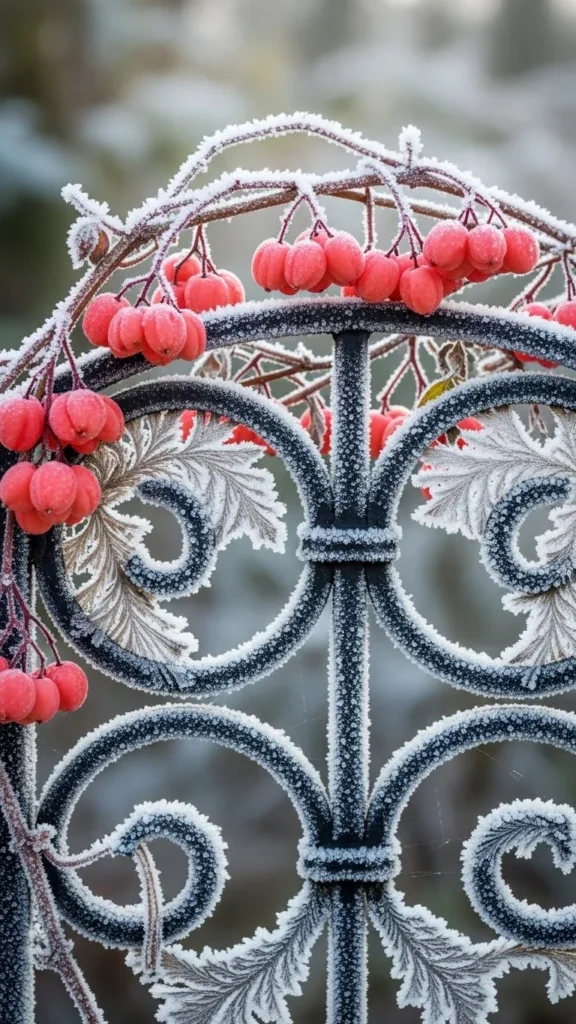
Coralberry vines produce dense clusters of bright berries that stay firm through winter. They look lovely against snow or bare wood. This vine spreads softly, so guide branches to keep form. It responds well to light shaping. The berries bring color to shaded gardens too. If space is tight, grow Coralberry in a deep pot and let the branches spill over the edges. Add a simple support rod to help it climb. For an affordable craft, weave thin willow sticks into a small fan trellis. It blends naturally with the vine’s soft look.
7. Japanese Honeysuckle with Berries
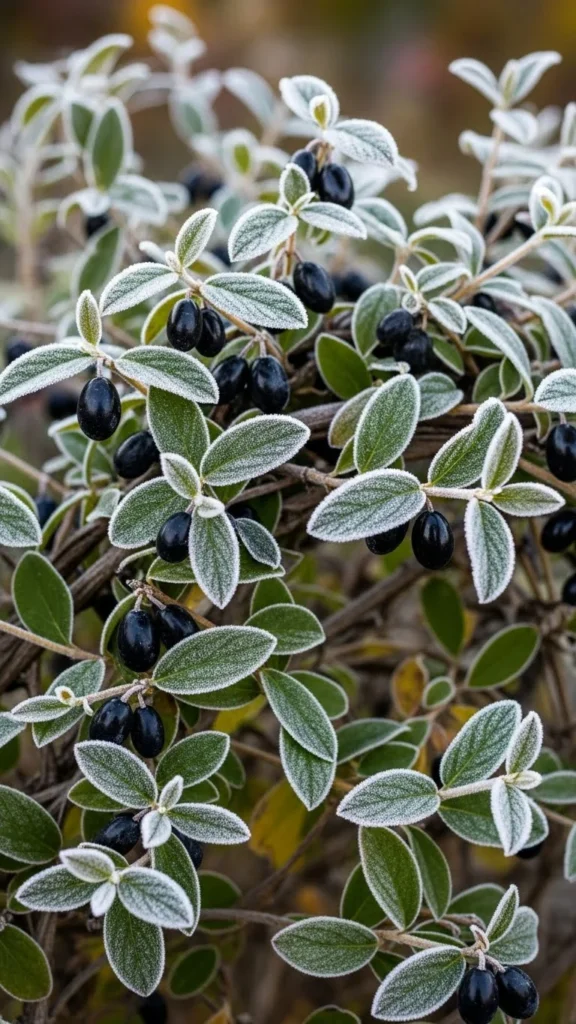
This honeysuckle variety forms shiny black berries that stay visible after leaves thin out. They create strong contrast in winter light. Plant in an area with bright sun for best fruiting. Trim the vine often to avoid overcrowding. A few cuts each month keeps things tidy. Use simple garden stakes and twine for training. Birds love the berries, so place the vine where you can enjoy the activity. A container setup works nicely if you want something near the porch. Add a layer of bark mulch to keep roots comfortable through cold spells.
8. Red Grape Vines (Winter Fruit Leftovers)
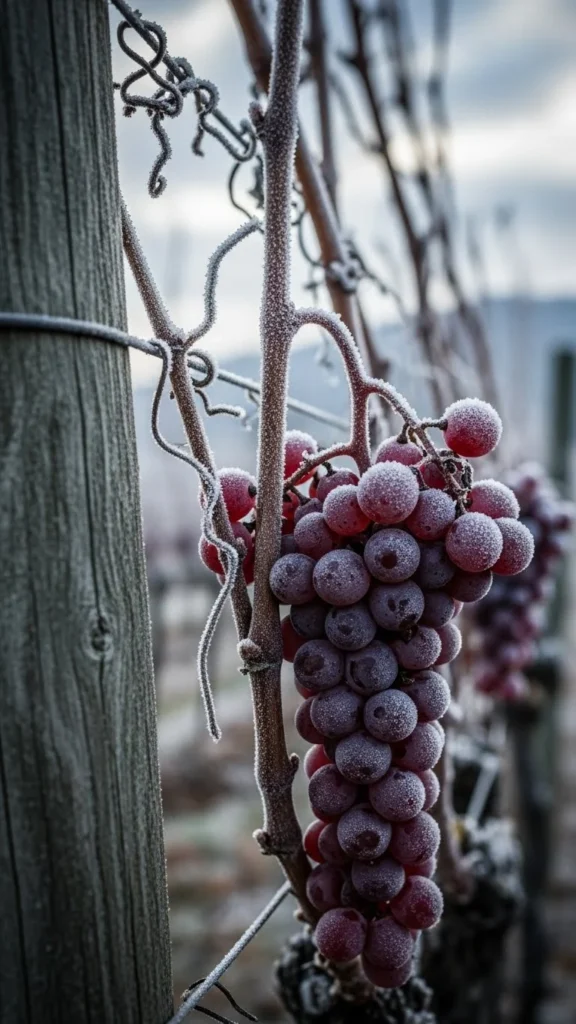
Grapevines often hold a few remaining clusters into early winter. These leftover berries create charming accents along fences and pergolas. The twisted stems add sculptural form. Keep vines pruned so the structure stays attractive year-round. A simple annual trim opens sunlight for better berry visibility. Try training the vine over a pergola for a natural winter canopy. For a DIY idea, create a rustic support using reclaimed wood planks. Even imperfect pieces look beautiful once vines wind around them.
9. Ivy with Winter Berries
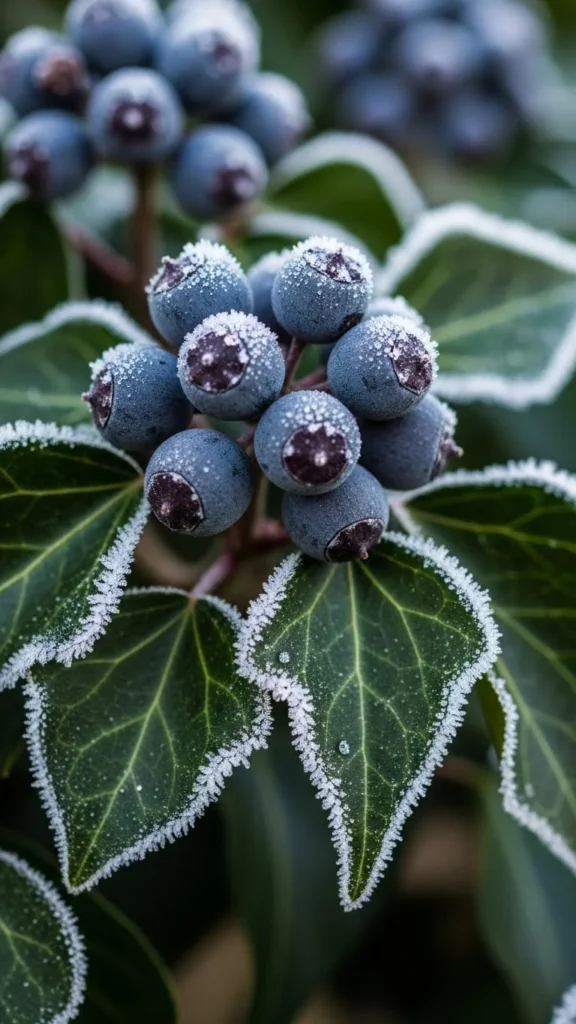
Some ivy varieties produce blue-black berries that appear in late winter. These berries bring subtle color when everything else feels bare. Ivy is low effort once it settles in. Keep it trimmed so it stays where you want it. This vine looks especially pretty trailing down stone walls. For a budget tip, attach small adhesive hooks along the wall and run flexible wire between them. The wire will guide new stems cleanly without showing much. Ivy also works well in hanging baskets outdoors, letting berries drape naturally.
10. Firethorn Trained as a Vine
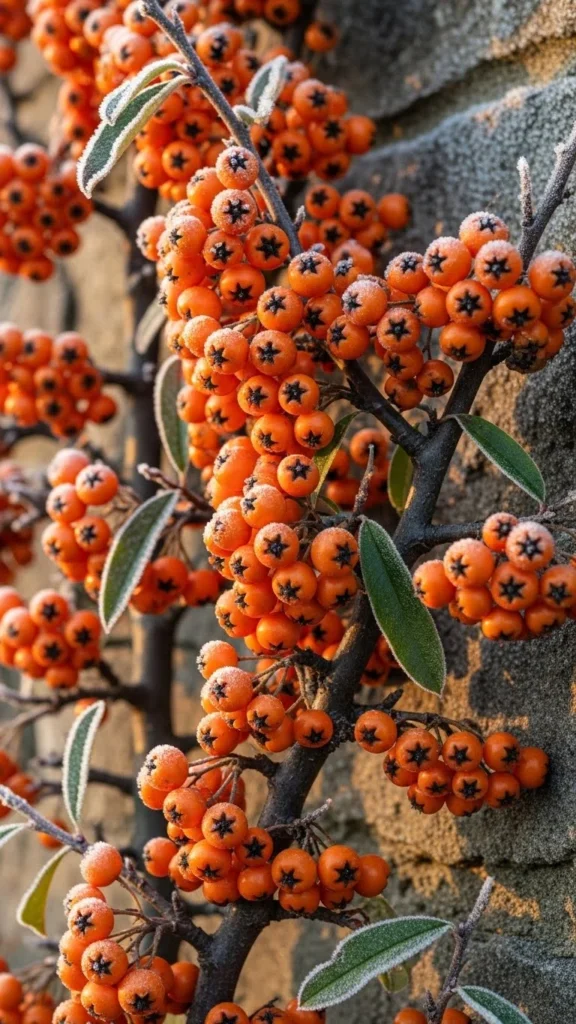
Firethorn isn’t a vine by nature, but you can train it just like one. The bright berries stay on the branches well into winter. Attach stems to a wall or fence using garden ties. Clip lightly to shape the pattern you want. A diamond layout looks beautiful behind a seating area. The berries shine against darker surfaces. Water moderately and avoid soggy soil. For a money-saving trick, repurpose an old coat rack as a trellis. The branching shape fits this plant perfectly.
11. Climbing Rose with Winter Hips
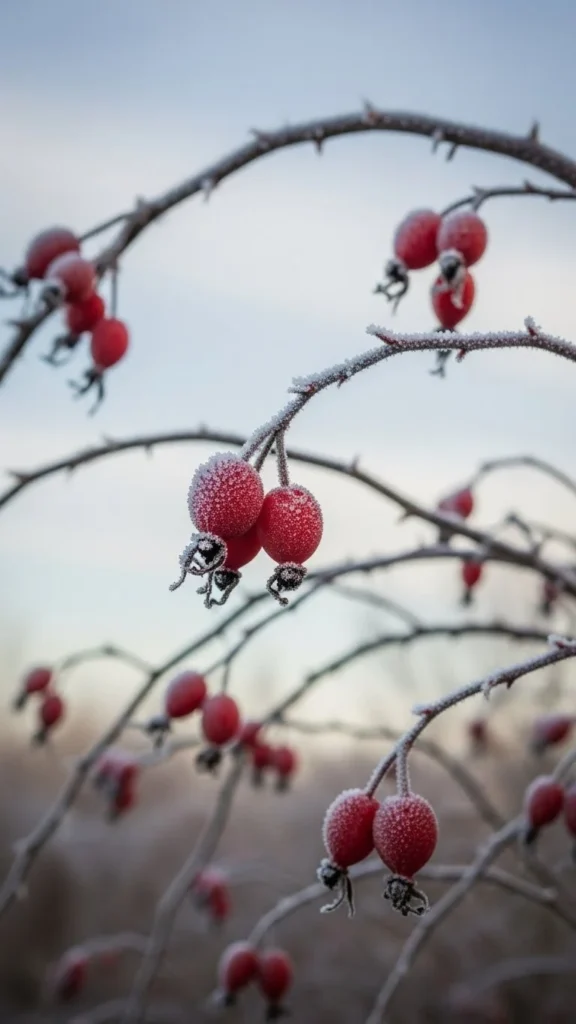
Climbing roses form bright red hips after flowering. These hips stay cheerful through winter and add simple charm. Let a few blooms fade naturally to encourage hip formation. Train the stems across lattice panels or fences. Secure gently with twine. Water sparingly once cold weather arrives. The hips make lovely natural décor if you clip a handful for your table. As a DIY touch, spray an old metal gate with matte black paint and let the rose wind through it for a dramatic contrast.
12. Boston Ivy
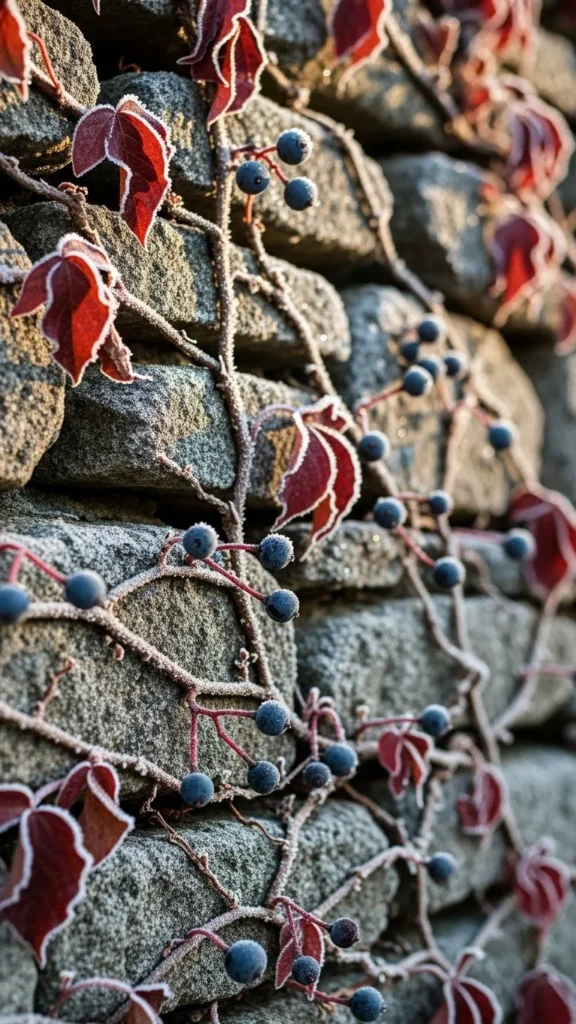
Boston Ivy drops its leaves early, leaving small dark berries exposed on sculptural stems. This bare look feels elegant, especially on brick. The vine climbs without much help. Just give it a sturdy wall and let it do the work. Prune lightly once a year to keep things controlled. The berries draw birds, which adds motion to quiet winter spaces. For a budget option, build a frame from leftover lumber and mount it behind the vine for added structure.
13. Climbing Cotoneaster
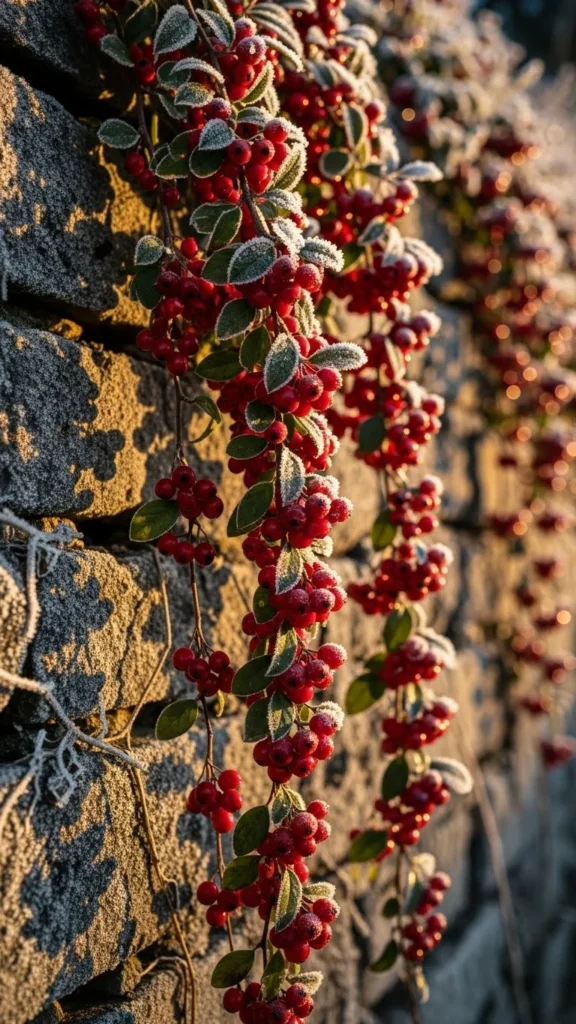
Cotoneaster berries shine brilliantly in winter. The vine-like branches drape gracefully, making them perfect for walls or slopes. Plant in sun for heavier berry clusters. Water on the light side during cold weather. You can lift branches gently and tie them to a trellis for a more vertical look. A handmade bamboo grid works well and costs very little. Clip berries for natural winter décor—they stay firm for weeks.
14. Evergreen Clematis with Berries
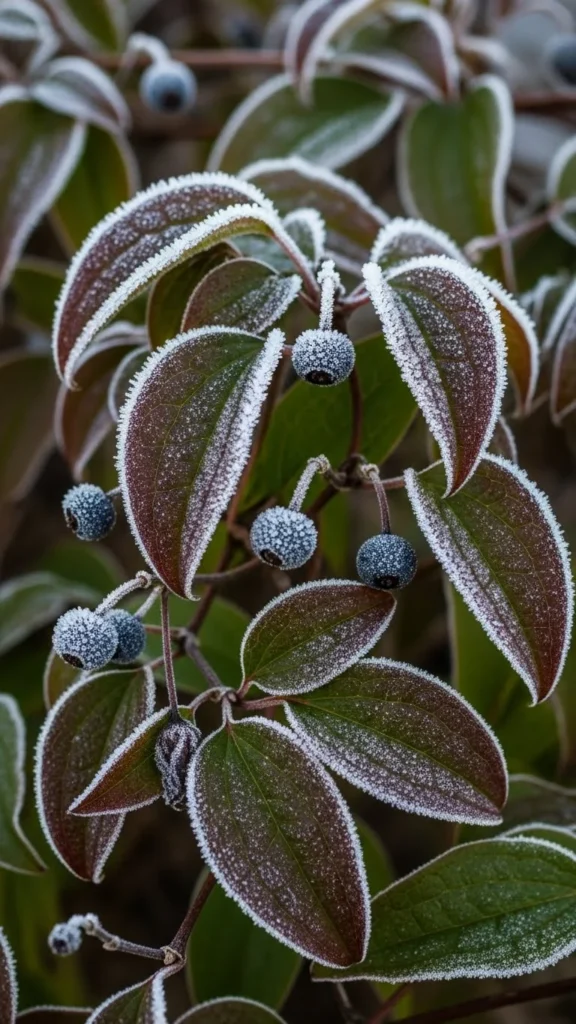
Some Clematis varieties form berries after flowering. These small fruits stay on the plant during winter, adding soft detail. Evergreen types keep their leaves, giving steady color. Plant near a porch or walkway where the texture is easy to appreciate. Use compost-rich soil and keep watering minimal in winter. A simple obelisk trellis works beautifully. Try weaving fairy lights through the support to highlight the berries at night.
15. Climbing Blackberry
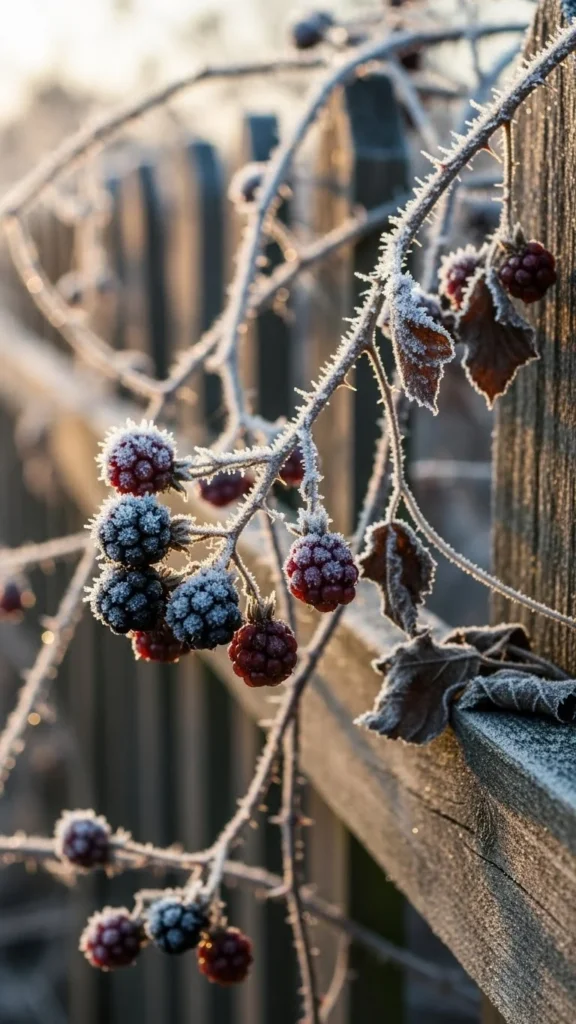
Blackberry vines often hold a few dark berries into early winter. The rich color looks dramatic against frost. These vines grow fast, so guide them with sturdy supports. A tension wire system works well and costs very little. Trim after fruiting to keep things tidy. If you enjoy DIY projects, turn old wooden stakes into a zigzag trellis and let the canes weave through. Winter birds enjoy the leftover berries, adding movement to the garden.
16. Beautyberry Trained as a Vine
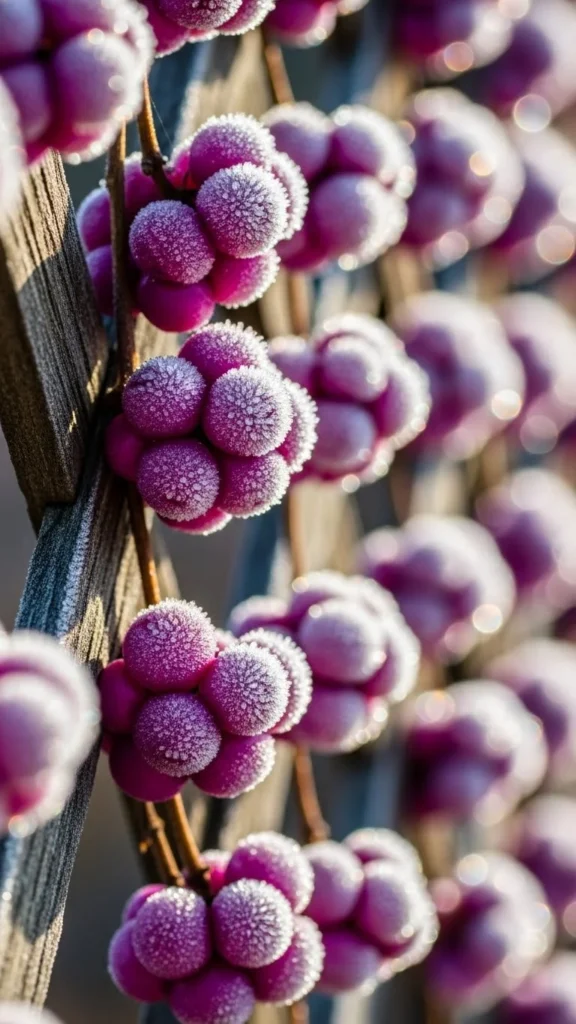
Beautyberry isn’t naturally a vine, but you can train its arching stems up supports. The purple berries glow beautifully against winter light. Attach stems gently with twine. Plant in groups for a fuller look. The berries hold their color for months. If you want a cheap support, stretch wire fencing into a curved shape and anchor it with stakes. The result looks graceful and highlights the berry clusters.
17. Climbing Cranberry Viburnum
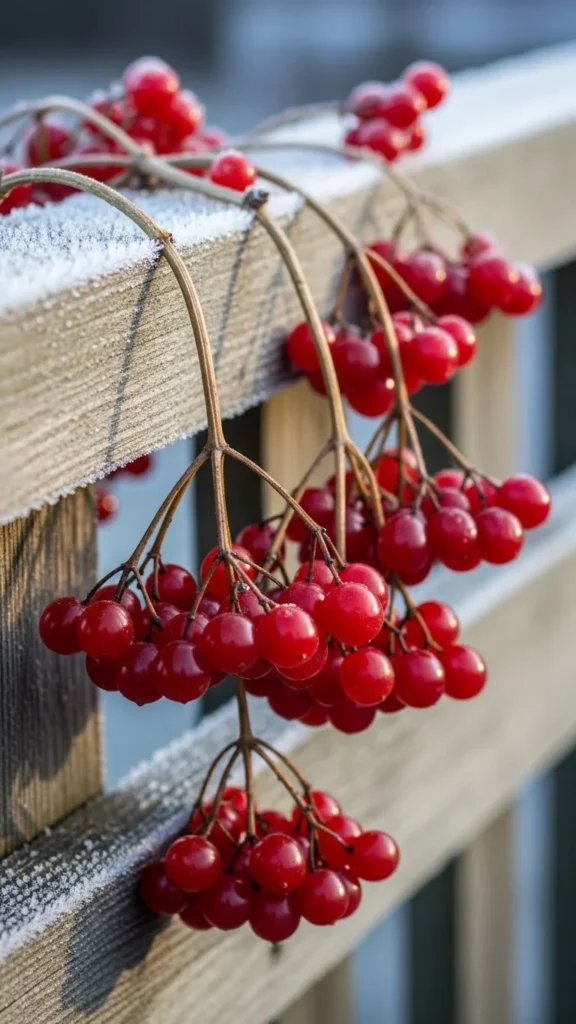
Cranberry Viburnum produces bright red berries that hang like ornaments. You can guide the flexible branches along a fence for a vine-like display. Water lightly in winter and mulch around the base. Birds flock to the berries, so place it where you can enjoy the activity. Use reclaimed wooden lattice as a budget-friendly support. Even broken pieces work well when patched together.
18. Chilean Glory Vine
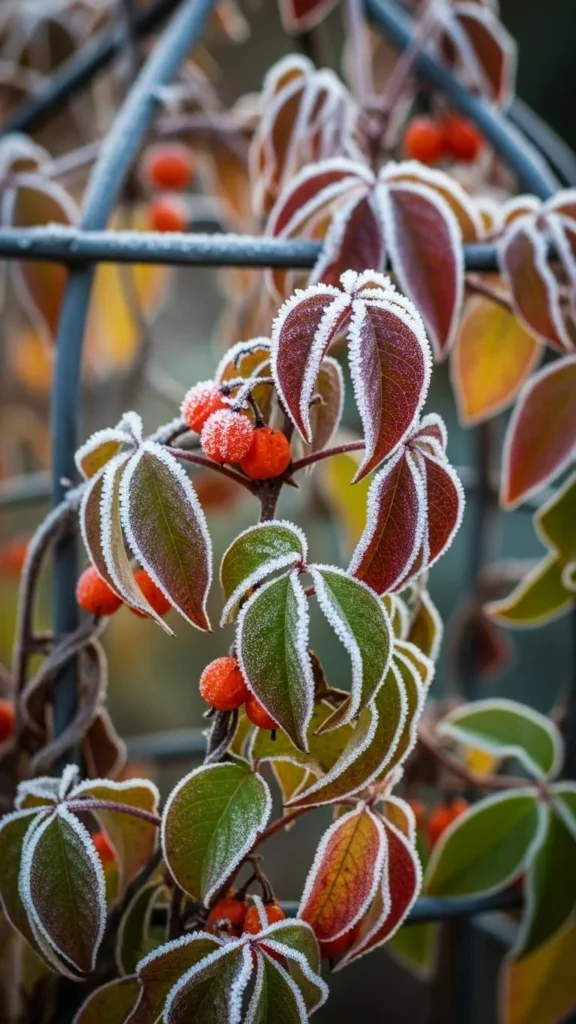
This vine is known for its flowers, but it also forms small attractive berries. The berries add interest when the flowers fade. Chilean Glory Vine thrives in sunny spots. Water sparingly during the cold months. Train it on a metal trellis or even a thrifted cooling rack repurposed as a support. Clip long stems regularly. The berries look charming in outdoor winter planters when mixed with evergreens.
19. Climbing Hydrangea with Berries
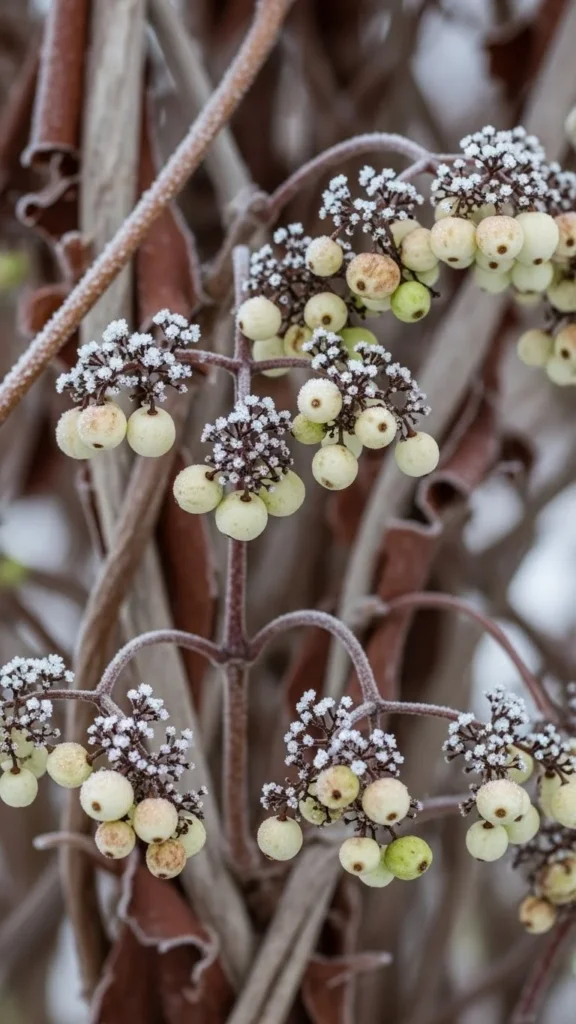
Climbing Hydrangea forms subtle berries that cling through winter. They add gentle texture paired with its unique bark. The vine climbs on its own once it locks onto a surface. It works beautifully on stone or aged wood. Keep watering low once cold weather sets in. Prune after flowering to shape the plant. You can also craft a simple wooden frame and let the vine fill it for a tidy berry display.
20. Silver Lace Vine
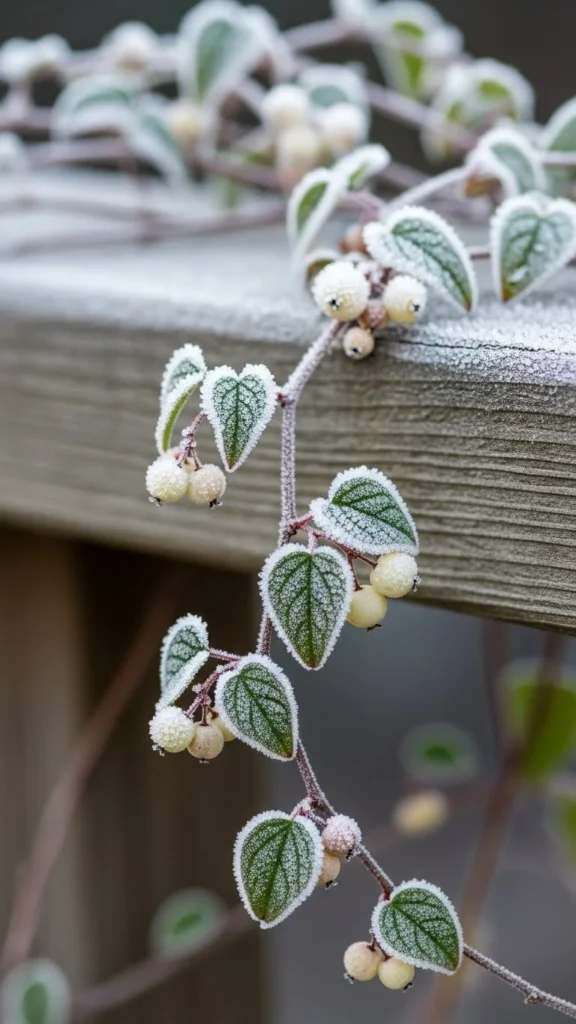
Silver Lace Vine creates delicate sprays of tiny berries after flowering. They hold on into winter and add subtle detail. Train the vine along railings or arbors. This vine grows quickly, so trim routinely to manage size. Water lightly in winter. For a low-cost trellis, zip-tie two tomato cages together to create height. The vine will wrap around the structure fast, giving you a tall, airy winter silhouette with tiny berries catching the light.
21. Scarlet Runner Bean (Decorative Winter Pods & Berries)
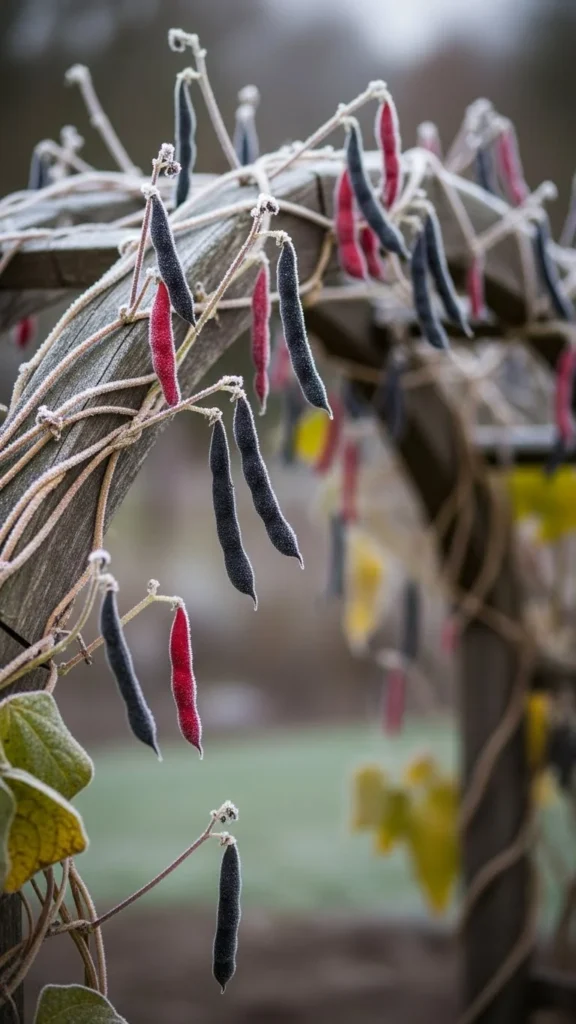
While known for pods rather than true berries, the leftover seed clusters look berry-like in winter and add striking contrast. Train the vines over arches or fences. Remove spent foliage to reveal the sculptural winter form. Use simple twine supports for easy guidance. For a budget touch, form an arch using saplings bent into shape. The dried clusters stay attractive through the season.
22. Hardy Kiwi Vine
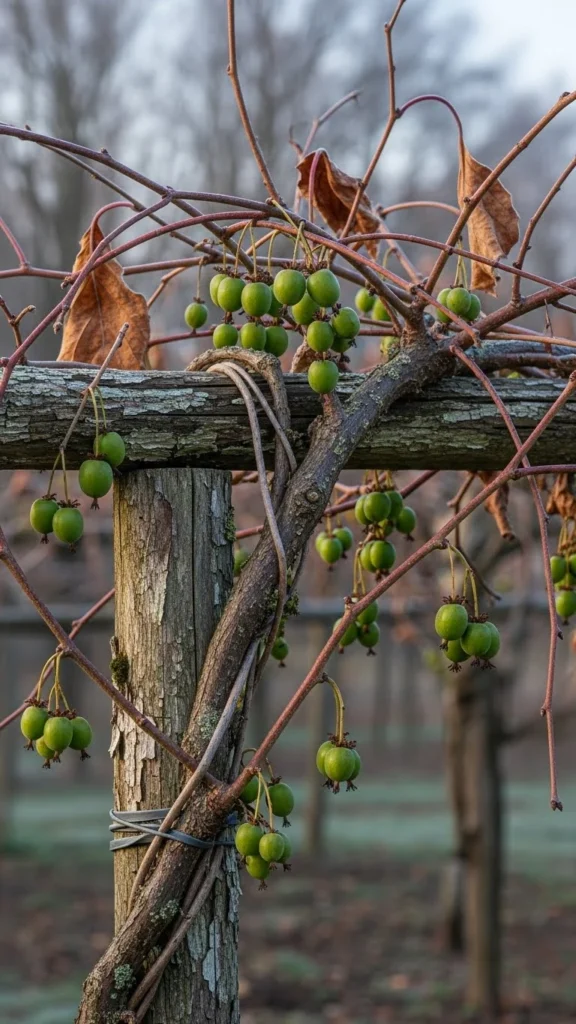
Hardy Kiwi often leaves a few fruits into early winter. They add round, berry-like interest on bare stems. This vine climbs aggressively, so steady trimming helps maintain shape. Install strong supports, such as a thick wooden pergola or steel wires. Water sparingly once frost arrives. For a cost-saving hack, reuse old metal grid panels as a support system. They’re sturdy and offer a clean pattern for guiding stems.
23. Climbing Juniper with Berry Sprays
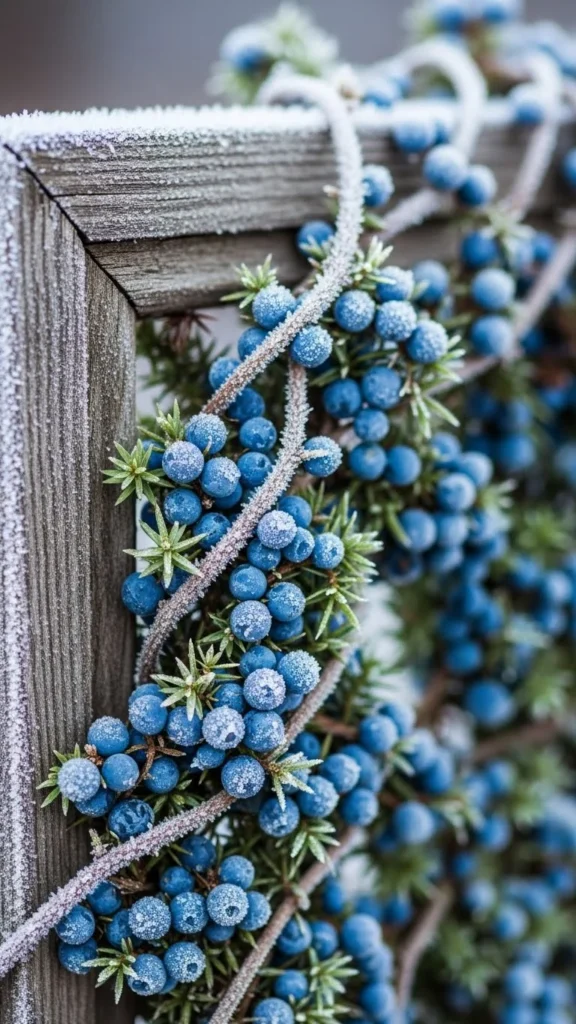
Some juniper varieties can be trained horizontally or upward like vines. Their blue winter berries steal the show. They stand out beautifully against snow or faded wood. Use minimal watering. Prune lightly to guide the form you want. For a simple DIY frame, tie together driftwood pieces or scrap wooden slats. The natural textures pair well with the berries’ cool color.
24. Pyracantha Espalier (Vine-Style Training)
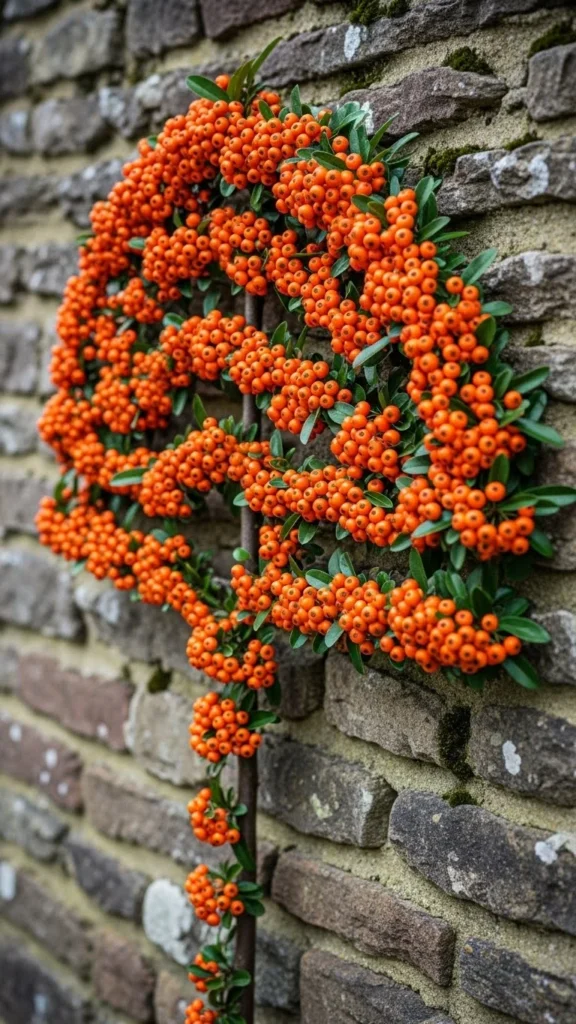
Pyracantha is easy to train flat against a wall like a vine. Its berries glow in shades of orange and red through winter. Attach branches to horizontal wires and guide them outward. This structured look adds drama to entryways and outdoor seating areas. Water lightly and trim stray shoots. For a budget project, string tension wire across an old wooden fence and create a fan pattern.
Conclusion
Winter gardens often feel bare, but berry-producing vines change the mood instantly. Their color, structure, and wildlife appeal bring life to quiet spaces. With simple supports, light pruning, and affordable DIY projects, you can brighten walls, fences, and entryways all season. Try a few of these vines and enjoy the dramatic winter color they offer year after year.

Leave a Reply