

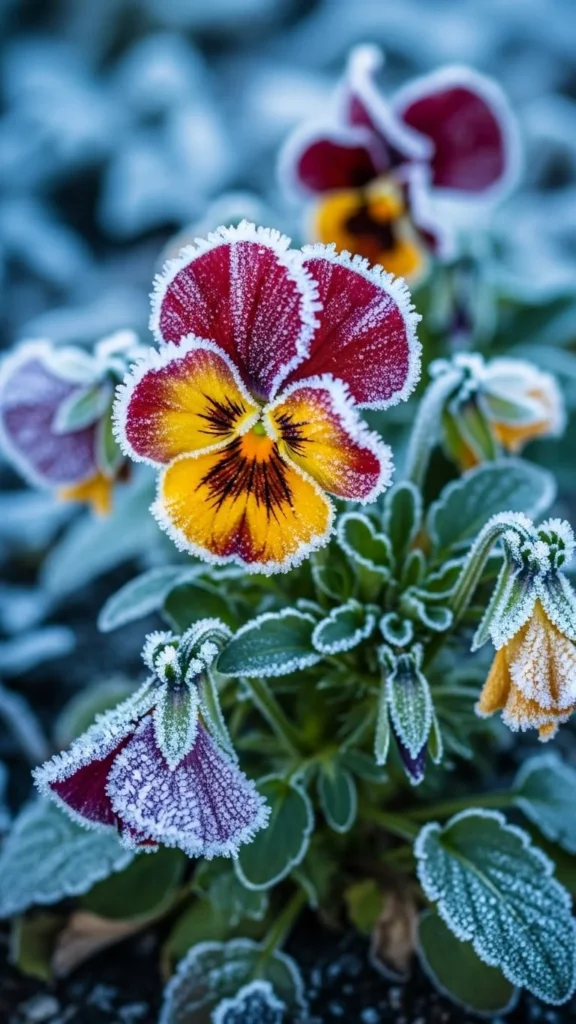
Cold months don’t have to leave your garden flat or colorless. Many annuals keep pushing out blooms long after icy mornings settle in. These hardy bloomers stay lively through sharp temperature drops and light frost, giving you bright corners when most plants fade. This list shares simple, low-cost ideas for growing frost-friendly annuals that bring life to beds, containers, and pathways all season long.
1. Pansies That Keep Their Faces Bright
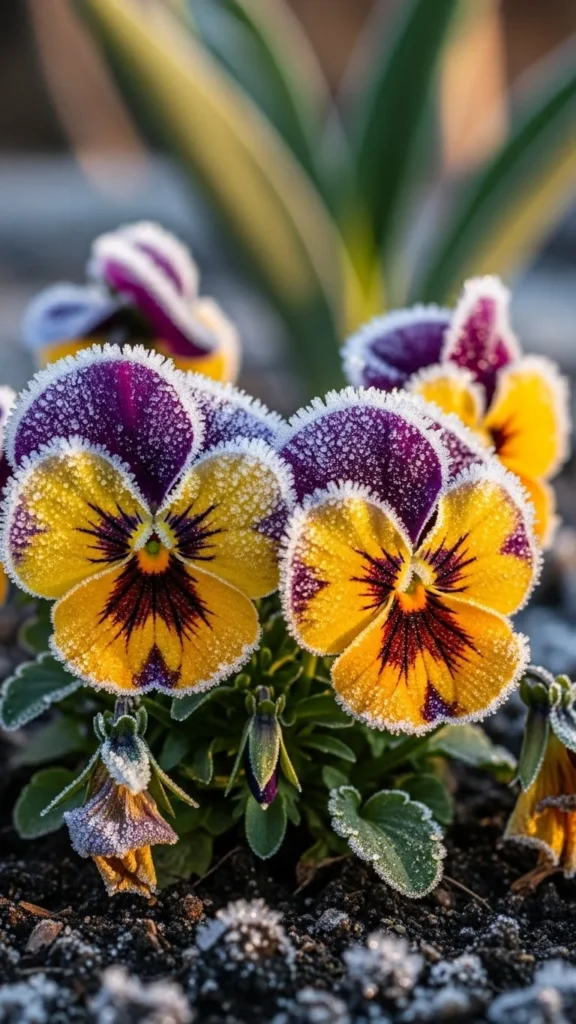
Pansies handle cold mornings with ease. Their petals stay colorful even when temperatures drop overnight. Plant them in pots along entryways or tuck them into bare garden gaps for fast charm. Water lightly, because they dislike soggy soil in winter. If you want a low-cost tip, plant them in reused terracotta bowls. They warm quickly in sunlight and help the roots stay stable. Mix several shades together for a patchwork look. A quick trim of faded blooms keeps new flowers coming in steady waves. Add a thin layer of mulch around the base to help them push through freezing nights. You can even move containers closer to sheltered walls on extra cold days. Their cheerful faces hold strong and make a quiet yard feel alive.
2. Winter-Ready Violas
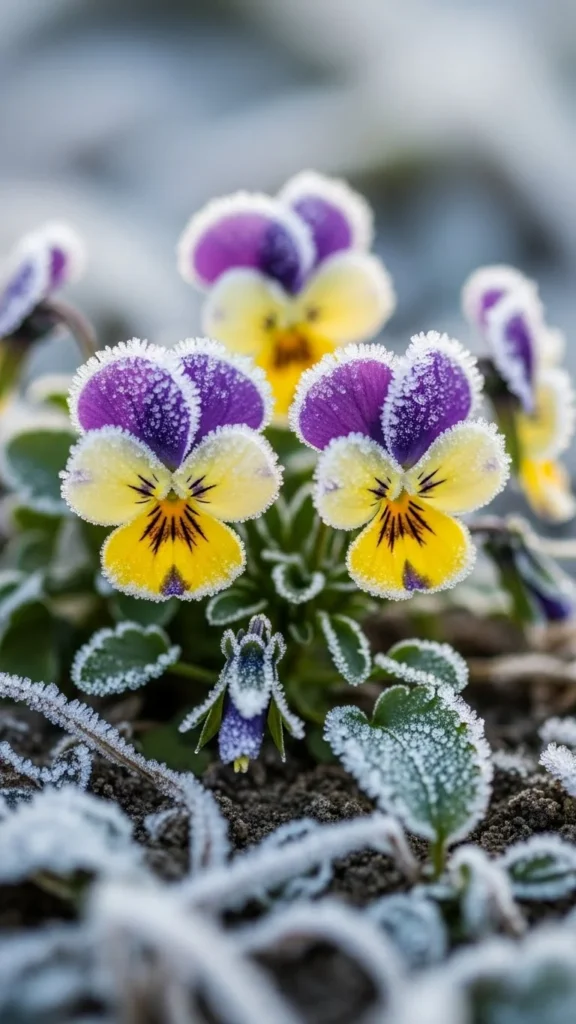
Violas handle cold spells better than many flowering plants. They grow fast, stay compact, and fill space with soft tones that brighten grey days. They work well in window boxes because they keep their shape even when temperatures drop. Try mixing them with hardy herbs like rosemary for a simple but pretty combo. Keep the soil lightly moist and pinch the tips to encourage more blooms. A budget-friendly idea is starting violas from seed. It only takes a small tray and a sunny windowsill. Once the seedlings have two sets of leaves, move them outside. They settle quickly and bloom long past the point other flowers give up. They also attract winter pollinators when food is scarce. Add them wherever you want color that keeps going.
3. Frost-Tolerant Snapdragons
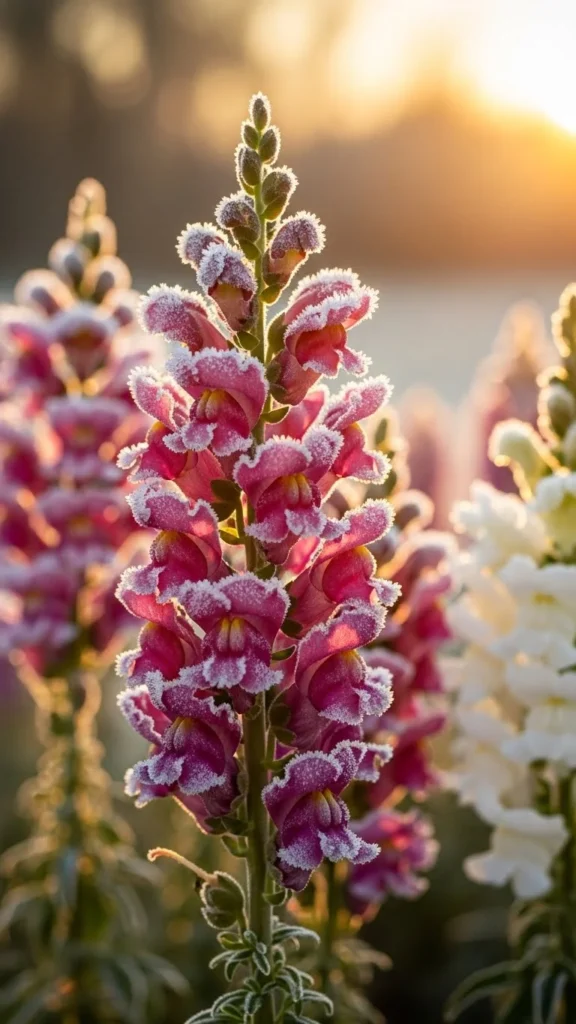
Snapdragons look fragile, but they handle frosty mornings well. Their tall spires add height when most plants flatten from cold. Choose dwarf varieties for pots or taller ones for borders. Water gently at the base to avoid ice buildup on the blooms. One simple tip: plant snapdragons beside stones or bricks. These surfaces hold warmth and help protect the roots. You can also snip the top part of the stem to encourage branching. Even when frost arrives, the lower buds keep opening. For an easy project, grow a small row along your walkway. The vertical shape makes the path feel structured even when everything else looks bare. Their colors stay strong, bringing life to late-season beds.
4. Pot Marigolds That Don’t Quit
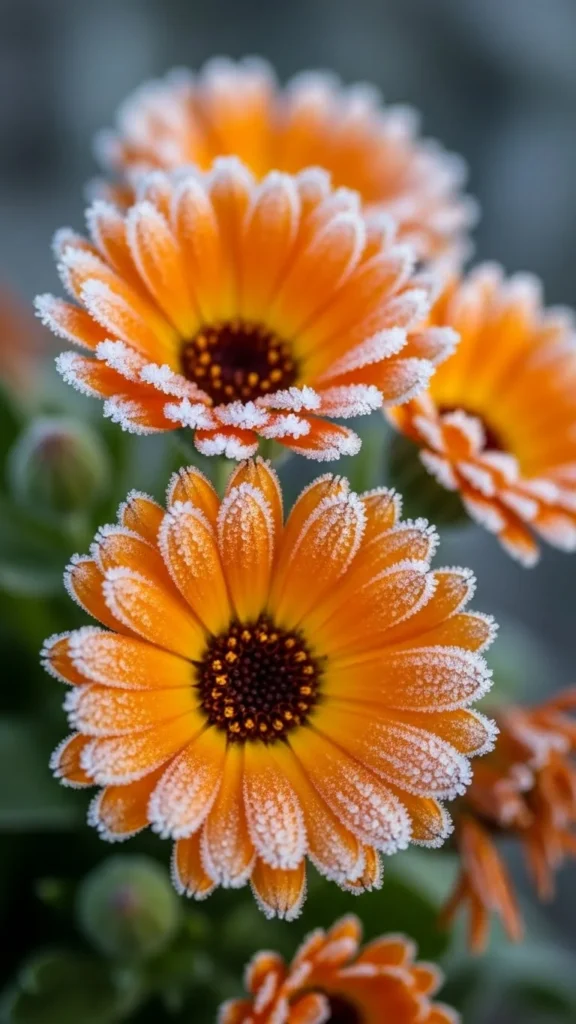
Pot marigolds push through cold weather with surprising stamina. Their sunny petals stand out on cloudy days. Plant them in groups for a rich burst of color. They grow well in basic potting soil, so you don’t need expensive mixes. A small sprinkle of compost every few weeks gives them enough support. If frost hits hard, they may droop for a day but bounce back quickly. Try planting them in recycled metal buckets for a rustic look. Drill a few drainage holes and add gravel at the bottom. This setup prevents soggy roots and helps the plants stay upright. Deadhead often, and the flowers keep coming. Even in cold spells, they stay bold.
5. English Daisies for Winter Charm
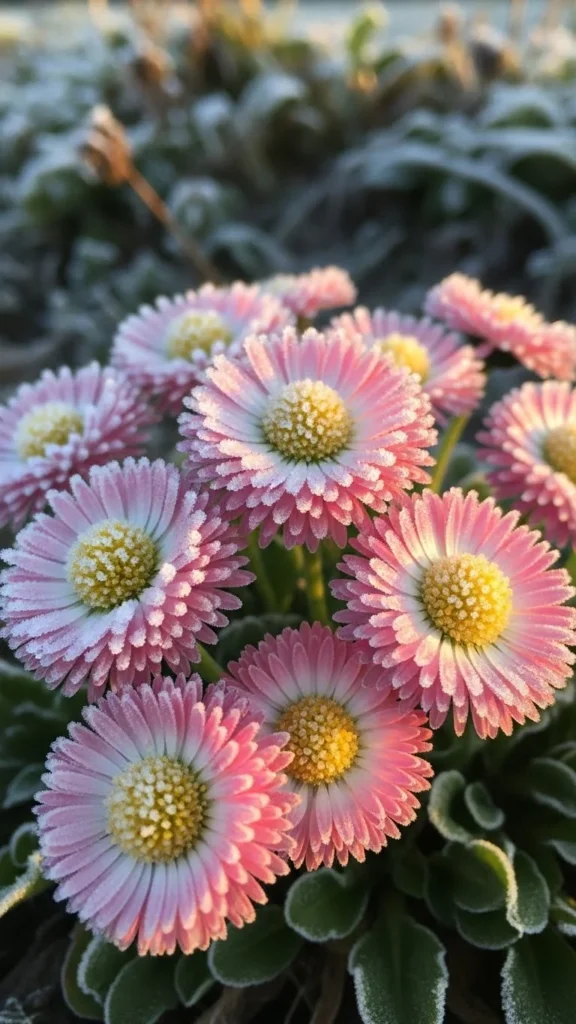
English daisies add a delicate touch to winter beds. Their round blooms look tidy and cheerful even when temperatures dip. They thrive in cool air, so winter suits them. Plant them along the front of borders or in small clay pots for a quaint look. They don’t ask for much—just moderate watering and light trimming. If you want a cost-effective idea, divide larger clumps in early fall. Each division forms a new plant that settles before frost. These daisies also pair well with stone pathways, creating a sweet cottage feel. When frost forms on their petals, they still hold shape and color. Perfect for gardeners who enjoy soft, simple beauty.
6. Dusty Miller for Silver Contrast
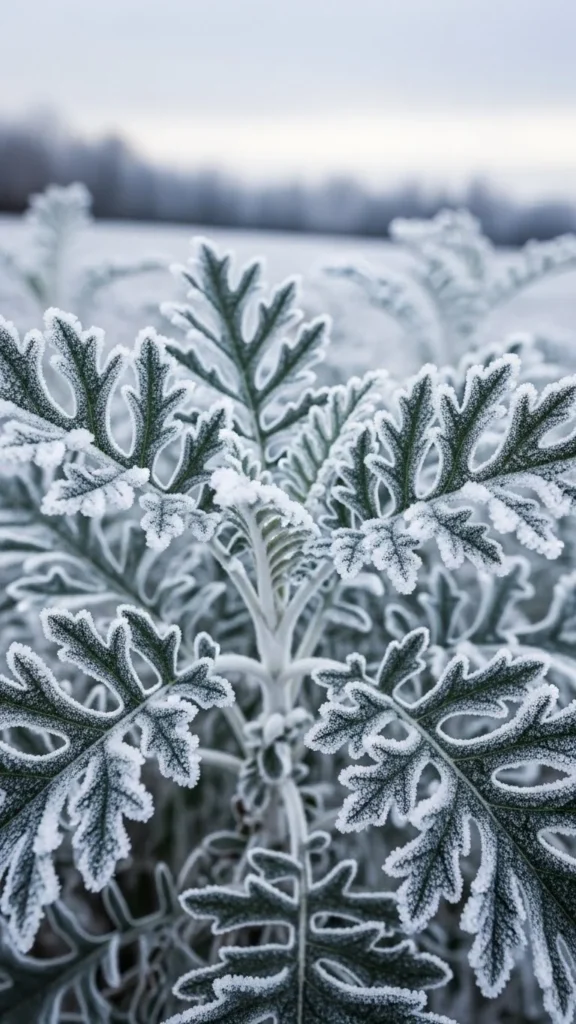
Dusty Miller doesn’t bloom the way other annuals do, but its silvery leaves shine through winter. The cool-toned foliage pairs well with stronger colors like pansies and snapdragons. Plant it as a border or mix it into pots for contrast. It tolerates frost with barely a change in appearance. For an easy project, plant it in repurposed wooden crates. The rustic container highlights the silver tones. Trim lightly to keep the shape neat. Sprinkle a thin layer of gravel around the base to help drainage. Even when temperatures drop, Dusty Miller stays bright and steady. It gives your garden structure and soft shimmer.
7. Ornamental Kale with Winter Drama
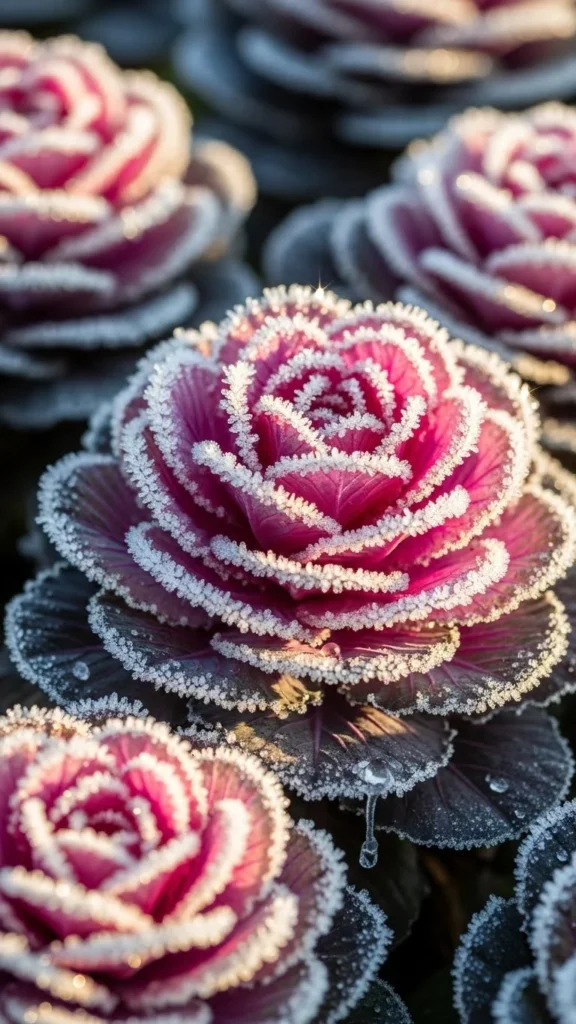
Ornamental kale brings bold texture to cold-season beds. Its layered leaves and rich colors look dramatic against winter soil. It thrives in cold weather and often improves in color after frost. Plant it in groups to create a strong visual statement. For a budget project, place them in large plastic bins disguised with burlap. Add a few stones around the base to help drainage. These plants stay upright and crisp even during hard freezes. Water sparingly and avoid soaking the center rosette. The plants slowly expand and maintain their shape well into winter. Great for filling empty spaces that need life.
8. Sweet Alyssum That Softens Winter Edges
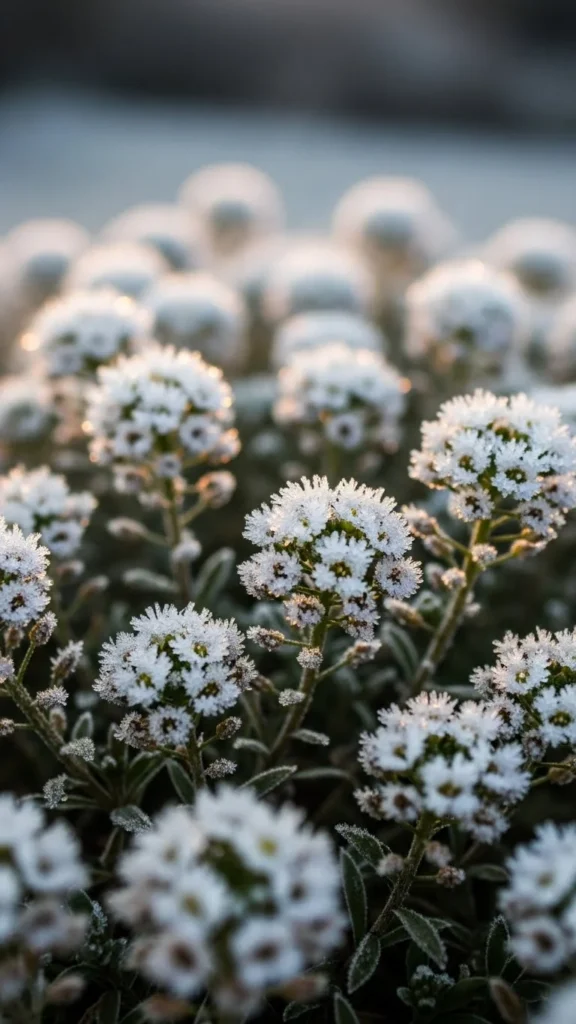
Sweet alyssum spreads gently and smells light and pleasant, even in cold air. It works well for edging beds or spilling over containers. The small blooms stay intact through frost and keep forming new clusters during warm breaks. Scatter seeds in fall for an inexpensive start. They germinate easily and create a soft carpet by winter. Trim lightly to keep the growth tidy. You can pair alyssum with taller annuals that need a gentle base. Even a light frost doesn’t slow it down. Its low-growing form adds texture and brightness to quiet corners.
9. Calendula for Reliable Winter Color
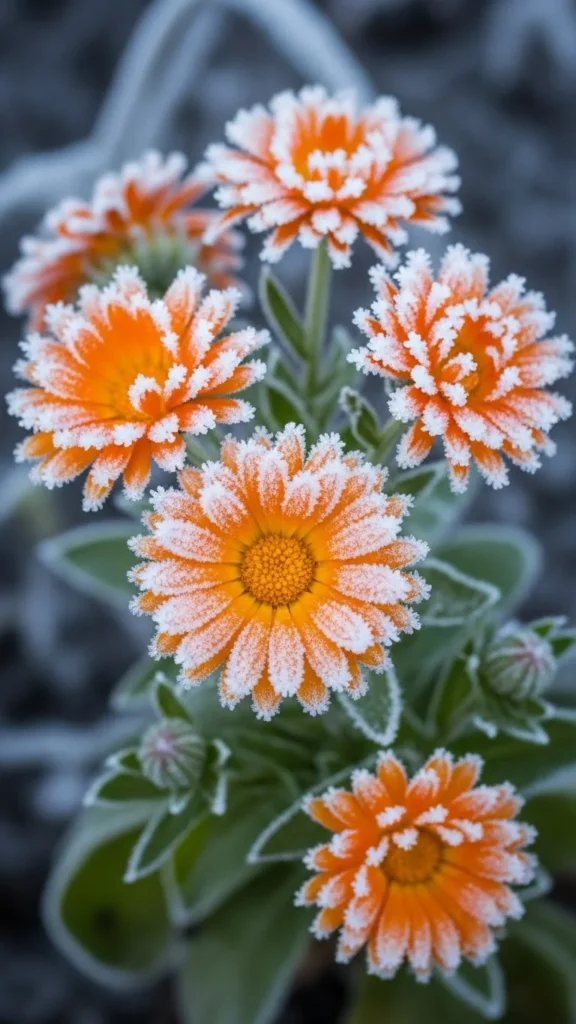
Calendula pushes out bright flowers deep into cold weather. It’s simple to grow and works in almost any sunny space. Scatter seeds in early fall for quick growth. The plants tolerate frost and keep blooming through winter breaks. If petals droop after a freeze, wait a day—they perk right back up. A thrifty trick is planting them in leftover nursery pots and grouping the pots in decorative baskets. Add mulch around the base to guard the roots. Calendula also produces repeat flowers if you pinch away dry ones. It’s a strong choice for gardeners who want bold hues throughout winter.
10. Nemesia With Cold-Ready Blooms
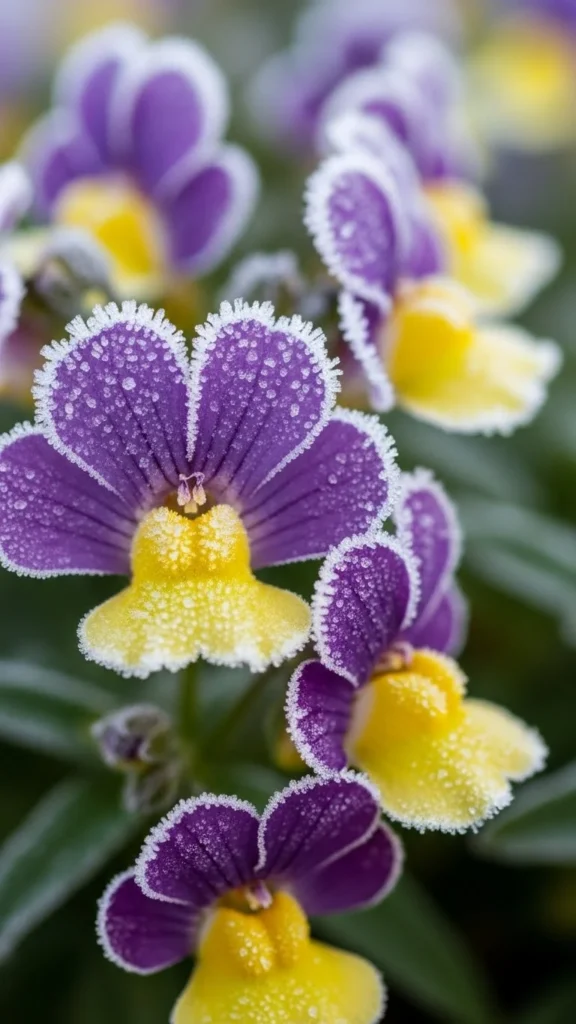
Nemesia gives you bright faces and sweet scent, even in cold spells. The compact shape fits balconies, railings, and porch pots easily. It keeps producing flowers when many plants slow down. Water lightly and trim spent stems to spark new blooms. For a low-cost hack, combine nemesia with leftover fall mums in the same pot. The mix looks full and layered through winter. Place containers near a sunny wall for warmth. Nemesia handles frost surprisingly well, giving small bursts of color that hold steady.
11. Dianthus With Winter Edges
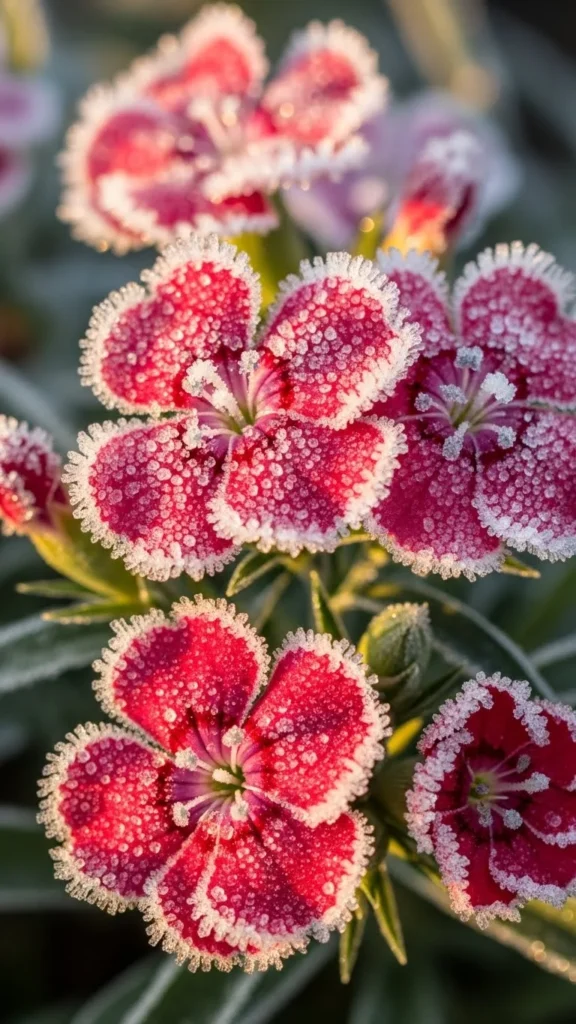
Dianthus stays colorful even when frost hits. The fringed petals resist damage and keep their shape. Plant them along borders or in small raised beds for easy care. They appreciate well-drained soil, so add a handful of sand if your soil holds water. Start them from seed to save money. They sprout quickly and grow strong in cool weather. Pinch the stems back after blooming to encourage more flowers. These plants keep their brightness long into cold months, adding charm when little else blooms.
12. Wallflowers for Late-Winter Strength
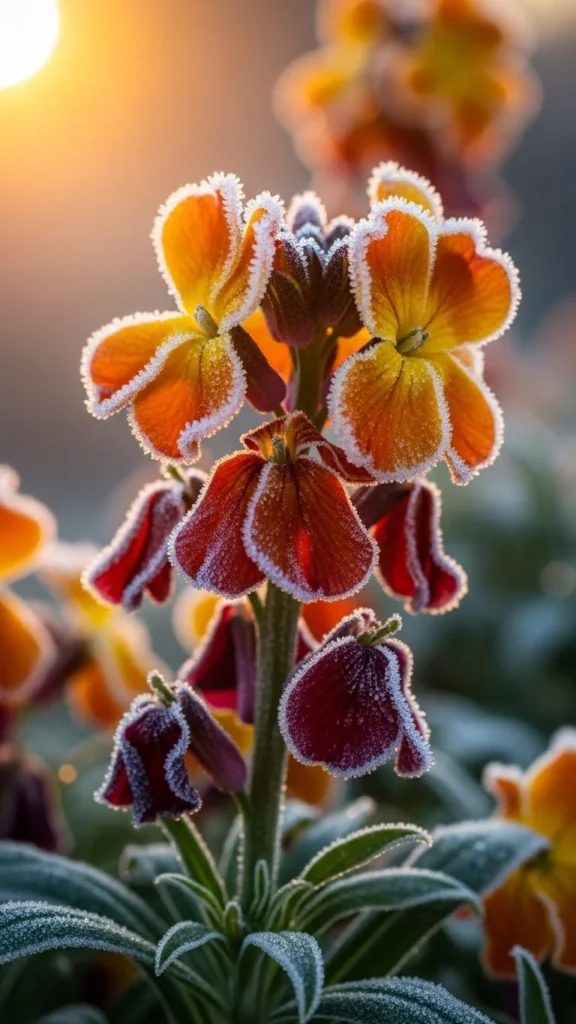
Wallflowers thrive in chilly air and stay strong when frost settles. Their tall stems and warm colors liven up sleepy garden beds. Plant them against fences or walls for extra heat retention. Water sparingly once temperatures drop. A budget tip is buying small starter packs instead of full-size plants. They grow quickly in cool conditions. As winter warms slightly, they bloom even more. Wallflowers give consistent color when your garden feels quiet.
13. Larkspur for Early Cold Seasons
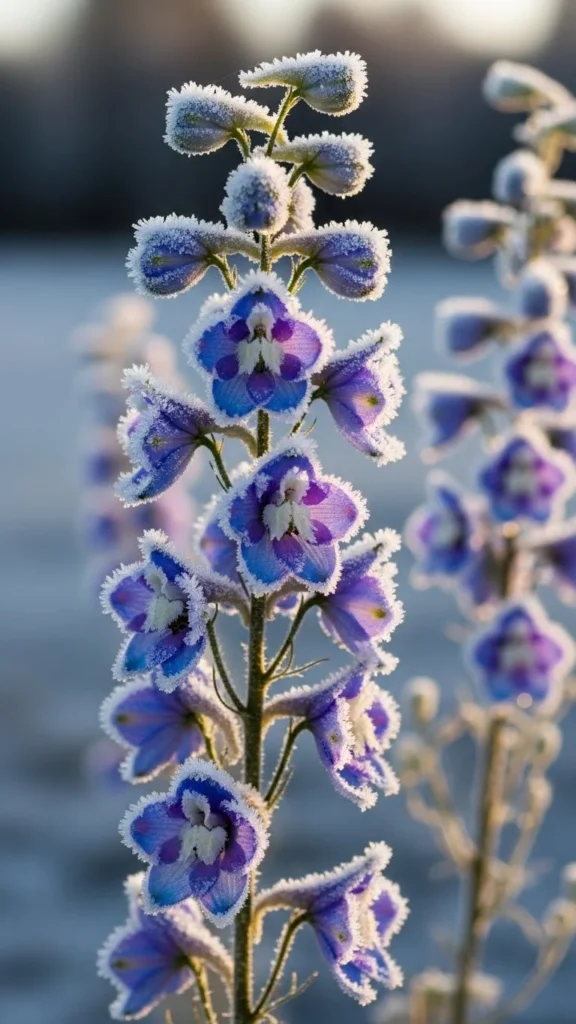
Larkspur enjoys cool weather and handles frost without wilting. The tall spires make beds look fuller when everything else collapses. Plant seeds in fall for the best performance. They sprout in cool soil and establish before winter arrives. Add a thin straw mulch to help them settle. These flowers don’t need much—just sun and steady spacing. For a simple display, grow them behind a row of low alyssum or pansies. As soon as late winter warms slightly, they reward you with taller, fuller blooms.
14. Stock for Winter Fragrance
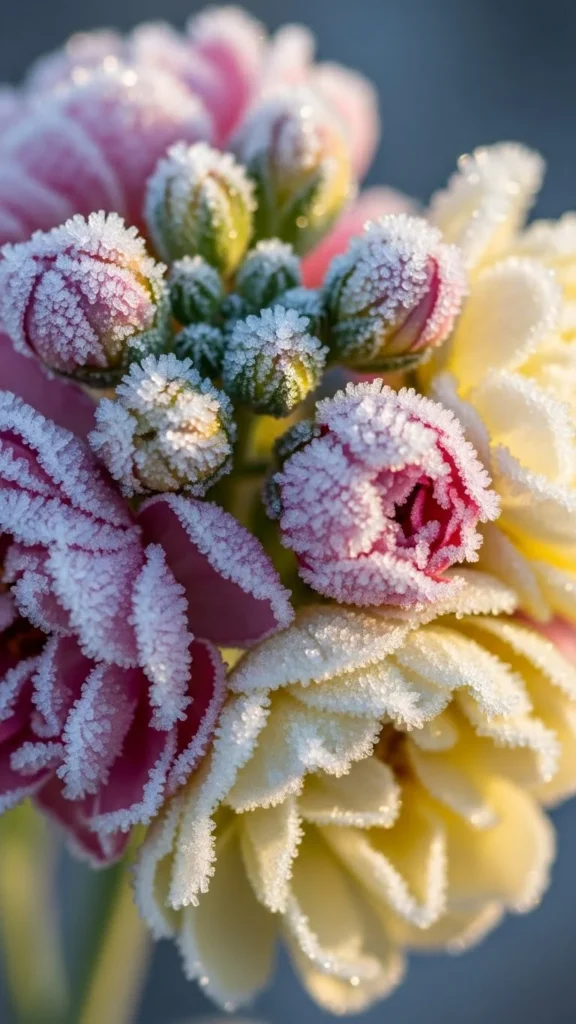
Stock blooms carry soft scent even in cold air. The sturdy stems make them ideal for raised beds and deep pots. They prefer cool temperatures, so winter suits them perfectly. Plant them in groups for a bigger visual effect. Keep soil lightly moist and cut away old flowers. A cost-saving idea is using a single deep pot and mixing several colors together. Stock holds strong through frost and continues budding through winter’s mood swings.
15. Sweet Peas That Laugh at Frost
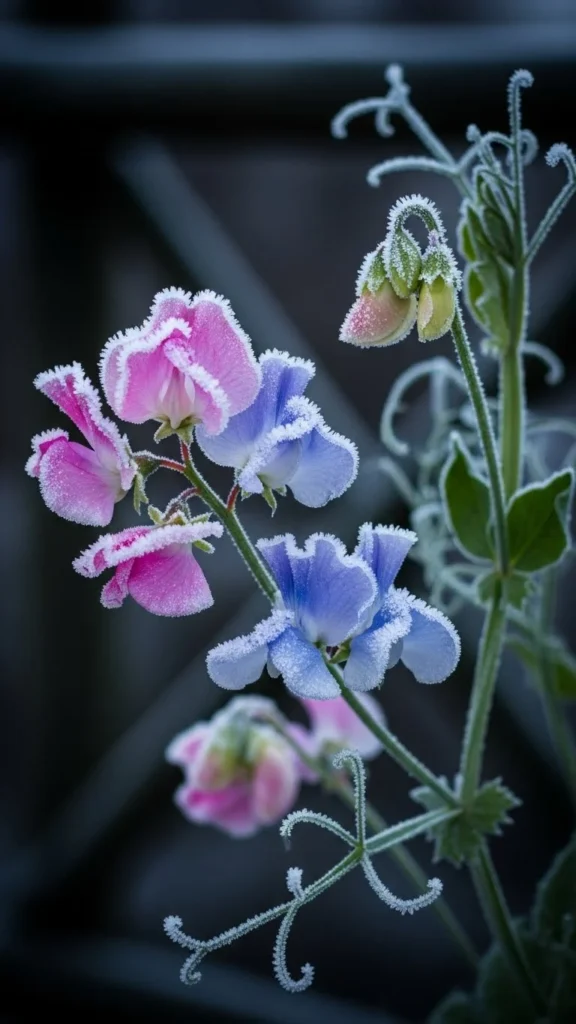
Sweet peas enjoy cool air and climb steadily even when frost appears. They cling to trellises, fences, or simple string supports. Start seeds in fall for stronger vines. Soak the seeds overnight to speed germination. For a low-cost trellis, tie twine between two stakes. The vines grab hold easily. Sweet peas push out soft blooms during warm winter days and handle cold snaps with little trouble. Perfect for small vertical spaces.
16. Swan River Daisies
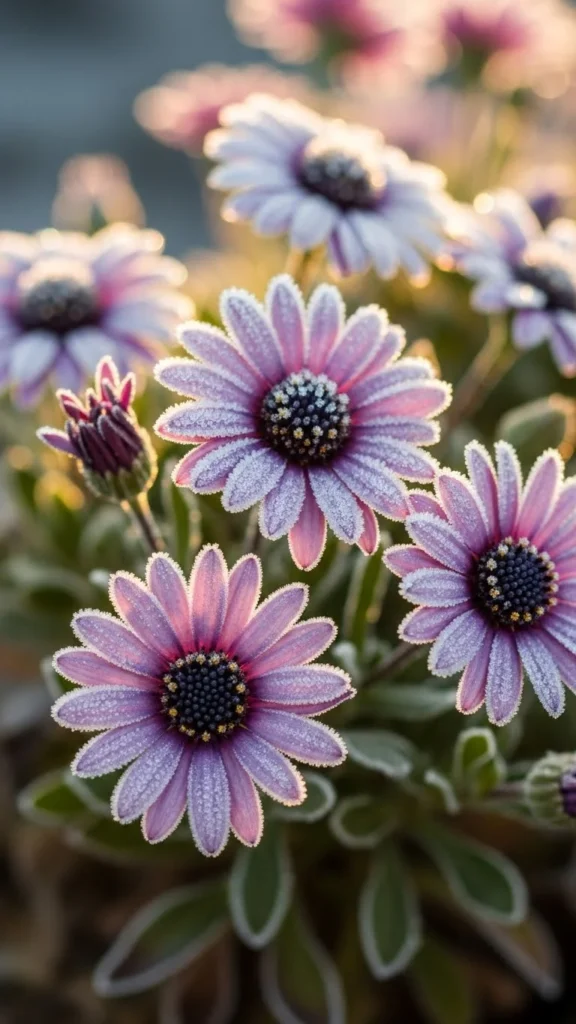
Swan River daisies spread gently and bloom through cold seasons. Their airy form adds softness to beds and containers. Scatter seeds in fall for a simple, budget-friendly start. The plants grow quickly and keep producing flowers as long as they get sunlight. Trim lightly to maintain shape. Even when frost covers the petals, they hold their form. These daisies fill empty spaces that look dull in winter.
17. Lobelia That Survives Frosty Mornings
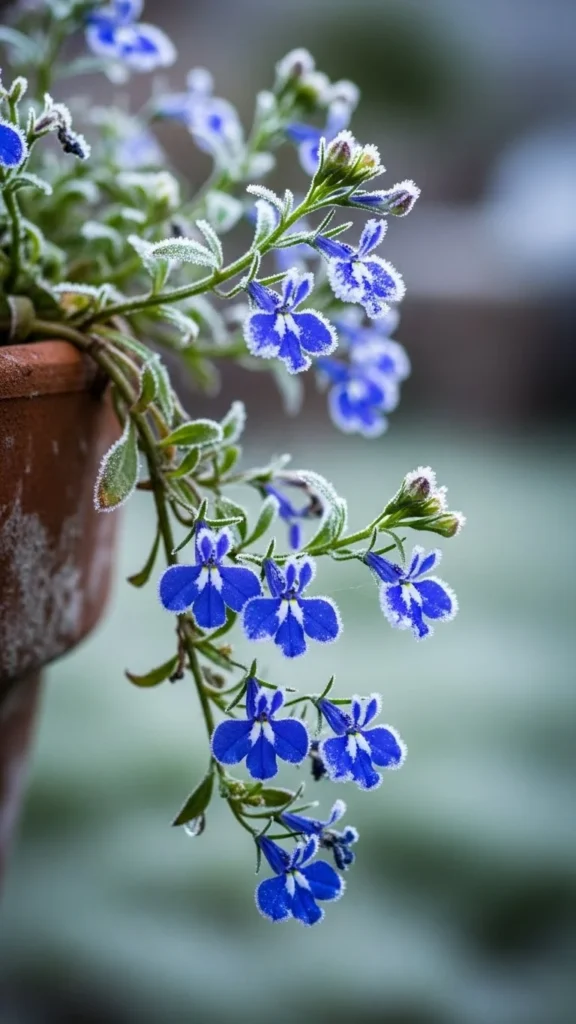
Lobelia trails beautifully from containers and window boxes. The intense blue shades stay bright through frost. Plant lobelia in hanging baskets for a cascading effect. Water sparingly once cold sets in. For a thrifty setup, reuse summer baskets by adding fresh soil on top. Trim the plant back slightly when it gets stringy. Even in cold air, lobelia pushes out new growth and keeps its color lively.
18. Petunias That Keep Going in Cold Air
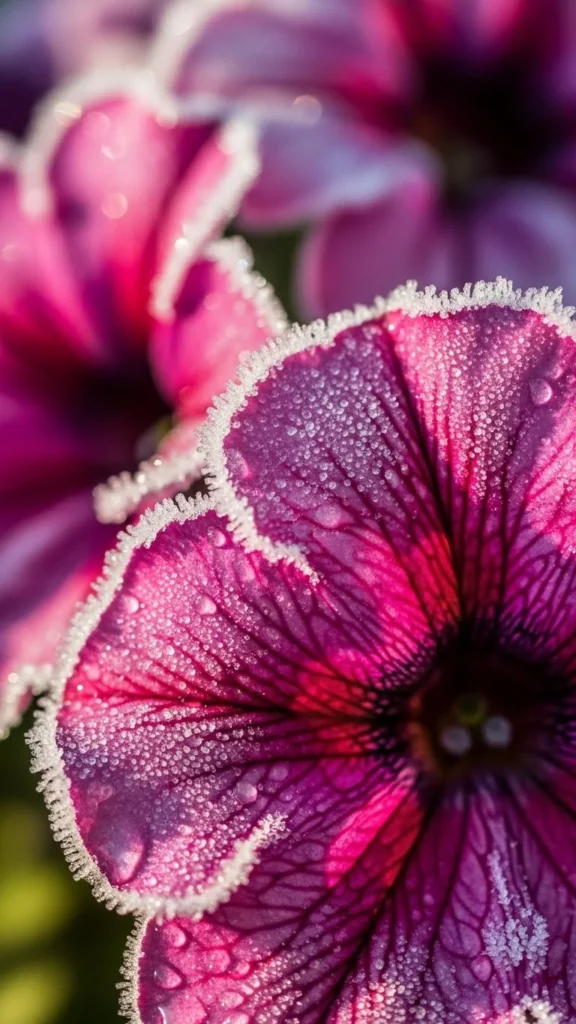
Petunias surprise many gardeners by lasting through early winter frost. Plant them in sunny spots and water gently. They respond well to trimming, so cut back leggy stems. You can revive old summer pots by adding a few fresh petunias and placing them near sheltered walls. The warmth helps them survive frosty nights. Their blooms stay bright, and the plants keep producing buds whenever temperatures rise.
19. Phlox That Holds Up in Frost
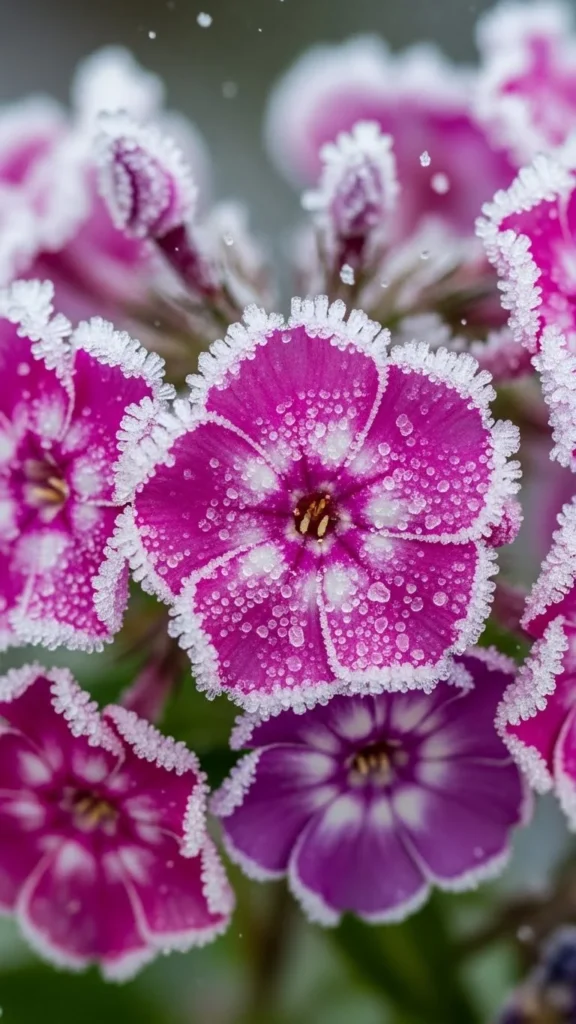
Phlox stays neat and colorful even during cold spells. It spreads slightly, making it ideal for filling small gaps. Plant it near pathways or in mixed containers. Keep the soil lightly moist and trim away faded clusters. A money-saving idea is dividing older phlox clumps in early fall. Each piece grows into a new plant that settles before winter. Phlox keeps its shape and brightness through frosty mornings.
20. Iceland Poppies
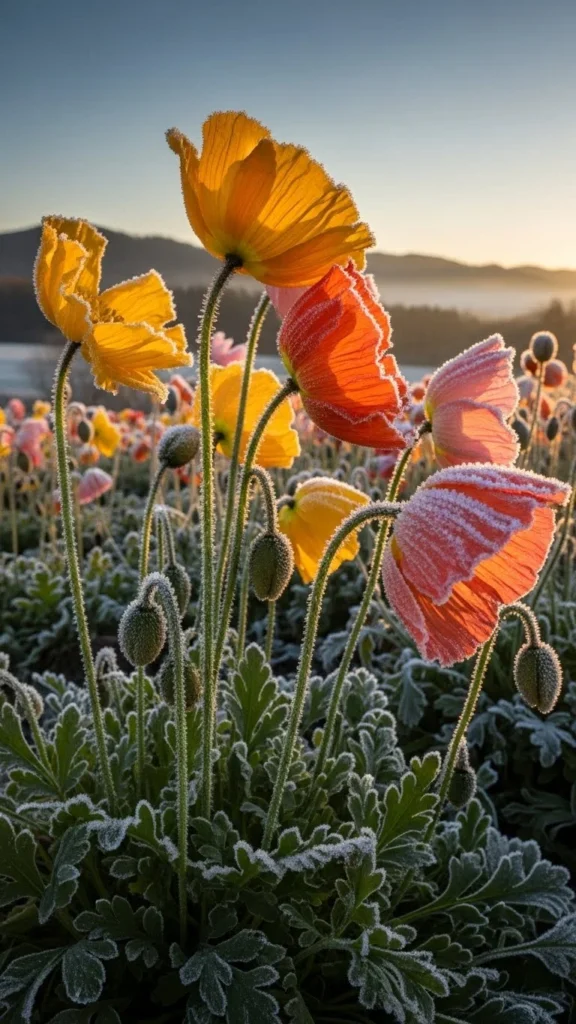
Iceland poppies thrive in cold seasons and often bloom right through frost. Their silky petals look delicate but don’t collapse easily. Plant them in sunny beds or large containers. Add a small amount of gravel to improve drainage. Start from seed for an affordable option. Once they take root, they grow steadily through winter. The blooms sway gently in cool breezes and bring warm color to stark spaces.
21. Osteospermum for Winter Spark
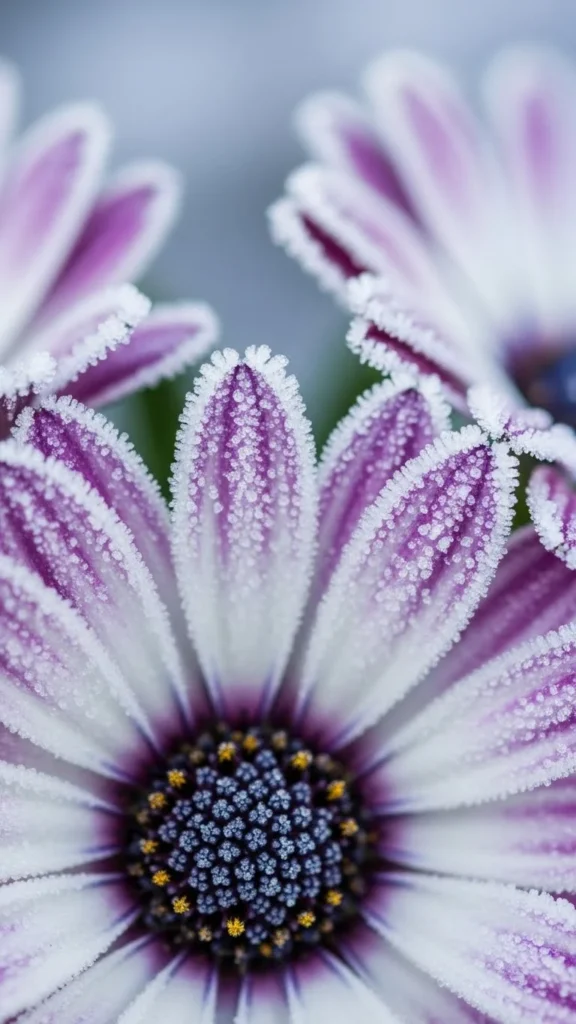
Osteospermum offers daisy-like flowers that hold up well in cold air. They bloom during warmer breaks in winter and stay firm during frosty nights. Plant them in pots or raised beds. Add mulch around the base to protect the roots. A practical tip is grouping them near large rocks for warmth retention. Trim lightly to promote repeat blooms. These flowers keep gardens lively during quiet seasons.
22. Winter Petchoa Hybrids
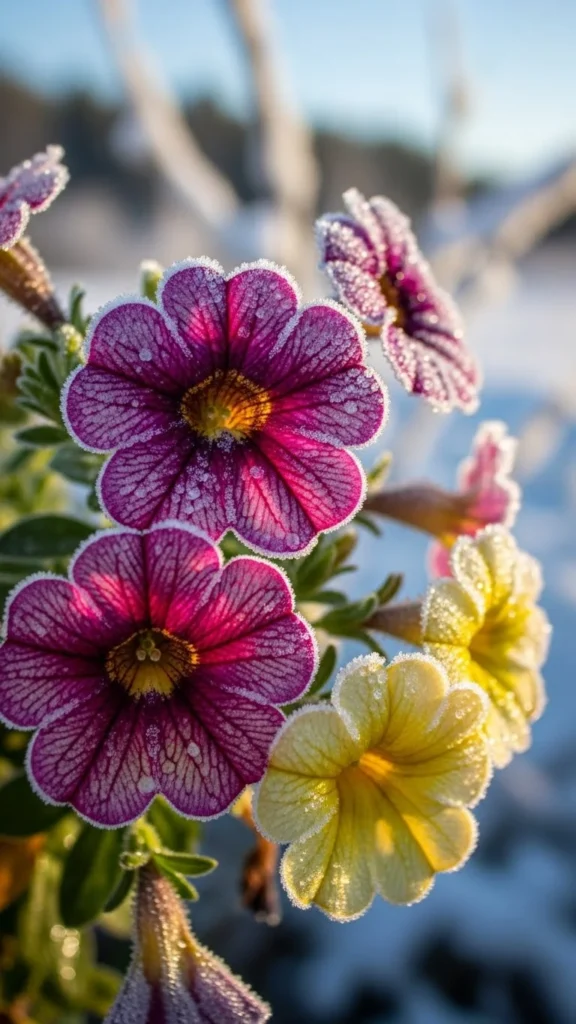
Petchoa hybrids combine the best traits of petunias and calibrachoa. They hold color well in cold air and stay compact. Plant them in baskets or long planters. Water lightly and snip away fading blooms. A thrifty idea is using old rain gutters as wall planters. Just add drainage holes. Petchoa flowers remain strong even with frost, giving continuous color.
23. Hardy Blue Salvia
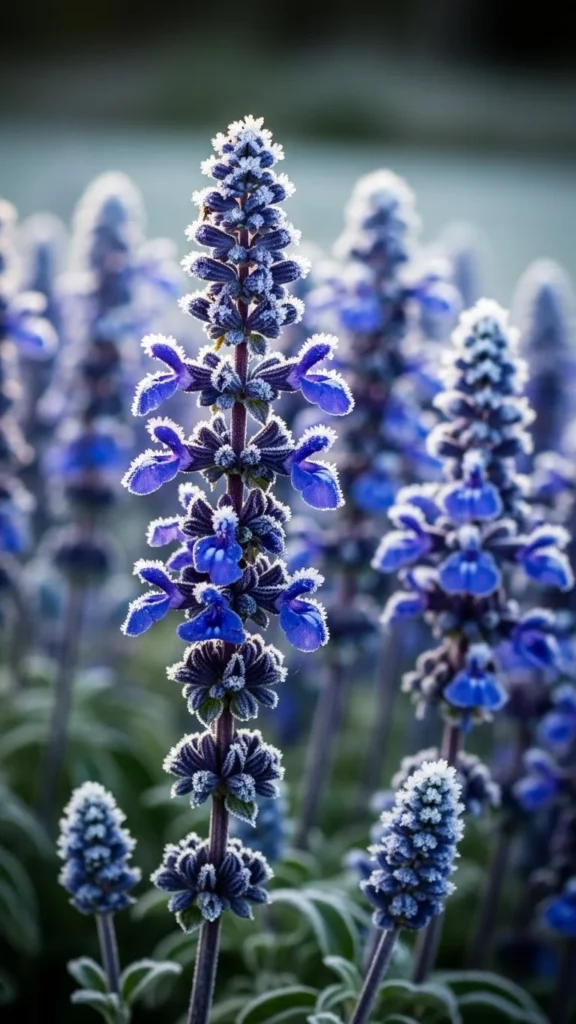
Blue salvia keeps its structure and color through early winter frost. Plant it in borders or along walkways for height. Water sparingly during cold spells. For an affordable approach, start from seed in early fall. The seedlings grow quickly in cool air. Trim the tips once to encourage branching. The plants stay upright and colorful, adding depth to winter beds.
24. Frost-Ready Coreopsis
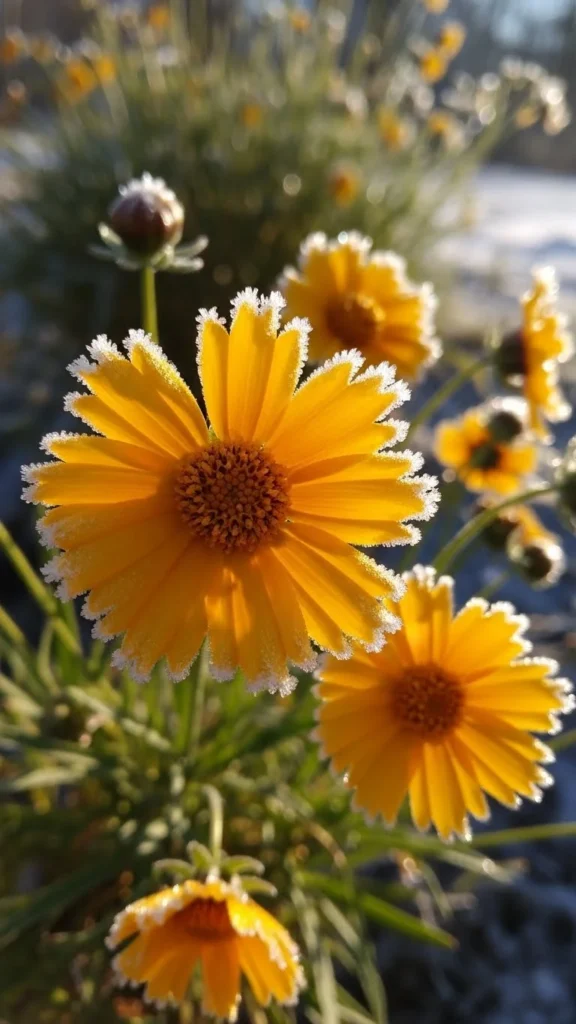
Coreopsis surprises many gardeners with how well it holds up during cold snaps. Plant it in sunny beds or mixed containers. Cut back spent blooms to encourage new growth. A simple budget trick is growing them in basic nursery pots and slipping those pots into decorative sleeves. Coreopsis keeps its tidy shape through frost and brightens dull spaces with clear yellow tones.
25. Winter-Defiant Godetia
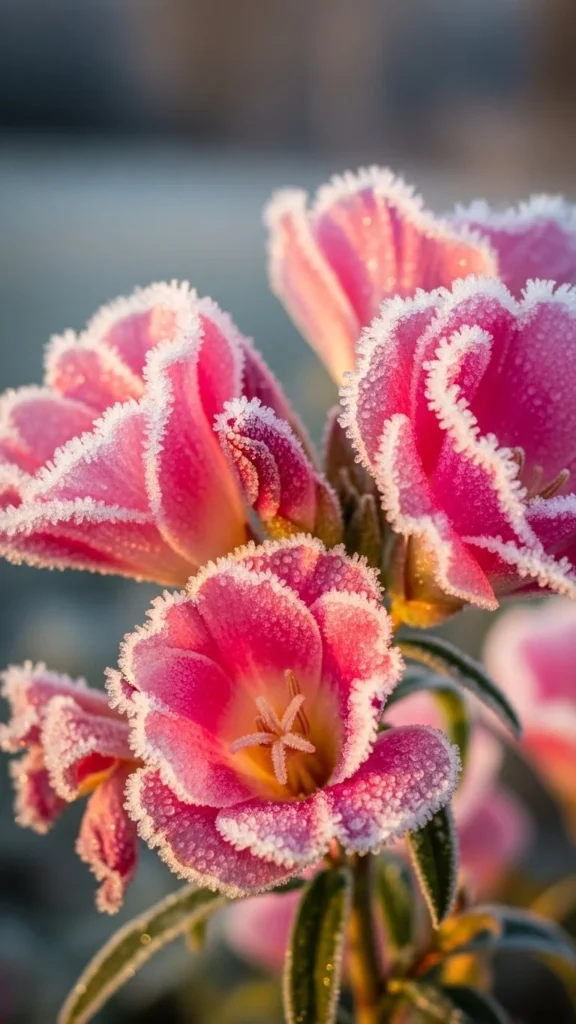
Godetia handles cold air gracefully. The satiny petals stay smooth even after sharp frost. Plant seeds in early fall for a low-cost start. Keep soil loose and avoid heavy watering in winter. Godetia works well in narrow beds or long planter boxes. As the weather warms slightly, it blooms more often. The soft hues make winter gardens feel cheerful and alive.
26. Hardy Nigella (Love-in-a-Mist)
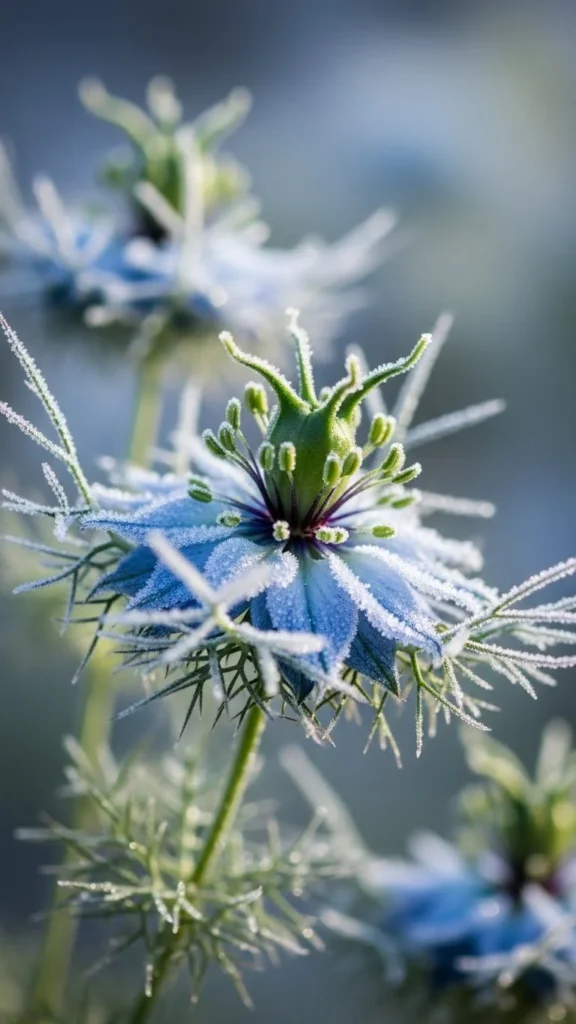
Nigella grows well in cold seasons and stays strong through frost. The airy foliage and pastel flowers bring gentle movement to beds. Scatter seeds in fall for an inexpensive project. They sprout easily and establish quickly. Nigella needs little care—just sunlight and light watering. It holds shape through cold spells and fills beds with soft color and texture, even on the coldest mornings.
Conclusion
Cold weather doesn’t have to dull your garden. These hardy annuals stay bright, hold their shape, and continue blooming even when frost settles in. With simple care and budget-friendly planting tricks, you can keep color flowing through the entire cold season. Choose a few favorites, tuck them into your beds or containers, and enjoy a winter garden that never looks empty.

Leave a Reply