

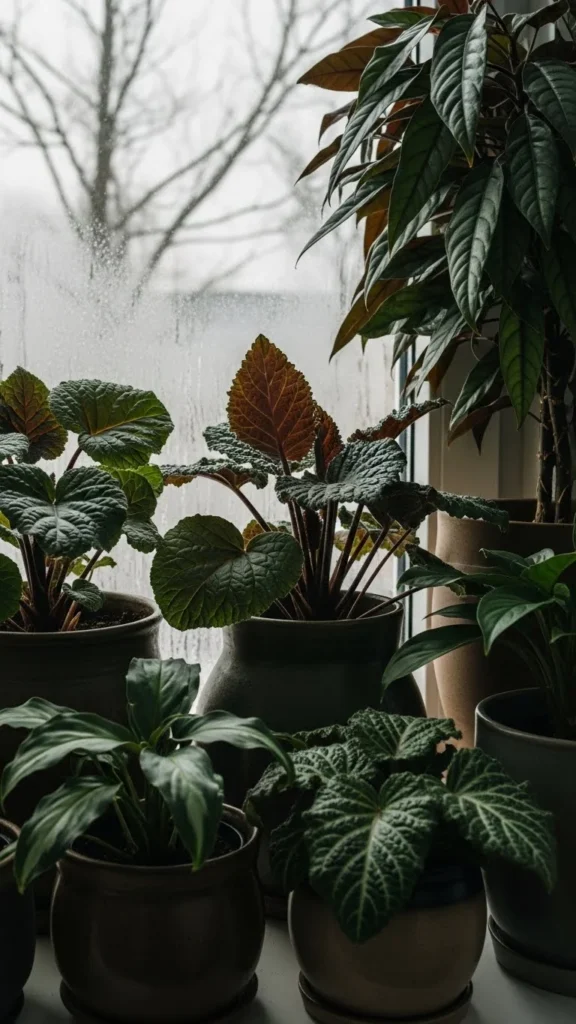
Indoor temperatures can swing in winter, especially near drafty windows and hallway corners. Some plants tolerate these swings far better than others. This guide highlights cold-tolerant houseplants that keep their shape even when your home feels chilly. Each idea includes simple, practical tips so you can create a reliable indoor plant setup without spending much or adjusting your entire space.
1. Snake Plant
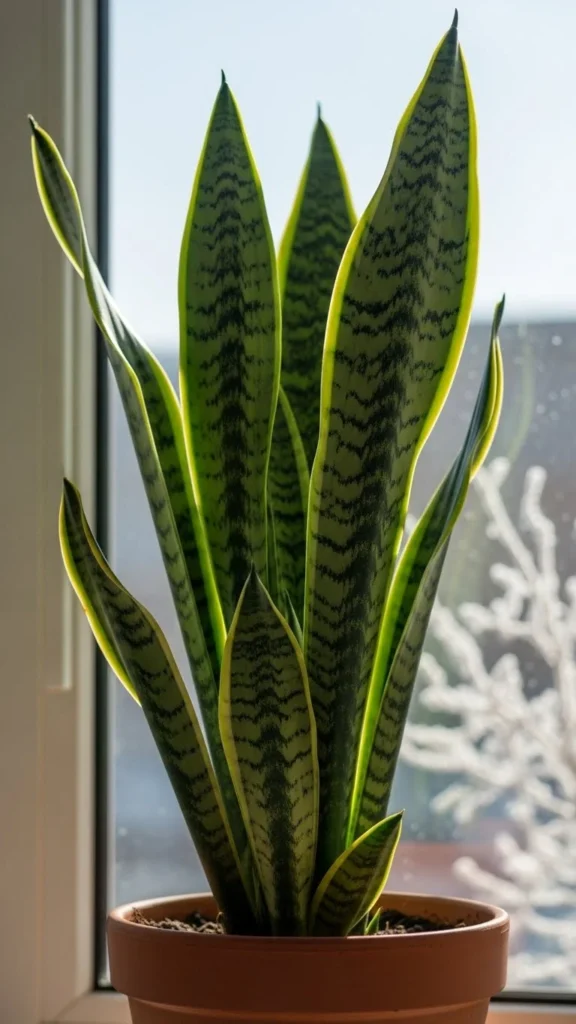
Snake plants handle uneven temperatures very well. Their thick leaves store moisture, so they don’t collapse when the room cools down. Place one in a hallway or near a window with chilly drafts, and it will still look strong. Water lightly. The soil should stay on the dry side. A simple terracotta pot works well because it dries out evenly. If you want a budget method, mix your own gritty soil using potting mix and coarse sand. This helps prevent soggy roots. Rotate the pot every few weeks so all sides get light. If you have a drafty bedroom, this is a dependable choice. It also handles missed watering without stress. Use a small wooden stand to lift the pot away from cold floors.
2. ZZ Plant
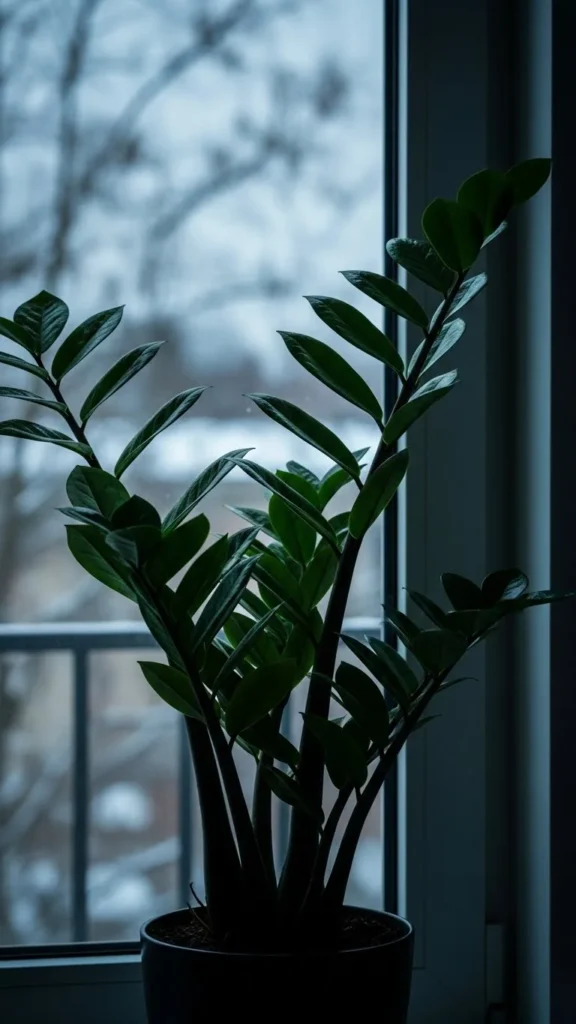
ZZ plants keep their structure even when temperatures dip at night. Their hardy tubers hold moisture, which makes them slow to dry out. This trait helps them stay firm when air turns cool. If your room loses warmth fast, this plant is a safe option. Keep watering simple: once every two to three weeks in winter is usually enough. A DIY trick is adding perlite to the soil for better drainage. It stops excess moisture from hanging around. If your home has uneven heating, move the pot slightly away from the window glass but still keep it bright. ZZ plants grow even in low light, so they don’t demand much. Use a basic ceramic pot to maintain stability. Wipe leaves with a damp cloth once a month to help them catch light.
3. Cast Iron Plant
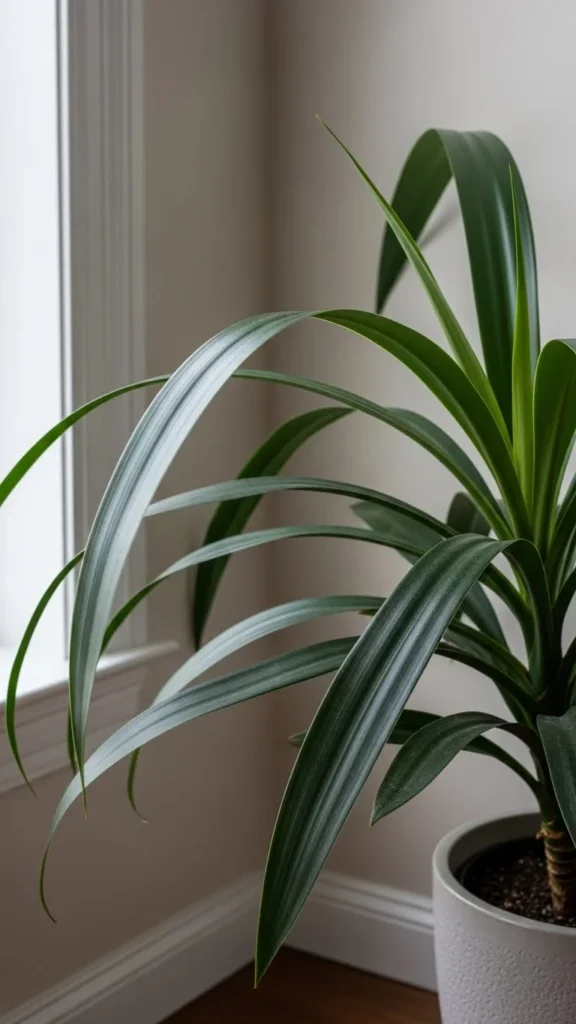
Cast iron plants stay strong when other plants wilt. They tolerate cold drafts and fluctuating temperatures better than most indoor varieties. This makes them perfect for older homes or winter apartments with uneven heating. Their long leaves spread nicely and give a full look even with minimal care. Water sparingly. They prefer dry soil in cool seasons. If you want an inexpensive mix, combine peat-free compost with perlite and fine bark. Place the plant where indirect light reaches it throughout the day. A hallway is usually enough. Dust the leaves every few weeks. If your room is particularly drafty, raise the pot on a small stool to keep it away from cold tile floors. This simple adjustment helps growth.
4. Pothos
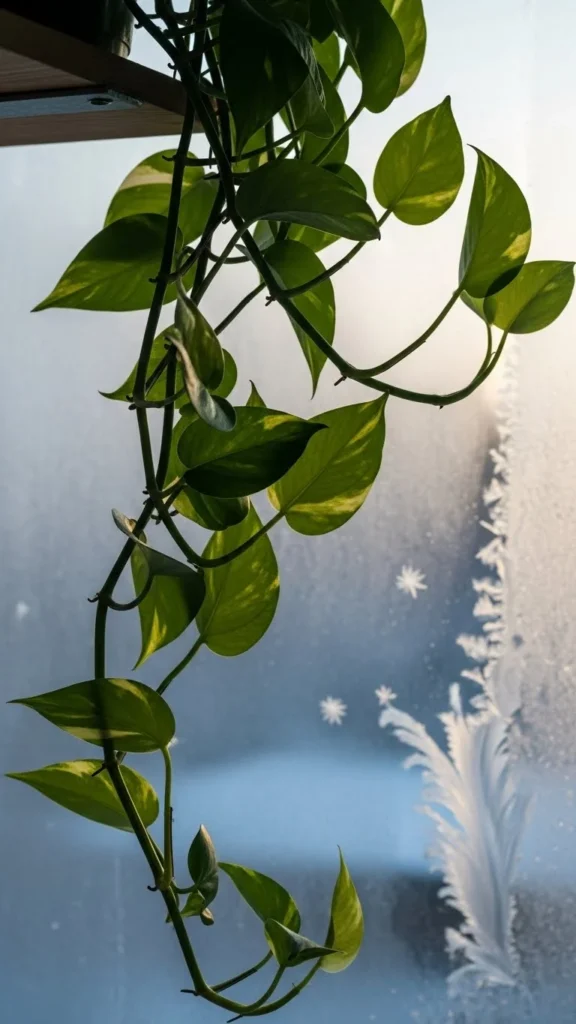
Pothos vines adapt quickly to temperature shifts. They keep growing even when the air feels cool. This makes them reliable for older windows that let cold air slip in. Their trailing stems add shape to shelves, curtain rods, or tall bookcases. Keep watering light in winter. The soil should dry halfway before you add more. You can save money by propagating cuttings in water and expanding your collection. Place pothos a few inches away from the glass. The slight distance shields them from harsh cold while still giving them bright light. If leaves lose color, shift the pot to a brighter spot. Dust occasionally to keep the foliage shiny. Their forgiving nature makes them great for beginners or busy schedules.
5. Spider Plant
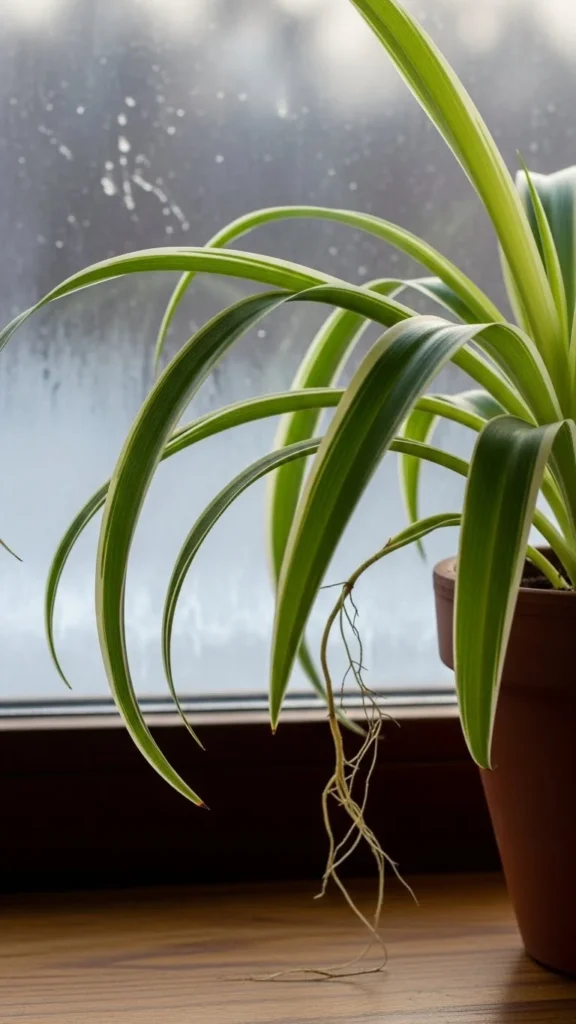
Spider plants handle cold drafts far better than many leafy houseplants. They don’t collapse when night temperatures dip. Their arching leaves create a full look that brightens corners or shelves. Water lightly during cold months. They prefer slightly dry soil. If you want a budget-friendly system, use a pot with drainage holes and add a layer of gravel at the bottom. This keeps roots from sitting in water. Spider plants also make “babies” that you can root for free plants. Hang the pot to keep it away from cold floors. If tips turn brown, trim them with clean scissors and continue with regular care. This plant stays lively even in inconsistent indoor conditions.
6. Heartleaf Philodendron
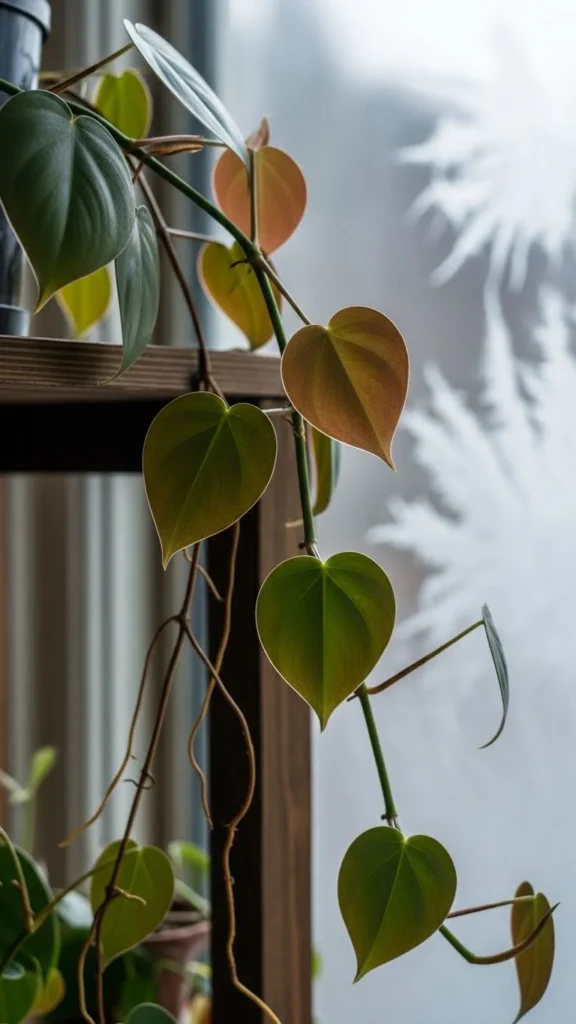
Heartleaf philodendrons tolerate low temperatures and mild drafts. Their flexible vines adapt easily, which makes them suitable for winter window setups. Keep the soil lightly moist, but reduce watering when the air turns cool. A simple trick is to insert your finger into the soil—water only when the top section feels dry. You can save money by using a basic plastic pot that holds warmth better than ceramic. Keep the plant away from direct contact with cold glass. If vines grow long, wrap them around hooks to create a vertical look. This adds style without extra cost. Wipe leaves monthly to keep them healthy.
7. English Ivy (Indoor Varieties)
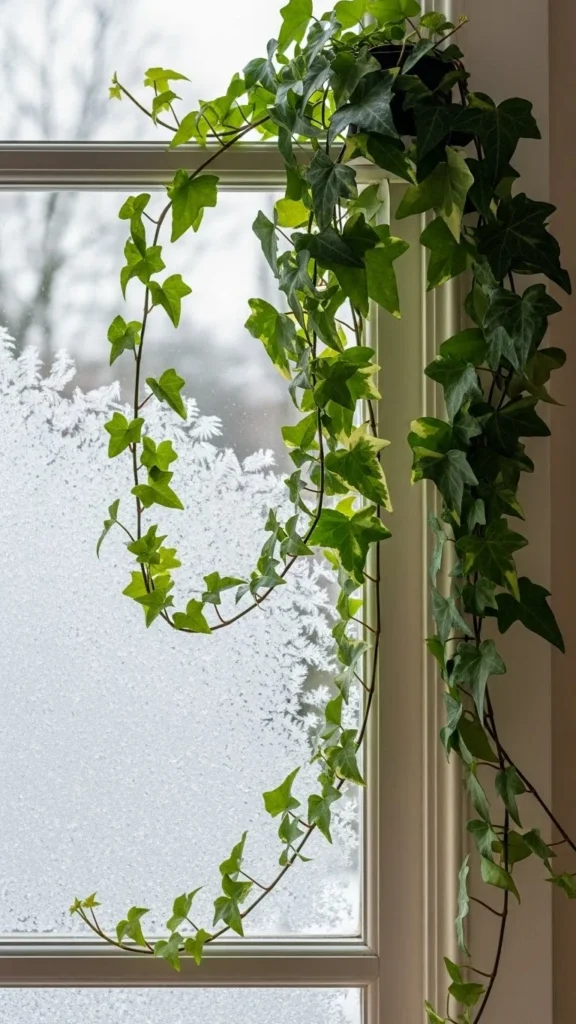
English ivy stays firm in cooler spaces and handles brief drafts well. Indoor-safe varieties are especially reliable. They grow slowly in winter, but they keep their shape. Water lightly and let the soil dry almost fully. Ivy dislikes sitting in soggy conditions, especially during cold spells. A simple soil blend of potting mix and sand works well. Train vines around a hoop or small trellis for an attractive shape. This adds height in cold corners where other plants struggle. Keep an eye on humidity—if air becomes too dry, mist lightly. Avoid placing it directly on the cold sill; elevate it slightly.
8. Jade Plant
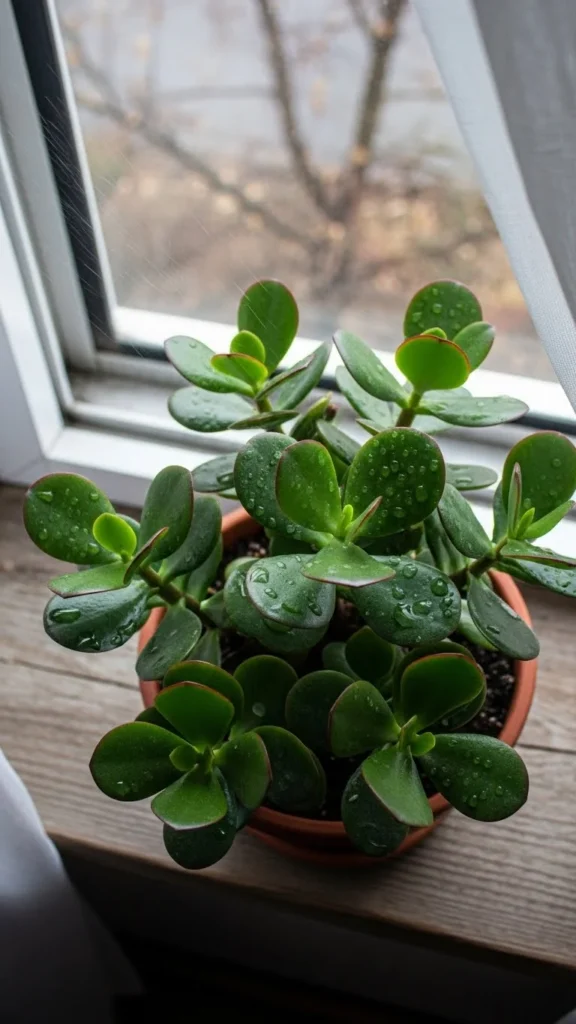
Jade plants store moisture in their thick leaves, making them hardy during cold nights. They tolerate temperature swings better than many succulents. Place them near bright windows but keep them a small distance from icy glass. Use a gritty soil mix. You can make your own by blending potting soil, perlite, and coarse sand. Water sparingly. Jade plants prefer dry roots when the air cools. If stems grow tall, prune gently to keep the plant compact. A simple terracotta pot helps wick away extra moisture. Wipe leaves occasionally to remove dust and help them capture light.
9. Hoya
/
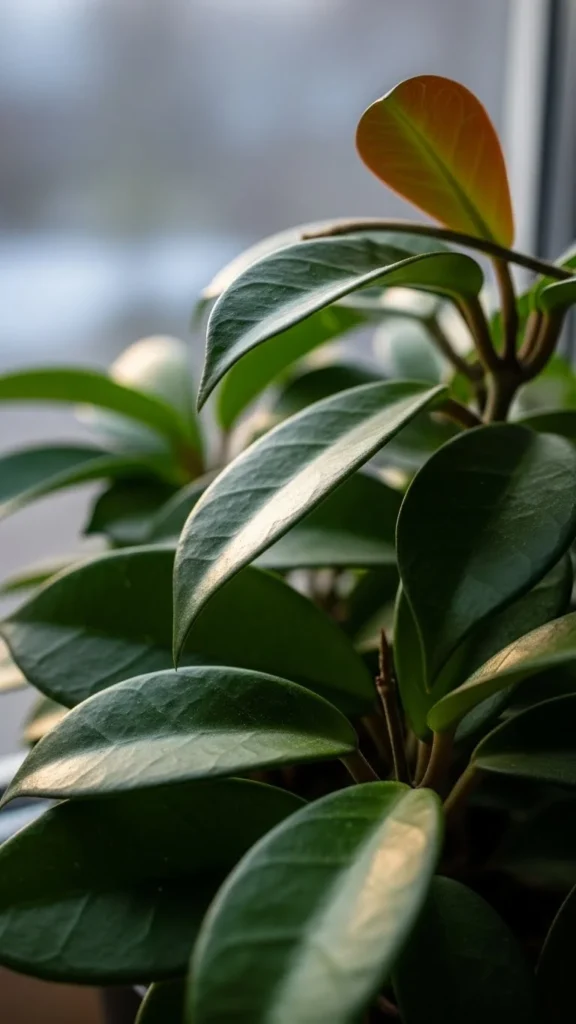
Hoya varieties tolerate cooler temperatures well. Their thick leaves protect them from chilly drafts and irregular heating. They also grow slowly in winter, which makes them low-maintenance. Keep watering light. Let the soil dry almost completely between each watering. You can create a hanging display for little cost by placing the pot in a macramé hanger. This keeps it away from cold surfaces. Rotate the plant monthly so all sides receive balanced light. If leaves wrinkle, add a small amount of water. Hoyas keep their beauty during cold months without demanding extra care.
10. Chinese Evergreen
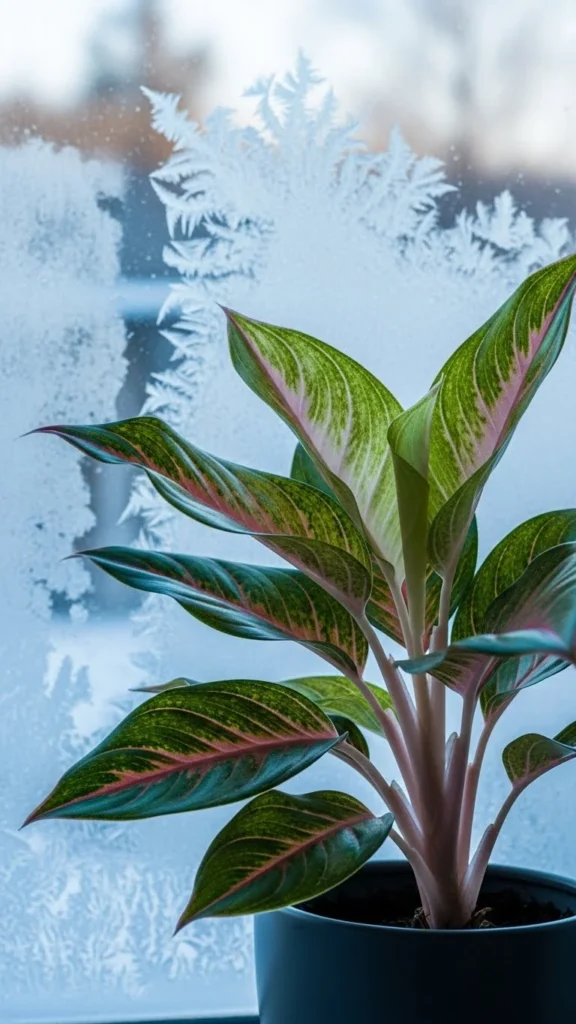
Chinese evergreens remain steady in cooler indoor spaces. Their patterned leaves brighten rooms even when temperatures dip. Place them a few feet from drafty windows. They tolerate low light, which helps during shorter winter days. Water sparingly and use a pot with good drainage. A budget-friendly trick is mixing equal parts potting soil and perlite. This prevents water from pooling. Dust leaves often so patterns stay visible. If tips curl, move the pot slightly farther from the cold source. These plants thrive in apartments where heating may vary from room to room.
11. Peace Lily
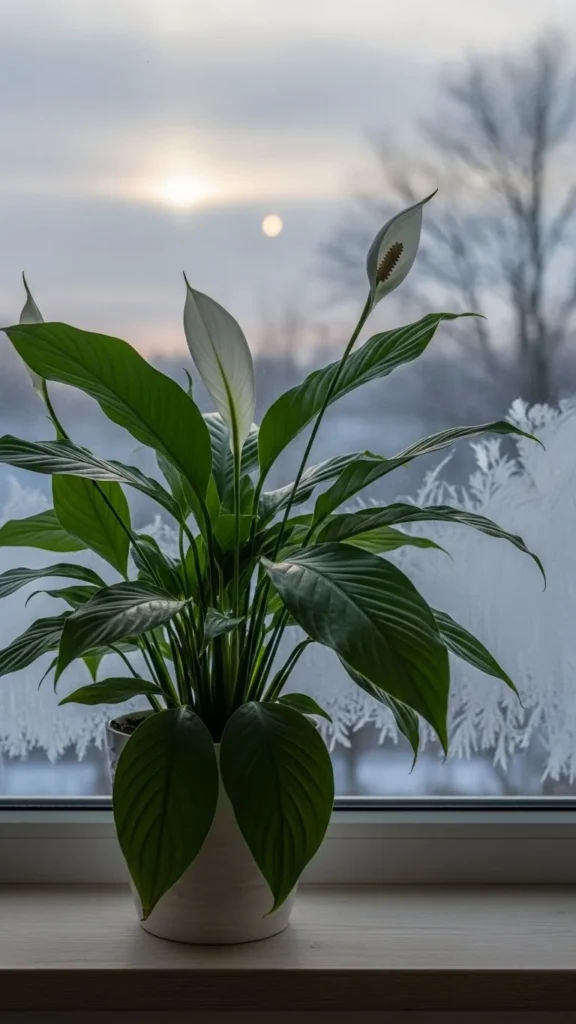
Peace lilies adapt well to cooler rooms and short dips in temperature. Their leaves soften slightly during cold spells but remain intact. Keep watering moderate—slightly moist but never soggy. A simple tip is to water from the bottom by setting the pot in a shallow tray for 10 minutes. This encourages healthy roots. Peace lilies grow well in low light, perfect for dim winter days. If flowers fade, prune them to help the plant save energy. Keep the pot off cold tiles by placing it on a small wooden board or stand. This reduces stress from cold surfaces.
12. Rubber Plant
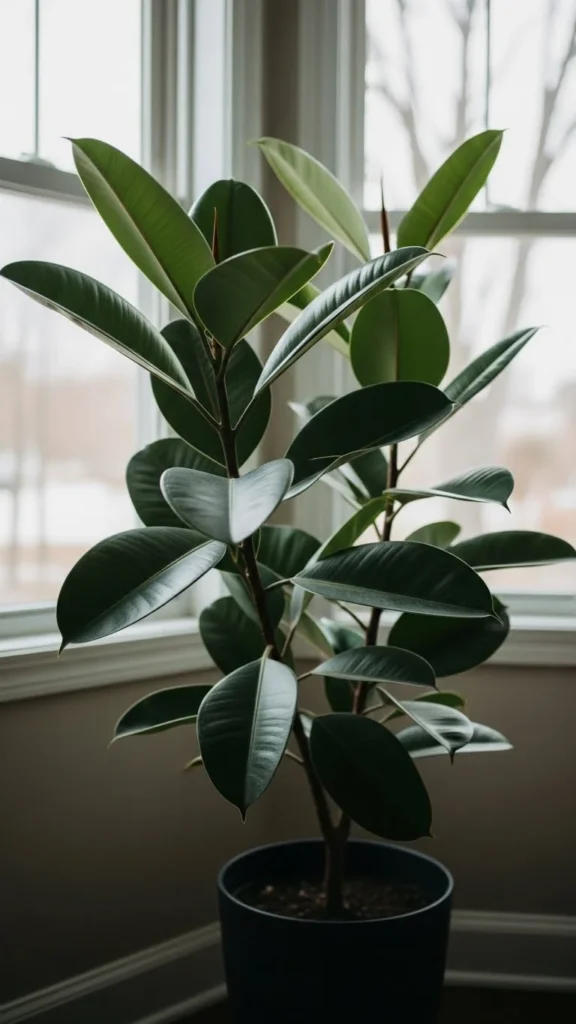
Rubber plants tolerate cooler temperatures and mild drafts as long as the soil stays dry between waterings. Their thick leaves hold structure even when the air inside feels chilly. Keep the pot a short distance from the window to minimize exposure to direct cold. Water once the top inch of soil dries. Use a pot with drainage holes to avoid sitting water. If you want an inexpensive soil mix, add bark chips to regular potting soil for airflow. Wipe leaves monthly to remove dust and brighten their surface. If the plant leans, rotate it slightly to encourage even growth.
13. Aloe Vera
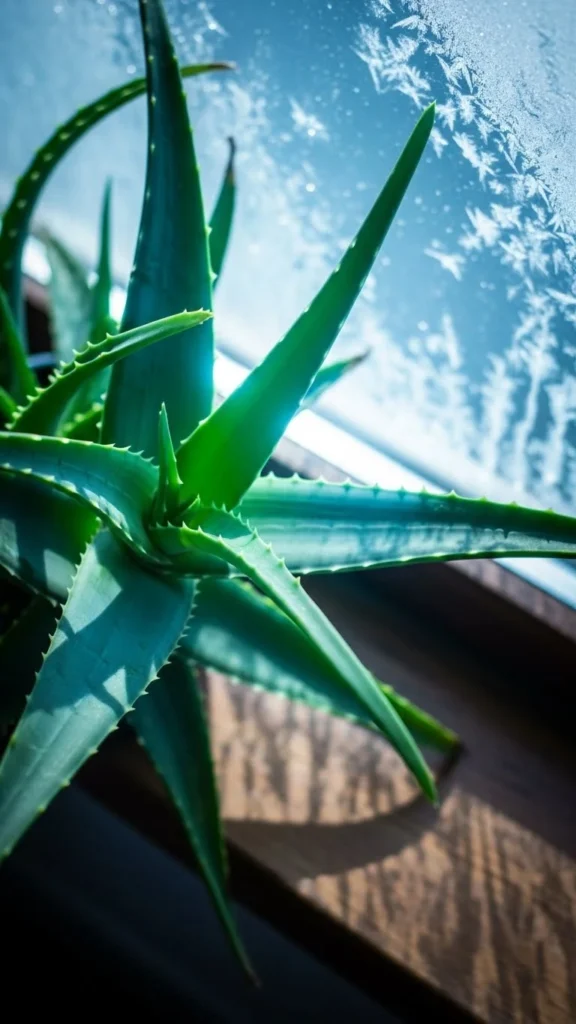
Aloe vera handles cold air far better than many succulents. It prefers slightly dry soil, which makes it reliable during winter. Position it in bright light but keep it away from direct contact with cold windows. Water lightly every few weeks. Overwatering during cold months leads to soft leaves, so use a gritty soil mix. You can make your own with potting soil, pumice, and coarse sand. Use a terracotta pot to allow moisture to escape. If leaves bend, shift the plant to a brighter spot. Aloe remains strong through temperature swings.
14. Dracaena
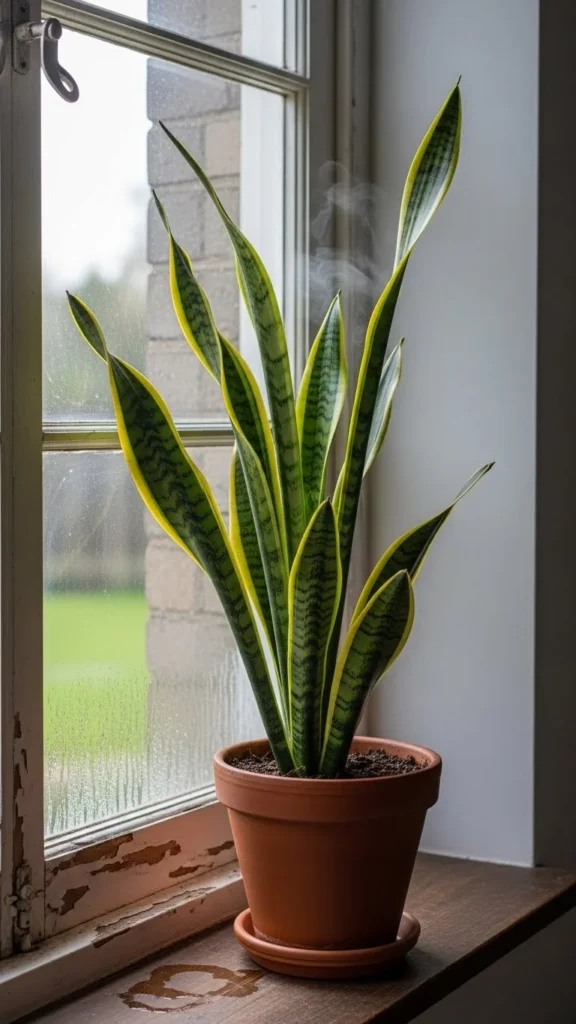
Dracaenas tolerate cool rooms and inconsistent heating. Their long leaves keep shape even when the air drops at night. They prefer bright, indirect light but still grow in low-light spaces. Water lightly. Let soil dry halfway before adding more. An easy DIY tip is adding pebbles to a saucer under the pot to raise humidity slightly without extra cost. Keep the plant away from cold floors. A simple wooden riser helps. If you have a tall variety, rotate it monthly to keep it balanced.
15. Fern (Cold-Tolerant Varieties)
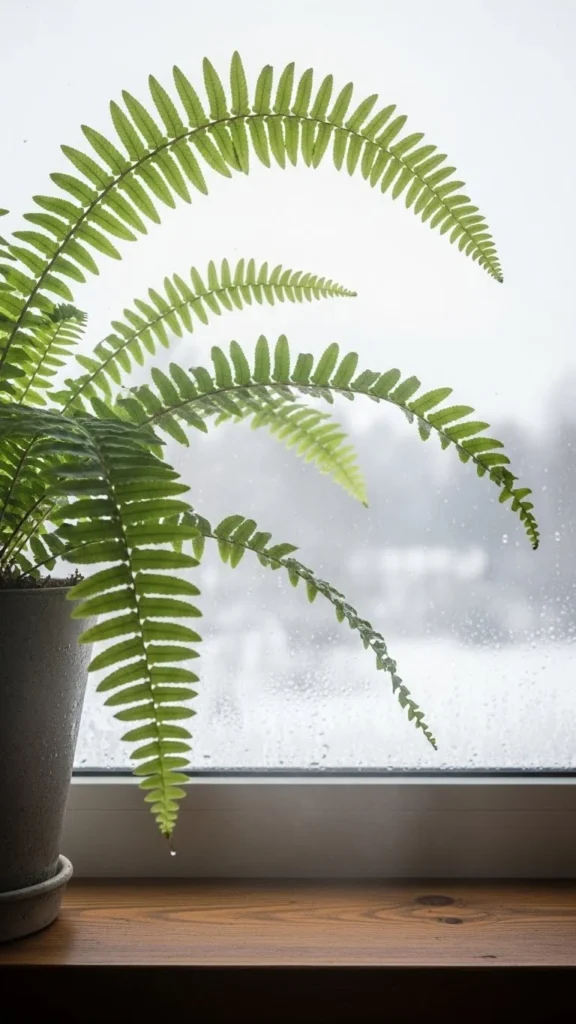
Some fern varieties tolerate cooler indoor conditions. They handle chilly breezes as long as the soil stays lightly moist. Position them near indirect light but away from strong drafts. Add humidity with a simple DIY tray filled with water and pebbles. This prevents fronds from drying out. Water small amounts frequently rather than soaking the soil. If fronds brown at the edges, trim them to encourage fresh growth. Fuzzy baskets or woven covers help insulate pots from cold air.
16. Swedish Ivy
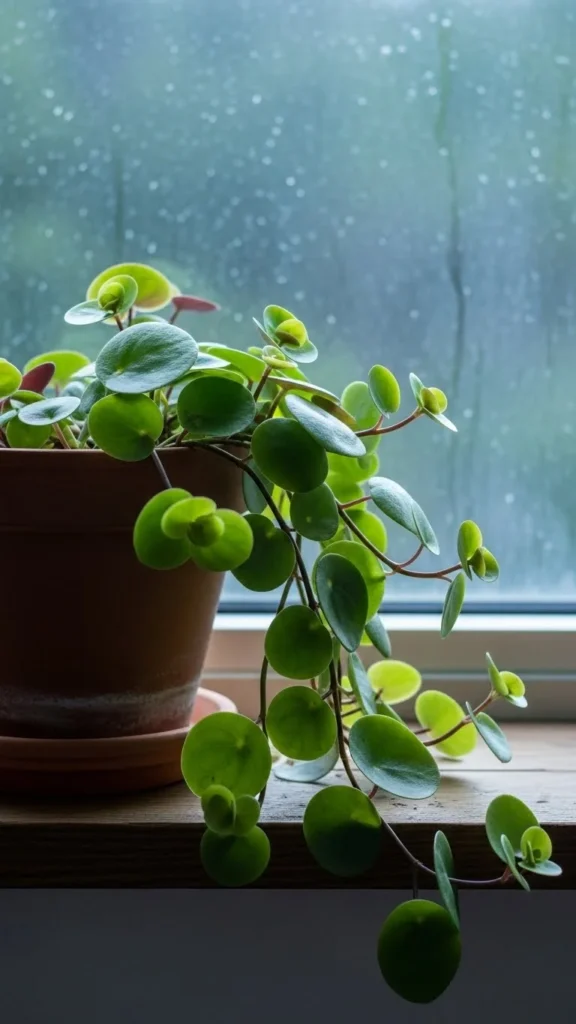
Swedish ivy tolerates cooler indoor temperatures and grows steadily during winter. Its rounded leaves stay glossy even when air dips at night. Keep the soil slightly moist but reduce watering when temperatures fall. You can propagate cuttings easily, giving you free plants for window shelves. Place it in bright, indirect light. If stems stretch, pinch the tips to encourage fuller growth. A lightweight plastic pot helps maintain warmth. Use a basic hanging system to keep it off cold surfaces.
17. Parlour Palm
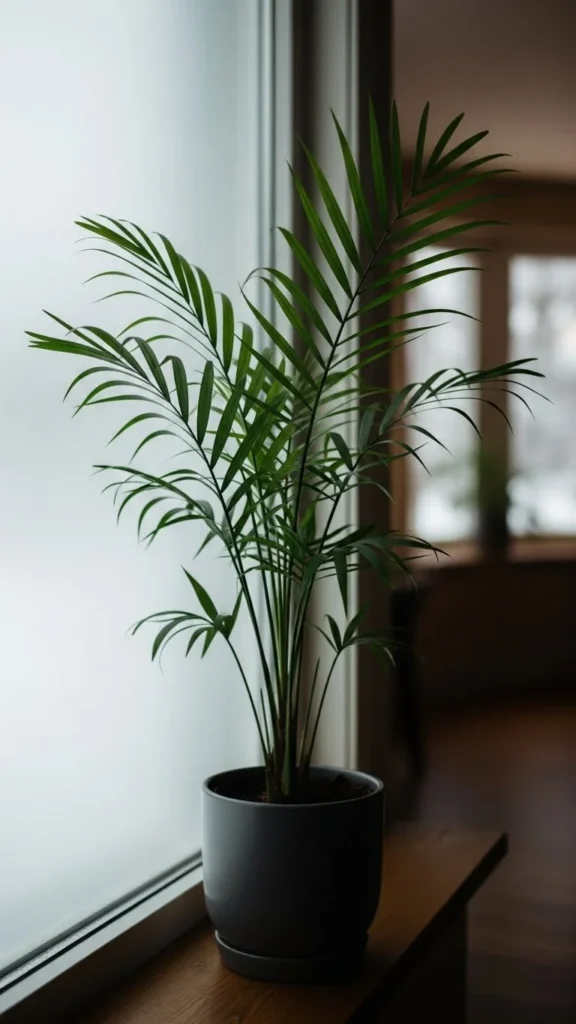
Parlour palms adapt well to cooler rooms and indirect light. They don’t demand constant warmth, which makes them suitable for older spaces. Water lightly and avoid soaking the soil. Use a simple potting mix with added perlite. This keeps roots healthy during slower winter growth. If fronds yellow, move the plant away from cold drafts. Parlour palms look great on side tables or plant stands. They also add height without much upkeep. Dust fronds every few weeks so they stay open and airy.
18. Lucky Bamboo
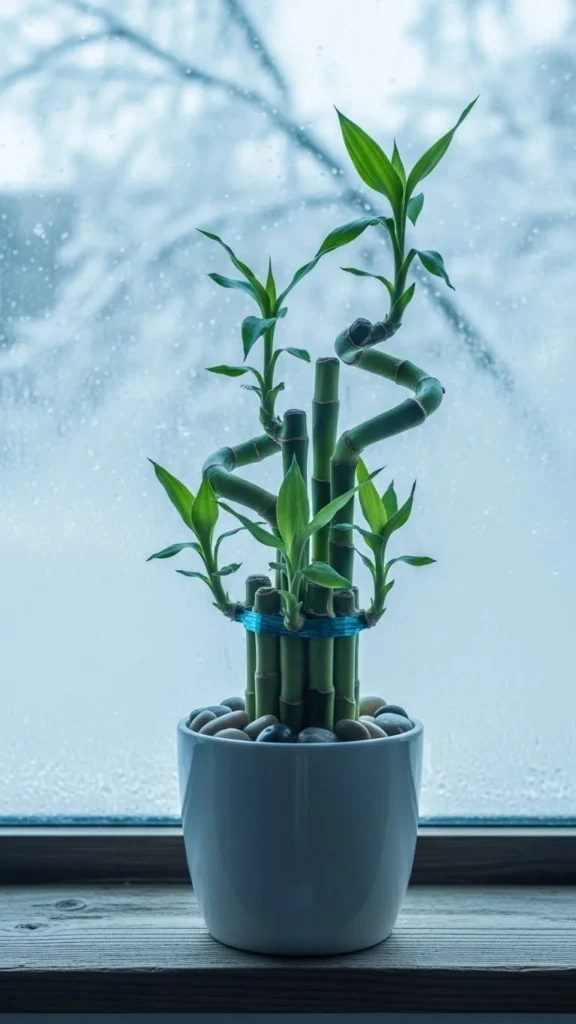
Lucky bamboo handles dips in temperature surprisingly well. It can grow in water or soil, which offers flexibility in cold rooms. If you grow it in water, change that water every two weeks to keep it clear. If using soil, keep it lightly moist. Place it near indirect light but avoid direct contact with cold glass. Lucky bamboo looks stylish on desks and shelves. Add small polished stones around the base for a budget-friendly decorative touch. Rotate the pot to keep growth even.
19. Oxalis
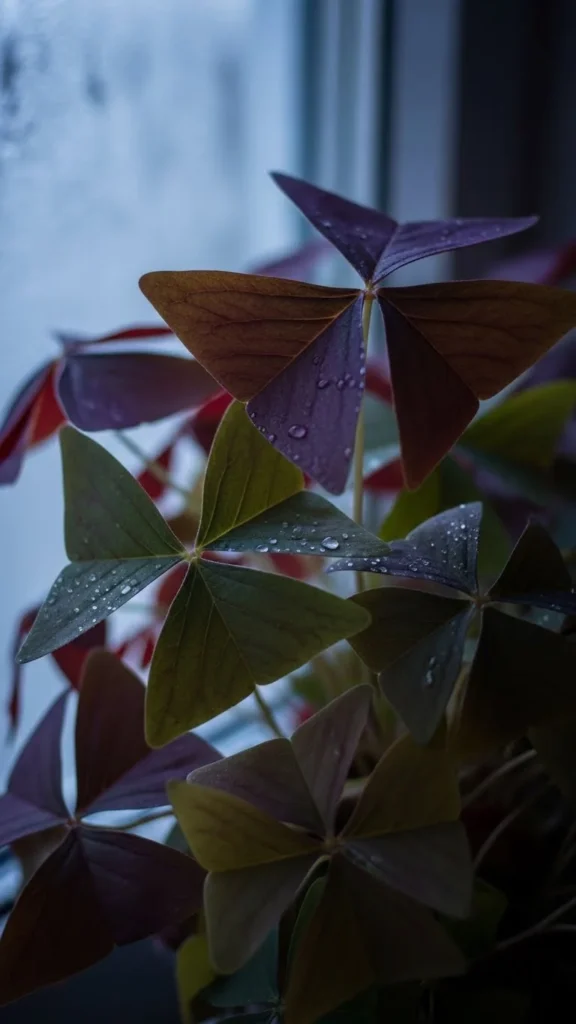
Oxalis tolerates cool temperatures and adapts easily to drafty rooms. Its striking leaves open and close with light changes. Water lightly during winter, letting the top soil section dry before watering again. Place it in bright, indirect light. If leaves fold during the day, move it to a brighter spot. Oxalis grows well in smaller pots, making it great for window sills and desks. You can divide bulbs in spring to create new plants without spending extra. Keep it raised slightly to avoid cold surfaces.
20. Norfolk Island Pine
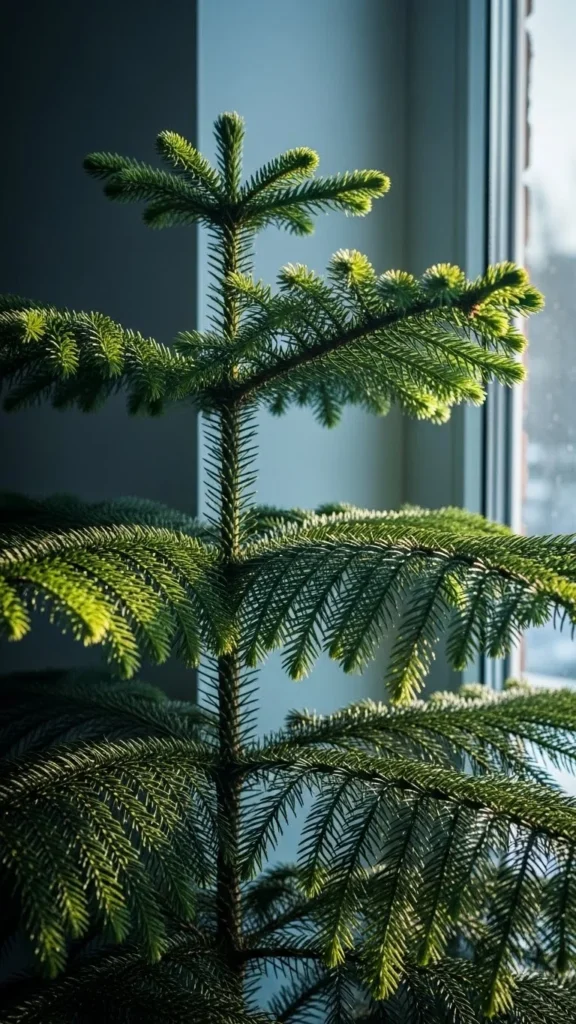
These soft mini pines stay steady in cooler conditions. They like bright light but also tolerate mild drafts. Water when the top inch of soil feels dry. Use a well-draining mix with added sand. Keep the plant away from heating vents, which dry out needles fast. If your home feels chilly, this plant adapts easily. Raise the pot on a small stand to protect it from cold floors. Its tree-like shape adds charm during winter months.
21. Schefflera
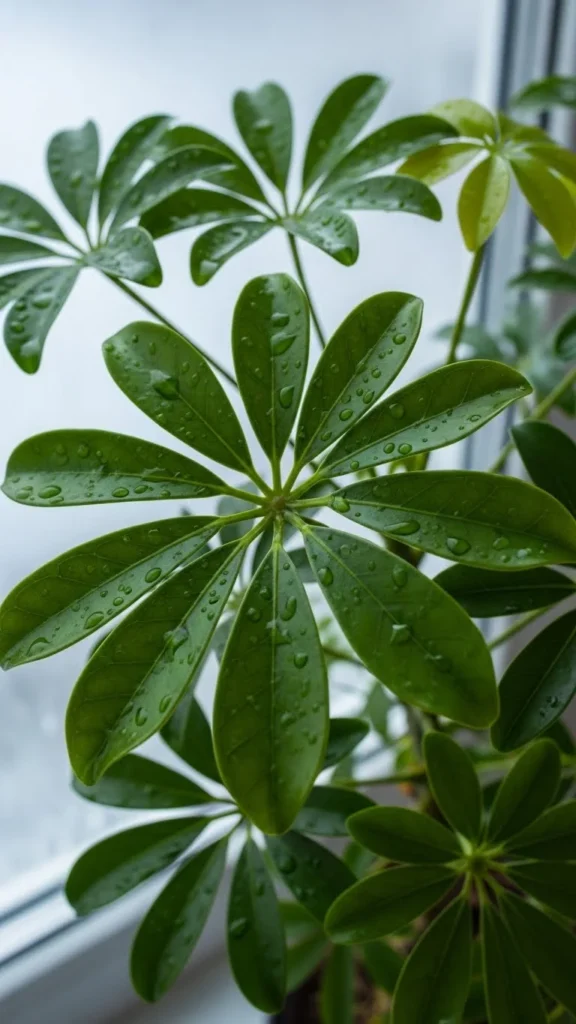
Schefflera plants handle cooler temperatures and brief drafts well. Their glossy leaves hold shape even when the air dips at night. Water lightly and let the soil dry partially between sessions. You can keep costs low by using a simple pot with drainage holes. If the plant leans, rotate it for balanced growth. Schefflera also tolerates medium light, which is helpful during dark winter days. Wipe dust from leaves often to keep them healthy.
22. Maidenhair Palm
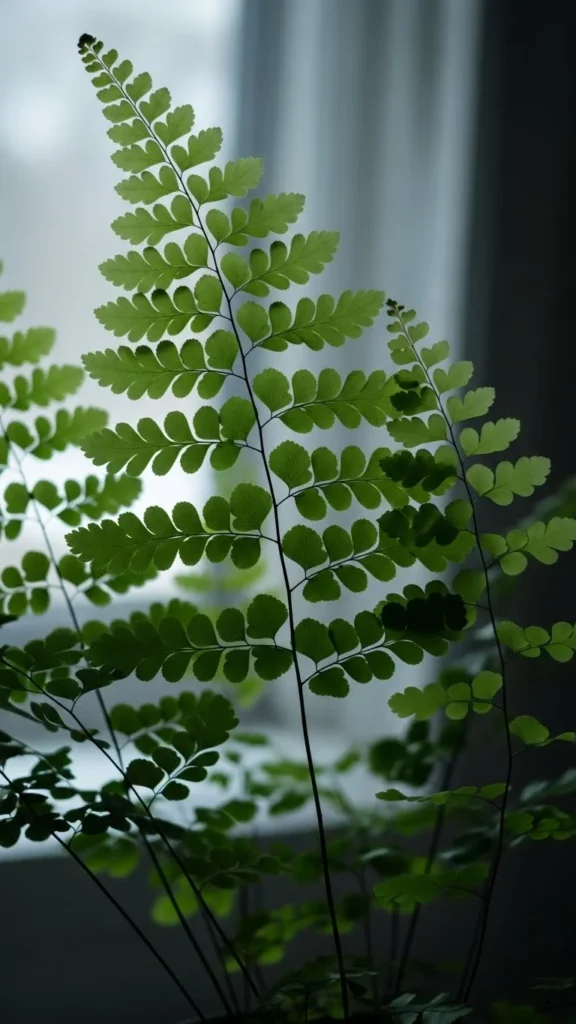
Maidenhair palms stay steady in cooler rooms and adapt to subtle temperature swings. Their slender leaves move gently with indoor breezes. Water lightly and keep soil damp but never soaked. A simple mix of potting soil and perlite works well. Place it near bright, indirect light. If leaf tips dry, trim them. Raise the pot slightly away from cold tile floors. This plant brings movement and softness to winter rooms.
23. Chinese Money Plant
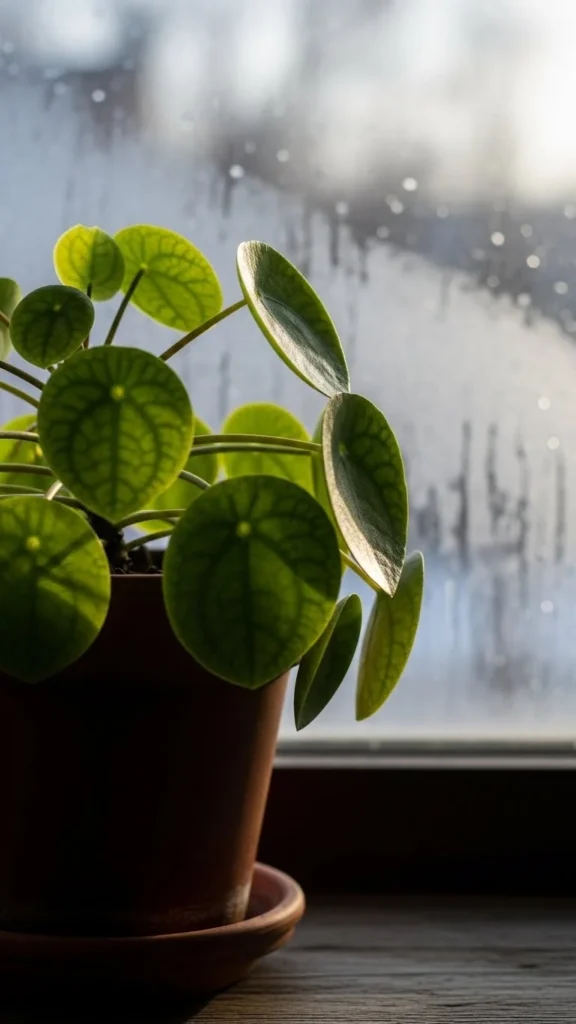
Chinese money plants handle cooler rooms well, especially when placed away from harsh drafts. Their round leaves brighten shelves, desks, and small stands. Keep watering light in winter. Let soil dry almost fully before watering again. You can propagate babies from the base to create extra plants for free. Use a simple terracotta pot to help with drainage. Rotate the pot once a month to encourage balanced growth. Dust leaves gently to maintain shine.
24. African Violet (Cold-Tolerant Varieties)
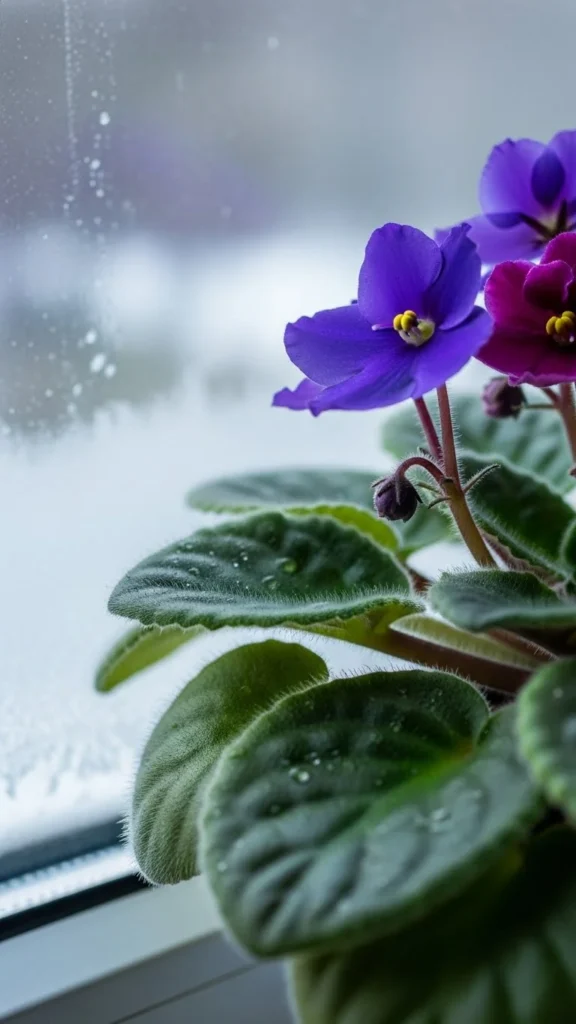
Some African violet varieties tolerate colder rooms surprisingly well. They prefer steady, indirect light but handle brief drafts when kept off cold surfaces. Water from the bottom using a shallow tray. This keeps leaves dry and healthy. Use a lightweight pot that warms quickly during the day. If flowers fade, remove them to encourage new ones later. African violets look lovely on window shelves where they catch soft light. Keep the pot on a board or stand for added insulation.
Conclusion
Cold-hardy houseplants make winter indoor spaces feel calmer and more balanced. They stay steady even near drafty windows or cool corners. With light watering, simple soil mixes, and small placement adjustments, you can keep these plants thriving all season. Try a few varieties to see which ones fit your rooms best, and enjoy a home filled with dependable greenery.
Leave a Reply