

If you’ve ever dreamed of stepping into your backyard and being surrounded by a sea of color, fragrance, and fluttering butterflies — you’re in the right place. A year-round flower garden isn’t just for expert gardeners; it’s totally doable for anyone with a plan and a little patience. With the right combination of flowers, timing, and care, your garden can stay vibrant through every season.
Plan Your Garden by the Seasons
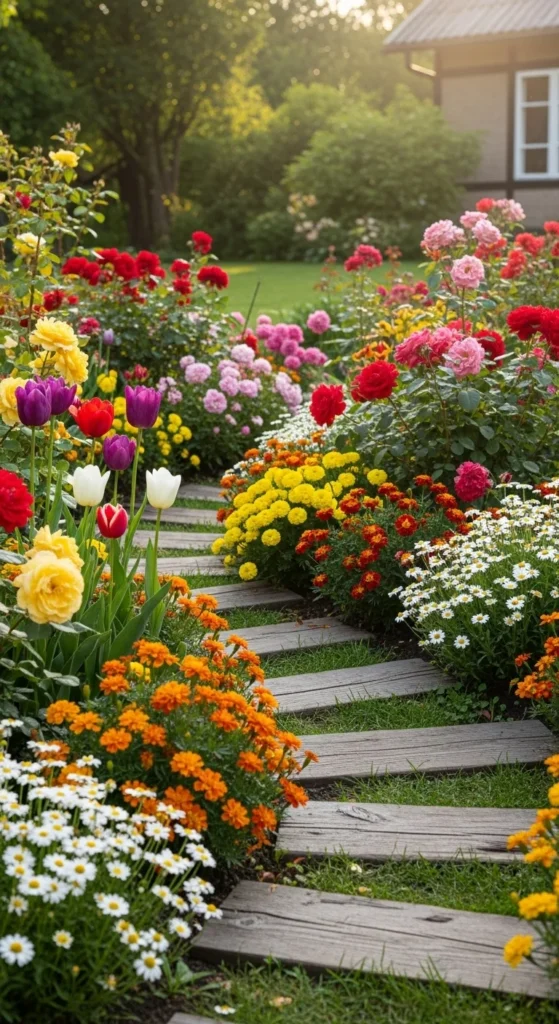
The secret to year-round color is variety. Each season has flowers that thrive in different temperatures, so mix early bloomers, summer stunners, and cool-weather favorites.
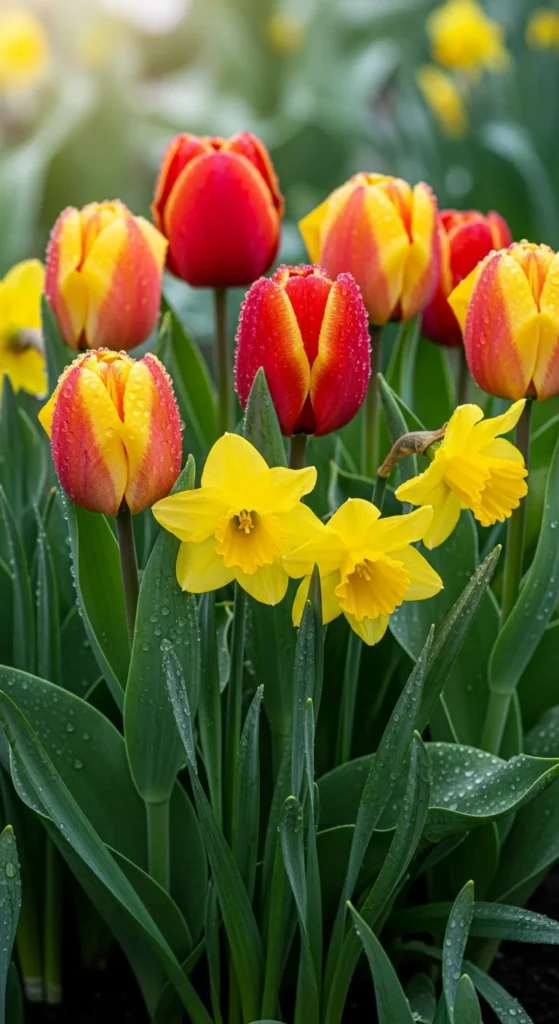
- Spring: Daffodils, tulips, hyacinths, and pansies burst into color as soon as the frost fades.
- Summer: Go bold with zinnias, petunias, marigolds, and sunflowers.
- Fall: Chrysanthemums, asters, and salvias keep the show going as temperatures cool.
- Winter: Hardy blooms like hellebores, camellias, and winter jasmine add beauty even in the cold.
Tip:
Choose a mix of annuals and perennials. Annuals give you instant, seasonal color, while perennials return year after year—making your garden lower maintenance over time.
Pick the Perfect Location
Flowers need the right amount of sunlight to thrive. Most flowering plants do best with at least 6 hours of direct sunlight daily, but some prefer partial shade.
Here’s how to plan your spots:
- Full Sun Areas: Great for marigolds, daisies, and lavender.
- Partial Shade: Perfect for impatiens, begonias, and foxgloves.
- Shady Corners: Brighten with hostas, ferns, and bleeding hearts.
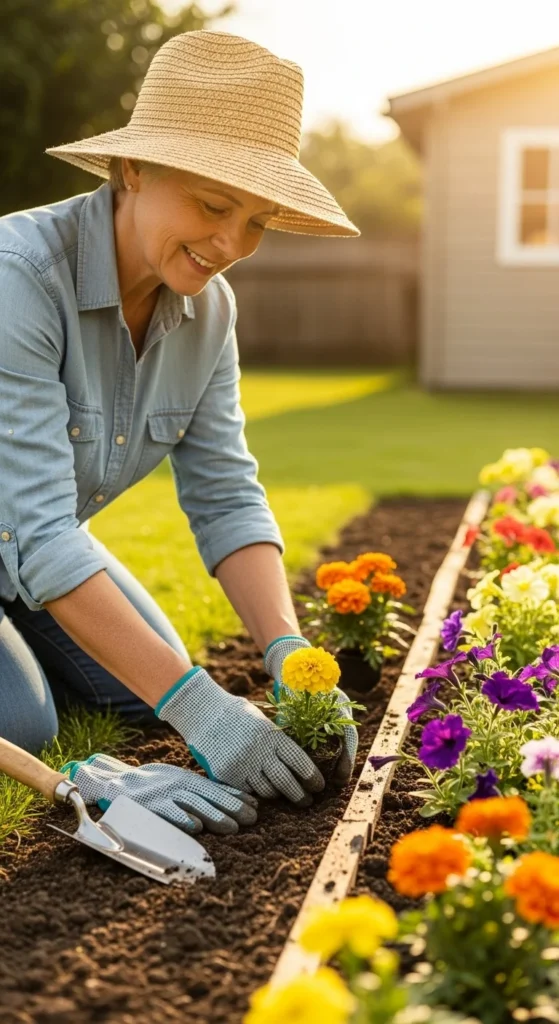
Before planting, watch how sunlight moves across your garden throughout the day to find the ideal locations for different plants.
Prepare the Soil for Success
Healthy flowers start with healthy soil. Most blooms prefer well-drained, nutrient-rich soil.
Here’s how to get it ready:
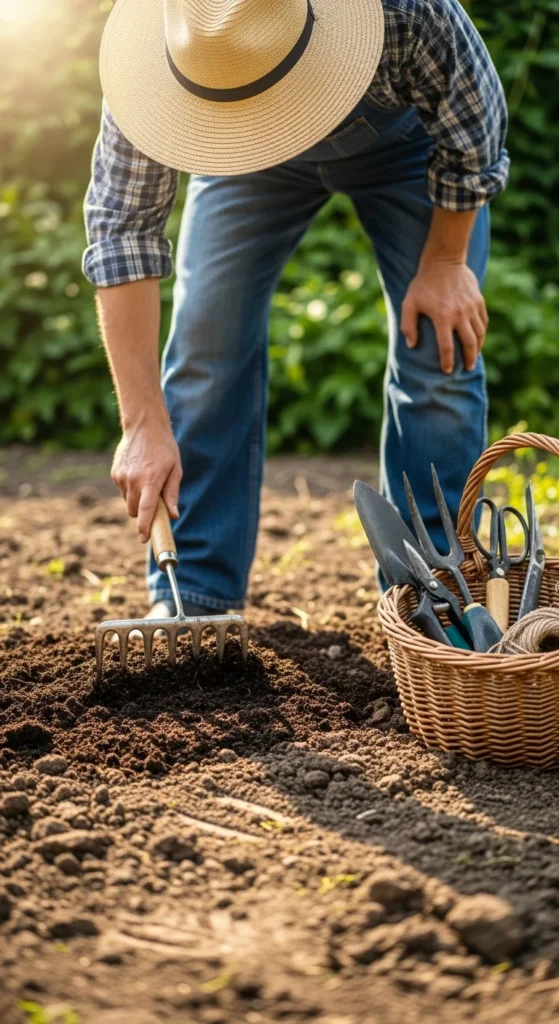
- Loosen the soil about 12 inches deep to allow roots to spread easily.
- Mix in compost or organic matter to boost nutrients and improve drainage.
- Test your soil’s pH. Aim for slightly acidic to neutral (6.0–7.0) for most flowering plants.
Bonus Tip:
Add a layer of mulch after planting to keep moisture in and weeds out — it also gives your garden that polished, professional look.
Choose Colors That Complement Each Other
A colorful garden isn’t just about having lots of flowers — it’s about creating visual harmony. Use the color wheel as your guide:
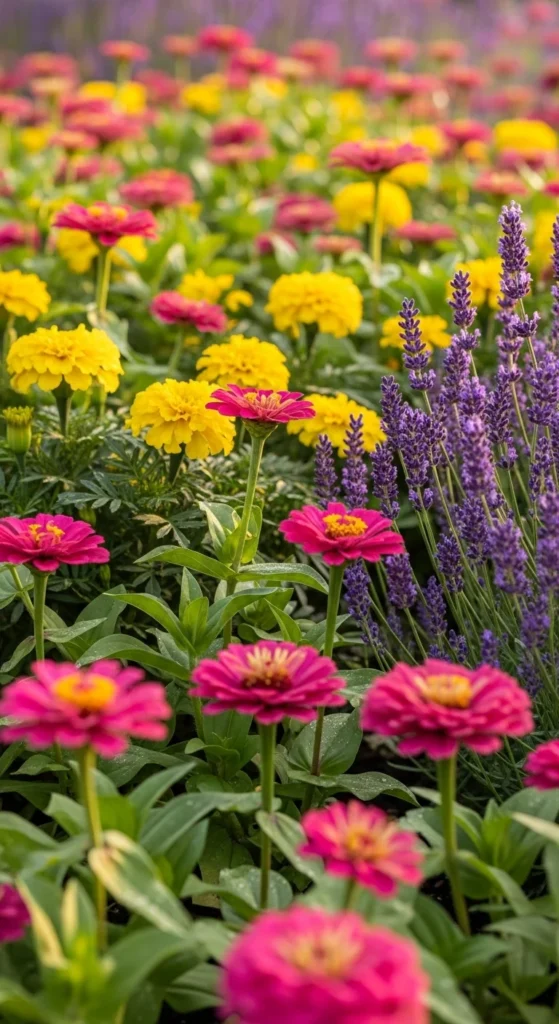
- Warm tones (red, orange, yellow) create energy and draw the eye.
- Cool tones (blue, purple, pink) add calmness and balance.
- White flowers help separate bold colors and make them pop.
For a naturally flowing look, plant flowers in drifts or clusters instead of single lines. This mimics how they grow in nature and makes your garden look full and lush.
Keep It Blooming: Maintenance Tips
Even the prettiest garden needs a bit of upkeep to stay healthy and colorful year-round.
1. Deadhead Regularly
Remove faded flowers to encourage new blooms and prevent plants from putting energy into seed production.
2. Water Wisely
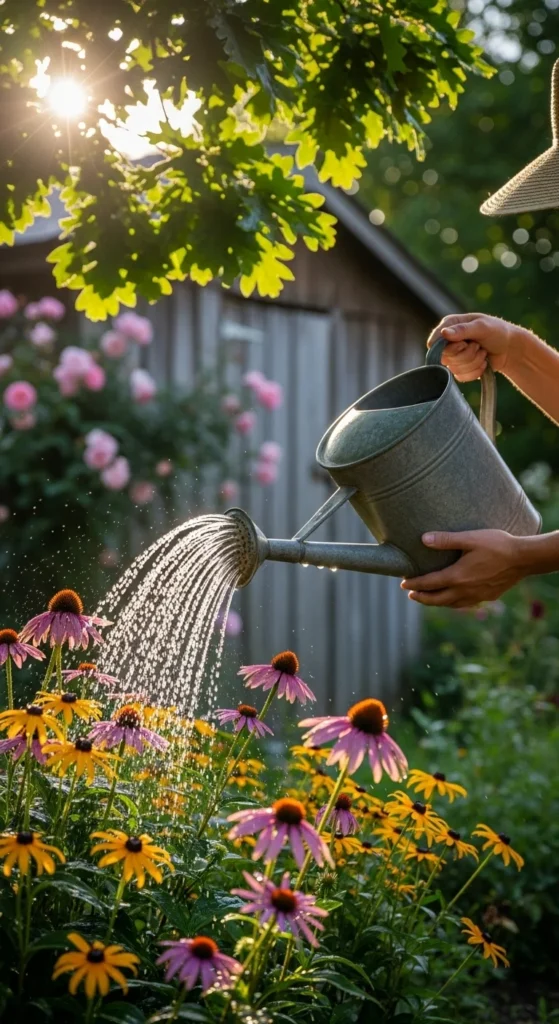
Water deeply, but less often. Early morning is best — it gives the plants time to absorb moisture before the sun gets too strong.
3. Feed Your Flowers
Use a balanced fertilizer every few weeks during growing seasons. Organic options like compost tea or fish emulsion work great.
4. Protect Against Pests
Encourage beneficial insects like ladybugs and lacewings. You can also plant natural repellents like lavender, marigolds, and basil.
Add Personality with Garden Accessories
To make your flower garden feel truly yours, layer in decorative touches that complement your plants:
- Garden paths: Use stepping stones or gravel trails to guide visitors.
- Planters and pots: Mix ceramic, wood, and metal textures for contrast.
- Accents: Add birdbaths, lanterns, or trellises for vertical interest.
Small details can transform your garden into a personal retreat where you’ll love spending time all year long.
Final Takeaway
Creating a colorful flower garden that blooms all year long takes a bit of planning, but the results are breathtaking. By choosing flowers for each season, preparing your soil, and giving your garden regular care, you’ll enjoy a never-ending show of colors, textures, and scents — right outside your door.
So grab your gloves, pick your favorite flowers, and start planting today.
Save this guide for later inspiration — your dream garden awaits!
Leave a Reply