

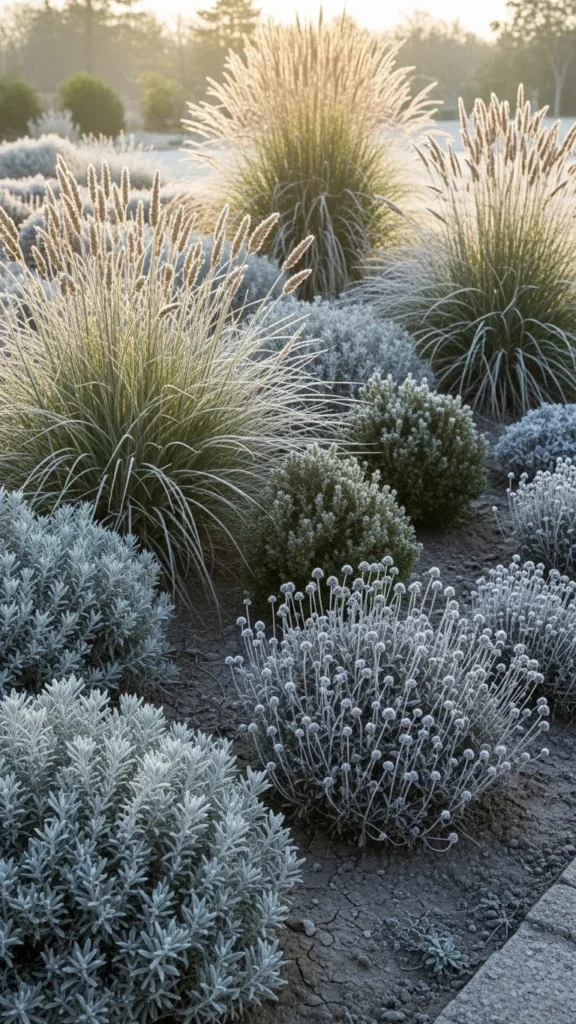
Winter doesn’t have to mean spending hours watering, covering, or worrying about plant survival. Many gardeners want plants that stay strong through cold months and handle dry soil without extra work. This list brings together winter-hardy, drought-tolerant plants that keep your outdoor space alive with color and texture. Each option is easy to grow and perfect for gardeners who prefer simple routines, low cost, and reliable results. Let’s explore choices that thrive on neglect and still look beautiful through winter.
1. Winter Lavender
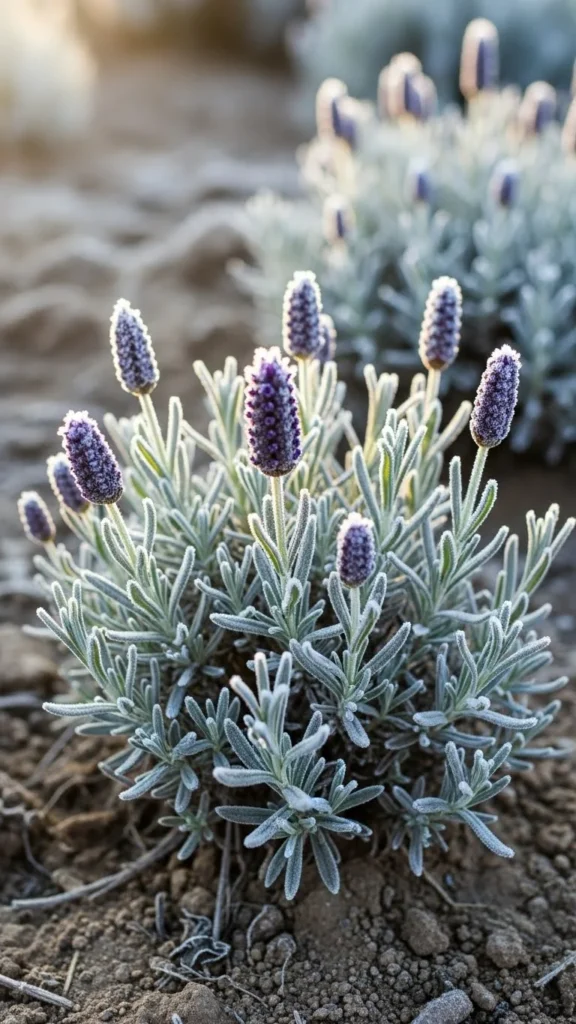
Lavender is a favorite for low-water gardens. It handles cold spells and dry soil with almost no help. The plant offers soft fragrance and winter-friendly color. Place it in a sunny spot and keep the soil gritty. You can plant several along a walkway for an easy border. Clip the tips in late fall to maintain shape. For a budget tip, grow new plants from cuttings instead of buying more. Set the cuttings in a small pot with sandy soil indoors. Once rooted, move them outside during early spring. The plant rewards you with rich color and simple charm through the colder weeks. Use mulch sparingly so the roots stay dry.
2. Yucca ‘Color Guard’
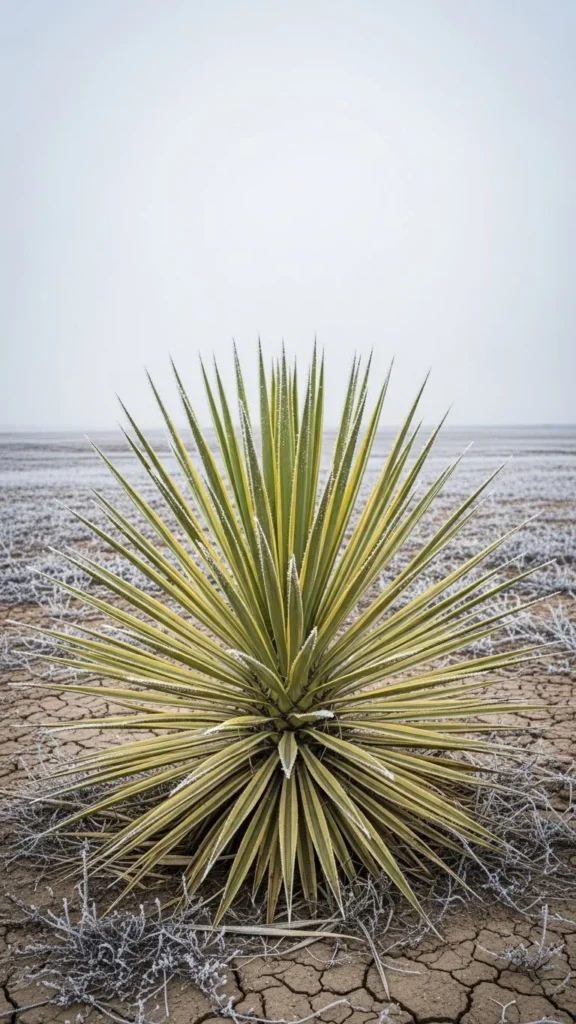
Yucca gives strong structure in winter gardens. It likes sunshine, rocky soil, and long dry periods. The variegated version adds color even in the darkest months. It’s great for corners where nothing else seems to grow. You can plant it near stone features or pathways. If you want to save money, pick smaller nursery pots; they grow fast. Avoid heavy soil. Add gravel to help drainage. The plant asks for very little water once settled. Trim older leaves near the base when they brown. This keeps the shape tidy and sharp. Yucca holds its form through snow and cold without drooping.
3. Sedum ‘Autumn Joy’
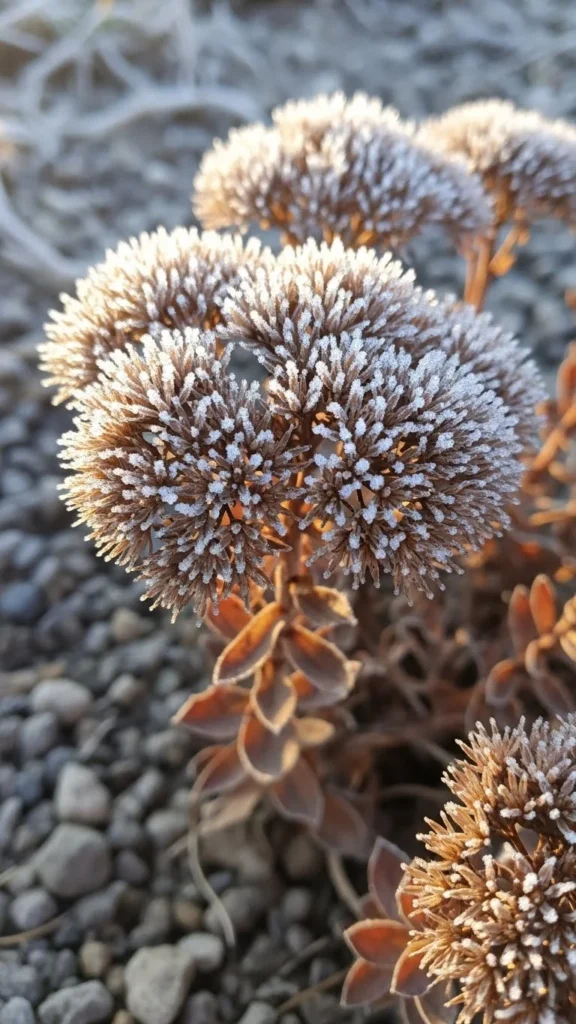
Sedum is a plant that stays loyal through winter. Even when dormant, the dried flower heads add texture. It likes dry conditions and crackled soil. You can plant it in raised beds or along borders. The stems stay upright during most of winter. Cut them back in early spring for fresh growth. This plant spreads easily, so divide one clump into several. This saves cost while filling empty areas. Sedum pairs well with stones, gravel, and metal planters. Water lightly after planting and then let it manage itself. Its simple charm works in modern or rustic gardens.
4. Rosemary ‘Arp’
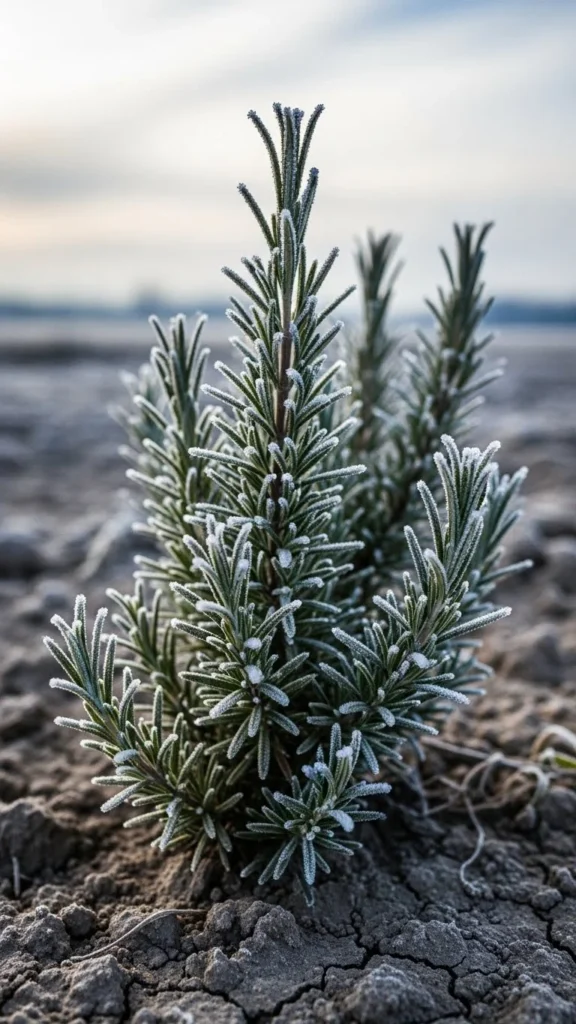
Rosemary is more than a herb. It’s a cold-tolerant evergreen that handles dry weather with ease. The ‘Arp’ variety is especially strong in winter. Place it in full sunshine and gritty soil. It forms a bushy shape that stays green all season. You can trim sprigs for cooking anytime. To stretch your budget, root cuttings in small jars of water before planting. Keep mulch away from the base so moisture doesn’t linger. Rosemary works well in pots or ground-level beds. During winter, it stays lively while many plants fade out.
5. Blue Fescue Grass
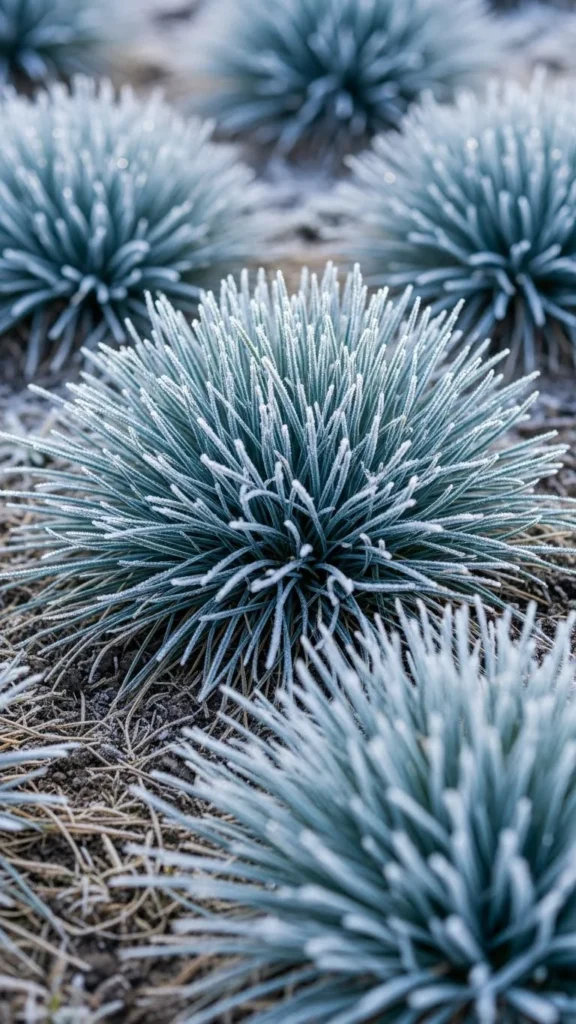
Blue fescue brings soft texture when everything else looks bare. The blue-green color stands out against snow or brown soil. It grows in tight mounds and handles dry weather well. You can line a walkway with several clumps for a simple design. For a cheap DIY approach, divide mature plants in fall and replant the pieces. The grass doesn’t need rich soil. It also doesn’t like too much water. Trim lightly in early spring to keep the shape neat. Blue fescue mixes well with rocks and gravel gardens.
6. Hellebore
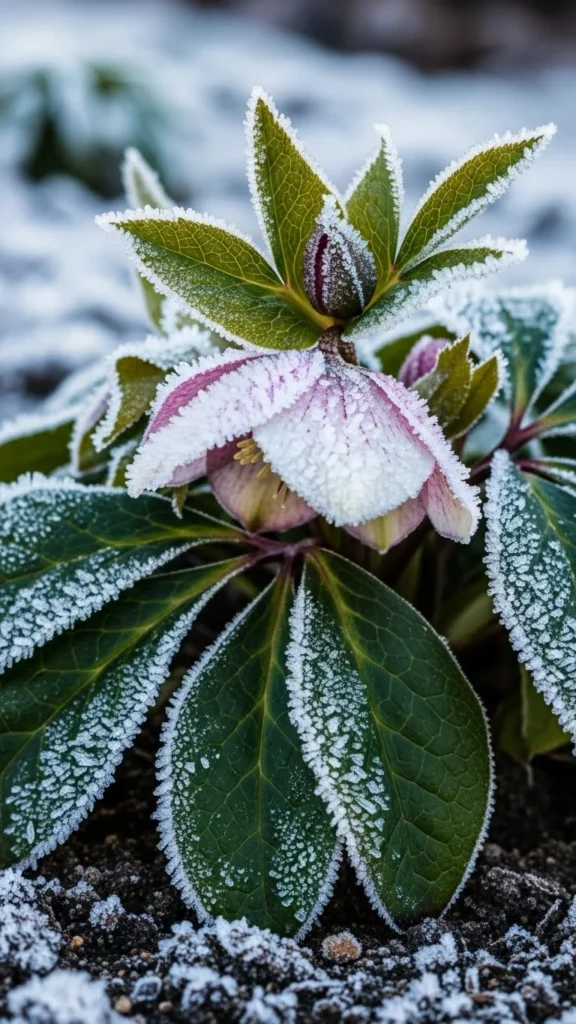
Hellebores offer winter flowers even during chilly mornings. They tolerate dry soil once settled. Their blooms come in white, pink, or deep plum shades. Plant them under trees where the ground stays drier. Add compost during planting but avoid heavy watering. To save money, buy younger plants in small containers. Remove old leaves in late winter so new blooms shine through. This plant spreads slowly, so you can share divisions with friends. Hellebores add life when most gardens feel quiet.
7. Juniper ‘Blue Star’
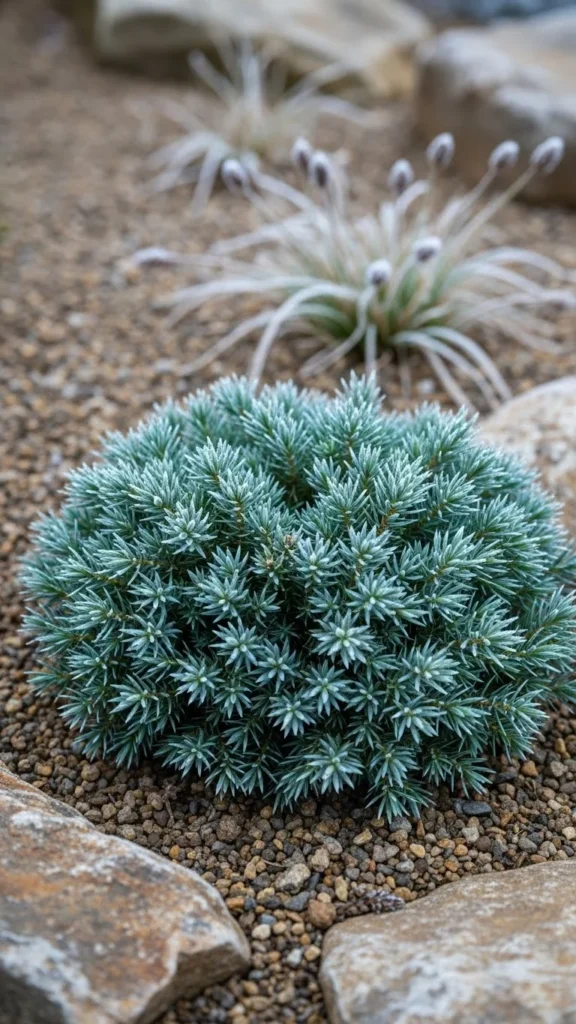
Junipers stand strong through cold, dry weather. The ‘Blue Star’ version has silver-blue needles that keep their color all winter. It works well in rock gardens or sloped areas. Plant it in a sunny spot with well-drained soil. Add stones around the base for a natural look. Water lightly during the first few weeks, then let it manage on its own. You can buy small containers to cut cost. Trim only if a branch sticks out oddly. This plant keeps its shape without effort.
8. Dusty Miller
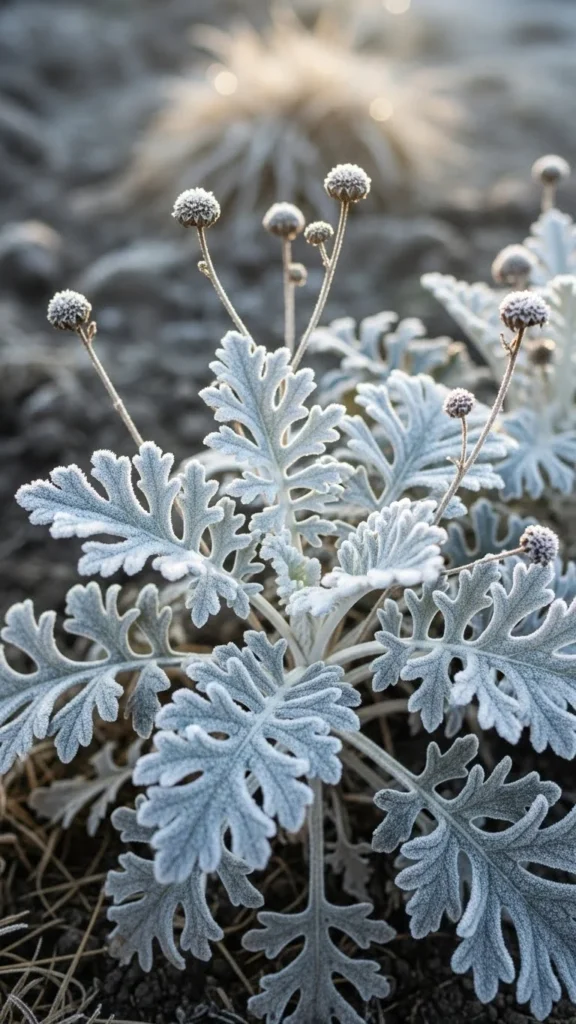
Dusty miller brings silver foliage through winter. It handles dry spells and cold temperatures with calm steadiness. Plant it along borders or mix it with dark evergreens. It grows well in sandy soil. A simple DIY idea is to plant it in old metal buckets for a rustic look. Water lightly when first planted. After that, forget about it. The leaves stay bright and soft through most of winter. Clip leggy stems to maintain shape.
9. Creeping Thyme
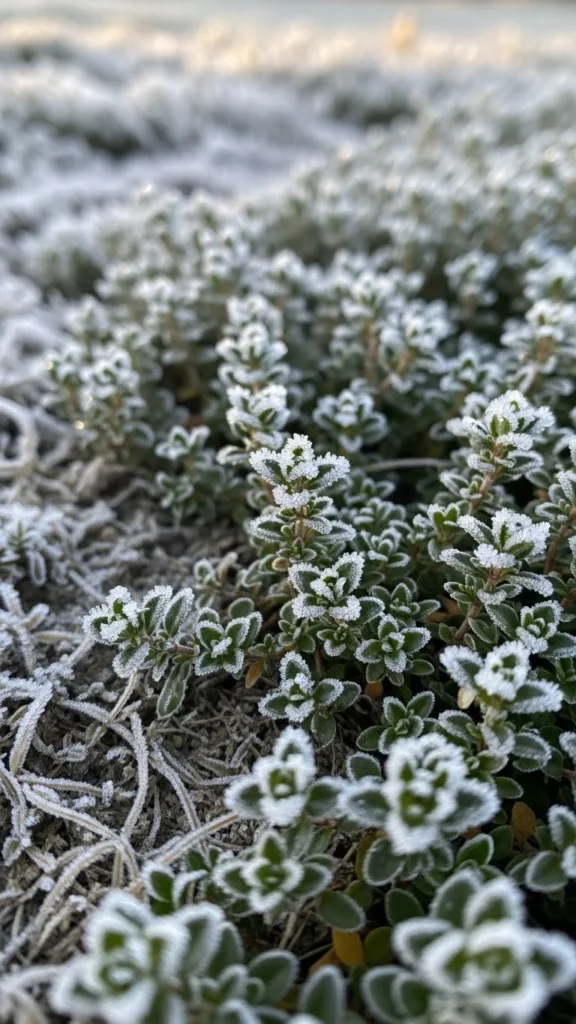
Creeping thyme is a groundcover that handles cold and dryness like a champ. It spreads gently and adds soft greenery in winter. Use it between stepping stones or along small pathways. The plant has a gentle scent when brushed. You can buy one small pot and separate the sections to save money. It doesn’t need water often. Avoid heavy mulch. During winter, the plant turns slightly bronze but stays attractive. Trim lightly in early spring to refresh growth.
10. Japanese Holly Fern
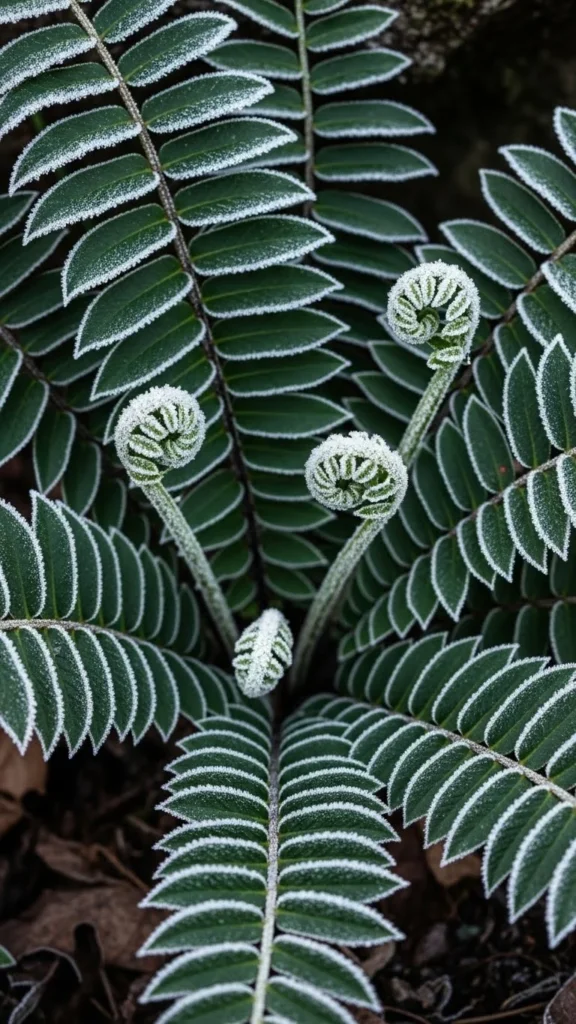
Holly ferns add a lush appearance even in winter. They like shade and dry soil once settled. They’re perfect for areas where other plants fade. Plant them near fences or under porches. Use leaf mulch to keep the soil lightly covered without trapping too much moisture. For a budget idea, look for smaller starter pots. Holly ferns keep their deep green color through cold months. Snip brown tips and wipe dust off the fronds to keep them shiny.
11. Heath (Erica)
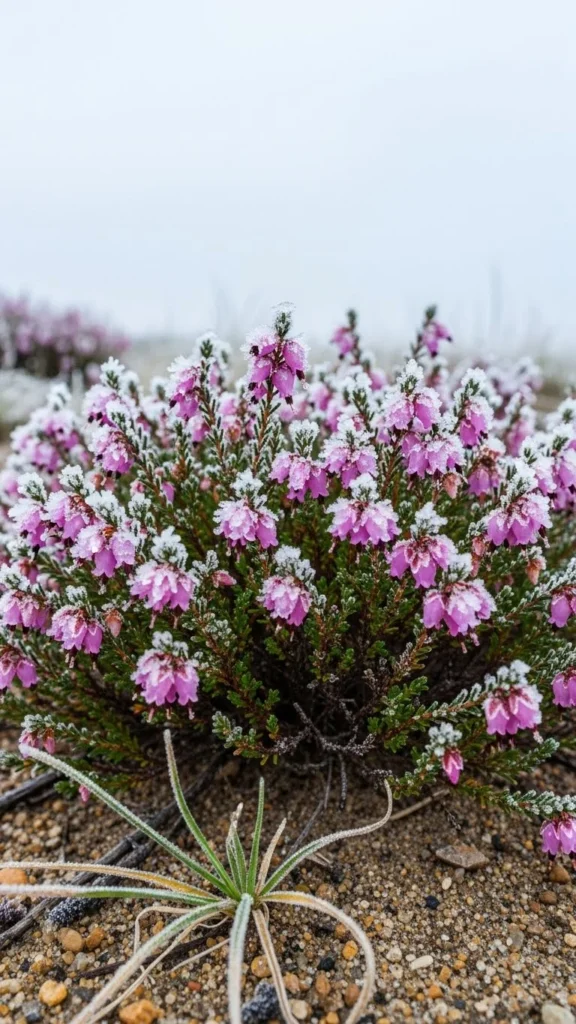
Heath fills winter gardens with small blooms. It thrives in dry soil and chilly air. Plant it near stones for a contrast. This plant loves sunlight and stays compact. For DIY savings, plant several small pots instead of large ones. Water lightly after planting, then leave it alone. Trim after flowering to keep a tidy shape. Heath comes in many colors, so you can mix varieties for a gentle winter display.
12. Boxwood ‘Wintergreen’
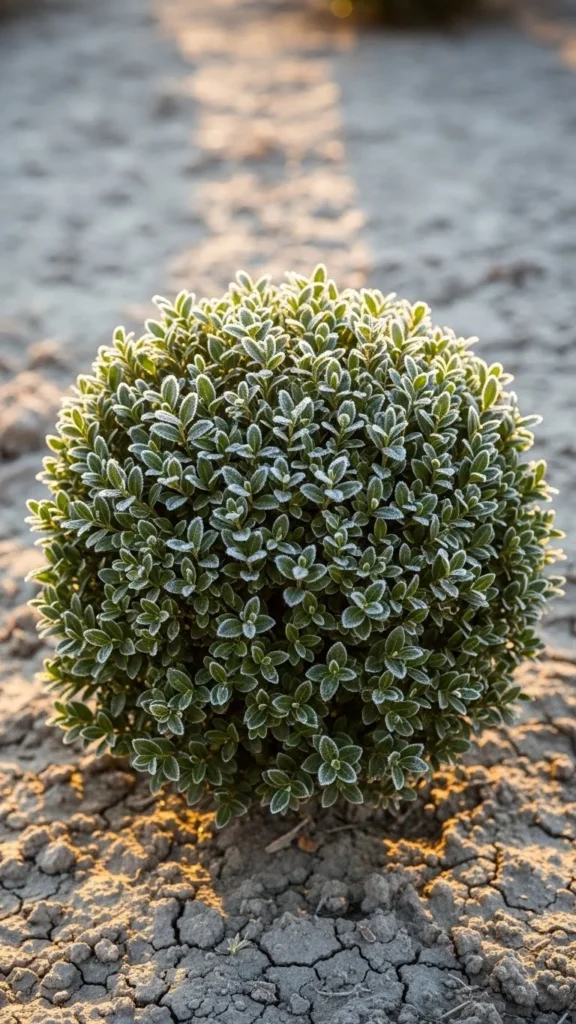
Boxwood keeps its green color even during cold spells. It handles dry soil better than many shrubs. Place it near doorways or along walkways. Shape it gently with hand pruners. For a low-cost idea, buy smaller plants and space them evenly. Over time, they’ll fill in and form a clean border. Avoid heavy watering. This plant stays neat through winter and gives structure to your garden.
13. Ice Plant
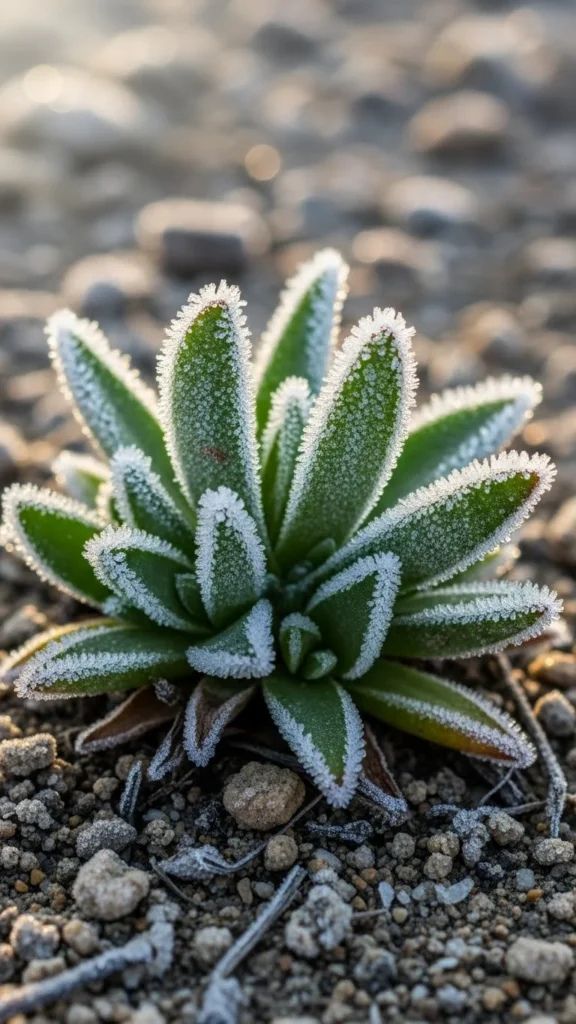
Ice plants store moisture in their leaves, which makes them perfect for dry winter gardens. Their foliage stays colorful even when temperatures drop. Plant them in gravel beds or raised planters. They thrive with very little care. Spread a thin layer of sand around the base for drainage. For affordable expansion, divide large clumps into smaller pieces. Ice plants brighten dull spaces without any fuss.
14. Sage ‘Berggarten’
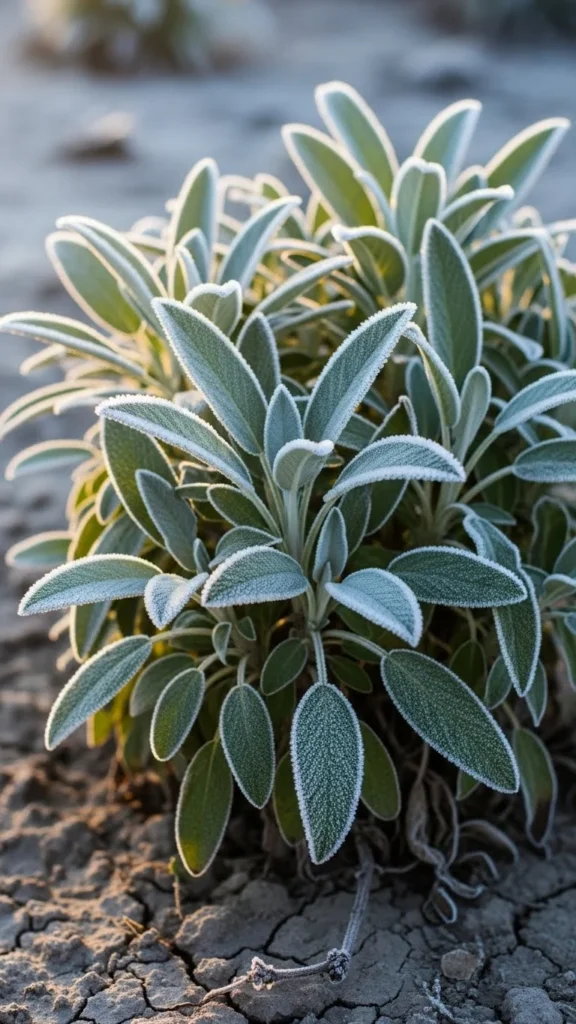
Sage brings soft silver foliage and handles cold, dry conditions with ease. ‘Berggarten’ is one of the toughest varieties. Plant it in full sunlight. Keep the soil sandy or rocky. Use old clay pots for a classic look. You can grow more plants from simple stem cuttings. Clip the tips in early spring. This plant stays attractive even when temperatures fall. The fragrance adds charm to any winter garden.
15. Cushion Spurge
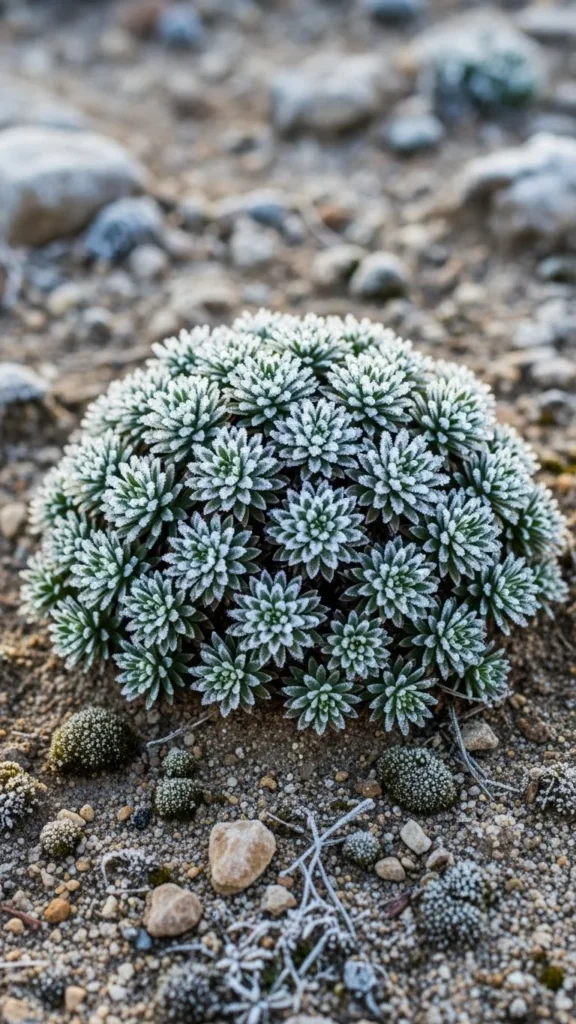
Cushion spurge forms neat domes that stay firm in winter. It likes dry, sunny spots. The plant keeps its shape even when dormant. Plant it near stones or along driveways. Use a thin gravel mulch to save water. To stretch your budget, divide mature clumps every few years. Wear gloves when handling since the sap can irritate skin. This plant adds form and low-care beauty through cold months.
16. Sea Holly
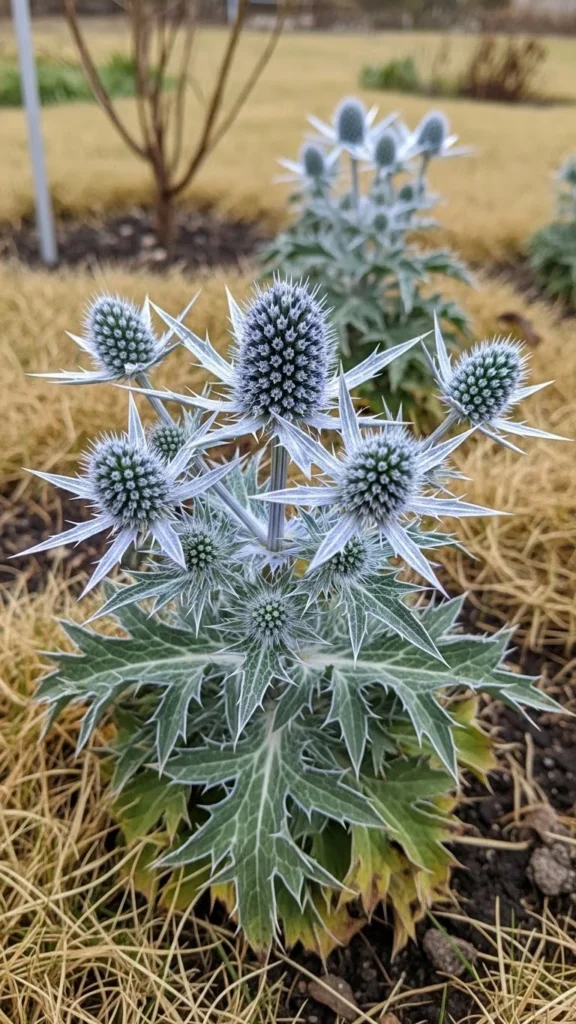
Sea holly stands tall and bold in winter gardens. Its spiky shape brings interest during quiet months. Place it in full sunlight and sandy soil. Avoid watering unless newly planted. This plant thrives in neglect. For a low-cost project, add stones around the base to highlight its shape. Cut dried stems in early spring. Sea holly stays sturdy through frost and wind.
17. Artemisia ‘Silver Mound’
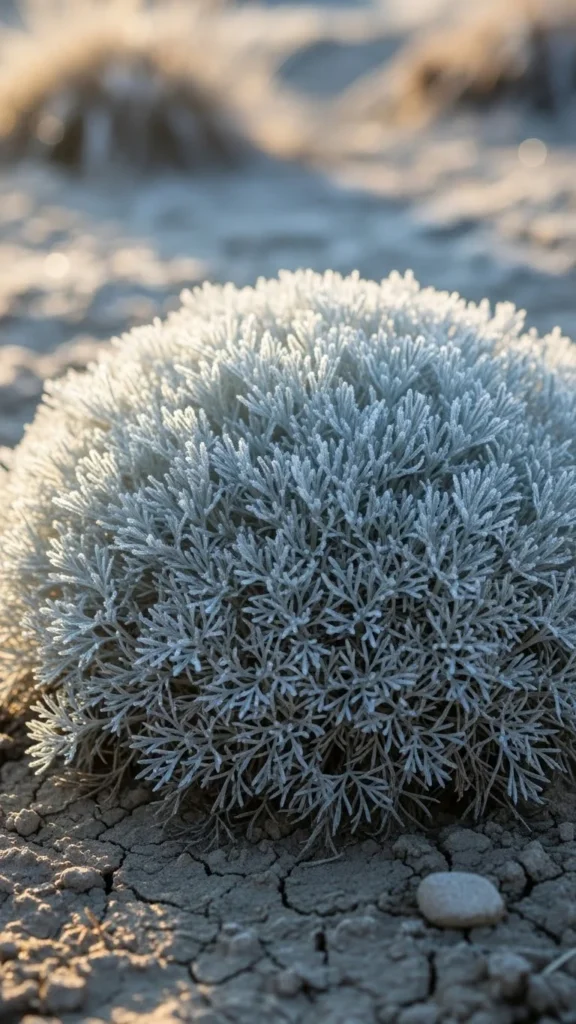
Artemisia brings soft, airy texture in winter. The silver foliage looks beautiful against darker shrubs. Plant it in sunny spots with dry soil. It doesn’t require fertilizer or frequent water. To save money, divide the plant once it grows large. Trim lightly to keep a rounded shape. This plant thrives even when the weather gets rough. Its soft leaves make any winter garden feel gentle and clean.
18. Nandina ‘Fire Power’
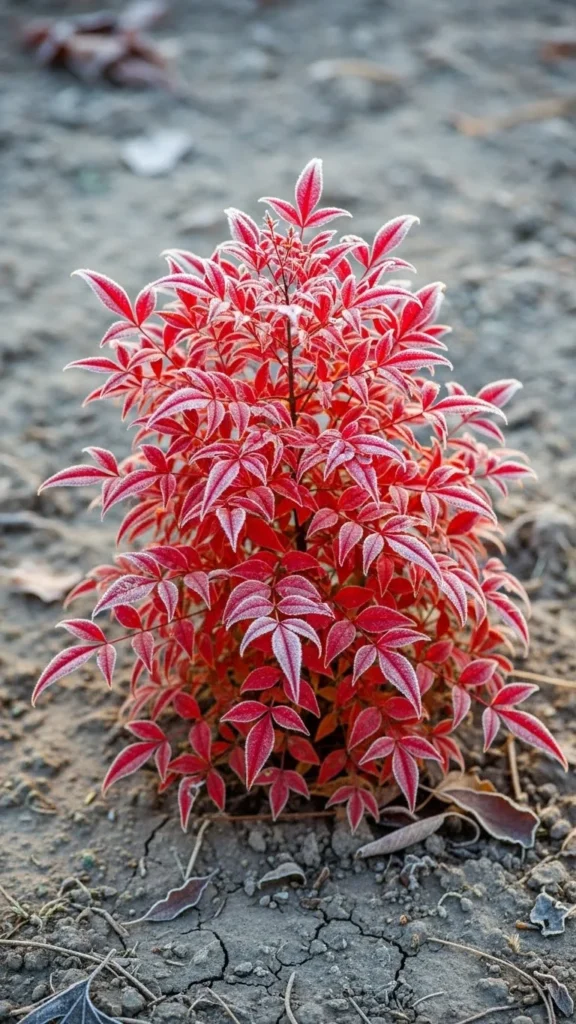
Nandina adds bright winter color without extra work. Its leaves turn warm red during cold months. It handles dry soil and full sun well. Use it as a small accent shrub near patios. For a budget idea, mix small and medium plants to create layered height. Water only when newly planted. Trim lightly if a branch sticks out awkwardly. Nandina stays colorful even in freezing air.
19. Oregon Grape Holly
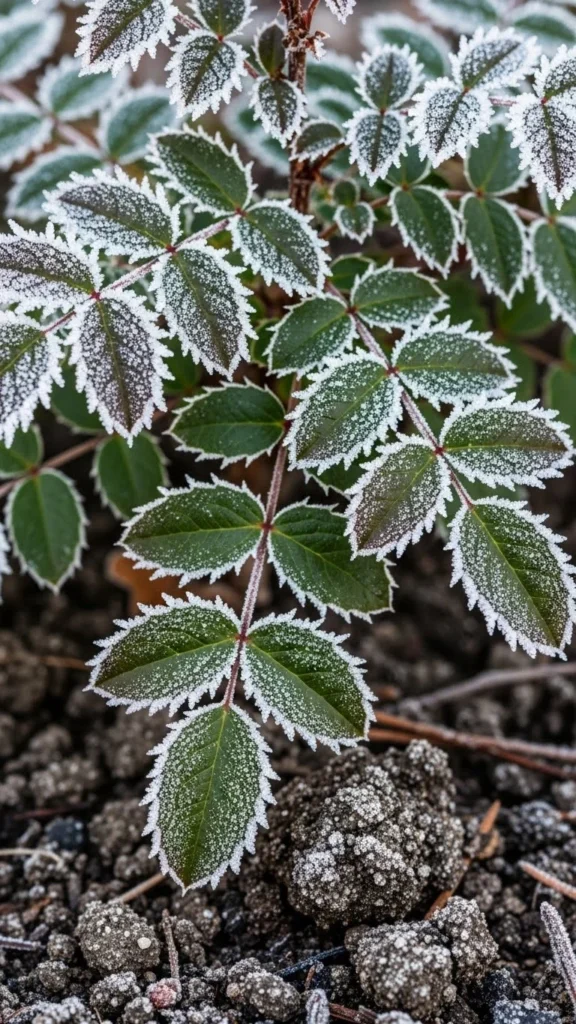
This shrub stays strong through cold and drought. The glossy leaves shift from deep green to bronze in winter. Plant it along fences or in shady corners. Add a small layer of gravel to help drainage. For an affordable approach, buy bare-root plants when available. Snip old branches in early spring. The plant stays sturdy and full all winter.
20. Bearberry
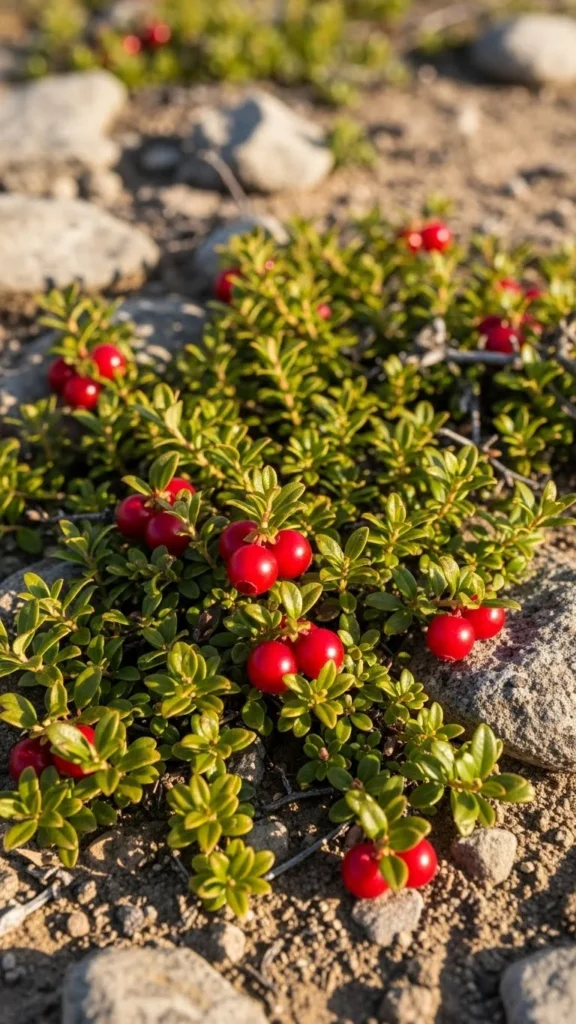
Bearberry spreads slowly and stays low to the ground. It handles freezing temperatures and dry soil easily. Plant it on slopes or near walkways for soft color. The red berries stay visible through much of winter. Use gravel mulch to help keep roots dry. You can plant smaller pots and allow them to fill in naturally. Bearberry adds soft charm with little effort.
21. Red Twig Dogwood
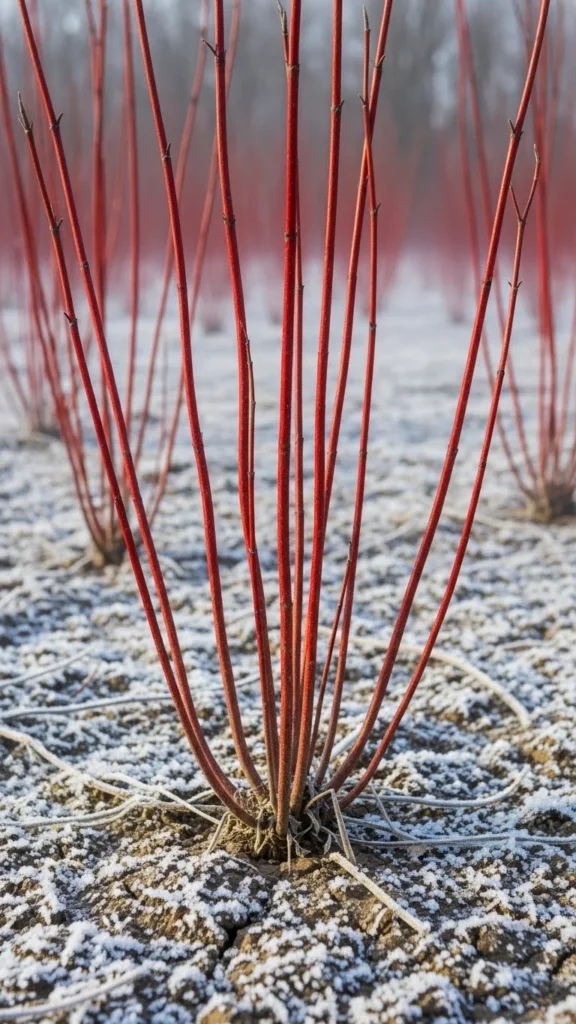
Red twig dogwood adds bright stems when the leaves fall. It loves cold weather and handles dry soil once settled. Plant it where the stems can shine, such as near stone walls or fences. Prune older stems in early spring to keep color strong. Buy young shrubs to save cost. This plant brings vivid color during the quiet months.
22. Russian Sage
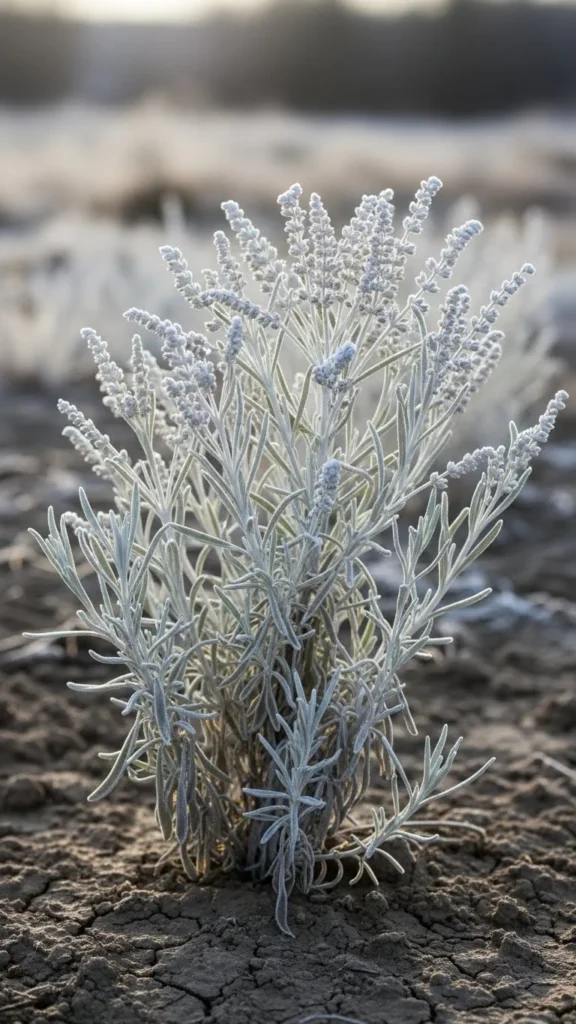
Russian sage holds its structure in winter. The stems stay upright and silver. It loves dry soil and sunshine. Plant it in open spaces for a soft, airy look. For a frugal tip, divide one mature plant into several smaller clumps. Water lightly after planting. Cut old stems back in early spring. Russian sage adds calm shape during the cold season.
23. Coral Bells

Coral bells bring color even in winter. Depending on the variety, the leaves can be deep red, caramel, or plum. Plant them in partial shade. They tolerate dry soil well once settled. Use them near pathways or garden borders. To save money, mix several small pots instead of large ones. Trim old leaves in late winter. Coral bells stay lively even when other plants fade.
24. Blue Oat Grass
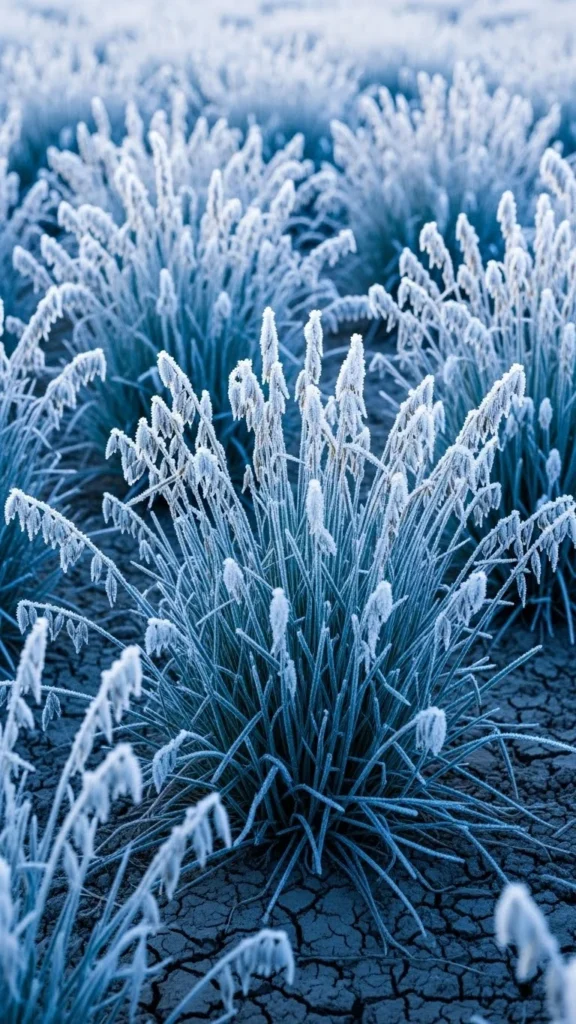
Blue oat grass stands tall and graceful during winter. The blades hold their shape and color. Plant it in sunny, open areas. It likes sandy or rocky soil. Divide older plants to create more clumps at no extra cost. Trim lightly in early spring. This grass brings height and soft motion when breezes pass through the garden.
25. Mahonia ‘Soft Caress’
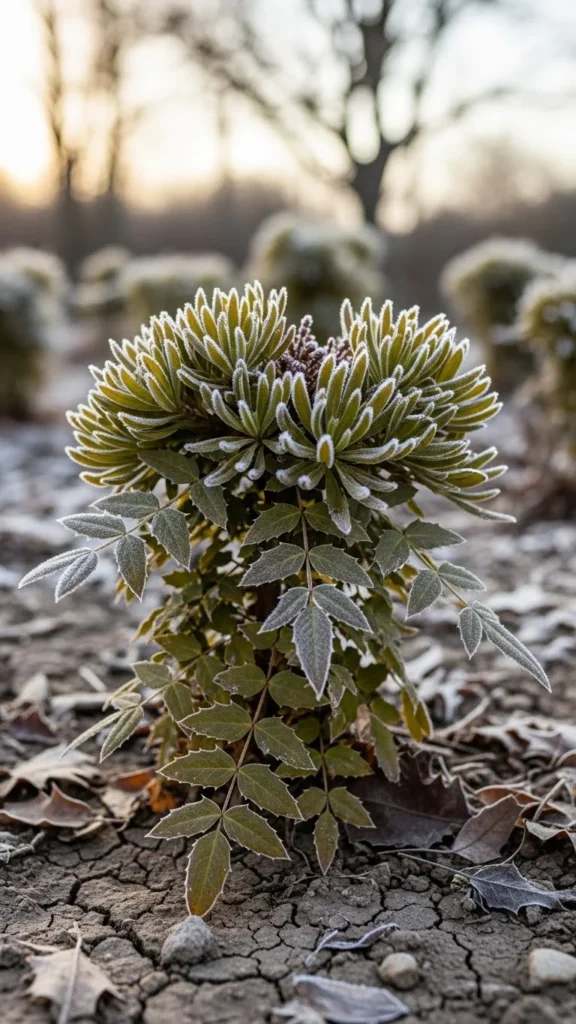
This mahonia variety offers gentle, fern-like foliage in winter. It handles shade and dry soil with no trouble. Plant it near patios or along shaded pathways. You can mix different sizes for a layered look. Water very lightly during dry spells. Snip old leaves as fresh ones appear in spring. The plant stays soft and steady even in chilly weather.
26. Jerusalem Sage
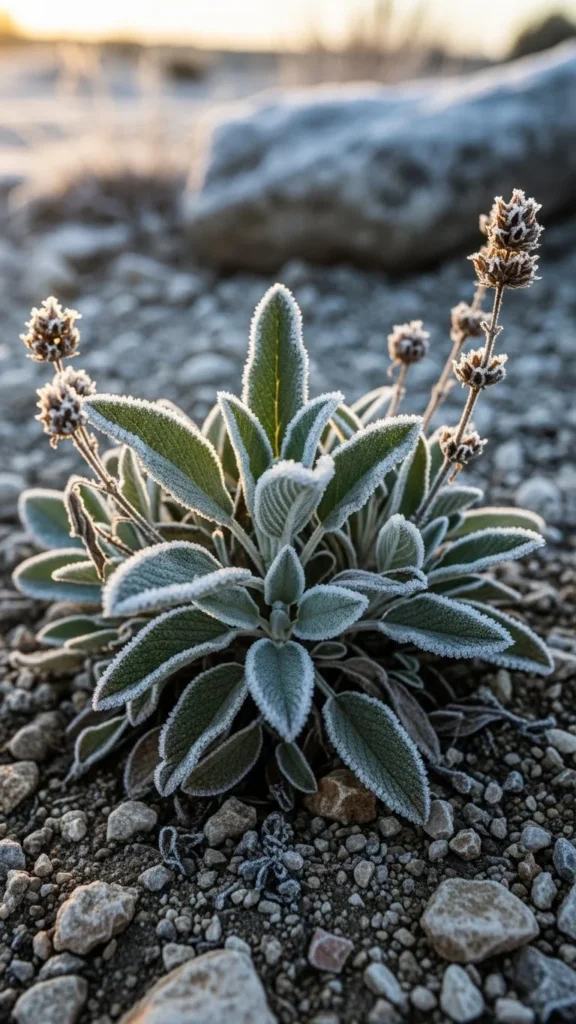
Jerusalem sage has velvety leaves that stay attractive through winter. It tolerates dry, cold conditions well. Plant it in sunny areas with gritty soil. Use terracotta pots for a warm contrast. To save money, take stem cuttings and root them in sand. Trim lightly to keep a rounded shape. This plant remains steady even during long dry spells.
Conclusion
Cold months don’t have to leave your garden bare or demanding. These drought-tolerant winter plants stay steady with minimal care, helping you create a lively, dependable outdoor space without constant watering or fuss. Choose a few, plant them in simple layouts, and enjoy a garden that stays attractive even in the chill.

Leave a Reply