

Imagine stepping outside your door and picking fresh strawberries, crisp lettuce, or juicy tomatoes—all from your own yard. Turning your yard into an edible paradise isn’t just a dream; it’s an incredibly rewarding way to live closer to nature, save money, and enjoy the freshest food possible. With a little creativity and planning, any outdoor space can become a thriving, food-producing oasis.
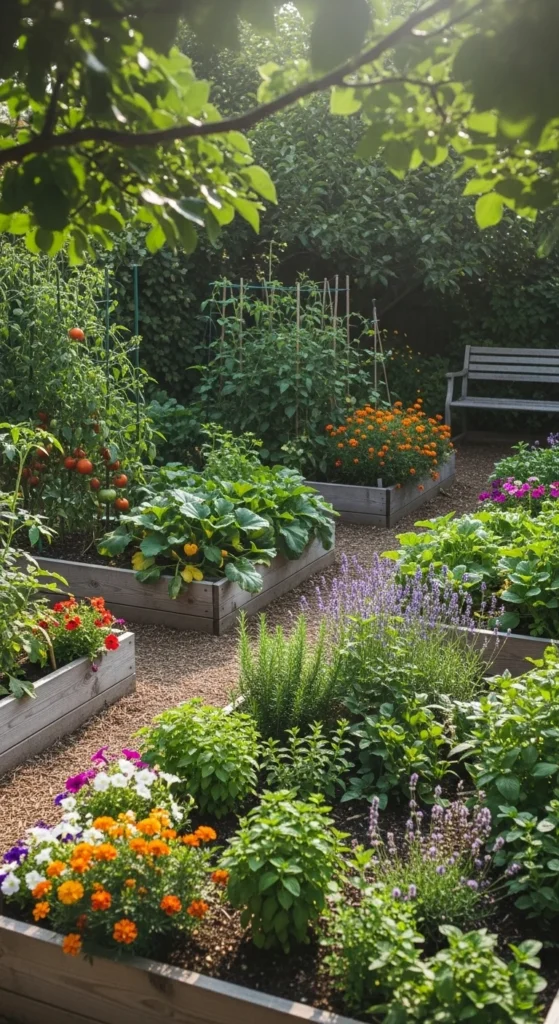
Start with a Vision for Your Edible Yard
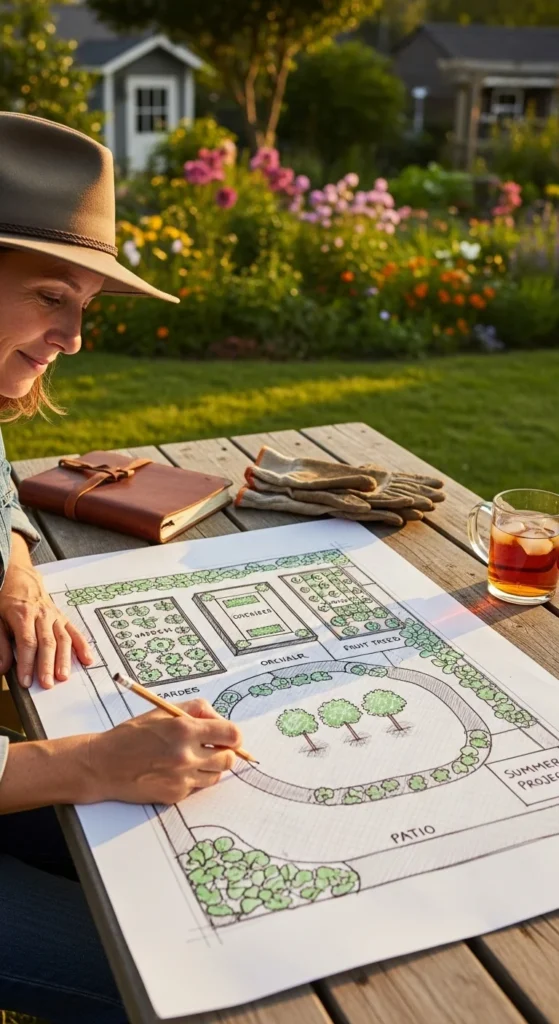
Before you grab a shovel, take time to visualize your ideal edible landscape. Ask yourself:
- What fruits and vegetables do you love most?
- How much sunlight does your yard get?
- Do you prefer neat garden beds or a more natural, wild look?
Think of your yard as a blank canvas. You can combine beauty and productivity by mixing fruit trees with flower beds, or edging walkways with fragrant herbs like rosemary and thyme.
Choose the Right Edible Plants for Your Space
Different plants thrive under different conditions. The key is to match your crops to your local climate, soil type, and sun exposure.
Here’s a quick guide:
- Sunny areas (6+ hours): Tomatoes, peppers, cucumbers, strawberries, and basil.
- Partial shade: Lettuce, spinach, kale, mint, and parsley.
- Cooler regions: Peas, carrots, radishes, and potatoes.
- Warm regions: Sweet potatoes, okra, eggplants, and citrus trees.
Mix perennials (plants that come back year after year) with annuals for a balance of reliability and freshness. For example, pair blueberries or rhubarb with seasonal favorites like zucchini or beans.
Blend Beauty and Function in Your Design
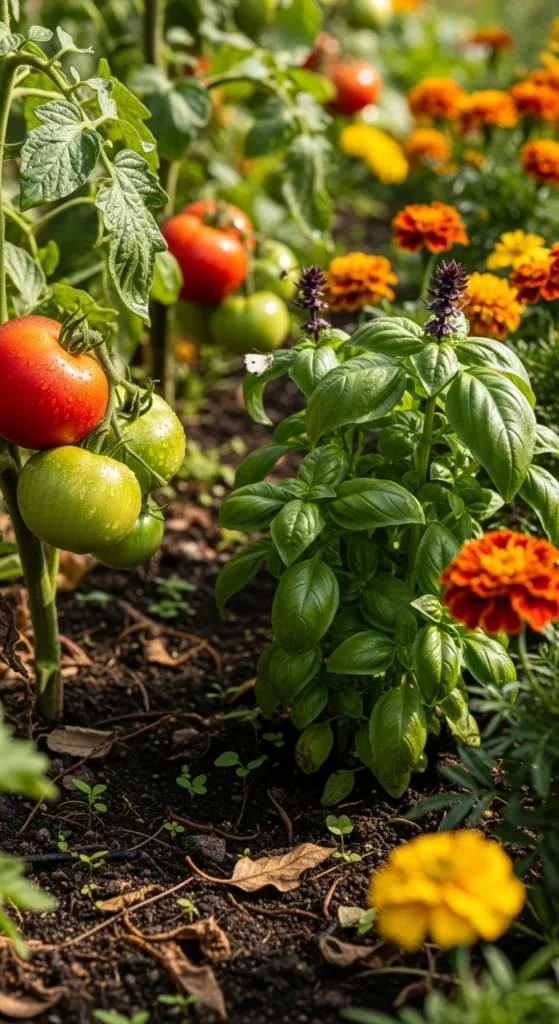
An edible yard doesn’t have to look like a farm—it can be stunningly beautiful. Integrate edible plants into your landscaping for a seamless, aesthetic appeal:
- Use fruit trees as shade providers.
- Border paths with colorful herbs or edible flowers like nasturtiums or calendula.
- Create vertical gardens using trellises for climbing plants like beans or passionfruit.
- Fill containers with strawberries, lettuce, or dwarf fruit trees for small patios.
A layered design—tall trees, shrubs, ground covers, and vines—mimics natural ecosystems and helps maximize productivity in limited space.
Build Healthy Soil for Abundant Growth
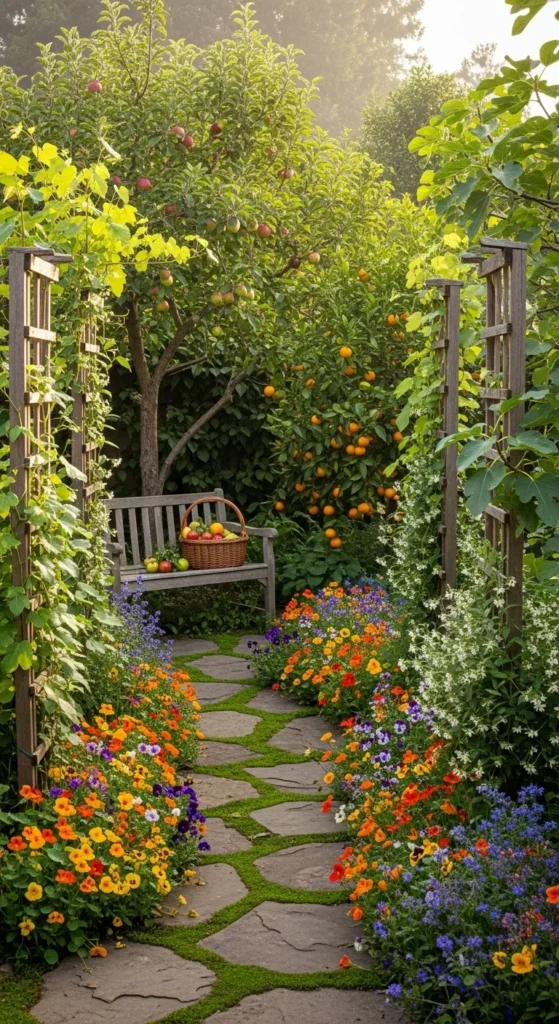
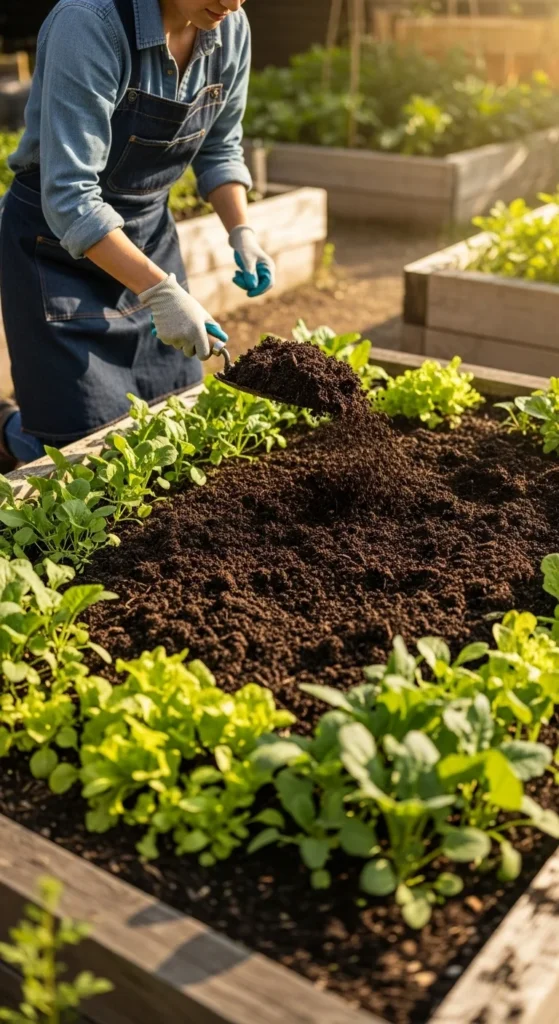
Great soil is the foundation of every edible paradise. Healthy, nutrient-rich soil supports stronger plants and higher yields.
Simple ways to improve your soil:
- Add compost made from kitchen scraps and yard waste.
- Mulch with straw, leaves, or wood chips to retain moisture and prevent weeds.
- Avoid synthetic fertilizers—opt for organic compost tea or worm castings instead.
- Rotate crops each season to keep the soil balanced and pest-free.
Once you build good soil health, your plants will thrive with less effort.
Attract Pollinators and Beneficial Insects
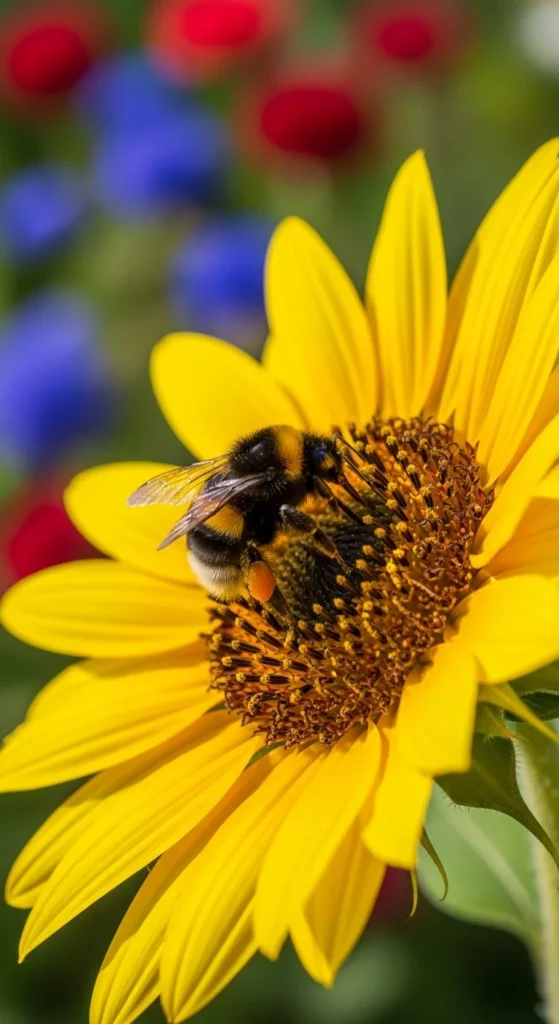
Your edible paradise needs pollinators—bees, butterflies, and even hummingbirds—to boost fruit and vegetable production.
To make your yard inviting:
- Plant pollinator-friendly flowers like lavender, sunflowers, and echinacea.
- Avoid chemical pesticides.
- Add a small water source like a shallow birdbath or fountain.
- Include native plants that local pollinators recognize and love.
Beneficial insects like ladybugs and lacewings also help control pests naturally, reducing the need for sprays.
Create a Year-Round Harvest Plan
Plan for continuous harvests by staggering your plantings and choosing crops that mature at different times. For example:
- Spring: Lettuce, radishes, peas.
- Summer: Tomatoes, zucchini, cucumbers.
- Fall: Carrots, kale, beets.
- Winter (in mild climates): Spinach, garlic, and herbs.
You can also preserve your harvest—dry herbs, freeze berries, or can tomatoes—to enjoy homegrown flavors even in the off-season.
Add Comfort and Enjoyment Spaces
Your edible yard should also be a relaxing retreat. Add:
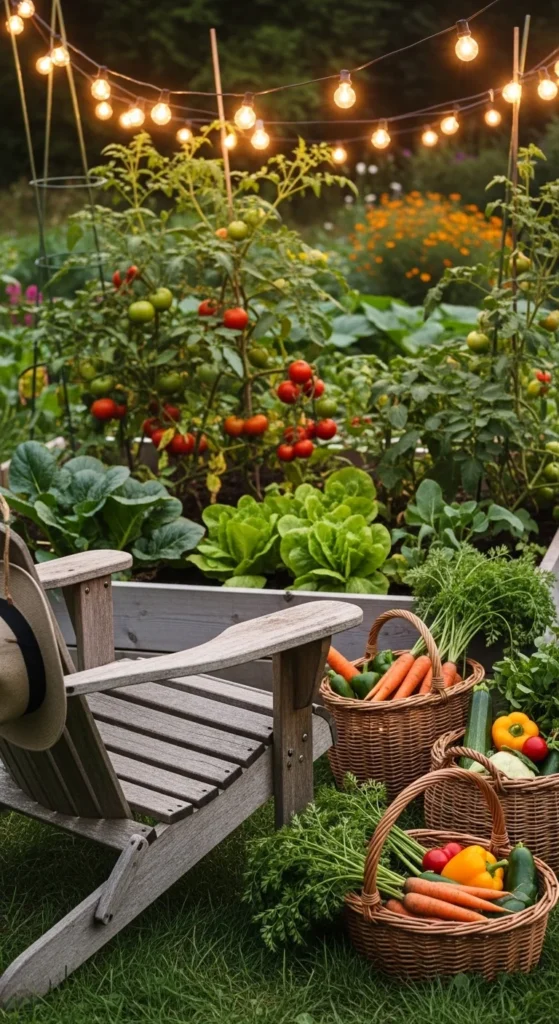
- A small sitting area for enjoying morning coffee surrounded by flowers.
- A garden path for easy access to plants.
- Decorative touches like solar lights or wooden planters.
It’s not just about growing food—it’s about creating a space that nourishes both body and mind.
Final Takeaway
Turning your yard into an edible paradise is a journey of creativity, patience, and joy. You’ll enjoy fresher food, a healthier lifestyle, and a deeper connection with nature—all from your own backyard.
Start small, grow what you love, and expand as your confidence blooms. Before long, your outdoor space will not only feed your family but also inspire everyone who visits.
Save this gardening guide for later and start planning your edible paradise today!

Leave a Reply